
If you are two travellers planning a Serengeti safari for December 2026, the short answer is yes—joining a group is not only possible but often the most practical and budget-friendly way to experience the Northern Circuit. Many travellers assume that a safari requires a massive private investment, but the reality is that group joining safaris are built specifically to accommodate smaller parties of two or even solo travellers.
For a pair of travellers, the decision between a private safari and a group joining tour usually comes down to a trade-off between absolute itinerary control and cost-efficiency. By choosing to join a group, you share the high fixed costs of the vehicle, fuel, and guide fees with other travellers, which can significantly reduce the price per person. In December, which falls within the shoulder season, there is often good availability for these types of shared departures.
Understanding the Group Joining Model for Two
When you sign up as a pair, you are essentially purchasing two seats on a vehicle that typically accommodates four to six people. The primary benefit here is the shared overhead. On a private safari, you bear 100% of the vehicle cost; in a group, you share that burden. For two travellers, this structure allows you to access higher-quality lodges or longer itineraries that might otherwise stretch your budget.
It is important to understand that when you join a group, you are agreeing to a pre-set itinerary. This means the pace, the start times for morning game drives, and the specific parks visited are determined by the tour operator to maximize the experience for everyone on board. If you are the type of travellers who prefer to spend four hours watching a single pride of lions, a group tour might feel restrictive. However, if you are looking for a comprehensive, well-organized, and social experience, it is an excellent choice.
Why December 2026 is a Strategic Time to Travel
December in the Serengeti is known as the “short rains” season. While it is not the peak migration season of July or August, it offers unique advantages:
- Lush Landscapes: The rains turn the plains vibrant green, which provides a stunning backdrop for photography.
- Fewer Crowds: You will generally encounter fewer vehicles at major sightings compared to the dry season, offering a more intimate experience.
- Wildlife Activity: This is an excellent time for birdwatching as migratory species arrive, and many ungulates begin their calving cycles.
- Availability: Because it is outside the absolute peak, finding spots on group departures is often easier than in the height of the summer.
Comparing Private vs. Group Safaris for Two Travellers
To help you decide, consider the following differences in logistics and experience:
| Feature | Group Joining Safari | Private Safari |
|---|---|---|
| Cost | More economical; costs are shared. | Higher; you pay for the full vehicle. |
| Flexibility | Set itinerary and schedule. | Fully customizable pace and timing. |
| Social Aspect | Meet other travellers from around the world. | Private time for just the two of you. |
| Vehicle | Shared (usually 4-6 pax). | Exclusive to your party. |
If you are wondering whether a group joining safari is cheaper than a private safari, the answer is almost always yes. The vehicle rental and guide fees remain largely the same whether there are two people or six in the vehicle. By filling those extra seats, you drastically lower your individual cost. You can read more about this cost dynamic in our guide on whether a group joining safari is cheaper than a private safari.
Logistics: Getting Started and Meeting Your Group
One of the most common questions from couples or pairs is how to handle the arrival logistics. Most of our group safaris start from Arusha or directly from Kilimanjaro International Airport (JRO). If you are landing in Tanzania, we recommend arriving at least one day before your safari begins. This allows you to recover from your flight, handle any visa requirements, and meet your group or guide before the journey into the national parks begins.
If you are looking for specific guidance on how to join a group from the airport, we have detailed the process in our article on joining a safari group directly from Kilimanjaro Airport. This is a common request and we have refined the transfer logistics to make it as smooth as possible.
What to Expect on a Typical December Itinerary
A standard group safari in the Northern Circuit usually covers the most iconic parks: the Serengeti, Ngorongoro Crater, and Tarangire or Lake Manyara. In December, the migration is often moving south, heading toward the Ndutu area and the southern Serengeti plains. This makes the southern Serengeti a prime location for your game drives.
For two travellers, a 4-day or 5-day itinerary is often the sweet spot. It provides enough time to see the major highlights without feeling rushed. If you are specifically looking for a route that hits both the Serengeti and Ngorongoro, check out our guide on which Tanzania group safari includes Serengeti and Ngorongoro. This will give you a clear picture of how those days are structured.
Planning for December 2026: Practical Advice
Since you are planning for 2026, you have the benefit of time. While group departures do not usually sell out as quickly as peak-season lodges, early planning is still advisable to ensure you get your preferred dates and accommodation standard. When you contact us, be prepared to provide:
- Your preferred travel dates in December 2026.
- The number of days you wish to spend on safari (e.g., 3, 4, or 5 days).
- Your preferred accommodation standard (mid-range lodges or tented camps).
- Any specific interests (e.g., photography, birdwatching, or specific wildlife).
If you are travelling from Zanzibar and need to connect to your safari, we have specific resources for that as well. Many travellers combine their beach holiday with a safari, and we have information on group joining safaris from Zanzibar in November and December to help you plan that connection.
The “Two Traveller” Advantage
Travelling as a pair is often the easiest way to join a group because you don’t have to worry about finding an odd number of people to fill a vehicle. You occupy two seats, which fits perfectly into the standard 4-seater or 6-seater configurations used by most operators. This makes you an ideal candidate for joining existing groups that have already confirmed their departure. You can learn more about how to jump into these active groups by reading our insights on joining a safari that has already confirmed travellers.
Next Steps for Your 2026 Safari
The most important step is to start the conversation early. As a local tour operator, Climb 4 Africa can help you navigate the various group departure options. We do not use automated systems for this; we look at the actual demand and the available vehicles to find you the best fit.
If you are ready to explore your options for December 2026, please reach out to us directly. You can contact us via WhatsApp at +255 747 477 898 or email us at climb4africa@gmail.com. Alternatively, our backup email is info@climb-4-africa.com. When you reach out, let us know you are two travellers interested in joining a shared safari—this helps us prioritize your request and find the most suitable group for your dates.
Remember, a safari is more than just a list of parks; it is about the experience on the ground. By choosing to join a group, you are opting for a shared adventure that often creates lasting connections with fellow travellers. Whether you are looking for a high-energy, fast-paced trip or a more relaxed exploration of the Serengeti, we are here to help you make the right choice for your 2026 trip.
Navigating the Social and Lodging Dynamics of Group Safaris
While the financial benefits of a group safari are clear, the intangible aspect of sharing your adventure with strangers is often what defines the quality of the experience for a pair of travellers. When you book a group safari, you are not merely sharing a vehicle; you are entering a temporary micro-community. For many, this is a highlight of the trip, offering the chance to meet like-minded explorers from around the world. However, it requires a mindset shift from the “private bubble” of a solo-couple trip to a more collaborative, communal approach.
One of the most frequent questions we receive from couples is regarding the privacy of accommodation. It is vital to clarify that joining a group safari does not mean you will be sharing a room with other participants. In almost all standard group joining packages, the cost is calculated per person based on double occupancy. This means you and your partner will have your own private room, tent, or bungalow each night. You will share the vehicle during the game drives and potentially share meals in the lodge dining areas, but your sleeping quarters remain your private sanctuary. This provides a necessary “reset” button at the end of each long day, allowing you to discuss the day’s sightings in private before meeting the rest of the group the following morning.
Understanding Room Configurations and Privacy
When selecting your accommodation standard for December 2026, it is helpful to understand the difference between permanent lodges and seasonal tented camps. In the Serengeti, especially during the “short rains” season, tented camps offer an in-depth experience that brings you closer to the sounds of the bush. These are not basic camping tents; they are typically “glamping” setups with en-suite bathrooms, comfortable beds, and wooden flooring. As a pair, you will be assigned your own private tent. If you have specific preferences—such as requesting a tent closer to the main mess area or one with a view of the plains—it is best to communicate this during your initial booking phase. While the operator cannot guarantee specific tent numbers, they can certainly place a request with the camp management on your behalf.
For those who prefer more traditional structures, lodges offer a more hotel-like environment. These are ideal if you find that you need more climate control or additional amenities after a day in the dusty plains. Regardless of the type of accommodation, the social dynamic usually centers around the communal dinner table. This is where the “group” aspect truly comes alive. It is common for travellers to share stories of the day, compare photographs, and discuss the wildlife behavior they witnessed. Embracing this communal dining culture often turns a standard safari into a more enriching social experience.
Managing Expectations: The Unspoken Rules of Shared Vehicles
The most critical aspect of the shared safari experience is the vehicle etiquette. In a 4×4 Land Cruiser, seating is limited, and the “window seat” is the most coveted position for photography and viewing. To ensure fairness, reputable operators implement a mandatory seat rotation policy. This means that every morning or every half-day, passengers rotate their seating positions. As a pair, you might find yourselves sitting together for one leg of the trip and then separated across rows for another to ensure everyone gets equal access to the windows. Accepting this rotation policy from the start prevents friction and ensures that no single participant feels disadvantaged.
Furthermore, managing the pace of the trip is essential when you are in a group. In a private safari, you dictate the start time of your morning game drive. In a group, the schedule is democratic. If the group decides to leave at 6:30 AM to catch the sunrise, you are expected to be ready. Conversely, if the group prefers a slightly later start to enjoy a leisurely breakfast, you must adapt. For two travellers, the key to a successful group safari is flexibility. If you are extremely passionate about birdwatching or require long, uninterrupted periods for photography, joining a group may require you to voice your interests early. Often, if the majority of the group shares an interest, the guide can adjust the focus of the game drive accordingly. However, being prepared to compromise is the hallmark of a successful group traveller.
Finally, consider the “December factor” regarding group dynamics. Because December is a time when the migration is often moving south, the game drives can be highly active. You might find yourselves in a situation where several vehicles congregate around a specific sighting. In a group safari, your guide will manage the “radio chatter” with other drivers to find the best viewing spots. Trusting your guide’s professional judgment is crucial. By relinquishing the need for total control and embracing the shared journey, two travellers can often find that the group experience offers a deeper, more varied perspective on the Serengeti than they would have achieved entirely on their own.
Related Guides and Packages
Check Availability for We Are Two Travellers—Can We Join A Serengeti Safari In Dec ?
Ready to compare dates, prices, and the best option for your group? Send the package name and travel month so the team can reply with a clear quote, availability, and what is included.
Where Can I Join An Affordable Serengeti Safari In Dec ? A Practical Planning
A practical guide for budget-conscious travelers looking to join a Serengeti safari in December 2026, focusing on group-joining logistics and cost-effective planning.
View package detailsCan A Solo Traveller Join A Serengeti Safari In Dec ?
Planning a solo safari in December 2026? Discover the logistics of joining group departures, why December is a prime time for the migration, and how to manage costs effectively.
View package details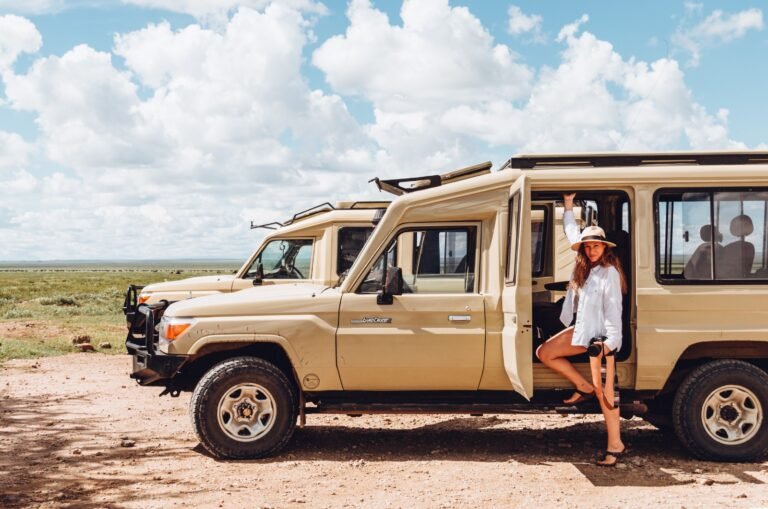
Nov 18, – 7 Day Serengeti And Ngorongoro Group Joining Safari 2026
A detailed guide to the 7-day group joining safari departing November 18, 2026, covering Serengeti, Ngorongoro, and the logistical advantages of shared travel.
View package details3 Day Serengeti And Ngorongoro Group Safari: Planning For December 4,
A detailed guide on planning a 3-day group safari to the Serengeti and Ngorongoro Crater for December 4, 2026, covering route expectations, group logistics, and essential planning steps.
View package detailsWhich Tanzania Group Safari Includes Serengeti And Ngorongoro?
Which Tanzania Group Safari Includes Serengeti and Ngorongoro?
View package detailsHow Much Is A 3 Day Serengeti Group Safari In Nov ? Cost Breakdown
Get a clear breakdown of the factors influencing the cost of a 3-day Serengeti group safari in November 2026, including park fees, vehicle logistics, and group dynamics.
View package detailsAfcon Private Serengeti Safari With Lodges
AFCON 2027 Private Serengeti Safari with Lodges.
View package detailsAfcon Luxury Serengeti Safari Packages
AFCON 2027 Luxury Serengeti Safari Packages.
View package details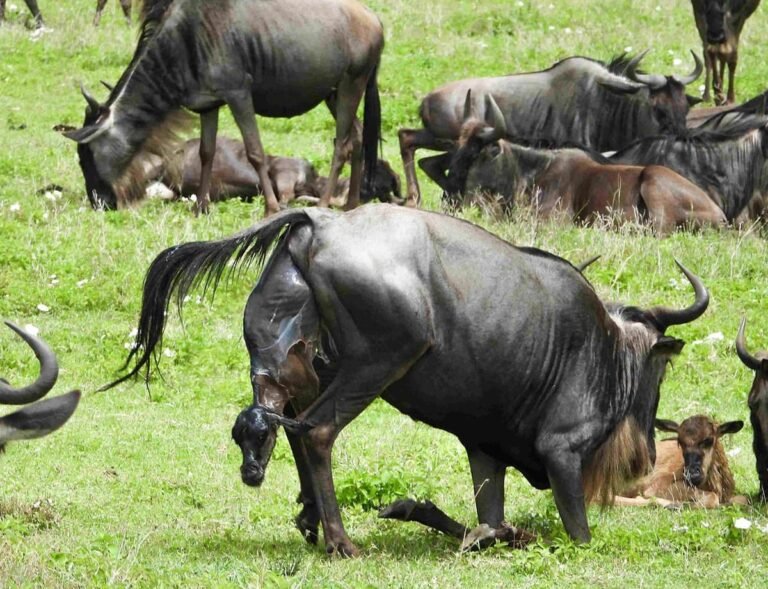
Serengeti Great Migration Safari During AFCON 2027
Mwongozo wa kina kwa safari ya Serengeti Great Migration wakati wa AFCON 2027, ukilenga kuelewa maeneo, kipindi cha mwendo wa mnyama, na mapendekezo ya mipango ya kiutendaji.
View package details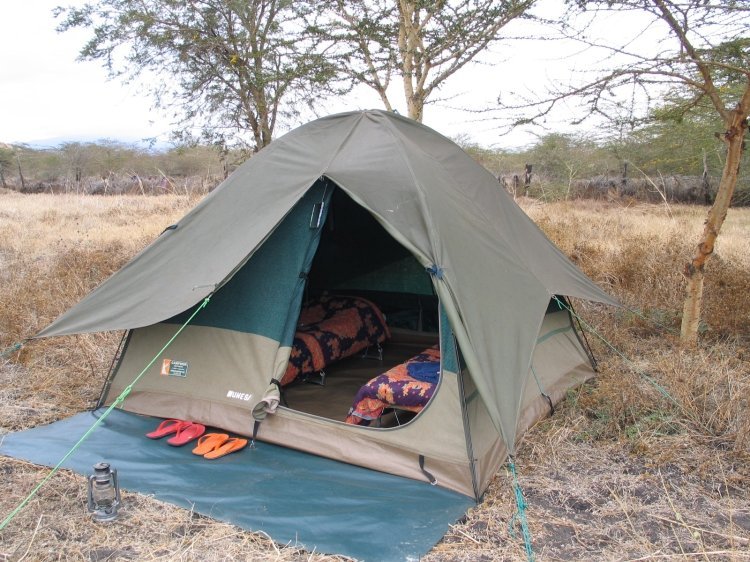
Four Day Serengeti na Ngorongoro Safari During AFCON 2027
Mwongozo wa safari ya siku 4 kwenye Serengeti na Ngorongoro wakati AFCON 2027; jinsi ya kupanga, nini cha kujali, na jinsi ya kuandaa,”
View package detailsThree Day Serengeti Safari During AFCON 2027
Mwongozo wa kiutendaji kwa safari ya siku tatu ya Serengeti wakati AFCON 2027, ukijumuisha mwelekeo wa maeneo, ratiba ya siku, na ushauri wa ubashiri wa kupanga pamoja na jinsi ya...
View package details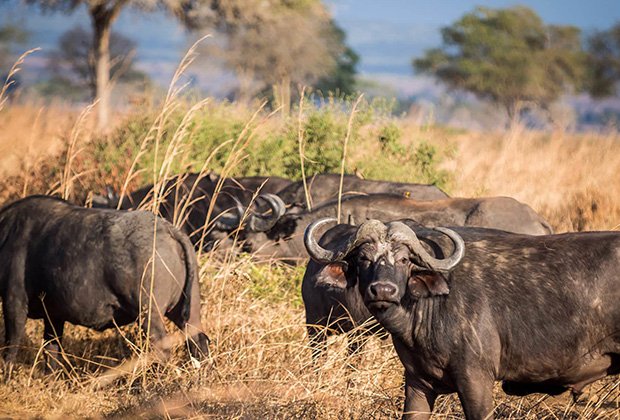
Dec 24, – 3 Day Christmas Serengeti And Ngorongoro Group Safari
Dec 24, 2026 – 3 Day Christmas Serengeti and Ngorongoro Group Safari.
View package detailsNo related package matches those filters. Clear one or more filters to see the other topic-matched options.



