
When planning your safari, the question of how long the flight is from Arusha to Serengeti rarely has a single, static answer. In practice, you should expect the flight time to range anywhere from 45 minutes to 90 minutes. The variation depends entirely on three factors: your specific destination airstrip within the Serengeti, the number of stops the aircraft makes on its circuit, and the flight path dictated by the day’s weather and air traffic.
The Core Reality: You are not flying into a single ‘Serengeti Airport.’ You are flying into a bush airstrip. The Serengeti is vast, and the flight duration changes significantly if you are heading to the central Seronera Airstrip versus the northern Kogatende Airstrip or the western Grumeti region.
At Climb 4 Africa, we often see travelers surprised by the ‘hopping’ nature of these flights. Domestic airlines in Tanzania frequently operate ‘milk runs’—meaning the Cessna Caravan aircraft might stop at one or two other airstrips before or after yours. This is efficient for the airline but adds time to your journey. If your flight is direct, it is on the shorter end (45-50 minutes). If you are on a multi-stop route, it can push toward that 90-minute mark.
Why the Serengeti Airstrip Matters
To understand your travel time, you first need to identify where your accommodation is located. The Serengeti National Park is roughly 14,750 square kilometers, and the airstrip you choose must be reasonably close to your lodge or camp to minimize ground transfer time.
- Seronera Airstrip (Central Serengeti): This is the most common arrival point. Flights from Arusha to Seronera are often the fastest, usually clocking in around 45 to 60 minutes. It is the hub of the park, making it the most frequent stop for most bush planes.
- Kogatende Airstrip (Northern Serengeti): If you are heading north to see the Great Migration river crossings, expect a longer flight. These flights often take 75 to 90 minutes because the distance is greater, and the pilot may need to navigate around park-specific air traffic patterns.
- Grumeti or Sasakwa Airstrip (Western Serengeti): These flights are specialized and often serve specific luxury lodges. Duration varies significantly based on whether the flight is direct or shared with other camps.
- Ndutu Airstrip (Southern Serengeti/Conservation Area): Flights here are seasonal, primarily active when the herds are calving. Travel times are similar to Seronera but require specific operator confirmation regarding seasonal schedules.
For more specific details on routes, you can review our guide on Arusha to Serengeti one-way flight ticket prices, which helps clarify the cost differences based on these specific destination airstrips.
Arusha (ARK) vs. Kilimanjaro (JRO): The Crucial Departure Point
A common mistake is assuming all flights leave from the same airport. You have two main options in the region:
- Arusha Airport (ARK): This is the small, local airport located right in the city of Arusha. It is the preferred choice for most safari-goers. It is closer to town, the check-in process is faster, and it is the primary hub for the small bush planes that fly into the Serengeti.
- Kilimanjaro International Airport (JRO): This is the major international hub. While some flights to the Serengeti do depart from here, they are less frequent and often require a connection. If you are arriving from an international flight and heading straight to the safari, JRO is convenient, but for most, a transfer to ARK the following morning provides a much smoother start to the safari.
If you are debating which airport suits your itinerary, our comparison on whether it is cheaper to fly from Arusha or Kilimanjaro provides the necessary context for your budget planning.
The Reality of Bush Flight Logistics
Flying to the Serengeti is an experience, but it is not a standard commercial airline flight. There are operational realities you must account for when planning your 2026 or 2027 trip.
Baggage Weight Limits
This is the most critical logistical point. Bush planes (typically Cessna Caravans) have strict weight limits, usually 15kg (33 lbs) per person, including your carry-on. This limit includes your camera gear. Because the planes are small, they cannot accommodate standard hard-shell suitcases. You must use soft-sided, flexible duffel bags. If you show up with a heavy, hard-shell suitcase, you may be charged extra or, in rare cases, forced to leave luggage behind.
Flight Schedules and Weather
Flight schedules are not as rigid as international carriers. While they follow a timetable, they are subject to the ‘bush aviation’ rules: weather, runway conditions, and passenger volume. During the rainy season, some dirt airstrips can become temporarily unusable, leading to flight diversions or delays. Always build a buffer into your itinerary. We advise against scheduling an international flight connection on the same day you fly out of the Serengeti.
Flying vs. Driving: The Trade-off
Many travelers ask if they should drive to the Serengeti instead of flying. It is a fundamental choice that changes the nature of your safari.
Flying (The Time-Saver): You trade money for time. You spend 60 minutes in the air, landing directly in the heart of the action. This maximizes your game-viewing time, which is essential if you are on a shorter 4-day or 5-day safari.
Driving (The Experience): The drive from Arusha to the Serengeti takes roughly 7 to 9 hours. While long, it allows you to pass through the Ngorongoro Conservation Area, view the changing landscapes, and acclimatize to the environment. It is significantly cheaper than flying but consumes an entire day of your trip.
If you are undecided, our detailed analysis of flying safari vs. road safari breaks down the cost and experience differences to help you decide which fits your travel style.
Booking Your Serengeti Transit
At Climb 4 Africa, we handle the flight bookings as part of your overall safari package. Why? Because coordinating the timing of your arrival, the ground transfer to the airstrip, and the flight schedule requires precise alignment. If your international flight arrives late, or if a bush flight schedule changes, we manage the logistics so you aren’t left stranded at the airstrip.
When you contact us to plan your trip, we look at your entire route—whether you are combining this with a Kilimanjaro climb or a Zanzibar beach holiday. We ensure your flight to the Serengeti aligns with your park entry permits and accommodation check-in times.
Ready to start planning? If you have your dates, reach out to us for a custom quote. You can contact our team directly via WhatsApp at +255 747 477 898, or send your inquiry to climb4africa@gmail.com or our backup address at info@climb-4-africa.com. Please include your estimated travel dates, the number of travelers, and your preferred level of accommodation (mid-range or luxury) so we can provide an accurate flight and safari itinerary.
Frequently Asked Questions
Do I need to book my Serengeti flight well in advance?
Yes. The bush planes have limited seating capacity. During the peak migration seasons (typically June to October and January to February), flights can book out weeks, sometimes months, in advance. We recommend securing your flights as soon as your safari dates are confirmed.
Are there toilets on the plane?
No. These are small, single-engine or twin-engine aircraft. They do not have onboard facilities. The flight is short enough that this is rarely an issue, but ensure you use the facilities at the terminal before boarding.
What happens if my flight is canceled due to weather?
While rare, weather can affect flight paths. If a flight is canceled, the airline will typically reschedule you on the next available flight or coordinate with your ground operator to arrange alternative transport. This is why having a local operator like Climb 4 Africa is vital—we act as your bridge to the airline to resolve these issues on the ground.
Can I bring my camera equipment on the flight?
Yes, you can, but it counts toward your 15kg weight limit. If you have extensive professional camera gear, let us know during the booking process. We can sometimes arrange for an extra seat to be purchased to accommodate the additional weight, though this is subject to availability and airline policy.
Are these flights safe?
Yes. The operators running these routes are experienced bush pilots who fly these paths daily. The aircraft are maintained to strict standards required for commercial passenger transport in Tanzania.
Scheduled Flights vs. Private Charters: How It Affects Your Travel Time
While the standard answer for a flight from Arusha to the Serengeti hovers between 45 and 90 minutes, the specific type of service you book is the single biggest variable in that equation. Most travelers book seats on scheduled bush flights. These operate much like a bus route in the sky, following a circular path that connects various airstrips across the Northern Circuit. Because the aircraft serves multiple lodges, it may stop at Manyara, Kuro, or Grumeti before finally touching down at your destination. This ‘hopping’ process is why a flight that might take 40 minutes in a straight line often stretches to 75 or 90 minutes in practice. You are essentially paying for the convenience of the route, but the time on board is shared with other travelers heading to different camps.
Conversely, a private charter operates on your schedule, not the airline’s circuit. When you book a private charter, the aircraft flies directly from Arusha (ARK) to your specific airstrip. This eliminates the ‘milk run’ stops entirely. If you are on a tight schedule or are traveling as a large group, a private charter can be the most time-efficient method, effectively cutting your transit time to the absolute minimum required for the distance. However, this is a significant operational upgrade and is distinct from the standard shared-seat bookings that most safari itineraries include. Understanding this distinction helps manage expectations: if you are on a scheduled flight, anticipate that the ‘extra’ time is simply part of the operational reality of regional aviation in Tanzania.
The Aerial Perspective: Turning Travel Time into a Safari Experience
It is helpful to reframe the flight time not just as a commute, but as a genuine part of your safari experience. The transit from Arusha to the Serengeti is rarely a boring slog over featureless terrain. The flight path typically takes you over the Great Rift Valley, offering a perspective of the landscape that ground vehicles simply cannot match. On a clear day, you may see the imposing walls of the Ngorongoro Crater rim from the air, a sight that provides vital context to the geography of the region. Many travelers find that the transition from the bustling city of Arusha to the vast, golden plains of the Serengeti is best appreciated from above. Rather than focusing solely on the duration, consider the flight an opportunity to scout the terrain and visualize the scale of the ecosystem you are about to enter. The ‘long’ 90-minute flights often provide the most scenic routes, as they tend to skirt the edges of the major geological features.

The Arrival Process: What Happens When You Touch Down
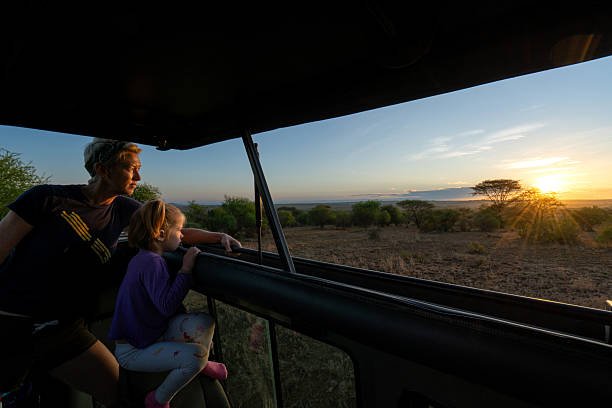
The moment your wheels touch the dirt at a Serengeti airstrip, the ‘flight’ portion of your journey ends, but the ‘transfer’ portion begins. It is important to remember that these are not international airports; there are no jet bridges, baggage carousels, or sprawling terminals. You will typically step directly onto the savanna. Your safari guide, who has been monitoring the flight’s progress, will be waiting at the edge of the airstrip with a 4×4 vehicle. This immediate transition is one of the hallmarks of a fly-in safari. Because you land in the heart of the park, your game drive often begins the second you leave the airstrip. Do not be surprised if you spot wildlife—zebras, giraffes, or even lions—within minutes of stepping off the plane. This smooth transition is why the flight duration is only one piece of the puzzle; the efficiency of your ground transfer, coordinated by your operator, is what truly maximizes your time in the bush.
The Return Leg: Why Your Flight Back to Arusha May Differ
The return journey from the Serengeti back to Arusha is frequently where travelers encounter the most variation in flight duration. While the flight arriving in the bush is often a direct service—as the aircraft is essentially positioning to deliver guests to their respective lodges—the return flight is frequently a collection circuit. In industry terms, this is often referred to as a ‘milk run.’ Because the airline needs to maximize the occupancy of the aircraft, your return flight may stop at several other airstrips within the Serengeti to collect passengers before finally heading back to Arusha.
It is not uncommon for a return flight that was scheduled for a 60-minute duration to stretch into a 90- or even 120-minute journey. This happens because the aircraft may be required to touch down at two or three additional airstrips—such as Lobo, Kogatende, or Grumeti—to pick up guests from different camps. While this can feel like an inconvenience when you are ready to head home, it is a standard aspect of bush aviation logistics. When planning your onward international connection, always build in a significant buffer of time at Arusha Airport to account for these potential mid-flight stops.
Decoding the “Bush Loop” Routing
To understand why your flight duration might change, it helps to visualize the bush plane not as a shuttle, but as a circuit. These aircraft operate on a ‘loop’ system, moving through the park based on where the passengers are located. A pilot might start their morning by flying from Arusha to the Central Serengeti, then hop to the Northern Serengeti, and eventually work their way back to Arusha. Your specific flight time depends entirely on where you fall in that sequence.
If you are the first stop on the pilot’s route, your flight will be remarkably quick. If you are the final stop before the pilot returns to base, you will likely spend more time in the air as the plane navigates the park to collect other passengers. This is why flight times are listed as estimates rather than guaranteed arrival times. The airline’s operations desk manages these routes in real-time, adjusting the sequence based on the number of passengers booked at each camp for that specific day. Understanding that you are part of a dynamic, interconnected network—rather than a point-to-point transit—helps manage expectations when the pilot makes an unexpected landing at an airstrip you didn’t anticipate.
Timing Your Departure for Maximum Efficiency
The time of day you choose to depart can also influence the efficiency of your flight. Generally, morning departures from the Serengeti are more likely to be direct or have fewer stops. This is because the morning is when the bulk of the daily ‘inbound’ movement happens, with planes heading out from Arusha to drop off new arrivals. Consequently, there is less demand to collect passengers from multiple locations at the start of the day.
Conversely, afternoon flights are often the busiest for the airlines. As the day progresses, the aircraft are tasked with clearing out the various camps, meaning they are more likely to perform multiple pickups across the park before finally departing for Arusha. If you have a tight international connection or are worried about fatigue, aiming for an early morning flight out of the Serengeti is usually the best tactical choice. It minimizes the chances of your aircraft becoming a ‘collection vehicle’ for other lodges, offering you a more predictable and streamlined journey back to the city.
The Final Mile: Airstrip to Lodge Transfers
When you inquire about the flight time from Arusha to the Serengeti, you are naturally thinking about the journey in its entirety. However, it is vital to distinguish between the flight duration and the total travel time to your accommodation. Once the plane touches down on the dirt runway, you have arrived in the park, but you have not yet reached your lodge. The transition from the aircraft to your final destination is a distinct logistical step that is often overlooked in travel planning.
In most cases, your lodge or camp will provide a ground transfer from the airstrip. Depending on where your accommodation is located in relation to the primary landing strip, this final leg can take anywhere from 20 minutes to over two hours. This is effectively a mini-game drive, as you are usually traveling through the park in an open-sided safari vehicle. While this is an exciting introduction to the wildlife, it is a significant factor in your schedule. If you are staying at a lodge located in a remote sector of the park, such as the distant corners of the Mara River region or the southern plains, your “arrival time” is effectively extended by the duration of this drive.
It is also important to consider the vehicle type and road conditions. During the rainy season, transit times can fluctuate significantly as mud or washed-out tracks may require your driver to take longer, more cautious routes. Unlike international airports where you simply take a taxi to a city hotel, the “transfer” here is an active part of the safari experience. Always confirm with your operator whether the transfer is included in your booking and how far your specific camp is from the designated airstrip. Miscalculating this gap is the most common reason travelers feel their “flight” took longer than expected; in reality, they were simply traversing the vast landscape of the Serengeti to reach their final destination.
Inter-Camp Connections: When One Flight Isn’t Enough
For travelers planning a multi-stop safari, the “flight from Arusha” is often only the first of several legs. If your itinerary involves visiting different sectors of the Serengeti—such as starting in the Central Seronera area and moving to the Northern Kogatende area—you will likely need a second, shorter bush flight. These inter-camp flights are distinct from your initial transit from Arusha. They are typically much shorter, often lasting only 20 to 30 minutes, but they require the same logistical coordination regarding baggage weight and check-in times. When calculating your total travel time, do not assume a single flight covers your entire stay; recognize that moving between different regions of the park often involves its own mini-itinerary of flights, which can add significant time to your day if connections are not tightly aligned by your operator.
Related Guides and Packages
Check Availability for How Long Is The Flight From Arusha To Serengeti? A Planning Guide
Ready to compare dates, prices, and the best option for your group? Send the package name and travel month so the team can reply with a clear quote, availability, and what is included.

2-Day Serengeti Fly-In Safari From Arusha: Understanding Package Prices
A practical guide to the costs, logistics, and planning realities of a 2-day fly-in safari to the Serengeti from Arusha.
View package detailsHow Long Is The Flight From Serengeti To Zanzibar? ( Planning Guide)
Planning your bush-to-beach connection? Discover the actual flight durations, stopover logistics, and booking realities for traveling from the Serengeti to Zanzibar.
View package details
Nairobi To Serengeti Safari By Flight: Prices & Travel Options
A practical guide to navigating the logistics of flying from Nairobi to the Serengeti, including transit requirements, airport choices, and cost considerations for your 2027 safari.
View package details
Masai Mara To Serengeti Flights: Cross-Border Safari Costs And Logistics
Discover the logistics of flying from Masai Mara to Serengeti, including bush flight options, cross-border visa requirements, and typical safari cost considerations.
View package details
Serengeti To Kigali Flights: Ticket Prices & Travel Guide
Connecting the Serengeti to Kigali requires a strategic two-stage flight plan. Understand the logistics, baggage limits, and booking considerations for your 2026-2027 itinerary.
View package detailsKigali To Serengeti Flights: Prices & Safari Connections
A practical guide to connecting your Rwanda gorilla trekking with a Serengeti safari, focusing on flight routes, transit logistics, and expert booking advice.
View package details
Entebbe To Serengeti Safari: Flight Connections & Cost Planning
A practical guide to connecting your Entebbe-based travel with a Serengeti safari, covering flight routes, airport choices, baggage constraints, and cost factors for 2026-2027.
View package details
Kilimanjaro Climb And Serengeti Safari: Flight & Transfer Planning
Kilimanjaro Climb and Serengeti Safari: Flight & Transfer Planning.
View package detailsSerengeti Flight Prices During The Great Migration Season: A Practical Guide
Planning a safari during the Great Migration? Here is how to navigate Serengeti flight prices, seasonal demand, and the logistical realities of bush travel.
View package details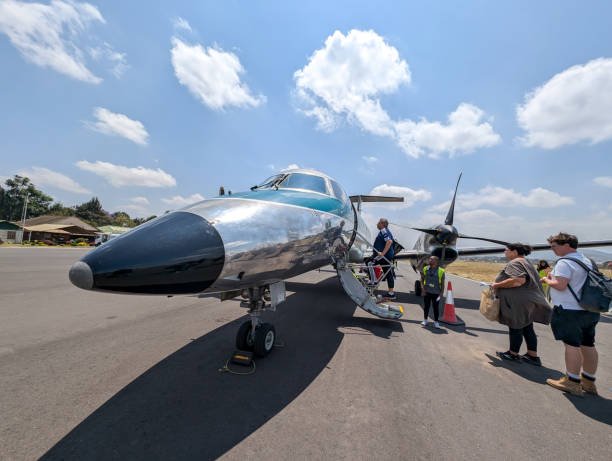
Tanzania Flight Prices September : Serengeti And Zanzibar Planning
Expert advice on navigating domestic flight logistics, seasonal pricing, and the crucial 'bush-to-beach' connection for your September 2027 Tanzania itinerary.
View package detailsSerengeti Great Migration Fly-In Safari: Flight And Lodge Prices ()
A deep look at the logistical and financial considerations of planning a Serengeti Great Migration fly-in safari, focusing on how flight routes and seasonal lodge locations dictate your...
View package details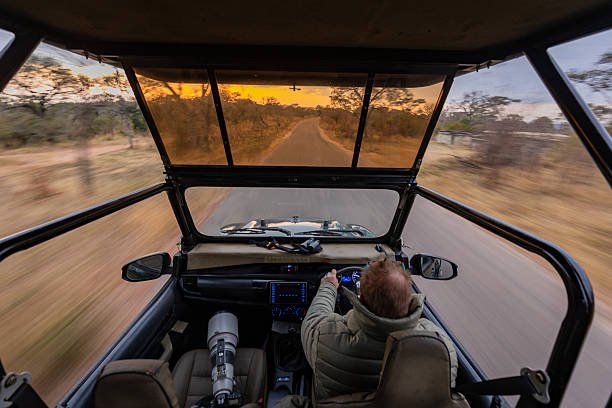
How Early Should I Arrive For A Serengeti Bush Flight? ( Planning Guide)
A practical guide on timing your arrival for Serengeti bush flights, covering airstrip logistics, transfer planning, and why bush flight operations differ from standard commercial travel.
View package detailsNo related package matches those filters. Clear one or more filters to see the other topic-matched options.



