
The short answer is no, you cannot fly directly into the Ngorongoro Crater floor. There are no commercial or private airstrips located inside the crater itself. The Ngorongoro Conservation Area is a strictly protected UNESCO World Heritage site, and its fragile ecosystem, combined with the steep, inaccessible walls of the caldera, prohibits any aviation activity within the basin.
While you cannot land inside, you can still utilize a “fly-in” safari strategy to minimize travel time. Most travelers flying to the region land at the Lake Manyara Airstrip. From there, your safari vehicle will meet you for a scenic road transfer up to the Ngorongoro Conservation Area, which typically takes between 1.5 to 2 hours depending on your specific lodge location on the crater rim.
When travelers search for “can you fly directly into Ngorongoro Crater,” they are usually looking for the most efficient way to maximize their time on the ground. The reality is that the “fly-in” experience in Tanzania is a combination of bush flights and 4×4 overland travel. Understanding this mix is the key to planning a successful safari itinerary that balances comfort, time, and the iconic views you expect.
The Reality of Fly-In Safaris in the Ngorongoro Highlands
The concept of a fly-in safari is popular because it bypasses the long, dusty drives from Arusha, which can take several hours depending on traffic and road conditions. However, the aviation network in northern Tanzania is designed to connect major hubs and regional airstrips—not to provide point-to-point service to the exact middle of a wildlife sanctuary.
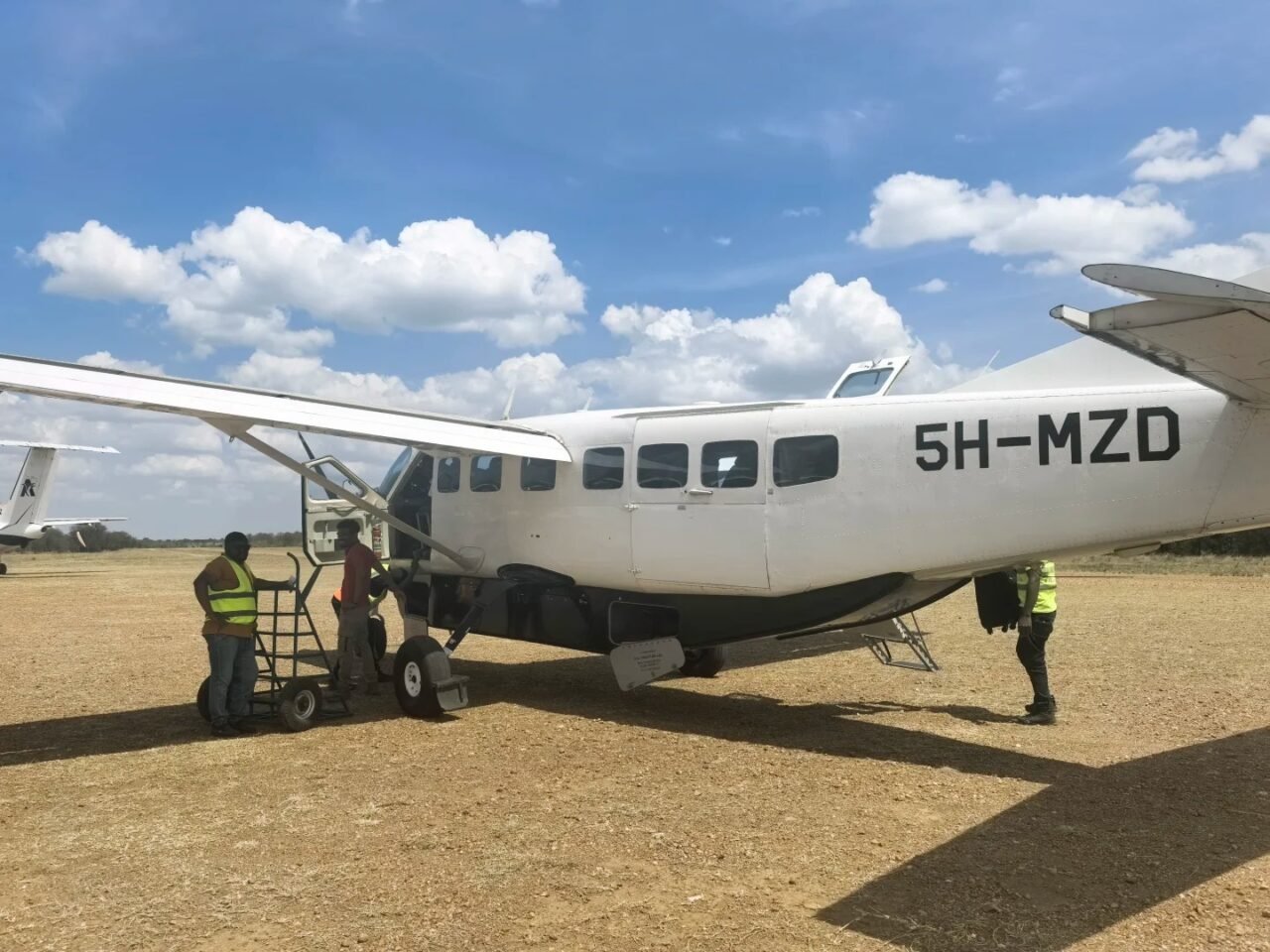
For the Ngorongoro region, the primary entry point is the Lake Manyara Airstrip. It serves as the gateway for the Great Rift Valley, Lake Manyara National Park, and the Ngorongoro Highlands. When you book a fly-in safari with a local operator like Climb 4 Africa, we treat the flight as the first leg of a two-part journey. The plane gets you close, but the 4×4 vehicle is what actually takes you into the wildlife viewing areas.
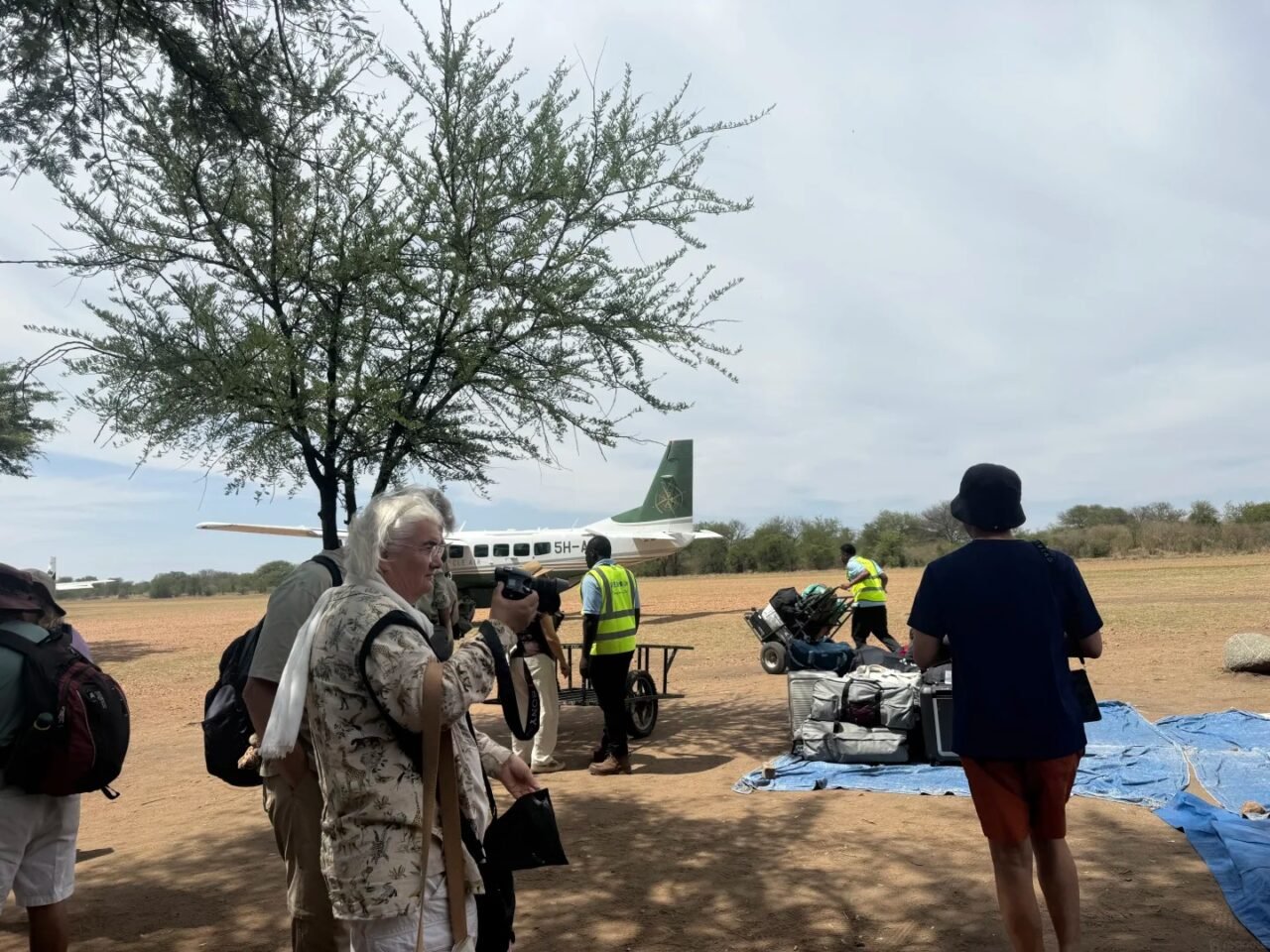
It is important to manage expectations regarding these flights. These are typically operated by light aircraft (such as Cessna Caravans). These planes are fantastic for scenic viewing, but they have strict baggage limits—usually 15kg in soft-sided bags. If you are arriving on an international flight with large hard-shell suitcases, you will need to arrange for luggage storage in Arusha, as these bags are not permitted on the light aircraft that service the bush airstrips. You can read more about the specific logistics of these transfers in our guide on the nearest airport to Ngorongoro Crater and how to get there.
Why You Wouldn’t Want to Land Inside Even If You Could
While the idea of touching down on the crater floor sounds appealing for convenience, it would be detrimental to the ecosystem. The Ngorongoro Crater is a unique, self-contained biological environment. The sound of aircraft engines, the dust generated by takeoffs and landings, and the disruption to the wildlife would ruin the very experience that draws visitors here.
The conservation authorities strictly regulate the number of vehicles permitted on the crater floor at any given time to prevent overcrowding. Introducing aircraft would create a logistical nightmare and fundamentally change the character of this protected landscape. The current model—landing outside and driving in—is a compromise that protects the wildlife while ensuring that guests can still enjoy the spectacle of the caldera.
Logistics of the Transfer: From Airstrip to Crater Rim
Once you land at Lake Manyara Airstrip, your transition from air to land is a critical part of your trip. This is not just a shuttle ride; it is part of the safari experience. The drive from the airstrip up to the Ngorongoro Conservation Area (NCA) takes you from the floor of the Great Rift Valley, through the lush highlands, and eventually to the crater rim.
As you ascend, the scenery changes dramatically. You go from the acacia-dotted plains of the valley to the cool, misty forests of the highlands. This transition is essential for acclimatization and provides stunning panoramic views. If you are traveling with a private guide, this is the moment your actual safari briefing begins. You will stop at the park gate, handle the permit formalities, and then ascend the winding roads toward your lodge.
If you are planning your route, consider how this fits into your wider trip. Many travelers wonder if they should pair this with other destinations. You can find detailed advice on this in our article: Can we visit Ngorongoro Crater and Tarangire in the same trip? Coordinating the flight arrival times with the park gate closing times (typically 6:00 PM) is crucial. If your flight lands too late in the afternoon, you may not have enough time to complete the drive to the rim before the gates close.
Comparing Flight vs. Driving: Is It Worth the Cost?
This is the most common decision-point for our clients. Is it worth paying for the flight to Lake Manyara, or should you drive from Arusha? There isn’t a one-size-fits-all answer. It depends on your total time in Tanzania and your budget.
- The Drive from Arusha: This is the most cost-effective option. The drive takes roughly 3 to 4 hours. It allows you to see the changing landscape of Tanzania at a ground level. However, if you are short on time, those hours in a vehicle can feel like a significant portion of your holiday.
- The Fly-In Option: This saves you several hours of driving. It is ideal for travelers on a tight schedule (e.g., a 4-day safari) who want to maximize every minute of game viewing. The cost is higher due to the flight fees, but the time saved is substantial.
For more specific details on the cost-benefit analysis of these options, our guide on fly-in safari logistics and costs can help you weigh the financial investment against the convenience of saving time.
Strategic Itinerary Planning for 2026-2027
When you are finalizing your safari dates for the coming seasons, think about the sequence of your parks. A common mistake is to fly into the region without considering the flow of wildlife migration or the fatigue of travel. For example, some travelers want to hit the Serengeti first and end with the crater. Others prefer the reverse. We have analyzed this flow in our article on whether it is better to visit Ngorongoro before or after Serengeti.
If you choose to fly, ensure your arrival at the airstrip is synchronized with your lodge check-in. Most lodges on the crater rim expect guests in the late afternoon. Arriving mid-day gives you time to settle in, enjoy the views from the rim, and prepare for an early morning descent into the crater the following day. We generally recommend staying at a lodge on the rim to ensure you are among the first vehicles down into the crater in the morning.
If your goal is to be the first one down, read our tips on choosing the right location for an early morning game drive. The difference in experience between entering at 6:30 AM and 9:00 AM is massive.
How to Arrange Your Fly-In Safari
Because fly-in safaris require coordinating flight schedules with vehicle availability, they are best handled by a local operator who has real-time access to both. We do not recommend booking these separately, as a delay on your flight can leave you stranded at the airstrip without a transfer vehicle.
When you contact us, provide the following details so we can build a realistic plan for you:
- Your total travel dates: Knowing your arrival and departure times is essential for flight booking.
- Your preferred accommodation style: Whether you prefer luxury lodges or mid-range tented camps affects which airstrips we prioritize.
- The number of people in your party: This dictates whether we arrange a private charter or book seats on a scheduled bush flight.
You can reach out to our team via WhatsApp at +255 747 477 898 or email us at climb4africa@gmail.com. We can walk you through the current flight schedules for 2026 and 2027 and help you decide if flying is the right choice for your specific trip.
Common Questions About Ngorongoro Access
Does the flight include the Ngorongoro Conservation Area fee?
No. Your flight covers the air travel from your departure point (e.g., Arusha or Serengeti) to the airstrip. The entry fees for the Ngorongoro Conservation Area are separate and are paid upon entry at the park gate. These fees are typically part of your comprehensive safari package, but always check your inclusions list.
What happens if my flight is canceled due to weather?
Bush flights are subject to weather conditions. While rare, cancellations can happen, especially during the rainy seasons (November and April/May). As a local operator, we have contingencies in place, including alternative ground transport arrangements, to ensure you still reach your destination safely. This is a primary reason why booking your entire itinerary through one operator is safer than piecing it together yourself.
Can I fly from Zanzibar directly to Ngorongoro?
You cannot fly directly into the crater, but you can fly from Zanzibar to the Lake Manyara Airstrip. This is a popular route for travelers combining a beach holiday with a safari. You would typically take a flight from Zanzibar to Arusha or directly to the regional airstrips if a connection is available, then transfer by road to the crater.
Is one day in the crater enough?
Most travelers find that one full day (6 hours) inside the crater is sufficient to see the major wildlife, including the “Big Five.” However, the quality of that day depends entirely on timing. Starting early is more important than spending multiple days in the crater itself. See our thoughts on whether one day is enough for Ngorongoro Crater.
Planning your trip to the Ngorongoro Crater requires balancing the desire for efficiency with the reality of the landscape. While you cannot fly directly into the crater, the journey to the rim—whether by road from Arusha or by a combination of flight and 4×4 transfer—is a significant part of the African safari experience. Focus on your overall itinerary flow, your accommodation location, and your timing to ensure you spend more time watching wildlife and less time worrying about logistics.
“,
“faq_schema”: [
{
“question”: “Can you fly directly into Ngorongoro Crater?”,
“answer”: “No, you cannot fly directly into the Ngorongoro Crater floor. The crater is a protected conservation area, and there are no airstrips inside. You must fly to a nearby airstrip, such as Lake Manyara, and then transfer by 4×4 vehicle.”
},
{
“question”: “What is the closest airport to Ngorongoro Crater?”,
“answer”: “The closest and most commonly used airstrip is the Lake Manyara Airstrip. From there, it is a drive of approximately 1.5 to 2 hours to reach the Ngorongoro Conservation Area gates and the crater rim lodges.”
},
{
“question”: “Should I fly or drive to Ngorongoro?”,
“answer”: “This depends on your schedule. If you are short on time, flying to Lake Manyara Airstrip saves several hours of driving from Arusha. If you have more time and want to see the changing landscape, driving is a cost-effective and scenic option.”
},
{
“question”: “Are there baggage limits for fly-in safaris?
Navigating Luggage Constraints and Packing for Bush Flights
While the decision to fly into the Ngorongoro region is primarily driven by time-saving, it introduces a logistical challenge that surprises many first-time safari travelers: the strict baggage policy. Because bush planes—typically Cessna Caravans or similar light aircraft—have limited cargo capacity and are governed by strict weight-and-balance safety regulations, you cannot bring standard large, hard-sided suitcases. Most regional carriers operating in northern Tanzania enforce a strict 15-kilogram (33-pound) total weight limit per passenger, which includes both your checked luggage and your carry-on items.
Beyond the weight limit, the type of luggage is non-negotiable. You must use soft-sided duffel bags. Hard-shell suitcases, even those within the weight limit, are often rejected because they cannot be compressed or maneuvered into the irregularly shaped, tight cargo holds of small aircraft. If you arrive at the airstrip in Arusha with a rigid suitcase, you may be forced to leave items behind or pay for an extra seat to accommodate the luggage, which is both expensive and logistically complex. For your Ngorongoro safari, prioritize lightweight, durable, soft-sided bags that offer flexibility in shape. This is not merely a suggestion but a requirement for the flight to proceed safely.
Understanding the Altitude and Climate Shift
A significant, often overlooked aspect of flying to the Ngorongoro Highlands is the rapid transition in altitude and temperature. When you fly from the coastal regions of Tanzania, such as Zanzibar or Dar es Salaam, or even from the lower-lying plains of the Serengeti, you are moving toward the Ngorongoro Conservation Area, which sits at an elevation of approximately 2,300 meters (7,500 feet) above sea level. This is a dramatic change in environment.
While the crater floor can be warm, the rim lodges—where you will be staying—are cool, misty, and often quite cold, particularly in the early mornings and late evenings. Travelers who rely on a fly-in strategy sometimes make the mistake of packing only for the tropical climate of their beach holiday or the heat of the lower plains. When you step off your plane at the Lake Manyara Airstrip, you may notice a temperature drop as you ascend the escarpment toward the crater. Ensure that your 15kg luggage allowance includes layers: a fleece, a windbreaker, and a warm jacket are essential for early morning game drives. Because you cannot fly directly into the crater, the journey from the airstrip to the rim acts as a gradual acclimatization, but you should be prepared for the chill of the highlands the moment you land.
The Reality of “Milk Run” Flights and Arrival Times
It is important to manage your expectations regarding the flight path itself. When you book a “fly-in” safari, you are rarely on a direct, private charter flight. Most regional bush flights operate on a “milk run” schedule. This means your plane may stop at multiple airstrips—such as Tarangire, Manyara, and various Serengeti sectors—to drop off or pick up other passengers before arriving at your destination. This is standard practice in the Tanzanian aviation network and is designed to maximize aircraft utilization.
For the traveler, this means that your flight duration can be unpredictable. A scheduled 45-minute flight might turn into a two-hour journey if the pilot needs to make additional stops. While this can feel like a delay, it is actually an opportunity to see the landscape from above, offering a unique perspective of the Great Rift Valley escarpment that you simply cannot get from a vehicle. However, it also means that your arrival time at the Lake Manyara Airstrip is subject to the flight path of the day. Always coordinate with your ground operator to ensure they are tracking the flight live; they will be monitoring the aircraft’s progress and will be waiting at the airstrip, regardless of whether you land on time or are slightly delayed by additional stops.
Distinguishing Between the Ngorongoro Crater and the Conservation Area
A frequent source of confusion for travelers planning their first Tanzanian safari is the conflation of the Ngorongoro Crater with the Ngorongoro Conservation Area (NCA). When you book a flight to the region, you are not flying into the Crater; you are flying into the broader Conservation Area or its surrounding Highlands. Understanding this distinction is critical for setting your expectations regarding travel times and the logistics of your game drives.
The Ngorongoro Conservation Area is a vast, 8,292-square-kilometer protected zone. It encompasses not only the famous caldera but also the surrounding plains, forests, and volcanic mountains. The Crater itself is a relatively small, self-contained bowl within this massive landscape, measuring roughly 260 square kilometers. When your bush flight lands at the Lake Manyara Airstrip, you are positioned at the base of the Great Rift Valley escarpment. From there, you must undergo a significant, scenic drive to reach the Loduare Gate, which is the primary entrance to the Conservation Area. Once you pass through the gate, you are in the NCA, but you are still likely an hour or more away from the actual rim of the Crater. This journey is part of the experience, as it takes you through the lush highland forests where elephant sightings are common even before you reach the caldera.
Navigating Crater Service Fees and Permit Regulations
Because the Crater is a highly sensitive and exclusive wildlife habitat, the Ngorongoro Conservation Area Authority (NCAA) enforces distinct regulatory and fee structures that differ from other Tanzanian national parks. This is a vital detail for anyone managing their own logistics or reviewing a safari quote. Most standard park entry fees cover your access to the Conservation Area—allowing you to drive through the highlands, visit Olduvai Gorge, or view the landscape—but they do not grant you access to the Crater floor.
To descend into the caldera, you must pay a specific “Crater Service Fee.” This is a per-vehicle fee that is strictly regulated and often subject to time-slot allocations. Because the Crater is limited in size and attracts a high volume of visitors, the authorities manage traffic by requiring vehicles to be booked for either a morning or afternoon descent. When you are arranging your fly-in safari, ensure that your operator has pre-cleared these specific permits. If you arrive at the rim without the correct Crater Service Fee permit for your designated time slot, you may be denied entry to the floor, regardless of how you arrived or where you are staying. This regulatory layer is yet another reason why attempting to “wing it” or booking separate, disconnected segments of your trip can lead to significant, avoidable frustration.
Check Availability for Can You Fly Directly Into Ngorongoro Crater?
Ready to compare dates, prices, and the best option for your group? Send the package name and travel month so the team can reply with a clear quote, availability, and what is included.
5-Day Serengeti & Ngorongoro Fly-In Safari: Complete Package Costs
5-Day Serengeti & Ngorongoro Fly-In Safari: Complete Package Costs.
View package details
Can You Fly Directly From Zanzibar To Serengeti? A Planning Guide
A practical guide to flying from the beaches of Zanzibar to the Serengeti plains, covering bush plane logistics, baggage restrictions, and planning advice.
View package details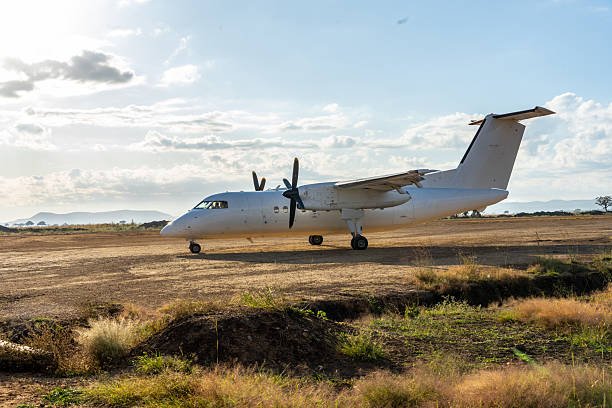
Kenya To Tanzania Safari Flights: Prices & Booking Guide
A practical guide to connecting Kenya and Tanzania by air for your safari. Learn about border logistics, booking realities, and why most travelers choose specific routes over others.
View package details
Tanzania To Uganda Flights: Best Routes And Ticket Prices
A detailed guide to navigating air travel between Tanzania and Uganda, including route comparisons, carrier options, and expert advice for planning your multi-country safari.
View package details
Nairobi To Serengeti Safari By Flight: Prices & Travel Options
A practical guide to navigating the logistics of flying from Nairobi to the Serengeti, including transit requirements, airport choices, and cost considerations for your 2027 safari.
View package detailsMasai Mara To Serengeti Flights: Cross-Border Safari Costs And Logistics
Discover the logistics of flying from Masai Mara to Serengeti, including bush flight options, cross-border visa requirements, and typical safari cost considerations.
View package details
Serengeti To Kigali Flights: Ticket Prices & Travel Guide
Connecting the Serengeti to Kigali requires a strategic two-stage flight plan. Understand the logistics, baggage limits, and booking considerations for your 2026-2027 itinerary.
View package details
Kigali To Serengeti Flights: Prices & Safari Connections
A practical guide to connecting your Rwanda gorilla trekking with a Serengeti safari, focusing on flight routes, transit logistics, and expert booking advice.
View package details
Serengeti To Entebbe Flights: Prices & Travel Options
Serengeti to Entebbe Flights: Prices & Travel Options.
View package details
Entebbe To Serengeti Safari: Flight Connections & Cost Planning
A practical guide to connecting your Entebbe-based travel with a Serengeti safari, covering flight routes, airport choices, baggage constraints, and cost factors for 2026-2027.
View package detailsEntebbe To Tanzania Flights: Ticket Prices And Route Guide
A comprehensive guide for travelers planning flights from Entebbe to Tanzania, covering ticket price factors, route options for Kilimanjaro and safari tours, and essential booking logistics...
View package detailsZanzibar To Nairobi Flight Price & Schedule: Planning Your Connection
A practical guide to navigating flights from Zanzibar to Nairobi, covering airport logistics, price factors, and how to coordinate your beach-to-safari transition.
View package detailsNo related package matches those filters. Clear one or more filters to see the other topic-matched options.



