Absolutely, it’s not only possible but highly recommended to visit both Ngorongoro Crater and Tarangire National Park within the same Tanzania safari trip. These two iconic destinations are geographically close, form key parts of the popular Northern Circuit, and offer distinct yet complementary wildlife viewing experiences. Combining them allows for a richer and more diverse safari, showcasing everything from Tarangire’s baobab-dotted plains and massive elephant herds to the Ngorongoro Crater’s dense Big Five populations and unique caldera ecosystem. Planning this combination for 2026 or 2027 is straightforward with proper itinerary design, typically requiring a minimum of 4-5 days dedicated to these two parks alone.
Introduction: Why Combine Ngorongoro and Tarangire?
Planning a Tanzania safari often leads travelers to consider the stars of the Northern Circuit: the Serengeti, Ngorongoro Crater, and Tarangire National Park. The question of whether you can visit Ngorongoro Crater and Tarangire in the same trip is a common one, and the answer is a resounding yes. These two parks, though distinct, are geographically proximate and offer a phenomenal contrast in landscapes, wildlife concentrations, and safari experiences. For many travelers aiming to maximize their wildlife sightings and experience the diverse ecosystems of northern Tanzania, combining Ngorongoro and Tarangire is a cornerstone of a well-rounded itinerary.
Tarangire National Park is renowned for its massive elephant herds, its distinctive baobab trees, and its vibrant birdlife, especially during the dry season when animals congregate around the Tarangire River. Ngorongoro Crater, on the other hand, is a UNESCO World Heritage Site famous for its impressive caldera, its high density of wildlife including the Big Five (lion, leopard, elephant, rhino, buffalo), and its relatively compact yet incredibly rewarding safari experience. Visiting both allows you to appreciate the sheer scale of elephant migration in Tarangire and then descend into the unique, self-contained ecosystem of the Ngorongoro Crater. This juxtaposition provides a comprehensive snapshot of Tanzania’s rich biodiversity.
As you plan for safaris in 2026 and 2027, understanding how these two parks fit together is crucial for creating an itinerary that balances iconic sights with diverse wildlife viewing opportunities. This guide will break down the logistics, highlight the unique attractions of each park, suggest itinerary structures, and provide practical advice for making this combined safari a reality.
Feasibility and Logistics: Connecting Ngorongoro and Tarangire
The feasibility of visiting Ngorongoro Crater and Tarangire National Park in the same trip hinges on their proximity and the established tourist infrastructure in the region. Both parks are integral components of Tanzania’s Northern Safari Circuit, a popular route that also includes Lake Manyara National Park, Serengeti National Park, and various cultural attractions. This concentration of attractions means that travel between them is well-trodden and efficient.
Tarangire is typically visited either before or after Lake Manyara, and Ngorongoro Crater is often the next stop or the preceding one. The drive times between these locations are manageable, making a combined trip logistically sound. For instance, a typical route might involve:
* **Arusha to Tarangire:** Approximately a 2-3 hour drive.
* **Tarangire to Ngorongoro Conservation Area (NCA) entrance/Karatu:** Around 1.5-2.5 hours.
* **Ngorongoro Crater floor descent/game drive:** This is within the NCA, and the drive time to the crater rim from lodges in Karatu or on the rim varies.
* **Ngorongoro to Arusha:** Approximately 3-4 hours from the NCA.
These timings are approximate and depend heavily on road conditions, vehicle speed, and the specific lodge locations. However, they illustrate that significant travel time is not consumed between these two key destinations. This efficiency is why tour operators frequently package them together.
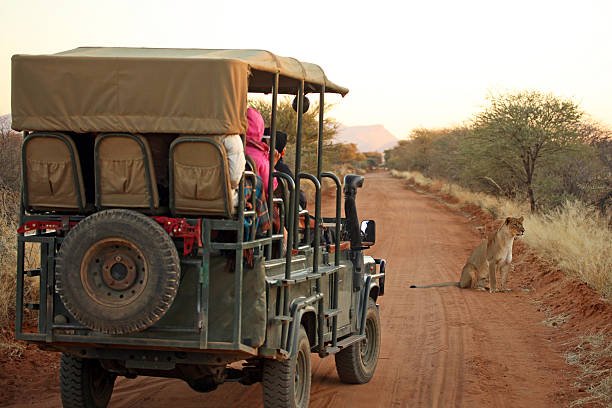
When you decide to visit Ngorongoro Crater and Tarangire in the same trip, you’re essentially selecting two of the most celebrated wildlife destinations in East Africa. The safari vehicles used are typically 4×4 Land Cruisers, equipped for the terrain and designed for optimal wildlife viewing with pop-up roofs. Your safari guide will be instrumental in navigating between parks, handling park entry procedures, and ensuring a smooth transition from one unique environment to another.
For trips planned for 2026 and 2027, booking in advance is advisable, especially if you aim for specific lodges or travel during peak seasons (June to October and December to February). The infrastructure is robust enough to handle visitor numbers, but securing preferred accommodations and ensuring vehicle availability is key to a smooth experience.
Tarangire National Park: A Haven for Elephants and Birdlife
Tarangire National Park, often the first or last major park visited on the Northern Circuit, is celebrated for its dramatic landscapes dominated by ancient baobab trees and its spectacular concentration of wildlife, particularly elephants. Visiting Tarangire offers a distinct safari experience compared to the more famous Serengeti or the Ngorongoro Crater.
### Wildlife Highlights of Tarangire
Tarangire is arguably most famous for its **huge elephant herds**. During the dry season (roughly June to October), elephants from miles around congregate in the park, drawn by the permanent waters of the Tarangire River. You can often see herds numbering in the hundreds, a truly awe-inspiring sight. Beyond elephants, Tarangire is a prime location for:
* **Predators:** Lions are abundant, and Tarangire is known for its tree-climbing lions, a behavior less common elsewhere. Leopards and cheetahs are also present, though more elusive.
* **Ungulates:** Over 550 species of birds have been recorded, making it a paradise for birdwatchers. Look for the Rufous-tailed Weaver, the Ashy Starling, and the Yellow-collared Lovebird, all endemic to this region. The park is also home to various antelope species, including gerenuk (which stands on its hind legs to feed), dik-dik, impala, wildebeest, and zebra.
* **Other Mammals:** Giraffes, buffalo, waterbucks, warthogs, and baboons are commonly seen.
### Landscape and Scenery
The landscape of Tarangire is unique and immediately recognizable. Vast **baobab trees**, some estimated to be over a thousand years old, dot the rolling hills and savannah. These majestic trees create a prehistoric and almost surreal atmosphere. The Tarangire River, the park’s lifeblood, meanders through the landscape, creating swamps and floodplains that attract wildlife, especially during the drier months. The southern part of the park transitions into more extensive woodlands and savanna, offering diverse habitats.
### Best Time to Visit Tarangire
Tarangire’s wildlife viewing is heavily influenced by the seasons:
* **Dry Season (June to October):** This is considered the peak season. As water sources outside the park dry up, vast numbers of elephants and other animals migrate into Tarangire, concentrating around the Tarangire River. Game viewing is excellent, with animals more visible against the dry vegetation. However, it’s also the busiest and most expensive time.
* **Green Season (November to May):** The landscape is lush and green, with migratory birds arriving. The elephant herds disperse, and game viewing can be more challenging as animals spread out and hide in the dense foliage. However, this period offers stunning photographic opportunities with vibrant colors, fewer crowds, and lower prices. It’s an excellent time for birdwatching.
### Activities in Tarangire
While standard game drives are the primary activity in Tarangire, several other options enhance the experience:
* **Game Drives:** The classic safari activity, exploring the park in a 4×4 vehicle.
* **Walking Safaris:** Available in certain areas of the Tarangire ecosystem (outside the main park boundaries, often arranged by lodges), offering a more intimate connection with nature and a different perspective on the flora and fauna.
* **Night Game Drives:** Some lodges offer night drives, providing opportunities to see nocturnal animals like genets, civets, and potentially leopards or lions on the hunt. These are usually conducted outside the main park area.
Tarangire offers a more intimate and less crowded safari experience than the Serengeti during certain times of the year, making it a valuable component when you visit Ngorongoro Crater and Tarangire in the same trip.
Ngorongoro Crater: The Eighth Wonder of the World
The Ngorongoro Crater, a UNESCO World Heritage Site, is a geological marvel and a wildlife sanctuary that consistently ranks among the top safari destinations globally. Its unique caldera ecosystem supports an astonishing density of wildlife, making it a must-visit when exploring Tanzania’s Northern Circuit. The dramatic landscape and high chances of spotting the Big Five make it an unforgettable part of any safari that includes Tarangire.
### Wildlife Highlights of Ngorongoro Crater
Often referred to as the ‘Eighth Wonder of the World,’ the crater’s 260 square kilometer floor is a natural amphitheater teeming with life. It is one of the few places in Tanzania where you have a very high probability of seeing the **Big Five** – lion, leopard, elephant, rhino, and buffalo – in a single day. Key wildlife attractions include:
* **Black Rhinos:** The Ngorongoro Crater is a critical sanctuary for the endangered black rhino. While sightings are not guaranteed, the crater floor is one of the best places in Africa to spot these magnificent, rare creatures.
* **Lions:** Large prides of lions are resident within the crater, often seen hunting or lounging.
* **Elephants:** The crater hosts a population of elephants, though they are generally smaller in tusk size than those in Tarangire, possibly due to the limited space and resources within the caldera.
* **Buffalo:** Large herds of Cape buffalo are a common sight, often grazing alongside other herbivores.
* **Leopards and Cheetahs:** While leopards are notoriously elusive, they inhabit the crater’s denser vegetation and rocky outcrops. Cheetahs are also present, though less common than lions.
* **Herbivores:** The crater floor is home to vast numbers of wildebeest, zebras, hartebeest, Thomson’s gazelles, Grant’s gazelles, hippos (in the Ngoitokitok and Gorigor Swamp areas), and waterbucks.
* **Birdlife:** Over 400 species of birds have been recorded, including flamingos (which often form pink carpets on the crater lakes), ostriches, secretary birds, and various raptors.
### Geography and Ecology
The Ngorongoro Crater is the world’s largest intact, un-eroded volcanic caldera, formed when a massive volcano collapsed about two to three million years ago. It plunges about 600 meters (2,000 feet) from the surrounding highlands. The crater floor is a diverse mosaic of habitats, including grasslands, swamps, forests, and a soda lake (Lake Magadi). This variety supports an exceptional density and diversity of wildlife, with an estimated 25,000 large animals living within its confines.
The rim of the crater offers stunning panoramic views, and lodges situated here provide unparalleled access to the crater floor. The Ngorongoro Conservation Area (NCA) itself is unique as it allows human habitation (Maasai people) and wildlife to coexist, a rare model of conservation.
### Best Time to Visit Ngorongoro Crater
Ngorongoro Crater offers excellent wildlife viewing year-round due to its permanent water sources and contained ecosystem. However, some periods are better than others:
* **Dry Season (June to October):** This is the peak tourist season. The weather is dry and sunny, making game viewing straightforward as animals congregate around water. However, it is also the busiest and most expensive time. The grass is shorter, increasing visibility.
* **Green Season (November to May):** The landscape is lush and green, with fewer tourists and lower prices. Birdlife is spectacular, and the young are born, making for dramatic predator-prey interactions. The soda lake often attracts large numbers of flamingos. However, the longer grass can sometimes make spotting animals, especially predators, more challenging.
### Restrictions and Considerations
Due to its status as a UNESCO World Heritage Site and the need to protect its fragile ecosystem, the Ngorongoro Crater has specific regulations:
* **Time Limits:** Visitors are typically restricted to a maximum of 6 hours on the crater floor per day. This is to prevent overuse and disturbance.
* **Vehicle Limits:** There are limits on the number of vehicles allowed inside the crater at any given time, and specific parking areas exist.
* **Speed Limits:** Strict speed limits are enforced to protect wildlife.
* **No Off-Road Driving:** Driving off designated tracks is prohibited.
* **Accommodation Location:** Lodges are situated either on the crater rim (offering the most spectacular views and immediate access but are very expensive) or in the nearby town of Karatu (more affordable, with a drive of about 25-45 minutes to the crater access road).
When planning your visit for 2026 or 2027, booking crater rim accommodation well in advance is essential due to limited availability and high demand.
Itinerary Planning: Crafting Your Ngorongoro & Tarangire Safari
Combining Ngorongoro Crater and Tarangire National Park into a single safari trip is a strategic choice for experiencing diverse Tanzanian wildlife and landscapes. The key to a successful trip lies in proper itinerary planning, balancing travel time with sufficient game viewing opportunities in each location.
### Minimum Duration for Both Parks
To adequately experience both Tarangire and Ngorongoro Crater without feeling rushed, a minimum of **4 days and 3 nights** is generally recommended. This typically breaks down as:
* **Day 1:** Drive from Arusha to Tarangire National Park, afternoon game drive. Overnight in Tarangire.
* **Day 2:** Morning game drive in Tarangire, drive to Karatu or Ngorongoro Crater rim. Overnight in Karatu/Crater rim.
* **Day 3:** Full day (or most of the day, respecting the 6-hour limit) game drive in Ngorongoro Crater. Overnight in Karatu/Crater rim.
* **Day 4:** Morning activity (e.g., Maasai village visit if staying in Karatu) and drive back to Arusha.
However, to truly appreciate each park’s offerings, especially Tarangire’s vastness and the Ngorongoro Crater’s unique ecosystem, a **5-day/4-night** itinerary is even better. This allows for more extensive game drives in both locations and a more relaxed pace.
### Sample Itineraries (3 to 5 Days)
Here are two sample itinerary structures for combining Ngorongoro Crater and Tarangire, suitable for planning your 2026-2027 safari:
Sample 4-Day / 3-Night Itinerary:
* Day 1: Arusha to Tarangire. Depart Arusha after breakfast, driving to Tarangire National Park (approx. 2-3 hours). Check into your lodge/tented camp. Enjoy an afternoon game drive exploring the park’s baobab-studded plains and searching for elephant herds. Overnight in Tarangire.
* Day 2: Tarangire to Ngorongoro. After a morning game drive in Tarangire, depart for the Ngorongoro Conservation Area. Drive to your accommodation in Karatu or on the Ngorongoro Crater rim (approx. 1.5-2.5 hours). Settle in and enjoy the views or explore Karatu. Overnight in Karatu/Crater rim.
* Day 3: Ngorongoro Crater Descent. Descend into the Ngorongoro Crater floor for a full-day game drive. Explore the diverse habitats, search for the Big Five, and enjoy a picnic lunch by a hippo pool. Adhere to the 6-hour limit. Overnight in Karatu/Crater rim.
* Day 4: Ngorongoro to Arusha. Enjoy a final breakfast with crater views (if on the rim) or explore a local Maasai village near Karatu. Drive back to Arusha (approx. 3-4 hours) for your onward journey or departure.
Sample 5-Day / 4-Night Itinerary:
* Day 1: Arusha to Tarangire. As above. Overnight in Tarangire.
* Day 2: Tarangire Exploration. Enjoy a full day of game drives in Tarangire, perhaps exploring different sectors of the park or focusing on birdwatching and tracking predators. Overnight in Tarangire.
* Day 3: Tarangire to Ngorongoro. After a final morning game drive in Tarangire, drive to your accommodation in Karatu or on the Ngorongoro Crater rim. Consider a visit to a local Maasai boma or a coffee plantation in Karatu en route. Overnight in Karatu/Crater rim.
* Day 4: Ngorongoro Crater Exploration. Full day game drive on the Ngorongoro Crater floor, allowing more time to explore different areas and observe wildlife behavior. Overnight in Karatu/Crater rim.
* Day 5: Ngorongoro to Arusha. As in Day 4 of the 4-day itinerary. Drive back to Arusha.
### Integrating with Other Northern Circuit Parks
If you have more time, this combination can easily be integrated into a longer Northern Circuit safari. Common additions include:
* **Lake Manyara National Park:** Often visited between Tarangire and Ngorongoro, known for its tree-climbing lions, large elephant herds, and stunning lake ecosystem. A 1-day visit is usually sufficient.
* **Serengeti National Park:** The crown jewel of Tanzanian safaris. It can be visited before or after Ngorongoro. A minimum of 2-3 days in the Serengeti is recommended to appreciate its vastness and the Great Migration (depending on the time of year).
For instance, a 7-day itinerary might look like:
* Day 1: Arusha to Tarangire.
* Day 2: Tarangire to Lake Manyara/Karatu.
* Day 3: Ngorongoro Crater full day.
* Day 4: Ngorongoro to Serengeti (central or southern).
* Day 5: Serengeti game drive.
* Day 6: Serengeti game drive (e.g., move to western or northern Serengeti depending on migration).
* Day 7: Fly from Serengeti back to Arusha or drive back.
When planning for 2026-2027, consider your interests (e.g., birding, predator sightings, the Great Migration) to determine the optimal sequence and duration for each park.
Accommodation Options in and around the Parks
Choosing the right accommodation is crucial for enhancing your safari experience, especially when combining destinations like Tarangire and Ngorongoro Crater. The options range from luxurious lodges to more rustic tented camps and budget-friendly guesthouses.
### Tarangire Accommodation
Tarangire offers a variety of lodging options, mostly concentrated near the park gates or within the park itself. These typically fall into:
* **Luxury Tented Camps:** Offering an in-depth experience with comfortable beds, en-suite bathrooms, and often private verandas. Examples include Tarangire Treetops or Chem Chem Lodge (luxury private concession). These provide a high level of service and exclusivity.
* **Mid-Range Lodges & Tented Camps:** Comfortable and well-appointed, providing essential amenities and good access to the park. Many are situated just outside the park boundaries or along the main route.
* **Budget Camps:** More basic facilities, often self-catering or with simpler dining options, suitable for travelers on a tighter budget.
Proximity to the Tarangire River or key wildlife areas can be a significant factor in lodge choice, especially during the dry season when animals are concentrated.
### Ngorongoro Crater Rim and Karatu Accommodation
The Ngorongoro Conservation Area offers two main types of accommodation:
* **Crater Rim Lodges:** These are the most exclusive and expensive options, situated directly on the crater rim. They offer unparalleled views and immediate access to the crater descent road. Examples include the Ngorongoro Crater Lodge or the Serena Mountain Lodge. Booking these for 2026 or 2027 requires significant advance planning due to extreme demand.
* **Karatu Town Lodges & Camps:** Located in and around the town of Karatu, a short drive (25-45 minutes) from the crater access road. This area offers a wide range of accommodations, from luxury lodges and boutique hotels to mid-range guesthouses and budget camps. These are generally more affordable than crater rim lodges and often provide a more authentic cultural experience with access to local communities. Examples include Gibb’s Farm or the Plantation Lodge.
### Choosing Your Lodge: Factors to Consider
When deciding where to stay for your Ngorongoro and Tarangire safari, consider these factors:
* **Budget:** Crater rim lodges are significantly more expensive than Karatu options. Tarangire has a range from budget to ultra-luxury.
* **Experience:** Do you prefer an in-depth tented experience in Tarangire or a lodge with stunning views on the Ngorongoro rim? Or a comfortable base in Karatu?
* **Time Constraints:** Staying on the Ngorongoro rim saves travel time to the crater floor, which can be beneficial if you have limited time or want to maximize your 6 hours inside.
* **Atmosphere:** Some prefer the seclusion of lodges deep in Tarangire’s wilderness, while others enjoy the convenience and local feel of Karatu.
* **Availability:** For peak seasons in 2026 and 2027, booking 6-12 months in advance is often necessary for the most sought-after lodges.
Your tour operator, like Climb 4 Africa, can provide tailored recommendations based on your preferences and budget, ensuring your accommodation perfectly complements your safari goals.
Key Travel Considerations for 2026-2027
Planning a safari to Ngorongoro Crater and Tarangire National Park for the upcoming years, 2026 and 2027, involves several practical considerations. Understanding these aspects will help you prepare for a smooth and enjoyable trip.
### Booking Windows and Availability (2026-2027)
Given the popularity of Tanzania’s Northern Circuit, especially for iconic sites like Ngorongoro Crater and Tarangire, booking well in advance is highly recommended. For peak travel seasons (June-October and December-February) in **2026 and 2027**, consider booking:
* **10-12 months ahead:** For luxury lodges, crater rim accommodation, and private safari vehicles.
* **6-9 months ahead:** For mid-range lodges and popular tented camps.
* **3-6 months ahead:** For budget options and during the shoulder or low seasons.
Early booking ensures you secure your preferred accommodation and safari vehicle, especially if you are traveling with a group or have specific lodge requests. Last-minute bookings can lead to limited choices and potentially higher prices.
### Cost Factors and Budgeting
The cost of a safari combining Ngorongoro Crater and Tarangire can vary significantly based on several factors:
* **Accommodation Level:** Luxury lodges, mid-range camps, and budget options have vastly different price points.
* **Safari Style:** Private safaris are more expensive than shared group tours. The type of vehicle (e.g., pop-up roof 4×4 Land Cruiser) and the guide’s experience also influence cost.
* **Duration:** Longer trips naturally incur higher costs.
* **Season:** Peak season travel (dry months) is generally more expensive than the green season.
* **Park Fees:** These are fixed per person per day and are a significant component of the safari cost. For 2026-2027, expect these fees to remain substantial and potentially increase slightly.
* **Inclusions:** What is included (meals, drinks, park fees, guide, vehicle, accommodation, transfers) will impact the overall price. Ensure you understand what’s covered.
As a general guide, a mid-range safari for 4-5 days covering Tarangire and Ngorongoro could range from **$250 to $500+ per person per day**, excluding international flights. Luxury options can easily exceed $700-$1000+ per person per day. It is best to get a personalized quote for 2026-2027 trips from a reputable operator.
### Transportation and Vehicle Choices
For a safari that includes Ngorongoro Crater and Tarangire, a **4×4 safari vehicle** (typically a Toyota Land Cruiser or Land Rover) is essential. These vehicles are designed for the often challenging off-road conditions and provide excellent visibility with their pop-up roofs. Most operators offer either:
* **Shared Safaris:** Traveling with other like-minded individuals in a safari vehicle. This is a more budget-friendly option.
* **Private Safaris:** Your own dedicated safari vehicle and guide for the duration of your trip. This offers more flexibility in terms of game drive timings and routes.
Ensure your chosen operator uses well-maintained vehicles and experienced drivers who know the parks intimately.
### The Role of Your Safari Guide
Your safari guide is arguably the most critical element of your trip. A good guide for your Ngorongoro and Tarangire safari will:
* **Possess extensive knowledge:** About the flora, fauna, animal behavior, and local culture.
* **Be skilled at tracking:** Locating wildlife, including elusive predators.
* **Ensure safety:** Managing wildlife encounters and driving safely.
* **Provide logistical support:** Handling park entries, vehicle maintenance, and communication.
* **Enhance the experience:** Sharing stories, answering questions, and adapting the itinerary to your interests.
When booking for 2026 or 2027, inquire about the qualifications and experience of the guides provided by your tour operator.
### What to Pack
Packing appropriately is key to comfort and enjoyment on your safari. Essential items include:
* **Clothing:** Neutral-colored, lightweight clothing (khaki, green, brown). Long sleeves and trousers for sun and insect protection. A warm fleece or jacket for cool mornings and evenings, especially on the crater rim.
* **Footwear:** Comfortable walking shoes or hiking boots. Sandals or flip-flops for relaxing at the lodge.
* **Sun Protection:** High SPF sunscreen, a wide-brimmed hat, and sunglasses.
* **Insect Repellent:** Especially important for evenings.
* **Camera and Binoculars:** Essential for wildlife viewing and photography.
* **Personal Items:** Prescription medications, basic first-aid kit, hand sanitizer, and any personal toiletries.
* **Documents:** Passport, visa, yellow fever certificate (if required), and copies of your safari booking.
Consult with your tour operator for a detailed packing list tailored to your specific safari for 2026-2027.
Why Choose Climb 4 Africa for Your Ngorongoro & Tarangire Safari?
When planning an unforgettable safari that combines the wonders of Ngorongoro Crater and Tarangire National Park, partnering with an experienced and locally-rooted tour operator like Climb 4 Africa makes a significant difference. We understand the intricacies of Tanzania’s wildlife, its national parks, and the logistics required to create smooth, enriching safari experiences.
Our expertise in crafting custom itineraries for 2026 and 2027 safaris means we can tailor your trip to your specific interests, budget, and pace. Whether you dream of tracking lions in Tarangire’s dry plains or seeking out the black rhino on the Ngorongoro Crater floor, our team has the local knowledge to ensure you have the best possible encounters.
We pride ourselves on:
* **Local Expertise:** As a Tanzania-based company, we have firsthand knowledge of the parks, accommodations, and the best times to visit for optimal wildlife viewing.
* **Tailor-Made Itineraries:** We don’t offer one-size-fits-all packages. We work with you to design a safari that perfectly matches your desires, from the choice of lodges to the duration of your stay in each park.
* **Quality Guiding:** Our guides are experienced, knowledgeable, and passionate about sharing Tanzania’s natural heritage. They are crucial to the success of your safari.
* **Value for Money:** We aim to provide the best possible safari experience within your budget, focusing on quality services and transparent pricing.
* **Support:** From your initial inquiry to your return home, we provide dedicated support, ensuring peace of mind for your 2026-2027 adventure.
To begin planning your combined Ngorongoro Crater and Tarangire safari, or to discuss any other Tanzanian travel needs, please reach out to us. You can contact us via **WhatsApp at +255 747 477 898** or email us at **climb4africa@gmail.com**. Let us help you create the safari of a lifetime.
Conclusion: An Unforgettable Combination
In conclusion, the question of whether you can visit Ngorongoro Crater and Tarangire National Park in the same trip is definitively answered with a strong ‘yes.’ This combination is not only feasible but represents one of the most rewarding safari experiences available in Tanzania. Tarangire’s vast elephant herds and iconic baobabs offer a unique wilderness feel, while the Ngorongoro Crater provides an unparalleled density of wildlife within a stunning natural amphitheater. Together, they offer a comprehensive and diverse wildlife adventure.
Planning your safari for 2026 or 2027 with this combination in mind allows for a well-rounded itinerary that captures the essence of Tanzania’s Northern Circuit. Whether you opt for a shorter 4-day trip or integrate it into a longer exploration of the region, the logistical challenges are easily managed by experienced tour operators. The key is to balance your time between the two parks, choose accommodations that suit your style and budget, and rely on the expertise of local guides to maximize your wildlife encounters.
By understanding the best times to visit, the unique offerings of each park, and the practical considerations for travel, you can craft an unforgettable safari. We encourage you to contact Climb 4 Africa to discuss your personalized itinerary for 2026-2027. Our team is ready to help you build an exceptional journey that showcases the very best of Tarangire and Ngorongoro.
Check Availability for Can We Visit Ngorongoro Crater And Tarangire In The Same Trip? Guide
Ready to compare dates, prices, and the best option for your group? Send the package name and travel month so the team can reply with a clear quote, availability, and what is included.
Dec 12, – 6 Day Serengeti, Ngorongoro, Tarangire And Manyara Group Safari 2026
Dec 12, 2026 – 6 Day Serengeti, Ngorongoro, Tarangire and Manyara Group Safari.
View package details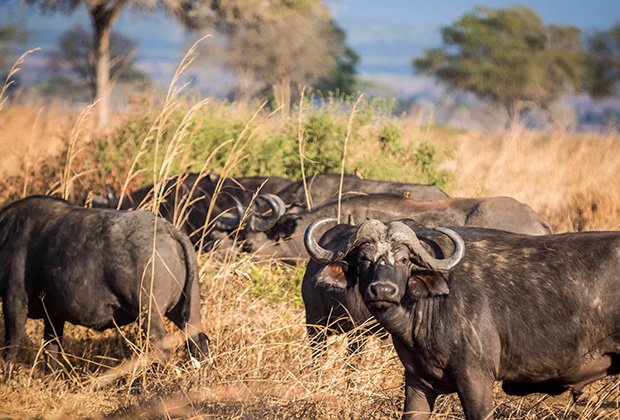
Dec 8, – 4 Day Tarangire, Serengeti And Ngorongoro Group Safari 2026
A detailed guide to our December 8, 2026 group joining safari, covering the itinerary, logistics, and what to expect during this 4-day wildlife adventure in Tanzania.
View package details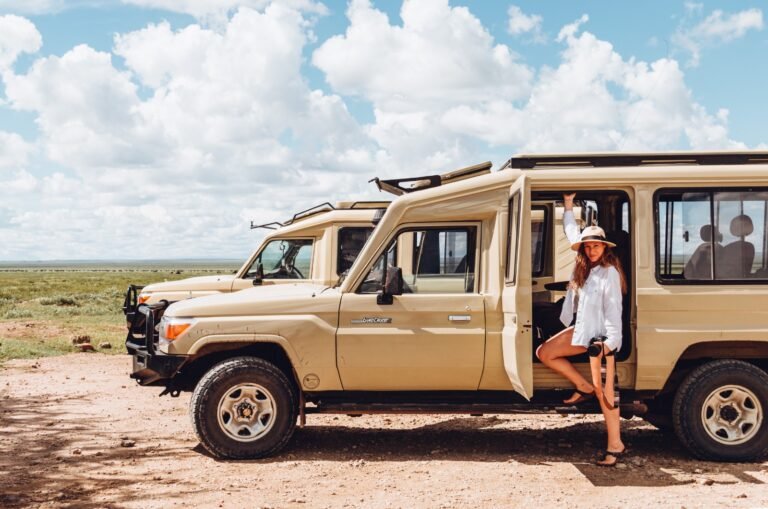
Dec 6, – 3 Day Tarangire, Lake Manyara And Ngorongoro Group Safari 2026
Dec 6, 2026 – 3 Day Tarangire, Lake Manyara and Ngorongoro Group Safari.
View package detailsDec 2, – 2 Day Tarangire And Ngorongoro Group Joining Safari 2026
Planning a trip for December 2, 2026? Join our 2-day shared safari to Tarangire and Ngorongoro. Perfect for travelers seeking an efficient, cost-effective wildlife experience.
View package detailsNov 10, – 4 Day Serengeti, Ngorongoro And Tarangire Group Safari 2026
Join our group safari on November 10, 2026, for an intensive 4-day tour of Tanzania's Northern Circuit. Perfect for those with limited time who want to experience the best of the Serengeti...
View package detailsOct 31, – 6 Day Serengeti, Ngorongoro, Tarangire And Manyara Group Safari 2026
A detailed look at the 6-day Northern Circuit group safari departing October 31, 2026, covering Tarangire, Manyara, Serengeti, and Ngorongoro Crater.
View package detailsWhich Tanzania Group Safari Includes All Northern Circuit Parks? A Planning
Planning a Northern Circuit safari often leads to the question of 'how many parks can I fit in?' We explore the reality of group joining itineraries that aim to cover Tarangire, Lake...
View package detailsDec 14, – 7 Day Complete Tanzania Northern Circuit Group Safari 2026
Planning for December 2026? Join our 7-day complete Tanzania Northern Circuit group safari. A deep look at the Serengeti, Ngorongoro, and Tarangire with expert, locally-led logistics.
View package details3 Day Serengeti And Ngorongoro Group Safari: Planning For December 4,
A detailed guide on planning a 3-day group safari to the Serengeti and Ngorongoro Crater for December 4, 2026, covering route expectations, group logistics, and essential planning steps.
View package detailsWhich Tanzania Group Safari Includes Serengeti And Ngorongoro?
Which Tanzania Group Safari Includes Serengeti and Ngorongoro?
View package details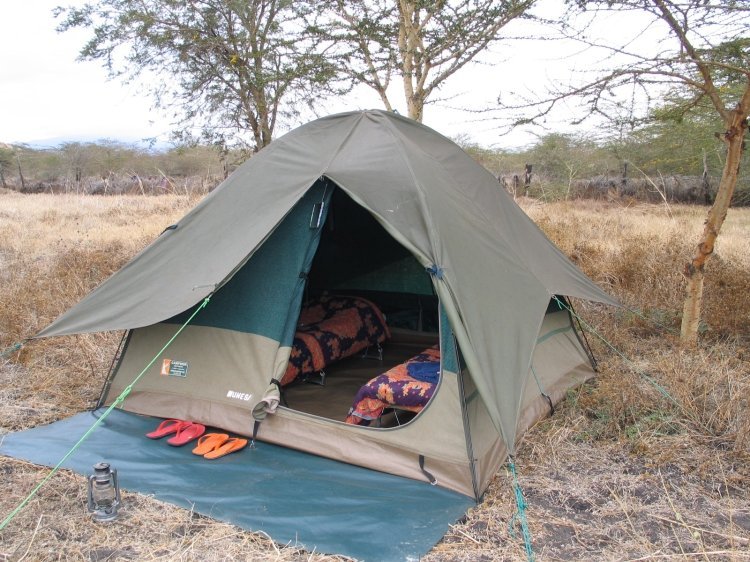
Four Day Serengeti na Ngorongoro Safari During AFCON 2027
Mwongozo wa safari ya siku 4 kwenye Serengeti na Ngorongoro wakati AFCON 2027; jinsi ya kupanga, nini cha kujali, na jinsi ya kuandaa,”
View package detailsAFCON 2027 Tarangire Safari Packages
Mpango wa safari ya Tarangire katika AFCON 2027 unaangazia mbuga ya Tarangire, nyakati za mwitu, mipango ya kulala na usafiri wa ndani, na jinsi ya kupanga kwa ufanisi pamoja na Climb 4...
View package detailsNo related package matches those filters. Clear one or more filters to see the other topic-matched options.