Yes, the Ngorongoro Crater is absolutely worth visiting even if you’ve already spent several days in the Serengeti, as it offers a profoundly different safari experience. While the Serengeti is renowned for its immense, open plains and the Great Migration, the Ngorongoro Crater provides a unique, self-contained ecosystem within a volcanic caldera, boasting an incredibly high density of wildlife, including rare species like the black rhino, and a dramatic, visually stunning landscape that contrasts sharply with the Serengeti’s vastness. For many, the chance to see such concentrated wildlife and the unique geological setting makes it a highlight of any 2026-2027 Tanzania safari itinerary.

Planning a Tanzania safari for 2026 or 2027 often involves navigating the iconic Northern Circuit parks, with the Serengeti and the Ngorongoro Crater being two of the most prominent. Many travelers ask whether dedicating time to both is redundant or if they offer complementary experiences. The answer, from a seasoned safari operator’s perspective, is overwhelmingly that they are distinct and offer unique value, making the Ngorongoro Crater a highly worthwhile addition, even after extensive time in the Serengeti.
Ngorongoro vs. Serengeti: The Core Difference
To understand why Ngorongoro is worth visiting after the Serengeti, we must first appreciate their fundamental differences. The Serengeti National Park is vast, covering over 14,000 square kilometers of rolling grasslands, acacia-dotted savannas, and riverine forests. Its defining characteristic is its sheer scale and the epic Great Migration, where millions of wildebeest, zebras, and gazelles traverse the plains in search of fresh grazing. This migratory cycle means the wildlife viewing in the Serengeti is dynamic, often dictated by the animals’ movements, which can vary year to year. You might spend days tracking herds across enormous distances, experiencing the raw, untamed nature of the African wilderness.
The Ngorongoro Crater, on the other hand, is a geological marvel. It’s a caldera, the collapsed remains of a massive volcano, spanning about 260 square kilometers. This enclosed environment, with its unique microclimate, diverse habitats (including grasslands, swamps, forests, and a soda lake), and permanent water sources, supports an exceptionally high density of wildlife year-round. Think of the Serengeti as an ocean of wildlife, and the Ngorongoro Crater as a concentrated, jewel-like ecosystem within that ocean. The experience of descending into the crater floor feels like entering a lost world, a natural amphitheater teeming with life.
Why Ngorongoro is Unique, Even After Serengeti
Even if you’ve spent a week or more exploring the Serengeti and witnessed its incredible wildlife spectacles, the Ngorongoro Crater offers a distinct set of advantages and experiences that make it a compelling destination. It’s not just more of the same; it’s a different facet of Tanzania’s rich biodiversity and stunning landscapes.
Wildlife Density and Diversity
The most striking difference is the sheer concentration of animals within the Ngorongoro Crater. Due to the limited space and abundant resources, animal populations are incredibly dense. You can often see large numbers of lions, elephants, buffalo, zebras, wildebeest, and various antelopes within a few hours of game driving. This high density means that sightings are almost guaranteed, and you can often observe animal interactions up close. While the Serengeti offers vastness and the drama of the migration, Ngorongoro offers an unparalleled opportunity for close-up viewing of a huge variety of species in a relatively small area. For photographers, this can be incredibly rewarding, offering stable subjects and dramatic backdrops. Many visitors report seeing more species in a single day in the Crater than they might in several days elsewhere. This makes it an excellent place to tick off any species you might have missed or to observe familiar ones in a unique setting.
The Landscape: A World Apart
The visual impact of the Ngorongoro Crater is immense. Descending the steep, forested slopes into the caldera floor is a impressive experience. The crater rim offers panoramic views that are simply spectacular, especially at sunrise and sunset. Once inside, the landscape is varied, with open grasslands, acacia woodlands, and the shimmering soda lake (Lake Magadi) at its center. This dramatic geological formation creates a sense of being in a contained, almost prehistoric world. In contrast, the Serengeti’s landscape, while beautiful, is primarily open savanna and plains. The enclosed nature of the Crater, with its towering walls and unique geological features, provides a dramatic and memorable visual experience that is distinct from the expansive horizons of the Serengeti.
Black Rhinos: The Prized Sight
For many safari-goers, the Ngorongoro Crater offers one of the best chances in Tanzania to see the critically endangered black rhinoceros. While sightings in the Serengeti can be exceptionally rare and require immense luck, the Crater has a healthy, albeit small, population of these magnificent animals. The conservation efforts within the Ngorongoro Conservation Area (NCA) have been successful in protecting them. Seeing a black rhino is often considered a highlight of any Tanzanian safari, and the Crater provides a reliable (though not guaranteed) location to do so. If spotting a black rhino is high on your priority list for your 2026-2027 trip, Ngorongoro is a must-visit.
Birdlife in the Crater
Beyond the iconic mammals, the Ngorongoro Crater is a paradise for birdwatchers. The diverse habitats, including the soda lake, attract a wide array of bird species. You can expect to see flamingos (though their numbers can fluctuate based on lake conditions), pelicans, ostriches, secretary birds, kori bustards, various eagles, vultures, and numerous smaller bird species. While the Serengeti also boasts impressive birdlife, the concentrated nature of the Crater and the presence of the soda lake create a unique avian spectacle. For those interested in ornithology, the Ngorongoro Crater offers a rich and accessible birding experience.
Conservation Model and Human Impact
The Ngorongoro Conservation Area (NCA) operates under a unique model that allows Maasai communities to coexist with wildlife, a departure from the strictly protected national parks like the Serengeti. This human-wildlife cohabitation is a fascinating aspect of the NCA and can sometimes be observed as you drive through its wider areas. While this model presents its own challenges, it also means that the Maasai people are integral to the conservation story of the area. Understanding this unique conservation approach adds another layer of depth to a visit, providing insights into the complex relationship between people and wildlife in Tanzania. This contrasts with the more conventional national park model of the Serengeti, where human settlements are generally excluded from core wildlife areas.
Practical Considerations for Visiting Ngorongoro
To make an informed decision about adding Ngorongoro to your 2026-2027 safari, it’s crucial to understand the practical aspects of visiting. These include timing, duration, accommodation, logistics, and the specific rules and fees associated with the Crater.
Timing Your Visit (2026-2027)
The Ngorongoro Crater offers excellent wildlife viewing opportunities year-round. Unlike the Serengeti, where animal movements are heavily influenced by the migration, the Crater’s resident wildlife population means that game viewing is consistently good. However, there are subtle differences:
- Dry Season (June to October): This is generally considered the best time for a safari in Tanzania. Water sources become scarce elsewhere, concentrating animals within the Crater. The weather is typically sunny and pleasant. This is also peak tourist season, so expect more vehicles.
- Wet Season (November to May): This period offers lush green landscapes, fewer tourists, and often lower prices for accommodation. The long rains (March-May) can make some roads challenging, but game viewing remains good. The short rains (November-December) can bring dramatic afternoon thunderstorms. Birdlife is particularly vibrant during the wet season.
For 2026 and 2027, the general patterns are expected to hold. If you are planning a trip during the peak dry season, booking well in advance is highly recommended, especially for specific lodges or camps.
Duration of Stay
Most visitors spend one full day exploring the Ngorongoro Crater floor. This typically involves descending into the Crater in the morning, spending several hours on a game drive, and ascending back to the rim in the afternoon. This single day is usually sufficient to experience the Crater’s highlights and see a wide array of wildlife. Some itineraries might include an overnight stay on the Crater rim or in a lodge within the wider NCA, allowing for two shorter game drives or a more relaxed pace. However, if your primary goal is to see the wildlife within the caldera itself, a single day is often enough to provide a profound experience, especially when combined with time in the Serengeti.
Accommodation Options
Accommodation choices significantly impact the Ngorongoro experience and its perceived value. Options range from:
- Crater Rim Lodges: These offer stunning views directly into the Crater and unparalleled convenience for early morning descents. They are typically the most luxurious and expensive options.
- Lodges/Camps within the NCA (outside the Crater): These offer a more in-depth wilderness experience and can be more budget-friendly than rim lodges. They require a drive to reach the Crater floor access points.
- Lodges/Camps in Karatu: This town is located a short drive from the Crater entrance and offers a range of mid-range to budget-friendly accommodations, often with a local feel.
When comparing the cost-effectiveness, staying in Karatu might be a more economical choice if your budget is a primary concern, but it adds travel time. Lodges on the rim provide the most dramatic setting and direct access, making them ideal for maximizing time on the Crater floor, a key factor if you’re short on time or want the most convenient experience for your 2026-2027 safari.
Logistics and Access
Accessing the Ngorongoro Crater is typically done via a steep, winding road from the Crater rim. This descent is part of the experience, offering incredible views. Vehicles must use designated tracks, and game drives are restricted to the Crater floor. The journey to Ngorongoro usually involves driving from Arusha, or more commonly, from the Serengeti. A typical Northern Circuit itinerary would involve spending several days in the Serengeti and then driving to the Ngorongoro area, often stopping at Olduvai Gorge en route, before descending into the Crater the following day.
Crater Access, Fees, and Rules
Visiting the Ngorongoro Crater involves specific fees and regulations that are important for budgeting and planning for 2026-2027:
- Conservation Fees: A daily conservation fee is charged per person for entry into the Ngorongoro Conservation Area (NCA).
- Vehicle Fees: A daily fee is charged per vehicle.
- Crater Service Fee: An additional fee is charged per vehicle for entering the Crater floor.
- Time Limits: Vehicles are typically allowed a maximum of 6 hours on the Crater floor. Exceeding this limit incurs extra charges.
- Limited Entry: The number of vehicles allowed into the Crater at any one time is regulated to manage conservation and visitor experience. This can sometimes lead to queues at the gate, especially during peak season.
- No Off-Road Driving: Driving off-road is strictly prohibited to protect the fragile ecosystem.
These fees, combined with accommodation costs, contribute to the overall expense of a Ngorongoro visit. It’s essential to factor these into your 2026-2027 safari budget. Understanding these rules helps manage expectations regarding game drive duration and potential waiting times.
Comparing Itineraries: Serengeti Only vs. Serengeti Plus Ngorongoro
To truly gauge if Ngorongoro is worth it, let’s compare two hypothetical itinerary structures for a 2026-2027 safari:
Scenario A: Serengeti Focused (e.g., 7 Days Total Safari)
- Day 1: Arrive Kilimanjaro (JRO), transfer to Arusha.
- Day 2: Fly to Serengeti, game drive en route to camp.
- Day 3-5: Full days of game drives in Serengeti (3 days). Focus on migration, predators, vast landscapes.
- Day 6: Morning game drive in Serengeti, fly back to Arusha.
- Day 7: Depart Arusha.
Pros: Deeper immersion in the Serengeti, more time for wildlife tracking, potentially lower cost by omitting Ngorongoro fees and accommodation. This itinerary maximizes time in one of Africa’s most iconic parks.
Cons: Misses out on the unique landscape and high-density wildlife of the Ngorongoro Crater, no chance to see black rhinos in their prime habitat.
Scenario B: Serengeti Plus Ngorongoro (e.g., 7 Days Total Safari)
- Day 1: Arrive Kilimanjaro (JRO), transfer to Arusha.
- Day 2: Fly to Serengeti, game drive en route to camp.
- Day 3-4: Full days of game drives in Serengeti (2 days). Focus on migration, predators.
- Day 5: Morning game drive in Serengeti, drive to Ngorongoro Conservation Area (NCA), check into lodge/camp (e.g., on the rim or in Karatu).
- Day 6: Full day game drive on the Ngorongoro Crater floor, ascend in the afternoon.
- Day 7: Drive back to Arusha, depart.
Pros: Experiences two distinct ecosystems and wildlife viewing styles, high likelihood of seeing black rhinos, dramatic Crater landscape, very high animal density for close-up viewing.
Cons: Less time in the Serengeti (though 2 full days is still substantial), additional costs for Ngorongoro Crater fees and accommodation, potentially more driving time between locations.
For a 2026-2027 safari, the decision often hinges on your priorities, budget, and available time. If your absolute priority is an in-depth exploration of the Serengeti’s migratory movements and vastness, and you have limited time, focusing solely on the Serengeti is a valid choice. However, if you seek variety, unique geological wonders, and the highest chances of spotting specific species like the black rhino, adding Ngorongoro is highly recommended. Many travelers find that the contrast between the two parks enhances their overall appreciation of Tanzania’s wildlife and landscapes.
Who Benefits Most from Adding Ngorongoro?
Several types of travelers will find the addition of the Ngorongoro Crater particularly rewarding, even after a Serengeti safari:
- Photographers: The concentrated wildlife and dramatic landscapes of the Crater offer superb photographic opportunities. Stable subjects and unique backdrops are abundant.
- First-Time Safari Goers (who want variety): While the Serengeti is a must, Ngorongoro provides a different, often more predictable, wildlife experience that can be very satisfying.
- Wildlife Enthusiasts Focused on Specific Species: Those keen to see black rhinos will find Ngorongoro offers the best odds.
- Travelers Seeking Dramatic Scenery: The sheer visual impact of descending into the Crater is unforgettable.
- Families with Children: The high animal density and relatively short game drives on the Crater floor can be more engaging for younger travelers.
- Travelers with Limited Time: A single day in Ngorongoro can pack in a wealth of wildlife sightings, making it an efficient use of time.
If you are someone who appreciates diverse ecosystems, enjoys a high probability of seeing a wide range of animals, and finds dramatic geological formations interesting, then the Ngorongoro Crater is an essential part of your 2026-2027 Tanzania safari plan.
Making the Decision for Your 2026-2027 Trip
The decision of whether to include Ngorongoro after the Serengeti boils down to a few key factors:
Key Decision Factors:
- Time: How many days do you have for your safari? If you have 7 days or more, adding Ngorongoro is very feasible. For shorter trips (e.g., 5 days), you might need to choose between deeper Serengeti immersion or a taste of Ngorongoro.
- Budget: Ngorongoro adds significant costs due to park fees, Crater fees, and accommodation. A Serengeti-only trip will be less expensive than a combined itinerary. Be sure to get a detailed quote for 2026-2027.
- Interests: Are you primarily interested in the Great Migration spectacle and vast open spaces (Serengeti)? Or do you also value unique geological formations, high animal density, and specific species like black rhinos (Ngorongoro)?
- Pace: Do you prefer to spend more time in one area, or do you enjoy experiencing a variety of landscapes and ecosystems? Ngorongoro offers a change of pace and scenery.
Many travelers who have spent extended periods in the Serengeti still find Ngorongoro to be a interesting and worthwhile experience. The unique environment of the Crater offers a different perspective on Tanzania’s wildlife and natural beauty. It’s not about choosing one over the other, but understanding how they complement each other to create a richer, more diverse safari adventure for your 2026-2027 journey.
Planning Your Tanzania Safari with Climb 4 Africa
As experienced operators of Tanzania safaris, Climb 4 Africa understands the nuances of combining iconic destinations like the Serengeti and Ngorongoro Crater. We help you craft itineraries that maximize your wildlife viewing opportunities while respecting your budget and preferences for 2026-2027. Whether you’re looking for a comprehensive Northern Circuit tour or a more focused exploration, we can guide you on the best way to experience these incredible landscapes.
When planning your safari, consider these points:
- Itinerary Customization: We can tailor your itinerary to include the ideal number of days in both the Serengeti and Ngorongoro, ensuring you don’t feel rushed and have ample time for game drives.
- Accommodation Selection: We work with a range of lodges and camps, from luxury rim lodges in Ngorongoro to comfortable mid-range options in Karatu and various camps in the Serengeti, to suit different budgets and styles.
- Logistical Expertise: We handle all the transfers, park entries, and vehicle arrangements, ensuring a smooth and hassle-free experience.
- Expert Guides: Our knowledgeable guides are passionate about Tanzania’s wildlife and ecosystems, providing invaluable insights during your game drives.
Deciding if Ngorongoro is worth visiting after the Serengeti is a common question, and our aim is to provide you with the clarity needed to make the best choice for your 2026-2027 safari. The distinct character of the Ngorongoro Crater makes it a compelling destination that complements, rather than duplicates, the Serengeti experience.
To discuss your ideal Tanzania safari itinerary, including the best way to incorporate the Ngorongoro Crater alongside the Serengeti, please feel free to contact us. We can help you build a memorable adventure tailored to your interests and budget for 2026 or 2027.
Contact Climb 4 Africa:
- WhatsApp: +255 747 477 898
- Email: climb4africa@gmail.com
- Website: climb-4-africa.com
We look forward to helping you plan your dream Tanzanian safari!
Check Availability for Is Ngorongoro Worth Visiting If You Already Spent Several Days In Serengeti?
Ready to compare dates, prices, and the best option for your group? Send the package name and travel month so the team can reply with a clear quote, availability, and what is included.
Four Day Serengeti na Ngorongoro Safari During AFCON 2027
Mwongozo wa safari ya siku 4 kwenye Serengeti na Ngorongoro wakati AFCON 2027; jinsi ya kupanga, nini cha kujali, na jinsi ya kuandaa,”
View package details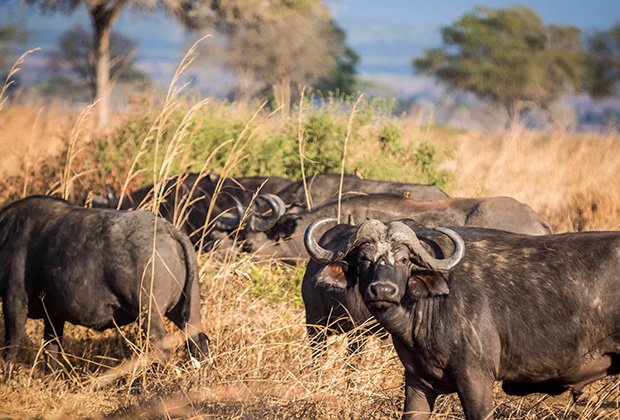
Dec 24, – 3 Day Christmas Serengeti And Ngorongoro Group Safari
Dec 24, 2026 – 3 Day Christmas Serengeti and Ngorongoro Group Safari.
View package details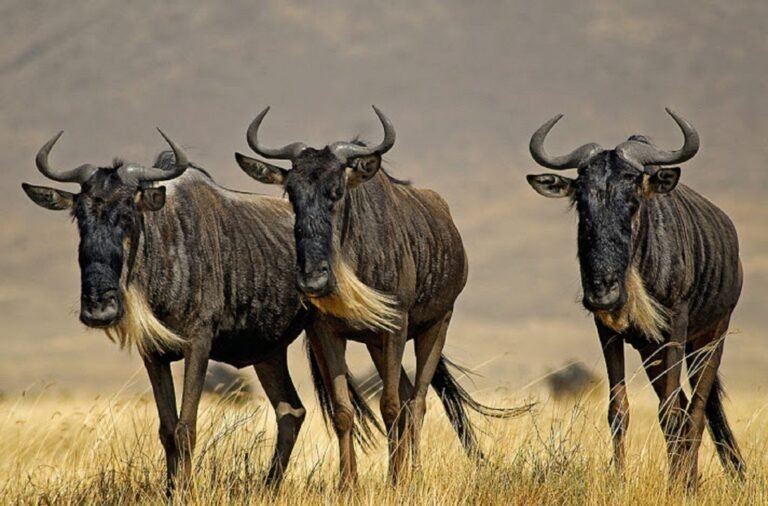
Nov 23, – 3 Day Serengeti And Ngorongoro Safari From Zanzibar
Nov 23, 2026 – 3 Day Serengeti and Ngorongoro Safari from Zanzibar.
View package details
Dec 29, – 6 Day Ndutu, Serengeti And Ngorongoro Group Safari 2026
A detailed guide to our 6-day group safari departure on December 29, 2026, focusing on the Ndutu plains, the Serengeti, and the Ngorongoro Crater.
View package details8 Day Serengeti And Ngorongoro Group Safari – December 16, 2026
Planning your December 2026 Tanzanian adventure? Our 8-day group safari offers a deep, unhurried exploration of the Serengeti and Ngorongoro Crater.
View package details
Dec 12, – 6 Day Serengeti, Ngorongoro, Tarangire And Manyara Group Safari 2026
Dec 12, 2026 – 6 Day Serengeti, Ngorongoro, Tarangire and Manyara Group Safari.
View package detailsDec 8, – 4 Day Tarangire, Serengeti And Ngorongoro Group Safari 2026
A detailed guide to our December 8, 2026 group joining safari, covering the itinerary, logistics, and what to expect during this 4-day wildlife adventure in Tanzania.
View package details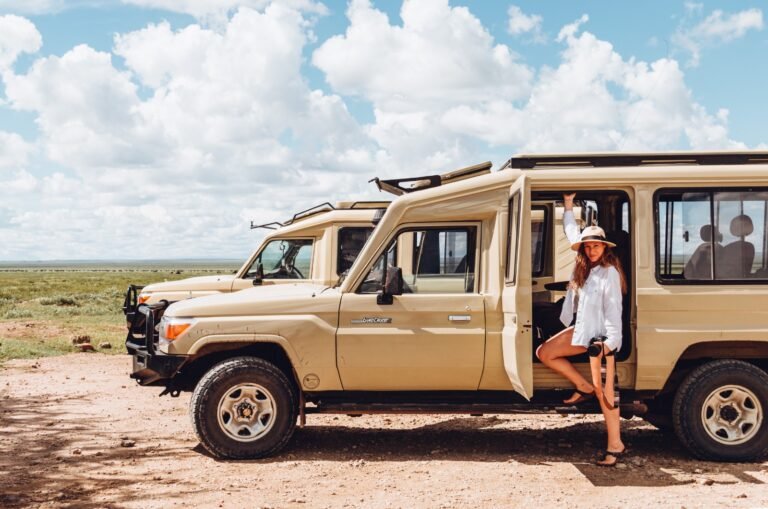
Nov 6, – 3 Day Serengeti And Ngorongoro Budget Group Safari 2026
A detailed look at our November 6, 2026 group departure for a 3-day Serengeti and Ngorongoro safari, including planning tips and route logistics.
View package detailsOct 27, – 3 Day Serengeti And Ngorongoro Group Safari 2026
Planning for a short, high-impact wildlife adventure? Our October 27, 2026, group safari offers a direct route through the Serengeti and Ngorongoro Crater, perfect for travelers with...
View package detailsNov 18, – 7 Day Serengeti And Ngorongoro Group Joining Safari 2026
A detailed guide to the 7-day group joining safari departing November 18, 2026, covering Serengeti, Ngorongoro, and the logistical advantages of shared travel.
View package detailsNov 10, – 4 Day Serengeti, Ngorongoro And Tarangire Group Safari 2026
Join our group safari on November 10, 2026, for an intensive 4-day tour of Tanzania's Northern Circuit. Perfect for those with limited time who want to experience the best of the Serengeti...
View package detailsOct 31, – 6 Day Serengeti, Ngorongoro, Tarangire And Manyara Group Safari 2026
A detailed look at the 6-day Northern Circuit group safari departing October 31, 2026, covering Tarangire, Manyara, Serengeti, and Ngorongoro Crater.
View package detailsNo related package matches those filters. Clear one or more filters to see the other topic-matched options.