Yes, the Ngorongoro Conservation Area, particularly the crater floor, is widely considered one of your best chances to see rhinos in Tanzania, offering a relatively high density of both black and white rhinos in a contained, easily explorable environment. While sightings are never guaranteed, the Ngorongoro Crater provides excellent visibility and a strong likelihood of encountering these magnificent animals, especially for visitors on a focused safari itinerary for 2026 or 2027.

Understanding Rhino Viewing in Tanzania: Beyond Ngorongoro
When planning a Tanzanian safari with the specific goal of seeing rhinos, it’s natural to gravitate towards the most famous locations. The Ngorongoro Crater immediately comes to mind for many, and for good reason. Its unique ecosystem supports a healthy population of endangered black rhinos, and it’s also home to white rhinos. However, Tanzania is a vast country with diverse wildlife habitats, and understanding your options beyond Ngorongoro is crucial for setting realistic expectations and crafting the most rewarding safari experience for your 2026-2027 adventure.
The question of whether Ngorongoro is your best chance to see rhinos in Tanzania involves looking at several factors: the density of rhino populations, the ease of viewing, the likelihood of sightings, and the overall safari experience. While Ngorongoro excels in many of these areas, other parks also offer valuable, albeit different, rhino viewing opportunities. This guide will explore these nuances, helping you decide where to focus your efforts and plan your trip effectively for the upcoming years.
The Ngorongoro Crater: A Rhino Sanctuary
The Ngorongoro Crater is a UNESCO World Heritage Site and one of Africa’s most iconic natural wonders. Its sheer geological formation – a massive volcanic caldera – creates a self-contained ecosystem that is incredibly rich in wildlife. For visitors seeking to see rhinos in Tanzania, the crater floor is a prime location. The area is home to a significant population of endangered black rhinos, which are notoriously elusive in the wild. The crater’s design, with its limited access and high predator-prey density, makes it a relatively predictable environment for spotting wildlife, including rhinos.
Why Ngorongoro stands out for rhino sightings:
- High Black Rhino Population: The crater boasts one of the highest densities of black rhinos in the world. While they remain endangered and their numbers are carefully monitored, the probability of spotting one here is considerably higher than in many other African parks.
- White Rhinos Present: While the black rhino is the star for conservation efforts within the crater, white rhinos have also been reintroduced and can be seen, adding to the rhino viewing potential.
- Contained Environment: The crater’s walls act as a natural enclosure, meaning wildlife is concentrated. This significantly increases the chances of seeing a variety of animals, including rhinos, within a single game drive.
- Excellent Visibility: The open grasslands and soda lake on the crater floor provide excellent vantage points for spotting wildlife. Rhinos, being large animals, are often visible from a distance.
- Dedicated Conservation Efforts: The Ngorongoro Conservation Area Authority (NCAA) actively monitors and protects its rhino population, ensuring their continued presence and contributing to successful sightings for visitors.
For travelers prioritizing rhino encounters on their 2026 or 2027 safari, including the Ngorongoro Crater in your itinerary is almost essential. It offers a high probability of success that is hard to match elsewhere.
Planning Your Ngorongoro Rhino Safari
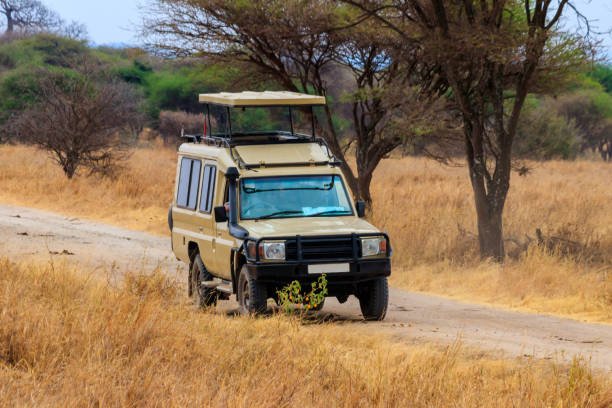
A typical safari itinerary might include a full day or half-day game drive on the Ngorongoro Crater floor. Most visitors access the crater from lodges or camps situated on the crater rim or within the wider conservation area. Your safari vehicle will descend into the crater, and your guide will navigate the best areas for wildlife viewing. The time of day can influence sightings; early mornings and late afternoons often offer more active wildlife. It’s important to note that the crater is a strictly controlled environment to protect its delicate ecosystem and wildlife. This means there are specific rules regarding vehicle numbers, time spent on the floor, and the requirement to stay within your vehicle.
When booking your 2026 or 2027 safari, ensure your tour operator includes sufficient time in the Ngorongoro Conservation Area. Many standard Northern Circuit safaris (which often include the Serengeti, Tarangire, and Lake Manyara) naturally incorporate a visit to Ngorongoro. However, if seeing rhinos is a top priority, communicate this clearly to your tour planner.
Other Prime Locations for Rhino Sightings in Tanzania
While Ngorongoro is exceptional, it’s not the only place where you might encounter rhinos in Tanzania. Exploring other parks can offer different safari experiences and additional opportunities, or serve as excellent alternatives if Ngorongoro is fully booked or if you wish to diversify your wildlife viewing. Understanding these options is key to comprehensive safari planning for 2026-2027.
Serengeti National Park
The vast plains of the Serengeti are legendary, famous for the Great Migration. While not as densely populated with rhinos as Ngorongoro, the Serengeti does host both black and white rhinos. Black rhinos are more common in the Seronera area in the central Serengeti, and white rhinos can be found in the northern and western sectors. Sightings here are generally more challenging and less predictable than in Ngorongoro due to the sheer size of the park and the rhino’s more dispersed distribution. However, a safari in the Serengeti is an unparalleled wildlife experience, and a rhino sighting, when it occurs, is a thrilling bonus.
Key considerations for rhino viewing in the Serengeti:
- Distribution: Rhinos are not found in concentrated herds. They tend to be solitary and more spread out, often preferring denser bushland which can make them harder to spot.
- Seronera Valley: This central region is often cited as having the best chances for black rhino sightings in the Serengeti.
- White Rhinos: While less common than black rhinos, white rhinos are present, particularly in the northern areas.
- Vastness: The Serengeti’s immense size means that game drives can cover large distances. Patience and a skilled guide are paramount for any specific wildlife sighting.
If your 2026-2027 safari includes the Serengeti, a rhino sighting is possible but should be considered a lucky addition rather than a guaranteed outcome. The overall wildlife spectacle of the Serengeti, however, makes it a must-visit.
Tarangire National Park
Tarangire National Park is renowned for its huge elephant herds and its baobab-dotted landscapes. It is also a known habitat for both black and white rhinos. While not as famous for rhino sightings as Ngorongoro, Tarangire’s rhino population is stable, and dedicated tracking efforts can yield results. The park’s varied terrain, including swamps and acacia woodlands, provides good cover for rhinos, making them challenging to find but rewarding when spotted.
Tarangire’s rhino potential:
- Black Rhinos: The park is home to a population of black rhinos, which are often seen near the Tarangire River and its swamps.
- White Rhinos: White rhinos are also present, though perhaps less frequently encountered than black rhinos.
- Habitat: The denser vegetation can make spotting rhinos more difficult, but it also means they have a secure environment.
For those undertaking a Northern Circuit safari in 2026 or 2027, Tarangire offers a diverse landscape and the potential for rhino sightings alongside its famous elephant populations. It’s a good complement to Ngorongoro.
Selous Game Reserve (Nyerere National Park)
Located in southern Tanzania, the Selous Game Reserve (now officially Nyerere National Park) is one of Africa’s largest wildlife reserves. It is a significant stronghold for rhinos, particularly black rhinos. The reserve’s vastness and diverse habitats, including miombo woodlands, open plains, and the Rufiji River system, support a healthy and growing rhino population. While Selous is less visited than the Northern Circuit parks, its rhino conservation efforts are robust, making it a viable option for dedicated rhino seekers.
Selous (Nyerere) for rhino viewing:
- Significant Black Rhino Population: Selous is considered a crucial sanctuary for black rhinos.
- Less Crowded: Compared to Ngorongoro and the Serengeti, Selous offers a more remote and less crowded safari experience, allowing for more intimate wildlife encounters.
- Boat Safaris: The Rufiji River offers unique opportunities for boat safaris, which can lead to sightings of wildlife coming to drink, including potentially rhinos.
If you’re looking for a different kind of safari experience in Tanzania for 2026-2027, one that combines excellent rhino potential with a wilder, less-trodden path, Selous (Nyerere) is an excellent choice. It’s often combined with a Zanzibar beach holiday for a classic southern Tanzania trip.
Comparing Rhino Viewing Chances: Ngorongoro vs. Others
To definitively answer whether Ngorongoro is your best chance to see rhinos in Tanzania, let’s directly compare the viewing probabilities and experiences:
| Factor | Ngorongoro Crater | Serengeti National Park | Tarangire National Park | Selous (Nyerere) NP |
|---|---|---|---|---|
| Rhino Density & Likelihood | Very High – contained ecosystem, good population. High probability of sighting black rhinos. | Moderate – dispersed population, harder to find. Sightings are less predictable. | Moderate – stable population, requires dedicated tracking. | High – significant black rhino population, crucial sanctuary. |
| Ease of Viewing | Excellent – open plains, good visibility, excellent guides. | Challenging – vast plains, dense bush, solitary animals. | Moderate – varied terrain, can be obscured by vegetation. | Moderate to Challenging – large reserve, diverse habitats. |
| Species Present | Black Rhino (primary focus), White Rhino (present). | Black Rhino, White Rhino (less common). | Black Rhino, White Rhino. | Black Rhino (primary focus). |
| Overall Safari Experience | Iconic caldera, high wildlife density, stunning scenery. Can be busy. | Vast plains, Great Migration, diverse landscapes. | Baobab trees, large elephant herds, diverse birdlife. | Remote wilderness, large predators, riverine ecosystems. |
| Typical Visit Duration | Half-day to full-day crater drive. | Multiple days (2-4+). | 1-3 days. | 2-4+ days. |
Based on this comparison, if your primary goal is seeing rhinos in Tanzania, Ngorongoro Crater offers the highest probability of success due to its unique combination of a concentrated rhino population and a contained, easily explorable environment. However, for a richer, more varied safari experience that includes other iconic wildlife and landscapes, combining Ngorongoro with Serengeti, Tarangire, or Selous (Nyerere) is highly recommended for your 2026-2027 trip.
Understanding Rhino Species in Tanzania
Tanzania is home to two of Africa’s rhino species: the critically endangered black rhino (Diceros bicornis) and the near-threatened white rhino (Ceratotherium simum). Understanding the differences and where they are typically found can enhance your safari planning.
The Critically Endangered Black Rhino
Black rhinos are the species most commonly sought after for sightings in Tanzania, largely due to their endangered status and the concentrated conservation efforts focused on them, particularly within the Ngorongoro Crater. They are browsers, meaning they feed on leaves, twigs, and branches, which influences their habitat preference. They are often found in bushland, thickets, and savannas where such food sources are abundant.
Key characteristics of black rhinos:
- Hooked lip: Distinctive prehensile upper lip used for grasping leaves and branches.
- Smaller size: Generally smaller than white rhinos.
- Aggressive temperament: Known for being more solitary and prone to charging when threatened.
- Habitat: Prefers denser vegetation, which can make them harder to spot.
Ngorongoro Crater is a critical stronghold for black rhinos. Efforts are continuously made to protect them from poaching, and park rangers play a vital role in monitoring their movements and ensuring their safety. This focus on black rhino conservation directly translates to a better chance of sighting them for visitors in this area.
The Near-Threatened White Rhino
White rhinos are larger than black rhinos and are grazers, feeding primarily on grasses. This difference in diet means they are more commonly found in open grasslands and savannas. While white rhinos were historically extinct in many areas, successful reintroduction programs have re-established populations in several Tanzanian parks.
Key characteristics of white rhinos:
- Wide, square lip: Adapted for grazing on grasses.
- Larger size: Generally larger and heavier than black rhinos.
- More social: Tend to be more social and less aggressive than black rhinos.
- Habitat: Prefers open grasslands.
White rhinos can be found in various parks, including Ngorongoro, Serengeti, and Tarangire. While their population numbers are generally higher than black rhinos, they can still be elusive. Seeing both species on a single safari would be a remarkable achievement.
The Role of Safari Guides in Rhino Tracking
The success of any wildlife sighting on a Tanzanian safari, especially for elusive animals like rhinos, hinges significantly on the expertise of your guide. They are not just drivers; they are trained trackers, naturalists, and conservators.
How guides enhance rhino sightings:
- Knowledge of Habitat: Experienced guides know the preferred habitats of rhinos within each park. They understand the subtle signs of rhino presence – tracks, droppings, browsing marks – and where these are most likely to be found.
- Understanding Animal Behavior: Guides can interpret animal behavior, helping them predict movements and potential locations. They know the best times of day for sightings and the most promising areas within their assigned patrol zones.
- Communication Networks: While not always explicitly stated, guides often share information discreetly with other rangers and guides about recent wildlife sightings, including rhino movements, ensuring that opportunities are maximized for visitors.
- Vehicle Placement: A skilled guide knows how to position the safari vehicle to provide the best possible views without disturbing the animals. This is especially critical when observing rhinos, which can be sensitive.
- Navigating Ngorongoro: Within the Ngorongoro Crater, guides are aware of the specific zones where rhinos are most frequently sighted and can navigate the limited tracks efficiently to maximize your chances within the allocated time.
When booking your 2026-2027 safari, inquire about the experience and training of the guides. Reputable operators like Climb 4 Africa pride themselves on employing knowledgeable local guides who are passionate about wildlife and dedicated to providing exceptional viewing experiences.
A Note on Rhino Conservation and Your Safari
Your safari contributes directly to conservation efforts. The park fees you pay help fund anti-poaching units, habitat management, and research programs critical for the survival of rhinos and other wildlife. By choosing responsible tour operators who adhere to strict wildlife viewing ethics, you ensure your presence is beneficial rather than detrimental to these magnificent animals.
Planning Your 2026-2027 Tanzania Safari for Rhino Viewing
When planning a safari with the specific intention of seeing rhinos, especially for trips in 2026 or 2027, a strategic approach is essential. It involves selecting the right parks, timing your visit, and working with an experienced tour operator.
Choosing the Right Itinerary
For the best chance to see rhinos in Tanzania, an itinerary that includes the Ngorongoro Crater is paramount. A typical Northern Circuit safari offers a fantastic opportunity to combine Ngorongoro with other prime wildlife destinations:
- Ngorongoro Crater: A must-include for rhino sightings.
- Serengeti National Park: For vast plains, the Great Migration, and other iconic wildlife.
- Tarangire National Park: Known for elephants and diverse birdlife, with rhino potential.
- Lake Manyara National Park: Famous for its tree-climbing lions and diverse birdlife, though less known for rhinos.
A 7-day Northern Circuit safari often includes 1-2 days dedicated to the Ngorongoro Conservation Area, ensuring ample time for crater exploration. For a more in-depth experience, consider extending your safari to 10-14 days, allowing for more time in each park and increased chances for diverse wildlife encounters, including more opportunities for rhino tracking.
Best Time to Visit for Rhino Sightings
Rhino sightings are possible year-round in Tanzania. However, certain periods might offer slightly better viewing conditions:
- Dry Season (June to October): Wildlife tends to congregate around permanent water sources, making them easier to spot. Vegetation is less dense, improving visibility. This is also peak tourist season, so booking well in advance for 2026-2027 is advisable.
- Wet Season (November to May): While the landscape is lush and beautiful, dense vegetation can make spotting rhinos more challenging. However, fewer tourists mean potentially more intimate encounters, and prices might be lower. The short rains (November-December) can offer good viewing before the long rains start.
Ultimately, the presence of rhinos in their habitat is the main factor. Their populations are relatively stable in key areas like Ngorongoro, so consistent sightings are expected regardless of the season, though visibility can vary.
Working with a Reputable Tour Operator
Choosing the right tour operator is critical for a successful and memorable safari. For those focused on seeing rhinos in Tanzania, especially in the Ngorongoro Crater, an operator with deep local knowledge and a strong reputation is invaluable. Climb 4 Africa specializes in crafting tailor-made safaris and offers expert guidance for planning your 2026 or 2027 trip.
Why Choose Climb 4 Africa for Your Rhino Safari?
At Climb 4 Africa, we understand the nuances of wildlife viewing in Tanzania. Our team of local experts can help you design an itinerary that maximizes your chances of seeing rhinos while ensuring an authentic and responsible safari experience. We focus on:
- Expert Itinerary Planning: Crafting routes that include the best rhino viewing locations like Ngorongoro Crater, tailored to your interests and budget for 2026-2027.
- Experienced Local Guides: Providing you with knowledgeable guides who are passionate about Tanzania’s wildlife and have an intimate understanding of the parks.
- Responsible Tourism: Ensuring your safari adheres to ethical wildlife viewing practices that prioritize animal welfare and conservation.
- smooth Logistics: Managing all aspects of your trip, from accommodation and transport to park fees and daily game drives.
To discuss your dream rhino safari for 2026 or 2027, or to get a personalized quote, please reach out to us.
Contact us:
WhatsApp: +255 747 477 898
Email: climb4africa@gmail.com
What to Expect on a Rhino Sighting Game Drive
Encountering a rhino is a profound experience, and understanding what to expect can help you prepare mentally and practically. Whether you are on the Ngorongoro Crater floor or elsewhere in Tanzania, the approach to viewing these magnificent animals is consistent.
The Process:
- Guided Search: Your guide will use their expertise and knowledge of recent sightings to drive you to areas where rhinos are most likely to be found. This might involve scanning open grasslands, heading towards waterholes, or checking denser bush areas.
- Spotting Signs: Look for tracks, droppings, and freshly browsed vegetation. These are often the first indicators that rhinos have been in the vicinity.
- The Sighting: When a rhino is spotted, your guide will position the vehicle at a respectful distance. For black rhinos, this distance might be greater due to their temperament. For white rhinos, you might be able to approach a bit closer.
- Observation: Spend time observing the rhino’s behavior. Are they grazing, resting, or moving? Black rhinos are often solitary, while white rhinos may be seen with their young.
- Photography: Use your camera to capture the moment. However, always prioritize observation over photography, and avoid using flash, which can disturb the animals.
Important Etiquette:
- Stay in the Vehicle: It is crucial to remain inside the safari vehicle at all times. Getting out is dangerous and disrupts the wildlife.
- Keep Noise to a Minimum: Speak softly to avoid startling the animals.
- No Feeding: Never attempt to feed any wildlife.
- Respect Their Space: Your guide will manage the distance, but be aware that rhinos are wild animals and should not be approached too closely.
The thrill of spotting a rhino, especially the rare black rhino, is a highlight for many visitors. By following your guide’s instructions and respecting the wildlife, you contribute to a positive and safe experience for everyone.
Potential Challenges and Realistic Expectations
While Ngorongoro Crater offers the best chance to see rhinos in Tanzania, it’s essential to manage expectations. Wildlife viewing is inherently unpredictable. Here are some potential challenges and what to keep in mind for your 2026-2027 safari:
- Rhinos are Wild: Despite conservation efforts and high populations in certain areas, rhinos are wild animals. They roam freely, and their movements are not guaranteed.
- Weather Conditions: Poor visibility due to mist, rain, or dust can sometimes make spotting animals difficult.
- Crowding in Ngorongoro: As a popular destination, the Ngorongoro Crater floor can get busy with safari vehicles, especially during peak season. While guides try to spread out, the concentration of vehicles can sometimes detract from the feeling of wilderness.
- Poaching Threats: Although heavily protected, rhinos remain vulnerable to poaching. Conservation efforts are ongoing, but their presence is always subject to these threats.
- Black Rhino Elusiveness: Black rhinos, in particular, are more solitary and often prefer denser vegetation, making them harder to find even within areas where they are known to exist.
Setting Realistic Expectations:
- Not a Zoo: Safari is not a zoo experience. You are observing animals in their natural habitat.
- Focus on the Overall Experience: While rhinos are a target, enjoy the abundance of other wildlife, the stunning landscapes, and the unique ecosystem of each park.
- Trust Your Guide: Your guide’s expertise is your best asset. Trust their knowledge and recommendations for maximizing sightings.
- Patience is Key: Sometimes, patience is rewarded. Extended game drives or returning to a promising area can lead to sightings.
For 2026-2027 planning, understanding these factors will help you appreciate your safari fully, regardless of whether every specific sighting is achieved. The journey and the overall wildlife encounters are what make a Tanzanian safari so special.
The Future of Rhino Viewing in Tanzania: 2026-2027 and Beyond
Conservation efforts in Tanzania are dynamic, with ongoing work to protect and increase rhino populations. For travelers planning safaris in 2026 and 2027, understanding the commitment to rhino conservation adds another layer of appreciation to the experience.
Conservation Initiatives:
- Anti-Poaching Patrols: Rangers are continuously working to secure rhino habitats and deter poaching activities.
- Habitat Management: Efforts are made to ensure that the natural environments supporting rhino populations remain healthy and sustainable.
- Monitoring and Research: Scientific research helps track rhino numbers, health, and movement patterns, informing conservation strategies.
- Community Involvement: Engaging local communities in conservation efforts is crucial for long-term success.
These ongoing efforts mean that parks like Ngorongoro will likely continue to offer excellent opportunities for seeing rhinos in Tanzania. While challenges remain, the dedication to conservation provides a hopeful outlook for the future of these iconic animals and for visitors planning their safaris in the coming years.
When you book your safari with a responsible operator like Climb 4 Africa, you are indirectly supporting these vital conservation initiatives through your park fees and by choosing a company committed to ethical tourism practices. This ensures that future generations, both human and animal, can benefit from Tanzania’s incredible wildlife heritage.
Making Your Booking Decision for a Rhino-Focused Safari
Deciding on your safari itinerary is a significant step. If seeing rhinos is a top priority, the evidence points clearly towards prioritizing the Ngorongoro Conservation Area. However, a truly unforgettable Tanzanian safari experience often involves more than just one location.
Key considerations for your booking:
- Prioritize Ngorongoro: Ensure your itinerary includes at least one full day dedicated to game driving on the Ngorongoro Crater floor.
- Consider Duration: A longer safari (e.g., 7-10 days) allows for a more relaxed pace and greater chances of diverse sightings across multiple parks.
- Combine Parks: Pair Ngorongoro with the Serengeti for the ultimate wildlife spectacle, or add Tarangire for its unique landscapes and elephant herds.
- Consult Experts: Work with a tour operator that understands your specific interests. Discussing your desire to see rhinos will help them tailor the perfect itinerary for your 2026-2027 adventure.
Climb 4 Africa is here to help you navigate these choices. Our expertise in Tanzanian safaris means we can craft an itinerary that not only maximizes your chances of seeing rhinos but also offers a comprehensive and deeply rewarding African experience. We can discuss options for 2026 and 2027 departures, including group tours and private tailor-made safaris.
To begin planning your rhino-focused safari or to get a personalized quote, please get in touch with our team. We are ready to assist you in creating an unforgettable journey through Tanzania’s magnificent wildlife destinations.
Contact Climb 4 Africa today:
WhatsApp: +255 747 477 898
Email: climb4africa@gmail.com
Let us help you fulfill your dream of seeing rhinos in Tanzania!
Check Availability for Seeing Rhinos In Tanzania: Is Ngorongoro Your Best Chance? 2026-2027
Ready to compare dates, prices, and the best option for your group? Send the package name and travel month so the team can reply with a clear quote, availability, and what is included.
Four Day Serengeti na Ngorongoro Safari During AFCON 2027
Mwongozo wa safari ya siku 4 kwenye Serengeti na Ngorongoro wakati AFCON 2027; jinsi ya kupanga, nini cha kujali, na jinsi ya kuandaa,”
View package details
Afcon Kilimanjaro Ngorongoro And Zanzibar Holiday
AFCON 2027 Kilimanjaro Ngorongoro and Zanzibar Holiday.
View package details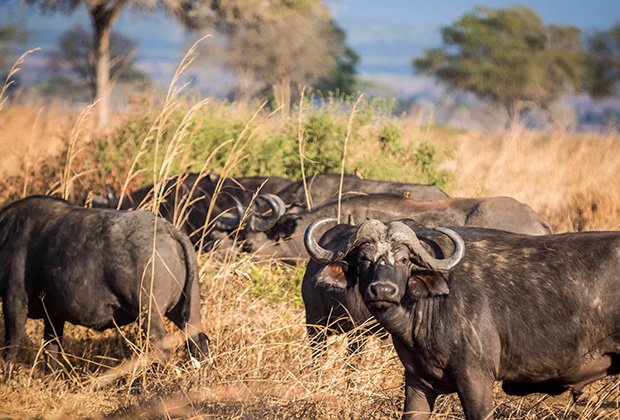
Dec 24, – 3 Day Christmas Serengeti And Ngorongoro Group Safari
Dec 24, 2026 – 3 Day Christmas Serengeti and Ngorongoro Group Safari.
View package details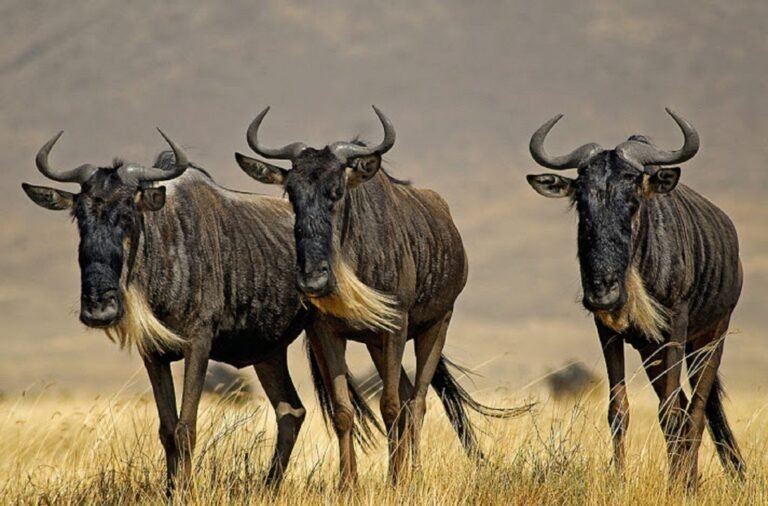
Nov 23, – 3 Day Serengeti And Ngorongoro Safari From Zanzibar
Nov 23, 2026 – 3 Day Serengeti and Ngorongoro Safari from Zanzibar.
View package details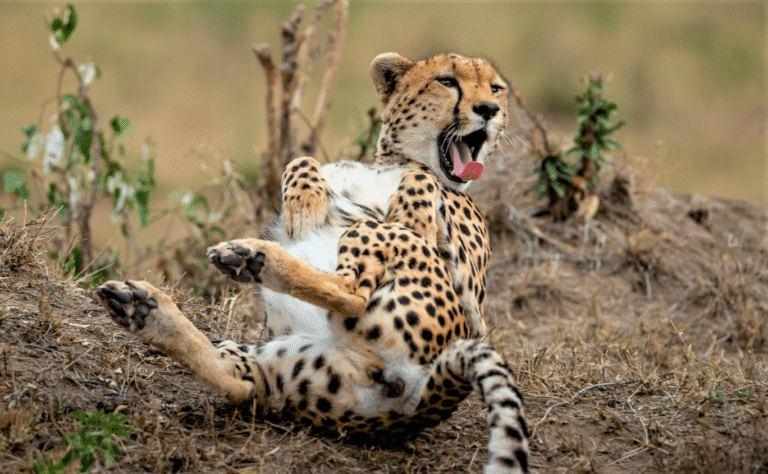
Dec 29, – 6 Day Ndutu, Serengeti And Ngorongoro Group Safari 2026
A detailed guide to our 6-day group safari departure on December 29, 2026, focusing on the Ndutu plains, the Serengeti, and the Ngorongoro Crater.
View package details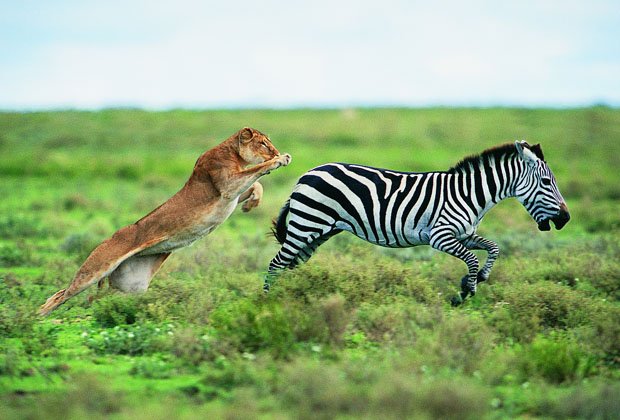
Dec 28, – 5 Day Ndutu Migration And Ngorongoro Group Safari 2026
Join a small group for a 5-day safari departing December 28, 2026, targeting the Ndutu region for the start of the calving season and the Ngorongoro Crater.
View package details8 Day Serengeti And Ngorongoro Group Safari – December 16, 2026
Planning your December 2026 Tanzanian adventure? Our 8-day group safari offers a deep, unhurried exploration of the Serengeti and Ngorongoro Crater.
View package details
Dec 14, – 7 Day Complete Tanzania Northern Circuit Group Safari 2026
Planning for December 2026? Join our 7-day complete Tanzania Northern Circuit group safari. A deep look at the Serengeti, Ngorongoro, and Tarangire with expert, locally-led logistics.
View package details
Dec 12, – 6 Day Serengeti, Ngorongoro, Tarangire And Manyara Group Safari 2026
Dec 12, 2026 – 6 Day Serengeti, Ngorongoro, Tarangire and Manyara Group Safari.
View package detailsDec 8, – 4 Day Tarangire, Serengeti And Ngorongoro Group Safari 2026
A detailed guide to our December 8, 2026 group joining safari, covering the itinerary, logistics, and what to expect during this 4-day wildlife adventure in Tanzania.
View package detailsDec 6, – 3 Day Tarangire, Lake Manyara And Ngorongoro Group Safari 2026
Dec 6, 2026 – 3 Day Tarangire, Lake Manyara and Ngorongoro Group Safari.
View package detailsDec 2, – 2 Day Tarangire And Ngorongoro Group Joining Safari 2026
Planning a trip for December 2, 2026? Join our 2-day shared safari to Tarangire and Ngorongoro. Perfect for travelers seeking an efficient, cost-effective wildlife experience.
View package detailsNo related package matches those filters. Clear one or more filters to see the other topic-matched options.