
The answer to which airport is closest to Serengeti National Park depends entirely on how you define ‘closest.’ If you are looking for the absolute nearest landing strip, that would be one of the many bush airstrips located inside the park, such as Seronera or Kogatende. However, if you are asking about the closest international gateway for your initial arrival in Tanzania, Kilimanjaro International Airport (JRO) is the primary hub for almost all Serengeti safaris.
Most travelers confuse the ‘closest’ airport with the ‘only’ airport. In reality, the Serengeti is a massive ecosystem, and the logistics of getting there involve a two-step process: flying internationally into a major Tanzanian hub, and then either taking a light aircraft (bush flight) directly into the park or driving from Arusha.
The Two-Tiered Approach to Serengeti Logistics
When you start researching your 2026 or 2027 safari, you will quickly realize that the Serengeti is not served by a single, central terminal. Because the park is so vast—stretching over 14,750 square kilometers—the ‘closest’ point changes depending on whether you are visiting the southern plains, the central Seronera valley, or the northern Mara River region.
For the vast majority of international travelers, the journey begins at Kilimanjaro International Airport (JRO). While JRO is not physically inside the park, it serves as the essential gateway. From here, you face a logistical decision: do you prefer a multi-day drive through the Tanzanian bush, or a rapid, aerial transfer via bush plane?
Why Kilimanjaro International Airport (JRO) Is Your Primary Choice
JRO is the most convenient airport for Serengeti-bound travelers for several reasons:
- Proximity to Arusha: Arusha is the safari capital of Tanzania. JRO is located about 50km from Arusha, making it the natural staging ground for all road-based safaris.
- Flight Connectivity: It receives direct flights from major international hubs like Amsterdam, Doha, and Addis Ababa, as well as frequent regional connections from Nairobi and Dar es Salaam.
- Infrastructure: Most reputable tour operators, including Climb 4 Africa, base their safari operations in the Arusha/Moshi area, meaning your guides, vehicles, and logistics support start right at your doorstep.
The Reality of “Closest”: Understanding Airstrips Inside the Park
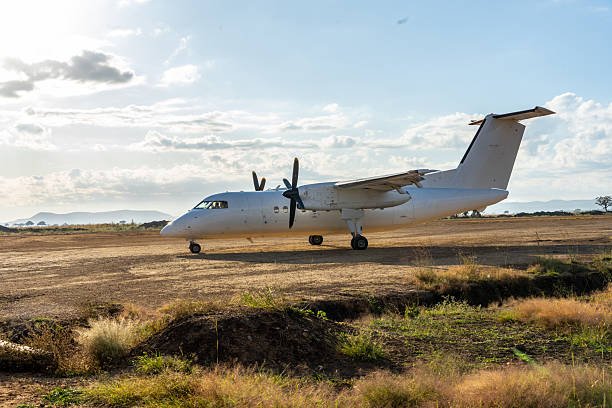
If your goal is to minimize travel time once you are in Tanzania, the only way to get closer is to bypass the road journey entirely and utilize the network of bush airstrips. These are not commercial airports in the traditional sense; they are gravel or dirt runways serviced by light aircraft (usually Cessna Caravans).
Depending on which area of the Serengeti you intend to visit, the ‘closest’ airstrip will vary:
- Central Serengeti: Seronera Airstrip is the busiest and most centrally located. It is the primary hub for the central valley and is often the best choice if you want to be in the heart of the action immediately.
- Northern Serengeti: Kogatende Airstrip or Lobo Airstrip are essential if you are timing your trip for the Great Migration river crossings. Landing here saves you a grueling 8-10 hour drive from Arusha.
- Western Corridor: Grumeti Airstrip serves the western part of the park, often used by those staying in luxury lodges in the private concessions.
- Southern Serengeti: Ndutu Airstrip is the primary access point during the calving season (typically January to March), though it is technically located just on the border of the Ngorongoro Conservation Area and the Serengeti.
If you are trying to decide which airstrip makes the most sense for your specific dates, we highly recommend reviewing the specific airstrip locations to ensure your lodge is within a reasonable transfer distance. There is no point in flying into Kogatende if your lodge is in Seronera.
Road vs. Air: The Trade-Offs
Deciding between flying into a bush airstrip or driving from Arusha is the single most important decision for your safari itinerary. It affects your budget, your fatigue levels, and the quality of your game viewing.
The Case for Driving (The Safari Experience)
Many travelers assume that driving is just a way to ‘get there,’ but on a Tanzanian safari, the journey is a significant part of the experience. A typical drive from Arusha to the Serengeti involves passing through the Ngorongoro Conservation Area. This route offers incredible scenery and the opportunity to spot wildlife before you even reach the Serengeti gate.
However, be aware of the distances. The drive from Arusha to the Naabi Hill Gate (the main entrance to the Serengeti) can take 5 to 7 hours depending on traffic, road conditions, and how many stops you make. If you choose this route, you are effectively turning your transfer day into a mini-safari.
The Case for Flying (The Time Saver)
If you have limited time—for example, a 5-day trip—you cannot afford to spend two days on the road. A bush flight from Arusha or Kilimanjaro Airport directly to a Serengeti airstrip takes about 45 to 60 minutes. This maximizes your game-viewing hours. You land, meet your guide, and can be at your lodge for lunch. For more details on these routes, you can explore our Tanzania safari resources.
Logistical Considerations for 2026-2027
Planning for upcoming seasons requires a clear understanding of your park entry requirements and flight schedules. If you are booking a flight, remember that bush planes have strict luggage weight limits—usually 15kg in soft-sided bags. This is a common point of frustration for travelers who bring large hard-shell suitcases.
Additionally, consider your return leg. If your flight home departs from JRO, you need to ensure your return flight from the Serengeti (or the drive back) is timed with a significant buffer. Delays in light aircraft schedules are not uncommon due to weather or operational logistics. We always advise clients to have a buffer night in Arusha or at the airport before their international flight home.
How to Decide Your Best Route
To determine the best approach, consider these three questions:
- What is your total duration? If you have 7 days or less, prioritize flying to maximize time in the park. If you have 10+ days, a road-based itinerary allows for a more gradual, in-depth experience through Tarangire and Ngorongoro.
- What is your budget? Bush flights are a significant additional cost. If you are on a mid-range budget, driving is almost always more cost-effective.
- What is your priority? Do you want to see the scenery of the Great Rift Valley, or do you want to start game viewing the moment you land?
Expert Tip: The “Combo” Strategy
A popular, efficient itinerary structure for many of our guests is to drive into the Serengeti via the Ngorongoro Crater, which allows for game viewing along the way, and then fly out of a northern airstrip like Kogatende directly back to Arusha. This gives you the best of both worlds: the scenic, wildlife-rich drive in, and the time-saving, comfortable flight out.
Ready to Plan Your Serengeti Journey?
Choosing the right airport is the first step in a complex logistical puzzle. Whether you are leaning toward a fly-in safari to maximize your game time or a classic overland route that takes in the highlights of the Northern Circuit, we are here to help you coordinate every detail. From selecting the right airstrip for your lodge to ensuring your road transfers are comfortable and efficient, our local team in Tanzania has the expertise to handle it.
To discuss your 2026 or 2027 safari plans, feel free to reach out to us directly. You can send us a message on WhatsApp at +255 747 477 898, or email us at climb4africa@gmail.com or our backup address info@climb-4-africa.com. We can help you weigh the pros and cons of your travel dates, budget, and desired experience to build a smooth itinerary that gets you to the Serengeti exactly when and how you want.

Frequently Asked Questions
- Can I fly directly from Zanzibar to the Serengeti? Yes, there are direct bush flights from Zanzibar to various Serengeti airstrips. It is a popular option for those combining a beach holiday with a safari.
- Is Arusha Airport (ARK) different from Kilimanjaro Airport (JRO)? Yes. JRO is the international airport serving long-haul flights. ARK is a smaller, regional airport closer to the city center, primarily used for domestic flights and bush plane departures. Always double-check which airport your flight is booked into.
- Do I need a visa if I am flying into a bush airstrip? You must obtain your visa for Tanzania before you enter the country. Whether you arrive via JRO or a domestic bush flight, your immigration formalities are handled at your first point of entry into Tanzania.
- What happens if my bush flight is cancelled? Bush flights operate on visual flight rules (VFR), meaning they can be grounded by bad weather. Working with an experienced operator like Climb 4 Africa ensures you have local support to rebook flights or arrange alternative road transport if weather impacts your schedule.
Navigating Serengeti Entry Gates: The Final Leg of Your Journey
While the initial choice of airport—JRO, ARK, or even regional hubs—sets the stage for your safari, the true logistical reality of the Serengeti is dictated by its entry gates. Many travelers make the mistake of assuming the Serengeti is a single, uniform destination accessible from a single point. In reality, the park is segmented into distinct regions, and the “closest” airport for your trip depends entirely on which specific gate you need to reach to access your lodge or camp.
The Serengeti covers nearly 15,000 square kilometers, and the distance between its primary entry points can be a full day’s drive. Understanding these gates is essential for refining your transit strategy, particularly if you are planning a road-based safari.
The Naabi Hill Bottleneck and the Ngorongoro Connection
For the vast majority of visitors, Naabi Hill Gate is the primary entrance. Located on the southeastern border of the park, it serves as the transition point between the Ngorongoro Conservation Area and the Serengeti plains. Because the majority of safari operators are based in Arusha, this is the most common route. If your itinerary includes the Ngorongoro Crater, you are essentially locked into this route. From Arusha, this journey is a full-day commitment, often taking 6 to 8 hours depending on road conditions and the frequency of wildlife sightings along the way. In this context, “closest” is a relative term; your flight into JRO is just the first step of a long, scenic transit that requires a full day of travel before you even reach the park boundary.
The Western Corridor and the Mwanza Alternative
A frequently overlooked logistical strategy involves the Western Corridor of the Serengeti, which stretches toward Lake Victoria. If your lodge or camp is situated in the Grumeti region or near the Ndabaka Gate, arriving via Arusha is often inefficient. Driving from Arusha to the western edge of the park can take upwards of 10 to 12 hours, turning your first day into an exhausting marathon of transit.
Savvy travelers and repeat visitors often consider Mwanza (MWZ) as an alternative gateway. Mwanza is a major city on the southern shores of Lake Victoria. By flying into Mwanza, you reduce the road transfer time to the Ndabaka Gate to approximately 3 to 4 hours. While this requires a domestic flight connection—usually from Dar es Salaam or Arusha—it completely bypasses the need for the long transit through the Ngorongoro Conservation Area. This is a highly effective strategy for those who have already visited the Crater on a previous trip or who specifically want to focus their wildlife viewing on the Western Corridor and the Grumeti River ecosystem.
Northern Access and the Loliondo Factor
The Northern Serengeti, famous for the Mara River crossings and the dramatic Great Migration, presents its own logistical puzzle. The primary access point for this region is often through the Klein’s Gate or the various northern airstrips like Kogatende or Lamai. If you are driving to the north, you are typically traveling through the Loliondo area. This route is remote, rugged, and significantly longer than the drive to the central plains.
For those visiting the north, the “closest” airport argument shifts dramatically toward flying. Driving to the northern edge of the park from Arusha is a multi-day endeavor if done properly, or a grueling, bone-jarring 12-hour drive if done in one go. Because of this, the majority of visitors to the northern Serengeti choose to fly directly into Kogatende or nearby bush airstrips. The time saved by skipping the long, dusty roads of the Loliondo region is often worth the premium price of a bush flight, as it allows you to spend your limited vacation time watching wildlife rather than staring at the back of a safari vehicle.
Why Your Lodge Location Dictates Your Airport
Before finalizing your flight bookings, it is critical to confirm the precise location of your accommodation. Many lodges operate in specific concessions or regions that are closer to one gate than another. A lodge located in the central Seronera Valley is best accessed via the Naabi Hill gate, whereas a tented camp in the far north is best served by Kogatende. If you book a flight to a generic “Serengeti” destination without verifying the airstrip proximity to your lodge, you may find yourself facing an unexpected 3-hour game drive just to reach your camp after you land. Always request the specific name of the airstrip nearest to your booked accommodation; this is the true “closest” point for your specific journey.
The Seasonal Variable: How the Great Migration Redefines Proximity
While lodge location is the primary driver of your airport choice, the seasonal movement of the Great Migration introduces a critical secondary layer of complexity. The Serengeti is not a static ecosystem; it is a dynamic, shifting landscape. Because the herds follow the rains, the “closest” airstrip for your trip may be entirely different in February than it is in August. This is particularly relevant for travelers booking mobile tented camps, which are designed to relocate throughout the year to remain in proximity to the herds.
During the calving season (typically January to March), the herds congregate in the Southern Serengeti and the Ndutu area. If you are traveling during this window, flying into a southern airstrip—or driving from Arusha via the Ngorongoro Conservation Area—is the most logical logistical path. However, if you attempt to visit the Northern Serengeti during this same period, you will find the northern camps closed and the northern airstrips largely inactive. Conversely, during the peak river crossing season from July to October, the herds move north. At this time, the southern airstrips become inefficient, and the northern airstrips like Kogatende or Lamai become the only practical entry points. Failing to account for this seasonal shift can result in an unnecessary six-to-eight-hour game drive just to reach your camp, effectively wasting a full day of your safari.
Furthermore, the rainy seasons (the “long rains” in April and May and the “short rains” in November) can impact the viability of specific airstrips. Some smaller, unpaved bush airstrips can become waterlogged, leading to temporary closures or diversions to more robust, all-weather runways. When planning your 2026 or 2027 safari, always ensure your operator confirms the current status of the airstrip closest to your camp for your specific travel dates. Never assume that the airstrip listed on a lodge’s website is the one you will use year-round.
Inter-Park Connectivity: Planning Your Next Leg
Many travelers view the Serengeti as the center of a wider Tanzanian safari circuit, and your choice of airport is often dictated by where you are coming from or where you are going next. The “closest” airport for your departure from the Serengeti is frequently determined by your post-safari plans. If your itinerary includes a beach extension in Zanzibar, you do not need to return to Arusha or Kilimanjaro International Airport (JRO).
There is a robust network of direct bush flights that connect the Serengeti directly to Zanzibar, as well as to other safari hubs like Ruaha National Park or Nyerere National Park (formerly Selous). By utilizing these inter-park connections, you can bypass the “hub and spoke” model of returning to Arusha, saving significant time and reducing travel fatigue. If you are planning an “open-jaw” itinerary—flying into JRO and flying out of a bush airstrip directly to your next destination—you must coordinate these flights well in advance. These regional connections often operate on specific schedules and have strict baggage allowances, which differ from international carriers. Always treat your Serengeti-to-Zanzibar flight as a critical logistical link rather than an afterthought, as these flights are the most efficient way to maximize your time in Tanzania.
Related Guides and Packages
Check Availability for Which Airport Is Closest To Serengeti National Park? Guide
Ready to compare dates, prices, and the best option for your group? Send the package name and travel month so the team can reply with a clear quote, availability, and what is included.
Nairobi To Serengeti Safari By Flight: Prices & Travel Options
A practical guide to navigating the logistics of flying from Nairobi to the Serengeti, including transit requirements, airport choices, and cost considerations for your 2027 safari.
View package details
Masai Mara To Serengeti Flights: Cross-Border Safari Costs And Logistics
Discover the logistics of flying from Masai Mara to Serengeti, including bush flight options, cross-border visa requirements, and typical safari cost considerations.
View package details
Serengeti To Kigali Flights: Ticket Prices & Travel Guide
Connecting the Serengeti to Kigali requires a strategic two-stage flight plan. Understand the logistics, baggage limits, and booking considerations for your 2026-2027 itinerary.
View package details
Kigali To Serengeti Flights: Prices & Safari Connections
A practical guide to connecting your Rwanda gorilla trekking with a Serengeti safari, focusing on flight routes, transit logistics, and expert booking advice.
View package details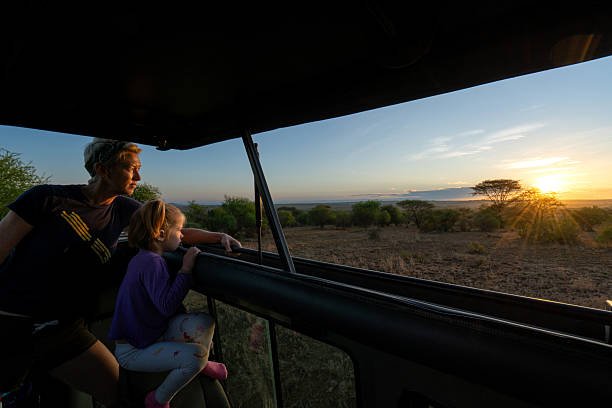
Serengeti To Entebbe Flights: Prices & Travel Options
Serengeti to Entebbe Flights: Prices & Travel Options.
View package details
Entebbe To Serengeti Safari: Flight Connections & Cost Planning
A practical guide to connecting your Entebbe-based travel with a Serengeti safari, covering flight routes, airport choices, baggage constraints, and cost factors for 2026-2027.
View package details
Kilimanjaro Climb And Serengeti Safari: Flight & Transfer Planning
Kilimanjaro Climb and Serengeti Safari: Flight & Transfer Planning.
View package detailsSerengeti Flight Prices During The Great Migration Season: A Practical Guide
Planning a safari during the Great Migration? Here is how to navigate Serengeti flight prices, seasonal demand, and the logistical realities of bush travel.
View package details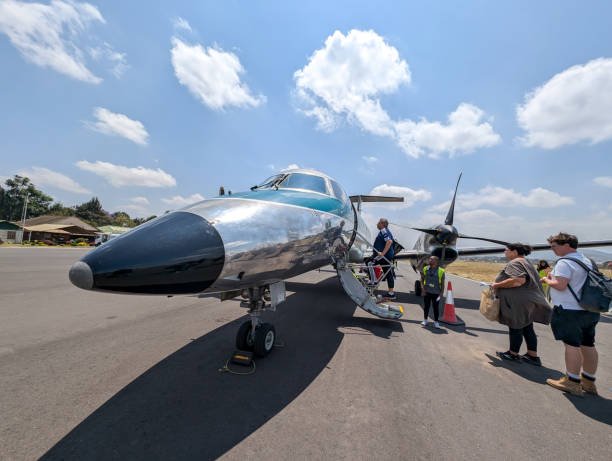
Tanzania Flight Prices September : Serengeti And Zanzibar Planning
Expert advice on navigating domestic flight logistics, seasonal pricing, and the crucial 'bush-to-beach' connection for your September 2027 Tanzania itinerary.
View package detailsFly-In Safari From Dar Es Salaam: Serengeti, Ruaha & Nyerere Packages
A professional guide to organizing fly-in safaris from Dar es Salaam, covering the logistical advantages of accessing Nyerere, Ruaha, and the Serengeti by air.
View package detailsSerengeti Great Migration Fly-In Safari: Flight And Lodge Prices ()
A deep look at the logistical and financial considerations of planning a Serengeti Great Migration fly-in safari, focusing on how flight routes and seasonal lodge locations dictate your...
View package detailsLuxury Serengeti Fly-In Safari: Private Packages & Prices ( Guide)
A detailed guide to luxury fly-in safaris in the Serengeti, focusing on private logistics, pricing structures for 2026-2027, and maximizing your time in the bush.
View package detailsNo related package matches those filters. Clear one or more filters to see the other topic-matched options.



