
Ibanda-Kyerwa National Park offers an exceptional, off-the-beaten-path Tanzanian safari experience, ideal for travelers seeking solitude and pristine wilderness. Planning a trip for 2026 or 2027 involves understanding its remote location, unique wildlife, and the best ways to access and explore its vast landscapes, typically through a 3-7 day itinerary focusing on game drives and birdwatching, with options for cultural interactions. Due to its less developed infrastructure compared to parks like Serengeti or Tarangire, a well-organized tour is crucial for a smooth and rewarding visit, ensuring accommodation, transport, and guided activities are expertly arranged.
Introducing Ibanda-Kyerwa National Park: Tanzania’s Untamed Frontier
Tanzania is globally renowned for its iconic wildlife destinations: the vast plains of the Serengeti, the Ngorongoro Crater’s unparalleled density of animals, and the elephant herds of Tarangire. Yet, tucked away in the northwest of the country, bordering Uganda and Rwanda, lies a lesser-known treasure: Ibanda-Kyerwa National Park. This park, along with the adjacent Burigi Chato and Biharamulo National Parks, forms part of a significant conservation area, collectively offering a wilder, more authentic Tanzanian safari experience. Ibanda-Kyerwa is characterized by its diverse topography, including rolling hills, acacia woodlands, and the vital Kagera River system, which supports a rich array of wildlife and birdlife. For the discerning traveler in 2026-2027 looking to step away from the well-trodden paths, Ibanda-Kyerwa presents an opportunity to witness Tanzania’s natural beauty in its most unspoiled form.
Unlike its more famous counterparts, Ibanda-Kyerwa National Park is not yet a household name among international tourists. This relative obscurity is precisely its charm. It means fewer vehicles, more intimate wildlife encounters, and a profound sense of discovery. The park’s establishment was aimed at protecting a critical ecosystem and its inhabitants, including a significant population of Roan antelope, a species that is becoming increasingly rare elsewhere in East Africa. It’s a place where the rhythm of nature dictates the pace, offering a genuine escape into the wild that many modern travelers crave.
Why Choose Ibanda-Kyerwa National Park? The Appeal of the Undiscovered
The decision to visit a less-frequented national park like Ibanda-Kyerwa is a conscious one, driven by a desire for experiences that go beyond the typical tourist trail. The allure lies in its untouched nature, the promise of unique sightings, and the sheer tranquility it offers. For those planning safaris in 2026 or 2027, Ibanda-Kyerwa stands out as a destination that rewards the adventurous spirit.
Wildlife Highlights: Beyond the Usual Suspects
While you might not find the overwhelming herds of wildebeest seen in the Serengeti during migration season, Ibanda-Kyerwa boasts a remarkable diversity of species, some of which are harder to spot in busier parks. The park is a stronghold for the beautiful Roan antelope, easily recognizable by its majestic, backward-curving horns and distinctive facial markings. This is a significant draw for wildlife enthusiasts. You’ll also find Oribi, another graceful antelope, along with herds of Zebra, Topi, Hartebeest, and the elusive Bushbuck. Larger predators are present, though often more difficult to spot due to the dense vegetation and vastness of the park; expect possibilities of encountering Lions, Leopards, and Hyenas. The park is also home to primates like Olive baboons and various monkey species. The presence of the Kagera River and its tributaries means aquatic and semi-aquatic animals can also be observed, though buffalo and hippo sightings might be less concentrated than in areas with larger permanent water bodies.
Scenic Beauty and Landscape Diversity
Ibanda-Kyerwa’s landscapes are varied and interesting. The park encompasses rolling hills that provide panoramic viewpoints, open grasslands ideal for grazing animals, and dense acacia woodlands offering shade and cover. The Kagera River system, a significant geographical feature, carves through the landscape, creating riparian zones that are rich in biodiversity. This varied terrain means that game drives can offer constantly changing vistas, from sweeping savannas to intimate woodland trails. The beauty of Ibanda-Kyerwa is subtle yet profound, a testament to nature’s artistry when left largely undisturbed. The undulating terrain and lush vegetation create a visually rich environment, especially during the green season.
Peace and Solitude: Escaping the Crowds
Perhaps the most significant draw for many travelers considering Ibanda-Kyerwa for their 2026-2027 safari is the promise of an exclusive experience. This park is not on the typical tourist circuit, meaning you are unlikely to encounter multiple safari vehicles at a single sighting. This allows for a more personal and intimate connection with the wildlife and the environment. Imagine watching a herd of Roan antelope graze undisturbed, with only the sounds of the African bush around you. This level of solitude is increasingly rare in Africa’s more popular parks and is a major reason why Ibanda-Kyerwa is gaining traction among those seeking authentic wilderness immersion.
Authentic Cultural Encounters
The areas surrounding Ibanda-Kyerwa National Park are home to local communities, including the Haya people. While the park itself is dedicated to conservation, responsible tourism can offer opportunities for respectful cultural interactions. These might include visits to local villages or cultural centers, providing insights into traditional ways of life. Such encounters, when managed ethically and with community benefit in mind, add a rich dimension to a safari, offering a broader understanding of the region beyond its wildlife. It’s important to approach these interactions with sensitivity and through organized channels that ensure genuine benefit for the communities involved.
Planning Your Ibanda-Kyerwa Safari: Essential Considerations for 2026-2027
Visiting a remote park like Ibanda-Kyerwa requires more meticulous planning than heading to a well-established destination. Understanding the logistics, seasonality, and local conditions is key to a successful and enjoyable trip, especially as you look ahead to planning for 2026 and 2027. The remoteness impacts everything from transportation to accommodation and communication.
Best Time to Visit Ibanda-Kyerwa National Park
The climate in Ibanda-Kyerwa, like much of Tanzania’s western regions, is influenced by its proximity to Lake Victoria and its geographical position. The park experiences distinct wet and dry seasons, which significantly affect wildlife viewing and accessibility.
- Dry Season (June to October): This is generally considered the prime time for visiting Ibanda-Kyerwa. The vegetation thins out, making wildlife easier to spot. Animals tend to congregate around water sources, and the weather is pleasant with less humidity and rainfall. Roads are typically in better condition during this period, facilitating easier game drives. This is often a popular choice for safaris in 2026 and 2027.
- Short Rains (November to December): These months can bring intermittent showers. The landscape becomes greener, and birdlife can be particularly active. While game viewing is still good, driving conditions might be slightly more challenging in some areas.
- Long Rains (March to May): This is the wettest period. Heavy rainfall can make roads impassable, and wildlife may disperse into denser vegetation, making sightings more difficult. Many lodges and camps may have reduced operations or close during this time. While it offers a lush, green scenery and fewer visitors, it is generally not the ideal time for a first-time safari to Ibanda-Kyerwa.
For those planning for 2027, the dry season from June to October remains the most reliable choice for optimal wildlife viewing and accessibility. However, the shoulder months of the dry season (late May/early June and late October/early November) can offer a good balance of decent weather, fewer crowds, and potentially lower prices.
Getting to Ibanda-Kyerwa National Park: The Journey is Part of the Adventure
Reaching Ibanda-Kyerwa National Park is an adventure in itself, highlighting its remote nature. The primary gateway town for this region is generally considered to be Mwanza, a major city on the shores of Lake Victoria. From Mwanza, the journey typically involves a combination of driving and potentially a short domestic flight, depending on the specific lodge or camp you are heading to and your chosen itinerary.
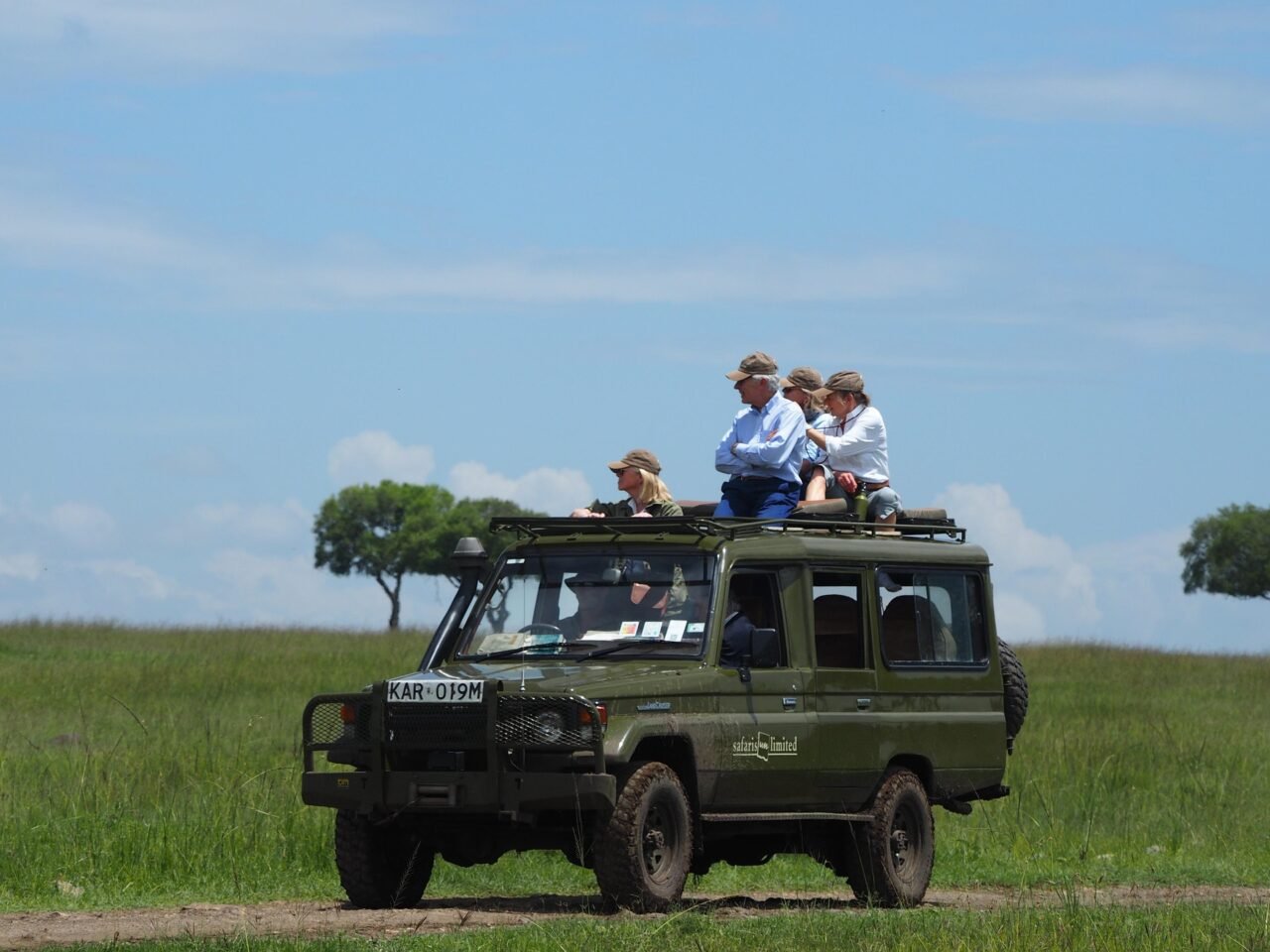
- By Road: The drive from Mwanza to the park boundaries can take several hours (typically 4-6 hours or more, depending on road conditions and the specific entrance gate). The roads leading to and within the park can be rough, especially during the wet season, and a sturdy 4×4 safari vehicle is essential. This is where having an experienced local operator like Climb 4 Africa is invaluable, as they know the best routes and how to navigate them safely.
- By Air: While there isn’t a major airport directly serving Ibanda-Kyerwa, charter flights can sometimes be arranged from Mwanza or other hubs to small airstrips closer to the park, significantly reducing travel time. This option is more expensive but offers unparalleled convenience and stunning aerial views.
It’s crucial to factor in travel time when planning your itinerary for 2026-2027. Journeys to Ibanda-Kyerwa are longer than to parks closer to Arusha, so allocating sufficient time for transit is vital to avoid feeling rushed.
Accommodation Options: From Tented Camps to Lodges
Given its remote location and less developed tourism infrastructure, accommodation options in and around Ibanda-Kyerwa National Park are generally more rustic and exclusive compared to more established parks. The focus is often on providing an intimate wilderness experience.
- Tented Camps: These offer a quintessential safari experience, with comfortable canvas tents equipped with beds, en-suite bathrooms (often with bucket showers), and private verandas. They are designed to blend into the environment and offer a close-to-nature feel. Some camps might be semi-permanent, while others are more mobile.
- Basic Lodges: A few lodges might be available, offering more solid structures but still maintaining a rustic charm. These typically provide private rooms, dining areas, and common lounges.
- Mobile Camps: In some cases, especially for longer stays or specific expedition-style safaris, mobile camps might be set up in strategic locations within or near the park.
It is important to note that luxury options are limited, and booking well in advance is highly recommended, especially for the popular dry season in 2026 and 2027, as capacity is often small. When choosing your accommodation, consider its proximity to prime wildlife viewing areas and the services offered (e.g., guided walks, meals, vehicle availability).
Park Entry Fees and Permits (2026-2027)
Park entry fees are a significant component of any Tanzanian safari budget. For Ibanda-Kyerwa National Park, as with other Tanzanian National Parks managed by TANAPA (Tanzania National Parks Authority), fees are standardized. While exact figures can change, typically, international visitors pay a daily conservation fee per person. For 2026-2027, it’s essential to confirm the latest rates, but these usually fall within a range:
- Conservation Fee: Around $30-$35 USD per person per day for international tourists.
- Vehicle Fees: Additional fees may apply for safari vehicles, depending on their size and type.
- Camping Fees: If you opt for public campsites within or near the park, separate fees apply.
These fees are usually collected at the park gates or are included in your tour package. It’s crucial to clarify what is included in your safari quote. For instance, a package from Climb 4 Africa would typically include these park fees, ensuring no unexpected costs upon arrival.
What to Pack for Your Ibanda-Kyerwa Adventure
Packing correctly is vital for comfort and enjoyment, especially in a remote park where access to amenities is limited. Layering is key, as temperatures can vary throughout the day.
- Clothing: Lightweight, neutral-colored clothing (khaki, beige, green) for daytime game drives. Long-sleeved shirts and trousers for evenings and sun protection. A warm fleece or jacket for cooler mornings and evenings. Comfortable walking shoes and sandals.
- Gear: Binoculars (essential for wildlife viewing!), camera with extra batteries and memory cards, a good quality sunscreen, insect repellent, a wide-brimmed hat, sunglasses.
- Health: Personal first-aid kit, any prescribed medications, malaria prophylactics (consult your doctor). Hand sanitizer and wet wipes.
- Documents: Passport, visa (if required), vaccination certificates, travel insurance details, copies of all bookings.
- Miscellaneous: A headlamp or flashlight, a reusable water bottle, a power bank for charging devices (electricity can be intermittent).
Remember that most safari vehicles have limited space, so packing light and efficiently is advisable. Soft-sided duffel bags are often preferred over rigid suitcases.
Sample Ibanda-Kyerwa National Park Itineraries
To help you visualize your trip to Ibanda-Kyerwa, here are a few sample itineraries. These are flexible and can be customized to your interests, pace, and duration. They are designed with travel in 2026-2027 in mind, assuming standard safari logistics.
Itinerary 1: 3-Day Short Exploration
This is a brief introduction to the park, ideal for those with limited time or as an add-on to another Tanzanian experience.
- Day 1: Arrival in Mwanza & Transfer to Ibanda-Kyerwa. Arrive at Mwanza Airport (MWZ). Meet your guide and transfer by 4×4 vehicle to Ibanda-Kyerwa National Park (approx. 4-6 hours). Check into your lodge or tented camp. Afternoon game drive to get acquainted with the park’s landscapes and wildlife.
- Day 2: Full Day Game Drive. Early morning game drive focusing on spotting Roan antelope, Oribi, and other plains game. Return to camp for lunch and a rest. In the afternoon, explore a different sector of the park, perhaps along the Kagera River.
- Day 3: Morning Game Drive & Departure. Enjoy a final early morning game drive. After breakfast, begin your scenic drive back to Mwanza for your onward journey or departure.
Itinerary 2: 5-Day Comprehensive Discovery
This itinerary allows for a more in-depth exploration of Ibanda-Kyerwa’s diverse habitats and wildlife.
- Day 1: Arrival in Mwanza & Transfer to Ibanda-Kyerwa. Arrive in Mwanza, meet your guide, and transfer to your accommodation within or near Ibanda-Kyerwa. Settle in and start an afternoon game drive.
- Day 2: Exploring the Northern Sector. Focus on the northern plains and woodlands, searching for Roan antelope and other grazers. Enjoy a picnic lunch amidst the wilderness.
- Day 3: Kagera River Area & Birdwatching. Explore the areas around the Kagera River, known for its birdlife and potential sightings of semi-aquatic animals. Enjoy a leisurely game drive, taking in the riverine scenery.
- Day 4: Southern Plains & Predator Search. Venture into the southern parts of the park, which may offer different wildlife concentrations and opportunities to spot predators. This could include a guided bush walk if available and permitted.
- Day 5: Final Game Drive & Departure. One last early morning game drive, followed by breakfast. Transfer back to Mwanza for your departure.
Itinerary 3: 7-Day Deep Immersion
For the serious wildlife enthusiast or photographer looking to truly connect with the park, this extended itinerary offers unparalleled immersion.
- Day 1: Arrival in Mwanza & Transfer. Arrive Mwanza, transfer to Ibanda-Kyerwa, check-in, and enjoy an introductory afternoon game drive.
- Day 2: Northern Plains Exploration. Dedicate the day to the northern regions, focusing on Roan antelope and Zebra herds.
- Day 3: Woodland Habitats & Birding. Explore the acacia woodlands, looking for shy forest dwellers and an array of bird species.
- Day 4: Kagera River & Wetlands. Spend the day around the Kagera River, observing its unique ecosystem and birdlife. Consider a guided walk along the riverbanks (if available).
- Day 5: Southern Territories & Predator Focus. Venture further south, concentrating on areas known for potential predator sightings and different antelope species.
- Day 6: Bush Walk & Cultural Visit (Optional). Depending on park regulations and your interests, start a guided bush walk for a different perspective. An optional visit to a nearby local community can be arranged, ensuring it is respectful and beneficial.
- Day 7: Final Game Drive & Departure. Enjoy a final dawn game drive. After breakfast, transfer back to Mwanza for your onward travel.
Wildlife Viewing Strategies in Ibanda-Kyerwa
Maximizing your wildlife sightings in Ibanda-Kyerwa requires patience, knowledge, and the right approach. The park’s wildness means encounters might be less frequent but often more rewarding.
Game Drive Best Practices
Game drives are the primary way to explore Ibanda-Kyerwa. To make the most of them:
- Timing is Key: Early mornings (dawn) and late afternoons (dusk) are when animals are most active. Midday heat often sees animals resting in the shade.
- Listen to Your Guide: Local guides are invaluable. They know the park’s terrain, animal behaviors, and the best spots for sightings. Pay attention to their advice and observations.
- Patience and Observation: Don’t rush. Spend time observing an area. Look for subtle signs – rustling bushes, distant calls, or animal tracks.
- Vehicle Etiquette: Stay inside the vehicle unless instructed otherwise by your guide. Maintain a respectful distance from animals. Avoid loud noises that might disturb them.
- Explore Different Habitats: Vary your routes to cover woodlands, grasslands, and riverine areas, as different species prefer different environments.
Birdwatching Opportunities
Ibanda-Kyerwa is a haven for birdwatchers. The diverse habitats support a rich avian population. Keep an eye out for:
- Raptors: Various eagles, buzzards, and kites are common.
- Waterbirds: Along the Kagera River, expect herons, egrets, kingfishers, and perhaps even the iconic Shoebill stork (though sightings are rare and seasonal).
- Woodland Birds: Hornbills, barbets, turacos, and numerous smaller species inhabit the acacia woodlands.
- Grassland Birds: Bustards, larks, and guinea fowl are often seen in open areas.
Bring a good field guide and binoculars specifically for birding to enhance your experience.
Walking Safaris and Other Activities
Where permitted and organized by your lodge or tour operator, walking safaris offer an intimate connection with the bush. Accompanied by an armed ranger and a guide, you can learn about tracking, plants, insects, and smaller creatures often missed from a vehicle. These walks are typically restricted to specific areas and require careful planning. Beyond game drives and walks, birdwatching is a major activity. For 2026-2027, inquire about the availability of guided walking safaris when booking.
The Role of Local Guides and Tour Operators
For a destination like Ibanda-Kyerwa, the expertise of local guides and the reliability of tour operators are not just beneficial – they are essential.
Why a Guide is Essential for Ibanda-Kyerwa
A knowledgeable guide is your eyes and ears in the bush. They possess:
- Local Knowledge: Understanding animal behavior, migration patterns, and the best locations for sightings.
- Navigation Skills: Safely navigating the park’s often unmarked tracks, especially in challenging conditions.
- Safety Expertise: Knowing how to handle encounters with wildlife and ensuring your safety.
- Ecological Insights: Explaining the flora, fauna, and ecosystem dynamics, enriching your experience.
- Logistical Management: Coordinating with park authorities, managing vehicle issues, and ensuring your itinerary runs smoothly.
Without a skilled guide, navigating Ibanda-Kyerwa would be significantly more challenging and potentially less rewarding.
Choosing a Tour Operator for Ibanda-Kyerwa
Selecting the right tour operator is paramount for a trip to a remote park. Look for companies with:
- Local Expertise: Operators deeply familiar with Tanzania, its parks, and especially its less-visited areas like Ibanda-Kyerwa.
- Reputation: Positive reviews and a track record of reliable service.
- Customization: The ability to tailor itineraries to your specific interests and budget.
- Support: Clear communication, comprehensive pre-trip information, and robust on-the-ground support.
- Commitment to Conservation: Companies that prioritize responsible tourism and contribute to local conservation efforts.
For planning your 2026-2027 safari to Ibanda-Kyerwa, partnering with a reputable operator ensures that all logistical hurdles are managed, allowing you to focus on the incredible wildlife and scenery.
Conservation and Community in Ibanda-Kyerwa
Ibanda-Kyerwa National Park, along with its neighbors Burigi Chato and Biharamulo, is part of a larger conservation initiative aimed at protecting a vital ecosystem in western Tanzania. This region is crucial for biodiversity, including several endangered species. The success of these parks relies heavily on effective conservation strategies and the involvement of local communities.
Tour operators play a role in supporting these efforts by contributing to park fees, which fund conservation activities, anti-poaching patrols, and park management. Furthermore, responsible tourism can create economic opportunities for local communities through employment at lodges and camps, providing guiding services, and offering cultural experiences. When planning your trip for 2026-2027, choosing operators who demonstrate a commitment to these principles ensures your safari has a positive impact, contributing to the long-term sustainability of Ibanda-Kyerwa and the well-being of its people.
Preparing for Remote Travel: Practical Tips
Visiting a remote national park like Ibanda-Kyerwa requires a different mindset than traveling to more accessible destinations. Here are some practical tips:
- Connectivity: Mobile phone reception can be very limited or non-existent within the park. Inform your family and friends about your travel plans and expected periods of disconnection. Your tour operator will be your primary point of contact.
- Power: Electricity at lodges and camps might be generator-powered and available only during specific hours. Bring a good power bank to keep your essential devices charged.
- Water: Always drink bottled or purified water. Most lodges provide this, but it’s wise to carry your own reusable bottle.
- Medical Preparedness: Consult your doctor well in advance regarding vaccinations (Yellow Fever is often required for entry into Tanzania) and malaria prophylaxis. Carry a comprehensive personal first-aid kit.
- Flexibility: Be prepared for the unexpected. Road conditions, weather, or wildlife movements can necessitate itinerary changes. A flexible attitude and trust in your guide are key.
Booking Your Ibanda-Kyerwa Adventure
Given the unique nature of Ibanda-Kyerwa National Park, planning and booking your safari for 2026 or 2027 requires careful consideration. Working with an expert tour operator like Climb 4 Africa ensures you receive tailored advice, smooth logistics, and an authentic, memorable experience. We specialize in creating unique Tanzanian adventures, including those to less-explored destinations.
To start planning your trip to Ibanda-Kyerwa, consider what you’re looking for in terms of duration, accommodation style, and specific interests (e.g., birdwatching, photography, specific wildlife). This will help us craft the perfect itinerary for you. We can advise on the best times to visit, the most suitable lodges or camps, and ensure all necessary arrangements are made, from park permits to vehicle and guide hire.
Don’t hesitate to reach out to our team for a personalized consultation. You can contact us via WhatsApp at +255 747 477 898 or by email at climb4africa@gmail.com. Let us help you discover the untamed beauty of Ibanda-Kyerwa National Park in 2026-2027.
Check Availability for Ibanda-Kyerwa National Park Travel Guide And Itinerary Guide
Ready to compare dates, prices, and the best option for your group? Send the package name and travel month so the team can reply with a clear quote, availability, and what is included.
Ibanda-Kyerwa National Park Tour Packages: Your Guide To Remote Tanzania
Explore comprehensive tour package options for Ibanda-Kyerwa National Park, a less-visited gem in Tanzania offering pristine wilderness and diverse wildlife viewing opportunities. Learn…

Ibanda-Kyerwa National Park Tour Cost And Prices: Planning Your Safari
Planning a safari to Ibanda-Kyerwa National Park involves understanding the various cost factors. This guide breaks down typical tour expenses, what influences prices for 2026-2027 trips…

How To Visit Ibanda-Kyerwa National Park: Your Complete Guide 2026-2027
Ibanda-Kyerwa National Park offers a unique safari experience away from the crowds. This guide details how to access this remote Tanzanian park, what to expect, and tips for planning your…

Best Ibanda-Kyerwa National Park Tours: Your Ultimate Guide For 2026-2027
Planning a safari to Ibanda-Kyerwa National Park? This guide covers the best tour options, what to expect, and how to book your unforgettable 2026-2027 adventure.
Burigi-Chato National Park Travel Guide And Itinerary 2026-2027
Burigi-Chato National Park Travel Guide and Itinerary is explained with current 2026-2027 planning, price, itinerary and booking information.
No related package matches those filters. Clear one or more filters to see the other topic-matched options.



