
The best Ibanda-Kyerwa National Park tours for 2026-2027 focus on maximizing wildlife viewing opportunities in this remote and pristine ecosystem, typically involving a combination of game drives, guided walks (where permitted), and accommodations that offer authentic bush experiences. Tours often range from 3 to 5 days, starting from nearby hubs like Mwanza or Bukoba, and are best arranged as tailor-made packages to suit individual interests in birdwatching, photography, or general wildlife spotting, as organized group departures are rare for this less-visited park.
Understanding Ibanda-Kyerwa National Park
Ibanda-Kyerwa National Park, situated in the Kagera Region of northwestern Tanzania, offers a unique safari experience distinct from the more frequented northern circuit parks. Its location along the Rwandan border and its proximity to Lake Victoria mean it boasts a diverse landscape, from rolling hills and woodlands to grassy savannas and papyrus-lined riverbanks. This park is part of a larger conservation area that includes the adjacent Burigi-Chato and Biharamulo National Parks, forming a significant ecological corridor. Unlike the well-trodden paths of Serengeti or Ngorongoro, Ibanda-Kyerwa remains relatively untouched, promising a more exclusive and authentic encounter with Tanzania’s wild heart. For travelers seeking solitude and raw, unspoiled nature, the opportunities presented by tours to Ibanda-Kyerwa are exceptional, particularly as interest in off-the-beaten-path destinations grows for 2026 and 2027 visits.
Why Ibanda-Kyerwa Stands Out
Several compelling reasons make Ibanda-Kyerwa National Park an attractive destination for discerning travelers. Its primary allure lies in its remoteness and the resulting lack of crowds. If the idea of sharing your wildlife sightings with numerous other vehicles is unappealing, Ibanda-Kyerwa offers a sanctuary. The park is a haven for a variety of wildlife, including significant populations of Rothschild’s giraffes, elephants, hippos, zebras, various antelopes, and a rich diversity of birdlife. Its aquatic environments are particularly notable, supporting healthy populations of hippos and crocodiles. For ornithologists, the park is a paradise, with over 300 bird species recorded. The landscape itself is a draw; it’s a place where you can truly feel you’ve stepped back in time, experiencing a Tanzania that few visitors get to see. This unspoiled character is precisely what many modern travelers are seeking as they plan their adventures for 2026-2027, looking for experiences that are both profound and environmentally conscious.
Types of Ibanda-Kyerwa National Park Tours
Given its remote nature, tours to Ibanda-Kyerwa National Park are rarely standardized group departures. Instead, the most effective and rewarding way to experience the park is through **tailor-made safaris**. These are custom-designed itineraries built around your specific interests, timeframe, and budget. A typical tailor-made tour will involve:
* Private Game Drives: You’ll have your own dedicated safari vehicle and guide, allowing for flexible timing and personalized wildlife tracking.
* Guided Bush Walks: In areas where permitted and safe, guided walks offer a different perspective, allowing you to connect with the environment on foot.
* Birdwatching Excursions: With a vast array of avian species, specialized birding tours can be arranged, often focusing on specific habitats within the park.
* Photography Safaris: These tours are optimized for photographers, with longer stays in promising locations and vehicles adapted for better viewing angles.
* Combination Safaris: Many travelers opt to combine Ibanda-Kyerwa with other nearby attractions, such as Lake Victoria, or extend their journey to other Tanzanian national parks, creating a more comprehensive East African experience.
For 2026-2027, the trend towards personalized travel means tailor-made tours are increasingly the preferred option for destinations like Ibanda-Kyerwa, ensuring you get the most out of your visit.
Crafting Your Ideal Ibanda-Kyerwa Itinerary
Designing the perfect Ibanda-Kyerwa safari involves considering several key elements. The park’s vastness and the quality of the experience often hinge on how well your itinerary is planned. A well-structured plan ensures you see the most compelling sights without feeling rushed, and that your accommodations align with your expectations for comfort and authenticity.
Typical Tour Durations
To truly appreciate Ibanda-Kyerwa’s unique offerings, a minimum of **3 to 4 full days** within the park is recommended. This allows ample time for:
* Arrival and Acclimatization: Settling into your lodge and getting oriented.
* Multiple Game Drives: Covering different sectors of the park at various times of day to maximize wildlife encounters.
* Exploring Key Habitats: Visiting areas known for specific species or scenic beauty, such as the Kagera River banks or open grasslands.
* Leisure and Observation: Allowing for spontaneous stops, enjoying sundowners with a view, or simply soaking in the tranquility.
Many visitors extend their stay to 5 days or more, especially if combining Ibanda-Kyerwa with other activities or if they are keen birdwatchers or photographers. For 2026-2027, booking a slightly longer duration can offer a more relaxed pace and a deeper connection with the environment.
Key Wildlife Highlights
While Ibanda-Kyerwa might not boast the sheer density of megafauna seen in the Serengeti during the Great Migration, it offers a rich and rewarding wildlife experience:
* Rothschild’s Giraffes: The park is known for its significant population of these elegant creatures, often seen browsing in the acacia woodlands.
* Elephants: Herds of elephants roam the park, particularly in the southern sectors and near water sources.
* Hippos and Crocodiles: The Kagera River and other water bodies are teeming with hippos, often seen wallowing in groups, and formidable Nile crocodiles basking on the banks.
* Antelopes: A wide variety of antelopes can be spotted, including impala, bushbuck, waterbuck, oribi, and the magnificent greater kudu.
* Predators: While less commonly sighted than in other parks due to the dense vegetation and vastness, lions, leopards, cheetahs, and hyenas are present.
* Primates: Olive baboons and various monkey species inhabit the woodlands.
* Birdlife: With over 300 species, Ibanda-Kyerwa is a birdwatcher’s dream. Look out for African fish eagles, kingfishers, turacos, and a multitude of waterbirds and savanna species.
Activity Focus: Game Drives & Walks
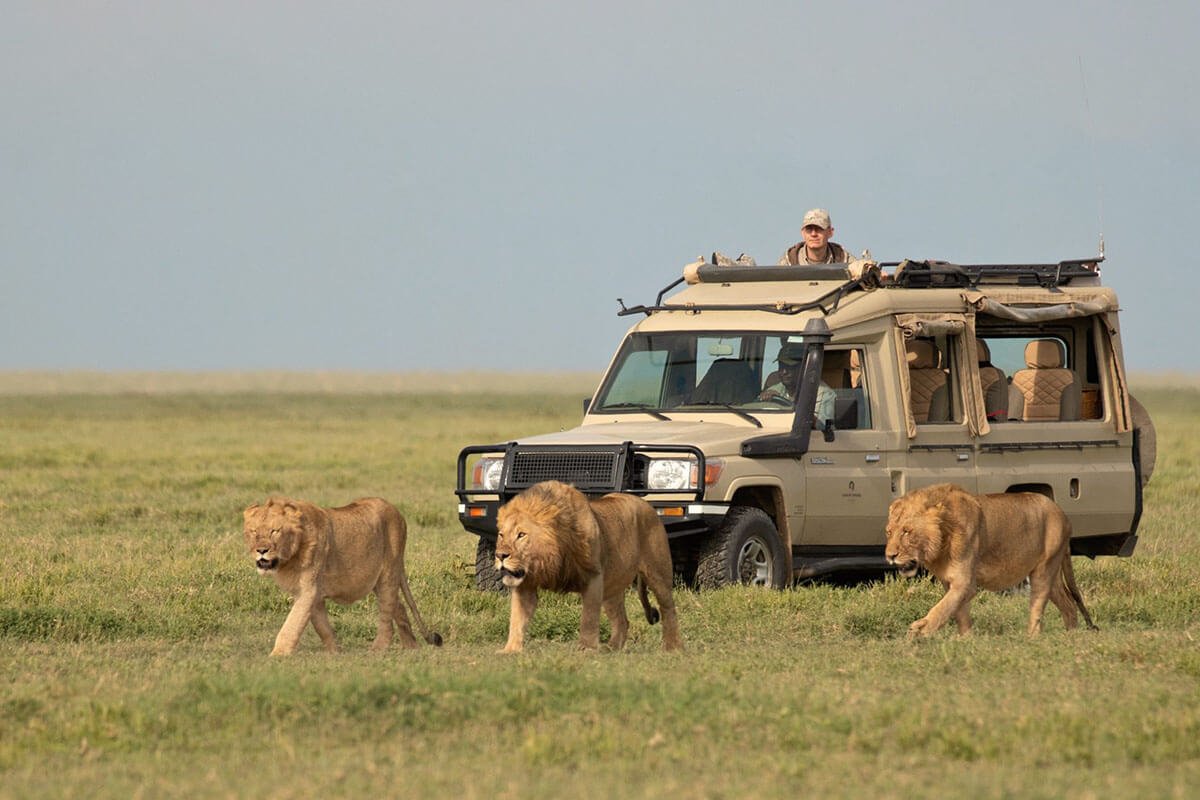
Your Ibanda-Kyerwa tour will primarily revolve around game drives. These are conducted in sturdy 4×4 safari vehicles, essential for navigating the park’s terrain. Your experienced guide will use their knowledge of animal behavior and tracking skills to locate wildlife. Game drives are typically conducted in the early morning and late afternoon, when animals are most active.
Guided bush walks are another significant activity that sets Ibanda-Kyerwa apart. These are usually offered by lodges or camps within or bordering the park, under the supervision of armed rangers. Walks provide an intimate perspective on the smaller details of the ecosystem – insects, plants, tracks, and signs of wildlife that you might miss from a vehicle. They offer a thrilling sense of adventure and a deeper connection to the wilderness. When planning for 2026-2027, discuss with your tour operator if guided walks are a priority, as availability can depend on the specific lodge and park regulations.
Lodging Options
Accommodation options in Ibanda-Kyerwa National Park are intentionally kept low-impact and blend with the natural environment. You won’t find large, modern hotels here. Instead, expect:
* Tented Camps: These range from basic but comfortable canvas tents to more luxurious, en-suite tented suites. They offer a classic safari feel, often situated in prime wildlife viewing locations.
* Safari Lodges: These are typically more permanent structures, offering private rooms or bandas (cottages) with en-suite facilities. They often have central dining areas and lounges with stunning views.
When choosing a lodge or camp for your 2026-2027 safari, consider its location within or near the park, the type of experience it offers (e.g., rustic charm vs. luxury), and whether it provides activities like guided walks. Your tour operator will have insights into the best available options that align with your preferences.
Planning Your 2026-2027 Visit
Successful planning is key to enjoying the unique experience Ibanda-Kyerwa offers. Understanding the best times to visit, how to get there, and what to pack will significantly enhance your safari. As you look towards 2026 and 2027, early booking for these less common destinations is advisable to secure preferred lodges and guides.
Best Time to Visit
Ibanda-Kyerwa National Park is generally accessible year-round, but certain periods offer distinct advantages:
* Dry Season (June to October): This is often considered the prime time for wildlife viewing. With less vegetation and water sources becoming scarcer, animals tend to congregate around rivers and waterholes, making them easier to spot. The weather is also pleasant, with sunny days and cooler evenings.
* Shoulder Seasons (November, March to May): These months can offer a good balance. The landscape is lush and green, and there are fewer tourists than in the peak dry season. However, some areas might become less accessible due to rain, and wildlife might be more dispersed.
* Wet Season (November to February, April to May): While this is the time for lush landscapes and incredible birdwatching (especially migratory birds), game viewing can be more challenging. Roads can become muddy and difficult to traverse, and animals may spread out into denser vegetation. However, it’s also the time for lower prices and fewer crowds, which can appeal to budget-conscious travelers planning for 2026-2027.
For optimal wildlife viewing and accessibility, aiming for the dry season between **June and October 2026 or 2027** is generally recommended.
Getting to Ibanda-Kyerwa
Reaching Ibanda-Kyerwa requires a bit more effort than reaching the northern parks, which contributes to its untouched nature. The most common access points and methods include:
* From Mwanza: Mwanza, on the southern shores of Lake Victoria, is a major city and a common starting point. From Mwanza, you can arrange a private transfer (4×4 vehicle) which can take approximately 6-8 hours to reach the park’s main gates, depending on road conditions. This journey itself can be an adventure, passing through rural landscapes.
* From Bukoba: Bukoba is another town on Lake Victoria, closer to the western side of the park. Access from Bukoba is also possible via private transfer, with a journey time of around 4-5 hours.
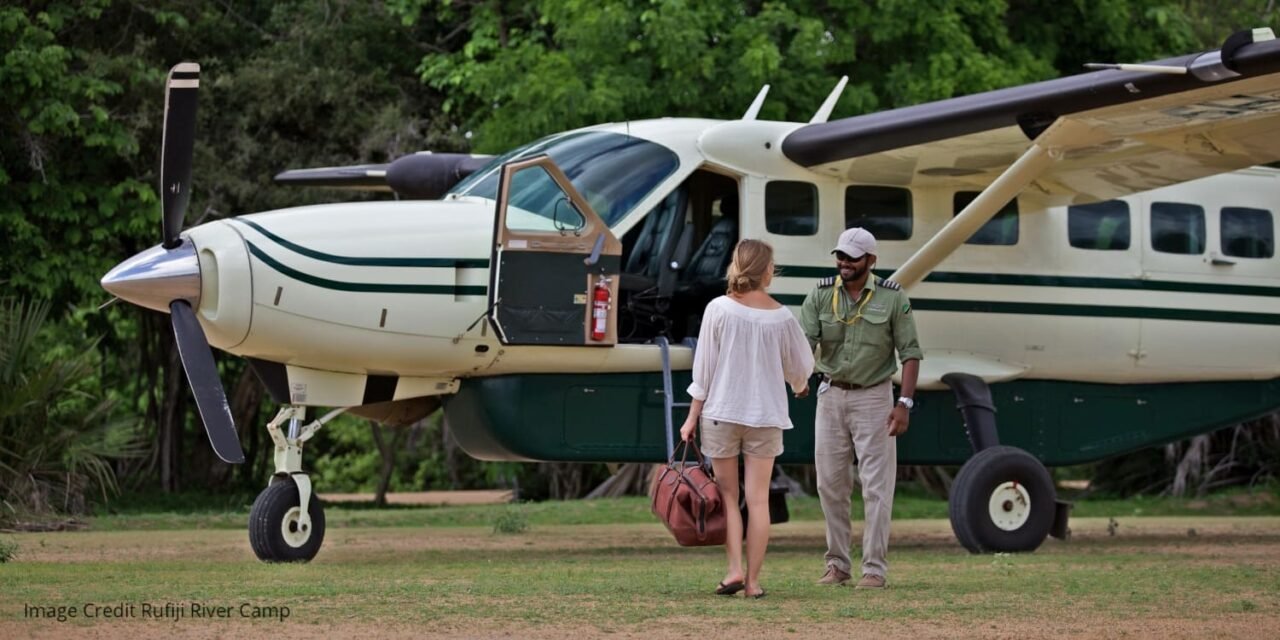
* By Air: While there are no scheduled commercial flights directly into Ibanda-Kyerwa, charter flights can sometimes be arranged to small airstrips near the park, significantly reducing travel time. This is a more expensive option but ideal for those on a tighter schedule or seeking maximum convenience for their 2026-2027 trip.
Your tour operator will handle all necessary transfers and logistics, ensuring a smooth journey to the park.
Packing Essentials
Packing for a safari in Ibanda-Kyerwa, like any Tanzanian safari, requires practical choices. The key is to pack light, comfortable, and neutral-colored clothing. Essential items include:
* Clothing: Lightweight, breathable fabrics in neutral colors (khaki, beige, olive green). Avoid bright colors and dark colors like blue or black, which can attract insects. Pack long-sleeved shirts and trousers for sun and insect protection, especially for evenings and guided walks.
* Footwear: Comfortable walking shoes or hiking boots (if planning walks), plus sandals or flip-flops for relaxing at the lodge.
* Outerwear: A light fleece or jacket for cooler mornings and evenings, and a waterproof or windproof jacket, especially during the shoulder or wet seasons.
* Sun Protection: A wide-brimmed hat, sunglasses, and high-SPF sunscreen.
* Insect Repellent: With DEET or picaridin, crucial for evenings and walking.
* Camera and Binoculars: Essential for wildlife viewing and photography.
* Personal Items: A reusable water bottle, basic first-aid kit, any personal medications, and a headlamp or flashlight.
* Documents: Passport, visa, vaccination certificates, and copies of your safari booking.
Remember that many lodges offer laundry services, so you don’t need to pack excessively.
Park Fees and Permits
Park entrance fees are a significant component of any safari budget. For Ibanda-Kyerwa National Park, like other Tanzanian National Parks managed by TANAPA (Tanzania National Parks Authority), fees are standardized. As of recent information, these fees are typically around **$30 USD per person per day** for international visitors, plus vehicle entrance fees. These fees are subject to change, and it’s crucial to confirm the exact rates for 2026-2027 with your tour operator. Your tour package price will usually include these park fees, but it’s always good to clarify what is covered. Special permits might be required for certain activities like extensive camping or research, but for standard game drives and guided walks, the daily park fee is the primary charge.
Choosing a Tour Operator for Ibanda-Kyerwa
Selecting the right tour operator is paramount for an exceptional Ibanda-Kyerwa safari, especially given its less-developed infrastructure and remote location. You need a company with in-depth knowledge of the Kagera Region and a proven track record of handling safaris in less-frequented parks. Look for operators who:
* Specialize in Tanzania: Companies that focus on Tanzania, rather than offering a global range, will have a deeper understanding of local conditions, logistics, and the best guides.
* Offer Tailor-Made Safaris: As mentioned, custom itineraries are ideal. Ensure the operator is adept at crafting these and willing to discuss your specific interests.
* Provide Experienced Guides: Guides are the eyes and ears of your safari. Seek operators who employ knowledgeable, local guides with excellent tracking skills and a passion for conservation.
* Have Strong Local Support: A local presence or strong partnerships on the ground are invaluable for troubleshooting and ensuring smooth operations.
* Are Transparent About Inclusions: Understand exactly what your tour price covers – accommodation, meals, park fees, vehicle, guide, and any specific activities.
* Showcase Positive Reviews: While not solely relying on them, look for testimonials or reviews that specifically mention safaris to similar or remote parks.
Climb 4 Africa, for instance, prides itself on offering personalized safari experiences across Tanzania, including in less-visited areas. Their expertise in custom itineraries and understanding of local logistics makes them a strong candidate for planning your 2026-2027 Ibanda-Kyerwa adventure. They can help navigate the unique challenges and opportunities of this park.
Booking Your Ibanda-Kyerwa Safari
Booking your Ibanda-Kyerwa safari should be a thoughtful process, especially when planning for 2026 or 2027. Here’s a recommended approach:
1. Initial Inquiry: Contact your chosen tour operator with your desired travel dates, number of travelers, budget range, and any specific interests (e.g., birding, photography, specific animals).
2. Itinerary Development: Work with the operator to build a custom itinerary. This is where you’ll discuss the duration, pace, accommodation style, and activities.
3. Quotation and Clarification: Receive a detailed quotation. Carefully review what is included and excluded (e.g., international flights, visas, tips, personal insurance, alcoholic beverages).
4. Deposit and Confirmation: Once you are happy with the itinerary and quote, you will typically pay a deposit to secure your booking. The balance is usually due a few weeks before departure.
5. Pre-Departure Information: The operator will provide detailed information regarding packing, health recommendations, visa requirements, and contact details for your guide.
When booking for 2026-2027, it’s advisable to start this process at least 6-12 months in advance, especially if you have specific dates or accommodation preferences. This is particularly true for less common parks like Ibanda-Kyerwa where lodge availability can be more limited.
For a smooth booking experience and expert guidance tailored to Ibanda-Kyerwa, consider reaching out to Climb 4 Africa. You can contact them via WhatsApp at +255 747 477 898 or email at climb4africa@gmail.com. They can help you craft the perfect itinerary and answer all your questions for your 2026-2027 safari.
Comparing Ibanda-Kyerwa with Other Parks
Understanding how Ibanda-Kyerwa compares to Tanzania’s more famous parks helps in making an informed decision:
* Ibanda-Kyerwa vs. Serengeti: Serengeti is renowned for the Great Migration, higher densities of predators, and vast open plains. Ibanda-Kyerwa offers a more intimate, less crowded experience with different landscapes and a focus on specific species like Rothschild’s giraffes. If you seek the iconic migration spectacle, Serengeti is the choice. If you desire solitude and a raw, unspoiled wilderness, Ibanda-Kyerwa excels.
* Ibanda-Kyerwa vs. Tarangire: Tarangire is famous for its large elephant herds and baobab trees, especially during the dry season. It’s more accessible and offers a higher density of wildlife than Ibanda-Kyerwa. However, Tarangire can also be more crowded.
* Ibanda-Kyerwa vs. Ruaha: Ruaha, in southern Tanzania, is another large, wild park known for its predators and dramatic landscapes. It offers a similar sense of remoteness to Ibanda-Kyerwa but is generally more established in terms of safari infrastructure and often accessed via charter flights. Both offer a true wilderness feel.
* Ibanda-Kyerwa vs. Lake Manyara: Lake Manyara is known for its tree-climbing lions and large flamingo populations. It’s a smaller park, often visited as a day trip or part of a shorter itinerary, and can be quite busy.
Ibanda-Kyerwa’s unique selling proposition for 2026-2027 travelers is its untamed, quiet beauty and the opportunity to experience a Tanzania that feels truly wild and undiscovered. It’s ideal for those who have perhaps visited the more popular parks and are seeking something different, or for first-time visitors who prioritize an exclusive, off-the-beaten-path adventure.
Conservation and Responsible Tourism
Visiting Ibanda-Kyerwa National Park also means participating in and supporting conservation efforts. As a less-developed park, tourism revenue plays a crucial role in its protection and the management of its wildlife. When you book a tour with a reputable operator, you are contributing to:
* Anti-Poaching Patrols: Funding rangers and equipment to protect wildlife.
* Habitat Preservation: Maintaining the natural environment that supports the diverse ecosystems.
* Community Development: Supporting local communities through employment and responsible tourism initiatives.
When planning your 2026-2027 safari, consider operators who demonstrate a commitment to sustainable tourism. This includes minimizing environmental impact, respecting wildlife viewing guidelines, and engaging positively with local communities. Choosing to visit Ibanda-Kyerwa supports the ongoing efforts to protect this valuable natural heritage for future generations. It’s a chance to experience a pristine environment and, in doing so, contribute to its preservation. Remember that responsible tourism is not just about the operator but also about your own actions as a visitor – respecting rules, not littering, and maintaining a safe distance from wildlife.
For an unforgettable and responsible journey into the heart of northwestern Tanzania, exploring the unspoiled wonders of Ibanda-Kyerwa National Park, consider entrusting your 2026-2027 adventure to experts. Climb 4 Africa can help you craft a bespoke itinerary that captures the essence of this unique destination. Reach out to them via WhatsApp at +255 747 477 898 or email at climb4africa@gmail.com to begin planning your personalized safari experience.
Check Availability for Best Ibanda-Kyerwa National Park Tours: Your Ultimate Guide For 2026-2027
Ready to compare dates, prices, and the best option for your group? Send the package name and travel month so the team can reply with a clear quote, availability, and what is included.



