
Visiting Ibanda-Kyerwa National Park involves understanding its remote location in northwestern Tanzania, requiring specific travel arrangements, typically via chartered or scheduled flights to nearby airstrips followed by road transfers, or a long overland journey. The park is best accessed during the dry seasons, from June to October and December to February, offering opportunities for game drives focused on its diverse wildlife, birdwatching, and experiencing a less-trafficked wilderness in 2026 and 2027.

Introduction to Ibanda-Kyerwa National Park
Tanzania is globally renowned for its iconic safari destinations like the Serengeti, Ngorongoro Crater, and Tarangire National Park. These parks, while spectacular, often draw significant crowds, especially during peak seasons. For the traveler seeking a more secluded, authentic, and untamed wilderness experience, lesser-known parks offer a compelling alternative. Among these hidden gems is Ibanda-Kyerwa National Park, a vast protected area situated in the Kagera Region of northwestern Tanzania, bordering Rwanda and Uganda. This park, often overlooked in favor of its more famous counterparts, presents a unique opportunity to explore a diverse landscape teeming with wildlife and a rich mix of birdlife, all without the constant presence of other tourist vehicles.
Ibanda-Kyerwa National Park is part of a larger ecosystem that includes the adjacent Burigi-Chato and Rumanyika-Karagwe National Parks, creating a significant conservation area. Its landscape is characterized by rolling hills, open grasslands, acacia woodlands, and the Kagera River, which forms a natural border. The park is a sanctuary for a variety of plains game, including Rothschild’s giraffes, topi, impalas, zebras, buffaloes, and various antelopes. While it may not boast the sheer densities of predators found in the northern circuit parks, Ibanda-Kyerwa offers excellent chances of encountering lions, leopards, and hyenas, especially for those with patience and keen eyes. Its relative remoteness contributes to its pristine condition and the feeling of true wilderness exploration that many safari-goers crave.
Why Choose Ibanda-Kyerwa National Park?
The decision to visit a national park is often driven by a desire for specific experiences. For Ibanda-Kyerwa National Park, the primary allure lies in its exclusivity and the promise of an unhurried, intimate encounter with nature. Unlike the bustling parks of northern Tanzania, a safari here means you are likely to have vast stretches of landscape all to yourself, offering unparalleled photographic opportunities and a profound sense of peace. This is a destination for the discerning traveler who values solitude and the thrill of discovering a place before it becomes mainstream.
The biodiversity of Ibanda-Kyerwa is remarkable. While it is home to many species found elsewhere in Tanzania, it also offers unique viewing experiences. The park is particularly noted for its Rothschild’s giraffes, a subspecies that is less common in other protected areas. Its varied habitats, from savannas to riverine forests, support a rich array of mammals and an astounding diversity of bird species, making it a paradise for both mammal enthusiasts and avid birdwatchers. The Kagera River itself is a vital water source, attracting wildlife and offering scenic vistas.
Furthermore, the park’s location in the Kagera Region provides an opportunity to experience a different facet of Tanzania, one that is less touched by mass tourism. This can lead to more authentic interactions with local communities, offering a glimpse into the daily lives and cultures of people living in areas adjacent to these magnificent natural reserves. For those planning safaris in 2026 or 2027, Ibanda-Kyerwa represents an opportunity to visit a park that is still developing its tourism infrastructure, offering a raw and authentic adventure.
Planning Your Visit to Ibanda-Kyerwa National Park
A successful safari to a destination as remote as Ibanda-Kyerwa National Park hinges on meticulous planning. Unlike more established parks with readily available information and accessible infrastructure, visiting Ibanda-Kyerwa requires a deeper look at logistics, timing, and local support. Understanding the nuances of its climate, the best ways to reach it, and what to expect on the ground will significantly enhance your experience. This section aims to equip you with the essential knowledge for planning a memorable and smooth journey in 2026-2027.
When to Visit Ibanda-Kyerwa: Seasons and Weather
The climate in Ibanda-Kyerwa National Park, like much of northwestern Tanzania, is characterized by distinct wet and dry seasons. The timing of your visit will significantly impact wildlife viewing conditions, road accessibility, and the overall comfort of your safari. Generally, the best times to visit are during the dry periods when wildlife congregates around water sources, making them easier to spot, and the vegetation is less dense, improving visibility.
The Dry Seasons:
- June to October: This is the prime dry season, often considered the best time for game viewing. Rainfall is minimal, skies are usually clear, and temperatures are moderate, though evenings and early mornings can be cool. Wildlife is more concentrated around the Kagera River and other permanent water bodies. Roads within and leading to the park are generally in good condition.
- December to February: This is a shorter dry spell, often referred to as the ‘short dry season’ or ‘little dry season.’ It typically offers good game viewing conditions, though it can be hotter than the June-October period. This time can also coincide with calving seasons for some species, attracting predators.
The Wet Seasons:
- March to May: This period marks the long rainy season. Heavy downpours are common, making some roads impassable and potentially hindering game drives. Wildlife disperses into the bush as water becomes abundant. While birdwatching can be excellent during the rains due to migratory birds, visibility of mammals can be reduced, and travel can be challenging. This is generally the least recommended time for a safari to Ibanda-Kyerwa, especially for first-time visitors.
- November: This is a transitional month, often experiencing the ‘short rains.’ While not as consistently heavy as the long rains, intermittent showers can occur, potentially affecting travel plans.
For travelers planning their safari in 2026 or 2027, aiming for the dry seasons (June-October or December-February) will offer the most reliable and rewarding wildlife viewing experiences. However, if you are seeking a truly off-the-beaten-path adventure and don’t mind the potential for challenging conditions or slightly reduced visibility, the shoulder seasons might offer a unique perspective and fewer visitors.
Getting to Ibanda-Kyerwa: Access and Transport
Reaching Ibanda-Kyerwa National Park is an adventure in itself, given its remote location in the Kagera Region. Unlike the easily accessible parks of northern Tanzania, planning your transit requires careful consideration of flight schedules, road conditions, and the availability of suitable vehicles and guides. The journey is a significant part of the overall experience, and understanding the options is crucial for a smooth trip in 2026-2027.
By Air: Flights to Nearby Airstrips
The most practical and time-efficient way to reach Ibanda-Kyerwa is by air. There are no major airports directly within the park, but several airstrips serve the surrounding areas. The closest airstrip to Ibanda-Kyerwa National Park is typically in the town of Kagoma or potentially Biharamulo, depending on flight routes and the specific lodge or camp you are staying at. Flights usually depart from major Tanzanian hubs like Kilimanjaro International Airport (JRO), Arusha Airport (ARK), or Dar es Salaam (DAR).
Key points for flying:
- Charter Flights: For maximum flexibility and direct access, charter flights can be arranged. These are generally more expensive but offer a private and efficient way to reach remote locations.
- Scheduled Flights: Smaller bush airlines operate scheduled flights to regional airstrips. These are more economical but require booking in advance and adhering to fixed schedules. Availability can be limited, especially for less common routes.
- Logistics: Upon arrival at the airstrip, you will typically be met by your safari guide and vehicle for the transfer to your accommodation and the park. The duration of this road transfer can vary from 30 minutes to several hours, depending on the airstrip’s proximity to the park entrance and your final destination.
It is essential to book flights well in advance, particularly if you are traveling during peak season in 2026 or 2027, as seats on these small aircraft can fill up quickly. Tour operators specializing in remote safaris, like Climb 4 Africa, can assist greatly with these complex flight arrangements.
By Road: Overland Journeys
While less common and significantly more time-consuming, an overland journey to Ibanda-Kyerwa National Park is possible. This option is typically chosen by travelers who have ample time, wish to explore other parts of Tanzania en route, or prefer the adventure of a road trip. The journey involves driving from major cities like Arusha or Dar es Salaam, which can take multiple days.
Considerations for road travel:
- Route: The most common overland route would likely involve driving west from Arusha towards Mwanza, then heading north towards Biharamulo and the Kagera Region. Alternatively, starting from Dar es Salaam would involve a long drive to Mwanza or Tabora before heading north.
- Vehicle: A sturdy 4×4 safari vehicle is essential for navigating the often unpaved and challenging roads, especially during and immediately after the rainy seasons.
- Time Commitment: Expect the overland journey to take at least 2-3 days of driving each way from Arusha, possibly more depending on road conditions and stops.
- Guides: It is highly recommended to travel with an experienced guide and driver who is familiar with the routes and conditions.
For most visitors, especially those on a tighter schedule for their 2026-2027 safari, the combination of flying to a nearby airstrip and then taking a road transfer is the most practical approach. However, for the adventurous spirit, the overland route offers a different kind of immersion into the Tanzanian landscape.
Internal Park Transport
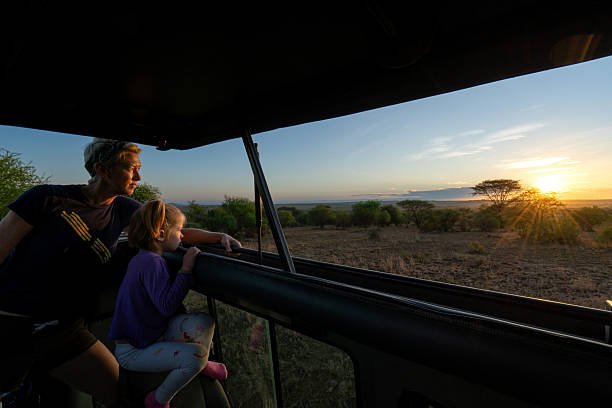
Once you have arrived at Ibanda-Kyerwa National Park, transportation within the park for game drives will be provided by your safari vehicle and guide. Most lodges and tented camps operating in or near the park will arrange for 4×4 safari vehicles equipped for game viewing. These vehicles typically have pop-up roofs or open sides, allowing for unobstructed views and excellent photographic opportunities. If you are arranging your own transport, ensure your vehicle is suitable for off-road conditions and that you have a knowledgeable guide who can navigate the park’s tracks and locate wildlife.
Park Entry Fees and Permits
Like all Tanzanian National Parks, Ibanda-Kyerwa has specific entry fees and conservation charges. These fees are crucial for the park’s management, conservation efforts, and the protection of its wildlife. It is important to be aware of these costs when budgeting for your safari in 2026 or 2027.
General Fee Structure:
- Park Entrance Fee: This is a daily fee charged per visitor. The rates can vary for international tourists, residents, and Tanzanian citizens. For international visitors, expect fees typically in the range of $20-$30 USD per person per day, though these are subject to change by Tanzania National Parks Authority (TANAPA).
- Vehicle Fee: A daily fee is charged per vehicle entering the park. This varies based on the vehicle type (e.g., 2WD, 4×4).
- Conservation Fee: This is an additional daily fee that goes directly towards conservation initiatives within the park.
- Camping/Accommodation Fees: If you plan to stay in public campsites or use park-managed facilities, there will be separate daily fees.
Important Considerations:
- Payment: Fees are typically paid in USD for international visitors. It is advisable to confirm the exact current rates and payment methods with your tour operator or directly with TANAPA closer to your travel dates in 2026-2027.
- Inclusions: When booking a safari package, confirm whether park fees are included in the total cost. Reputable operators like Climb 4 Africa usually include these in their quotes to avoid surprises.
- Permits: For specialized activities like walking safaris or camping, specific permits may be required in addition to the standard park entry fees. Your tour operator will manage these for you.
It is always best to consult with your tour operator for the most up-to-date information on park fees and any potential changes that might occur before your planned visit in 2026 or 2027.
Accommodation Options Near and In Ibanda-Kyerwa
Accommodation options in and around Ibanda-Kyerwa National Park are more limited compared to the well-developed tourist circuits of northern Tanzania. This scarcity is part of what contributes to the park’s exclusive feel. However, there are still viable options for travelers, ranging from basic campsites to more comfortable lodges, often situated strategically to offer access to the park.
Types of Accommodation:
- Tented Camps: These are the most common and often the most in-depth accommodation type in remote areas. They offer comfortable canvas tents, often with en-suite bathrooms, providing a close-to-nature experience without sacrificing essential comforts. These camps are usually located either just outside the park boundaries or at designated sites within the park.
- Lodges: A few permanent lodges may be available, offering more solid structures and amenities. These are often positioned to provide excellent views of the surrounding landscape or wildlife.
- Public Campsites: For the budget-conscious or adventurous traveler, designated public campsites are usually available within the park. These offer basic facilities like toilets and sometimes showers, requiring you to bring your own camping gear or arrange for it through your tour operator.
- Community-Based Accommodation: In some cases, there might be opportunities to stay in accommodations managed by local communities on the park’s periphery, offering a chance for cultural exchange alongside your safari.
Location Considerations:
- Inside the Park: Staying within the park offers the ultimate safari experience, with early morning and late evening game drives being more feasible. However, facilities inside might be more basic.
- Near the Park Entrance: Lodges and camps located just outside the park gates provide convenient access while potentially offering more amenities and varied dining options.
- Airstrip Proximity: If flying in, consider accommodations that are a reasonable transfer distance from the nearest airstrip.
When planning for 2026 or 2027, it’s crucial to book your accommodation well in advance. Due to the limited number of options, popular camps and lodges can fill up quickly, especially during the dry seasons. Your tour operator will be instrumental in securing suitable lodging based on your budget and preferences.
What to Pack for Ibanda-Kyerwa
Packing appropriately for a safari to Ibanda-Kyerwa National Park is essential for comfort and enjoyment. Given the remote nature of the park and the potential for varied weather conditions, a well-thought-out packing list is crucial. Aim for practical, versatile items that can be layered.
Clothing:
- Neutral-colored clothing: Pack lightweight, breathable clothing in neutral tones such as khaki, beige, olive green, or brown. Avoid bright colors, which can startle wildlife, and black or dark blue, which can attract tsetse flies.
- Layers: Include long-sleeved shirts and trousers for sun protection and to ward off insects, especially in the evenings. A fleece jacket or warm sweater is essential for cool mornings and evenings, particularly during the dry season.
- Comfortable walking shoes: Closed-toe shoes are best for game drives and any walking safaris.
- Sandals or flip-flops: For relaxing at the lodge or camp.
- Hat: A wide-brimmed hat is vital for sun protection.
- Rain gear: A lightweight, waterproof jacket or poncho is advisable, especially if traveling during the shoulder seasons or the edges of the wet season.
Health and Safety:
- Insect repellent: High DEET content is recommended to protect against mosquitoes and other biting insects.
- Sunscreen: A high SPF sunscreen is a must.
- Personal first-aid kit: Include any personal medications, pain relievers, antiseptic wipes, and bandages.
- Antimalarials: Consult your doctor about malaria prophylaxis before your trip.
- Hand sanitizer: Useful when facilities are basic.
Gear and Accessories:
- Binoculars: Essential for spotting wildlife at a distance.
- Camera and accessories: Bring extra batteries, memory cards, and a zoom lens if possible. Protect your equipment from dust and moisture.
- Power bank/adapter: For charging electronic devices, as power supply can be intermittent in remote camps.
- Reusable water bottle: To stay hydrated and reduce plastic waste.
- Small backpack or daypack: For carrying essentials during game drives.
- Torch or headlamp: Useful for navigating around camps at night.
- Passport, visa, and copies: Keep these secure and have digital copies.
Remember that luggage on small bush planes is often restricted by weight and size. Pack light and efficiently, and confirm any specific luggage limitations with your tour operator when booking your 2026 or 2027 safari.
Wildlife and Activities in Ibanda-Kyerwa
Ibanda-Kyerwa National Park offers a rich mix of wildlife and a variety of activities that cater to different safari preferences. While it may not have the same star-studded predator lineup as the Serengeti, its unique ecosystem supports a diverse array of mammals, an exceptional birdlife population, and opportunities for more intimate wildlife encounters.
Wildlife Viewing Highlights
The park is a sanctuary for a good range of plains game. Visitors can expect to see herds of zebras, wildebeest, and hartebeest grazing on the open savannas. Topi, with their distinctive dark shoulders, are also common. The park is particularly known for its population of Rothschild’s giraffes, a subspecies that is becoming increasingly rare in other parts of East Africa. Seeing these majestic creatures against the backdrop of the Tanzanian landscape is a highlight for many.
Buffalo herds can be found, and while Ibanda-Kyerwa is home to predators such as lions, leopards, and hyenas, sightings can be more challenging and require patience and a bit of luck. The park’s relatively low tourist numbers mean that any predator sighting is likely to be a private and memorable experience. Other mammals you might encounter include elephants (though less common than in other parks), baboons, vervet monkeys, warthogs, and various species of antelopes like impalas, waterbucks, and bushbucks. The Kagera River area is also a good place to spot hippos and crocodiles.
Birdwatching Paradise
For ornithologists and casual birdwatchers alike, Ibanda-Kyerwa National Park is a true paradise. The park’s varied habitats – from grasslands and woodlands to riverine forests and wetlands – attract an astonishing diversity of bird species. Over 300 species have been recorded here, including many rare and endemic birds.
Notable bird species to look out for include:
- Secretary birds
- Ospreys
- African fish eagles
- Various raptors
- Waterfowl along the river
- Guinea fowls
- Turacos
- Hornbills
- Sunbirds
The presence of the Kagera River and its associated wetlands makes the park a crucial habitat for water birds and migratory species, especially during certain times of the year. Visiting during the wet season can be particularly rewarding for bird enthusiasts, although general game viewing might be more challenging.
Walking Safaris
One of the most in-depth ways to experience the wilderness of Ibanda-Kyerwa is through walking safaris. These are often offered by lodges or camps operating within or near the park, provided they have the necessary permits and trained guides. Walking safaris allow you to connect with the bush on a much deeper level, engaging all your senses.
Benefits of walking safaris:
- Sensory experience: You can appreciate the smaller details of the ecosystem – the tracks of animals, the scent of the bush, the sounds of the wild – that might be missed from a vehicle.
- Intimate encounters: Walking allows for a more stealthy approach to certain wildlife, offering unique photographic opportunities and a sense of adventure.
- Learning from guides: Experienced guides can teach you about tracking, medicinal plants, insect life, and the general ecology of the area.
Due to safety considerations, walking safaris are always conducted with armed rangers or guides. They are typically offered in specific areas designated by park authorities and are best suited for travelers who are comfortable with a more active and potentially thrilling experience. Confirm availability and book these activities in advance when planning your 2026 or 2027 trip.
Cultural Interactions
The Kagera Region is home to various ethnic groups, including the Bahaya people. While Ibanda-Kyerwa National Park is primarily a wildlife destination, its location offers opportunities for respectful cultural interactions with local communities living on the park’s periphery. These experiences can provide valuable insights into the traditional ways of life in rural Tanzania.
Potential cultural experiences:
- Village visits: Some lodges may arrange guided visits to nearby villages, allowing you to learn about local customs, crafts, and daily routines.
- Local markets: Exploring local markets can offer a vibrant glimpse into the regional economy and social life.
- Interactions with park rangers or staff: These individuals often have deep knowledge of the local culture and can share interesting anecdotes.
It is important to approach any cultural interaction with sensitivity and respect. Always ask for permission before taking photographs and be mindful of local customs and traditions. These experiences can add a rich human dimension to your safari, complementing the wildlife encounters.
Sample Itineraries for Ibanda-Kyerwa Safaris
Crafting the perfect safari itinerary requires balancing desired experiences with logistical realities. For a destination like Ibanda-Kyerwa National Park, which is remote and offers a more exclusive experience, itineraries are often tailored to maximize time in the park while accounting for travel to and from the nearest airstrips or overland points. The following are sample itineraries to give you an idea of what a trip to Ibanda-Kyerwa might look like for 2026 or 2027. These are flexible and can be customized by operators like Climb 4 Africa to suit your interests and duration.
A Short Introduction to Sample Itineraries
These sample itineraries assume arrival via a nearby airstrip (e.g., Kagoma or Biharamulo) followed by a road transfer. They focus on game drives and potentially walking safaris, emphasizing the unique advantages of visiting a less-crowded park. Park entry fees and accommodation are typically factored into the overall package cost.
Three-Day Ibanda-Kyerwa Discovery
This short itinerary is ideal for those with limited time who want a taste of Ibanda-Kyerwa’s unique wilderness.
- Day 1: Arrival and First Game Drive
Arrive at the designated airstrip (e.g., Kagoma). Meet your guide and vehicle and transfer to your lodge or camp. After settling in and lunch, start your first afternoon game drive in Ibanda-Kyerwa National Park. Focus on exploring the grasslands and woodlands, looking for plains game and Rothschild’s giraffes. Return to the lodge for dinner and overnight. - Day 2: Full Day Exploration
Spend the entire day exploring different sectors of the park. This could include a morning game drive along the Kagera River, seeking out hippos and birdlife, followed by an afternoon drive in areas known for potential predator sightings. Alternatively, if arranged, start a guided walking safari in a permitted zone for a more intimate bush experience. Enjoy a packed lunch amidst the wilderness. Return to your lodge for relaxation and dinner. - Day 3: Morning Game Drive and Departure
Enjoy an early morning game drive, perhaps focusing on areas you haven’t yet explored or revisiting favorite spots. After breakfast, check out from your lodge and transfer back to the airstrip for your onward flight.
Five-Day Ibanda-Kyerwa and Surrounds Exploration
This itinerary offers a more in-depth experience, allowing for more extensive exploration of Ibanda-Kyerwa and potentially incorporating visits to nearby areas or longer walking safaris.
- Day 1: Arrival and Afternoon Game Drive
Fly into the nearest airstrip and be met by your guide. Transfer to your chosen accommodation near or within Ibanda-Kyerwa National Park. After lunch and a briefing, head out for your first game drive, getting acquainted with the park’s diverse landscapes and wildlife. Overnight at the lodge/camp. - Day 2: Exploring the Riverine and Woodland Habitats
Dedicate this day to exploring the different ecosystems within the park. A morning game drive could focus on the areas surrounding the Kagera River, known for its birdlife and aquatic mammals. In the afternoon, explore the acacia woodlands and open grasslands, searching for giraffes, topi, and other herbivores. Consider a sundowner with panoramic views. - Day 3: Walking Safari and Predator Search
start a guided walking safari in a designated area, offering a unique perspective on the smaller flora and fauna, as well as tracking animal signs. In the afternoon, focus your game drive on areas where predators like lions and leopards are more likely to be found, perhaps during their active hunting times at dusk. - Day 4: Deeper Exploration or Cultural Visit
Depending on your interests, you could spend this day on a longer game drive to a more remote section of the park, or arrange a visit to a local community to learn about their culture and way of life. Alternatively, if available and permitted, another walking safari could be arranged. - Day 5: Final Game Drive and Departure
Enjoy a final early morning game drive to catch any last-minute sightings. After a leisurely breakfast, check out and transfer back to the airstrip for your departure flight, carrying memories of Ibanda-Kyerwa’s untamed beauty.
These itineraries can be adapted. For instance, a 2026-2027 safari could be extended to include visits to the adjacent Burigi-Chato or Rumanyika-Karagwe National Parks for an even broader experience of the Kagera ecosystem.
Making the Most of Your Ibanda-Kyerwa Safari: Tips from the Experts
Visiting a remote park like Ibanda-Kyerwa National Park offers a unique opportunity for a genuine wilderness experience. To ensure your safari in 2026 or 2027 is as rewarding as possible, consider these expert tips:
- Embrace the Serenity: Ibanda-Kyerwa is about tranquility. Don’t expect the constant buzz of activity found in more popular parks. Savor the quiet, the vast landscapes, and the feeling of having a corner of Africa largely to yourself.
- Patience is Key for Wildlife Sightings: While wildlife is present, predators can be elusive. Spend ample time on game drives, and don’t be discouraged if sightings aren’t immediate. Your guide’s expertise in tracking and understanding animal behavior is invaluable here.
- Focus on Birdlife: Even if you’re not an avid birder, the sheer variety and beauty of the birds in Ibanda-Kyerwa are impressive. Keep your binoculars handy and ask your guide about the local species.
- Consider Walking Safaris: If your lodge offers them and you’re comfortable, walking safaris provide an unparalleled connection to the bush. It’s a chance to appreciate the smaller details and feel truly immersed.
- Stay Connected with Your Guide: Communicate your interests clearly to your guide. Whether you’re keen on photography, specific animals, or birdwatching, an open dialogue ensures your safari is tailored to you.
- Be Prepared for Remote Conditions: While lodges aim for comfort, amenities might be simpler than in major tourist hubs. Embrace the rustic charm and be prepared for potential power outages or limited Wi-Fi.
- Pack Appropriately: As detailed earlier, neutral clothing, layers, sun protection, and insect repellent are crucial. Also, ensure you have a good camera with sufficient memory and battery power.
- Book in Advance: Given the limited infrastructure, accommodation and flight seats can be scarce, especially during peak safari seasons in 2026-2027. Secure your bookings early.
- Understand Travel Times: Be realistic about travel durations, both to reach the park and for game drives. The remoteness means longer transfers but also less crowded viewing.
- Respect the Environment and Culture: Practice responsible tourism. Avoid littering, stay on designated tracks, and engage respectfully with local communities if opportunities arise.
Booking Your Ibanda-Kyerwa Safari with Climb 4 Africa
Planning a safari to a less-visited destination like Ibanda-Kyerwa National Park requires specialized knowledge and logistical expertise. Climb 4 Africa, with its deep understanding of Tanzania’s diverse safari offerings and practical local support, is ideally positioned to help you craft an unforgettable adventure. We specialize in creating tailor-made itineraries that go beyond the typical tourist trails, offering authentic and in-depth experiences.
When you choose Climb 4 Africa for your Ibanda-Kyerwa safari in 2026 or 2027, you benefit from:
- Expert Local Knowledge: We understand the best times to visit, the most reliable transport options, and the most suitable accommodations for remote parks like Ibanda-Kyerwa.
- Customized Itineraries: We design safaris around your specific interests, budget, and timeframe, ensuring you get the most out of your trip.
- Logistical Management: From booking internal flights and ground transfers to arranging park permits and activities, we handle all the complex details.
- Dedicated Support: Our team provides practical support throughout your journey, ensuring a smooth and enjoyable experience.
To start planning your unique Ibanda-Kyerwa National Park safari, we recommend reaching out to our team. Please provide us with your preferred travel dates for 2026 or 2027, the number of travelers, your interests (e.g., wildlife photography, birdwatching, walking safaris), and your accommodation preferences. This will help us create a personalized proposal for you.
You can contact us via:
- WhatsApp: +255 747 477 898
- Email: climb4africa@gmail.com
Let Climb 4 Africa help you discover the unspoiled beauty and exclusive charm of Ibanda-Kyerwa National Park.
Frequently Asked Questions About Ibanda-Kyerwa
Here are some common questions travelers have when considering a visit to Ibanda-Kyerwa National Park:
Q1: Is Ibanda-Kyerwa National Park suitable for first-time safari-goers?
While Ibanda-Kyerwa offers a unique and authentic experience, its remoteness and less developed infrastructure might be more suited for travelers who have some safari experience or are seeking a truly off-the-beaten-path adventure. For first-time visitors who prefer more established infrastructure and a wider range of activities, parks like the Serengeti or Tarangire might be a more conventional starting point. However, with a reputable tour operator like Climb 4 Africa managing all logistics, even first-time visitors can enjoy Ibanda-Kyerwa.
Q2: What are the main predator species in Ibanda-Kyerwa?
The park is known to host lions, leopards, and spotted hyenas. While sightings are possible, they are generally less frequent and reliable compared to the renowned predator hotspots in northern Tanzania. Patience and the skill of your guide are key for any predator encounters.
Q3: Can I visit Ibanda-Kyerwa as part of a multi-park safari in Tanzania?
Yes, it is possible to include Ibanda-Kyerwa in a larger Tanzanian safari itinerary, though it requires careful planning due to the travel time involved. It can be combined with other parks in the western or northern circuits, often involving flights between locations to maximize your time on safari. For instance, one could fly from the Serengeti to a nearby airstrip for Ibanda-Kyerwa, then fly onward to Arusha.
Q4: What is the best way to see Rothschild’s giraffes in Ibanda-Kyerwa?
Rothschild’s giraffes are often seen in the open grasslands and savanna areas of the park. Morning and late afternoon game drives are usually the best times for sightings, as giraffes are most active during these cooler parts of the day. They tend to graze in small family groups.
Q5: Are there any malaria risks in Ibanda-Kyerwa National Park?
Yes, Ibanda-Kyerwa is located in a malaria-endemic area. It is crucial to consult with your doctor about malaria prevention medication before your trip. Additionally, take precautions such as using insect repellent, wearing long sleeves and trousers in the evenings, and sleeping under a mosquito net if available.
Q6: How far in advance should I book my Ibanda-Kyerwa safari for 2026 or 2027?
Given the limited accommodation and flight options for remote parks, it is highly recommended to book your safari at least 6-9 months in advance, especially if you are planning to travel during the peak dry seasons (June-October or December-February) in 2026 or 2027. Booking further ahead provides more choice and better availability.
Q7: What kind of vehicle is best for game drives in Ibanda-Kyerwa?
A 4×4 safari vehicle with a pop-up roof is essential. These vehicles are designed to handle the rough terrain common in Tanzanian national parks and offer excellent visibility for game viewing and photography. Most reputable tour operators will provide such vehicles.
Check Availability for How To Visit Ibanda-Kyerwa National Park: Your Complete Guide 2026-2027
Ready to compare dates, prices, and the best option for your group? Send the package name and travel month so the team can reply with a clear quote, availability, and what is included.

Best Ibanda-Kyerwa National Park Tours: Your Ultimate Guide For 2026-2027
Planning a safari to Ibanda-Kyerwa National Park? This guide covers the best tour options, what to expect, and how to book your unforgettable 2026-2027 adventure.

How To Visit Burigi-Chato National Park: Your Complete Guide 2026-2027
Discover the best ways to experience Burigi-Chato National Park, a newly established gem in Tanzania. This guide covers transportation, activities, lodging, and planning advice for your…
No related package matches those filters. Clear one or more filters to see the other topic-matched options.



