
Visiting Burigi-Chato National Park involves planning your travel to Tanzania’s Kagera Region, typically via flight or a combination of road travel to nearby towns like Biharamulo or Chato, followed by local transport or a pre-arranged safari vehicle. The best time to visit for wildlife viewing is generally during the dry seasons, from June to October and December to February. Activities include game drives, bird watching, and exploring the diverse landscapes, with accommodation ranging from basic campsites to lodges. Booking through a reputable tour operator like Climb 4 Africa is recommended for smooth logistics, especially for 2026-2027 trips, ensuring you navigate park entry, guides, and transport effectively.


Burigi-Chato National Park: An Emerging Wilderness
Burigi-Chato National Park is one of Tanzania’s newest national parks, officially established in 2019. Located in the Kagera Region in the western part of the country, it’s a vast and relatively untouched wilderness that offers a different safari experience compared to the more famous northern circuit parks. Its establishment signifies a significant step towards conservation and expanding tourism opportunities beyond the traditional safari routes. This park is a mosaic of landscapes, including rolling hills, dense woodlands, savanna grasslands, and significant water bodies like Lake Burigi, Lake Karamwe, and Lake Shagala. These diverse habitats support a rich variety of flora and fauna, making it a compelling destination for travelers seeking unique wildlife encounters and a less crowded adventure. As we look towards 2026 and 2027, Burigi-Chato is poised to become an increasingly attractive option for discerning travelers looking for authentic African wilderness.
The park’s creation aimed to protect its rich biodiversity, including a significant population of large mammals and a plethora of bird species. Unlike the Serengeti or Tarangire, Burigi-Chato is characterized by its rugged terrain and the presence of large papyrus swamps and riverine forests, which create unique ecological niches. This geographic distinctiveness means you might encounter species not as commonly seen in other Tanzanian parks, or at least see them in a different, more natural setting. For those planning their African adventures for 2026-2027, understanding the nuances of Burigi-Chato is key to unlocking its potential as a truly special safari destination.
Location and Access: Getting to Burigi-Chato
Burigi-Chato National Park is situated in the northwestern corner of Tanzania, within the Kagera Region. Its remoteness is part of its charm, offering an escape from the typical tourist trails. The park spans a considerable area, encompassing parts of the former Burigi, Chato, and Kimisi game reserves. Its proximity to Lake Victoria means it benefits from the region’s significant water resources, influencing its ecosystems and accessibility.
Air Travel Options
The most efficient way to reach the vicinity of Burigi-Chato National Park is by air. The nearest major airport is Mwanza International Airport (MWZ), located on the southern shore of Lake Victoria. From Mwanza, you have a few options:
- Charter Flights: For the ultimate convenience and speed, charter flights can be arranged from Mwanza to small airstrips closer to the park, such as Chato Airport (CHATO) or potentially a more basic landing strip within or near the park boundaries, depending on availability and operational capacity. This is the most direct and comfortable, albeit most expensive, route.
- Scheduled Flights to Chato: Chato Airport receives some scheduled domestic flights, primarily from Dar es Salaam and potentially Mwanza. If you can find a suitable flight schedule, this significantly reduces your road travel time. Upon arrival at Chato Airport, you would still require ground transportation to the park entrance.
When planning for 2026-2027, it’s crucial to check the latest flight schedules and availability, as these can change. Booking flights well in advance is highly recommended, especially for charter services.
Road Travel Options
Road travel to Burigi-Chato is an adventure in itself and offers a more in-depth experience of Tanzania’s landscapes. However, it is significantly longer and can be more challenging.
- From Mwanza: The drive from Mwanza to Chato town, the main gateway to the park, is approximately 200-250 kilometers and can take 4-6 hours, depending on road conditions. Roads in this region can vary from well-maintained tarmac to rougher gravel tracks, particularly as you approach the park.
- From Dar es Salaam: Traveling by road from Dar es Salaam is a very long journey, often requiring an overnight stop. The route typically goes through Morogoro and Dodoma, eventually heading towards Mwanza and then Chato. This journey can take 12-15 hours or more of driving time, making it impractical for most tourists unless combined with other destinations.
- From Other Parks: If you are combining Burigi-Chato with safaris in the Northern Circuit (e.g., Serengeti, Ngorongoro), the journey would involve driving west. This is a considerable distance, often requiring multiple days of travel.
For road travel, a sturdy 4×4 safari vehicle is essential, especially for navigating the park’s interior. Hiring a vehicle with an experienced driver/guide is highly recommended. Many visitors choose to fly into Mwanza or Chato and then arrange for their safari vehicle and guide to meet them there.
Getting to the Park Gates
Once you are in the vicinity of Chato or Biharamulo (another town that serves as a gateway, particularly for the park’s northern sections), you will need to arrange transport to the specific park gate. Burigi-Chato National Park has multiple entry points, and your choice will depend on your safari itinerary and the areas you wish to explore. Park entry fees and procedures must be handled at the designated gates. It’s here that a pre-booked safari package with a reputable operator becomes invaluable, as they will handle all these arrangements, including park permits and vehicle access.
Traveler Decision Point: The choice between flying and driving depends heavily on your budget, time constraints, and desired travel experience. Flying is faster and more comfortable but costly. Driving offers a more grounded experience of Tanzania but requires more time and a robust vehicle. For 2026-2027 trips, consider booking your transport well in advance, as services to this more remote region may have limited availability.
When to Visit Burigi-Chato National Park
The ideal time to visit Burigi-Chato National Park is dictated by the weather patterns, which significantly influence wildlife viewing opportunities and the overall safari experience. Tanzania generally experiences two distinct seasons: a dry season and a wet season.
Dry Season (June to October)
This is widely considered the prime time for visiting most Tanzanian national parks, and Burigi-Chato is no exception. During these months:
- Wildlife Concentration: As water sources become scarce, animals tend to congregate around the remaining waterholes and rivers, making them easier to spot. This is particularly true for larger mammals.
- Vegetation: The landscape is drier, with less dense vegetation, improving visibility for game drives.
- Weather: Expect sunny days with cooler temperatures, especially in the mornings and evenings. Rainfall is minimal, making travel and game drives more comfortable and less prone to disruption.
- Birdlife: While resident birds are always present, migratory birds may be less numerous during this period.
This period is also peak tourist season for Tanzania, so expect higher demand and potentially higher prices for accommodation and services in 2026 and 2027. Booking well in advance is crucial.
Short Rains (November)
November can be a transitional month. You might experience short, intermittent showers, usually in the afternoons. Wildlife viewing can still be good, and the landscape starts to green up, offering beautiful photographic opportunities. The advantage is that tourist numbers often decrease after the peak season, potentially leading to slightly lower prices and fewer crowds.
Long Rains (December to March)
This period, often referred to as the green season, brings more significant rainfall. While some areas might become challenging to access due to muddy tracks, the rains bring life to the landscape, making it lush and vibrant. This season has its unique appeal:
- Scenery: The park is at its most beautiful, with verdant landscapes and blooming flowers.
- Birdwatching: This is an excellent time for bird enthusiasts, as migratory birds from Europe and North Africa arrive, and resident birds are often in their breeding plumage.
- Fewer Crowds: This is generally the low season for tourism, meaning fewer people and potentially better rates.
- Calving Season: For some species, this period coincides with the calving season, offering opportunities to see young animals.
However, heavy rains can sometimes make certain park roads impassable, limiting game drive routes. It’s essential to have a flexible itinerary and a reliable 4×4 vehicle with an experienced guide.
Shoulder Season (April-May)
April and May are typically the wettest months. The long rains usually continue into April, and May can be a mix of lingering showers and clearing skies. This is the least ideal time for a safari due to potentially difficult road conditions and reduced wildlife visibility as animals disperse into the bush. However, if you are looking for the absolute lowest prices and the fewest tourists, and don’t mind the possibility of rain, this could be an option for your 2026-2027 travel plans, provided you have a well-prepared safari operator.
Traveler Considerations
When choosing your travel dates for Burigi-Chato National Park in 2026-2027:
- For Prime Wildlife Viewing: Aim for June-October and December-February.
- For Birdwatching and Lush Scenery: Consider December-March.
- For Fewer Crowds and Potentially Lower Prices: Look at November, and the early parts of the long rains if you are prepared for weather challenges.
Always discuss your priorities with your tour operator. They can advise on the best timing based on current conditions and your specific interests.
Wildlife and Ecosystems: What to Expect
Burigi-Chato National Park is a treasure trove of biodiversity, characterized by its varied ecosystems that support a wide array of wildlife. The park is known for its large size and relatively undisturbed natural state, offering a glimpse into a more primal African wilderness. Unlike the open plains of the Serengeti, Burigi-Chato features a mosaic of habitats, including dense woodlands, gallery forests along rivers, open grasslands, and extensive papyrus swamps bordering Lake Burigi and other water bodies.
Mammal Populations
The park is home to a significant number of mammal species. While it may not have the sheer density of certain northern parks, it offers excellent opportunities to see iconic African wildlife:
- Large Mammals: Expect to see elephants, giraffes, zebras, wildebeest (though not in the same migratory numbers as the Serengeti), buffaloes, and various antelopes such as impalas, greater kudu, bushbucks, and waterbucks.
- Predators: The park supports a healthy population of predators, including lions, leopards, cheetahs, spotted hyenas, and wild dogs. Spotting these elusive animals can be challenging but highly rewarding.
- Primates: Various monkey species, including olive baboons and vervet monkeys, are common. You might also encounter primates in the denser woodland areas.
- Hippos and Crocodiles: The numerous water bodies, particularly Lake Burigi and the Kagera River, are home to large populations of hippos and Nile crocodiles.
The park’s large papyrus swamps are particularly important habitats for specific species and contribute to its unique ecological profile. For visitors in 2026-2027, the chance to see these animals in a less frequented environment adds to the allure.
Birdlife: A Paradise for Ornithologists
Burigi-Chato is a significant destination for birdwatching. Its diverse habitats attract a vast number of bird species, both resident and migratory. Bird enthusiasts can look forward to spotting:
- Water Birds: The lakes and swamps are teeming with water birds, including various herons, egrets, storks, pelicans, kingfishers, and the iconic Shoebill stork, which is a major draw for serious birders.
- Raptors: Numerous eagle species, buzzards, and falcons can be observed.
- Forest and Savanna Birds: A wide range of game birds, colorful sunbirds, weavers, hornbills, and many other species inhabit the woodlands and grasslands.
The park is estimated to host over 300 bird species, making it a prime location for photographic safaris focused on avian life.
Unique Ecosystems and Landscapes
The defining feature of Burigi-Chato is its varied topography and the presence of large water bodies and wetlands:
- Lake Burigi, Karamwe, and Shagala: These large lakes form a significant part of the park’s ecosystem, providing vital water sources and supporting aquatic life and birds.
- Papyrus Swamps: Extensive papyrus swamps are characteristic of the region and are crucial habitats for specialized wildlife.
- Woodlands and Savanna: Rolling hills, miombo woodlands, and open savanna areas create a diverse environment for grazing mammals and their predators.
This variety of landscapes means that game drives can take you through vastly different environments within a single day, offering a rich and dynamic safari experience. The less-visited nature of Burigi-Chato means that wildlife encounters often feel more intimate and authentic.
Conservation Status and Challenges
As a relatively new national park, Burigi-Chato faces ongoing challenges related to anti-poaching efforts, infrastructure development, and managing human-wildlife conflict. However, its designation as a national park provides a strong framework for conservation. The Tanzanian government and various conservation partners are working to ensure the long-term protection of its unique biodiversity. Visitors contribute to these efforts through park fees, which help fund conservation activities and local community development. Planning your trip for 2026-2027 supports these vital conservation initiatives.
Activities and Experiences in Burigi-Chato
Burigi-Chato National Park offers a range of activities designed to experience visitors in its natural beauty and wildlife. While some activities are standard across Tanzanian parks, others are enhanced by Burigi-Chato’s unique environment.
Game Drives
Game drives are the cornerstone of any safari in Burigi-Chato. These are typically conducted in 4×4 safari vehicles, often open-sided or with pop-up roofs for optimal viewing and photography. The park’s vastness and varied terrain mean that game drives can be tailored to explore different areas:
- Morning and Afternoon Drives: These are the most popular times, as animals are generally most active during the cooler parts of the day.
- Full-Day Drives: For those who want to maximize their time, full-day drives with a packed lunch can be arranged, allowing exploration of more remote sections of the park.
- Night Game Drives: While not as common or as regulated as in some other parks, night game drives might be possible in certain areas or with specific lodge concessions. These offer a chance to see nocturnal animals like genets, civets, bushbabies, and potentially larger predators on the move. Check with your tour operator about availability for 2026-2027.
The benefit of a less-crowded park like Burigi-Chato is that you are likely to have sightings all to yourself, providing a more intimate and authentic wildlife viewing experience.
Birdwatching
With over 300 species recorded, Burigi-Chato is a birdwatcher’s paradise. The diverse habitats, from papyrus swamps to woodlands and open savannas, attract a wide variety of avian life. Dedicated birding excursions can be arranged, often focusing on specific habitats:
- Swamp Birding: Focus on spotting water birds, including the highly sought-after Shoebill, herons, storks, and various waterfowl.
- Woodland and Savanna Birding: Look for raptors, hornbills, sunbirds, and other terrestrial species.
It’s advisable to go with a guide who has a keen eye for birds and knowledge of their calls and habitats. For serious birders planning for 2026-2027, bringing binoculars and a field guide is essential.
Walking Safaris
Walking safaris offer a unique perspective and a more intimate connection with the wilderness. Accompanied by an armed ranger and a guide, these walks allow you to appreciate the smaller details of the ecosystem – the flora, insect life, and tracks of animals. Walking safaris are typically conducted in designated areas and are subject to park regulations. They provide a different kind of thrill, engaging all your senses and offering a deeper understanding of the bush. Inquire about the availability and specific locations for walking safaris when booking your 2026-2027 trip.
Cultural Experiences
The Kagera Region is rich in local culture, with communities that have lived alongside this wilderness for generations. While direct cultural interactions within the park itself are limited to preserve its wild nature, opportunities may exist to visit nearby villages or cultural centers outside the park boundaries. These visits can offer insights into the local way of life, traditions, and the relationship between people and the natural environment. Your tour operator can help arrange respectful and authentic cultural exchanges, ensuring they benefit the local communities and provide a meaningful experience for visitors in 2026-2027.
Photography
Burigi-Chato National Park provides incredible photographic opportunities. The varied landscapes, diverse wildlife, and the often-dramatic light of the African savanna create stunning scenes. The park’s relatively untouched nature means that wildlife encounters can be very natural, offering candid shots. The lack of crowds also means you can often set up your shot without obstruction. For photographers planning their trip for 2026-2027, consider visiting during the golden hours (early morning and late afternoon) for the best light.
Boat Trips and Fishing
Given the presence of large lakes like Burigi and Karamwe, boat trips can be a fantastic way to explore the aquatic ecosystems and spot wildlife along the shores. Hippos, crocodiles, and numerous water birds are often seen from the water. Fishing excursions might also be available, offering a different kind of engagement with the park’s natural resources. These activities are usually offered by lodges located on the lake shores or as part of specialized tour packages.
Accommodation Options: Where to Stay
Accommodation in and around Burigi-Chato National Park is still developing, reflecting its status as a newer tourist destination. However, options range from basic to more comfortable, catering to different preferences and budgets for visitors planning their trips in 2026-2027.
Lodges and Tented Camps
Several lodges and tented camps are strategically located within or on the borders of the park, offering varying levels of comfort and amenities. These are the most convenient options for maximizing your time in the park:
- Inside the Park: A few lodges and permanent tented camps are situated within the park boundaries, providing direct access to wildlife viewing and activities. These often offer en-suite facilities, comfortable beds, and dining areas, with meals typically served in a central lodge. Expect prices to be in the mid-range to luxury category.
- On the Borders: Other lodges and camps are located just outside the park, often near the main gates or on the shores of Lake Burigi. These can offer beautiful views and good access, sometimes at slightly more accessible price points than those strictly inside the park.
When booking for 2026-2027, look for establishments that emphasize eco-friendly practices and contribute positively to local conservation efforts.
Campsites
For budget travelers or those seeking a more rustic experience, public and special campsites are available within the park. These sites provide basic facilities, often including a cleared area for pitching tents, a latrine, and sometimes a basic shower. Campers are usually required to bring their own camping gear and food, or arrange for a mobile camping setup through their tour operator.
- Public Campsites: These are generally more basic and may have fewer facilities.
- Special Campsites: These offer a more secluded and exclusive experience, often with slightly better facilities, though still in a wilderness setting.
Staying at campsites allows for a true immersion in the African bush, with the sounds of the wild as your nightly soundtrack. This is a fantastic option for adventurous travelers in 2026-2027.
Lodges in Nearby Towns
If you are traveling independently or prefer more urban amenities, you can find lodges and guesthouses in nearby towns like Chato or Biharamulo. These options are generally more affordable and offer a wider range of services, including restaurants and local shops. However, staying in town means you will need to factor in daily travel time to and from the park for game drives, which can reduce your time spent within the park itself. This might be a viable option for those on a very tight budget or who are combining a visit to the park with exploring the towns.
Booking Considerations for 2026-2027
As Burigi-Chato develops its tourism infrastructure, availability can be limited, especially for the more established lodges. It is highly recommended to book your accommodation well in advance, particularly if you are planning to visit during the peak dry season (June-October). Working with a tour operator like Climb 4 Africa is beneficial, as they have established relationships with lodges and camps and can secure bookings for you, often at competitive rates. They can also advise on the best accommodation to suit your safari style and budget for your 2026-2027 adventure.
Planning Your Burigi-Chato Safari Trip
A well-planned safari to Burigi-Chato National Park ensures a smooth and memorable experience. Given its status as a developing tourist destination, careful consideration of logistics is key for trips in 2026-2027.
Choosing a Tour Operator
For Burigi-Chato, partnering with an experienced and reputable tour operator is almost essential. They handle the complex logistics of getting to a remote park, arranging permits, guides, vehicles, and accommodation. A good operator will:
- Have in-depth knowledge of Burigi-Chato’s terrain, wildlife, and best routes.
- Provide reliable 4×4 safari vehicles and experienced, licensed guides.
- Secure bookings for accommodation and park entry.
- Tailor itineraries to your interests, whether it’s wildlife photography, birdwatching, or general game viewing.
- Offer support throughout your trip.
Climb 4 Africa specializes in Tanzanian safaris and can craft personalized itineraries for Burigi-Chato, ensuring you get the most out of your 2026-2027 safari.
Itinerary Suggestions
A typical safari to Burigi-Chato might range from 3 to 5 days, allowing sufficient time to explore different areas of the park. Longer stays are possible for those who want to explore deeper into birdwatching or photography.
- 3-Day Itinerary: Focus on key wildlife viewing areas, with two full days of game drives.
- 4-Day Itinerary: Allows for exploration of a wider range of habitats, potentially including a walking safari or a boat trip.
- 5-Day+ Itinerary: Ideal for dedicated birdwatchers, photographers, or those who want a more relaxed pace and to explore the park’s less accessible regions.
Consider combining Burigi-Chato with other western Tanzanian destinations like Katavi National Park or even a brief visit to the shores of Lake Victoria in Mwanza for a comprehensive western circuit experience in 2026-2027.
Packing Essentials
Packing correctly is crucial for comfort and safety:
- Clothing: Lightweight, neutral-colored clothing (khaki, green, brown) is best for game drives. Include long-sleeved shirts and trousers for sun and insect protection. A warm jacket or fleece is essential for cool mornings and evenings.
- Footwear: Comfortable walking shoes or hiking boots if you plan on walking safaris, and sandals or flip-flops for relaxing at the lodge.
- Sun Protection: Wide-brimmed hat, sunglasses, and high-SPF sunscreen.
- Insect Repellent: Especially important for evenings and near water bodies.
- Health: Consult your doctor about malaria precautions and any necessary vaccinations well in advance of your 2026-2027 trip. Carry a basic first-aid kit.
- Optics: Binoculars are a must for spotting wildlife. A camera with a good zoom lens is highly recommended.
- Documents: Passport, visa (if required), travel insurance details, and copies of bookings.
Budget and Costs
The cost of visiting Burigi-Chato National Park in 2026-2027 will vary based on your chosen accommodation, length of stay, transportation method, and the services of a tour operator. Generally, safaris to less-developed parks can sometimes be more expensive due to the logistical challenges. Key cost components include:
- Park Fees: Daily entry fees per person and vehicle fees. These are set by the Tanzania National Parks Authority (TANAPA).
- Accommodation: Campsites are the most budget-friendly, while lodges and tented camps represent mid-range to luxury pricing.
- Transportation: The cost of a 4×4 safari vehicle and fuel, especially for longer distances or charter flights.
- Guide Fees: The daily rate for your professional safari guide.
- Tours and Activities: Costs for specific activities like walking safaris or boat trips.
A rough estimate for a mid-range safari to Burigi-Chato, including accommodation, park fees, and a safari vehicle with a guide, could range from $300 to $600+ per person per day. Luxury options or private charters will be significantly higher. It’s best to request a detailed quote from your tour operator for your specific 2026-2027 travel dates.
Safety and Health
Safety in Burigi-Chato is paramount. Always follow the guidance of your safari guide:
- Wildlife Encounters: Maintain a safe distance from all wildlife. Never exit your vehicle in areas where it is not permitted or advised.
- Walking Safaris: Always stay with your armed ranger and guide.
- Health Precautions: Drink bottled or purified water. Take malaria prophylaxis as prescribed by your doctor. Be aware of potential risks such as bilharzia in certain water bodies.
- Communication: Mobile phone reception can be spotty. Ensure your tour operator has your itinerary and contact details. Emergency communication devices may be carried by guides.
Conservation and Responsible Tourism
Visiting Burigi-Chato National Park offers a unique opportunity to support conservation efforts in a region that is still developing its tourism sector. As a visitor, you play a vital role in ensuring the park’s long-term sustainability.
Supporting Conservation Efforts
Your park fees are a critical source of funding for TANAPA, which uses these revenues for anti-poaching patrols, habitat management, research, and infrastructure development within the park. By choosing to visit Burigi-Chato, you directly contribute to the protection of its diverse wildlife and ecosystems. For 2026-2027, consider operators who demonstrably contribute to conservation projects or partner with local conservation organizations.
Minimizing Your Environmental Impact
Responsible tourism practices are essential:
- Leave No Trace: Pack out everything you pack in, especially plastics and other non-biodegradable waste.
- Respect Wildlife: Maintain a safe distance, do not feed animals, and avoid using flash photography, which can disturb them.
- Stay on Designated Roads: Off-road driving can damage sensitive vegetation and disturb wildlife.
- Conserve Water and Energy: Be mindful of your usage at lodges and camps.
Engaging with Local Communities
The Kagera Region is home to communities whose livelihoods are often intertwined with the park. Responsible tourism can create economic opportunities for these communities through employment, the purchase of local crafts, and support for community-based tourism initiatives.
- Ethical Souvenirs: Purchase crafts directly from artisans or designated shops that ensure fair payment.
- Respectful Visits: If visiting local villages, always seek permission before taking photographs and dress modestly.
- Support Local Services: Opt for operators who employ local guides and staff and source supplies from local businesses.
By traveling responsibly, your 2026-2027 safari to Burigi-Chato can have a positive impact on both the environment and the people of the region.
Why Book Your Burigi-Chato Safari with Climb 4 Africa
Planning a safari to a destination like Burigi-Chato National Park requires local expertise and a deep understanding of Tanzanian travel logistics. Climb 4 Africa excels in providing exactly that, offering a smooth and enriching experience for your 2026-2027 adventure.
Local Expertise and Support
As a Tanzania-based tour operator, Climb 4 Africa possesses invaluable local knowledge. We understand the intricacies of navigating western Tanzania, including the specific challenges and opportunities presented by Burigi-Chato. Our team is dedicated to providing practical, on-the-ground support, ensuring your trip runs smoothly from initial planning to your departure.
Tailor-Made Safaris
We believe that every safari should be unique. Climb 4 Africa specializes in creating tailor-made itineraries that align with your specific interests, budget, and travel style. Whether you’re passionate about birdwatching, wildlife photography, or seeking a more adventurous, off-the-beaten-path experience, we can design the perfect Burigi-Chato safari for you in 2026 or 2027.
Reliable Logistics and Safety
Logistics in remote areas can be complex. We manage all aspects of your trip, including reliable transportation in well-maintained 4×4 safari vehicles, comfortable and well-vetted accommodation, and park permits. Your safety and comfort are our top priorities, and our experienced guides are trained to ensure a secure and enjoyable safari.
Commitment to Responsible Tourism
Climb 4 Africa is committed to sustainable and responsible tourism practices. We work with eco-conscious lodges and camps and strive to ensure that our tours benefit local communities and contribute positively to conservation efforts. When you book with us, you’re choosing a partner dedicated to preserving Tanzania’s natural heritage for future generations.
Ready to explore the untamed beauty of Burigi-Chato National Park? Contact Climb 4 Africa today to start planning your unforgettable 2026-2027 safari. Reach us via WhatsApp at +255 747 477 898 or email us at climb4africa@gmail.com. Let us help you craft the adventure of a lifetime in one of Tanzania’s most exciting new wilderness destinations.
Check Availability for How To Visit Burigi-Chato National Park: Your Complete Guide 2026-2027
Ready to compare dates, prices, and the best option for your group? Send the package name and travel month so the team can reply with a clear quote, availability, and what is included.
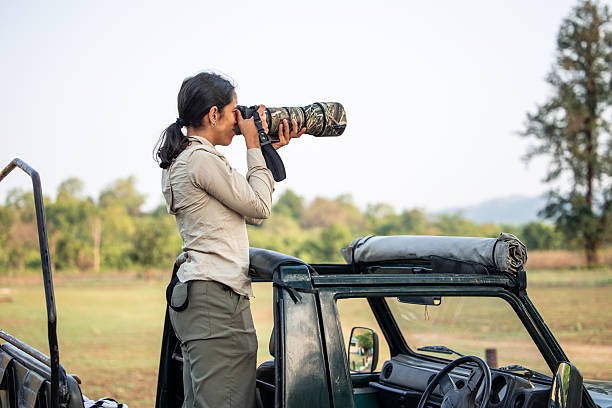
Burigi-Chato National Park Travel Guide And Itinerary 2026-2027
Burigi-Chato National Park Travel Guide and Itinerary is explained with current 2026-2027 planning, price, itinerary and booking information.
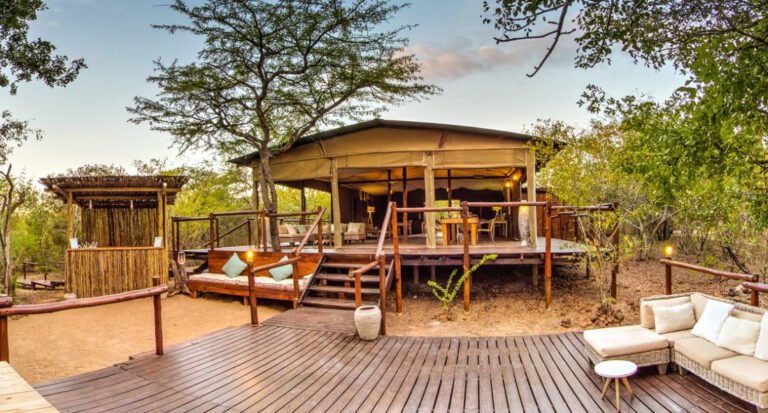
Burigi-Chato National Park Tour Packages: Your Ultimate Guide For 2026-2027
Plan your unforgettable safari to Burigi-Chato National Park with comprehensive tour package information. Covering itineraries, wildlife viewing, accommodation, and booking advice for…

Burigi-Chato National Park Tour Cost And Prices: Planning Your Safari
Planning a safari to Burigi-Chato National Park involves understanding the associated tour costs and prices. This guide breaks down what influences your safari budget, from duration and…
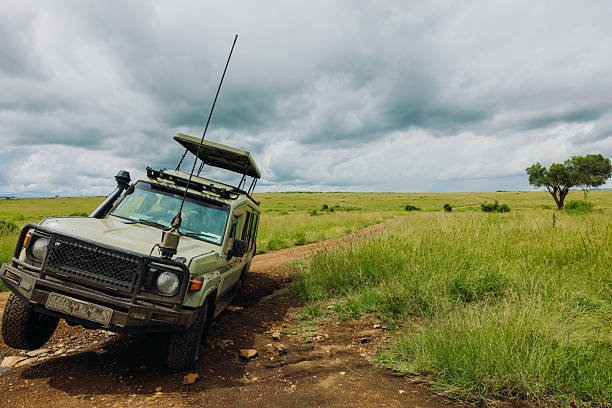
Best Burigi-Chato National Park Tours: Your Ultimate Guide For 2026-2027
Explore the untamed beauty of Burigi-Chato National Park with expertly curated tour options. This guide provides essential information for planning your 2026-2027 adventure, covering…
No related package matches those filters. Clear one or more filters to see the other topic-matched options.



