
The Burigi-Chato National Park, located in the Kagera region of Tanzania, offers a unique and less-crowded safari experience, perfect for travelers seeking pristine wilderness and diverse wildlife, including elephants, giraffes, zebras, and a variety of antelopes, alongside significant birdlife. Planning a trip to Burigi-Chato in 2026 or 2027 involves understanding its remote location, best travel times, recommended activities like game drives and boat safaris, and how to structure an itinerary to maximize your encounter with its natural beauty. While specific lodge infrastructure is still developing, the park’s vast landscapes and rich biodiversity make it an increasingly attractive destination for discerning adventurers looking for an authentic Tanzanian safari beyond the typical northern circuit routes.
Introducing Burigi-Chato National Park
located in the western reaches of Tanzania, bordering Rwanda and Burundi, lies Burigi-Chato National Park. This expansive protected area, officially established relatively recently, encompasses a significant portion of the Kagera River basin and includes the picturesque Lake Burigi and Lake Shato. Unlike the more established northern circuit parks, Burigi-Chato offers a wilder, more untamed safari experience, appealing to those who wish to step off the beaten path and discover a landscape that feels truly untouched. Its creation consolidated several smaller game reserves and conservation areas, aiming to protect a vital ecosystem and provide a sanctuary for a diverse array of wildlife and a rich mix of bird species. The park’s undulating hills, acacia woodlands, and expansive grasslands create a varied habitat that supports a healthy population of animals, making it a compelling, albeit less frequented, destination for serious wildlife enthusiasts planning their African adventures for 2026 and 2027.
Why Choose Burigi-Chato for Your 2026-2027 Safari?
The allure of Burigi-Chato National Park lies in its raw, authentic safari experience. For travelers in 2026 and 2027 seeking an escape from the crowds often found in more popular parks, Burigi-Chato presents an unparalleled opportunity for solitude and genuine wildlife encounters. Its vast, unspoiled landscapes offer a sense of discovery that is increasingly rare. The park is a crucial corridor for wildlife, and its varied terrain supports a surprising density of animals, including significant populations of elephants, giraffes, zebras, wildebeest, and various species of gazelles and antelopes. Birdwatchers will find Burigi-Chato a paradise, with its lakes and varied habitats attracting a remarkable array of resident and migratory species. Furthermore, the park’s developing tourism infrastructure means that visitors can experience a frontier safari, a chance to witness conservation efforts in action and contribute to the sustainable development of this remarkable region. It’s a destination for the curious, the adventurous, and those who appreciate the profound beauty of nature unmarred by mass tourism.
Getting to Burigi-Chato National Park
Reaching Burigi-Chato National Park requires careful planning due to its remote location in the Kagera Region of Tanzania. It is not as straightforward as reaching the more accessible northern parks, but this very remoteness contributes to its appeal for those seeking an exclusive experience.
Flights and Airports
The most practical way to get close to Burigi-Chato is by air. The nearest major airport is in Mwanza, a bustling city on the shores of Lake Victoria. Mwanza Airport (MWZ) receives domestic flights from Dar es Salaam (DAR) and Kilimanjaro International Airport (JRO), as well as some regional international flights. From Mwanza, you can arrange for a charter flight to a small airstrip near the park, such as the one at Biharamulo, or a more basic landing strip closer to the park’s boundaries. These charter flights significantly cut down on travel time but represent a considerable portion of the safari budget. Alternatively, after landing in Mwanza, you would transition to road travel.
For those planning a safari in 2026 or 2027, it’s essential to book these domestic and charter flights well in advance, especially if traveling during peak seasons. The availability of charter flights can be limited, and prices can fluctuate.
Road Travel and Access
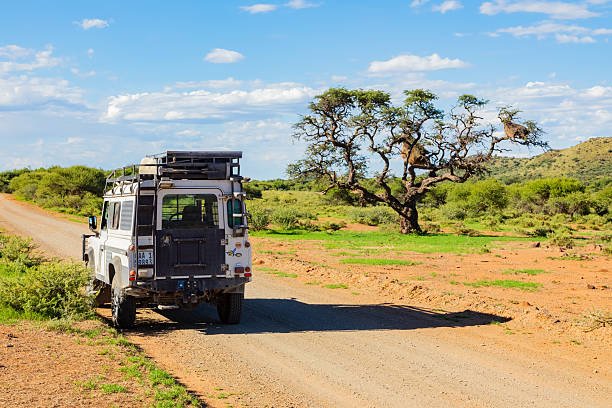
Road travel to Burigi-Chato is a considerable undertaking, often requiring a sturdy 4×4 vehicle, especially if traveling during the wet season. The journey from Mwanza typically involves driving towards Biharamulo town, which is a significant hub for accessing the park. From Biharamulo, further travel on unpaved and sometimes challenging tracks leads to the park gates. The driving times can be long, often spanning several hours, depending on road conditions and the specific entrance you intend to use. This journey is best undertaken with an experienced local guide and driver who knows the terrain and can navigate the roads safely. For many visitors, a combination of flying into Mwanza and then arranging a 4×4 transfer is the most efficient and comfortable method, balancing cost and time. If you are considering a self-drive, ensure your vehicle is fully equipped and you have detailed maps or GPS, though local knowledge is invaluable.
Access points into the park can vary, and it’s advisable to confirm the most accessible and operational gates with your tour operator prior to arrival in 2026-2027, as park infrastructure and road maintenance can change.
Best Time to Visit Burigi-Chato National Park
The optimal time to visit Burigi-Chato National Park depends on your priorities, primarily whether you prefer dry conditions for game viewing or the lush landscapes of the wet season, along with your tolerance for crowds and heat.
Dry Season (June – October)
The dry season is generally considered the best time for wildlife viewing in Burigi-Chato. During these months, vegetation is less dense, making animals easier to spot. Water sources become scarcer, compelling wildlife to congregate around the remaining rivers, lakes, and waterholes, concentrating sightings for visitors. The weather is typically sunny and pleasant, with lower humidity and cooler temperatures, especially in the mornings and evenings. This period is ideal for game drives and walking safaris. However, it is also the peak tourist season in Tanzania, meaning accommodations might be more booked up, and prices could be higher for 2026-2027 travel. Dust can be a factor, so packing accordingly is important.
Wet Season (November – May)
The wet season brings lush, green landscapes to Burigi-Chato, making it visually stunning. This is the calving season for many herbivores, offering opportunities to see young animals. Birdlife is particularly vibrant during this period, with many migratory birds present. The rains are often in the form of afternoon showers, leaving mornings and evenings clear for activities. However, the rain can make roads challenging to navigate, potentially limiting access to certain areas and requiring a robust 4×4 vehicle. Game viewing can be more dispersed as animals have access to more water. This season is ideal for birdwatchers and photographers who appreciate the verdant scenery, and it offers a more budget-friendly travel option for 2026-2027, with fewer tourists.
Weather Patterns and Impact
Burigi-Chato experiences a tropical climate, with temperatures generally warm year-round. The key differentiator is rainfall. The short rains typically occur from November to December, and the long rains from March to May. Humidity is higher during the wet season. The impact on your safari experience is significant: dry season offers easier game viewing and travel, while the wet season provides dramatic landscapes, abundant birdlife, and fewer visitors, but requires more careful planning regarding vehicle and accessibility. The shoulder months, such as late May and early June, or late October and early November, can offer a good balance of decent weather and fewer crowds.
Wildlife of Burigi-Chato National Park
Burigi-Chato National Park is a haven for a diverse range of fauna, reflecting the rich biodiversity of the western Tanzanian ecosystem. While it may not boast the sheer numbers of the Serengeti during the migration, its varied habitats support a healthy and intriguing collection of species, offering a more intimate wildlife viewing experience.
Mammals to Spot
The park is home to a significant population of elephants, which are often seen roaming the grasslands and woodlands. Giraffes, particularly the Masai giraffe subspecies, are a common sight, gracefully navigating the acacia trees. Large herds of zebras and wildebeest are present, contributing to the grazing biomass. You can also expect to see various antelopes, including impalas, Grant’s gazelles, Thomson’s gazelles, and the more elusive topi and hartebeest. Buffalo herds are also found within the park. Predators are present, though sightings can be more challenging than in more heavily trafficked parks; lions, leopards, cheetahs, and hyenas inhabit Burigi-Chato, silently patrolling their territories. Other mammals include hippos in the lakes and rivers, baboons, vervet monkeys, and a variety of smaller creatures like warthogs and mongooses. The park’s less developed status means that animals are often habituated to vehicles only minimally, providing a truly wild encounter.
Birdlife and Avian Diversity
Burigi-Chato is a paradise for birdwatchers. The combination of lakes, rivers, woodlands, and grasslands creates a multitude of niches for avian species. Expect to see a vast array of waterbirds around Lake Burigi and Lake Shato, including various species of herons, egrets, kingfishers, and African fish eagles. The park is also a vital habitat for woodland birds and savanna species. Look out for ostriches, secretary birds, guinea fowl, hornbills, rollers, bee-eaters, and numerous raptors. The diverse birdlife makes Burigi-Chato an excellent destination for ornithological expeditions, especially during the migratory season from November to April when European and other African migrants are present.
Conservation Efforts
As a relatively new national park, Burigi-Chato is a focal point for ongoing conservation initiatives. The Tanzanian government, in collaboration with conservation organizations, is working to protect its wildlife populations and habitats from poaching and habitat encroachment. Establishing the park and expanding ranger patrols are key strategies. The development of sustainable tourism is also seen as a crucial element in long-term conservation, providing economic incentives for local communities to support wildlife protection. Visitors in 2026-2027 can play a role by choosing responsible tour operators and adhering to park rules, thereby contributing to the park’s future.
Activities in Burigi-Chato National Park
While Burigi-Chato may not offer the same extensive range of organized activities as some of Tanzania’s more established parks, its natural environment lends itself to several engaging safari experiences. The focus here is on appreciating the wild, untouched beauty of the landscape and its inhabitants.
Game Drives: The Essential Experience
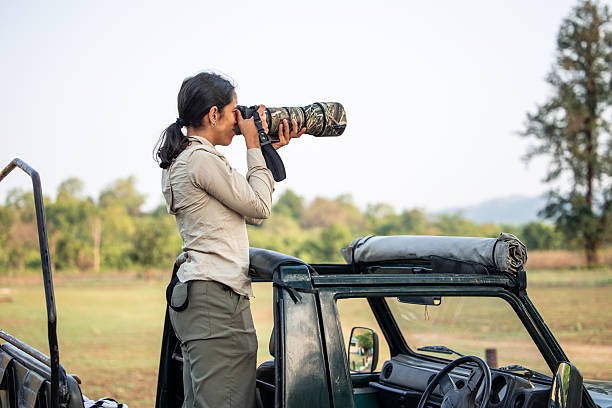
Game drives are the primary activity in Burigi-Chato. These are typically conducted in open-top 4×4 safari vehicles, allowing for excellent viewing and photography opportunities. Guided drives take you through the park’s varied terrain, from open savannas to denser woodlands and along the shores of the lakes. Your experienced guide will use their knowledge of animal behavior and tracking skills to locate wildlife. Early morning and late afternoon drives are generally the most productive, as animals are most active during the cooler parts of the day. These drives are perfect for spotting the park’s larger mammals and observing their natural behaviors in a relatively undisturbed environment.
Boat Safaris on Lake Burigi and Lake Shato
The presence of Lake Burigi and Lake Shato presents a unique opportunity for boat safaris. These excursions offer a different perspective on the park, allowing you to explore the lake ecosystems and observe aquatic wildlife. Hippos are commonly seen in and around the water, and large crocodiles may bask on the shorelines. Birdlife is exceptionally rich along the lakes, making boat trips a highlight for ornithologists. These safaris provide a tranquil way to experience the park’s beauty and can be arranged through local operators, often from designated launch points. For visitors in 2026-2027, this offers a refreshing alternative to vehicle-based viewing.
Walking Safaris and Bush Walks
In certain designated areas and with armed rangers for safety, walking safaris are a possibility in Burigi-Chato. These guided walks allow for a more intimate connection with the bush. You’ll learn about the smaller details of the ecosystem – tracking, animal signs
Check Availability for Burigi-Chato National Park Travel Guide And Itinerary 2026-2027
Ready to compare dates, prices, and the best option for your group? Send the package name and travel month so the team can reply with a clear quote, availability, and what is included.
Burigi-Chato National Park Tour Packages: Your Ultimate Guide For 2026-2027
Plan your unforgettable safari to Burigi-Chato National Park with comprehensive tour package information. Covering itineraries, wildlife viewing, accommodation, and booking advice for…

Burigi-Chato National Park Tour Cost And Prices: Planning Your Safari
Planning a safari to Burigi-Chato National Park involves understanding the associated tour costs and prices. This guide breaks down what influences your safari budget, from duration and…
Best Burigi-Chato National Park Tours: Your Ultimate Guide For 2026-2027
Explore the untamed beauty of Burigi-Chato National Park with expertly curated tour options. This guide provides essential information for planning your 2026-2027 adventure, covering…
No related package matches those filters. Clear one or more filters to see the other topic-matched options.



