The closest airports to Serengeti National Park are Seronera Airstrip (SEU), located within the central Serengeti, and Kilimanjaro International Airport (JRO), which serves as the primary international gateway for Tanzania and requires a connecting flight or overland transfer to reach the park. For most international arrivals, JRO is the starting point, with onward travel to Seronera or other internal airstrips like Grumeti (GTF) or Kogatende (KOG) being the most direct way to access different regions of the Serengeti for your 2026-2027 safari.
Serengeti Airports Overview
When planning a safari to the vast and iconic Serengeti National Park in Tanzania, understanding the airport logistics is paramount. The Serengeti is not served by a single, large international airport within its boundaries. Instead, access is typically achieved through a combination of international arrivals at a major hub and subsequent domestic flights or overland journeys to various airstrips scattered throughout the park. This multi-stage approach is standard for reaching remote wildlife destinations and allows for efficient distribution of visitors across the Serengeti’s immense expanse. For travelers aiming for the Serengeti, the primary considerations revolve around Kilimanjaro International Airport (JRO) for international flights and a network of smaller, functional airstrips within the park itself, with Seronera Airstrip (SEU) being the most central and frequently used. Other airstrips cater to specific regions, often dictated by the location of luxury lodges or the movements of the Great Migration. Choosing the correct airstrip can significantly impact your travel time, the cost of your safari, and the initial wildlife viewing experience upon arrival. This guide will break down these options to help you make informed decisions for your 2026-2027 Serengeti adventure.
Kilimanjaro International Airport (JRO): The International Gateway
Kilimanjaro International Airport (JRO), also known as Kilimanjaro International Airport, is the principal gateway for most international travelers visiting northern Tanzania, including Mount Kilimanjaro and the Serengeti National Park. Located roughly halfway between the towns of Arusha and Moshi, JRO is strategically positioned to serve the region’s major tourist attractions. While not the closest airport to the Serengeti in terms of direct proximity, it is the most common starting point for the journey. Most international flights land at JRO, and from there, you will either connect to a domestic flight to an internal Serengeti airstrip or begin an overland journey. The airport itself is modern and efficient, handling a growing number of international carriers. Upon arrival at JRO, you’ll clear immigration and customs, collect your luggage, and then proceed to meet your safari operator or arrange your onward transfer. The process is generally straightforward, but having your transfer details confirmed in advance is always recommended, especially when arriving late or during peak travel seasons in 2026 or 2027.
JRO to Serengeti Flight Options
The most efficient way to get from JRO to the Serengeti is by taking a domestic flight. Several Tanzanian airlines operate scheduled flights from JRO to various airstrips within the Serengeti National Park. These flights are typically conducted using small bush planes, such as Cessna Caravans, which are well-suited for the terrain and the nature of safari travel. The flight duration from JRO to the Serengeti can range from 1 to 3 hours, depending on the specific airstrip and any intermediate stops. Common destinations include Seronera (SEU), Grumeti (GTF), Kogatende (KOG), and Sasakwa (SSA). Booking these internal flights is usually handled by your safari tour operator as part of your overall package. It’s important to note that these flights often have stricter baggage allowances than international carriers, typically around 15-20 kg (33-44 lbs) per person in soft-sided luggage. This is a critical detail to be aware of when packing for your 2026-2027 trip.
When booking flights from JRO to the Serengeti, consider the specific region of the park you wish to explore. For instance, if you are planning to witness the Great Migration’s river crossings in the north, flights to Kogatende Airstrip (KOG) would be most appropriate. For general game viewing in the central Serengeti, Seronera Airstrip (SEU) is the most common choice. Your safari operator will advise on the best airstrip based on your itinerary, the time of year (especially crucial for migration viewing in 2026-2027), and the location of your chosen accommodation. The convenience of flying directly into the park saves significant travel time compared to overland travel, allowing you to maximize your time on safari.
JRO to Serengeti Overland Transfer
While flying is the quickest method, an overland transfer from JRO to the Serengeti is also a viable option, albeit a much longer one. This typically involves driving from JRO to Arusha (if you’re not starting there), and then embarking on a full-day drive to the Serengeti. The journey from Arusha to the Serengeti gates can take anywhere from 6 to 9 hours, depending on road conditions, traffic, and the specific gate you enter. This drive is not merely a transit; it’s often incorporated into the safari experience itself, with game drives possible as you enter the park. Many travelers choose this option if they wish to experience the changing landscapes and potentially see more of Tanzania en route. However, it does consume a full day of your safari time.
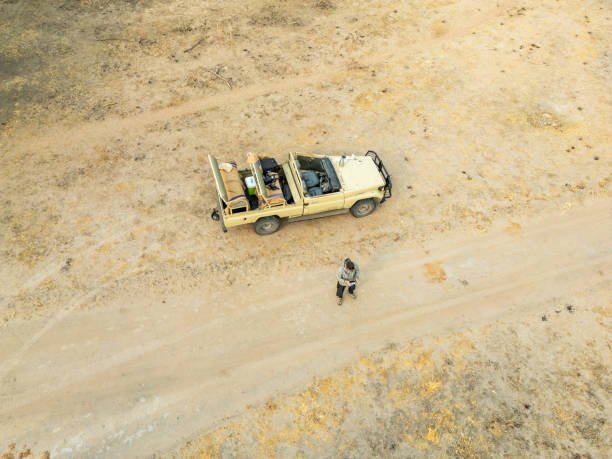
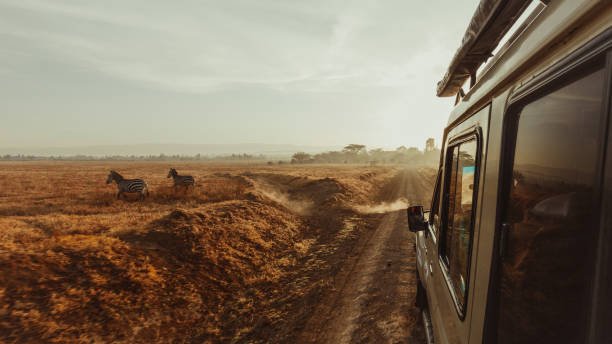
For those opting for the overland route, the vehicle used is typically a specially adapted 4×4 safari vehicle, often a Land Cruiser, equipped for off-road conditions. The driver-guide is an integral part of the experience, providing insights into the local culture, flora, and fauna. If you choose this route for your 2026-2027 safari, be prepared for long hours in the vehicle. You’ll usually stop for lunch at a designated picnic site or a lodge en route. The road conditions can vary, with some stretches being paved and others unpaved and bumpy, particularly once inside the park boundaries. The benefit of the overland journey is the opportunity for spontaneous stops and a more grounded introduction to the Tanzanian wilderness. However, it’s crucial to factor in the extended travel time when planning your itinerary.
Planning Your Arrival at JRO
When your international flight lands at JRO, it’s essential to have a clear plan for your onward journey. Most reputable safari operators will arrange for a representative to meet you at the airport. They will typically hold a sign with your name. This person will assist you with any immediate needs and guide you to your transfer vehicle, whether it’s for a short stay in Arusha or Moshi, or for your transfer to the domestic flights terminal for your Serengeti connection. If you are arranging your own transfers, ensure you have confirmed pick-up times and contact details for your driver. It’s also wise to have some Tanzanian Shillings (TZS) or US Dollars (USD) on hand for any immediate expenses, although many lodges and operators accept card payments. For travelers arriving in 2026 or 2027, understanding visa requirements and any current health advisories before your departure is also a crucial part of arrival planning.
Consider the timing of your arrival at JRO. If you arrive late in the evening, it might be necessary to spend a night in Arusha or near the airport before commencing your safari the following day. This allows for a relaxed start and avoids any rush. Your safari operator can arrange this accommodation for you. Always confirm the exact meeting point at JRO with your operator, as airport layouts can change. Having a mobile phone with a local SIM card or an international roaming plan can be beneficial for communication upon arrival.
Seronera Airstrip (SEU): The Heart of Serengeti
Within the Serengeti National Park itself, Seronera Airstrip (SEU) stands out as the most central and busiest airstrip. Located in the Seronera Valley, which is part of the Serengeti’s central region, this airstrip is a vital hub for accessing a large portion of the park. The central Serengeti is renowned for its resident wildlife populations, meaning that game viewing is excellent year-round, regardless of the Great Migration’s location. Seronera Airstrip is a dirt airstrip, typical for bush operations, and it handles a significant volume of light aircraft traffic from Arusha and other Tanzanian hubs. Its strategic location makes it the preferred arrival point for many lodges situated in the central Serengeti, offering convenient access to abundant wildlife, including large prides of lions, leopards, cheetahs, and elephants.
The convenience of landing at Seronera Airstrip cannot be overstated for many safari itineraries. From SEU, you are typically just a short game drive away from your lodge or camp. This immediate immersion into the wildlife experience is a significant advantage. The airstrip is equipped with basic facilities, including a small terminal building where passengers can wait. The sounds and sights of wildlife are often present even around the airstrip itself, providing an exciting introduction to the Serengeti. For those planning their Serengeti National Park adventure for 2026 or 2027, Seronera remains a prime choice for accessibility and year-round wildlife viewing opportunities.
Flights to Seronera
Scheduled light aircraft flights operate daily from Kilimanjaro International Airport (JRO) and Arusha Airport (ARK) to Seronera Airstrip (SEU). These flights are operated by companies such as Coastal Aviation, Auric Air, and Precision Air. The flight duration from Arusha to Seronera is approximately 1 to 1.5 hours, and from JRO, it might be slightly longer with a potential stop. The planes are typically 10-12 seater Cessnas, offering a window seat for almost every passenger, which is fantastic for aerial views of the Tanzanian landscape. Booking these flights is almost always done through your safari tour operator, who will coordinate with the airlines to ensure smooth transfers.
When booking, remember the soft-sided luggage restriction. This is a practical measure for the aircraft’s weight and balance. Your safari operator will provide specific guidance on luggage dimensions and weight limits. Prices for these internal flights vary based on the season and demand but are a crucial component of the overall safari cost. For 2026-2027 bookings, it’s advisable to confirm flight costs early, as prices can fluctuate. The experience of flying into Seronera is often part of the adventure, with pilots sometimes pointing out wildlife herds from the air.
Transfer Options from Seronera
Upon arrival at Seronera Airstrip (SEU), your safari guide will typically meet you. They will be waiting with a 4×4 safari vehicle. The transfer from the airstrip to your lodge or camp is usually your first game drive. This is a fantastic opportunity to start spotting wildlife immediately. The distance to lodges in the Seronera Valley can range from a few minutes to over an hour’s drive, all conducted as a game drive. Your guide will be eager to show you the highlights of the area as you make your way to your accommodation.
If you are moving between different camps or lodges within the Serengeti, a transfer flight to another airstrip might be arranged, or your guide will drive you. The drive itself is an integral part of the Serengeti experience, offering chances to see animals that might not be visible from a vehicle at high speed. Ensure your guide knows your interests, whether it’s specific animals, birdlife, or photographic opportunities, as they can tailor the drive to your preferences. For 2026-2027 itineraries, discuss with your operator how transfers between different park regions will be handled to maximize your game viewing time.
Why Seronera is Key
Seronera’s importance to Serengeti tourism cannot be overstated. It’s not just an airstrip; it’s the gateway to the most biodiverse and accessible part of the park. The Seronera Valley is a year-round wildlife haven due to permanent water sources, attracting a dense concentration of predators and prey. This makes it an ideal location for both first-time visitors and seasoned safari-goers. For many, the central Serengeti, accessed via Seronera, offers the quintessential Serengeti experience. Its accessibility via frequent flights from Arusha and JRO, combined with the high density of wildlife, makes it a practical and rewarding choice. When planning for 2026 or 2027, understanding that Seronera is the primary hub for the central region is crucial for itinerary planning.
Other Serengeti Airstrips for Specific Regions
While Seronera is central, the Serengeti National Park is vast, and different regions are best accessed via specific airstrips. These smaller airstrips are often built to serve particular lodges or to provide access to areas that are seasonally significant, such as the northern Serengeti during the migration river crossings. Knowing these options allows for a more tailored safari experience, especially when planning for 2026-2027 trips where you might want to target specific wildlife events or lodge locations.
Grumeti Airstrip (GTF)
Grumeti Airstrip (GTF) is located in the western corridor of the Serengeti. This region is particularly famous for its large crocodiles in the Grumeti River and is a key area for witnessing the Great Migration’s movement, especially when the herds cross the Grumeti River. The western corridor is generally less crowded than the central region, offering a more exclusive safari experience. Luxury tented camps and lodges are often situated in this area, and GTF serves as their primary access point. Flights to GTF usually originate from Arusha or Kilimanjaro International Airport (JRO) and are operated by the same light aircraft charter companies. The timing of your visit to this region, especially in 2026 or 2027, will depend on the predicted migration patterns.
Kogatende Airstrip (KOG)
Kogatende Airstrip (KOG) is situated in the far northern Serengeti. This is arguably the most sought-after airstrip for a specific part of the year – typically from June to October – when the Great Migration herds are crossing the Mara River. Witnessing these dramatic river crossings is a highlight for many safari-goers. Lodges and camps in the northern Serengeti cater to this seasonal influx of tourists. Flights to Kogatende are available from Arusha and JRO, and booking well in advance is crucial for this period, especially for 2026-2027 safari plans, as availability can be limited. The landscape in the north is characterized by vast open plains and the Mara River, offering spectacular photographic opportunities.
Sasakwa Airstrip (SSA)
Sasakwa Airstrip (SSA) is located in the extreme west of the Serengeti, within the Singita Grumeti Reserve, a private concession bordering the national park. This area is known for its exclusivity and luxury lodges, such as Sasakwa Lodge. The airstrip is primarily used by guests of these high-end properties. Flights to Sasakwa are usually private charters or scheduled flights specifically for guests of Singita lodges, originating from Arusha, JRO, or even other safari destinations. The western Serengeti offers excellent game viewing year-round, with opportunities to see the migration and abundant resident wildlife. Access to SSA provides a very private and luxurious entry point into this exclusive part of the Serengeti.
Ndutu Airstrip (TSE)
Ndutu Airstrip (TSE) is located in the Ngorongoro Conservation Area, just south of the Serengeti National Park’s boundary. This area is crucial for the calving season of the Great Migration, typically from December to March, when the wildebeest and zebras congregate on the short-grass plains to give birth. Many camps and lodges operate in the Ndutu region during this period, and TSE is their main access point. Flights to Ndutu are available from Arusha and JRO. If your primary interest is witnessing the calving season of the migration in 2026-2027, Ndutu is the ideal destination, and TSE is the airstrip you’ll likely fly into. The landscape here is characterized by rolling plains dotted with acacia trees.
Choosing the Right Airstrip for Your Serengeti Safari
Selecting the correct airstrip is a critical decision that underpins the success of your Serengeti safari. It’s not just about proximity; it’s about aligning your arrival point with the park region you wish to explore, the time of year, your accommodation choices, and the overall flow of your itinerary. Making the right choice ensures you maximize your time on the ground and minimize travel-related stress. For planning purposes for 2026-2027, consider these key factors:
Factors to Consider
1. Location of Your Lodge/Camp: This is the most significant factor. Each airstrip serves specific regions and often specific lodges. If your chosen accommodation is in the central Serengeti, Seronera (SEU) is the most logical choice. If you’re staying in a luxury lodge in the western corridor, Grumeti (GTF) or Sasakwa (SSA) might be the designated airstrip. Similarly, northern Serengeti lodges for migration crossings will use Kogatende (KOG), and southern/Ndutu camps will use TSE.
2. Time of Year and Wildlife Movements: The Serengeti is dynamic, especially concerning the Great Migration. The location of the herds dictates the best region to visit and, consequently, the best airstrip. For river crossings (June-October), Kogatende (KOG) or sometimes Kogatende/Lamai (LMM) in the north are essential. For calving season (December-March), Ndutu (TSE) is key. For general resident wildlife viewing, Seronera (SEU) is consistently excellent year-round.
3. Duration of Your Safari: If you have a shorter safari (e.g., 3-4 days), flying directly into an airstrip close to your lodge, like Seronera, is highly recommended to maximize game viewing time. If you have a longer trip and plan to explore multiple regions, you might fly into one airstrip and out of another, or incorporate overland travel between regions.
4. Budget: Flights within Tanzania, while efficient, add to the overall safari cost. The more flights you take (e.g., JRO to SEU, then SEU to KOG), the higher the expense. Overland transfers are generally cheaper but consume more time. Your budget for 2026-2027 will influence this decision.
5. Personal Preferences: Some travelers prefer the adventure and scenery of an overland transfer from JRO or Arusha, seeing it as part of the safari experience. Others prioritize efficiency and want to reach their lodge as quickly as possible to begin game drives.
Seasonal Considerations: The Great Migration
The Great Migration is a major draw for visitors to the Serengeti, and its movements dictate the best time to visit different regions and, therefore, the most appropriate airstrip. Understanding this cycle is crucial for planning a 2026-2027 safari:
- December – March (Calving Season): The herds are in the southern Serengeti and Ngorongoro Conservation Area (Ndutu region). The best airstrip is Ndutu Airstrip (TSE).
- April – May (Long Rains/Green Season): The herds begin moving northwards, often through the central and western Serengeti. This is a quieter period for tourism. Seronera (SEU) and Grumeti (GTF) are accessible.
- June – October (Dry Season/River Crossings): The herds are in the north, preparing to cross the Mara and Grumeti Rivers. The most crucial airstrips are Kogatende (KOG) and sometimes Grumeti (GTF) for western corridor crossings.
- November (Short Rains/Heading South): The herds begin their journey back south, passing through the central corridor. Seronera (SEU) is a good entry point.
For travelers specifically targeting the river crossings in 2026 or 2027, booking flights into Kogatende (KOG) is non-negotiable. If calving season is your priority, Ndutu (TSE) is the airstrip to aim for. For general game viewing, Seronera (SEU) offers the most reliable wildlife encounters throughout the year.
Lodge Location and Access
Safari lodges and camps are strategically located to offer prime wildlife viewing opportunities and often have a designated ‘nearest’ airstrip. When you book your accommodation, inquire about the closest airstrip. This information is vital for coordinating your internal flights. For example, if you book a lodge deep in the western Serengeti, Grumeti (GTF) or Sasakwa (SSA) will likely be your arrival point. If your lodge is in the popular Seronera Valley, then SEU is your destination. Your safari operator will manage this logistics seamlessly, but it’s good to be aware of the connection between your accommodation and the airstrip. For 2026-2027 bookings, confirming this detail with your operator is a simple step that avoids confusion.
Flight Availability and Cost
Internal flights within Tanzania are a significant part of the safari budget. Prices can range from $350 to $500 USD per person per leg, depending on the route, airline, and time of booking. Flights to more remote airstrips or those with higher seasonal demand (like Kogatende during migration season) may be more expensive. Availability can also be a factor, especially during peak seasons (June-October and December-February). Booking your safari well in advance for 2026-2027 is highly recommended to secure preferred flight times and potentially better rates. Your tour operator will have direct relationships with the airlines and can often secure better availability than individual travelers.
When comparing safari packages for 2026-2027, always clarify what is included regarding internal flights. Some operators include them in the package price, while others list them as a separate cost. Understanding this distinction is crucial for accurate budgeting. Remember the baggage restrictions for these flights; excess luggage often needs to be shipped separately at an additional cost.
Logistics and Travel Time: What to Expect
Understanding the logistics and travel times involved in reaching the Serengeti is key to setting realistic expectations. Whether you fly or drive, the journey is part of the adventure, but it’s important to know what to anticipate for your 2026-2027 trip.
Internal Flights in Tanzania
Internal flights are operated by small bush planes and are scheduled to depart in the morning or late afternoon, coinciding with the best light for photography and avoiding the midday heat. A typical flight schedule might look like this:
- Morning Flights: Departures from Arusha/JRO around 8:00 AM or 9:00 AM, arriving at Serengeti airstrips around 10:00 AM. This allows for an immediate game drive to your lodge.
- Afternoon Flights: Departures from Serengeti airstrips around 3:00 PM or 4:00 PM, arriving back in Arusha/JRO for international connections or an overnight stay.
The flight experience itself is part of the safari. You’ll fly low over the landscapes, offering a unique perspective of the plains, rivers, and potentially wildlife herds. The pilots are experienced and often share insights about the areas you are flying over. It’s common for these flights to make multiple stops at different airstrips within the Serengeti to drop off or pick up passengers for various lodges. While this adds time, it also offers more opportunities to see the park from the air. For 2026-2027 planning, remember that flight schedules can change, so always confirm with your operator.
Overland Travel Considerations
The overland journey from Arusha to the Serengeti is a significant undertaking. The total distance to Seronera can be around 300-350 km, but the travel time is extended due to road conditions and the need for game drives en route.
- Route: The most common route involves driving through Mto wa Mbu, Karatu, and then entering the Serengeti via the Anderson’s Gate or Naabi Hill Gate.
- Road Conditions: While the main roads in Tanzania are improving, the roads within national parks, especially during the rainy season, can be challenging. Expect a mix of paved roads, gravel tracks, and potentially muddy or dusty conditions.
- Vehicle: A robust 4×4 safari vehicle is essential for comfort and capability. Your driver-guide will manage the vehicle and navigate the terrain effectively.
- Time: A typical drive from Arusha to a central Serengeti lodge takes 6-8 hours, including stops for lunch and brief game viewing. If you are heading to more distant regions like the north or west, the journey can be longer.
- Experience: Many travelers find the overland journey rewarding, offering a gradual immersion into the wilderness and opportunities to stop at points of interest, such as the Maasai villages or local markets (though these are often arranged separately).
For 2026-2027, road improvements might make overland travel slightly quicker, but it remains a full-day affair. It’s an excellent option for those who want to see more of the country and don’t mind the longer travel time.
Optimizing Your Itinerary 2026-2027
To make the most of your Serengeti experience in 2026-2027, consider how your arrival and departure airports fit into your overall itinerary. A common and efficient approach is:
- Day 1: Arrive at Kilimanjaro International Airport (JRO). Transfer to Arusha for an overnight stay or take an afternoon flight to Seronera Airstrip (SEU). If flying, enjoy a game drive en route to your central Serengeti lodge.
- Days 2-X: Explore the Serengeti. Depending on the season and your interests, you might move between regions (e.g., central to north) via internal flights or overland drives.
- Final Day: Take a morning game drive and then fly from an appropriate Serengeti airstrip (SEU, KOG, GTF, etc.) back to Arusha or JRO for your international departure.
This “fly-in, fly-out” approach maximizes your time in the park. Alternatively, if budget is a primary concern or you wish for a more extensive overland experience, you can drive from JRO to the Serengeti and back. However, for most visitors aiming for the closest possible access to wildlife and efficient use of time, flying into an internal airstrip is the preferred method. When planning for 2026-2027, discuss these options thoroughly with your tour operator to craft the perfect itinerary.
Booking Your Serengeti Safari Flights and Transfers
The process of booking flights and transfers to the Serengeti is usually integrated into your overall safari package. However, understanding how it works and what to confirm is crucial for a smooth trip, especially when planning for 2026-2027.
Working with a Local Operator
Partnering with a reputable local tour operator like Climb 4 Africa is highly recommended. Local operators have established relationships with Tanzanian airlines, airstrips, and ground transfer services. They can:
- Secure the best flight schedules and potentially better rates.
- Advise on the most suitable airstrip based on your itinerary, lodge, and the time of year.
- Handle all booking confirmations and logistics, ensuring smooth transitions between flights and ground transfers.
- Manage baggage allowance issues and advise on packing.
- Provide 24/7 support during your trip.
When you contact Climb 4 Africa for your 2026-2027 safari, provide them with your international flight arrival and departure details (airport, dates, times). They will then build your itinerary, including the most appropriate internal flights and transfers to the Serengeti. You can reach them via WhatsApp at +255 747 477 898 or email at climb4africa@gmail.com.
What to Confirm Before Booking
Before finalizing your safari booking for 2026-2027, ensure you confirm the following details regarding your Serengeti travel:
- Airstrip Name: Get the exact name and code (e.g., Seronera Airstrip, SEU).
- Airline: Know which company operates the flight (e.g., Coastal Aviation, Auric Air).
- Flight Times: Confirm departure and arrival times, and be aware if they are subject to change.
- Baggage Allowance: Reiterate the weight and type of luggage permitted (soft-sided bags only, usually 15-20 kg).
- Transfer Arrangements: Clarify who will meet you at the airstrip and what type of vehicle will be used for the transfer to your lodge.
- Cost Inclusion: Ensure the cost of internal flights and transfers is clearly stated in your safari quote.
By confirming these details, you can avoid unexpected issues and ensure your journey to the Serengeti is as smooth as possible. Your safari operator should provide a detailed itinerary outlining all these points.
Essential Travel Documents for 2026-2027
Beyond booking flights and transfers, ensure you have all necessary travel documents in order for your 2026-2027 trip:
- Passport: Must be valid for at least six months beyond your intended stay and have sufficient blank pages.
- Visas: Most nationalities require a Tanzanian visa. This can often be obtained online in advance (e-visa) or upon arrival at JRO. Check the latest requirements for your nationality.
- Yellow Fever Certificate: May be required if arriving from or transiting through a country with a risk of yellow fever. Check current health regulations.
- Travel Insurance: Highly recommended for medical emergencies, trip cancellations, and lost luggage. Ensure it covers safari activities.
- Flight Tickets/Itinerary: Keep digital and physical copies of all flight confirmations, including internal flights.
Proper documentation is essential for smooth entry into Tanzania and smooth travel to and from the Serengeti. Your tour operator can provide guidance on visa and health requirements.
Frequently Asked Questions About Serengeti Airports
What is the absolute closest airport to Serengeti National Park?
The absolute closest ‘airports’ in terms of being within the park boundaries are the numerous small airstrips like Seronera Airstrip (SEU). However, for international arrivals, Kilimanjaro International Airport (JRO) is the primary gateway, requiring a connecting flight or long drive.
Can I fly directly from my home country to the Serengeti?
No, you cannot fly directly from international destinations to the Serengeti. All international flights arrive at Kilimanjaro International Airport (JRO) or potentially Julius Nyerere International Airport (DAR) in Dar es Salaam, from where you will need to take a domestic flight or overland transfer to reach the Serengeti.
How much do flights from JRO to Serengeti cost for 2026-2027?
Flights from JRO or Arusha to Serengeti airstrips typically range from $350 to $500 USD per person per leg. Prices can vary based on the season, airline, and how far in advance you book. For 2026-2027, booking early is advisable.
What is the difference between Seronera and Kogatende airstrips?
Seronera Airstrip (SEU) is in the central Serengeti, offering year-round access to abundant resident wildlife. Kogatende Airstrip (KOG) is in the northern Serengeti and is crucial for witnessing the Great Migration’s river crossings, primarily from June to October.
Can I drive from JRO to the Serengeti? How long does it take?
Yes, you can drive from JRO to the Serengeti. The journey from Arusha (near JRO) to the central Serengeti typically takes 6-8 hours by 4×4 safari vehicle, including stops. It’s a full-day’s travel and often includes game drives en route.
What are the baggage restrictions for flights to Serengeti airstrips?
Flights to Serengeti airstrips use small bush planes with limited capacity. Typically, baggage is restricted to 15-20 kg (33-44 lbs) per person in soft-sided duffel bags. Hard suitcases are generally not permitted. Always confirm exact restrictions with your tour operator.
Which airstrip is best for seeing the Great Migration in 2027?
For the river crossings (June-October), Kogatende Airstrip (KOG) in the north is the best choice. For the calving season (December-March), Ndutu Airstrip (TSE) in the south is ideal. For general migration viewing throughout the year, Seronera (SEU) is always a good option.
Planning your journey to the Serengeti National Park is an exciting prelude to the incredible wildlife encounters that await. Understanding the airport options, from the international gateway of Kilimanjaro International Airport (JRO) to the internal airstrips like Seronera (SEU), Grumeti (GTF), Kogatende (KOG), and Ndutu (TSE), is crucial for a smooth and enjoyable safari. The choice of airstrip directly influences your travel time, the regions you can access, and the overall experience. For smooth planning and to ensure you select the most convenient and efficient arrival point for your 2026-2027 adventure, we recommend consulting with experienced local tour operators. Climb 4 Africa specializes in crafting tailor-made Tanzanian safari experiences and can guide you through all logistical decisions, including flight bookings and transfers. Reach out to them via WhatsApp at +255 747 477 898 or email at climb4africa@gmail.com to start planning your unforgettable Serengeti safari.
“,
“faq_schema”: [
{
“question”: “What is the absolute closest airport to Serengeti National Park?”,
“answer”: “The absolute closest ‘airports’ in terms of being within the park boundaries are the numerous small airstrips like Seronera Airstrip (SEU). However, for international arrivals, Kilimanjaro International Airport (JRO) is the primary gateway, requiring a connecting flight or long drive.”
},
{
“question”: “Can I fly directly from my home country to the Serengeti?”,
“answer”: “No, you cannot fly directly from international destinations to the Serengeti. All international flights arrive at Kilimanjaro International Airport (JRO) or potentially Julius Nyerere International Airport (DAR) in Dar es Salaam, from where you will need to take a domestic flight or overland transfer to reach the Serengeti.”
},
{
“question”: “How much do flights from JRO to Serengeti cost for 2026-2027?”,
“answer”: “Flights from JRO or Arusha to Serengeti airstrips typically range from $350 to $500 USD per person per leg. Prices can vary based on the season, airline, and how far in advance you book. For 2026-2027, booking early is advisable.”
},
{
“question”: “What is the difference between Seronera and Kogatende airstrips?”,
“answer”: “Seronera Airstrip (SEU) is in the central Serengeti, offering year-round access to abundant resident wildlife. Kogatende Airstrip (KOG) is in the northern Serengeti and is crucial for witnessing the Great Migration’s river crossings, primarily from June to October.”
},
{
“question”: “Can I drive from JRO to the Serengeti? How long does it take?”,
“answer”: “Yes, you can drive from JRO to the Serengeti. The journey from Arusha (near JRO) to the central Serengeti typically takes 6-8 hours by 4×4 safari vehicle, including stops. It’s a full-day’s travel and often includes game drives en route.”
},
{
“question”: “What are the baggage restrictions for flights to Serengeti airstrips?”,
“answer”: “Flights to Serengeti airstrips use small bush planes with limited capacity. Typically, baggage is restricted to 15-20 kg (33-44 lbs) per person in soft-sided duffel bags. Hard suitcases are generally not permitted. Always confirm exact restrictions with your tour operator.”
},
{
“question”: “Which airstrip is best for seeing the Great Migration in 2027?”,
“answer”: “For the river crossings (June-October), Kogatende Airstrip (KOG) in the north is the best choice. For the calving season (December-March), Ndutu Airstrip (TSE) in the south is ideal. For general migration viewing throughout the year, Seronera (SEU) is always a good option.”
}
]
}
“`
Check Availability for Which Airport Is Closest To Serengeti National Park Tanzania 2026-2027
Ready to compare dates, prices, and the best option for your group? Send the package name and travel month so the team can reply with a clear quote, availability, and what is included.
Which Tanzania Group Safari Includes All Northern Circuit Parks? A Planning
Planning a Northern Circuit safari often leads to the question of 'how many parks can I fit in?' We explore the reality of group joining itineraries that aim to cover Tarangire, Lake...
View package detailsWhich Tanzania Group Safari Includes Serengeti And Ngorongoro?
Which Tanzania Group Safari Includes Serengeti and Ngorongoro?
View package detailsDec 27, – 4 Day Serengeti Migration Group Safari: Plan Your Trip
A deep look at planning your 4-day Serengeti migration group safari departing December 27, 2026, including itinerary logistics, group benefits, and seasonal expectations.
View package details3 Day Serengeti And Ngorongoro Group Safari: Planning For December 4,
A detailed guide on planning a 3-day group safari to the Serengeti and Ngorongoro Crater for December 4, 2026, covering route expectations, group logistics, and essential planning steps.
View package detailsWe Are Two Travellers—Can We Join A Serengeti Safari In Dec ?
A guide for two travellers looking to join a Serengeti group safari in December 2026, covering logistics, cost-efficiency, and what to expect during the short rains.
View package detailsWhere Can I Join An Affordable Serengeti Safari In Dec ? A Practical Planning
A practical guide for budget-conscious travelers looking to join a Serengeti safari in December 2026, focusing on group-joining logistics and cost-effective planning.
View package detailsHow Much Is A 3 Day Serengeti Group Safari In Nov ? Cost Breakdown
Get a clear breakdown of the factors influencing the cost of a 3-day Serengeti group safari in November 2026, including park fees, vehicle logistics, and group dynamics.
View package detailsCan A Solo Traveller Join A Serengeti Safari In Dec ?
Planning a solo safari in December 2026? Discover the logistics of joining group departures, why December is a prime time for the migration, and how to manage costs effectively.
View package details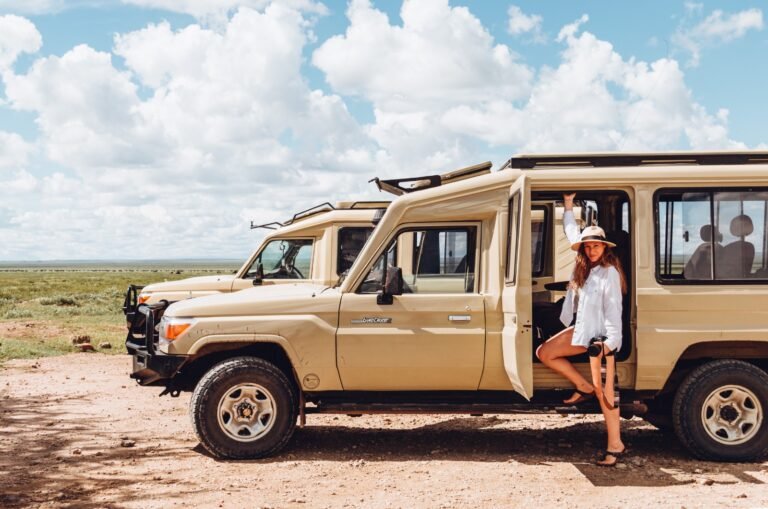
Afcon Private Serengeti Safari With Lodges
AFCON 2027 Private Serengeti Safari with Lodges.
View package detailsAfcon Luxury Serengeti Safari Packages
AFCON 2027 Luxury Serengeti Safari Packages.
View package details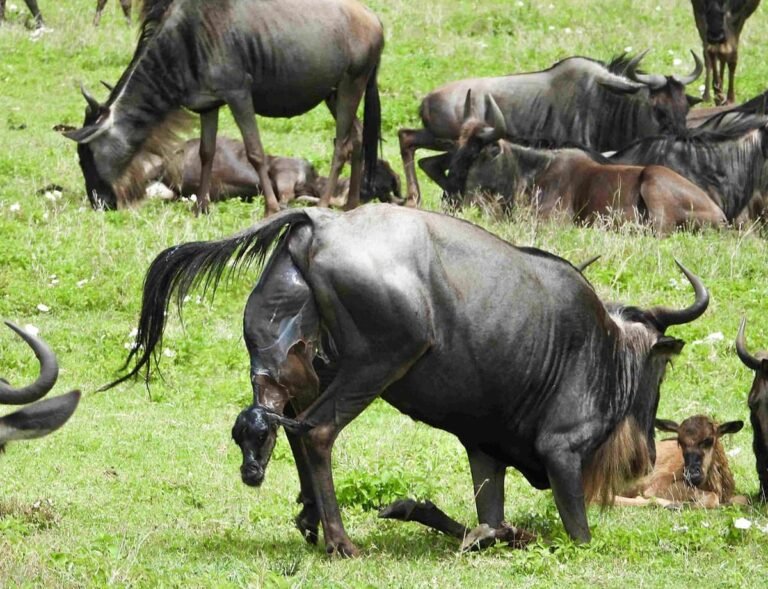
Serengeti Great Migration Safari During AFCON 2027
Mwongozo wa kina kwa safari ya Serengeti Great Migration wakati wa AFCON 2027, ukilenga kuelewa maeneo, kipindi cha mwendo wa mnyama, na mapendekezo ya mipango ya kiutendaji.
View package details
Four Day Serengeti na Ngorongoro Safari During AFCON 2027
Mwongozo wa safari ya siku 4 kwenye Serengeti na Ngorongoro wakati AFCON 2027; jinsi ya kupanga, nini cha kujali, na jinsi ya kuandaa,”
View package detailsNo related package matches those filters. Clear one or more filters to see the other topic-matched options.