
When planning a Tanzania safari and Zanzibar holiday with domestic flights, the total cost is rarely a fixed number. Instead, it is the sum of three distinct variables: the safari tier (mid-range vs. luxury lodge), the number of internal flight legs required, and the seasonal fluctuation of park fees and airfare. A fly-in safari strategy is almost always more expensive than a road-based transfer, typically adding between $300 and $600 per person per leg, depending on the route and booking lead time. However, this investment saves you days of transit time, allowing you to maximize your wildlife viewing and beach relaxation. For 2026-2027 travel, prioritizing the timing of your flights—specifically booking during shoulder seasons—can significantly impact your bottom line without compromising the quality of your experience.
The True Cost of a Fly-In Safari and Beach Combination
The primary reason travelers opt for a Tanzania safari and Zanzibar holiday with domestic flights is efficiency. In a traditional road-based safari, the drive from the Serengeti back to Arusha can take eight to ten hours on bumpy roads. By contrast, a bush flight takes approximately one hour. You are essentially buying back time. When evaluating costs, you must look beyond the ticket price. Domestic flight operators in Tanzania often have strict baggage weight limits (usually 15kg in soft-sided bags), and exceeding these limits can lead to unexpected fees or the need to purchase an extra seat for luggage.
Furthermore, when you book these legs, remember that airport taxes are often bundled into the ticket, but landing fees at remote airstrips can vary. We always recommend confirming if your specific itinerary includes these landing fees, as they are sometimes billed separately by the lodge or the operator to avoid last-minute surprises at the airstrip. You can read more about how these costs break down in our guide on how much a domestic flight costs in Tanzania.
Strategic Itinerary Flow for 2026-2027
The most cost-effective way to structure your trip is to maintain a logical geographical flow. Starting in Arusha or Kilimanjaro International Airport (JRO) and moving west into the national parks before flying directly from a park airstrip (like Seronera or Manyara) to Zanzibar (ZNZ) is the gold standard for efficiency. This avoids the “backtracking” cost where you return to the city just to catch another flight.
If you are planning for 2026 or 2027, be aware that flight availability on the Serengeti-to-Zanzibar route is highest during the peak safari months (June to October and January to February). During these times, prices are firm. If you are budget-conscious, traveling in the “green season” (November or May) can sometimes find lower fares, though you must weigh this against the increased likelihood of rain.
Why Coordination Matters
Booking your safari and your domestic flights separately is a common mistake that can lead to logistical failures. If your safari finishes at 2:00 PM in the Serengeti, but your flight to Zanzibar is at 3:00 PM, you risk missing the flight due to a late game drive or a flat tire on the park roads. A professional operator manages these buffers. We ensure that your game drive schedule aligns with your flight departure, often coordinating with the bush pilot to ensure the transfer is smooth. Learn more about why your safari operator should book your domestic flights.
Comparing Flight Options vs. Private Transfers
Many travelers ask if domestic flights are truly better than private road transfers. The answer depends on your tolerance for travel time versus your budget. A private road transfer from the Northern Circuit back to Arusha is significantly cheaper than a flight, but it essentially writes off an entire day of your holiday. When you add the cost of an extra night in a city hotel because you spent the day driving, the cost difference narrows considerably.
Additionally, consider the safety and reliability factor. We often advise clients to review the operational standards of the airlines they are using. For a deeper look at the realities of regional aviation, our resource on are Tanzania safari flights safe and reliable provides the context you need to make an informed decision.
Key Factors Influencing Your Total Package Cost
When you request a quote for your Tanzania safari and Zanzibar holiday with domestic flights, your operator will break down the costs into several pillars. Understanding these will help you distinguish between a high-value package and a low-quality one:
- Park Entry Fees: These are non-negotiable government fees. They are often the largest single cost in your safari and are charged per 24-hour period.
- Accommodation Tier: Whether you choose tented camps (which offer an authentic, in-depth experience) or luxury lodges will dictate the bulk of your budget.
- Flight Connectivity: Direct flights from the Serengeti to Zanzibar are a premium service. Connecting flights, which may stop in Arusha or Dar es Salaam, are cheaper but take longer.
- Group vs. Private Safari: Joining a group departure significantly reduces the per-person cost of the vehicle and guide, which helps offset the expense of the domestic flights.
We recommend looking at our group departure options if you want to keep costs predictable while enjoying a high-quality experience.
Managing Luggage and Airport Logistics
One of the most overlooked aspects of flying in Tanzania is the luggage policy. Most small bush planes have strict weight limits because of the short, unpaved runways they use. If you are packing for both a safari and a beach holiday, you face a challenge: you need hiking gear for the safari and light beachwear for Zanzibar. We advise our clients to use soft-sided duffel bags rather than hard-shell suitcases, as they are easier to stow in the cargo holds of small aircraft. If you are worried about your luggage, remember that many lodges offer laundry services, allowing you to pack lighter and avoid excess baggage fees.
For those arriving internationally, ensure your connection at JRO or Dar es Salaam is well-timed. If you have to clear customs and collect baggage before your domestic flight, you need a minimum of 3-4 hours of buffer time. If you are flying directly from an international hub to a safari airstrip, the logistics are different. See our detailed breakdown on which Tanzanian airport is best for a safari and Zanzibar holiday to plan your arrival strategy effectively.

How to Plan Your Booking
Planning a multi-leg journey through Tanzania requires precise coordination. To get the best value, you should aim to book your 2026-2027 trip at least 6 to 9 months in advance. This is particularly true if you are traveling during the peak season, as flight seats on the smaller aircraft fill up much faster than hotel rooms. When you are ready to start, provide your operator with your preferred dates, the number of travelers, and your general interest (e.g., photography, family-friendly, or luxury relaxation).
At Climb 4 Africa, we specialize in building itineraries that make sense for your budget and your travel style. We don’t believe in one-size-fits-all packages. If you want to explore options, you can reach out to us via WhatsApp at +255 747 477 898 or email us at climb4africa@gmail.com. You can also reach our backup team at info@climb-4-africa.com. Let us know if you have specific preferences for your Zanzibar accommodation—whether you prefer the quiet northern beaches of Nungwi or the historic charm of Stone Town—so we can tailor the flight connections to land you as close to your destination as possible.
Your journey doesn’t have to be complicated, but it does require local knowledge. By aligning your safari game drives with your flight schedule and choosing the right combination of airstrips, you can create a trip that feels smooth rather than rushed. We are here to help you navigate these choices for your upcoming adventure.
Hidden Costs of Regional Connectivity and Airport Transfers
While flight tickets and park entry fees form the bulk of your budget, a significant portion of the “hidden” cost in a Tanzania safari and Zanzibar holiday involves the final-mile connectivity. Many travelers underestimate the expense and complexity of ground transfers between airstrips and lodges, or between Zanzibar’s Abeid Amani Karume International Airport (ZNZ) and remote beach resorts. In the Serengeti, for instance, a fly-in safari lands you at an airstrip like Seronera or Kogatende, but your actual lodge might be an hour’s drive away. These transfers are rarely included in the “flight” price; they are often charged as a separate “game package” or “transfer fee” by the lodge itself. Because these vehicles must navigate rugged terrain, wear and tear is high, and fuel costs in remote areas are significantly higher than in urban centers.
When calculating your total expenditure, you must distinguish between a “transfer” and a “game package.” A transfer is simply moving you from A to B. A game package, which is standard in many high-end Serengeti lodges, includes your airport pickup, all game drives, and all meals. If you book a “full board” rate that excludes game drives, you will find yourself paying daily park fees and vehicle hire costs on top of your accommodation, which can inflate your budget by $300–$500 per day. Always verify whether your lodge quote includes the transfer from the airstrip. In some cases, if you are staying at a remote camp, the airstrip transfer is mandatory and operated by the camp’s own vehicles to ensure safety and reliability.
Navigating Zanzibar Ground Transportation Costs
Once you land in Zanzibar, the cost dynamic shifts from remote bush logistics to island infrastructure pricing. Unlike the safari circuit, where you are often locked into the lodge’s transport, Zanzibar offers multiple transit options: hotel-arranged private taxis, shared shuttles, or local “dala-dala” buses. For a traveler coming off a high-end safari, the temptation to save money by using local transport is high, but we advise caution. Private transfers from the airport to northern beaches like Nungwi or Kendwa typically cost between $40 and $70 per vehicle, depending on the number of passengers and the quality of the car. These transfers are best booked in advance through your accommodation to ensure the driver knows your specific resort location, as many coastal roads are unmarked and difficult to navigate after dark.
Furthermore, if you are splitting your Zanzibar holiday between different regions—for example, spending three days in Stone Town and three days on the east coast—you will incur multiple transfer costs. These island transfers are not just about the taxi fare; they are about timing. Traffic in Stone Town can be dense, and road conditions on the island vary. It is a common oversight to budget for the flight but neglect the $150–$200 in total ground transfer costs for a multi-stop Zanzibar trip. When you build your budget, allocate a specific “Ground Logistics” line item to cover these transfers, ensuring you don’t have to scramble for cash or negotiate fares upon arrival when you would rather be heading straight to the beach.
Deciphering the Financial Architecture of Your Safari Quote
When reviewing quotes for your Tanzania safari and Zanzibar holiday, the most significant variance in pricing often stems not from the quality of the accommodation, but from the structural inclusion of the daily activities. Travelers frequently compare two quotes—one labeled “Full Board” and another labeled “Game Package”—without realizing they are comparing fundamentally different financial products. This distinction is the single most common source of budget overruns.
The Hidden Cost of “Full Board” vs. “Game Package”
A “Full Board” rate typically covers your accommodation and meals. However, it often excludes the essential components of a safari: park entry fees, conservation levies, and the vehicle hire for game drives. In premium areas like the Serengeti or the Ngorongoro Conservation Area, these excluded items can easily add $200 to $400 per person, per day, to your final bill. If you book a “Full Board” lodge, you are essentially responsible for hiring a separate vehicle and driver for your game drives, which creates a disjointed experience and often a higher total cost.
Conversely, a “Game Package” rate is an all-inclusive model. It bundles your accommodation, all meals, all scheduled game drives, and usually the park entry fees into one upfront price. This is the gold standard for safari planning because it provides price certainty. When you see a higher daily rate for a “Game Package” lodge, do not automatically assume it is more expensive; calculate the cost of the “Full Board” room plus the daily vehicle hire and park fees, and you will often find that the Game Package is the more economical and logistically sound choice.
Navigating Single Supplements and Vehicle Occupancy Costs
The cost of your safari is heavily influenced by vehicle occupancy. Most private safari operators charge based on the vehicle, not the person. If you are a couple, you are splitting the cost of the vehicle, fuel, and guide between two people. If you are a solo traveler, you are responsible for the full cost of the vehicle unless you join a group safari. This “Single Supplement” is not just about the hotel room; it is about the fixed costs of transport.
Furthermore, when coordinating your domestic flights, keep in mind that these flights are priced per seat. While you can negotiate vehicle costs in the bush, flight costs are rigid. If you are traveling in an odd-numbered group (e.g., three people), you may find that your safari vehicle has an empty seat, but your flight itinerary will charge for exactly three tickets. When budgeting for your 2026-2027 trip, analyze your group size early. If you are a party of two, look for “seat-in-vehicle” options if you want to lower costs, though this sacrifices the flexibility of a private safari. If you prefer a private experience, budget for the full vehicle hire regardless of your group size, and treat the extra space as a premium for your comfort and convenience.
The Hidden Costs of Zanzibar’s Geography and Activity Structure
While your safari package is likely structured as a ‘Game Package’—where meals, game drives, and park fees are bundled to provide cost certainty—your Zanzibar holiday typically operates on a different financial model. Many travelers make the mistake of assuming the ‘all-inclusive’ nature of the safari extends to the island, leading to unexpected expenses once they arrive at the beach.
The Tidal Impact on Your Budget
One of the most significant, yet often overlooked, cost drivers in Zanzibar is the island’s extreme tidal variation. The geography of the coast dictates your access to the ocean, which directly impacts your daily expenditure. On the east coast, particularly around Paje and Michamvi, the tide recedes for hundreds of meters during low tide, leaving the beach exposed and the water inaccessible for swimming. If you have booked a resort in these areas, you may find yourself paying for additional excursions—such as boat trips to deeper reefs or ‘sandbank’ picnics—simply to access swimmable water during the day. Conversely, the northern tip of the island (Nungwi and Kendwa) is less affected by these extreme tides, allowing for year-round swimming without the need for boat transfers. When budgeting, consider whether your chosen beach location necessitates these ‘tide-mitigation’ activities, as they can add $50 to $150 per excursion to your daily costs.
Unbundling Excursions and Activity Costs
Unlike the safari portion of your trip, where game drives are the primary activity and are usually pre-paid, Zanzibar activities are almost universally a la carte. Whether you plan to visit the Jozani Chwaka Bay National Park, take a traditional spice farm tour, or snorkel at Mnemba Atoll, these are rarely included in your hotel room rate. Because these activities require private guides, vehicle transfers, and boat operators, the costs can escalate quickly. A common planning error is failing to allocate a ‘Zanzibar Activity Budget.’ We recommend setting aside a daily buffer of at least $100 per person if you intend to explore the island beyond your resort. If you are traveling as a family or group, these costs are often charged per person rather than per vehicle, making them significantly more expensive than the shared costs you experienced during your safari.
The Logistical Trade-off: Stone Town vs. Remote Beach Resorts
Your choice of accommodation location also carries a hidden logistical cost. Staying in Stone Town places you within walking distance of historical sites, museums, and local markets, minimizing the need for paid transport. However, it requires a daily commute—or a separate multi-night stay—if you want to access the premier beach resorts. If you choose to stay at a remote, luxury beach resort, you are effectively isolated. While this offers privacy, it means that any trip to Stone Town or other tourist attractions will require a long, paid taxi transfer, often costing between $40 and $80 for a round trip depending on the distance. When evaluating your total package, calculate the cost of these ‘connectivity transfers.’ If you plan on doing more than two or three excursions, it is often more cost-effective to split your time: two nights in Stone Town for cultural exploration (using walking and cheap local transport) followed by several nights at a beach resort for relaxation, rather than trying to bridge the gap from a remote beach location daily.
Related Guides and Packages
Check Availability for Tanzania Safari And Zanzibar Holiday With Domestic Flights: Costs Guide
Ready to compare dates, prices, and the best option for your group? Send the package name and travel month so the team can reply with a clear quote, availability, and what is included.

Tanzania Honeymoon Safari And Zanzibar With Flights: Package Prices
Tanzania Honeymoon Safari and Zanzibar With Flights: Package Prices.
View package details
Which Tanzanian Airport Is Best For A Safari And Zanzibar Holiday?
Which Tanzanian Airport Is Best for a Safari and Zanzibar Holiday?
View package detailsTen Day Afcon Tanzania Safari And Zanzibar Holiday: Planning Guide
Planning a ten-day trip for AFCON 2027? This guide covers the ideal itinerary, logistics for combining a Northern Circuit safari with a Zanzibar beach holiday, and how to manage your travel...
View package detailsTanzania Flight Prices February : Safari & Zanzibar Routes
A detailed guide to navigating flight logistics and budget factors for Tanzania travel in February 2027, focusing on safari circuits and Zanzibar connections.
View package detailsAfcon Football Safari And Zanzibar Holiday: Expert Planning Guide
A guide to combining the AFCON 2027 football tournament with a Tanzanian safari and Zanzibar beach holiday, focusing on logistics, timing, and travel planning.
View package detailsBest Time To Book Flights To Zanzibar In : Planning Your Island Getaway
Expert advice on securing the best flight arrangements for your 2027 Zanzibar holiday, including seasonal booking windows and coordination with Tanzania safari itineraries.
View package detailsAfcon Honeymoon Safari And Zanzibar Package: Expert Planning Guide
A detailed guide for couples planning a Tanzania trip during the 2027 AFCON tournament, focusing on logistics, safari privacy, and Zanzibar beach selection.
View package detailsSeven Day Afcon Safari And Zanzibar Package
Seven Day AFCON Safari and Zanzibar Package.
View package detailsAfcon Kilimanjaro Safari And Zanzibar Package: Expert Planning Guide
A comprehensive guide to coordinating your AFCON 2027 travel, including Kilimanjaro trekking, Northern Circuit safaris, and Zanzibar relaxation, with expert logistical advice.
View package details
Zanzibar To Nairobi Flight Price & Schedule: Planning Your Connection
A practical guide to navigating flights from Zanzibar to Nairobi, covering airport logistics, price factors, and how to coordinate your beach-to-safari transition.
View package details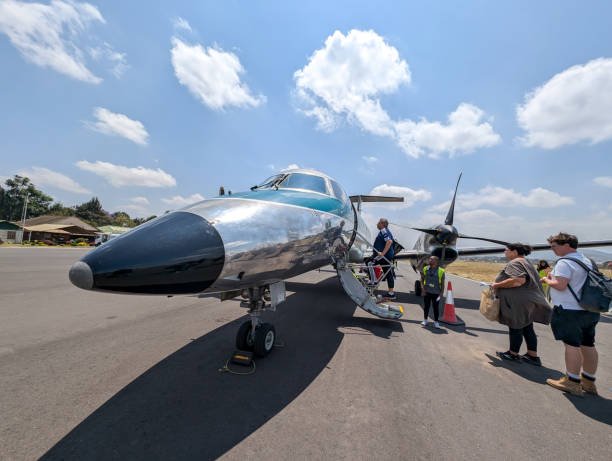
Tanzania Flight Prices September : Serengeti And Zanzibar Planning
Expert advice on navigating domestic flight logistics, seasonal pricing, and the crucial 'bush-to-beach' connection for your September 2027 Tanzania itinerary.
View package detailsCan I Fly From Zanzibar To Serengeti And Return The Same Day? Guide
A professional assessment of the feasibility of same-day air travel between Zanzibar and the Serengeti, including logistical realities and better alternatives for your Tanzanian itinerary.
View package detailsNo related package matches those filters. Clear one or more filters to see the other topic-matched options.



