
When planning a safari in Tanzania, one of the most common questions we receive at Climb 4 Africa is about the domestic flights that connect major hubs like Arusha or Zanzibar to remote parks like the Serengeti or Nyerere. Travelers often wonder: Are Tanzania safari flights safe and reliable?
The short answer is yes, they are safe and widely used by thousands of travelers annually. However, “reliable” is a term that needs context in the Tanzanian bush. Aviation here operates differently than it does in major international hubs. Understanding these differences—and why they exist—is the key to a stress-free travel experience.
The Reality of Safari Aviation Safety
Tanzanian domestic aviation is overseen by the Tanzania Civil Aviation Authority (TCAA). This regulatory body sets the standards for all commercial operators, including those flying light aircraft into national parks. These airlines, often referred to as “bush airlines,” operate under the same safety protocols as larger carriers regarding pilot training, maintenance schedules, and flight planning.
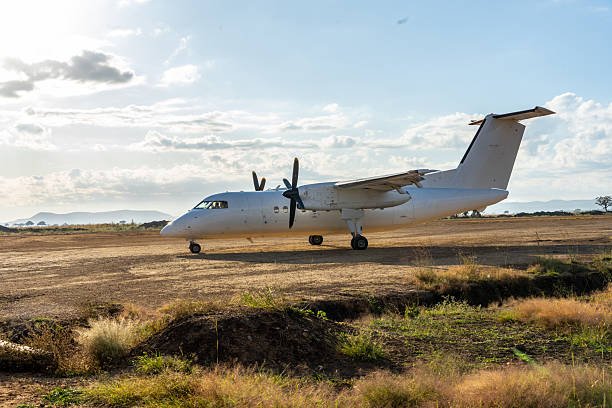
It is important to remember that these are commercial entities, not private charters flying under the radar. The planes used—typically Cessna Caravans or similar utility aircraft—are rugged, well-suited for the environment, and maintained according to strict manufacturer and TCAA guidelines. Pilots are highly experienced, specifically trained to handle landing on short, unpaved gravel or dirt airstrips. When you board a flight in Tanzania, you are flying with professionals who know the unique terrain and weather patterns of East Africa intimately.
Why Reliability Means Something Different in the Bush
If you have traveled extensively in Europe or North America, your definition of reliability might be based on clockwork precision. In the Tanzanian bush, reliability is about safety-first decision-making. Here is why flights might be delayed or adjusted, and why these choices are made for your protection:
- Weather Conditions: Bush airstrips do not have the sophisticated instrument landing systems found at international airports. If visibility is poor due to low cloud cover or heavy rain, flights will be grounded. This is not a failure of service; it is a critical safety measure.
- Airstrip Conditions: After heavy rains, some bush airstrips can become muddy or soft. If an airstrip is deemed unsafe by the pilot or the airline, they will divert to the nearest usable strip or cancel the flight.
- Wildlife on the Runway: It is not unheard of for a pilot to perform a low pass over an airstrip to clear a herd of wildebeest or zebras before landing. This adds a few minutes to the process but is a standard part of operating in a national park.
When you book your trip with a local expert, we treat these factors as part of the operational plan. We don’t just book a flight; we monitor the schedule and have backup plans ready.
Should You Fly or Drive? A Practical Comparison
Deciding whether to fly between destinations or use a 4×4 vehicle is a major logistical decision. It changes the rhythm of your safari. We often help travelers weigh these two options based on their time and budget.
The Case for Flying: Flying is the ultimate time-saver. A drive from Arusha to the central Serengeti can take 6 to 8 hours on bumpy roads. A flight takes about 45 to 60 minutes. If you have a limited number of days for your trip, flying allows you to spend more time on game drives and less time in transit. It also provides a stunning aerial view of the landscape, which is an experience in itself.
However, driving has its own advantages. It is generally more affordable, and it allows you to see the changing scenery and local villages that you would miss from the air. If you are on a longer, more relaxed itinerary, driving can be a wonderful part of the adventure. You can read more about travel delays and transport tips in Tanzania to understand how different modes of transport impact your schedule.
Logistical Tips for 2027 Travel
If you decide to fly, your booking strategy is just as important as the safety of the airline. We strongly recommend that you do not book your internal flights as a standalone task. Instead, integrate them into your full safari package. When we manage your flights, we handle the coordination between your bush flight landing time and your safari guide’s pickup schedule.
Consider these practical tips for your 2027 safari:
- Luggage Limits: This is the most common “surprise” for travelers. Light aircraft have strict weight limits, typically 15kg (33 lbs) in soft-sided bags. Hard-shell suitcases are often prohibited because they cannot be squeezed into the small cargo holds.
- Flight Connections: If you are flying into Kilimanjaro or Arusha for your safari, ensure there is a comfortable buffer between your international arrival and your bush flight. If your international flight is delayed, having your safari operator handle the rebooking makes a world of difference.
- The “Bush Terminal” Experience: Don’t expect large terminals. You will often be waiting in small, open-air structures. It is part of the charm, but it means you should be prepared with water, snacks, and sun protection.
For more specific guidance on arrival, you might find our article on choosing between Kilimanjaro and Arusha airports helpful for planning your initial logistics.
Handling Disruptions: The Operator’s Role
The true measure of a reliable safari partner is how they handle the unexpected. If a flight is cancelled due to weather, you need someone on the ground who can immediately coordinate a road transfer, rebook your accommodation, and adjust your game drive schedule. This is where our local support becomes essential. We have established relationships with the airlines and lodges, allowing us to pivot quickly if the weather turns.
By booking through an established operator like Climb 4 Africa, you are not just buying a ticket; you are buying a logistical safety net. We know which airlines have the best track record for communication and which ones are most reliable during the peak rainy seasons. If you are ready to start planning your 2027 trip, please feel free to reach out via WhatsApp at +255 747 477 898 or email us at climb4africa@gmail.com or info@climb-4-africa.com. We can help you determine if flying or driving is the right choice for your specific itinerary and preferences.
Planning Your Safari Logistics
Ultimately, Tanzania’s safari aviation network is robust and safe, provided you respect the realities of the environment. These flights are not commercial jetliners, but they are the lifeline of the safari industry, moving thousands of travelers efficiently across vast distances every year. Whether you choose to soar over the savannah or traverse the roads, the goal is the same: to get you to the heart of the action safely and comfortably.
If you are looking at specific safari options that might include or exclude flights, you can explore our group departures and shared tours to see how different itineraries handle transport. We are here to ensure your 2027 safari is well-planned, logical, and focused on the wildlife experience rather than the logistics of getting there.


Navigating the Airstrip Experience: What to Expect on the Ground
While the focus of safari aviation often rests on the aircraft and the pilots, the most significant “reliability” factor for many travelers is the actual experience at the bush airstrip. These are not international hubs; they are functional, often rustic landing strips carved into the savanna or the edge of a national park. Understanding the rhythm of these locations is essential for managing your own expectations and ensuring a smooth transition between the sky and the game drive.
Most airstrips in parks like the Serengeti or Nyerere are unpaved. When your bush flight descends, you are not landing on asphalt, but on compacted earth or gravel. This is standard practice in East Africa, and the aircraft utilized—most commonly the Cessna Caravan—are engineered specifically for this purpose. The “bumpiness” you might feel upon touchdown is not a sign of poor maintenance or pilot error; it is simply the nature of landing on a natural surface. These strips are inspected regularly by airline staff and park authorities to ensure they remain free of debris, large wildlife, or hazardous ruts, but they remain dynamic environments.
The boarding and disembarking process is equally distinct. Because these are small aircraft, you will typically be sitting very close to the pilot. There are no flight attendants, no beverage carts, and no pre-assigned seating charts in the traditional sense. Instead, the pilot will often manage weight and balance by assigning seats based on the total load of the aircraft. This is a safety necessity, not a suggestion. It is vital to comply with the pilot’s instructions regarding where you sit and where your luggage is stowed. Your soft-sided safari bag, which is required for these flights, will be loaded into a dedicated compartment, and the pilot will ensure the plane is balanced for the specific route ahead.
Another critical aspect of the bush airstrip is the lack of traditional terminal amenities. You will rarely find climate-controlled lounges, high-speed Wi-Fi, or extensive dining options. In many cases, the “waiting area” is a simple shaded bench under a thatched roof or a spot beneath an acacia tree. If your flight is delayed due to a sudden localized rain shower or a logistical adjustment, you may be spending an hour or two in these conditions. This is why we consistently advise travelers to treat their carry-on bag as a “survival kit.” Keep your camera, prescription medications, a light jacket, water, and perhaps a book or journal in your hand luggage. Do not check these items. Because the environment is open, you are effectively already on safari while waiting for your plane; it is not uncommon to see giraffes or impalas grazing near the airstrip perimeter while you wait for departure.
Furthermore, communication at these remote strips can be limited. The pilots are in constant radio contact with their operations base in Arusha or Dar es Salaam, but they do not always have real-time updates for passengers on the ground. If a flight is running behind, it is often due to a “daisy chain” of logistics—the plane has to pick up passengers at two or three other camps before reaching you. If you are the last stop on a multi-camp route, your departure time is inherently flexible. Embracing this “bush time” is the best way to maintain your composure. If you approach the airstrip with the expectation of a rigid, airline-style schedule, you will likely feel frustrated. If you approach it as an extension of your wildlife adventure, you will find it to be a unique and memorable part of your Tanzanian journey.
The Role of Luggage Restrictions in Aviation Reliability
One of the most frequent causes of operational delays and safety concerns in bush aviation is luggage management. It is a topic that travelers often overlook until they are standing at the check-in desk, but it directly impacts the safety and reliability of your flight. Light aircraft have very strict weight and balance limitations. When an aircraft is fully loaded with passengers, even a few extra kilograms per person can push the plane beyond its safe operating limits, particularly in the hot, thin air of the Tanzanian highlands.
Most operators enforce a strict limit of 15 kilograms (33 pounds) per person, and this almost always includes your camera gear. This is not a suggestion or a suggestion to be negotiated; it is a hard limit based on the physics of flight. If your group arrives with oversized, hard-shell suitcases, the pilot may refuse to load them. This leads to immediate, stressful logistical problems: your bags may have to be left behind to be flown on a later, separate cargo flight, or you may be forced to pay for an additional seat just to accommodate the weight. Both scenarios cause delays for you and for other passengers on the flight.
To ensure your trip remains reliable, invest in high-quality, soft-sided duffel bags. These are easier to squeeze into the irregular shapes of the aircraft’s cargo hold. If you are traveling with significant camera equipment, consider this part of your weight allowance from the moment you start packing. Many professional photographers traveling in Tanzania opt for a dedicated camera backpack that stays with them in the cabin, but remember that even this weight counts toward your total. By strictly adhering to these luggage guidelines, you contribute to the safety of your flight and ensure that your transfer from the airstrip to your lodge happens on schedule, without the need for emergency luggage rerouting.
Understanding the Mechanics of Bush Aviation: Navigation and Seasonal Constraints
To truly grasp why safari flights operate the way they do, it helps to understand the fundamental difference between commercial aviation and bush aviation: the reliance on Visual Flight Rules (VFR). Unlike international jetliners that cruise at 35,000 feet, relying heavily on sophisticated instrument landing systems and air traffic control corridors, bush pilots in Tanzania operate primarily by sight. They navigate using the landscape—identifying specific river bends, distinct rocky kopjes, or prominent mountain ridges to orient themselves. While this provides a impressive, low-altitude view of the Tanzanian wilderness, it also dictates strict operational parameters.
Because these pilots must maintain visual contact with the ground, they cannot fly through thick cloud cover or heavy, low-hanging rainstorms. This is the primary reason for the “weather delays” that occasionally frustrate travelers. A pilot might refuse to take off from Arusha because of low visibility in the Ngorongoro Highlands, even if the Serengeti plains, your intended destination, are bathed in sunshine. This is not a technical failure of the aircraft or a lack of pilot skill; it is a fundamental safety requirement of VFR flight. When your pilot decides to wait out a storm, they are prioritizing your safety over the convenience of a rigid schedule. Understanding that the pilot’s decision is the final word—and that it is based on real-time visual assessment—can turn a moment of frustration into one of reassurance.
Seasonal weather patterns further complicate this. During the “long rains” or “short rains,” localized thunderstorms can pop up quickly across the savanna. A pilot might deviate from the standard flight path to circumvent a cell of heavy rain, effectively adding time to the journey. While this might mean arriving thirty minutes later than anticipated, it ensures the flight remains smooth and safe. These detours are a standard, expected part of bush aviation, and they underscore why you should never book tight international connections immediately following a bush flight.
The “Milk Run” Reality: How Multi-Stop Routes Affect Your Schedule
Another crucial element of safari aviation that impacts reliability is the nature of the flight route itself. In the bush, direct flights are the exception rather than the rule. Operators typically utilize a “milk run” model, where a single Cessna Caravan or similar bush aircraft services multiple airstrips in a circuit. A flight departing from a central hub like Arusha might stop at three or four different airstrips before reaching yours, or conversely, pick up guests from several remote camps before returning to the hub.
This operational model is essential for the economic viability of these flights, allowing operators to move dozens of travelers across the vast Tanzanian landscape efficiently. However, it means that your flight’s departure time is rarely static. If a guest at an earlier stop on the route is delayed—perhaps due to a slow transfer from their lodge or a longer-than-expected game drive—that delay cascades through the entire flight schedule for the day. If you are the first stop on the route, your departure is usually prompt. If you are the third or fourth stop, your departure time is dependent on the punctuality of everyone before you.
This reality requires a shift in mindset. When you are waiting at a remote airstrip, you are not waiting in a sterile airport terminal with flight boards and PA announcements. You are in the heart of the ecosystem. Embracing this time as an extension of your safari—watching the local wildlife near the airstrip or chatting with the bush pilots, who are often a wealth of knowledge about the area—is the best way to handle these fluid schedules. By viewing the flight as a flexible, shared logistics operation rather than a rigid, scheduled service, you reduce the stress of the unexpected and gain a deeper appreciation for the complex, interconnected nature of safari travel in Tanzania.
The Circuit Distinction: Northern vs. Southern Aviation Dynamics
While the principles of bush aviation safety remain consistent across the country, the operational reality of reliability shifts significantly depending on which “circuit” you are visiting. Tanzania’s safari aviation network is not a monolithic entity; it is bifurcated by the volume of traffic and the frequency of service between the Northern Circuit and the Southern and Western Circuits. Understanding this distinction is vital for setting realistic expectations for your journey.
The Northern Circuit—comprising Arusha, Manyara, the Serengeti, and the Grumeti—is the backbone of Tanzanian tourism. Because of the high volume of travelers, flight frequency is high. There are often multiple operators servicing the same airstrips, and aircraft frequently cycle between these hubs throughout the day. If a flight is cancelled due to weather or technical issues in the Serengeti, the density of aviation traffic means that an operator can often shift passengers to a later flight or coordinate with a partner airline to ensure you reach your destination. In this region, “reliability” is bolstered by the sheer availability of alternative logistical options.
Conversely, the Southern and Western Circuits—including Nyerere National Park (formerly Selous), Ruaha, Katavi, and Mahale—operate on a much leaner schedule. Flights here are often limited to once or twice a day, and there are fewer operators serving these remote outposts. In these regions, the margin for error is significantly narrower. If your morning flight from Nyerere to Ruaha is grounded by low cloud cover or a mechanical delay, you are not simply waiting for the next plane in an hour; you might be waiting until the following morning. The “milk run” model in these areas is less about convenience and more about necessity, as flights are often timed to connect with a limited number of incoming international arrivals or specific lodge transfer windows.
When planning your logistics, this geographic difference should dictate your buffer time. If you are flying into the Southern or Western parks, treat your flight schedule with a higher degree of caution. Avoid planning any activities or onward international connections that leave no room for a 24-hour delay. While the safety standards remain identical to those in the North, the operational flexibility is fundamentally different, and acknowledging this regional disparity is a hallmark of a well-prepared traveler.
Related Guides and Packages
Check Availability for Are Tanzania Safari Flights Safe And Reliable? Guide
Ready to compare dates, prices, and the best option for your group? Send the package name and travel month so the team can reply with a clear quote, availability, and what is included.
Kenya To Tanzania Safari Flights: Prices & Booking Guide
A practical guide to connecting Kenya and Tanzania by air for your safari. Learn about border logistics, booking realities, and why most travelers choose specific routes over others.
View package details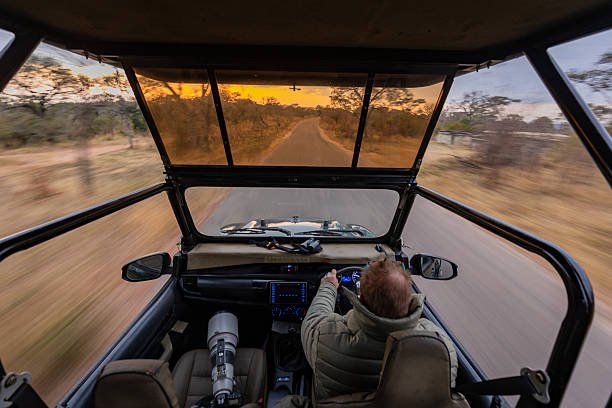
Tanzania Flight Ticket Prices: Economy Vs Safari Bush Flights Explained
A practical guide to understanding the cost and logistical differences between commercial economy flights and private-style bush flights in Tanzania.
View package details
Best Airlines For Tanzania Safari Flights: Prices & Comparison ()
A guide to navigating Tanzania's domestic airline market for safari travel, covering reliability, baggage constraints, and booking strategies for 2027.
View package details
Tanzania Honeymoon Safari And Zanzibar With Flights: Package Prices
Tanzania Honeymoon Safari and Zanzibar With Flights: Package Prices.
View package detailsPrivate Tanzania Safari With Internal Flights: Cost & Itinerary
An expert guide to planning a private fly-in safari in Tanzania, covering cost factors, time-saving logistics, and how to structure your itinerary for maximum wildlife viewing.
View package detailsTanzania Safari And Zanzibar Holiday With Domestic Flights: Costs Guide
A guide to understanding the costs, logistics, and planning strategies for combining a Tanzanian wildlife safari with a Zanzibar beach getaway using domestic flights.
View package detailsBudget Tanzania Fly-In Safari: Affordable Options & Flights Guide
Discover how to plan a budget-friendly fly-in safari in Tanzania without compromising on the experience. Learn about strategic timing, regional flight logistics, and how to balance air...
View package details4-Day Tanzania Fly-In Safari With Return Flights: Prices & Planning
A deep look at the logistics and price factors for a 4-day Tanzania fly-in safari, helping you plan your 2027 wildlife adventure.
View package details
Tanzania To Uganda Flights: Best Routes And Ticket Prices
A detailed guide to navigating air travel between Tanzania and Uganda, including route comparisons, carrier options, and expert advice for planning your multi-country safari.
View package detailsMasai Mara To Serengeti Flights: Cross-Border Safari Costs And Logistics
Discover the logistics of flying from Masai Mara to Serengeti, including bush flight options, cross-border visa requirements, and typical safari cost considerations.
View package details
Kigali To Serengeti Flights: Prices & Safari Connections
A practical guide to connecting your Rwanda gorilla trekking with a Serengeti safari, focusing on flight routes, transit logistics, and expert booking advice.
View package details
Entebbe To Tanzania Flights: Ticket Prices And Route Guide
A comprehensive guide for travelers planning flights from Entebbe to Tanzania, covering ticket price factors, route options for Kilimanjaro and safari tours, and essential booking logistics...
View package detailsNo related package matches those filters. Clear one or more filters to see the other topic-matched options.



