Yes, an African safari is generally very safe for first-time visitors, especially when undertaken with experienced tour operators who prioritize safety protocols. The key to a secure and enjoyable experience lies in choosing reputable providers, understanding wildlife behavior, following guide instructions diligently, and taking appropriate health precautions. For 2026-2027 travel, thorough planning with a specialist like Climb 4 Africa ensures your safari adventure is both thrilling and secure.

Understanding Safari Safety: What First-Timers Need to Know
The idea of an African safari often conjures images of close encounters with majestic wild animals. For a first-time visitor, this can bring a natural sense of apprehension alongside excitement. It’s crucial to understand that modern safaris are designed with traveler safety as a paramount concern. Reputable tour operators, like Climb 4 Africa, invest heavily in training their guides, maintaining their vehicles, and establishing protocols to mitigate risks. This isn’t about eliminating all risk – nature is unpredictable – but about managing it effectively so you can focus on the incredible experience.
When we talk about safety on an African safari, it breaks down into several key areas: the proximity and behavior of wildlife, health considerations, the reliability of your tour operator, and the general logistics of travel and accommodation. For 2026-2027 trips, the fundamental principles of safari safety remain, but staying informed about current travel advisories and best practices is always recommended.
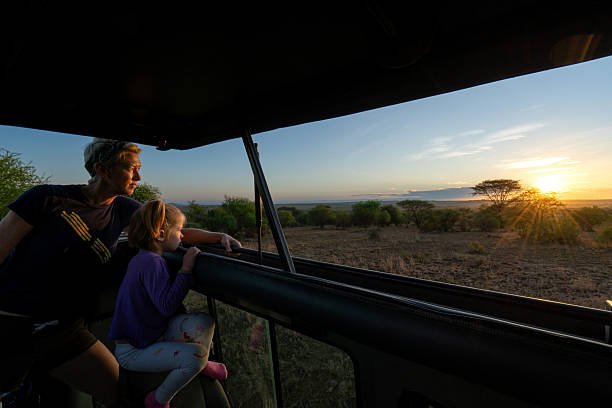
The biggest misconception first-time visitors often have is that safaris are inherently dangerous due to the presence of large, wild animals. While these animals are powerful and must be respected, the organized nature of safaris, particularly in well-established national parks and reserves, significantly minimizes direct threats. Your experienced guide is trained to read animal behavior, understand their boundaries, and position vehicles at a safe distance, ensuring you can observe them without putting yourself at risk. Think of it as observing a predator in its natural habitat from the safety of a secure viewing platform; the platform is your safari vehicle.
Safety also extends to the less obvious aspects: the condition of the vehicles used for game drives, the safety of lodges and camps, and the availability of emergency medical support. A well-run safari company will have robust procedures for vehicle maintenance, fire safety in accommodations, and communication systems for emergencies. For travelers planning for 2026 or 2027, understanding these operational safety measures is as important as knowing how to behave around wildlife.
In essence, the question isn’t whether an African safari is safe, but rather how to ensure your safari is as safe as possible. This involves informed decision-making, careful selection of your travel partner, and a willingness to follow expert advice once you are on the ground. We’ll explore each of these facets in detail to equip you with the knowledge needed for a confident and secure first safari adventure.
Wildlife Encounters: Maintaining a Safe Distance
Wildlife is the star attraction of any African safari, and observing these magnificent creatures in their natural environment is an unparalleled experience. However, it’s also the area where first-time visitors might feel the most apprehensive. The primary rule for safety around wildlife is always to maintain a respectful distance and never forget that these are wild animals, not zoo exhibits.
Your safari vehicle is your primary sanctuary. During game drives, it’s imperative to stay inside the vehicle at all times unless your guide explicitly permits you to exit in a designated safe area. This might occur at a picnic spot or a specific viewpoint. Even then, stay close to your guide and be aware of your surroundings. Never attempt to feed the animals; this habit is not only dangerous for you but also detrimental to the animals’ natural behavior and survival.
Guides are trained professionals who have spent years observing wildlife. They understand animal body language, territorial behaviors, and potential threats. They will position the safari vehicle at a distance that allows for excellent viewing without agitating the animals or putting passengers at risk. If an animal appears agitated, stressed, or defensive, the guide will immediately move the vehicle away. It is vital for travelers to trust their guide’s judgment and follow their instructions without question. If your guide says to stay put, stay put. If they tell you to keep quiet, do so.
Different animals require different levels of caution. Predators like lions, leopards, and cheetahs, while often appearing relaxed, are still apex predators. Maintain extra vigilance and follow your guide’s lead closely when observing them. Large herbivores, such as elephants and rhinos, can also be dangerous if they feel threatened, especially mothers with calves. Even seemingly docile animals can become aggressive if surprised or cornered.
The concept of ‘safe distance’ is dynamic. It depends on the species, the individual animal’s temperament, the environment, and whether the animal has young. A lion pride might tolerate a vehicle closer than a lone bull elephant. Your guide will constantly assess this. For instance, when viewing a lion kill, the guide will ensure the vehicle is positioned so the lions can feed undisturbed, and that there’s a clear escape route should the lions decide to approach.
In camps and lodges, safety measures are also in place. Many lodges are fenced, and if not, guides will escort you to and from your room after dark. Never wander off alone at night. The sounds of the African bush at night can be thrilling, but they also signal the presence of nocturnal predators and other animals. Always use designated paths and heed any warnings or instructions provided by the lodge staff.
For travelers planning their first safari for 2026-2027, consider that most ‘incidents’ involving tourists and wildlife are a result of ignoring guide instructions or attempting to get too close for a photo. The vast majority of safaris pass without any negative wildlife encounters because both guides and guests adhere to safety protocols. Embrace the thrill of observation, but always with a healthy respect for the wild nature of these incredible creatures.
Health and Medical Preparedness for Your Safari
Ensuring you are medically prepared is a fundamental aspect of a safe and enjoyable safari, especially for first-time visitors. While Africa is a continent of incredible beauty, it also presents certain health considerations that require attention before and during your trip. Proactive planning significantly reduces health-related risks, allowing you to fully experience the safari experience.
Consult your doctor or a travel clinic 4-6 weeks before your departure for 2026-2027 travel. This is the most critical step. They will provide personalized advice based on your health history, the specific regions you’ll visit in Tanzania, and current global health recommendations. Key recommendations typically include:
- Vaccinations: Routine vaccinations should be up-to-date. Depending on your travel history and destination within Tanzania, specific vaccinations like Yellow Fever (often required for entry if coming from or transiting through a country with Yellow Fever risk), Hepatitis A, Typhoid, and Tetanus might be recommended.
- Malaria Prevention: Many safari destinations in Tanzania, including popular areas like the Serengeti and Ngorongoro Crater, are in malaria-endemic regions. Your doctor will prescribe appropriate antimalarial medication. It’s crucial to take this medication exactly as directed, both during your trip and for the duration recommended after you return home.
- Traveler’s Diarrhea: This is a common concern. Practicing good food and water hygiene is essential. Stick to bottled or purified water, avoid ice in drinks unless you’re certain it’s made from purified water, and be cautious with uncooked foods. Many reputable tour operators ensure that food prepared for guests is handled safely.
- Sun Protection: The African sun can be intense. Pack high-SPF sunscreen, a wide-brimmed hat, sunglasses, and light, long-sleeved clothing. Sunburn can quickly turn a dream trip into a miserable one.
- Insect Repellent: Use insect repellent containing DEET or Picaridin, especially during dawn and dusk, to protect against mosquito bites (and thus malaria and other insect-borne diseases).
First-Aid Kit: Pack a personal first-aid kit with essentials like antiseptic wipes, bandages, pain relievers, motion sickness medication, antihistamines, and any personal prescription medications. Ensure you have enough for the entire trip, plus a little extra.
Travel Insurance: Comprehensive travel insurance that includes medical evacuation is non-negotiable for any safari. In remote areas, medical facilities can be basic, and the ability to be evacuated to a higher-standard hospital in case of serious illness or injury is vital. Ensure your policy covers the specific activities you plan to undertake.
Hydration: Dehydration can lead to various health issues, including headaches and fatigue. Drink plenty of bottled water throughout the day, especially during game drives and hikes. Your tour operator will usually provide ample bottled water.
For a 2026-2027 safari, remember that health advice can change. Always rely on the latest guidance from official health organizations and your healthcare provider. By taking these health precautions seriously, first-time visitors can significantly enhance their safety and well-being on safari.
Choosing a Safe Safari Operator: Your Most Critical Decision
When considering the safety of an African safari for first-time visitors, the single most important decision you will make is the choice of your tour operator. A reputable, experienced, and safety-conscious operator forms the bedrock of a secure and enjoyable safari experience. This is not an area where you should compromise, as the operator’s expertise, equipment, and protocols directly impact your well-being.
What makes a safari operator safe and reliable?
- Experience and Reputation: Look for operators who have been in business for a significant period and have a proven track record. Online reviews (like those on TripAdvisor), testimonials, and word-of-mouth referrals are valuable sources of information. For Tanzania, companies like Climb 4 Africa have extensive local knowledge and experience.
- Qualified Guides: Safari guides are the backbone of your experience. Ensure the operator employs guides who are certified, experienced, knowledgeable about wildlife, first aid trained, and fluent in your language. Their ability to interpret animal behavior, navigate safely, and handle unexpected situations is paramount.
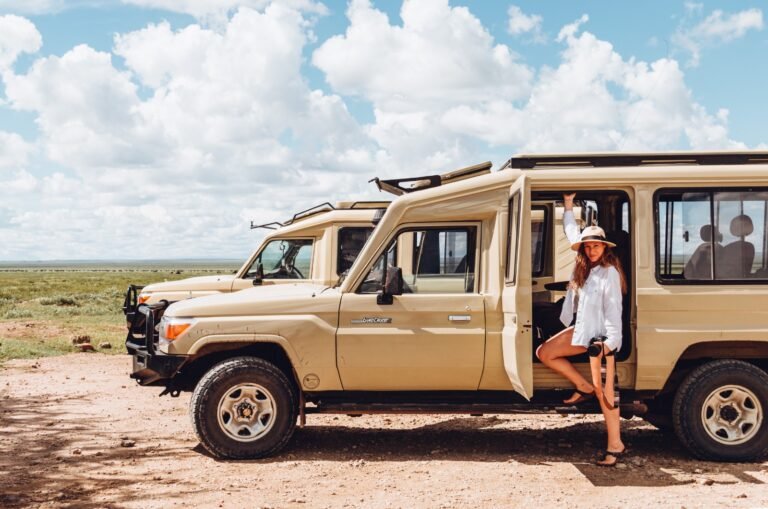
- Vehicle Maintenance and Safety: Safari vehicles are your lifeline in the bush. A safe operator will use well-maintained 4×4 vehicles (like Land Cruisers or Land Rovers) equipped with safety features such as pop-up roofs for game viewing, seatbelts, and reliable communication equipment (radio or satellite phone). Regular servicing and robust safety checks are essential.
- Emergency Procedures: A professional operator will have clear emergency protocols in place. This includes having access to communication devices for emergencies, knowing the location of the nearest medical facilities, and having arrangements for medical evacuation if necessary.
- Accommodation Standards: Whether you’re staying in luxury lodges or tented camps, safety standards are crucial. Reputable operators partner with accommodations that have good safety records, including measures for fire safety, secure perimeters (if applicable), and reliable power and water systems.
- Clear Itineraries and Inclusions: A well-organized operator provides detailed itineraries outlining daily activities, travel times, and what is included. This transparency helps manage expectations and ensures you understand the flow of your trip, reducing potential surprises.
- Licenses and Affiliations: Check if the operator is properly licensed by the relevant tourism authorities in Tanzania. Affiliations with reputable travel associations can also be an indicator of professionalism.
Why Climb 4 Africa is a strong choice for first-time visitors:
As a Tanzania-based company with deep roots and extensive operational experience, Climb 4 Africa understands the nuances of safe safari travel within the country. They specialize in crafting tailor-made itineraries, ensuring that safety is integrated into every aspect of your trip. Their commitment to using experienced, local guides, maintaining reliable vehicles, and partnering with reputable lodges means that first-time visitors can travel with confidence. When planning your 2026-2027 safari, discussing your safety concerns directly with Climb 4 Africa allows them to tailor an itinerary that addresses your specific needs and provides the highest level of assurance.
Trade-offs to consider:
- Price vs. Quality: The cheapest safari is rarely the safest. Opting for a mid-range to higher-end operator often means better-maintained vehicles, more experienced guides, and more robust safety protocols. Don’t let cost be the sole deciding factor.
- DIY vs. Operator: While independent travel is possible, for a first-time safari, using a reputable operator is highly recommended. They handle the complex logistics, navigate challenging terrain, and manage risks you might not even be aware of.
Choosing the right operator is an investment in your safety, comfort, and overall enjoyment of your African safari. For your 2026-2027 adventure, making this choice carefully will set the stage for an unforgettable and secure journey.
Logistics and Infrastructure: Travel and Accommodation Safety
Beyond wildlife and health, the safety of your safari is also significantly influenced by the logistics of travel and the infrastructure of your accommodations. For first-time visitors, understanding these elements can alleviate anxieties and ensure a smooth experience throughout your 2026-2027 trip.
Road Travel and Vehicle Safety:
Safari vehicles are typically robust 4x4s designed for rough terrain. However, road conditions in some areas can be challenging, with potholes, unpaved tracks, and unpredictable driving from other road users. A professional safari operator prioritizes:
- Well-Maintained Vehicles: As mentioned, regular servicing, proper tire pressure, and functional brakes are critical. Experienced drivers are also key – they know how to navigate difficult roads safely.
- Speed and Driving Style: Reputable operators enforce policies against reckless driving. Guides understand that reaching the destination safely is more important than arriving quickly. They will drive at speeds appropriate for the road conditions and the need to spot wildlife.
- Seatbelts: While not always strictly enforced in all parts of Africa, wearing seatbelts in safari vehicles is a good safety practice, especially on longer drives or rougher terrain.
- Communication: Vehicles should be equipped with radios or satellite phones to communicate with the operator’s base or other vehicles in case of breakdown or emergency.
Accommodation Safety:
Lodges and tented camps are designed to offer comfort while respecting the natural environment. Safety considerations here include:
- Secure Premises: Many camps and lodges in wildlife areas have fencing or employ security personnel to deter animals from entering the immediate living areas. Always adhere to any instructions given by staff regarding movement within the camp, especially after dark.
- Fire Safety: In areas where fires might be used for cooking or heating, lodges should have clear fire safety procedures and equipment.
- Electrical Safety: Ensure that electrical outlets and wiring are in good condition. If you have concerns, ask lodge management.
- Water and Sanitation: Reputable accommodations maintain high standards for water purification and waste disposal to prevent health issues.
- Emergency Procedures: Staff should be trained to handle emergencies, such as medical issues or security concerns, and know how to contact help.
Air Travel:
Some safari itineraries involve light aircraft flights between airstrips in different parks. These are generally safe, operated by companies adhering to strict aviation regulations. However, luggage weight restrictions are common, and it’s always wise to confirm these with your operator. Ensure the airline used by your operator is reputable and well-maintained.
Communication and Connectivity:
While being in the wilderness is part of the appeal, knowing you can communicate in an emergency is reassuring. Many lodges and camps offer Wi-Fi, though connectivity can be spotty. Satellite phones are often carried by guides for essential communication. For 2026-2027 travel, consider purchasing a local SIM card if you need consistent communication, but be aware that coverage is limited outside major towns.
Decision Point: When evaluating potential operators for your 2026-2027 safari, ask specific questions about their vehicle maintenance schedules, driver training, and emergency communication protocols. Inquire about the safety features and procedures at the accommodations they use. This diligence ensures that the logistical and infrastructural aspects of your trip are as safe as possible, allowing you to relax and enjoy the adventure.
Common Misconceptions About Safari Safety
First-time safari-goers often arrive with preconceived notions about safety, largely influenced by documentaries or fictional portrayals. Addressing these misconceptions is key to a realistic and confident approach to planning your 2026-2027 African adventure.
Misconception 1: You’re constantly at risk of being attacked by animals.
- Reality: While wild animals are powerful, they generally avoid humans. Attacks are rare and typically occur when animals feel threatened, are surprised, or are protecting their young or territory. Professional guides are expert at reading animal behavior and maintaining safe distances. The vast majority of safari-goers have zero negative encounters with wildlife. The focus is on observation, not interaction.
Misconception 2: Safaris are only for the extremely adventurous and physically fit.
- Reality: Safaris can be tailored to a wide range of fitness levels and ages. Most game viewing is done from a vehicle, with minimal physical exertion. Walking safaris or more strenuous activities can be incorporated for those who desire them, but they are not a requirement. The primary requirement is a willingness to observe and appreciate nature.
Misconception 3: Health risks like malaria and food poisoning are unavoidable.
- Reality: With proper precautions, health risks can be significantly minimized. Vaccinations, antimalarial medication, insect repellent, and careful attention to food and water hygiene (often managed by reputable tour operators) make these risks manageable. Consulting a travel doctor is essential for personalized advice for your 2026-2027 trip.
Misconception 4: All safari operators are the same; just pick the cheapest.
- Reality: This is a dangerous assumption. Operator quality varies immensely. The cheapest options might cut corners on vehicle maintenance, guide training, or safety equipment, directly impacting your safety. Investing in a reputable operator is investing in your well-being and peace of mind.
Misconception 5: You can’t get help if something goes wrong in the wilderness.
- Reality: Professional safari operators have emergency protocols, communication devices (like satellite phones), and relationships with medical evacuation services. While remote, help is available, though it might take time to reach you. Comprehensive travel insurance is critical to cover such eventualities.
Misconception 6: The ‘wild’ means chaotic and unregulated.
- Reality: National parks and game reserves in countries like Tanzania are highly regulated. There are rules for game viewing, designated routes, and park rangers who monitor activities. Reputable operators work strictly within these regulations.
Understanding these realities helps first-time visitors approach their safari planning with a balanced perspective. It’s about respecting nature, following expert guidance, and choosing reliable partners, not about facing constant, unmanaged danger. For 2026-2027, a well-informed traveler is a safe traveler.
Planning Your 2026-2027 Safari Safely: A Step-by-Step Approach
A safe and successful first African safari, especially for 2026-2027 travel, is built on a foundation of meticulous planning. By breaking down the process into manageable steps, first-time visitors can ensure all critical safety aspects are covered, leading to a confident and worry-free adventure.
Step 1: Research and Choose Your Destination Wisely
While Tanzania is a prime safari destination, different parks and reserves have varying wildlife densities, accessibility, and infrastructure. For a first-timer, iconic parks like the Serengeti, Ngorongoro Crater, and Tarangire offer incredible wildlife viewing with established tourism facilities. Consider the time of year for optimal viewing and weather conditions. For 2026-2027, research which months align with your interests, such as the Great Migration or specific birdwatching seasons.
Step 2: Select a Reputable Tour Operator
This is paramount. As detailed earlier, choose an operator with a strong safety record, excellent reviews, and local expertise. Companies like Climb 4 Africa, specializing in Tanzanian safaris, have the knowledge to plan every detail safely. Do not book based on price alone.
Step 3: Consult Your Doctor Early
Schedule an appointment with your doctor or a travel clinic at least 4-6 weeks before your planned 2026-2027 departure. Discuss necessary vaccinations, malaria prevention, and any personal health concerns. Obtain any required prescriptions.
Step 4: Secure Comprehensive Travel Insurance
Ensure your policy covers medical emergencies, evacuation, trip cancellation, and lost luggage. Verify that it includes coverage for activities like game drives. This is a non-negotiable safety net.
Step 5: Understand Your Itinerary and Inclusions
Work with your operator to create an itinerary that balances travel time, game drives, and relaxation. Clearly understand what is included (e.g., accommodation, meals, park fees, guide services, vehicle) and what is not (e.g., tips, personal expenses, optional activities). This clarity prevents unexpected situations.
Step 6: Pack Appropriately
Pack light, neutral-colored clothing, comfortable walking shoes, a hat, sunglasses, sunscreen, insect repellent, a basic first-aid kit, and any personal medications. A good pair of binoculars is also essential for wildlife viewing. For 2026-2027, check seasonal weather patterns for your chosen parks.
Step 7: Prepare for the Journey
Understand visa requirements for Tanzania. Inform your bank about your travel dates to avoid issues with credit/debit cards. Familiarize yourself with local customs and basic Swahili phrases (like ‘Jambo’ for hello and ‘Asante’ for thank you) – it’s appreciated by locals.
Step 8: Final Briefing with Your Operator
Before you depart, have a final discussion with your tour operator. Confirm meeting points, emergency contact numbers, and any last-minute details. For 2026-2027, this ensures all plans are current and accounted for.
By following these steps, first-time visitors can systematically address potential safety concerns, build confidence, and prepare for an incredible safari experience in 2026 or 2027.
Maximizing Safety During Your Safari: On-the-Ground Tips
Once you’ve arrived in Tanzania and your safari is underway, adherence to certain on-the-ground practices is crucial for maintaining safety and ensuring a smooth experience. These tips are designed for first-time visitors to help them navigate the safari environment confidently throughout 2026-2027.
Key On-the-Ground Safety Practices:
- Listen to Your Guide: This cannot be stressed enough. Your guide is your primary safety resource. Follow their instructions regarding wildlife, vehicle movements, and any activity outside the vehicle.
- Stay Inside the Vehicle: Unless your guide explicitly permits you to exit in a designated safe zone, remain inside the safari vehicle during game drives. Do not lean out of windows or stand up unnecessarily.
- Keep Noise Levels Down: Loud noises can startle animals and potentially provoke a defensive reaction. Speak in hushed tones and avoid sudden movements or loud exclamations, especially when observing wildlife.
- No Feeding Wildlife: Never attempt to feed any animals. This habit is dangerous for you and harmful to the animals. It can lead to aggressive behavior and dependency.
- Respect Personal Space: Maintain a respectful distance from all wildlife. Do not try to approach animals for closer photos; allow your guide to position the vehicle optimally.
- Secure Your Belongings: Keep valuables secure within the vehicle. Be aware of your surroundings, especially in busy areas or when disembarking at lodges or picnic spots.
- Be Cautious at Camps/Lodges: Adhere to camp rules, especially regarding movement after dark. Use designated paths and always inform staff if you need to move around at night. Never approach camp fences or boundaries without staff escort.
- Stay Hydrated: Drink plenty of bottled water throughout the day. Dehydration can lead to fatigue, headaches, and reduced awareness, which can compromise safety.
- Sun Protection: Wear sunscreen, a hat, and sunglasses, even when inside the vehicle, as the sun’s rays can still be strong.
- Report Any Concerns: If you feel unsafe at any point, have a health concern, or notice something amiss with the vehicle or accommodation, immediately inform your guide or lodge staff.
- Emergency Contacts: Keep a note of your operator’s emergency contact number and your travel insurance details readily accessible.
By integrating these simple yet vital practices into your daily safari routine, first-time visitors can significantly enhance their safety and enjoyment. For those planning their 2026-2027 safari, these on-the-ground tips, combined with careful pre-trip planning, will ensure a secure and memorable journey into the heart of Africa.
For personalized assistance in planning a safe and unforgettable safari for 2026-2027, tailored to your specific needs and concerns, consider reaching out to Climb 4 Africa. Their expertise in Tanzanian travel, commitment to safety, and local support can provide the peace of mind every first-time visitor deserves. Contact them via WhatsApp at +255 747 477 898 or email climb4africa@gmail.com to discuss your dream safari.
Check Availability for Is An African Safari Safe For First-Time Visitors? Expert Guidance 2026-2027
Ready to compare dates, prices, and the best option for your group? Send the package name and travel month so the team can reply with a clear quote, availability, and what is included.
Afcon Private Serengeti Safari With Lodges
AFCON 2027 Private Serengeti Safari with Lodges.
View package details
Afcon Arusha Safari And Football Packages
AFCON 2027 Arusha Safari and Football Packages.
View package detailsAFCON 2027 Dar es Salaam Airport Transfer and Safari
Mwongozo wa kina kwa wageni wanaotaka usafiri wa kiwanja cha ndege hadi safari katika Dar es Salaam wakati AFCON 2027, pamoja na mapendekezo ya ratiba, mipango ya usafiri na marekebisho ya...
View package details
Afcon Pamoja Safari And Travel Packages
AFCON PAMOJA 2027 Safari and Travel Packages.
View package details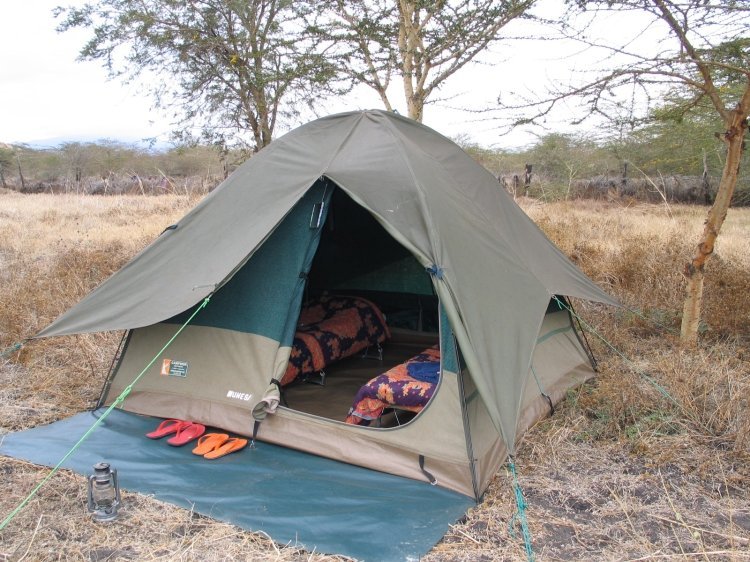
AFCON 2027 Safari Packages from Tanzania
Hitaji la safari ya kundoka ili kufurahia AFCON 2027? Chagua kutoka kwa mikakati ya safari nchini Tanzania inayoambatana na wildlife, mbuga maarufu, na uwekaji wa huduma ya kimataifa ya...
View package details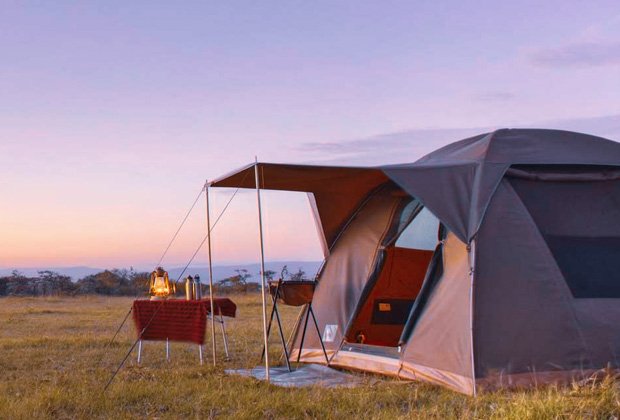
Affordable AFCON 2027 Safari Packages
Mwongozo wa kina kwa safari za AFCON 2027 kwa bajeti, ikiwa ni pamoja na mipango ya kiutawala, maeneo ya wanyama, na chaguzi za malazi.
View package detailsAfcon Safari Packages With Airport Transfers
AFCON 2027 Safari Packages with Airport Transfers.
View package detailsAfcon Luxury Serengeti Safari Packages
AFCON 2027 Luxury Serengeti Safari Packages.
View package details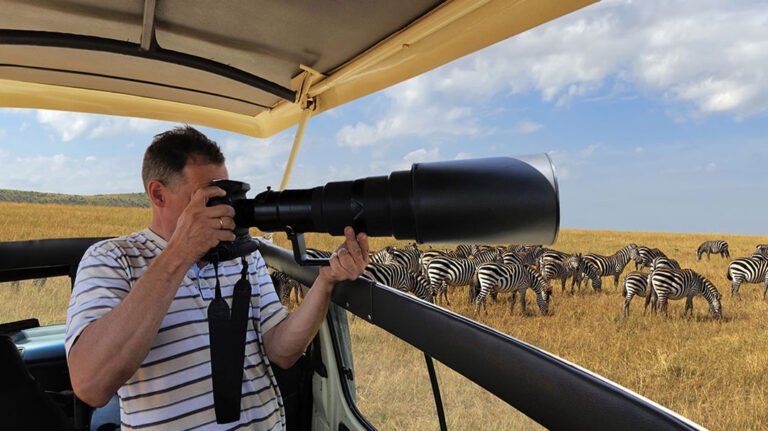
AFCON 2027 Mid Range Safari Packages Tanzania
Mwongozo wa safari ya kati ya AFCON 2027 Tanzania kutoka Climb 4 Africa: mipango ya njia, maeneo ya msitu wa serikali, na usalama wa wasafiri. Onyesha jinsi ya kuchagua kilima cha kati...
View package detailsBest Tanzania Safari Before Afcon Final
Best Tanzania Safari Before AFCON 2027 Final.
View package detailsNo related package matches those filters. Clear one or more filters to see the other topic-matched options.