On an African safari, particularly in Tanzania, you can see a vast array of animals including the iconic Big Five (lion, leopard, elephant, rhino, and buffalo), numerous antelope species like wildebeest and gazelles, giraffes, zebras, hippos, crocodiles, cheetahs, hyenas, wild dogs, diverse monkey and baboon troops, and hundreds of bird species. The specific animals you encounter will depend on the national park or game reserve visited, the time of year, and your tracking luck.

Safari Wildlife Viewing: What to Expect
- Understanding the African Safari Ecosystem
- The Big Five: Lions, Leopards, Elephants, Rhinos, and Buffalo
- Beyond the Big Five: Other Must-See Mammals
- Avian Wonders: Birds of the African Bush
- Reptiles and Amphibians: The Less-Seen Stars
- Planning Your Safari for Optimal Animal Sightings
- Where to See Specific Animals in Tanzania
- Conservation and Responsible Wildlife Viewing
- Booking Your African Safari Experience
Understanding the African Safari Ecosystem
The allure of an African safari is deeply rooted in the incredible diversity and sheer abundance of wildlife that inhabits its vast savannas, dense forests, and sprawling plains. When people envision an African safari, they often picture iconic animals, but the reality is far richer and more complex. The success of any safari hinges on understanding the delicate balance of the ecosystems that support these creatures. Tanzania, a jewel in East Africa’s crown, boasts some of the most renowned wildlife sanctuaries on the planet, each offering a unique window into the continent’s natural heritage.
These ecosystems are dynamic, shaped by seasonal rains, migratory patterns, and the constant interplay between predator and prey. For instance, the Serengeti’s Great Migration, a phenomenon involving millions of wildebeest, zebras, and gazelles, is a testament to the power of natural cycles. Witnessing this spectacle is a primary draw for many travelers planning a safari for 2026 or 2027. However, even outside of peak migration times, Tanzania’s parks teem with life.
The animals you can see on an African safari are not randomly distributed. Each species has specific habitat preferences, dietary needs, and social structures that dictate where and when they are most likely to be found. Understanding these factors is crucial for maximizing your chances of a rewarding wildlife viewing experience. A well-planned safari itinerary, designed by local experts, takes these nuances into account, aiming to place you in the right location at the right time.
Tanzania’s parks, such as the Serengeti National Park, Ngorongoro Conservation Area, Tarangire National Park, and Lake Manyara National Park, are managed to preserve these natural habitats. This careful management ensures that the wildlife populations remain healthy and accessible for observation. Whether you’re a seasoned wildlife enthusiast or a first-time visitor, the sheer variety of animals waiting to be discovered is astounding. The key is to know what to look for, where to look, and how to approach your safari with patience and respect for the natural world.
The Big Five: Lions, Leopards, Elephants, Rhinos, and Buffalo
No discussion about African safari animals is complete without mentioning the legendary Big Five. This term, originally coined by big-game hunters, refers to the five most difficult and dangerous animals to hunt on foot. Today, it’s a badge of honor for safari-goers to spot all five. Seeing them in their natural habitat is a truly thrilling experience, and Tanzania offers excellent opportunities for these encounters.
Lions
Lions (Panthera leo) are the undisputed kings of the savanna. They are social animals, living in prides that typically consist of related females, their offspring, and a few adult males. Lions are most active during the cooler hours of dawn and dusk, often resting in the shade during the heat of the day. Their deep roars can be heard for miles, a powerful reminder of their presence. You’ll often find them lounging on kopjes (rocky outcrops) in the Serengeti or patrolling the open plains. A lion sighting is almost guaranteed on most Tanzanian safaris, but spotting a leopard requires more patience.
Leopards
The elusive leopard (Panthera pardus) is perhaps the most challenging of the Big Five to spot. These solitary and nocturnal predators are masters of camouflage, their spotted coats blending seamlessly with the dappled light of the bush. Leopards are powerful climbers and often drag their kills up into trees to keep them safe from scavengers like lions and hyenas. Their preferred habitats include areas with dense cover, such as riverine forests or acacia woodlands. Parks like the Serengeti and especially the Ngorongoro Crater offer good chances, but it’s their stealth and arboreal habits that make them a prize sighting.
Elephants
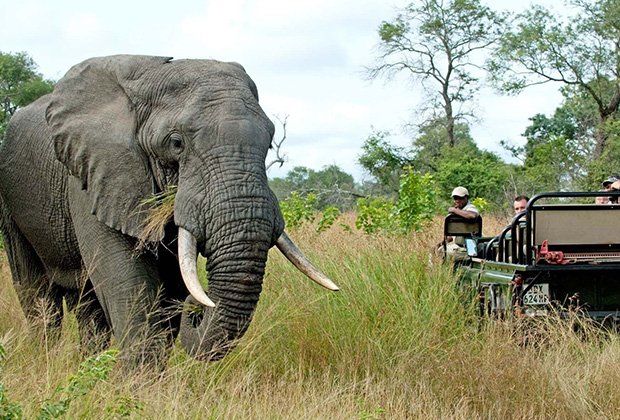
African elephants (Loxodonta africana) are the largest land mammals and a common sight on Tanzanian safaris. These intelligent, social creatures are often seen in family herds led by a matriarch. They are herbivores, spending much of their day feeding on grasses, leaves, bark, and fruit. You can find them congregating around waterholes, especially during the dry season, or browsing in the woodlands. Tarangire National Park is particularly famous for its large elephant population, with herds numbering in the hundreds during the dry season months of July to October. Their sheer size and gentle demeanor make them a favorite for many travelers.
Rhinoceros
The critically endangered black rhinoceros (Diceros bicornis) is the most difficult Big Five member to find. Their populations have been severely impacted by poaching, but conservation efforts are ongoing. In Tanzania, the Ngorongoro Crater is one of the best places to see them, as it offers a protected environment and a relatively stable population. They are solitary animals and prefer dense bushland or forests where they can graze on leaves and branches. Spotting a rhino is a rare and special privilege, a testament to successful conservation work.
Cape Buffalo
The formidable Cape buffalo (Syncerus caffer) is a large, powerful bovine found in herds across many of Tanzania’s parks. Unlike their solitary rhino cousins, buffalo are highly social and can be seen in large numbers, often near water sources where they graze. They are known for their unpredictable nature and are considered dangerous, especially when injured or cornered. Their distinctive curved horns are a hallmark of their presence on the plains. You’ll see them in almost every park, often grazing peacefully in large, dark masses across the landscape.
Beyond the Big Five: Other Must-See Mammals
While the Big Five often steal the spotlight, the African savanna is home to an astonishing variety of other mammals that are equally interesting and crucial to the ecosystem. Expanding your wildlife checklist beyond the Big Five will significantly enrich your safari experience. Planning a 2026 or 2027 safari means preparing to be amazed by the sheer diversity of life.
Antelope Species
Antelopes are incredibly diverse and abundant. The most famous is the wildebeest (Connochaetes taurinus), particularly during the Great Migration in the Serengeti, where millions cross the plains. Other common antelopes include the elegant Thomson’s gazelle (Eudorcas thomsonii), known for its speed and distinctive black stripe, and the larger Grant’s gazelle (Nanger granti). You’ll also encounter the stately oryx (Oryx gazella) with its long, straight horns, the beautiful impala (Aepyceros melampus) with its graceful leaps, and the imposing kudu (Tragelaphus strepsiceros) with its spiraled horns. In the Ngorongoro Crater, you might see the endemic Ngorongoro crater gazelle. Each species has unique adaptations and behaviors, making them a fascinating study for any wildlife enthusiast.
Primates
Tanzania offers opportunities to see various primates. In Gombe Stream and Mahale Mountains National Parks (though less common on standard northern circuit safaris), you can observe chimpanzees. On a typical northern circuit safari, you are likely to see baboons (Papio anubis and Papio cynocephalus), often in large troops on the ground, and various species of monkeys such as the black and white colobus (Colobus guereza) in montane forests, blue monkeys (Cercopithecus mitis), and vervet monkeys (Chlorocebus pygerythrus) in woodland and savanna areas. Their social interactions and playful antics provide constant entertainment.
Predators Other Than Lions and Leopards
Beyond the big cats, Tanzania hosts other formidable predators. The cheetah (Acinonyx jubatus), the fastest land animal, is often seen in open grasslands like the Serengeti, hunting gazelles. Their slender build and distinctive tear marks are unmistakable. Spotted hyenas (Crocuta crocuta) are incredibly successful hunters and scavengers, often found in clans. They are frequently seen at dusk and dawn, their distinctive whooping calls echoing across the plains. African wild dogs (Lycaon pictus), also known as painted wolves, are rare and endangered but a truly special sight. These highly social pack hunters are incredibly efficient and are often found in the Serengeti and Selous Game Reserve (now Nyerere National Park). Other canids like the golden jackal (Canis aureus) and the bat-eared fox (Otocyon megalotis) can also be spotted.
Herbivores and Unusual Creatures
The plains are dominated by herbivores. Zebras (Equus quagga) are ubiquitous, their striking black and white stripes a common sight, often grazing alongside wildebeest. Giraffes (Giraffa camelopardalis) are unmistakable, with their long necks allowing them to browse on acacia trees; the Masai giraffe subspecies is common in Tanzania. Large herds of hippopotamuses (Hippopotamus amphibius) are typically found in rivers and lakes, often submerged with only their eyes, ears, and nostrils visible; they emerge at night to graze on land. Warthogs (Phacochoerus africanus), with their distinctive tusks and bristly manes, are commonly seen foraging for roots, often with their tails held upright.
Other notable mammals include the African wild dog, the bat-eared fox, and various mongoose species. Don’t forget the smaller, often overlooked creatures like the aardvark, porcupine, and various rodents, which contribute to the rich biodiversity.
Aquatic Life
While not always the focus, many safaris include visits to lakes and rivers where you can observe aquatic wildlife. Crocodiles (Crocodylus niloticus) bask on riverbanks or lie in wait in the water, especially in rivers like the Grumeti in the Serengeti. Hippos, as mentioned, are a major presence in rivers and lakes. Lake Manyara is renowned for its large flocks of flamingos, and other water birds.
Avian Wonders: Birds of the African Bush
Africa is a birdwatcher’s paradise, and Tanzania is no exception. With over 1,000 bird species recorded, even a casual observer will be captivated by the sheer variety of colors, sizes, and behaviors. While dedicated birding safaris focus on finding specific species, any safari-goer will encounter a stunning array of avian life.
Raptors
The skies are patrolled by magnificent birds of prey. Look out for various eagles, including the iconic Martial Eagle (Polemaetus bellicosus), one of the largest eagles in the world, and the impressive Bateleur Eagle (Terathopius ecaudatus) with its distinctive short tail and colorful wings. Vultures, such as the Lappet-faced Vulture (Torgos tracheliotos), play a vital role as scavengers. Other raptors include ospreys (Pandion haliaetus), falcons, and buzzards.
Waterfowl and Waders
Areas around lakes and rivers, like Lake Manyara and the Ngorongoro Crater floor, are havens for water birds. The most famous are the vast flocks of flamingos (both Greater and Lesser), which can turn the shores of soda lakes pink. You’ll also see pelicans, storks (like the Marabou Stork, Leptoptilos crumenifer, with its impressive wingspan), herons, egrets, and numerous waders.
Game Birds and Ground Dwellers
On the ground, you might spot guineafowl (Numididae), often seen in large, noisy flocks, and various francolins and quails. The majestic Ostrich (Struthio camelus), the world’s largest bird, is a common sight on the open plains, often seen in groups.
Colorful and Unique Species
Don’t miss the smaller, more colorful birds. The Lilac-breasted Roller (Coracias caudatus) is a stunningly beautiful bird, often perched on branches. Hornbills, with their distinctive bills, are common, including the large Ground Hornbill (Bucorvus leadbeateri) and various arboreal species. You’ll also see vibrant sunbirds, bee-eaters, kingfishers, and the striking Superb Starling (Lamprotornis superbus).
Reptiles and Amphibians: The Less-Seen Stars
While mammals and birds often dominate the safari narrative, reptiles and amphibians are vital components of the ecosystem and can provide fascinating sightings. These creatures are often more cryptic, requiring keen eyes and a bit of luck to spot.
Crocodiles and Snakes
The Nile crocodile (Crocodylus niloticus) is a common sight along rivers and lakes, often seen basking on the banks or lurking in the water. They are particularly prominent in the Grumeti River within the Serengeti. While snake sightings are less common and often incidental (and best left to guides to identify safely), Tanzania is home to various species, including pythons, cobras, and mambas. Most safari vehicles and guides are trained to avoid disturbing snakes.
Lizards and Tortoises
Various lizard species can be seen, from small skinks darting across paths to larger agama lizards, often seen sunning themselves on rocks or trees. The rock python (Python sebae) is the largest snake in Africa, and while rarely seen, it is present. Tortoises, like the Leopard Tortoise (Stigmochelys pardalis), can also be encountered, though they are more common in drier, more open habitats.
Amphibians
Amphibians, such as frogs and toads, are more elusive and typically found near water sources, especially during or after rainy periods. They are rarely a primary focus for general safaris but are an integral part of the ecosystem.
Planning Your Safari for Optimal Animal Sightings
Knowing what animals you can see is only half the battle; planning your safari strategically is key to maximizing your chances of encountering them. Several factors influence wildlife viewing success, including the time of year, the specific parks you visit, and the type of safari you choose. For travelers planning for 2026 or 2027, understanding these elements is crucial for an unforgettable trip.
Timing is Everything: Seasonal Patterns
Tanzania experiences distinct wet and dry seasons, and these profoundly impact animal behavior and distribution:
- Dry Season (June to October): This is generally considered the peak safari season. As water sources become scarce, animals congregate around permanent rivers and waterholes, making them easier to spot. The vegetation thins out, improving visibility. This is also the time of the Great Migration’s river crossings in the western and northern Serengeti (around July-September). However, it’s also the busiest and most expensive time to travel.
- Short Rains (November to December): A brief period of rain, often in the afternoons. Landscapes become greener, and some migratory birds begin to arrive. Animal sightings are still good, and crowds are thinner.
- Long Rains (March to May): This is the low season. While game viewing can be more challenging due to thicker vegetation and scattered animals, it offers a unique perspective with lush landscapes and abundant newborn animals. It’s also the most budget-friendly time to travel, with fewer tourists. The wildebeest calving season in the southern Serengeti (February-March) is a major draw during this period.
Choosing the Right Parks
Tanzania offers a diverse range of parks, each with its unique strengths:
- Serengeti National Park: World-famous for the Great Migration, vast open plains, and abundant predators. Excellent year-round for lions, leopards, cheetahs, elephants, and diverse plains game.
- Ngorongoro Conservation Area: Home to the Ngorongoro Crater, a UNESCO World Heritage Site. Its unique caldera hosts a high density of wildlife, including the Big Five (especially rhinos), hippos, and numerous bird species. It’s a compact area, offering excellent viewing opportunities.
- Tarangire National Park: Known for its massive elephant herds, especially during the dry season, and its iconic baobab trees. Also good for lions, leopards, and diverse birdlife.
- Lake Manyara National Park: Famous for its tree-climbing lions (though not guaranteed), large troops of baboons, and significant flamingo populations on the lake. Offers a mix of woodland, savanna, and wetland habitats.
- Other Parks: While the northern circuit is most popular, parks like Ruaha National Park and Nyerere National Park (formerly Selous Game Reserve) in the south offer wilder, less crowded experiences with large elephant and buffalo herds, wild dogs, and a different landscape.
Safari Types and Their Impact
The type of safari you choose can also influence your animal encounters:
- Game Drives: The most common type. Using 4×4 vehicles, you traverse the parks following tracks. Game drives are excellent for covering large areas and spotting a wide variety of animals. Early morning and late afternoon drives are usually the most productive as animals are more active.
- Walking Safaris: Offer a more intimate connection with nature. Accompanied by armed rangers and guides, you can track animals on foot, learn about smaller details, and experience the bush up close. Best suited for certain areas and usually offered in specific concessions or parks (e.g., near Serengeti or in the south).
- Hot Air Balloon Safaris: Typically offered in the Serengeti. Floating silently above the plains at sunrise provides a unique aerial perspective of the landscape and wildlife, especially herds during the migration.
The Role of Guides
Your safari guide is your most important asset for animal sightings. Experienced guides have an intimate knowledge of the parks, animal behavior, tracking skills, and know where to find specific species. They can interpret animal tracks, calls, and behaviors, significantly enhancing your understanding and chances of seeing rare animals. A good guide can turn an average game drive into an extraordinary one.
Where to See Specific Animals in Tanzania
To help you visualize your potential wildlife encounters, here’s a breakdown of where you are most likely to find certain animals within Tanzania’s renowned safari destinations. This is particularly useful for planning your 2026 or 2027 itinerary.
Serengeti National Park
The Great Migration: Millions of wildebeest and zebras move through the Serengeti year-round, following the rains. The migration’s location dictates the best viewing spots:
- December – March: Southern Serengeti (Ndutu area) for calving season.
- April – May: Western Corridor and central Serengeti as the herds move north.
- June – July: Western Serengeti (Grumeti River) and northern Serengeti for river crossings.
- August – October: Northern Serengeti, with further river crossings possible.
Predators: Excellent for lions, leopards (especially in riverine areas and rocky kopjes), and cheetahs on the open plains. Hyenas are abundant.
Other Mammals: Vast numbers of elephants, giraffes, buffalo, various gazelles, impala, warthogs, and hippos in rivers.
Birds: Over 500 species, including numerous raptors, ostriches, kori bustards, and many smaller species.
Ngorongoro Conservation Area (Ngorongoro Crater)
Big Five Hotspot: The Crater floor is a compact ecosystem with a high concentration of wildlife. It’s one of the best places to see the black rhino. Lions are plentiful, often seen near the permanent water sources. Leopards are present but elusive. Large herds of buffalo and elephants are common.
Other Mammals: Abundant hippos in the Ngoitokitok Springs and Gorigor Swamp, numerous wildebeest, zebras, gazelles (Thomson’s and Grant’s), and warthogs.
Birds: Over 400 species, including flamingos, pelicans, ostriches, secretary birds, and various waterfowl.
Note: Access to the crater is restricted to a limited number of vehicles per day, and time spent on the floor is typically limited to 6 hours. This ensures a more controlled viewing experience.
Tarangire National Park
Elephant Capital: Renowned for its massive elephant herds, particularly during the dry season (July-October) when they congregate around the Tarangire River. You can see hundreds of elephants in a single sighting.
Predators: Good populations of lions, leopards, and cheetahs. Known for its large tree-climbing lions, though sightings are less common than in the Serengeti.
Other Mammals: Diverse antelope species, including gerenuk, fringe-eared oryx, greater kudu, and dik-dik. Buffalo, giraffes, and zebras are also common.
Birds: Over 550 bird species, making it a birdwatcher’s haven. Look for Yellow-collared Lovebirds and Ashen Colorings.
Lake Manyara National Park
Tree-Climbing Lions: While not guaranteed, the park is famous for its lions that occasionally climb acacia trees. They are more likely to be seen during the wet season.
Birdlife: A major highlight, especially the vast flocks of flamingos on Lake Manyara. Also home to pelicans, storks, and numerous other water birds and forest species.
Other Mammals: Large troops of baboons are a prominent feature. Elephants, giraffes, zebras, impala, hippos in the hot springs, and various antelope species can be seen.
Habitat Diversity: The park’s compact size encompasses groundwater forest, savanna, and the lake shore, leading to a variety of species.
Conservation and Responsible Wildlife Viewing
The magic of seeing these animals on an African safari comes with a responsibility. Conservation efforts are paramount to ensuring these populations thrive for future generations, and responsible tourism plays a critical role. When planning your 2026 or 2027 safari, consider how you can contribute positively.
Supporting Conservation
Many safari operators, including Climb 4 Africa, partner with local conservation initiatives. Choosing operators who are committed to sustainable practices, employ local guides, and contribute to anti-poaching efforts makes a difference. Park fees also directly fund conservation and management within the protected areas.
Ethical Wildlife Viewing Guidelines
Your guide will enforce these, but understanding them helps:
- Maintain Distance: Never approach animals too closely. Vehicles should keep a respectful distance, especially from predators and large herbivores. Never surround an animal.
- No Feeding: Do not feed any wildlife. This can alter their natural behavior, make them dependent, and pose health risks.
- Quiet Observation: Keep noise levels down. Loud noises can stress animals and disrupt their natural activities.
- No Littering: Pack out everything you pack in. Litter can harm wildlife and damage the pristine environment.
- Respect Habitats: Stay on designated tracks and roads. Do not drive off-road unnecessarily, as this can damage vegetation and disturb wildlife.
- No Souvenirs from Wildlife: Never attempt to take anything from the park, especially parts of animals (feathers, bones, etc.).
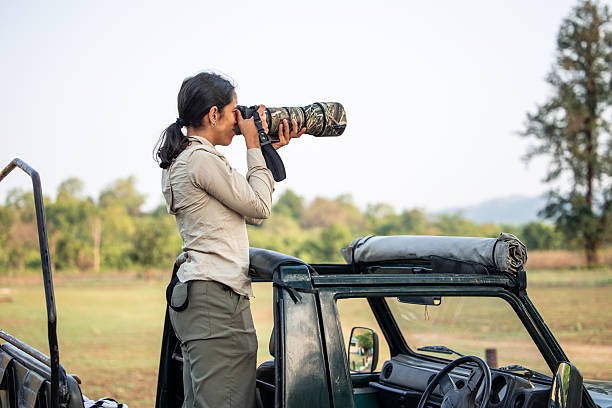
- Photography: Use cameras with zoom lenses. Avoid using flash photography, especially at night, as it can startle animals.
The Impact of Tourism
Responsible tourism ensures that the economic benefits of wildlife tourism are channeled back into conservation and local communities. By choosing ethical operators and respecting park rules, you contribute to a sustainable model where wildlife is valued and protected. This is crucial for the long-term survival of the animals you come to see.
Booking Your African Safari Experience
Embarking on an African safari to witness its incredible animals is a dream for many. Planning this adventure, especially for dates in 2026 or 2027, requires careful consideration. Understanding what animals you can see is the first step, but putting together a smooth itinerary is where expert local knowledge truly shines.
At Climb 4 Africa, we specialize in crafting tailor-made safari experiences that focus on maximizing your wildlife viewing opportunities while ensuring comfort, safety, and a deep appreciation for the natural world. We understand the nuances of each park, the best times to visit for specific sightings, and how to create itineraries that align with your interests, whether it’s the Great Migration, the Big Five, or birdwatching.
When you’re ready to plan your unforgettable safari, consider these points:
- Your Interests: Are you primarily focused on seeing the Big Five, witnessing the Great Migration, birdwatching, or a mix of everything?
- Time of Year: Your desired travel dates in 2026 or 2027 will influence which parks are best suited for your interests.
- Duration: How long do you envision your safari lasting? Longer safaris allow for exploration of more diverse ecosystems.
- Travel Style: Are you looking for a budget-friendly adventure, mid-range comfort, or a luxury lodge experience?
- Group Size: Are you traveling solo, as a couple, with family, or in a private group?
Contacting us directly allows us to tailor a proposal specifically for you. We can discuss the most up-to-date information on animal movements, park conditions, and accommodation availability for 2026 and 2027. Our team is dedicated to providing practical, local support from the moment you inquire until you return home with incredible memories.
To start planning your dream African safari and discuss what animals you can see, reach out to us:
- WhatsApp: +255 747 477 898
- Email: climb4africa@gmail.com
Let us help you create a safari itinerary that brings you face-to-face with the magnificent wildlife of Tanzania. Whether it’s the thrill of spotting a leopard in a tree, the awe of watching a herd of elephants, or the wonder of the Great Migration, your adventure awaits.
Check Availability for What Animals Can You See On An African Safari? Your Ultimate Wildlife Guide
Ready to compare dates, prices, and the best option for your group? Send the package name and travel month so the team can reply with a clear quote, availability, and what is included.
I Am On A Budget—What Is The Cheapest Serengeti Group Safari?
I Am on a Budget—What Is the Cheapest Serengeti Group Safari?
View package details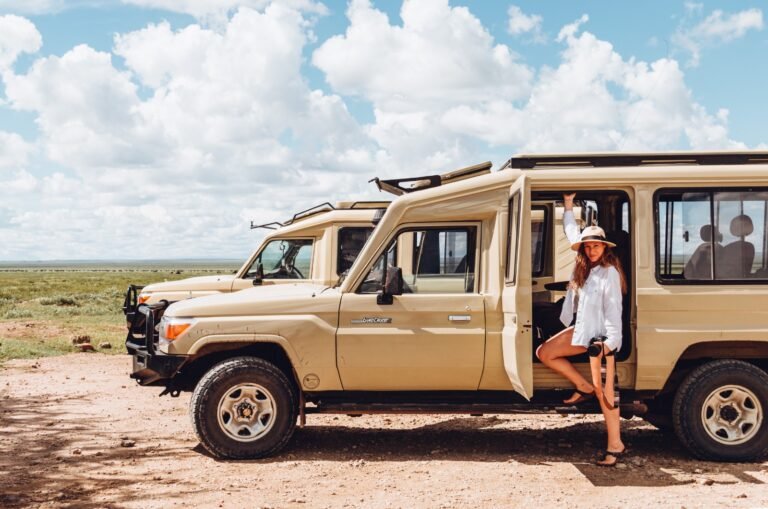
Afcon Private Serengeti Safari With Lodges
AFCON 2027 Private Serengeti Safari with Lodges.
View package details
Afcon Arusha Safari And Football Packages
AFCON 2027 Arusha Safari and Football Packages.
View package detailsAFCON 2027 Dar es Salaam Airport Transfer and Safari
Mwongozo wa kina kwa wageni wanaotaka usafiri wa kiwanja cha ndege hadi safari katika Dar es Salaam wakati AFCON 2027, pamoja na mapendekezo ya ratiba, mipango ya usafiri na marekebisho ya...
View package details
Afcon Pamoja Safari And Travel Packages
AFCON PAMOJA 2027 Safari and Travel Packages.
View package details
AFCON 2027 Safari Packages from Tanzania
Hitaji la safari ya kundoka ili kufurahia AFCON 2027? Chagua kutoka kwa mikakati ya safari nchini Tanzania inayoambatana na wildlife, mbuga maarufu, na uwekaji wa huduma ya kimataifa ya...
View package details
Affordable AFCON 2027 Safari Packages
Mwongozo wa kina kwa safari za AFCON 2027 kwa bajeti, ikiwa ni pamoja na mipango ya kiutawala, maeneo ya wanyama, na chaguzi za malazi.
View package detailsAfcon Safari Packages With Airport Transfers
AFCON 2027 Safari Packages with Airport Transfers.
View package detailsAfcon Luxury Serengeti Safari Packages
AFCON 2027 Luxury Serengeti Safari Packages.
View package details
AFCON 2027 Mid Range Safari Packages Tanzania
Mwongozo wa safari ya kati ya AFCON 2027 Tanzania kutoka Climb 4 Africa: mipango ya njia, maeneo ya msitu wa serikali, na usalama wa wasafiri. Onyesha jinsi ya kuchagua kilima cha kati...
View package detailsNo related package matches those filters. Clear one or more filters to see the other topic-matched options.