The best place to see the Big Five in Tanzania is undoubtedly the Serengeti National Park, particularly during the Great Migration season when large herds attract predators. However, for a more consistent, year-round viewing experience of lion, leopard, elephant, buffalo, and rhino, the Ngorongoro Conservation Area offers exceptional density and accessibility. Many travelers combine these two iconic destinations for a comprehensive Big Five safari in 2026 or 2027.
Safari Planning: Your Journey to the Big Five
- Serengeti National Park: The King of Wildlife Viewing
- Ngorongoro Conservation Area: A Natural Amphitheatre for Wildlife
- Tarangire National Park: The Land of Giants
- Lake Manyara National Park: Tree-Climbing Lions and Pink Flamingos
- Nyerere National Park (formerly Selous): Vast Wilderness and Riverine Beauty
- Planning Your Big Five Safari for 2026-2027
- Choosing Your Safari Style: Lodge vs. Camping
- Optimal Timing for Big Five Sightings
- What to Pack for Your Tanzania Safari
- Booking Your Tanzania Big Five Safari
Serengeti National Park: The King of Wildlife Viewing
The Serengeti is a name synonymous with African safaris, and for good reason. Its vast, sweeping plains are home to an astonishing concentration of wildlife, making it a premier destination for spotting the Big Five. The sheer scale of the park means you can spend days here and still feel like you’ve only scratched the surface. For those specifically asking where is the best place to see the Big Five, the Serengeti often tops the list due to its dynamic ecosystem.
The Great Migration: A Spectacle of Life
Perhaps the most famous wildlife event on Earth, the Great Migration sees over 1.5 million wildebeest, zebras, and gazelles traversing the Serengeti in search of greener pastures. This colossal movement dictates wildlife viewing patterns and is a major draw for visitors. The migration isn’t a static event; it moves in a circular pattern throughout the year, and understanding its location is key to maximizing your chances of seeing not just the Big Five, but also the incredible predator-prey interactions that occur.
* January – March: The calving season in the southern Serengeti. Expect to see newborns and mothers, with lions, hyenas, and cheetahs feasting on the vulnerable. This is a prime time for predator sightings.
* April – May: The herds begin their northward journey, moving towards the central and western Serengeti. This is the “green season,” with fewer tourists but potentially more challenging road conditions.
* June – October: The herds reach the Grumeti and Mara Rivers in the western and northern Serengeti, respectively. Witnessing the dramatic river crossings, where wildebeest and zebras brave crocodile-infested waters, is a highlight for many. This period often offers the best overall Big Five sightings due to concentrated prey.
* November – December: The herds move south again, often following the rains, entering the eastern and southern Serengeti. This can be a quieter time, but still offers excellent game viewing.
Big Five Hotspots within the Serengeti
While the entire park is teeming with life, certain areas are renowned for consistent Big Five sightings:
* Central Serengeti (Seronera Valley): This area is a year-round destination, famous for its high predator-prey ratio. Resident prides of lions are abundant, and leopards are frequently spotted in the acacia trees and rocky outcrops. Elephants are common, and buffalo herds are often seen near water sources. While rhinos are present, they are elusive and sightings are rarer here compared to the Ngorongoro Crater.
* Western Corridor: Especially during the migration months of June and July, this area becomes a predator’s paradise as the herds cross the Grumeti River. This is a fantastic place to witness lions and crocodiles in action.
* Northern Serengeti (Kogatende/Lamai): From July to October, this region is the stage for the dramatic Mara River crossings. The concentration of animals, especially wildebeest, is immense, attracting lions, leopards, cheetahs, and large herds of elephants and buffalo.
### Trade-offs in the Serengeti
* Pros: Unparalleled wildlife density, the Great Migration spectacle, diverse landscapes, excellent predator sightings, a wide range of accommodation options.
* Cons: Can be crowded, especially during peak migration months. Remote areas require longer travel times. Rhino sightings are less guaranteed than in the Ngorongoro Crater.
For the ultimate Serengeti experience, consider a safari that includes different regions to follow the migration or to maximize your chances of encountering all the Big Five. Planning for 2026 or 2027 means booking well in advance, especially for prime migration periods.
Ngorongoro Conservation Area: A Natural Amphitheatre for Wildlife
Often referred to as the ‘eighth wonder of the world,’ the Ngorongoro Crater is a UNESCO World Heritage Site and a truly unique ecosystem. This ancient volcanic caldera boasts an incredible density of wildlife within its 260 square kilometer floor, making it one of the most reliable places on earth to see the Big Five in a single day.
The Crater Floor: A Concentrated Wildlife Haven
The Ngorongoro Crater is a self-contained environment, and its caldera walls create a natural barrier, concentrating an astonishing array of animals. Unlike the vast plains of the Serengeti, the crater is more compact, meaning game drives can be highly productive in a shorter period.
* Rhino Sanctuary: The Ngorongoro Crater is one of the few places in Tanzania where you have a very good chance of spotting the critically endangered black rhino. The conservation efforts here have been successful in maintaining a healthy population within the crater.
* Predator Paradise: Lions are abundant and often seen lounging on the crater floor or hunting. Hyenas are also a common sight, as are cheetahs and leopards, though the latter are more elusive and often found in the denser woodland areas on the crater rim.
* Herds Galore: Vast herds of wildebeest and zebras graze here, especially during the drier months when they move in from surrounding areas. Buffalo are also present in large numbers, as are elephants (though generally smaller in size than their Serengeti counterparts).
Unique Aspects of Ngorongoro
* Accessibility: The drive down into the crater is relatively short from the rim lodges or camps, making it ideal for visitors with limited time or mobility concerns.
* Scenery: The views from the crater rim are spectacular, and descending into the caldera reveals a impressive landscape dotted with acacia trees, a soda lake, and teeming with wildlife.
* Conservation Efforts: The Ngorongoro Conservation Area Authority (NCAA) works to protect this delicate ecosystem, which includes managing human-wildlife conflict and promoting sustainable tourism.
### Trade-offs in the Ngorongoro Conservation Area
* Pros: Extremely high wildlife density, excellent chances of seeing all Big Five (including rhino), spectacular scenery, relatively short game drives required, good for shorter safaris.
* Cons: Can get crowded with safari vehicles, especially during peak season. Strict time limits are imposed on game drives within the crater. Off-road driving is prohibited. Wildlife movement is more confined compared to the Serengeti.
Many visitors choose to spend a day or two in the Ngorongoro Crater as part of a larger Tanzania safari, often combining it with the Serengeti. Its reliability for Big Five sightings makes it a must-visit for many first-time safari-goers planning for 2026 or 2027.
Tarangire National Park: The Land of Giants
Tarangire National Park is a gem that often gets overlooked in favour of the Serengeti and Ngorongoro, but it offers an exceptional wildlife experience, particularly for elephant and bird enthusiasts. Its unique landscape, dominated by ancient baobab trees and the Tarangire River, creates a stunning backdrop for game viewing.
Elephant Encounters and Baobab Wonders
Tarangire is famous for its large elephant herds, especially during the dry season (roughly June to October) when they congregate around the Tarangire River, the park’s only permanent water source. You can witness massive herds, often numbering in the hundreds, interacting and bathing. It’s common to see multiple generations of elephants together.
* Predator Sightings: While not as renowned for predators as the Serengeti or Ngorongoro, Tarangire has a healthy population of lions, leopards, and cheetahs. The park’s large elephant herds can sometimes deter predators, but opportunities to see them are still plentiful, especially during dawn and dusk.
* Buffalo and Other Mammals: Large herds of buffalo also frequent the park, and other common sightings include giraffes, zebras, wildebeest, various antelope species, and a surprising number of hippos in the river.
* Birdlife: Tarangire is a birdwatcher’s paradise, boasting over 550 recorded bird species. The variety of raptors, water birds, and endemic species is impressive.
### Unique Features of Tarangire
* Baobab Trees: The park is characterized by its giant baobab trees, some of which are thousands of years old. These majestic trees add a dramatic and ancient feel to the landscape.
* Riverine Ecosystem: The Tarangire River is the lifeblood of the park, attracting wildlife during the dry season. Game drives often focus along its banks.
### Trade-offs in Tarangire National Park
* Pros: Exceptional elephant sightings, unique baobab landscapes, great birdwatching, good predator sightings, less crowded than Serengeti/Ngorongoro, excellent during the dry season.
* Cons: Wildlife can be more dispersed during the wet season. Rhino sightings are rare.
Tarangire is an excellent addition to any northern circuit safari itinerary for 2026 or 2027, offering a different perspective on Tanzania’s wildlife and landscapes.
Lake Manyara National Park: Tree-Climbing Lions and Pink Flamingos
Though one of Tanzania’s smaller national parks, Lake Manyara packs a punch with its diverse habitats and iconic wildlife. It’s best known for its elusive tree-climbing lions and its large population of flamingos.
Diverse Habitats, Diverse Wildlife
The park’s landscape shifts dramatically from acacia woodlands and evergreen forests to its alkaline lake, which attracts vast flocks of flamingos. This variety supports a rich array of animals.
* Tree-Climbing Lions: Lake Manyara is one of the few places where lions are known to regularly climb trees. While not guaranteed, seeing a lion lounging in an acacia branch is a thrilling experience. The exact reason for this behaviour is debated, but the park’s environment seems conducive to it.
* Elephant Herds: Large families of elephants are common, often seen foraging in the woodlands or near the lake.
* Birdlife: The lake shore is a haven for birdwatchers, with thousands of flamingos, pelicans, storks, and numerous other water birds. The park is considered a bird sanctuary.
* Other Mammals: Besides lions and elephants, you can see buffalo, giraffes, zebras, wildebeest, baboons, and various antelope species.
### Lake Manyara’s Appeal
* Accessibility: It’s easily accessible from Arusha and often visited as a day trip or as part of a shorter safari circuit.
* Compact Viewing: The park’s size makes it possible to see a good variety of wildlife in a single day.
### Trade-offs in Lake Manyara National Park
* Pros: Famous for tree-climbing lions, abundant birdlife (especially flamingos), good elephant sightings, easily accessible, diverse habitats in a small area.
* Cons: Can feel crowded due to its size and popularity. Rhino sightings are extremely rare. Big Five sightings are less guaranteed than in Serengeti or Ngorongoro.
Lake Manyara is a wonderful complement to a longer safari, offering unique sightings and stunning scenery, making it a worthwhile stop for your 2026 or 2027 adventure.
Nyerere National Park (formerly Selous): Vast Wilderness and Riverine Beauty
While the Northern Circuit (Serengeti, Ngorongoro, Tarangire, Manyara) is the most popular for Big Five viewing, Nyerere National Park (formerly Selous Game Reserve) in southern Tanzania offers a different, wilder safari experience. It’s one of Africa’s largest game reserves and is particularly known for its large elephant and buffalo populations, wild dogs, and its boat safaris.
A Different Kind of Safari
Nyerere offers a more remote and less crowded experience compared to the northern parks. Its vastness and varied terrain, including the Rufiji River, create unique opportunities for wildlife encounters.
* Riverine Safaris: Boat safaris on the Rufiji River are a highlight, offering incredible views of hippos, crocodiles, elephants coming to drink, and a profusion of birdlife. It provides a unique perspective on the ecosystem.
* Predator Hotspots: While sightings can be less predictable than in the north, Nyerere is home to lions, leopards, and cheetahs. It’s also one of the best places in Africa to see the endangered African wild dog, though their elusive nature means sightings are special.
* Abundant Elephants and Buffalo: The park supports large populations of elephants and buffalo, often seen in impressive numbers, especially near the river.
* Rhino Sightings: Black rhinos are present but are extremely rare and elusive.
### Unique Aspects of Nyerere
* Vast and Wild: Its sheer size and less developed infrastructure mean you can often feel like you have the wilderness to yourself.
* Walking Safaris: In designated areas, walking safaris offer an intimate connection with the bush, guided by experienced rangers.
### Trade-offs in Nyerere National Park
* Pros: Vast, wild, and less crowded experience. Excellent boat safaris and birdwatching. Good chances for wild dog sightings. Large elephant and buffalo herds. Unique walking safari opportunities.
* Cons: Big Five sightings, particularly rhino and leopard, are less guaranteed than in the Northern Circuit. Access is more remote, often requiring flights. Predator sightings can be less predictable.
Nyerere provides an incredible, authentic safari experience for those seeking to escape the crowds and explore a truly wild side of Tanzania. It’s a strong contender for a secondary safari destination in 2026 or 2027, or for travelers who have already experienced the north.
Planning Your Big Five Safari for 2026-2027
Choosing where is the best place to see the Big Five is just the first step. Effective planning is crucial for a successful and memorable safari in Tanzania, especially when looking ahead to 2026 and 2027.
Defining Your Priorities
* The Big Five: If seeing all five is your absolute priority, a combination of the Serengeti and Ngorongoro Crater offers the highest probability.
* The Great Migration: If witnessing the migration is paramount, focus on the Serengeti, aligning your dates with the expected location of the herds. This requires careful planning for 2026 or 2027.
* Variety of Landscapes and Activities: Consider adding Tarangire for elephants and baobabs, or Nyerere for a wilder, more remote experience and boat safaris.
* Budget: Accommodation and park fees are significant cost factors. Camping safaris are more budget-friendly than lodge or luxury tented camp stays.
* Time of Year: This significantly impacts wildlife viewing, weather, and crowds.
Choosing Your Safari Route
Most visitors focus on the Northern Circuit, which typically includes:
1. Arusha: Arrival point, usually spend one night before safari.
2. Tarangire National Park: Known for elephants and baobabs.
3. Lake Manyara National Park: Famous for tree-climbing lions and flamingos.
4. Ngorongoro Conservation Area: Crater game drive.
5. Serengeti National Park: The vast plains and the Great Migration.
This circuit can be done in 5-7 days, but to truly appreciate the Serengeti, a minimum of 3-4 days there is recommended, making an 8-10 day safari more ideal. For those seeking a more in-depth experience or combining with other regions, longer itineraries are common for 2026-2027 bookings.
Optimal Timing for Big Five Sightings
While the Big Five can be seen year-round, certain periods offer enhanced viewing opportunities:
* Dry Season (June – October): This is generally considered the best time for wildlife viewing across most of Tanzania. Animals congregate around permanent water sources, making them easier to spot. The vegetation is less dense, improving visibility. The Great Migration river crossings in the Serengeti typically occur between July and October.
* Calving Season (January – March) in Southern Serengeti: Excellent for predator sightings as newborn wildebeest and zebras are vulnerable.
* Shoulder Seasons (May, November): These months can offer a good balance of decent wildlife viewing, fewer crowds, and potentially lower prices. However, weather can be more unpredictable.
Planning for 2026-2027 requires understanding these seasonal patterns. For example, if river crossings are a priority, you’ll need to book your Serengeti portion for July-October 2026 or 2027.
Choosing Your Safari Style: Lodge vs. Camping
Your accommodation choice significantly impacts the safari experience and budget. For spotting the Big Five, both offer unique advantages.
Luxury Lodges and Tented Camps
* Description: These offer comfortable to luxurious accommodations, often with en-suite bathrooms, fine dining, swimming pools, and excellent service. Tented camps provide a more ‘in-the-bush’ feel while maintaining high comfort levels.
* Pros: High comfort, excellent amenities, often located in prime wildlife areas, can be very exclusive.
* Cons: Higher cost, may feel less ‘wild’ than camping.
* Best for: Travelers seeking comfort, honeymooners, those on a higher budget.
Budget Camping Safaris
* Description: This involves staying in public or special campsites within or near national parks. Basic facilities are provided, and meals are prepared by a safari cook. Tents are usually two-person, with sleeping bags and mats provided.
* Pros: Significantly more affordable, a more authentic ‘bush’ experience, allows for more flexibility in itinerary.
* Cons: Basic facilities, shared amenities, less comfort, can be noisy with wildlife at night.
* Best for: Budget-conscious travelers, adventurous individuals, those seeking a raw experience.
### Mid-Range Options
Many operators offer a middle ground, with comfortable lodges or permanent tented camps that provide good amenities without the ultra-luxury price tag. These often represent excellent value for money for a 2026 or 2027 safari.
Important Considerations for Booking Accommodation:
- Location: Proximity to park gates or prime game viewing areas is key. Lodges inside parks often offer better access but can be more expensive.
- Included Meals: Ensure you understand what meals are included, especially on camping safaris.
- Privacy: Consider whether you prefer a private tent or lodge room.
- Reviews: Check recent reviews for feedback on service, food, and wildlife sightings.
What to Pack for Your Tanzania Safari
Packing wisely is essential for comfort and practicality on a Big Five safari. The key is layers and neutral colours.
Clothing Essentials:
* Neutral-Coloured Clothing: Khaki, beige, olive green, and brown are best. Avoid bright colours (which can scare wildlife) and dark blue/black (which can attract tsetse flies).
* Lightweight Trousers and Long-Sleeved Shirts: For sun protection and to ward off insects, especially in the evenings.
* T-shirts and Shorts: For warmer days.
* Fleece Jacket or Warm Sweater: Evenings and early mornings can be cool, especially in the Crater and Serengeti.
* Waterproof Jacket: For unexpected rain showers, particularly during the wet season (March-May, November).
* Comfortable Walking Shoes: Trainers or hiking boots are suitable.
* Sandals or Flip-flops: For relaxing at the lodge/camp.
* Hat: Wide-brimmed for sun protection.
* Scarf or Bandana: Useful for dust and sun protection.
Other Essentials:
* Sunscreen: High SPF.
* Insect Repellent: With DEET.
* Sunglasses: To protect your eyes.
* Binoculars: Absolutely essential for spotting wildlife.
* Camera and Extra Batteries/Memory Cards: You’ll take more photos than you think!
* Power Bank or Universal Adapter: For charging devices.
* Personal First-Aid Kit: With any personal medications.
* Hand Sanitizer: For use on the go.
* Small Backpack: For day trips.
* Reusable Water Bottle: To stay hydrated and reduce plastic waste.
Quick Packing Checklist Summary:
- Neutral clothing (long sleeves, trousers, t-shirts)
- Warm layer (fleece/sweater)
- Waterproof jacket
- Comfortable walking shoes
- Hat and sunglasses
- Sunscreen and insect repellent
- Binoculars and camera
- Personal medications
Booking Your Tanzania Big Five Safari
When you’re ready to book your dream safari to see the Big Five in Tanzania for 2026 or 2027, choosing the right tour operator is paramount. As a local Tanzanian company, Climb 4 Africa offers unique advantages.
Why Book with Climb 4 Africa?
* **Local Expertise:** We have intimate knowledge of the parks, wildlife patterns, and the best times to visit specific areas for Big Five sightings. Our guides are highly trained and passionate about sharing their country with you.
* **Tailor-Made Itineraries:** We don’t offer one-size-fits-all tours. We work with you to craft a safari that perfectly matches your interests, budget, and travel dates. Whether you’re focused solely on the Big Five or want to combine it with Kilimanjaro or Zanzibar, we can design it.
* **Value for Money:** As a local operator, we can offer competitive pricing without compromising on quality. We build our itineraries to maximize your experience and ensure excellent value.
* **Practical Support:** From Arusha airport pick-up to ensuring smooth park entries and lodge bookings, we handle all the logistical details, allowing you to relax and enjoy your adventure.
What to Consider When Booking:
* Itinerary Details: Ensure the itinerary clearly states which parks you’ll visit, the duration in each, and the type of game drives.
* Inclusions: Check what’s included – park fees, accommodation, meals, guide, vehicle, fuel, water. Exclusions often include tips, drinks, and personal expenses.
* Vehicle Type: A 4×4 safari vehicle with a pop-up roof is standard and essential for game viewing.
* Guide Experience: The quality of your guide can make or break a safari. Experienced, knowledgeable guides are invaluable.
* Payment Terms: Understand the deposit and final payment schedule.
Ready to Plan Your 2026-2027 Safari?
Don’t leave your Big Five adventure to chance. Contact Climb 4 Africa today to start planning your personalized safari. We can help you navigate the best locations, optimal timing, and accommodation choices to ensure you have the most incredible experience possible. Whether you’re dreaming of the Serengeti’s vast plains, the Ngorongoro Crater’s density, or the wild beauty of Nyerere, we are here to make it a reality.
For personalized advice, custom itineraries, and quotes for your 2026 or 2027 Tanzania safari, reach out to our expert team:
* WhatsApp: +255 747 477 898
* Email: climb4africa@gmail.com
Let us help you discover the magic of Tanzania and witness the magnificent Big Five in their natural habitat.
“,
“faq_schema”: [
{
“question”: “What are the Big Five animals?”,
“answer”: “The Big Five refers to the lion, leopard, elephant, rhinoceros (both black and white rhinos), and Cape buffalo. These animals were historically considered the most dangerous and difficult to hunt on foot by big-game hunters.”
},
{
“question”: “When is the best time of year to see the Big Five in Tanzania?”,
“answer”: “The dry season, from June to October, is generally the best time for Big Five sightings in Tanzania. Wildlife congregates around permanent water sources, making them easier to spot. The vegetation is also less dense, improving visibility. However, the calving season in the southern Serengeti (January-March) is excellent for predator sightings, and the migration river crossings (July-October) offer dramatic viewing opportunities.”
},
{
“question”: “Can I see all of the Big Five in one day in Tanzania?”,
“answer”: “Yes, it is possible to see all of the Big Five in a single day, particularly within the Ngorongoro Crater. Its high wildlife density and contained environment make it one of the most reliable places for such sightings. While possible in the Serengeti, it’s less guaranteed due to the vastness and migratory patterns.”
},
{
“question”: “What is the difference between Serengeti and Ngorongoro for Big Five viewing?”,
“answer”: “The Serengeti offers vast plains and is renowned for the Great Migration, providing incredible predator-prey interactions and a dynamic safari experience. It’s excellent for lions, leopards, elephants, and buffalo, but rhino sightings are rarer. The Ngorongoro Crater, a volcanic caldera, offers an incredibly high density of wildlife in a compact area, making it highly reliable for seeing all Big Five, including black rhinos, in a single day. However, it can be more crowded and has stricter time limits.”
},
{
“question”: “How much does a Big Five safari in Tanzania cost for 2026-2027?”,
“answer”: “The cost of a Big Five safari in Tanzania for 2026-2027 varies significantly based on accommodation style (budget camping vs. luxury lodges), safari duration, number of parks visited, and group size. A mid-range 7-day safari typically ranges from $2,500 to $4,500 per person, excluding international flights. Budget camping safaris can be less, while luxury options can exceed $7,000 per person.”
},
{
“question”: “What is the best safari package for seeing the Big Five?”,
“answer”: “The most popular and effective safari package for seeing the Big Five is the ‘Northern Circuit’ which typically includes Tarangire National Park, Lake Manyara National Park, the Ngorongoro Conservation Area, and the Serengeti National Park. This combination offers diverse landscapes and excellent chances of spotting all members of the Big Five. A minimum of 7-10 days is recommended to fully experience these parks.”
}
]
}
“`
Check Availability for Where Is The Best Place To See Big Five? 2026-2027
Ready to compare dates, prices, and the best option for your group? Send the package name and travel month so the team can reply with a clear quote, availability, and what is included.
Dec 24, – 3 Day Christmas Serengeti And Ngorongoro Group Safari
Dec 24, 2026 – 3 Day Christmas Serengeti and Ngorongoro Group Safari.
View package details
Dec 20, – 10 Day Complete Tanzania Group Joining Safari
Dec 20, 2026 – 10 Day Complete Tanzania Group Joining Safari.
View package details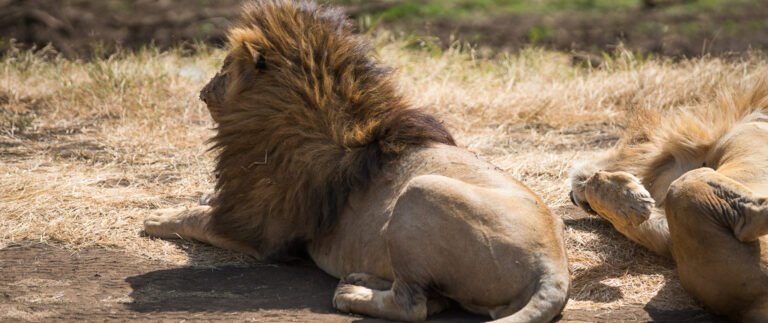
Which Dec Group Safari Ends Before New Year’s Eve?
Which Dec Group Safari Ends Before New Year’s Eve?
View package details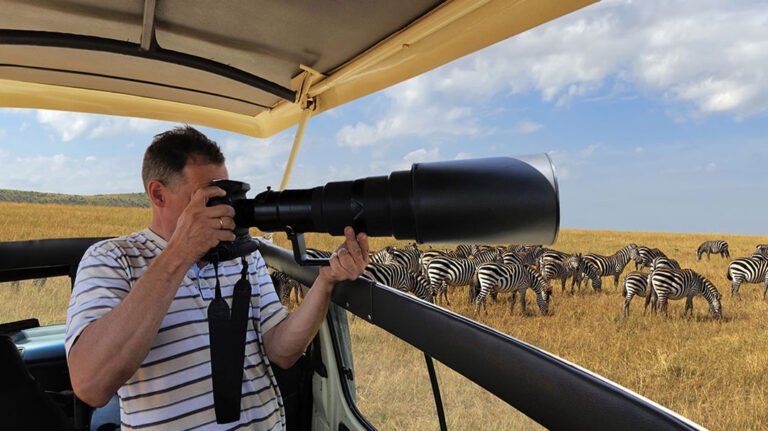
How Early Should I Book A Nov Or Dec Tanzania Group Safari?
How Early Should I Book a Nov or Dec Tanzania Group Safari?
View package details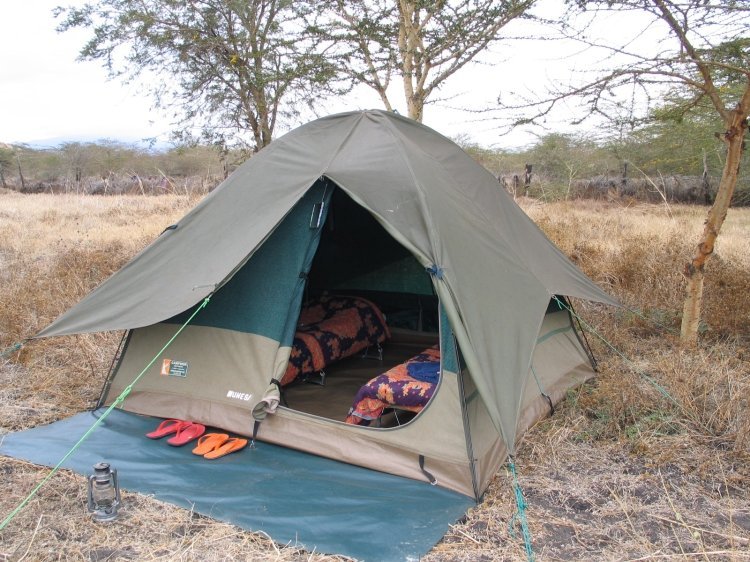
Can I Pay A Deposit To Reserve A Tanzania Group Safari?
Can I Pay a Deposit to Reserve a Tanzania Group Safari?
View package details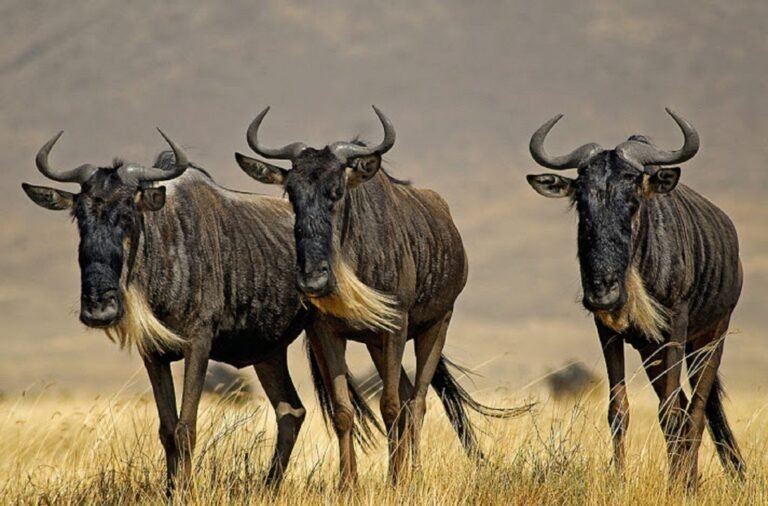
Nov 23, – 3 Day Serengeti And Ngorongoro Safari From Zanzibar
Nov 23, 2026 – 3 Day Serengeti and Ngorongoro Safari from Zanzibar.
View package details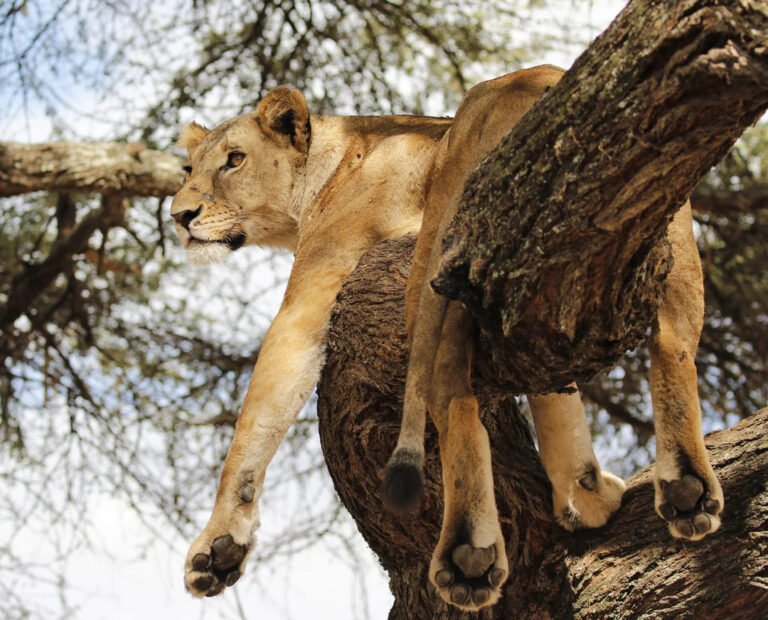
Dec 26, – 6 Day Christmas And New Year Northern Circuit Safari
Dec 26, 2026 – 6 Day Christmas and New Year Northern Circuit Safari.
View package details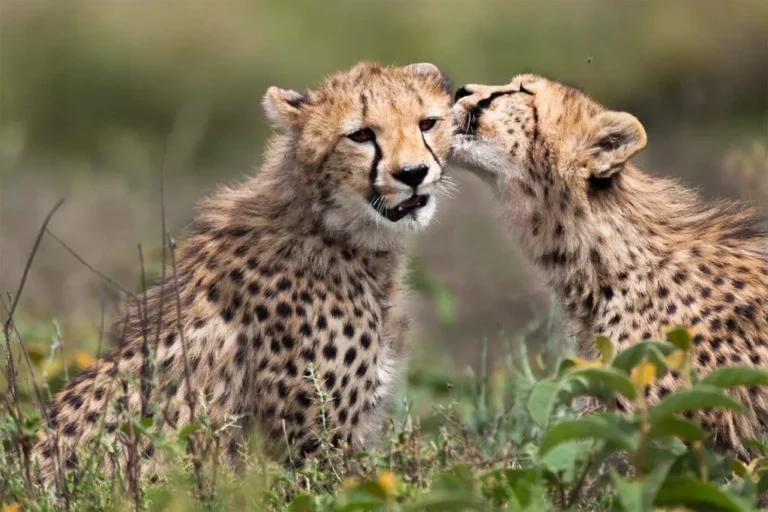
Dec 31, : New Year’s Eve Serengeti Group Safari Planning Guide
This guide provides essential planning details for a group safari trip to the Serengeti for New Year's Eve 2026, covering logistics, seasonal highlights, and what to expect.
View package details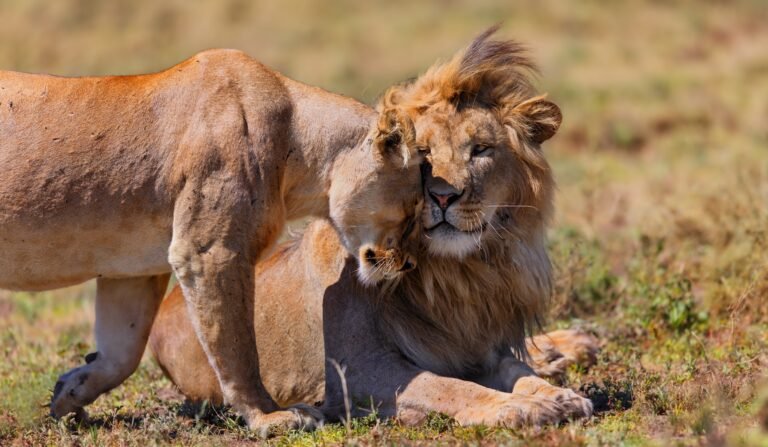
Dec 22, – 3 Day Nyerere Group Joining Safari
Dec 22, 2026 – 3 Day Nyerere Group Joining Safari.
View package details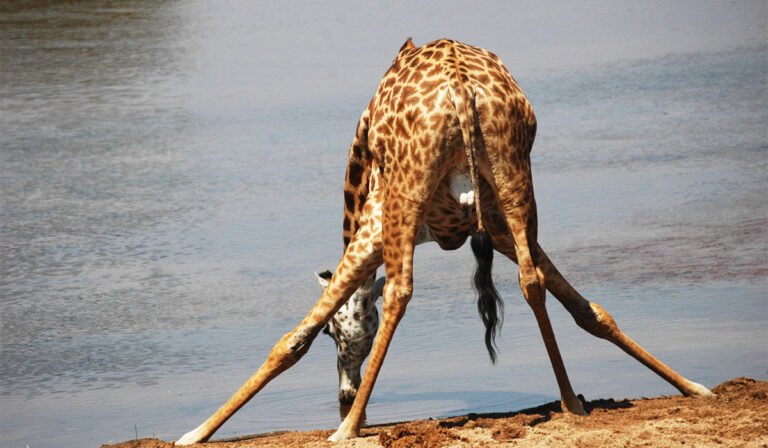
Can I Join A Safari That Has Already Confirmed Travellers?
Can I Join a Safari That Has Already Confirmed Travellers?
View package details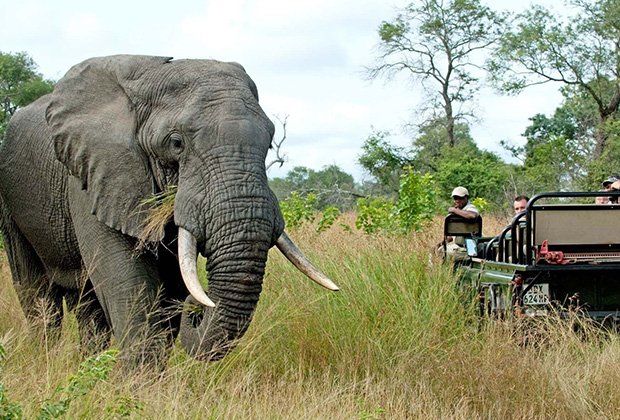
I Am On A Budget—What Is The Cheapest Serengeti Group Safari?
I Am on a Budget—What Is the Cheapest Serengeti Group Safari?
View package details_1_John_from-rednote-web-768x1024.jpg)
Dec 13, – 2 Day Nyerere Fly-In Group Safari From Zanzibar 2026
A detailed guide to the December 13, 2026 group fly-in safari from Zanzibar to Nyerere National Park, covering the itinerary, logistics, and planning for your trip.
View package detailsNo related package matches those filters. Clear one or more filters to see the other topic-matched options.