
Planning a trip for the Christmas and New Year period in Tanzania requires specific logistical foresight, particularly when aiming for the Northern Circuit Safari. If your target date is December 26, 2026, and you are looking at a 6-day itinerary, you are targeting one of the most sought-after, high-demand periods for African wildlife viewing. This specific window offers a concentrated dose of Tanzania’s greatest natural wonders, covering the essential highlights of the Northern Circuit—from the ancient plains of Tarangire to the iconic migrations of the Serengeti, and the dramatic views of the Ngorongoro Crater.
The Northern Circuit, as experienced from the perspective of a seasoned travel specialist, is not a single, rigid path; it is a collection of prime national parks that are logically connected by the vast savanna ecosystems of Tanzania. A 6-day duration is ideal for a first-time visitor who wants to experience the ‘big four’ parks (Tarangire, Serengeti, Ngorongoro, and the option for Lake Manyara) without the pressure of a rushed, overly condensed schedule, nor the boredom of an overly long, repetitive journey. When looking at the specific dates like December 26, 2026, it is crucial to understand that this period is considered peak season, meaning flight schedules, park entry fees, and accommodation availability need to be secured with ample lead time.
This guide is designed to provide the deep, practical knowledge required to transform the idea of a ‘Dec 26, 2026 – 6 Day Christmas and New Year Northern Circuit Safari into a concrete, executable travel plan, focusing on the logic of the route, the typical daily experiences, and the decision-making process for a rewarding trip during this highly competitive travel window. We will move beyond simple ‘Day 1, Day 2’ lists to provide context on why each park is included and what the traveler can realistically expect.
The 6-Day Northern Circuit Snapshot:
This itinerary typically balances the dense wildlife viewing of the Serengeti with the unique landscape and concentrated ecosystem of the Ngorongoro Crater, often including Tarangire National Park for its massive elephant populations and diverse bush scenery. The 6-day duration allows for two full days in the Serengeti (the prime Serengeti, a full day in Tarangire, and a full day in the Ngorongoro Crater before a return transfer. This balance ensures you see the breadth of the Northern Circuit without excessive driving.
Travel Style: Mid-range to high-end group safari, depending on shared or semi-private vehicle/lodging, depending on your chosen operator, ensuring a comfortable and authentic experience.
Season Context (Dec 26, 2026): You will be arriving in the tail-end of the peak dry season, which offers excellent visibility, but the parks are busy. Early morning game drives are highly recommended to maximize sightings before the midday heat and the influx of other safari-goers.
>
The Importance of Booking Lead Time for Dec 26, 2026:
When booking a safari for the Christmas and New Year period, particularly in Tanzania, booking well in advance is not merely a suggestion; it is a necessity. The Northern Circuit experiences an annual surge in demand, and the best lodges, internal flight schedules (which are often limited), and prime game viewing areas are secured months ahead. For a specific date like December 26, 2026, the best practice is to consult with an expert operator, rather than relying on third-party booking sites, to ensure smooth logistics, as they manage the complexities of park permits and seasonal changes.
If you are ready to discuss specific options, contact Climb 4 Africa via WhatsApp at WhatsApp +255 747 477 898 or email at climb4africa@gmail.com to receive current, accurate availability and detailed quotes.
The Logic of the Northern Circuit: Why This Specific Route Works
The Northern Circuit is considered the quintessential Tanzanian safari experience for a reason: it provides a diverse ecological snapshot of the country’s wildlife. It is the only area where you can see the iconic Great Migration’s herds in action, witness the majestic elephants of Tarangire, and explore the unique geological wonder of a dormant volcano—all within a concentrated geographic area. The 6-day version is expertly structured to hit the main highlights:
- Tarangire National Park: Known for its massive elephant herds and ancient baobab trees, Tarangire provides a different feel than the Serengeti—it’s more intimate and focused on the incredible density of wildlife.
- Central Serengeti: The heart of the action. This is where the vast plains meet the Great Migration. The plains are the most expansive, offering the highest probability of seeing predators and varied landscapes.
- Ngorongoro Conservation Area: A natural amphitheater where wildlife density is unmatched due to the crater’s contained environment. It offers the best chance for seeing the Big Five in a single day.
The 6-day structure prioritizes these three powerhouses. The itinerary begins with a stay in Tarangire, moves into the vast plains of the Central Serengeti, and concludes with the dramatic descent into the Ngorongoro Crater. This sequence is the standard because it minimizes backtracking and allows the wildlife to be viewed in a natural progression of landscapes.</p landscapes.
The Strategic Advantage of the 6-Day Duration:
A 6-day safari provides enough time to properly settle into the rhythm of the bush. The first day is often used for travel and settling in, but by day three or four, you are fully acclimatized to the safari routine. This duration allows for a deep, focused experience in the Serengeti without the logistical strain of long, unproductive transit days, ensuring that when you are in a prime game area, you are maximizing your time observing wildlife. It is a perfect balance for the traveler who wants the ‘wow’ factor of the big parks without the commitment of a 10-day circuit.
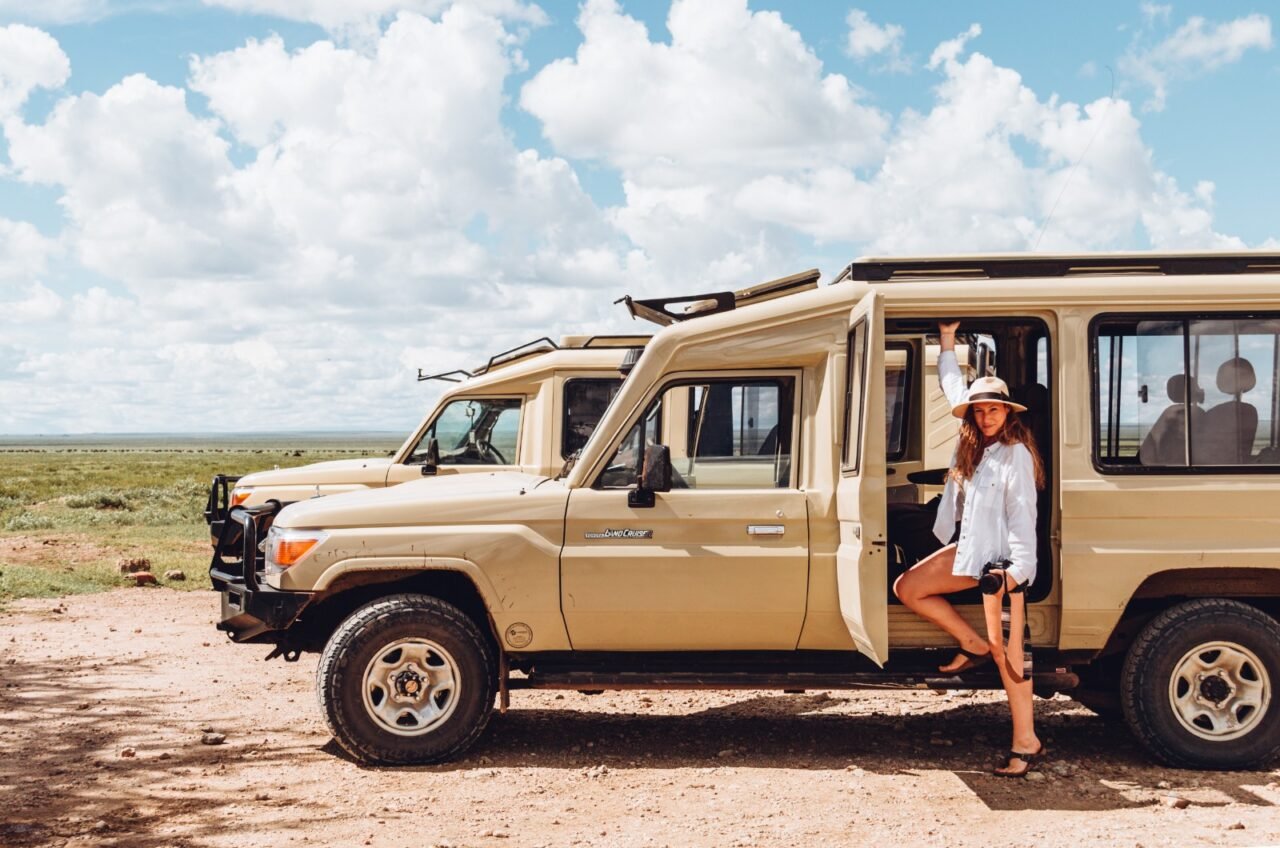

A Detailed Look at the 6-Day Northern Circuit Itinerary (Example Flow)
While specific lodges and daily activities are subject to operator booking and park conditions, the typical progression of a 6-day Northern Circuit Safari starting around December 26-2026, follows this general structure. This is not a fixed schedule, but a functional blueprint for the experience.
Day 1: Arrival and Tarangire Exploration
Focus: Transfer from Arusha/Kilimanjaro to Tarangire. Wildlife introduction.
After arriving in Tanzania (typically Arusha or Kilimanjaro airport), you will be met by your local expert guide and transferred to your accommodation near Tarangire National Park. The afternoon is dedicated to a game drive, allowing you to immediately begin spotting the park’s signature large herds of elephants against the backdrop of ancient baobab trees. Tarangire is the perfect gentle introduction to the Northern Circuit.
Day 2: Tarangire’s Giants
Focus: Tarangire National Park.
A full day is spent exploring Tarangire. You will drive through the diverse terrain, Focus on the ecological diversity and the sheer density of life here. The game drives are structured to cover different terrains, from the riverine areas where water attracts animals to the open plains.
Day 3: Transfer to the Serengeti and the Vast Plains
Focus:
Focus: Central Serengeti.
After breakfast, you will have a morning transfer into the Central Serengeti. This is a change of scenery and environment. The wildlife density here is different, the plains are more expansive. The afternoon is spent enjoying the open horizons of the Serengeti, focusing on the unique patterns of the vast plains and the diverse animal life.
Day 4: Serengeti Wildlife and Migration Dynamics
Focus: Serengeti National Park.
A full day in the Serengeti. This is the core of the heart of the Northern Circuit. The Northern Serengeti offers the most opportunity to see the Great Migration, depending on the season. Regardless of the migration status, the Serengeti offers the most expansive wildlife viewing experience. The focus is on the vastness of the landscape and the sheer abundance of life. This is a day for tracking predators and witnessing the great herds.
Day 5: Ngorongoro Descent and Crater Wonders
Focus: Ngorongoro Conservation Area.
A morning transfer from the Serengeti into the Ngorongoro Conservation Area. The afternoon is spent exploring the crater rim or making a descent into the Crater itself. The Ngorongoro is an entirely different ecosystem, a contained wildlife spectacle. The drives are focused on seeing the diverse predators and the high density of animals in this volcanic landscape. It’s a day of concentrated wildlife viewing.
Day 6: Departure
Focus: Return to Arusha/Kilimanjaro.
After breakfast, you will check out and begin the transfer back to the airport for your departure, completing the Northern Circuit Safari.
The Logistics of Travel:
The 6-day itinerary is designed to be efficient. Transfers between parks are done via 4×4 safari vehicles, which are often joined by a small, expert local guide. While internal flights can be used to save time, for the 6-day route, ground transfers are typically used to maximize time spent in the parks. All transfers, park fees, and guiding services are usually included in the tour price, which simplifies the planning process considerably.
What to Pack for Dec 26, 2026:
Layered clothing is essential, as mornings are cool and evenings can be chilly, even in December. Pack high-quality binoculars, a good camera with zoom, and sun protection. The weather is generally dry and pleasant, but remember that the climate is arid.
Decision Point: Choosing Your Safari Style and Travel Pace
When planning a trip on specific dates like Dec 26, 202″>Choosing a safari style for this 6-day trip is a key decision that dictates your entire experience. Because you are traveling during the peak season, you must decide what level of comfort and exclusivity you require.
Traveler Profiles
- The First-Time Explorer (Mid-Range): This traveler wants to see the highlights without the cost of ultra-luxury. A shared group safari or a well-serviced lodge package is ideal. You gain access to the core Northern Circuit experience without excessive expense, and the local guides are highly effective.
The Discerning Traveler (Luxury): This traveler prioritizes comfort, private vehicles, and high-end lodging (e.g., tented camps or 5-star lodges. This will naturally increase the cost but provides a more exclusive, personalized experience, especially important during the holiday rush when crowds are high.
The Adventurous Couple/Small Group (Private): This traveler seeks flexibility. They may want to modify the pace or request specific parks be prioritized over others, requiring a private charter and dedicated vehicle.
The Trade-Off: The more exclusive your choices, the more difficult and expensive it will be to secure those specific dates in the peak season. Planning with an experienced operator like Climb 4 Africa allows you to negotiate the best balance of quality and value, ensuring you get the best experience for your budget without compromising the essential safari experience.
Practical Booking Guidance for 2026/2027:
When you contact Climb 4 Africa, do not just ask for a request for a ‘6 Day Christmas and New Year Northern Circuit Safari’. Provide them with your specific preferences: Desired Lodging standard (e.g., ‘Mid-range’, ‘Luxury’), Group size (if applicable), and Flexibility with park order. This allows them to tailor the route to the specific availability on December 26th.
For the most current, verified quotes and to discuss the specific logistics of a December 26, 2026 departure, please reach out directly. Use the contact details provided earlier.
Understanding the Daily Activities
A typical day in the Northern Circuit follows a specific routine. Safaris operate based on the sun, not the clock. You will typically wake up early—around
Logistics and Timing: Navigating the December 26, 2026 Peak Season Window
Traveling on December 26, 2026, places your Northern Circuit Safari within one of the most competitive periods of the year for Tanzanian wildlife tourism. This date falls just after the Christmas holiday peak and during the early dry season, when wildlife is concentrated around water sources and migratory patterns are shifting across the Serengeti. The logistical precision required to secure this specific itinerary is not merely about booking a lodge or a vehicle—it involves coordinating park entry permits, private concession access, and flight schedules that are often reserved months in advance. For a 6-day safari beginning on December 26, the first critical window is the transfer from Kilimanjaro International Airport (KIA) or Arusha Airport to Tarangire National Park. Given the proximity of KIA to Tarangire (approximately 1.5 to 2 hours by road), early morning departures on December 26 are common, but timing is essential to avoid congestion and ensure a smooth check-in at your accommodation.
Once in Tarangire, the focus shifts to acclimatization and orientation. The park’s vastness and the presence of large herds of elephants—some of the largest in Africa—mean that game drives must be structured to avoid fatigue and maximize wildlife exposure. On Day 1, the afternoon drive is typically shorter and more relaxed, allowing guests to adjust to the rhythm of safari life. The lodge or camp will usually provide a brief orientation on park rules, vehicle etiquette, and safety protocols, especially important when approaching large mammals in confined areas. This is not a luxury pause; it’s a necessary operational step to ensure that all travelers are prepared for the full-day drives that follow.
By Day 3, the transfer from Tarangire to the Serengeti requires careful scheduling. The journey covers roughly 200–250 kilometers and takes 5 to 6 hours, depending on road conditions and wildlife crossings. During peak season, this stretch is often shared with other safari vehicles, and park gates may experience delays due to increased visitor volume. To mitigate this, reputable operators will schedule departures early in the morning—typically between 7:00 and 8:00 AM—to avoid afternoon traffic and heat. The route passes through the Ngorongoro Conservation Area boundary and may include brief stops at local markets or cultural sites, depending on the operator’s route plan. These stops are not mandatory but are sometimes included to provide context on the broader ecosystem and human-wildlife coexistence.
Arrival in the Serengeti by late afternoon allows for a final game drive before sunset. This is a critical window for spotting nocturnal species like leopards or hyenas, which begin to emerge as the temperature drops. The central Serengeti, particularly the area around the Seronera region, is known for its high concentration of predators and resident wildlife. However, the migration’s exact location in late December is variable. While the herds typically move through the southern Serengeti in the early dry season, they may still be lingering in the northern plains or beginning their westward journey. This uncertainty means that sightings are not guaranteed, but the ecological richness of the area ensures a dynamic and engaging experience regardless.
On Day 5, the descent into the Ngorongoro Crater presents its own set of logistical considerations. The crater rim is approximately 300 meters above the floor, and the descent involves a steep, winding road that can be challenging for some travelers, especially those with mobility concerns. The journey from the Serengeti to the crater rim takes about 1.5 to 2 hours, and the timing of the descent is crucial. Operators typically schedule the descent for mid-morning to allow for maximum visibility and minimize the risk of dust or heat haze affecting wildlife sightings. The crater floor, with its permanent water sources and dense vegetation, supports a year-round population of animals, including the famous Ngorongoro Crater lion pride, black rhino (in protected zones), and large herds of buffalo and zebra.
Finally, on Day 6, the return transfer from Ngorongoro to Arusha or Kilimanjaro Airport is scheduled to allow for a departure flight in the late afternoon or early evening. Given the airport’s proximity to Arusha (about 90 minutes away), this timing ensures a buffer for potential delays and allows for a stress-free check-in. For travelers with early morning flights, an overnight stay in Arusha may be recommended, though this is not typically included in standard 6-day packages. The return route often passes through the Great Rift Valley, offering scenic views of the surrounding highlands and a final opportunity to observe local wildlife, such as warthogs or guinea fowl, before re-entering urban areas.
Related Guides and Packages
Check Availability for Dec 26, – 6 Day Christmas And New Year Northern Circuit Safari
Ready to compare dates, prices, and the best option for your group? Send the package name and travel month so the team can reply with a clear quote, availability, and what is included.

Nov 16, – 6 Day Tanzania Northern Circuit Group Safari 2026
Planning for November 2026? Join our 6-day group safari covering Tanzania's premier Northern Circuit parks. Expert-led, social, and cost-effective wildlife viewing.
View package detailsOct 30, – 5 Day Tanzania Northern Circuit Group Joining Safari 2026
Oct 30, 2026 – 5 Day Tanzania Northern Circuit Group Joining Safari.
View package details
Dec 25, – 5 Day Christmas Tanzania Group Joining Safari 2026
Celebrate Christmas in the heart of the Tanzanian wilderness. Join our 5-day group safari departing December 25, 2026, and experience the iconic Northern Circuit.
View package detailsDec 10, – 5 Day Northern Tanzania Group Joining Safari 2026
A detailed guide to our 5-day Northern Tanzania group joining safari scheduled for December 10, 2026. Learn about the route, group logistics, and how to book your spot.
View package detailsDec 14, – 7 Day Complete Tanzania Northern Circuit Group Safari 2026
Planning for December 2026? Join our 7-day complete Tanzania Northern Circuit group safari. A deep look at the Serengeti, Ngorongoro, and Tarangire with expert, locally-led logistics.
View package details
Dec 29, – 6 Day Ndutu, Serengeti And Ngorongoro Group Safari 2026
A detailed guide to our 6-day group safari departure on December 29, 2026, focusing on the Ndutu plains, the Serengeti, and the Ngorongoro Crater.
View package details
Dec 28, – 5 Day Ndutu Migration And Ngorongoro Group Safari 2026
Join a small group for a 5-day safari departing December 28, 2026, targeting the Ndutu region for the start of the calving season and the Ngorongoro Crater.
View package details
Dec 12, – 6 Day Serengeti, Ngorongoro, Tarangire And Manyara Group Safari 2026
Dec 12, 2026 – 6 Day Serengeti, Ngorongoro, Tarangire and Manyara Group Safari.
View package details
Dec 8, – 4 Day Tarangire, Serengeti And Ngorongoro Group Safari 2026
A detailed guide to our December 8, 2026 group joining safari, covering the itinerary, logistics, and what to expect during this 4-day wildlife adventure in Tanzania.
View package detailsNov 26, – 4 Day Nyerere And Mikumi Group Joining Safari 2026
A detailed guide to the November 26, 2026, 4-day group joining safari covering Nyerere National Park and Mikumi National Park, including logistics, wildlife expectations, and booking steps.
View package detailsNov 14, – 5 Day Tanzania Lodge Group Joining Safari 2026
Join our November 14, 2026, 5-day Tanzania lodge safari. This group-joining itinerary offers a balanced, cost-effective way to explore the Northern Circuit.
View package details
Nov 12, – 5 Day Tanzania Budget Camping Group Joining Safari 2026
A detailed guide to the November 12, 2026, 5-day budget camping group joining safari in Tanzania, covering route logistics, group dynamics, and planning essentials.
View package detailsNo related package matches those filters. Clear one or more filters to see the other topic-matched options.



