The total cost for an African safari in Tanzania typically ranges from $2,500 to $10,000+ per person for a 7-10 day trip in 2026-2027, depending heavily on your chosen accommodation style (budget camping, mid-range lodges, or luxury tented camps), the specific parks visited (Serengeti, Ngorongoro Crater, Tarangire), the duration of your safari, and whether you opt for a private or shared tour. Factors like park entry fees, vehicle hire, guide services, and meals significantly influence the final price. For a more precise estimate, it’s best to get a custom quote based on your desired itinerary.
Understanding the Core Components of Safari Costs
Embarking on an African safari is a dream for many, and a significant part of making that dream a reality involves understanding and budgeting for the associated costs. When we talk about how much money you need for an African safari, it’s not a single figure. Instead, it’s a mosaic of various expenses that come together to create your unique adventure. For 2026-2027 trips, these costs are influenced by a range of variables, from the type of wildlife viewing experience you desire to the comfort level you expect.
At its heart, a safari cost is built upon several pillars. First, there’s the ground package, which is the most substantial portion. This typically covers your accommodation, vehicle, guide, and meals for the duration of your safari. Then, there are the park and conservation fees. These are government-mandated charges for entering and staying within national parks and game reserves, and they can add up considerably, especially on longer trips or in premium locations like the Ngorongoro Crater. Finally, you have your personal expenses, which include things like tips, souvenirs, drinks, and any pre or post-safari accommodation you might arrange.
Many travelers new to safari planning often underestimate the impact of park fees or the difference in cost between a basic tent and a luxurious lodge. It’s crucial to break down these components to get a clear picture. For instance, a 7-day safari might have a base ground package cost, but adding the Ngorongoro Crater fee for a single day can significantly increase the overall expense. Understanding these elements upfront is key to setting a realistic budget for your 2026-2027 African adventure.
Key Factors Influencing How Much Money You Need for an African Safari
When planning your how much money do you need for an African safari query for 2026-2027, it’s essential to recognize that prices aren’t static. They fluctuate based on several critical factors that directly impact the final quote. These aren’t minor details; they are the very building blocks of your safari’s cost structure. Identifying these elements early helps in tailoring your expectations and budget effectively.
Duration of the Safari
Naturally, the longer you stay on safari, the more you will spend. A quick 3-day excursion into a single park will cost far less than a 10-day expedition covering multiple iconic locations. For example, a 5-day safari might focus on Lake Manyara and Tarangire, while a 10-day trip could add the vast plains of the Serengeti and the unique ecosystem of the Ngorongoro Crater. Each additional day means more vehicle hire, more guide time, more accommodation nights, and more park fees, all contributing to the overall expense.
Number of Parks and Specific Locations
Different national parks and game reserves in Tanzania have varying fee structures. For instance, the Serengeti National Park has daily entrance fees, while the Ngorongoro Conservation Area charges a per-vehicle fee for crater descent, which is quite substantial. Visiting more parks generally means higher cumulative park fees. Some locations are also more remote, requiring longer drives and potentially more fuel or specialized vehicles, which can also influence costs.
Accommodation Style
This is arguably one of the biggest differentiators in safari pricing. Your choice between camping under the stars, staying in comfortable mid-range lodges, or luxuriating in high-end tented camps will dramatically alter the budget. Budget-friendly options often involve basic tented camps with shared facilities, while luxury options feature en-suite bathrooms, gourmet dining, and exclusive locations. For 2026-2027, expect these tiers to maintain their significant price differences.
Group Size and Vehicle Type
Are you traveling solo, as a couple, or with a group? Safari vehicles are typically designed to carry a certain number of passengers (usually 6-7 comfortably). If you’re a solo traveler or a couple, you might be placed in a shared vehicle with other travelers to distribute costs. However, opting for a private safari means you have the vehicle and guide exclusively for your party, offering more flexibility but at a higher per-person price. The type of vehicle itself can also play a role, though most reputable operators use sturdy, pop-top 4×4 Land Cruisers or Land Rovers optimized for safari viewing.
Time of Year (Seasonality)
Like many travel destinations, Tanzania experiences peak and low seasons for tourism. The peak season (generally June to October, and sometimes December to February) often coincides with the Great Migration and pleasant weather, leading to higher demand and thus higher prices for accommodation and sometimes even tour packages. The shoulder seasons or low season (e.g., March to May, when there are longer rains) can offer more competitive pricing.
Level of Service and Guide Expertise
While most guides are knowledgeable, the level of service can vary. Some operators include highly experienced, specialized guides, or offer more personalized service, which can be reflected in the price. The quality of the vehicle maintenance, the chef preparing your meals, and the overall logistical support also contribute to the overall experience and can influence the cost.
Inclusions and Exclusions
It’s vital to understand what is included in your safari package. Does it cover all meals, park fees, bottled water, and park transfers? Or are some of these items extra? A seemingly cheaper package might become more expensive once you add in all the necessary components. Always clarify what’s covered to accurately answer how much money do you need for an African safari.
International Flights
While not part of the safari package itself, international flights to Tanzania (usually Kilimanjaro International Airport – JRO) are a significant cost. Prices for these flights vary widely based on your departure location, time of booking, and airline. This is a separate budget consideration that must be factored in.
Budget Camping vs. Mid-Range Lodges vs. Luxury Tented Camps: Cost Comparisons for 2026-2027
When asking how much money do you need for an African safari, the accommodation choice is often the most significant variable. Tanzania offers a spectrum of lodging options, each catering to different budgets and preferences. Understanding these tiers is crucial for setting realistic expectations for your 2026-2027 safari. Here’s a breakdown of what you can expect in terms of cost and experience for each category:
Budget Camping Safaris
Cost Range (per person, 7-day safari): $1,800 – $2,800
Budget camping safaris are the most economical way to experience the wilds of Tanzania. These trips typically involve staying in public campsites within or near national parks. Accommodation consists of sturdy, walk-in canvas tents, often with basic amenities like cots or mattresses. You’ll usually find shared ablution blocks with cold-water showers and basic toilets.
What to Expect:
- Accommodation: Basic canvas tents with sleeping mats or cots. Shared bathrooms with cold water.
- Meals: Prepared by a dedicated safari chef who travels with you, often cooked over a campfire. Meals are hearty and filling but simple.
- Experience: A more rustic and in-depth experience. You’ll be closer to nature, with the sounds of the bush right outside your tent.
- Vehicle: Typically a standard 4×4 safari vehicle.
- Guide: Competent and knowledgeable, but perhaps less experienced than guides on higher-tier packages.
- Best Suited For: Adventurous travelers, backpackers, students, and those on a tight budget who prioritize wildlife viewing over creature comforts.
Trade-offs: Less privacy, shared facilities, basic comfort levels, and potentially less refined dining. You might also be sharing campsites with other groups.
Mid-Range Lodge Safaris
Cost Range (per person, 7-day safari): $3,000 – $5,500
Mid-range safaris strike a balance between comfort and cost. They often involve stays in comfortable lodges or permanent tented camps that offer more amenities than basic campsites. These lodges are usually situated within or close to national parks and provide a good level of comfort and service.
What to Expect:
- Accommodation: Comfortable en-suite rooms or permanent tents with private bathrooms, hot showers, comfortable beds, and often basic furnishings.
- Meals: Served in a lodge dining room or restaurant, offering a wider variety of dishes, often buffet-style or à la carte.
- Experience: A good blend of wildlife immersion and comfortable relaxation. You get the thrill of being in the wild with the assurance of modern amenities.
- Vehicle: Usually a 4×4 safari vehicle, often with a pop-top roof for better viewing.
- Guide: Experienced and professional safari guides.
- Best Suited For: Families, couples, and travelers seeking a comfortable safari experience without the ultra-luxury price tag.
Trade-offs: While comfortable, these lodges may not have the exclusive, remote feel of luxury camps. Some might be larger establishments.
Luxury Tented Camp and Lodge Safaris
Cost Range (per person, 7-day safari): $6,000 – $10,000+
Luxury safaris offer the pinnacle of comfort, service, and exclusivity. These are typically small, intimate tented camps or lodges in prime wildlife locations, often with private concessions or exclusive-use areas. Expect top-tier amenities, exceptional service, and gourmet dining.
What to Expect:
- Accommodation: Spacious, elegantly furnished tents or suites with king-sized beds, en-suite bathrooms, private decks, plunge pools, and often 24/7 service.
- Meals: Gourmet dining, often with fine wines and personalized service. Meals can be served in various locations, from private decks to bush dinners.
- Experience: An exclusive, high-end experience with personalized attention. Many luxury camps offer activities like walking safaris or night drives (where permitted).
- Vehicle: Often exclusive-use 4×4 vehicles, sometimes with added features.
- Guide: Highly experienced, often specialist guides.
- Best Suited For: Honeymooners, discerning travelers, and those seeking an unparalleled wildlife experience with maximum comfort and privacy.
Trade-offs: The highest cost. While exclusive, some very high-end lodges might be more established and less ‘wild’ feeling than smaller, remote tented camps.
For 2026-2027, these price ranges are estimates. Actual costs will depend on the specific operator, the exact itinerary, and any special requests. When inquiring about how much money do you need for an African safari, be clear about your preferred accommodation style.
Park Fees and Permits: A Significant Safari Expense
A critical component of understanding how much money do you need for an African safari involves a deep look at park and conservation fees. These charges are non-negotiable and are set by the Tanzanian government and park authorities. They are essential for funding conservation efforts, infrastructure within the parks, and local community initiatives. For 2026-2027, these fees are expected to remain substantial and are a significant part of any safari budget.
The fee structure can be complex, but here are the general types of fees you’ll encounter:
National Park Entry Fees
These are typically charged on a per-person, per-day basis for entry into national parks like the Serengeti, Tarangire, Lake Manyara, and Arusha National Park. The rates vary slightly between parks but are generally in the range of $50-$70 USD per person per 24-hour period. For a 7-day safari covering multiple parks, these daily fees accumulate rapidly.
Ngorongoro Conservation Area (NCA) Fees
The Ngorongoro Crater is a unique entity. It’s managed by the Ngorongoro Conservation Area Authority (NCAA), not TANAPA (Tanzania National Parks Authority). The fees here are structured differently and are considerably higher:
- Crater Service Fee: This is a per-vehicle fee for entering the crater floor, typically around $300 USD per vehicle. This fee is charged once per entry.
- NCA Daily Entry Fee: In addition to the crater fee, there’s a per-person, per-day fee for entering the Ngorongoro Conservation Area, which is usually around $70-$80 USD per person. This applies even if you are just driving through or staying in lodges within the NCA but not descending into the crater.
- Camping Fees: If camping within the NCA, there are also separate camping fees, which vary depending on the type of campsite (public or special).
The Ngorongoro Crater fees alone can add several hundred dollars per person to a safari itinerary, making it one of the most expensive single-day experiences. It’s essential to factor this in when calculating how much money do you need for an African safari.
Game Reserve Fees
Some areas, like the Selous Game Reserve (now Nyerere National Park), may have different fee structures, often higher than national parks, reflecting their vastness and wilderness status. These can be around $50-$70 USD per person per day plus vehicle fees.
Concession Fees (for Private Safaris)
If you opt for a private concession, especially in areas like the Serengeti or near the Ngorongoro, you will incur additional fees. These are often higher as they support exclusive wildlife viewing opportunities and conservation in a specific area. These can range from $70-$150+ USD per person per day.
Important Considerations for Park Fees:
- 24-hour rule: Most park fees are charged per 24-hour period or part thereof. This means if you enter a park at 10 AM one day and leave at 9 AM the next, you are charged for two full days.
- Operator passes: Reputable tour operators will usually purchase these fees on your behalf. Always confirm if park fees are included in your quote.
- Price fluctuations: Fees can change annually. While the general range is provided, it’s wise to check current rates for 2026-2027 with your tour operator.
- VAT: In Tanzania, Value Added Tax (VAT) is often applied to services, and sometimes park fees or accommodation costs are quoted exclusive of VAT. Clarify this.
To accurately estimate how much money do you need for an African safari, it’s crucial to map out your itinerary and understand which parks you’ll visit. A safari focusing solely on the northern circuit parks (Serengeti, Ngorongoro, Tarangire, Manyara) will have a different fee structure than one venturing into the southern or western circuits.
Accommodation Choices and Their Impact on Your Safari Budget
As highlighted earlier, accommodation is a primary driver of safari costs. Your choice of where you rest your head after a day of wildlife viewing will significantly shape your answer to how much money do you need for an African safari. Tanzania offers a diverse range of lodging, from basic campsites to opulent lodges, each with its own price point and experience.
Public Campsites
These are the most budget-friendly options. They are managed by park authorities or local communities and are usually located within or just outside national parks. Facilities are minimal, typically comprising basic pit latrines and sometimes a cold shower. You’ll share the campsite with other travelers and potentially local staff.
- Cost: Often included in budget camping packages, adding only a small amount per person per night to the overall tour cost, typically $20-$40 USD per person per night if booked separately.
- Pros: Extremely affordable, allows for a very close-to-nature experience.
- Cons: Very basic facilities, limited privacy, can be noisy.
Special Campsites and Bandas
These are often slightly more exclusive than public campsites. Special campsites might be located in more remote areas and have fewer groups using them, offering a bit more privacy. Bandas are simple, traditional huts, often with shared bathrooms. Some lodges also offer basic bandas.
- Cost: Generally higher than public campsites, ranging from $50-$100 USD per person per night.
- Pros: More privacy than public campsites, often in better locations.
- Cons: Still basic facilities, though usually cleaner and better maintained than public sites.
Mid-Range Lodges and Tented Camps
This is where comfort levels rise significantly. Mid-range lodges offer private rooms or permanent tents with en-suite bathrooms, hot showers, comfortable beds, and often a swimming pool and a restaurant/bar area. They are typically well-located within or near parks.
- Cost: This is a broad category, but expect prices to range from $150-$350 USD per person per night, often included in mid-range safari packages.
- Pros: Good balance of comfort, amenities, and price. Private bathrooms and reliable services.
- Cons: Can sometimes be larger establishments, potentially less intimate than luxury camps.
Luxury Lodges and Exclusive Tented Camps
These are the premium options. Expect spacious, elegantly appointed tents or suites with private decks, plunge pools, high-quality linens, gourmet dining, and exceptional personalized service. Many luxury camps are situated in prime wildlife viewing areas, sometimes on private concessions, offering exclusivity.
- Cost: This is the highest tier, typically starting from $400 USD per person per night and going up to $1,000+ USD per person per night.
- Pros: Unparalleled comfort, service, privacy, and exclusivity. Often in prime wildlife locations.
- Cons: The most expensive option by a significant margin.
Choosing Wisely for Your 2026-2027 Safari
When planning for 2026-2027, consider your priorities. If your main goal is to see as much wildlife as possible and you’re comfortable with basic amenities, budget camping is excellent. If you want a comfortable base with good food and private facilities after your daily excursions, mid-range is ideal. For a special occasion or if budget is less of a concern, luxury offers an unforgettable experience. Your choice directly influences the answer to how much money do you need for an African safari.
It’s also worth noting that some operators offer unique lodging experiences, such as mobile tented camps that follow the Great Migration, or lodges with unique architectural designs or conservation stories. These can sometimes command premium prices.
Transportation: Vehicle and Guide Costs
The backbone of any safari is the vehicle and the guide who drives it. This essential component is a significant part of the overall cost and directly impacts your comfort, safety, and wildlife viewing success. When considering how much money do you need for an African safari, the daily rate for a 4×4 safari vehicle and a qualified guide is a substantial factor.
Safari Vehicles
The standard for Tanzanian safaris is a robust 4×4 Land Cruiser or Land Rover. These vehicles are chosen for their durability, ability to handle rough terrain, and excellent wildlife viewing capabilities, especially with their pop-up roofs. The cost of hiring such a vehicle, along with a driver/guide, is usually factored into the daily safari rate provided by tour operators.
Typical Daily Vehicle Hire Costs (including driver/guide):
- Shared Safari: In a shared safari, the cost of the vehicle and guide is divided among the passengers. This is the most economical option per person.
- Private Safari: If you opt for a private safari, you bear the full cost of the vehicle and guide for your group. This offers flexibility in terms of timing, pace, and route but comes at a higher per-person price. The daily rate for a private vehicle and guide typically ranges from $300 to $500+ USD per day, depending on the operator and season for 2026-2027.
Safari Guides
Your safari guide is your window to the wilderness. They are not just drivers; they are trained naturalists, spotters, and cultural interpreters. The expertise and experience of a guide can make or break a safari. A good guide knows animal behavior, tracks, migration patterns, and can share fascinating insights into the ecosystem and local culture.
The cost of a guide is intrinsically linked to the vehicle hire. Reputable operators invest in experienced, certified guides who are passionate about wildlife and conservation. Their salary, training, and the need to provide them with accommodation and meals while on safari are all part of the package cost.
Factors Affecting Vehicle and Guide Costs:
- Vehicle Type & Age: While most operators use reliable 4x4s, newer or more specialized vehicles might incur slightly higher costs.
- Guide’s Experience: Highly experienced guides with extensive knowledge (e.g., birding specialists, migration experts) might be part of premium packages.
- Duration of Hire: The longer you hire the vehicle and guide, the more the total cost, but daily rates might slightly decrease for longer tours.
- Seasonality: Like accommodation, vehicle hire can sometimes see slight adjustments during peak seasons.
- Private vs. Shared: As mentioned, private hire is significantly more expensive per person.
When budgeting for how much money do you need for an African safari, ensure that the vehicle and guide costs are clearly itemized or understood within the overall package price. A good operator will use well-maintained vehicles and employ knowledgeable, professional guides, which is a crucial investment in your safari experience for 2026-2027.
Food and Drinks on Safari: What to Expect and Budget For
Nourishment is a key part of any travel experience, and on safari, it plays a vital role in maintaining energy levels for long days of game drives. Understanding the food and drink situation helps refine your budget for how much money do you need for an African safari.
Meals Included in Packages
Most safari packages, especially mid-range and luxury ones, include all main meals (breakfast, lunch, and dinner). This is a significant cost saving and simplifies planning.
- Budget Camping: Meals are prepared by a dedicated safari chef. Expect hearty, filling meals cooked over a campfire – think stews, grilled meats, pasta, rice, and fresh salads. It’s surprisingly good and abundant.
- Mid-Range Lodges/Camps: Meals are typically served in a communal dining area. Breakfast might be a buffet or cooked-to-order. Lunches can be packed lunches for game drives or served at the lodge. Dinners are often buffet or set menus.
- Luxury Lodges/Camps: Expect gourmet meals. Menus are often à la carte, with high-quality ingredients and sophisticated preparation. Dining experiences can include bush breakfasts, picnic lunches in scenic spots, and elegant dinners.
What’s usually included: Water is typically provided during game drives and meals. Some higher-end packages might include a selection of house wines, local beers, or spirits.
Drinks Not Included
The primary variable cost for drinks usually comes down to:
- Alcoholic Beverages: Wines, spirits, and imported beers are almost always an extra cost, even at mid-range and luxury lodges. Prices can be comparable to bar prices back home or slightly higher due to import costs and remote locations.
- Soft Drinks & Juices: While water is often free, sodas, juices, and specialty drinks might incur charges, particularly at lodges and camps. Budget around $3-$8 USD per drink.
- Bottled Water: While water is usually provided, if you require extra bottled water outside of meals or game drives, it may be charged for.
Budgeting for Drinks and Extras
To estimate how much money do you need for an African safari, consider adding a daily allowance for drinks and snacks if you enjoy a sundowner or a cold drink after your game drive.
- Budget Traveler: You might spend $5-$15 USD per day on extra drinks or snacks.
- Mid-Range Traveler: A more relaxed approach might mean $15-$30 USD per day for a couple of drinks or sodas.
- Luxury Traveler: If you enjoy wine with dinner or cocktails, you could spend $30-$70+ USD per day.
Important Note for 2026-2027: Prices for drinks can fluctuate. It’s always best to check with your tour operator about their specific policy on included beverages. Some luxury packages might offer an all-inclusive beverage selection.
Tipping: A Cultural and Financial Consideration
Tipping is a customary practice in Tanzania and is a significant way to show appreciation for good service. While often not included in the initial safari quote, it’s a crucial part of your budget. Here’s a general guideline for 2026-2027:
- Safari Driver/Guide: The primary contact for your safari. A common recommendation is $20-$30 USD per couple per day, or $15-$25 USD per person per day.
- Camp/Lodge Staff: For cooks, waiters, and room attendants at camps and lodges. A tip pool is often collected at lodges, or you can tip individuals. Aim for $10-$15 USD per guest per day for the entire staff.
- Assistant Guides/Porters (if applicable): If you do a walking safari or climb, tip these individuals separately.
Always carry small USD bills for tipping. Your tour operator can provide more specific guidance based on your itinerary.
Additional Expenses to Consider Beyond the Safari Package
While the safari package covers the core elements of your wildlife adventure, several other expenses can contribute to the total cost of your trip. Being aware of these will give you a more complete picture of how much money do you need for an African safari, especially when planning for 2026-2027.
International Flights to Tanzania
As mentioned, flights to Kilimanjaro International Airport (JRO) or potentially Dar es Salaam (DAR) are a separate, often significant, cost. Prices vary wildly based on your origin, the airline, and how far in advance you book. For 2026-2027, expect to budget anywhere from $800 to $2,000+ USD for round-trip international flights.
Visas
Most nationalities require a visa to enter Tanzania. These can often be obtained online in advance (e-visa) or upon arrival at the airport. The cost is typically around $50-$100 USD, depending on your nationality.
Travel Insurance
Comprehensive travel insurance is highly recommended and often mandatory for safari packages. This should cover medical emergencies, trip cancellation, lost luggage, and other unforeseen events. Budget approximately 5-10% of your total trip cost for insurance.
Vaccinations and Medications
Consult your doctor or a travel clinic well in advance of your trip. Costs for recommended vaccinations (e.g., Yellow Fever, Hepatitis A, Typhoid) and malaria prophylaxis can vary significantly based on your health insurance and location. Budget anywhere from $100 to $500+ USD.
Tips and Gratuities
As detailed previously, tipping your safari guide, cook, and lodge staff is customary. This can add up to a few hundred dollars per person for a week-long safari. For 2026-2027, it’s wise to budget around $150-$300 USD per person for tips on a standard safari.
Souvenirs and Personal Shopping
If you plan to buy local crafts, artwork, or other souvenirs, factor this into your budget. Prices can range from a few dollars for small items to hundreds or thousands for larger pieces.
Pre- and Post-Safari Accommodation
Many travelers arrive a day or two before their safari begins and depart a day or two after. Arranging accommodation in Arusha or Moshi before and after your safari is common. Budget an additional $80-$300+ USD per night depending on the hotel class.
Optional Activities
Some safaris might include optional activities not part of the standard itinerary, such as hot air balloon safaris (which can cost $500-$600 USD per person in the Serengeti), guided walking safaris (if not included), or cultural visits. These are typically extra.
Travel to and from Airport
While airport transfers to your starting hotel might be included, consider costs if you need to arrange transport to/from other locations or if your international flight times don’t align perfectly with included transfers.
By accounting for these additional expenses, you can create a much more accurate budget for how much money do you need for an African safari, avoiding any financial surprises during your 2026-2027 trip.
What’s Typically Included (and Excluded) in a Safari Package?
To truly understand how much money do you need for an African safari, it’s paramount to scrutinize what’s included in the price you’re quoted. A comprehensive safari package should provide clarity on these points. While variations exist between operators, here’s a general breakdown for 2026-2027:
Typical Inclusions:
- Accommodation: Nights spent in lodges, tented camps, or campsites as per your chosen itinerary.
- Meals: All meals (breakfast, lunch, dinner) during the safari days. This often includes basic beverages like water and sometimes local juices with meals.
- Vehicle and Guide: Use of a 4×4 safari vehicle (Land Cruiser/Land Rover) with a pop-up roof, driven by a professional, English-speaking driver-guide.
- Park and Conservation Fees: Entry fees for all national parks and conservation areas visited during the safari, as per the itinerary.
- Game Drives: Scheduled game drives within the parks.
- Crater Fees: For tours including the Ngorongoro Crater, the crater service fee (per vehicle) is usually included.
- Bottled Water: Typically provided in the vehicle during game drives.
- Airport Transfers: Transfers from Kilimanjaro International Airport (JRO) to your Arusha/Moshi hotel and back, if arranged as part of the package.
Typical Exclusions:
- International Flights: Flights to and from Tanzania are almost always excluded.
- Visa Fees: The cost of your Tanzanian visa.
- Travel Insurance: Mandatory comprehensive travel insurance is usually not included.
- Tips and Gratuities: For guides, cooks, and lodge staff.
- Alcoholic Beverages: Wines, beers, spirits, and premium drinks are usually extra.
- Soft Drinks and Juices: Beyond what is provided with meals or water on drives, these may be charged.
- Personal Expenses: Souvenirs, laundry, communication costs (phone, internet).
- Optional Activities: Hot air balloon safaris, walking safaris (unless specified), cultural visits, or community tours not part of the core itinerary.
- Pre- and Post-Safari Accommodation: Nights spent in Arusha or Moshi before or after the safari, unless specifically included.
- Vaccinations and Medications: Costs associated with required health precautions.
- Gratuities for Lodge Staff: Separate from guide tips, lodge staff tips are often not included.
Crucial Advice for 2026-2027: Always request a detailed itinerary and a clear breakdown of what is included and excluded. This transparency is vital for accurate budgeting and prevents unexpected costs. For example, if park fees are excluded, they can add hundreds of dollars to your trip.
When you inquire about how much money do you need for an African safari, make sure your quote from Climb 4 Africa clarifies all these points. We aim to be transparent about what you can expect, helping you plan your finances with confidence.
Planning Your 2026-2027 Safari Budget: A Step-by-Step Approach
Creating a realistic budget for your Tanzanian safari in 2026-2027 requires a systematic approach. By breaking down the costs and considering various factors, you can accurately determine how much money do you need for an African safari. Here’s a practical guide:
Step 1: Define Your Safari Style
Before looking at prices, decide on your preferred style:
- Duration: How many days do you want to spend on safari? (e.g., 3 days, 7 days, 10 days)
- Accommodation: Budget camping, mid-range lodges, or luxury tented camps?
- Group Size: Will you be traveling solo, as a couple, or in a group? Are you open to shared tours or do you prefer private arrangements?
- Parks to Visit: Are you focused on the Northern Circuit (Serengeti, Ngorongoro, Tarangire, Manyara) or interested in other regions?
Step 2: Estimate Safari Package Costs
Once you have your style defined, research or request quotes from reputable tour operators. Use the cost ranges provided earlier as a guide:
- Budget Camping: $1,800 – $2,800 per person for 7 days.
- Mid-Range Lodge: $3,000 – $5,500 per person for 7 days.
- Luxury Lodge/Camp: $6,000 – $10,000+ per person for 7 days.
Action: Contact operators like Climb 4 Africa for custom quotes tailored to your preferences. Specify your desired dates in 2026 or 2027.
Step 3: Add Park and Conservation Fees
If these are not explicitly included in your quote, add them. A 7-day Northern Circuit safari can easily incur $400-$700+ USD per person in park fees alone, with Ngorongoro being a significant contributor.
Action: Ask your operator to confirm if park fees are included. If not, research approximate daily rates for each park on your itinerary.
Step 4: Factor in Pre- and Post-Safari Accommodation
Add costs for nights in Arusha or Moshi before and after your safari. Assume $100-$250 USD per night for comfortable mid-range hotels.
Action: Book these nights in advance, especially for peak seasons in 2026-2027.
Step 5: Include Additional Expenses
List out all other potential costs:
- International Flights: $800 – $2,000+
- Visa: $50 – $100
- Travel Insurance: 5-10% of total trip cost
- Vaccinations/Meds: $100 – $500+
- Tips: $150 – $300 per person (estimate)
- Personal Spending (souvenirs, extra drinks): $20-$50+ per day
- Optional Activities: Hot air balloon ($500-$600), etc.
Action: Research flight prices for your desired travel window in 2026-2027. Estimate a reasonable amount for personal spending.
Step 6: Sum Everything Up
Add all the estimated costs together to arrive at your total safari budget. Remember to add a buffer (10-15%) for unexpected expenses.
Example Calculation (7-Day Mid-Range Safari, per person):
- Safari Package: $4,000
- Park Fees (estimated): $500
- Pre/Post Accommodation (2 nights @ $150/night): $300
- International Flights: $1,200
- Visa: $50
- Insurance: $300 (approx. 5% of $6k)
- Tips: $200
- Personal Spending: $300
- Estimated Total: $7,150 USD
This step-by-step process will help you answer how much money do you need for an African safari with confidence, ensuring you are well-prepared for your adventure in 2026-2027.
How to Save
Check Availability for How Much Money Do You Need For An African Safari? 2026-2027
Ready to compare dates, prices, and the best option for your group? Send the package name and travel month so the team can reply with a clear quote, availability, and what is included.
12 closely related packages
Dec 24, – 3 Day Christmas Serengeti And Ngorongoro Group Safari
Dec 24, 2026 – 3 Day Christmas Serengeti and Ngorongoro Group Safari.
View package details 
Dec 20, – 10 Day Complete Tanzania Group Joining Safari
Dec 20, 2026 – 10 Day Complete Tanzania Group Joining Safari.
View package details 
Which Dec Group Safari Ends Before New Year’s Eve?
Which Dec Group Safari Ends Before New Year’s Eve?
View package details 
How Early Should I Book A Nov Or Dec Tanzania Group Safari?
How Early Should I Book a Nov or Dec Tanzania Group Safari?
View package details 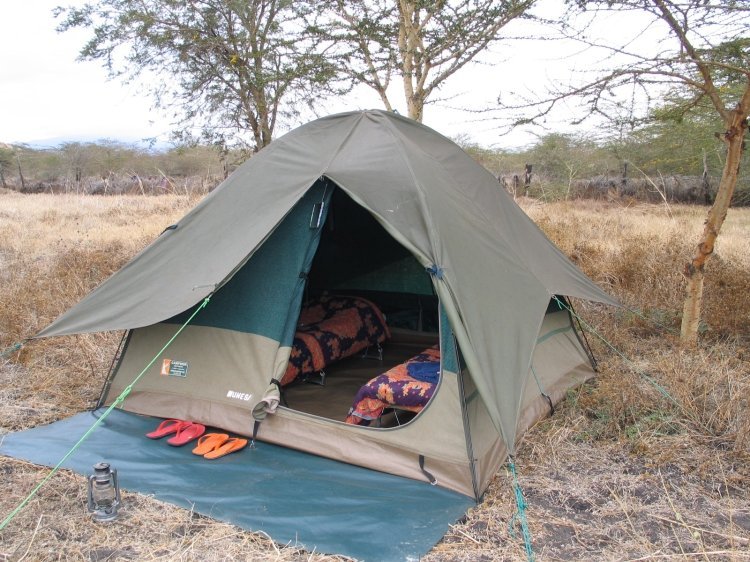
Can I Pay A Deposit To Reserve A Tanzania Group Safari?
Can I Pay a Deposit to Reserve a Tanzania Group Safari?
View package details 
Nov 23, – 3 Day Serengeti And Ngorongoro Safari From Zanzibar
Nov 23, 2026 – 3 Day Serengeti and Ngorongoro Safari from Zanzibar.
View package details 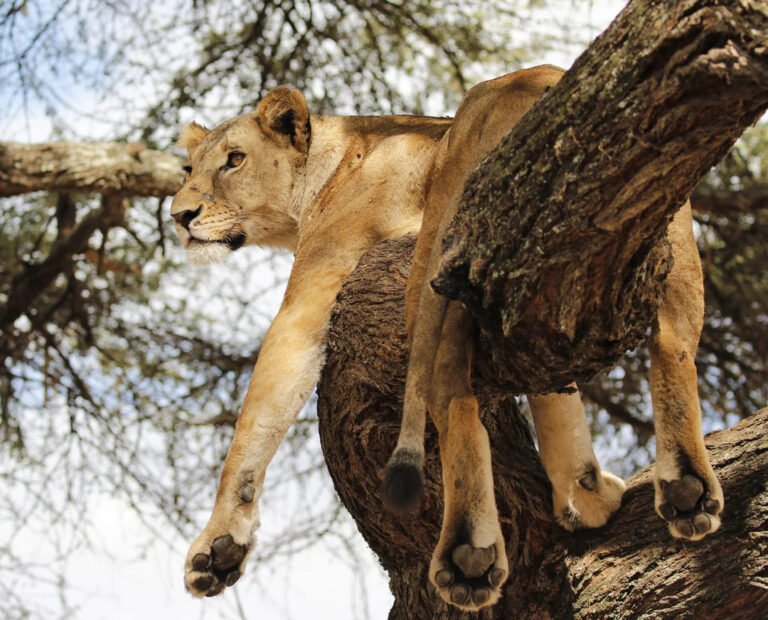
Dec 26, – 6 Day Christmas And New Year Northern Circuit Safari
Dec 26, 2026 – 6 Day Christmas and New Year Northern Circuit Safari.
View package details 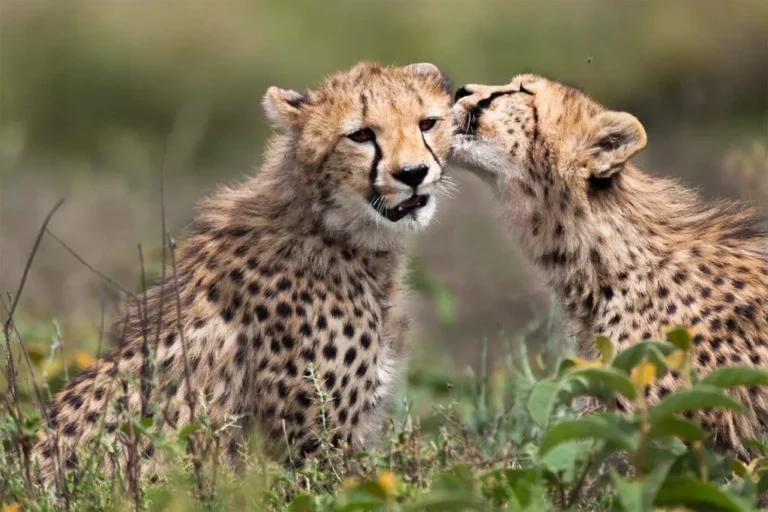
Dec 31, : New Year’s Eve Serengeti Group Safari Planning Guide
This guide provides essential planning details for a group safari trip to the Serengeti for New Year's Eve 2026, covering logistics, seasonal highlights, and what to expect.
View package details 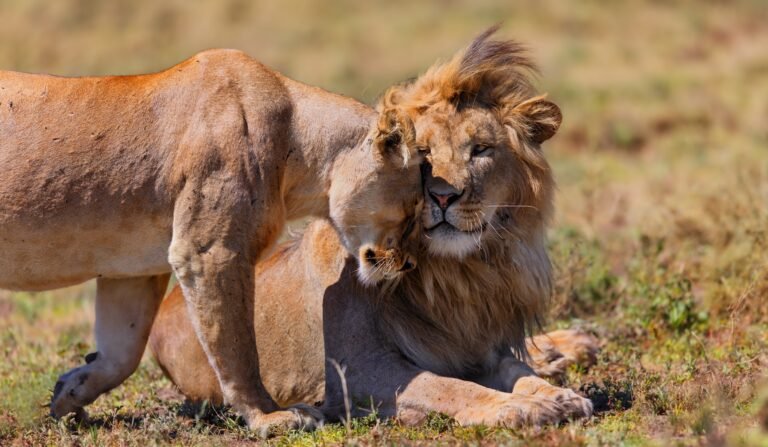
Dec 22, – 3 Day Nyerere Group Joining Safari
Dec 22, 2026 – 3 Day Nyerere Group Joining Safari.
View package details 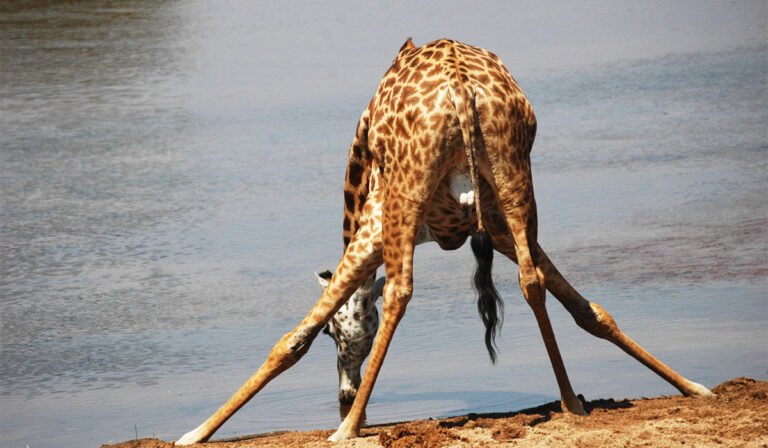
Can I Join A Safari That Has Already Confirmed Travellers?
Can I Join a Safari That Has Already Confirmed Travellers?
View package details 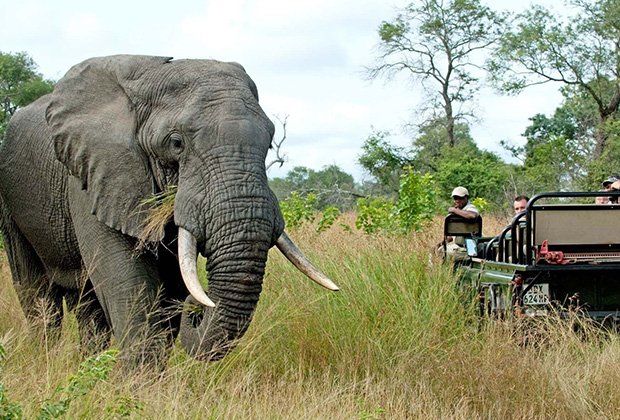
I Am On A Budget—What Is The Cheapest Serengeti Group Safari?
I Am on a Budget—What Is the Cheapest Serengeti Group Safari?
View package details _1_John_from-rednote-web-768x1024.jpg)
Dec 13, – 2 Day Nyerere Fly-In Group Safari From Zanzibar 2026
A detailed guide to the December 13, 2026 group fly-in safari from Zanzibar to Nyerere National Park, covering the itinerary, logistics, and planning for your trip.
View package details No related package matches those filters. Clear one or more filters to see the other topic-matched options.
Check Availability for How Much Money Do You Need For An African Safari? 2026-2027
Ready to compare dates, prices, and the best option for your group? Send the package name and travel month so the team can reply with a clear quote, availability, and what is included.
Dec 24, – 3 Day Christmas Serengeti And Ngorongoro Group Safari
Dec 24, 2026 – 3 Day Christmas Serengeti and Ngorongoro Group Safari.
View package detailsDec 20, – 10 Day Complete Tanzania Group Joining Safari
Dec 20, 2026 – 10 Day Complete Tanzania Group Joining Safari.
View package detailsWhich Dec Group Safari Ends Before New Year’s Eve?
Which Dec Group Safari Ends Before New Year’s Eve?
View package detailsHow Early Should I Book A Nov Or Dec Tanzania Group Safari?
How Early Should I Book a Nov or Dec Tanzania Group Safari?
View package detailsCan I Pay A Deposit To Reserve A Tanzania Group Safari?
Can I Pay a Deposit to Reserve a Tanzania Group Safari?
View package detailsNov 23, – 3 Day Serengeti And Ngorongoro Safari From Zanzibar
Nov 23, 2026 – 3 Day Serengeti and Ngorongoro Safari from Zanzibar.
View package detailsDec 26, – 6 Day Christmas And New Year Northern Circuit Safari
Dec 26, 2026 – 6 Day Christmas and New Year Northern Circuit Safari.
View package detailsDec 31, : New Year’s Eve Serengeti Group Safari Planning Guide
This guide provides essential planning details for a group safari trip to the Serengeti for New Year's Eve 2026, covering logistics, seasonal highlights, and what to expect.
View package detailsDec 22, – 3 Day Nyerere Group Joining Safari
Dec 22, 2026 – 3 Day Nyerere Group Joining Safari.
View package detailsCan I Join A Safari That Has Already Confirmed Travellers?
Can I Join a Safari That Has Already Confirmed Travellers?
View package detailsI Am On A Budget—What Is The Cheapest Serengeti Group Safari?
I Am on a Budget—What Is the Cheapest Serengeti Group Safari?
View package detailsDec 13, – 2 Day Nyerere Fly-In Group Safari From Zanzibar 2026
A detailed guide to the December 13, 2026 group fly-in safari from Zanzibar to Nyerere National Park, covering the itinerary, logistics, and planning for your trip.
View package detailsNo related package matches those filters. Clear one or more filters to see the other topic-matched options.