
The best flights to Kilimanjaro for climbing and a Serengeti safari typically arrive at Kilimanjaro International Airport (JRO), with options often involving layovers in major hubs like Amsterdam (AMS), Doha (DOH), Istanbul (IST), or Dubai (DXB), depending on your departure city. For 2026-2027 travel, booking at least 4-6 months in advance is advisable, especially for peak climbing and safari seasons. Consider airlines such as KLM, Qatar Airways, Turkish Airlines, and Ethiopian Airlines for competitive routes, but always compare prices and layover times to find the most efficient and cost-effective option for your specific travel dates and departure point.
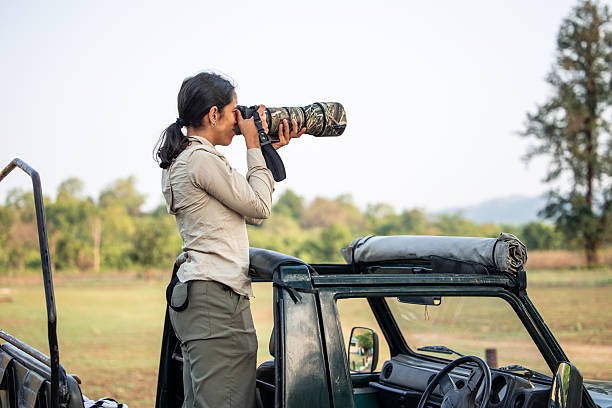

Finding the Best Flights to Kilimanjaro (JRO)
Securing the best flights to Kilimanjaro for climbing and a Serengeti safari is a critical first step in planning your Tanzanian adventure. Kilimanjaro International Airport (JRO), also known as Kilimanjaro International Airport, is your primary gateway. While direct flights from many continents are rare, the journey usually involves one or two layovers. The goal is to balance cost, travel time, and convenience. When searching for flights for 2026 or 2027, keep in mind that flexibility can be your greatest asset. Different airlines offer varying schedules, and sometimes shifting your travel dates by a day or two can yield significant savings or more convenient flight times.
Several factors influence what constitutes the “best” flight for you:
- Cost: This is often the primary driver. Flight prices fluctuate based on the season, how far in advance you book, and the airline.
- Travel Time: Long layovers or multiple connections can be exhausting, especially before a demanding Kilimanjaro climb.
- Convenience: Flight timings that align with your safari or climb start dates are essential. Arriving late at night might mean an extra hotel night.
- Airline Reputation: Comfort, in-flight service, and baggage allowances can impact your overall travel experience.
- Baggage Allowance: Crucial for climbers who need to pack specific gear, and for safari-goers bringing back souvenirs.
When using flight comparison websites, be sure to check not just the price but also the total duration of the journey and the length of any layovers. Sometimes, a slightly more expensive flight with a shorter, more convenient layover is well worth the extra cost. For 2026-2027 travel, start your research early, perhaps 8-12 months out, to get a sense of typical pricing and routes, and then aim to book 4-6 months in advance for the best combination of price and availability.
Major Airlines and Common Routes to JRO
Several international airlines operate routes that connect to Kilimanjaro International Airport (JRO). Your choice will largely depend on your departure location. Here are some of the most common airlines and the typical hubs they use:
European Hubs
For travelers originating from Europe, the most frequent and often convenient routes involve a stopover in a major European city. KLM, in partnership with Kenya Airways, is a very popular choice, with flights typically routing through Amsterdam (AMS) to Nairobi (NBO) in Kenya, followed by a short connection to JRO. This is often a preferred option for those combining a Kilimanjaro climb with a safari in Tanzania, as Nairobi is a major East African hub.
Turkish Airlines offers another strong option, usually connecting through Istanbul (IST). Istanbul is a vast and modern airport, and Turkish Airlines provides extensive network coverage, making it a viable choice for many travelers from Europe and beyond. The flight path can sometimes be slightly longer but often competitive in price.
Middle Eastern Hubs
For travelers from North America, Asia, and parts of Europe, Middle Eastern carriers provide excellent connectivity. Qatar Airways, flying through Doha (DOH), is a highly regarded airline known for its service and modern fleet. Doha is a major international transit point, offering numerous flight options daily.
Emirates, with its hub in Dubai (DXB), is another premium option. Dubai is a massive global airport, and Emirates offers a wide range of flights. While Emirates often flies to Zanzibar (ZNZ) directly, flights to JRO will likely involve a connection.
African Hubs
While JRO is the destination, some routes might involve a connection within Africa. As mentioned, Nairobi (NBO) is a key hub for reaching JRO. Ethiopian Airlines, flying through Addis Ababa (ADD), is another significant player in African aviation and can offer competitive routes from various global origins to JRO.
Route Considerations
When evaluating routes, consider the following:
- Layover Duration: Aim for layovers between 2 to 5 hours. Shorter can be risky for missed connections, while longer ones can be tiring.
- Layover Airport: Familiarize yourself with the transit airport. Some are easier to navigate than others.
- Baggage Handling: Ensure your baggage is checked through to JRO. This is standard on most interline agreements but always confirm.
- Visa Requirements: If your layover is in a country that requires a transit visa, factor this into your planning. For most common layovers like AMS, DOH, IST, or ADD, transit visas are not required for short stays if you remain airside.
For 2026-2027 travel, it’s wise to start monitoring prices for these airlines on your preferred departure dates. Flexibility with your departure and arrival airports (e.g., considering nearby international airports if feasible) can also uncover better deals.
Booking Strategy for 2026-2027 Travel
Planning your best flights to Kilimanjaro for climbing and Serengeti safari requires a strategic approach, especially when looking ahead to 2026-2027. Booking windows and price trends are important considerations.
When to Book
For international flights to JRO, the general advice is to book between 4 to 8 months in advance. This timeframe typically offers a good balance between having a wide selection of flights and securing competitive pricing before demand significantly increases. For peak seasons in 2026-2027 (typically January-March and June-October), booking even earlier, perhaps 6-9 months out, is recommended.
Early Bird Discounts: Some airlines or travel agents might offer early bird specials. While less common for standard economy tickets to JRO, it’s worth keeping an eye out. More often, the benefit of booking early is simply access to better seats and more convenient flight times.
Price Monitoring
Utilize flight comparison websites (like Google Flights, Skyscanner, Kayak) and set up price alerts. These tools allow you to track fare changes for specific routes and dates. This is invaluable for identifying when prices are at their lowest or when a good deal appears for your 2026-2027 trip.
Flexibility
If your travel dates are flexible, you can often find cheaper flights. Mid-week departures (Tuesday, Wednesday) are frequently less expensive than weekend flights. Similarly, traveling just outside the absolute peak season can offer significant savings without a major compromise on weather conditions for climbing or safari.
Direct vs. Indirect Flights
Direct flights to JRO from major continents are virtually non-existent. All routes will involve at least one layover. The key is to find the most efficient route with a reasonable layover time. A single, longer layover is often preferable to two short, stressful connections.
Booking Agents vs. Direct Booking
You can book flights directly with airlines or through Online Travel Agencies (OTAs). Booking directly with the airline can sometimes make it easier to manage your booking, make changes, or deal with disruptions. However, OTAs can sometimes offer bundled deals or lower prices. For complex itineraries involving multiple legs or if you’re also booking your accommodation and tours, a travel agent specializing in Tanzanian travel might be able to assist with flight bookings as part of a package.
Understanding Fare Types
Be aware of the different fare types: basic economy, standard economy, premium economy, business, and first class. Basic economy often comes with restrictions on seat selection, baggage, and changes. Ensure the fare you select meets your needs for comfort and flexibility, especially considering the long-haul nature of the flights to Kilimanjaro.
For your 2026-2027 adventure, start your research early. By booking your flights 4-8 months in advance, you position yourself for the best combination of price, availability, and convenience for your Kilimanjaro climb and Serengeti safari.
Timing Your Flights for Kilimanjaro and Safari
The timing of your flights is intrinsically linked to the best times to climb Kilimanjaro and go on a Serengeti safari. Coordinating these elements ensures you experience Tanzania’s highlights under optimal conditions.
Best Time for Kilimanjaro Climbing
Kilimanjaro has two main dry seasons, which are considered the best times for climbing:
- January to March: This is a dry and generally warm period. It’s a popular time, especially for reaching the summit.
- June to October: This is the longer dry season, characterized by cooler temperatures (especially at higher altitudes) and clear skies. This is often considered the absolute peak season for climbing.
The rainy seasons to avoid are typically April-May (long rains) and November-early December (short rains). While climbing is possible year-round, these wet periods significantly increase the difficulty, reduce visibility, and can lead to trail closures.
Best Time for Serengeti Safari
The Serengeti offers spectacular wildlife viewing year-round, but specific events dictate the best times for certain experiences:
- June to October: This coincides with the Great Migration’s river crossings of the Mara River in the northern Serengeti. This is a dramatic and sought-after wildlife spectacle. It’s also part of the dry season, meaning wildlife congregates around water sources, making them easier to spot.
- January to February: This period sees the wildebeest calving season in the southern Serengeti. It’s a prime time for predator action as lions, cheetahs, and hyenas are drawn to the vulnerable newborn calves.
The shoulder seasons (e.g., March-May, November-December) can offer fewer crowds and potentially lower prices, but you might encounter more rain, which can affect game drives and road conditions.
Coordinating Flights for 2026-2027
When booking your best flights to Kilimanjaro for climbing and Serengeti safari for 2026-2027, aim for arrival dates that align with the start of your chosen climbing and safari periods. Typically, travelers:
- Fly into JRO.
- Spend a day or two in Moshi or Arusha to prepare for the climb, attend a pre-climb briefing, and acclimatize slightly.
- Undertake their Kilimanjaro climb.
- After descending and resting, travel to their safari starting point (often Arusha).
- Begin their Serengeti safari.
This sequence means your flight arrival should be at least 1-2 days before your Kilimanjaro climb start date. If you are planning your safari immediately after your climb, ensure your safari start date allows for travel time from Kilimanjaro to the safari region.
Peak Season Considerations for 2026-2027
If you are targeting the peak seasons (June-October for climbing and July-October for migration river crossings), you absolutely must book your flights and tours well in advance. For 2026-2027, this means looking at booking flights by late 2025 or early 2026 for a 2026 trip, and by late 2026 or early 2027 for a 2027 trip.
Example: If you plan to climb Kilimanjaro in July 2027 and then go on safari, you should aim to book your flights to JRO by January-March 2027. Your safari operator will coordinate your transfers from the airport and to the safari starting point.
Understanding these seasonal overlaps is key to finding the best flights to Kilimanjaro that facilitate a smooth and rewarding Tanzanian experience.
Connecting Flights and Safari Logistics
Once you land at Kilimanjaro International Airport (JRO), the next crucial step is seamlessly transitioning to your climb and safari. This involves understanding how your flights connect to your ground arrangements.
Airport Transfers
Your tour operator, such as Climb 4 Africa, will typically arrange airport transfers from JRO to your hotel in Moshi or Arusha. This is usually included in your climb package. Confirm this detail when booking. The drive from JRO to Moshi is approximately 1-1.5 hours, and to Arusha it’s about 45 minutes to 1 hour.
Having your transfer pre-arranged provides peace of mind after a long international flight. It means you won’t have to worry about finding transport upon arrival, negotiating prices, or navigating unfamiliar surroundings when you’re tired.
Connecting to Safari Destinations
After your Kilimanjaro climb, you’ll return to Moshi or Arusha. From there, your safari begins. If you’re heading to the Serengeti, it’s a significant distance. Common options include:
- Driving: This is the most common and often most scenic way to reach the Serengeti. The drive from Arusha can take 8-10 hours, depending on the park gate you enter and your destination within the Serengeti. This allows you to see the changing landscapes.
- Flying: For a quicker transition, you can take a domestic flight from Arusha Airport (ARK) or even Kilimanjaro International Airport (JRO) to airstrip within the Serengeti (e.g., Seronera, Kogatende). These flights are often operated by companies like Auric Air or Coastal Aviation.
When to book domestic flights: If you opt for flying into the Serengeti, book these domestic flights well in advance, especially during peak seasons. They are more expensive than driving but save considerable time.
Flight Schedules and Safari Start Dates
Ensure your flight arrival at JRO allows sufficient time for your pre-climb briefing and rest. Likewise, after your climb, allow at least a day to recover and prepare for your safari. If you plan to fly directly to the Serengeti post-climb, coordinate this with your safari operator to ensure they can meet you at the appropriate airstrip.
For 2026-2027, if you are using the best flights to Kilimanjaro that might arrive late, consider booking an extra night in Moshi or Arusha before your climb briefing to ensure you are well-rested.
Interconnected Itineraries
Many travelers combine Kilimanjaro climbs with Serengeti safaris. The most efficient way to plan this is through a specialized tour operator. They can help coordinate:
- Your international flights to JRO.
- Airport transfers.
- Accommodation before and after the climb.
- The Kilimanjaro climb itself.
- Transfers to safari starting points.
- The Serengeti safari (and potentially other parks like Ngorongoro Crater, Tarangire).
- Domestic flights if chosen.
- Departure transfers.
Working with a company like Climb 4 Africa simplifies these complex logistics, ensuring that your flight arrival at JRO is the beginning of a well-orchestrated adventure, not the start of logistical headaches.
Kilimanjaro Airport (JRO) Arrival Experience
Arriving at Kilimanjaro International Airport (JRO) is your first real taste of Tanzania. Understanding the process can help ease any potential anxieties after your long journey.
Immigration and Visa on Arrival
Upon disembarking, you will proceed to immigration. If you have pre-arranged your visa online (often recommended), this process is usually smoother. If not, you can obtain a visa on arrival for many nationalities, but be prepared for potential queues and have the required documents and payment (usually USD cash or card, though cash is often preferred).
Visa Requirements: Always check the latest visa regulations for your nationality before traveling. Many nationalities can get a tourist visa upon arrival, but applying in advance online through the official Tanzanian immigration website is increasingly common and can save time at the airport. Ensure you have sufficient passport validity (at least six months beyond your intended stay) and blank pages.
Baggage Claim and Customs
After clearing immigration, you’ll collect your luggage from baggage claim. Proceed to customs, where you’ll declare any items if necessary. For typical tourist belongings, this is usually a straightforward process.
Meeting Your Transfer
This is a crucial step. Your pre-arranged transfer driver will be waiting for you in the arrivals hall, usually holding a sign with your name or your tour operator’s name (e.g., Climb 4 Africa). If you have booked with us, your driver will be clearly identifiable.
What to do if you can’t find your driver: Have the contact details of your tour operator readily available. If you booked with Climb 4 Africa, you can contact us directly. Don’t hesitate to ask airport staff for assistance. Drivers are typically instructed to wait near the information desk or designated meeting points.
First Impressions of Tanzania
JRO is a relatively small international airport. While it may not have the scale of major global hubs, it serves its purpose well. You’ll find basic amenities like currency exchange kiosks (though rates may not be the best), ATMs, and a few shops. The air is warm, and the atmosphere is distinctly African.
Getting to Your Hotel
The transfer from JRO to Moshi or Arusha is your first introduction to the Tanzanian landscape. You’ll see local villages, agricultural land, and perhaps glimpses of Mount Kilimanjaro itself, depending on the route and weather. Your driver can often provide initial insights into local life.
For travelers booking the best flights to Kilimanjaro for climbing and Serengeti safari, ensuring your airport transfer is confirmed and reliable is paramount. It sets the tone for the rest of your trip and ensures a smooth start to your Tanzanian adventure.
Visa and Entry Requirements for Tanzania
Understanding the visa and entry requirements for Tanzania is a non-negotiable part of planning your trip. This applies whether you are arriving on the best flights to Kilimanjaro for climbing and Serengeti safari or any other entry point.
Visa Options
Most foreign nationals require a visa to enter Tanzania for tourism purposes. There are typically three main ways to obtain a visa:
- Online Application (eVisa): This is the most recommended method for many nationalities. You can apply for a Tanzanian visa online through the official government portal. This process usually takes a few days to a couple of weeks, so apply well in advance of your travel dates for 2026-2027. Ensure you use the official government website to avoid scams.
- Visa on Arrival: For many nationalities, it’s possible to obtain a tourist visa upon arrival at JRO. However, this can involve longer queues and requires you to have the necessary documentation and payment ready. It’s generally advisable to have this sorted in advance if possible.
- Embassy/Consulate Application: You can also apply for a visa at a Tanzanian embassy or consulate in your home country before traveling. This is less common for tourists nowadays but remains an option.
Required Documents for Visa Application/Arrival
Regardless of how you obtain your visa, you will generally need:
- A passport valid for at least six months beyond your intended stay.
- At least one blank page in your passport for the visa stamp.
- A completed visa application form (if applying on arrival or at an embassy).
- Proof of onward or return travel (sometimes requested).
- Visa fee payment (typically in USD cash, though card payments may be accepted at some ports of entry). Check current fees for 2026-2027.
- A yellow fever vaccination certificate may be required if you are arriving from or transiting through a country with a risk of yellow fever. Check the latest health advisories.
Important Considerations
- Nationality Specifics: Visa requirements can vary significantly based on your nationality. Always verify the specific requirements for your country.
- Purpose of Visit: Ensure you apply for the correct visa type (e.g., tourist visa).
- Multiple Entry: If you plan to exit and re-enter Tanzania during your trip (e.g., a short trip to Zanzibar followed by mainland Tanzania), you might need a multiple-entry visa. However, most standard tourist trips to Kilimanjaro and Serengeti are single entry.
- Tanzania Mainland vs. Zanzibar: For most international arrivals at JRO, a single visa covers mainland Tanzania and Zanzibar. If you fly directly into Zanzibar (ZNZ) and then travel to the mainland, confirm visa validity.
Recommendation for 2026-2027: To ensure a smooth entry, we strongly advise applying for your Tanzanian visa online (eVisa) at least 3-4 weeks before your departure. This proactive approach minimizes stress upon arrival and allows you to focus on the exciting adventure ahead after landing on your best flights to Kilimanjaro.
Always consult the official Tanzania immigration website or your local Tanzanian embassy for the most up-to-date information regarding visa requirements, fees, and application procedures.
Preparing for Your Flight to Kilimanjaro
A long-haul flight to Kilimanjaro requires some preparation to ensure comfort and a smooth transition upon arrival. Thinking ahead about your flight is part of securing the best flights to Kilimanjaro for climbing and Serengeti safari.
Packing for Your Flight
Carry-on Essentials: Pack your essential medications, travel documents (passport, visa confirmation, flight tickets), a change of clothes, basic toiletries, any valuables, and electronics (chargers, power bank). For climbers, ensure your essential climbing gear (like sturdy hiking boots, if not worn) is in your carry-on in case checked luggage is delayed.
Comfort Items: Long flights can be challenging. Consider packing a neck pillow, eye mask, earplugs, and comfortable, loose-fitting clothing. Layers are key, as cabin temperatures can fluctuate.
Hydration and Snacks: Bring an empty reusable water bottle to fill after security. While airlines provide meals, having some of your own snacks can be helpful, especially if you have dietary restrictions.
In-Flight Entertainment and Connectivity
Most international flights to JRO will offer in-flight entertainment systems. Download movies, music, or podcasts onto your devices beforehand, as Wi-Fi can be expensive or unavailable.
Power Outlets: Many modern aircraft have USB ports or power outlets at your seat. Bring the appropriate adapters for your devices.
Dealing with Jet Lag
Tanzania is typically 7-9 hours ahead of Europe and 8-10 hours ahead of North America. Jet lag is common.
- Adjust Your Sleep Schedule: Try to adjust your sleep schedule a few days before departure.
- Stay Hydrated: Drink plenty of water during the flight.
- Move Around: Get up and walk the aisles periodically to improve circulation.
- Upon Arrival: Upon arrival in Tanzania, try to stay awake until local bedtime to help reset your body clock. Expose yourself to natural daylight.
Baggage Considerations
Checked Baggage: Pay close attention to the airline’s baggage allowance for checked and carry-on luggage. For Kilimanjaro climbs, you’ll need to pack specialized gear. Ensure your chosen flights accommodate the necessary weight and dimensions.
Lost or Delayed Luggage: While rare on reputable carriers, it can happen. Having your essential items in your carry-on minimizes the impact. Report any lost luggage immediately at the baggage claim desk before leaving the airport.
Health and Medications
If you have any medical conditions, ensure you have enough of your prescribed medication for the entire trip, plus a little extra, in your carry-on luggage. Carry a copy of your prescription. Consult your doctor about recommended vaccinations and malaria prophylaxis before traveling.
Preparing thoroughly for your flight ensures that you arrive at Kilimanjaro International Airport (JRO) feeling as refreshed as possible, ready to start your Kilimanjaro climb and Serengeti safari adventure for 2026-2027.
Alternative Airports and Considerations
While Kilimanjaro International Airport (JRO) is the primary and most convenient airport for climbing Kilimanjaro and starting a Serengeti safari, there are other airports in Tanzania and neighboring countries that might be considered, though usually with significant trade-offs.
Arusha Airport (ARK)
Arusha Airport is a domestic airport located much closer to the towns of Arusha and Moshi, the typical starting points for Kilimanjaro climbs and safaris. Flights to ARK are usually from Nairobi (NBO) or other Tanzanian cities.
Pros: Closer proximity to your starting point means less travel time from the airport to your hotel and pre-climb briefing. This can save you 1-2 hours compared to JRO.
Cons: ARK does not handle international flights. You would first need to fly into a major international hub (like JRO, NBO, or DAR) and then take a separate domestic flight to Arusha. This adds complexity and cost to your international travel booking.
When to consider ARK: If you are already in East Africa or have a separate booking for a flight from Nairobi to Arusha, it can be a convenient option. However, for most international travelers, booking a single ticket to JRO is far more practical.
Amboseli National Park (Kenya)
Amboseli is a beautiful park in Kenya, known for its stunning views of Kilimanjaro and large elephant herds. Some travelers might consider flying into Nairobi (NBO) and then arranging transport or a flight to Amboseli, possibly as a precursor or alternative to a Tanzanian safari.
Pros: Nairobi (NBO) is a major international hub with frequent flights and competitive pricing. Amboseli offers fantastic wildlife viewing.
Cons: This is in Kenya, not Tanzania. It requires separate border crossing logistics and potentially different visa arrangements. It doesn’t directly serve the Kilimanjaro climb. Combining Amboseli with a Tanzanian safari requires significant overland travel or additional flights between countries.
Dar es Salaam (DAR)
Julius Nyerere International Airport (DAR) in Dar es Salaam is Tanzania’s largest airport and a major gateway. It receives more international flights than JRO.
Pros: Potentially more flight options and competitive pricing for international travel. It’s a gateway to southern Tanzania safaris and Zanzibar.
Cons: DAR is a considerable distance from Kilimanjaro and Arusha (approximately 6-8 hours drive). If your primary goal is climbing Kilimanjaro and doing a Serengeti safari, flying into DAR means adding a long overland journey or an expensive domestic flight north, which negates any initial flight savings.
Zanzibar (ZNZ)
Abeid Amani Karume International Airport (ZNZ) serves the island of Zanzibar. Some international flights connect directly to ZNZ, or you can fly there from mainland Tanzania.
Pros: Ideal if your trip focuses heavily on Zanzibar, with a short Kilimanjaro climb or safari added on. Direct international flights can sometimes be found.
Cons: Similar to DAR, ZNZ is far from Kilimanjaro. You would need a domestic flight or ferry to the mainland and then a long drive north, making it impractical as the primary arrival point for a Kilimanjaro and Serengeti focused trip.
Recommendation for 2026-2027
For the vast majority of travelers whose main objective is climbing Kilimanjaro and experiencing a Serengeti safari, Kilimanjaro International Airport (JRO) remains the undisputed best choice. The convenience and direct access it provides to the northern Tanzanian circuit far outweigh the potential cost savings or route options offered by other airports. When planning your best flights to Kilimanjaro for climbing and Serengeti safari, focus your search on JRO to ensure a smooth and efficient start to your adventure.
Booking Your Tanzanian Adventure with Climb 4 Africa
Once you’ve navigated the complexities of finding the best flights to Kilimanjaro for climbing and Serengeti safari, the next vital step is to book your ground arrangements – your climb, your safari, and any associated logistics. This is where partnering with an experienced local operator like Climb 4 Africa becomes invaluable.
Why Choose a Local Expert?
As a Tanzanian-based company, Climb 4 Africa offers unparalleled local knowledge and support. We understand the intricacies of:
- Kilimanjaro Routes and Logistics: We know the mountains, the best routes for different fitness levels, optimal acclimatization strategies, and the critical safety protocols.
- Serengeti and Northern Circuit Safaris: We understand wildlife patterns, the best times for migration viewing, optimal park entry points, and excellent safari guides.
- Local Support: We provide on-the-ground assistance, ensuring smooth transfers, reliable accommodation, and immediate support should any issues arise during your 2026-2027 trip.
- Value and Transparency: We offer competitive pricing for high-quality services, with clear inclusions and exclusions, so you know exactly what you are paying for.
How We Can Help with Your Travel Plans
While you’re securing your international flights to JRO, we can seamlessly integrate your climb and safari arrangements. We can assist with:
- Tailored Itineraries: Whether you want a challenging Kilimanjaro climb followed by an extensive safari, or a shorter trek combined with a quick safari, we craft itineraries to match your interests and time.
- Group Departures: Join one of our scheduled group climbs or safaris for 2026-2027. This is a great way to save costs and share the experience with like-minded travelers. Check our Kilimanjaro group departure dates.
- Private Tours: If you prefer a customized experience for your family or group, we design private tours tailored to your preferences.
- Accommodation and Transfers: We handle all bookings for pre- and post-climb accommodation and ensure reliable airport and inter-destination transfers.
- Expert Guides and Crew: Our mountain guides and safari drivers are highly experienced, certified, and dedicated to your safety and enjoyment.
Next Steps After Booking Flights
Once you have a good idea of your flight dates to JRO, the next step is to contact us to discuss your climb and safari plans. To help us create the perfect itinerary for you, please have the following information ready:
- Your desired travel dates or flexibility.
- The type of Kilimanjaro climb you are interested in (e.g., Machame, Lemosho, Marangu) and preferred duration.
- Your safari interests (e.g., Serengeti, Ngorongoro Crater, Tarangire) and duration.
- The number of people in your travel party.
- Your approximate budget or preferred level of accommodation.
Get in Touch
Don’t hesitate to reach out to our team for a personalized quote and expert advice. We are here to answer all your questions and ensure your journey from finding the best flights to Kilimanjaro to summiting the peak and exploring the Serengeti is an unforgettable experience.
Contact us today:
- WhatsApp: +255 747 477 898
- Email: climb4africa@gmail.com
Let Climb 4 Africa be your trusted partner in planning your ultimate Tanzanian adventure for 2026-2027!
Check Availability for Best Flights To Kilimanjaro For Climbing And Serengeti Safari 2026-2027
Ready to compare dates, prices, and the best option for your group? Send the package name and travel month so the team can reply with a clear quote, availability, and what is included.
Tanzania Safari Tours & Packages /: Your Ultimate Wildlife Adventure 2026-2027
Discover the magic of Tanzania with expertly crafted safari tours and packages for 2026 and 2027. From the vast plains of the Serengeti to the depths of the Ngorongoro Crater, find your...
View package detailsWildlife And Nature Titles: Your Ultimate Guide To Tanzanias Best Experiences
This comprehensive guide explores the most sought-after wildlife and nature titles in Tanzania, from iconic safari destinations and Kilimanjaro treks to the tropical allure of Zanzibar...
View package details
Serengeti Safari Tours: Prices, Packages & Best Time To Visit In 2026-2027
Discover everything you need to know for planning your Serengeti safari tour, from understanding pricing and package variations to identifying the ideal travel times in 2026-2027. This...
View package details
3-Day Serengeti And Ngorongoro Safari: Your Ultimate Tanzania Wildlife
start a concise yet unforgettable 3-day Serengeti and Ngorongoro safari, designed to maximize wildlife encounters in Tanzania's most celebrated parks. This compact adventure offers a taste...
View package details
Serengeti Safari And Zanzibar Beach Holiday: The Ultimate Tanzania
Combine the thrill of a Serengeti safari with the relaxation of a Zanzibar beach holiday. This guide covers everything you need to know for an unforgettable Tanzania adventure in 2026-2027...
View package details
Zanzibar To Serengeti Safari Packages 2026-2027
Zanzibar to Serengeti Safari Packages is explained with current 2026-2027 planning, price, itinerary and booking information.
View package details
Serengeti Great Migration Safari Packages: Your Guide To Witnessing The Wonder
start an unforgettable journey with our comprehensive guide to Serengeti Great Migration safari packages for 2026-2027. Understand the best times to go, optimal viewing locations, and how...
View package details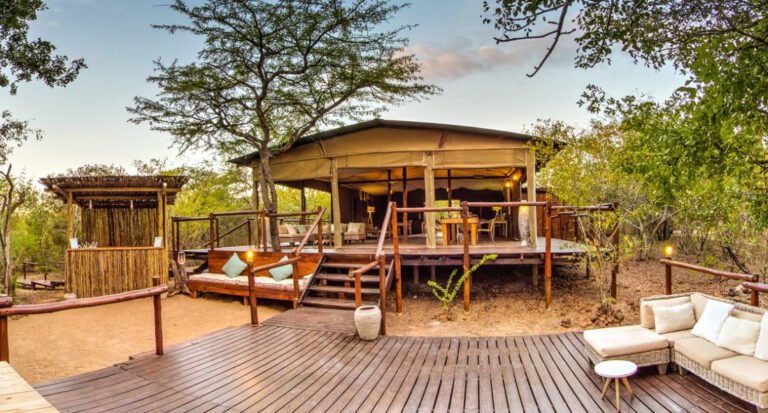
7-Day Tanzania Safari: Serengeti, Ngorongoro, And Tarangire In 2026-2027
A comprehensive guide to a 7-day Tanzania safari adventure, focusing on the iconic Serengeti National Park, the Ngorongoro Crater, and Tarangire National Park. Learn about optimal...
View package detailsAll-Inclusive African Safari Vacations Guide
start an all-inclusive African safari vacation in Tanzania, a premier destination for wildlife viewing in 2026-2027. This comprehensive guide covers everything from iconic parks like the...
View package details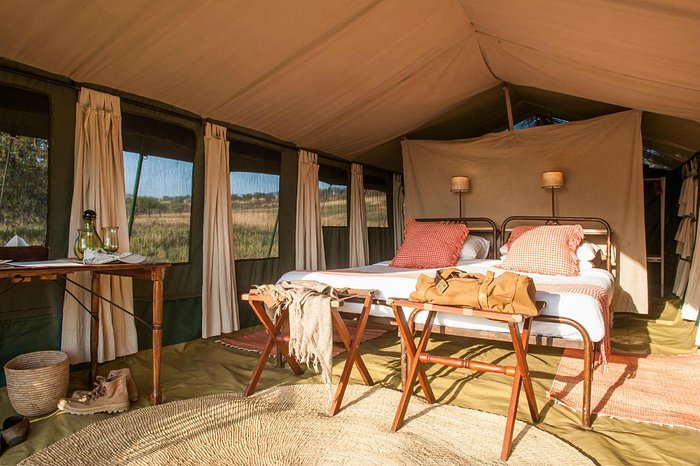
Best African Safari Tours & Vacation Packages /: Your Ultimate Tanzania
start an unforgettable African safari adventure in 2026/2027 with expertly curated tours and vacation packages in Tanzania's most iconic wildlife destinations. From the Serengeti to the...
View package details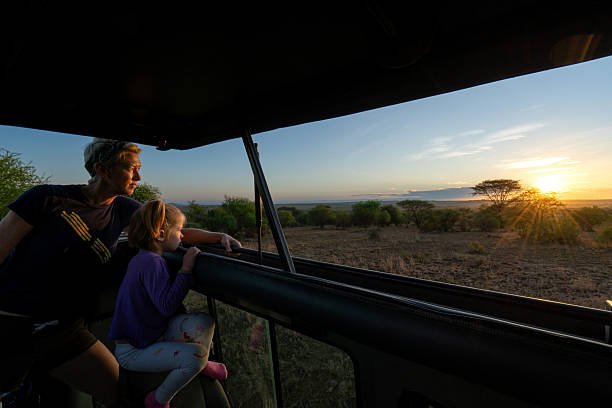
Private Tanzania Safari Packages: Your Ultimate Guide For 2026-2027
Discover the unparalleled freedom and personalized experience of a private Tanzania safari package. This comprehensive guide for 2026-2027 explores custom itineraries, key destinations like...
View package detailsBest Places To See Wild Animals In Tanzania: Your Ultimate Safari Guide
Planning a safari to witness incredible wildlife? Tanzania offers some of the planet's most spectacular viewing opportunities. This guide explores the top destinations for seeing wild...
View package detailsNo related package matches those filters. Clear one or more filters to see the other topic-matched options.



