Serengeti safari tours in 2026-2027 typically range from $200 to $1,500+ per person per day, depending on accommodation style (budget camping to luxury lodges), safari duration, group size (private vs. shared), and included activities. The best time to visit depends on your wildlife viewing priorities: June to October offers the dramatic Great Migration river crossings and dry conditions, while November to May provides lush landscapes, fewer crowds, and excellent birdwatching, with calving season in February.

Planning a Serengeti safari tour is an exciting undertaking, and understanding the nuances of pricing, package options, and the optimal time to travel are crucial for a successful and memorable adventure. Whether you’re dreaming of witnessing the Great Migration, seeking out the Big Five, or simply immersing yourself in the vast African wilderness, this guide will break down what you need to know to plan your 2026-2027 Serengeti safari.
Understanding Serengeti Safari Tour Pricing
The cost of a Serengeti safari tour is not a one-size-fits-all figure. It’s influenced by a multitude of factors, and it’s important to understand these variables to set a realistic budget and choose a package that aligns with your expectations and financial comfort. Generally, prices can be broken down into several key components:
Accommodation Choices: The Biggest Cost Driver
Your choice of accommodation will significantly impact the overall price of your Serengeti safari tour. There’s a wide spectrum available, catering to different budgets and comfort levels:
- Budget Camping Safaris: These are the most economical options. You’ll typically stay in public campsites within or near the park, often using basic tents and shared facilities. Meals are usually prepared by a safari cook. While offering a truly wild experience, they require a willingness to forego some comforts. This style is ideal for backpackers or those prioritizing maximum wildlife viewing time over luxurious amenities. Expect costs in the range of $200 – $350 per person per day.
- Mid-Range Tented Camps: These offer a step up in comfort, providing en-suite bathrooms, proper beds, and often more refined dining. They are usually permanent or semi-permanent tented structures that blend harmoniously with the environment. Mid-range options strike a good balance between comfort and immersion in nature. Prices typically fall between $400 – $700 per person per day.
- Luxury Lodges and Tented Camps: For those seeking ultimate comfort and service, luxury lodges and tented camps offer spacious rooms, gourmet dining, swimming pools, and impeccable service. These often boast prime locations within the Serengeti. This is the premium Serengeti safari tour experience. Expect costs from $800 to $1,500+ per person per day.
Safari Duration and Itinerary Complexity
The longer you stay in the Serengeti, and the more complex your itinerary, the higher the cost will be. A standard Serengeti safari might be 3-4 days, but many visitors extend their trips to include other Northern Circuit parks like the Ngorongoro Crater, Tarangire, or Lake Manyara. Each additional day adds costs for accommodation, park fees, vehicle hire, and guiding services. A 7-day Northern Circuit safari covering multiple parks will naturally be more expensive than a 3-day Serengeti-only trip.
Vehicle and Guide Services: Private vs. Shared
The type of safari vehicle and whether you opt for a private or shared tour are major price determinants:
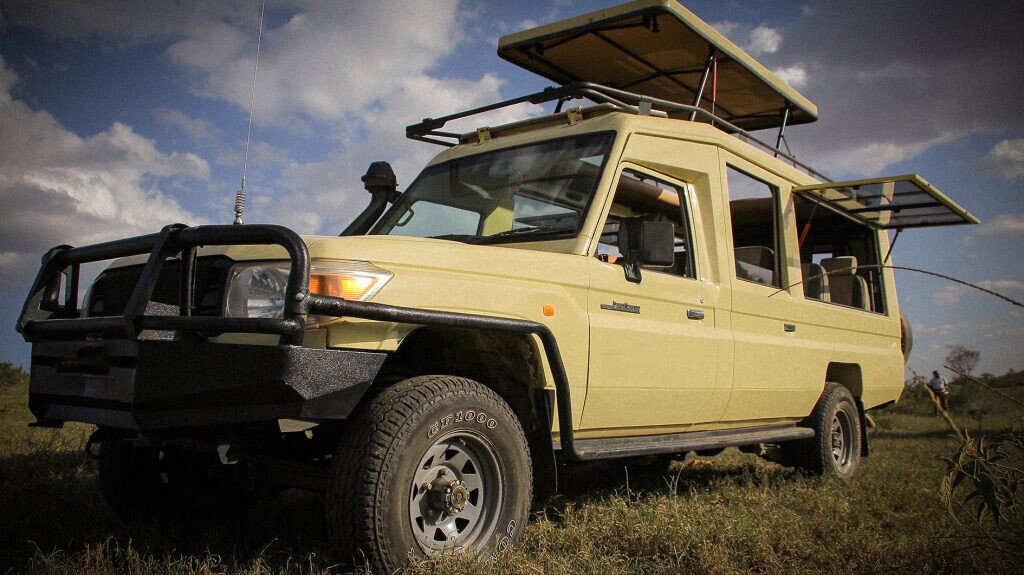
- Shared Safaris: These are more budget-friendly as costs are split among travelers. You’ll join a small group (typically 4-7 people) in a customized 4×4 safari vehicle. Departure dates are usually fixed. This is a great way to experience a Serengeti safari tour without a hefty price tag.
- Private Safaris: You have exclusive use of the safari vehicle and guide, offering maximum flexibility in terms of itinerary, pace, and wildlife viewing stops. This is ideal for families, groups of friends, or individuals who want a more personalized experience. Private safaris are considerably more expensive than shared ones.
The cost of a safari vehicle (a sturdy, pop-top 4×4 Land Cruiser or Land Rover) and an experienced driver-guide is a significant portion of any safari package. For private tours, this cost is amortized over fewer people.
Park Entrance Fees and Concession Fees
Tanzania National Parks (TANAPA) charges daily entrance fees for each park. For the Serengeti, this is currently $70.70 per person per 24 hours, plus vehicle fees. Some private concessions outside the main park areas may have higher fees but offer more exclusive wildlife viewing. These fees are mandatory and are usually included in your tour package price.
Inclusions and Exclusions
Always scrutinize what is included in your Serengeti safari tour package. Common inclusions are:
- Accommodation
- All meals (B, L, D) while on safari
- Park entrance fees
- Vehicle and driver-guide services
- Bottled water in the vehicle
- Airport transfers
Common exclusions:
- International flights
- Visa fees
- Travel insurance
- Tips for guides and camp staff
- Drinks (alcoholic and non-alcoholic, other than specified water)
- Optional activities (e.g., hot air balloon safaris)
Understanding these can prevent unexpected costs. For example, hot air balloon safaris are a fantastic experience but can add $500-$600 per person to your trip cost.
Popular Serengeti Safari Tour Packages & Itinerary Ideas
Serengeti National Park is vast, and the best way to experience it often involves tailoring your itinerary to specific interests and the time of year. Here are some popular package structures and itinerary ideas for 2026-2027:
Classic Serengeti Safari (3-5 Days)
This is the most common introductory package, focusing solely on the Serengeti. It’s ideal for those with limited time or who want to combine it with other destinations like the Ngorongoro Crater.
- Day 1: Arrive at Kilimanjaro International Airport (JRO), transfer to Arusha for an overnight stay.
- Day 2: Fly from Arusha to a Serengeti airstrip (e.g., Seronera). Game drive en route to your lodge/camp. Afternoon game drive.
- Day 3: Full day of game drives in the central Serengeti (Seronera area), known for its resident wildlife and big cats year-round.
- Day 4 (Optional): Depending on the time of year, you might drive towards the Grumeti or Mara Rivers in the north/west, or explore other sectors.
- Day 5: Morning game drive, then fly back to Arusha for onward travel or overnight.
This type of Serengeti safari tour package offers a concentrated wildlife experience.
Serengeti & Ngorongoro Crater Combination (5-7 Days)
This is arguably the most popular itinerary for first-time visitors to Tanzania, combining the iconic Serengeti with the unique Ngorongoro Conservation Area.
- Day 1: Arrive JRO, transfer to Arusha.
- Day 2: Drive or fly to the Serengeti. Game drive to camp/lodge.
- Day 3-4: Serengeti game drives. Focus on different regions depending on migration patterns or resident wildlife.
- Day 5: Drive from Serengeti to the Ngorongoro Conservation Area, perhaps stopping at Olduvai Gorge. Overnight on the crater rim or nearby.
- Day 6: Full day game drive on the Ngorongoro Crater floor, renowned for its high concentration of wildlife, including the chance to see the black rhino.
- Day 7: Drive back to Arusha for departure or onward journey.
This itinerary provides a fantastic contrast between the vast plains of the Serengeti and the unique caldera ecosystem of the Ngorongoro Crater.
Northern Circuit Explorer (7-10 Days)
For those who want a more comprehensive introduction to Tanzania’s wildlife, this package typically includes the Serengeti, Ngorongoro Crater, Tarangire National Park (famous for elephants and baobab trees), and Lake Manyara National Park (known for tree-climbing lions).
- Day 1: Arrive JRO, transfer to Arusha.
- Day 2: Drive to Tarangire National Park. Afternoon game drive.
- Day 3: Full day in Tarangire or drive to Lake Manyara.
- Day 4: Explore Lake Manyara, then drive to the Ngorongoro Conservation Area.
- Day 5: Ngorongoro Crater game drive.
- Day 6: Drive to the Serengeti.
- Day 7-8: Serengeti game drives.
- Day 9: Morning game drive, fly back to Arusha.
- Day 10: Departure.
This extended Serengeti safari tour offers incredible diversity.
Great Migration Focused Safaris
These specialized Serengeti safari tours are timed to coincide with specific phases of the Great Migration. Prices can be higher during peak migration events, especially around the river crossings.
- June-July: Focus on the western corridor and Grumeti River for potential river crossings.
- July-October: Head north towards the Mara River for the most dramatic and challenging crossings.
- December-February: Follow the herds as they move south into the central and southern Serengeti for the calving season.
Packages will include accommodations strategically located to maximize viewing opportunities of the migrating herds. Expect these to be in higher demand for 2026-2027, so booking well in advance is crucial.
The Best Time to Visit the Serengeti for Your Safari
Deciding when to go on your Serengeti safari tour is paramount, as it dictates the wildlife viewing experience, crowd levels, and even the landscape. The Serengeti’s climate is generally divided into two main seasons:
The Dry Season (June to October)
This is widely considered the peak season for Serengeti safari tours, and for good reason. The weather is pleasant, with less humidity and minimal rainfall, making game viewing more comfortable and easier. The vegetation thins out, allowing for better visibility of animals.
- Great Migration River Crossings: The most dramatic event of the year, the Grumeti and Mara River crossings, typically occurs between June and October. Millions of wildebeest, zebras, and other herbivores must cross these predator-filled rivers to reach fresh grazing grounds. This is a prime time for photographers and wildlife enthusiasts.
- Concentration of Wildlife: As water sources become scarce, animals tend to congregate around the remaining waterholes and rivers, making them easier to spot.
- Conditions: Expect sunny days with cooler mornings and evenings. Pack layers.
- Considerations: This is the busiest and most expensive time to visit. Lodges and camps fill up quickly, especially those in prime migration viewing areas. Booking your Serengeti safari tour for 2026-2027 during this period should be done at least 9-12 months in advance.
The Wet Season (November to May)
The wet season offers a different, yet equally rewarding, safari experience. While it’s characterized by rain, it’s rarely continuous and often comes in short, intense bursts, usually in the afternoon. The landscape transforms into a vibrant green paradise.
- Calving Season (December to February): The southern Serengeti becomes the birthing ground for hundreds of thousands of wildebeest calves. This period is fantastic for viewing predator-prey interactions, as lions, cheetahs, and hyenas feast on the vulnerable newborns.
- Green Season and Birdwatching: The lush landscapes are stunning, offering incredible photographic opportunities. Migratory birds return, making it a paradise for birdwatchers.
- Fewer Crowds: Generally, there are fewer tourists during the wet season, leading to a more exclusive and intimate safari experience.
- Lower Prices: You might find slightly better deals on accommodation and packages during the shoulder months (e.g., November, early December, late May).
- Conditions: Expect warmer temperatures and the possibility of rain. Roads can become muddy, potentially affecting travel times and access to certain areas.
Shoulder Seasons (May, November, Early December)
These transitional periods can offer a sweet spot, combining decent wildlife viewing with fewer crowds and potentially more favorable pricing for your Serengeti safari tour. May often marks the end of the long rains, with lush scenery but fewer tourists before the migration moves west.
Planning Your Serengeti Safari Tour in 2026-2027: Key Considerations
Beyond price and timing, several other factors are crucial for a well-planned Serengeti safari tour:
Choosing Your Safari Style
As mentioned, you can opt for shared or private. For families or groups, a private Serengeti safari tour offers the best value and flexibility. For solo travelers or couples on a tighter budget, shared departures are excellent. Consider what level of privacy, flexibility, and customization you desire.
Internal Flights vs. Driving
Most Serengeti safari tours involve either driving from Arusha or flying from Arusha to an internal airstrip within the park. Driving is more economical and allows you to see more of the landscape, including other parks like Tarangire and Ngorongoro. However, it involves long travel days. Flying saves significant time, allowing for more game viewing hours within the Serengeti itself, but adds to the overall cost. For shorter trips or when time is of the essence, flying is often preferred.
Accommodation Location within Serengeti
The Serengeti is enormous. Different regions offer distinct experiences depending on the time of year:
- Central Serengeti (Seronera): Excellent year-round due to resident wildlife, particularly big cats.
- Western Corridor: Best for Grumeti River crossings (June-July).
- Northern Serengeti (Mara River): Prime location for Mara River crossings (July-October).
- Southern Plains: Ideal for the calving season (December-February).
Your tour operator will strategically place you in the right region based on the season and your interests for your Serengeti safari tour.
Booking Window for 2026-2027 Safaris
For peak season travel (especially during the Great Migration river crossings in 2026 or 2027), it’s advisable to book your Serengeti safari tour 9 to 12 months in advance. For the wet season or shoulder periods, 4 to 6 months is usually sufficient, but early booking is always recommended to secure your preferred lodges and flight schedules.
What to Pack
Packing for a Serengeti safari tour requires careful consideration of the climate and activities:
- Clothing: Neutral-colored clothing (khaki, beige, olive green) is best to avoid startling wildlife. Pack light, breathable fabrics for daytime and warmer layers (fleece, jacket) for cool mornings and evenings. Long sleeves and trousers protect against sun and insects.
- Footwear: Comfortable walking shoes or hiking boots if you plan any walking safaris (though these are less common in the Serengeti proper). Sandals or comfortable trainers for camp.
- Sun Protection: High SPF sunscreen, wide-brimmed hat, sunglasses.
- Insect Repellent: Essential, especially for evenings.
- Camera Gear: Binoculars are a must! Bring extra batteries, memory cards, and a zoom lens if possible. A dust cover for your camera is also useful.
- Medical Kit: Personal medications, basic first-aid supplies, motion sickness medication if needed. Consult your doctor about malaria prophylaxis and vaccinations.
- Other Essentials: Headlamp or flashlight, reusable water bottle, power adapter/bank.
Health and Safety
Consult your doctor about necessary vaccinations and malaria precautions well in advance of your trip. While on safari, always follow your guide’s instructions regarding wildlife encounters and safety protocols. Drink plenty of bottled water to stay hydrated.
Making Your Serengeti Safari Tour Booking
Choosing the right tour operator is as important as choosing the right time to go. Look for companies with deep local knowledge, excellent safety records, and a commitment to sustainable tourism. A reputable operator will:
- Offer clear, detailed itineraries and inclusions.
- Provide experienced, knowledgeable guides.
- Have well-maintained safari vehicles.
- Offer transparent pricing with no hidden fees.
- Be responsive to your queries and customize itineraries.
When you’re ready to plan your unforgettable Serengeti safari tour for 2026 or 2027, we at Climb 4 Africa are here to help. We specialize in creating tailor-made Tanzanian adventures, from Kilimanjaro climbs to incredible wildlife safaris. We understand the local landscape, the best times to witness specific wildlife events, and how to craft an itinerary that perfectly matches your interests and budget.
To get started, simply reach out to us with your preferred travel dates, the duration you envision for your Serengeti safari tour, your accommodation preferences (e.g., budget camping, mid-range, luxury), and the number of people in your group. The more details you can provide, the better we can tailor a package for you. You can contact us via WhatsApp at +255 747 477 898 or email us at climb4africa@gmail.com. We look forward to helping you plan your dream Serengeti adventure!
Frequently Asked Questions About Serengeti Safari Tours
Here are some common questions potential visitors have regarding Serengeti safari tours:
What is the average cost of a 5-day Serengeti safari in 2026?
A 5-day Serengeti safari tour in 2026, assuming a mid-range lodge or tented camp experience with a private vehicle, will likely cost between $2,500 to $4,500 per person. Budget camping options could be closer to $1,000-$1,500 per person, while luxury options could exceed $6,000 per person. This range covers accommodation, park fees, meals, vehicle, and guide services.
Is it better to drive or fly into the Serengeti?
It depends on your priorities. Driving is more economical, allows you to see more of the country en route, and can include stops at other parks like Tarangire and Ngorongoro. However, it involves long travel days (often 8-10 hours from Arusha to the Serengeti). Flying from Arusha to a Serengeti airstrip saves significant time, allowing for more game drives within the park. This is ideal for shorter safaris or if you prefer to maximize wildlife viewing time, but it significantly increases the cost.
Can I see the Big Five on a Serengeti safari tour?
Yes, the Serengeti is one of the best places in Africa to see the Big Five (lion, leopard, elephant, buffalo, and rhino). While lions, elephants, and buffalo are commonly sighted, leopards can be elusive, and black rhinos are rare, primarily found in specific areas like the Ngorongoro Crater or certain parts of the Serengeti. Dedicated game drives with experienced guides greatly increase your chances.
What is the difference between Serengeti National Park and Ngorongoro Crater?
Serengeti National Park is a vast ecosystem covering over 14,750 sq km (5,700 sq mi) of diverse habitats, famous for the Great Migration. It offers endless plains, woodlands, and riverine forests. Ngorongoro Crater is a UNESCO World Heritage Site, a large volcanic caldera (about 260 sq km or 100 sq mi) with its own unique ecosystem. It boasts an incredibly high density of wildlife year-round, including a significant population of black rhinos, and its compact size makes for excellent game viewing in a single day.
How much should I tip my safari guide in Tanzania?
Tipping is customary and appreciated. A general guideline for a Serengeti safari tour guide is $20-$30 per day per group for a driver-guide. For camp staff (cooks, waiters), a tip of around $10-$15 per day per group is common. These amounts can vary based on the service quality and the length of your safari. It’s best to give tips in USD cash at the end of your safari.
Is a Serengeti safari tour safe in 2027?
Yes, Serengeti safari tours are very safe when planned with reputable operators and when travelers adhere to safety guidelines. Your safari vehicle is your safe haven, and guides are trained to manage wildlife encounters. Health precautions (malaria prevention, vaccinations) are important, and travel insurance is highly recommended. Tanzania has a well-established tourism infrastructure, and safety is a top priority for tour operators.
What are the main differences between a 3-day and a 7-day Serengeti safari?
A 3-day Serengeti safari typically focuses on one main region, often the central Serengeti (Seronera), to maximize wildlife viewing in a short time. It offers a good introduction but can feel rushed. A 7-day safari allows for a much deeper exploration. You can visit multiple regions of the Serengeti (e.g., central, north, or south depending on the season), spend more time tracking specific animals, and potentially combine it with other nearby attractions like the Ngorongoro Crater. The 7-day option provides a more comprehensive and relaxed experience.
Can I do a Serengeti safari without a guide?
No, independent travel within Serengeti National Park by self-driving without a guide is generally not permitted for tourists. All visitors must enter the park with a licensed safari guide and vehicle. This is for safety reasons, to ensure wildlife is not disturbed, and to maximize your chances of spotting animals. Your guide is an invaluable resource for interpreting animal behavior and navigating the park.
What’s the best way to see the Great Migration on a Serengeti safari tour?
The best way is to time your Serengeti safari tour with the migration’s known movements. For the dramatic river crossings (Grumeti and Mara Rivers), aim for June to October, typically in the western and northern sectors. For the calving season and abundant predator action, target the southern plains from December to February. Your tour operator will advise on the best locations and camps for your chosen travel dates in 2026 or 2027.
Booking Your Serengeti Safari Tour with Climb 4 Africa
Planning a Serengeti safari tour can feel complex, but it doesn’t have to be. At Climb 4 Africa, we pride ourselves on offering personalized service and expert advice to help you craft the perfect Tanzanian adventure. Whether you’re aiming for the dramatic river crossings in 2026, the calving season in 2027, or a year-round wildlife spectacle, we have the local knowledge and experience to make it happen.
We understand that every traveler is unique, and we are dedicated to creating bespoke Serengeti safari tour packages that fit your budget, interests, and travel style. Don’t hesitate to reach out to our team to discuss your dream safari. You can connect with us directly via WhatsApp at +255 747 477 898 or send an email to climb4africa@gmail.com. Let us help you plan an unforgettable journey through the heart of Africa.
Check Availability for Serengeti Safari Tours: Prices, Packages & Best Time To Visit In 2026-2027
Ready to compare dates, prices, and the best option for your group? Send the package name and travel month so the team can reply with a clear quote, availability, and what is included.
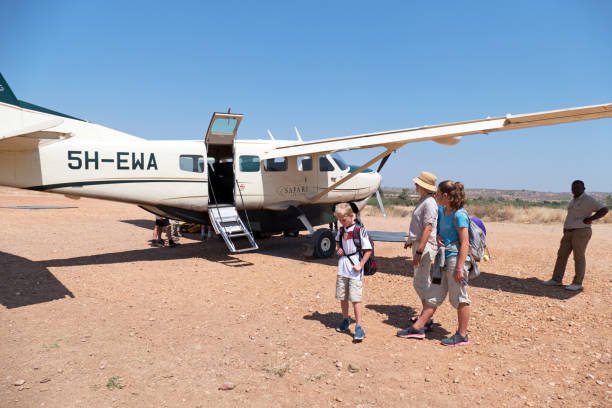
Zanzibar To Serengeti Safari By Flight: Prices & Packages 2026-2027
A practical guide to booking a Zanzibar to Serengeti safari by flight in 2027, covering route options, baggage logistics, and how to choose the right itinerary length.
View package detailsArusha To Serengeti Flight Time, Prices & Baggage Allowance Guide 2026-2027
A practical guide to flying from Arusha to the Serengeti, covering flight durations, luggage restrictions, and booking considerations for your upcoming Tanzania safari.
View package details_1_John_from-rednote-web-768x1024.jpg)
3-Day Serengeti Fly-In Safari From Zanzibar: All-Inclusive Package Prices 2027
Plan your ultimate Tanzanian adventure, combining Zanzibar's beaches with the Serengeti's wildlife. This guide details all-inclusive package pricing and logistics for a 3-day fly-in safari...
View package detailsSerengeti Airstrip Transfer Prices: From Plane To Safari Lodge 2027
Serengeti Airstrip Transfer Prices: From Plane to Safari Lodge is explained with current 2027 planning, price, itinerary and booking information.
View package detailsLamai Airstrip Flights: Prices & Northern Serengeti Safari 2027
Lamai Airstrip Flights: Prices & Northern Serengeti Safari is explained with current 2027 planning, price, itinerary and booking information.
View package details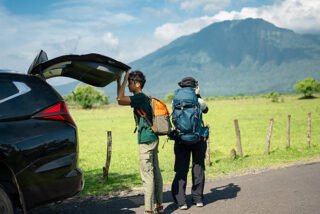
Kogatende Airstrip Flights: Ticket Prices & Northern Serengeti Safari 2027
Kogatende Airstrip Flights: Ticket Prices & Northern Serengeti Safari is explained with current 2027 planning, price, itinerary and booking information.
View package detailsFly From Arusha To Serengeti For A 3-Day Safari: Flights & Package Prices 2027
Discover the most efficient ways to fly from Arusha to the Serengeti for a concentrated 3-day safari. This guide breaks down airstrip choices, flight costs, and package structures for 2027.
View package details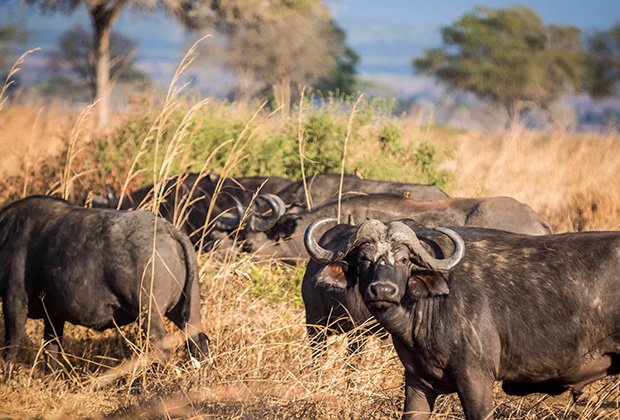
Dec 24, – 3 Day Christmas Serengeti And Ngorongoro Group Safari
Dec 24, 2026 – 3 Day Christmas Serengeti and Ngorongoro Group Safari.
View package details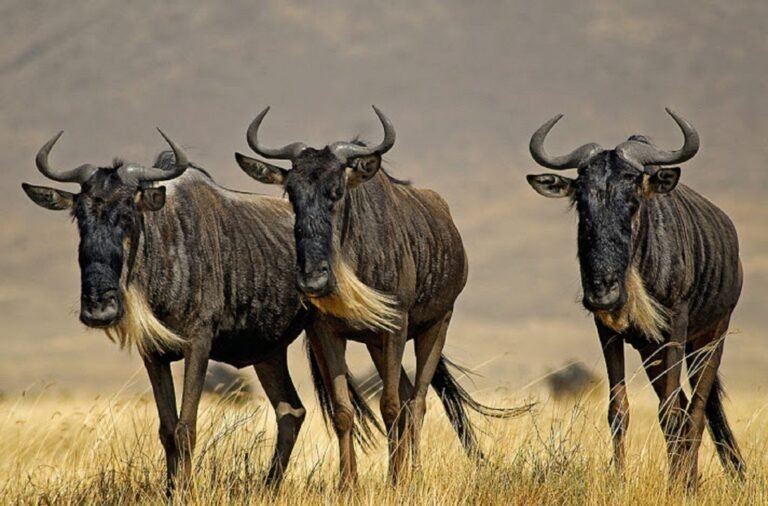
Nov 23, – 3 Day Serengeti And Ngorongoro Safari From Zanzibar
Nov 23, 2026 – 3 Day Serengeti and Ngorongoro Safari from Zanzibar.
View package details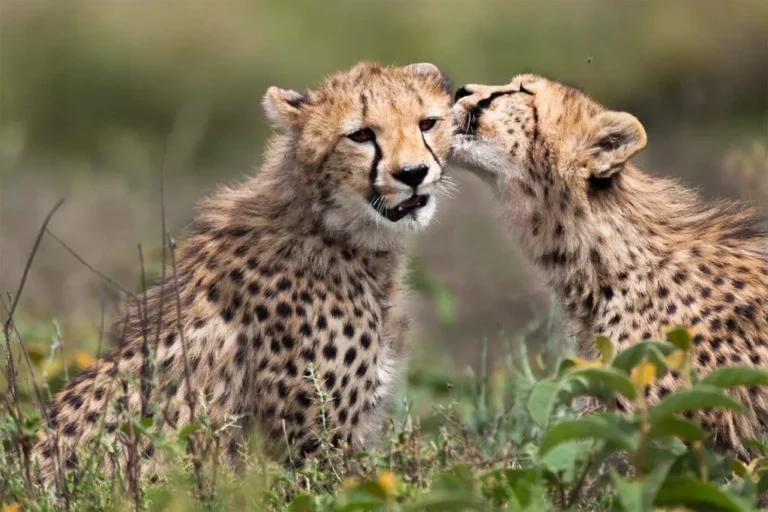
Dec 31, : New Year’s Eve Serengeti Group Safari Planning Guide
This guide provides essential planning details for a group safari trip to the Serengeti for New Year's Eve 2026, covering logistics, seasonal highlights, and what to expect.
View package details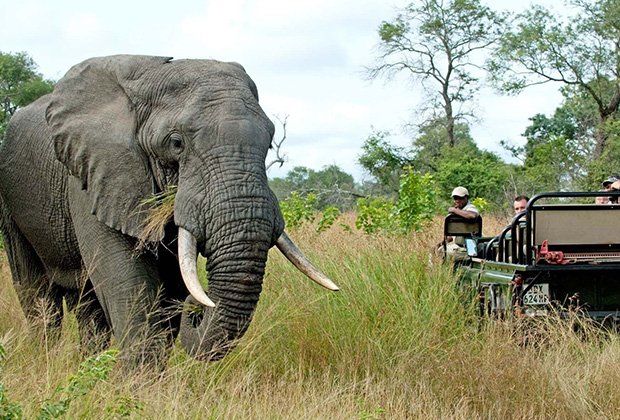
I Am On A Budget—What Is The Cheapest Serengeti Group Safari?
I Am on a Budget—What Is the Cheapest Serengeti Group Safari?
View package details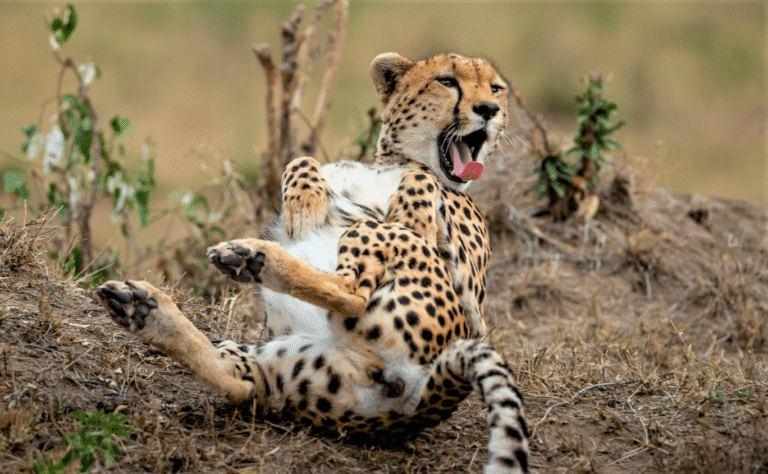
Dec 29, – 6 Day Ndutu, Serengeti And Ngorongoro Group Safari 2026
A detailed guide to our 6-day group safari departure on December 29, 2026, focusing on the Ndutu plains, the Serengeti, and the Ngorongoro Crater.
View package detailsNo related package matches those filters. Clear one or more filters to see the other topic-matched options.