Zanzibar to Serengeti safari packages offer a superb way to experience Tanzania’s diverse attractions, blending the pristine beaches and rich culture of Zanzibar with the world-renowned wildlife of the Serengeti National Park. These packages typically range from 7 to 14 days, combining 2-4 days on Zanzibar with 4-8 days on safari, often including other northern circuit parks like Ngorongoro Crater and Tarangire. They are designed for travelers seeking both relaxation and adventure, with options for various budgets and travel styles in 2026 and 2027, usually including accommodation, park fees, game drives, transfers, and meals, with flights between Zanzibar and the mainland safari airstrips as a key component.

Why Combine Zanzibar and the Serengeti?
Tanzania offers a duality that few destinations can match: the adrenaline-pumping thrill of witnessing the Great Migration in the Serengeti, juxtaposed with the serene, turquoise waters and spice-scented air of Zanzibar. For many travelers, these two experiences represent the pinnacle of an African adventure, and combining them into a single, smooth package is the most efficient and rewarding way to see both. A Zanzibar to Serengeti safari package is more than just a holiday; it’s a journey that awakens the senses, from the raw power of predator-prey interactions on the plains to the gentle rhythm of island life.
The appeal lies in the stark contrast and perfect synergy. After days spent tracking lions, elephants, and wildebeest across vast savannas, the transition to Zanzibar’s idyllic beaches offers a chance to unwind, reflect, and absorb the unique Swahili culture. This combination caters to a broad spectrum of travelers – from honeymooners seeking romance and adventure to families wanting an educational and exciting escape, and solo travelers looking for a comprehensive East African experience. For 2026 and 2027, planning this dual-destination trip ensures you capture the essence of Tanzania’s natural wonders and coastal charm.
Understanding Zanzibar to Serengeti Safari Packages
At its core, a Zanzibar to Serengeti safari package is an itinerary designed to minimize logistical hurdles by bundling key components of your trip. It’s about creating a cohesive travel experience that flows smoothly from one distinct environment to another. This means that much of the intricate planning – like booking internal flights, arranging park entries, and securing reliable accommodation – is handled for you.
Typical Durations and Itinerary Structures
The most common Zanzibar to Serengeti safari packages are structured to provide a balanced experience without feeling rushed. A typical duration is between 7 to 14 days. Here’s how they often break down:
- 7-Day Package: This is a shorter, more focused option. It might include 3 days in Zanzibar (e.g., Stone Town tour, beach time) and 4 days on safari, potentially covering just the Serengeti or a combination of Serengeti and Ngorongoro Crater. This is ideal for those with limited time or as an add-on to other travels.
- 10-Day Package: This offers a more comfortable pace. You could spend 3-4 days in Zanzibar enjoying its culture and beaches, and then dedicate 5-6 days to safari, allowing for exploration of multiple parks like Tarangire, Ngorongoro, and a good portion of the Serengeti.
- 14-Day Package: This is considered a comprehensive experience. It allows for deeper immersion in Zanzibar (4-5 days) and a more extensive safari (8-10 days), potentially exploring different regions of the Serengeti, spending more time at the Ngorongoro Crater, and including other parks.
The structure generally involves arriving in Zanzibar, spending your designated time there, then taking a flight from Zanzibar to a mainland airstrip (like Kilimanjaro International Airport (JRO) for ground transfers, or more commonly, directly to a Serengeti airstrip like Seronera or Kogatende). Your safari portion then begins, concluding with a flight back to JRO or Arusha for your onward journey, or sometimes a flight back to Zanzibar if your departure flight is from there.
What’s Usually Included (and Excluded)
Understanding what’s covered in your Zanzibar to Serengeti safari package is crucial for budgeting and expectations. While specifics vary by operator and package level, here’s a general guideline:
Typically Included:
- Accommodation: Lodges, tented camps, or hotels on Zanzibar and safari lodges/tented camps on the mainland.
- Meals: Usually full board on safari (breakfast, lunch, dinner) and often bed & breakfast or half board on Zanzibar, depending on the package.
- Park Entrance Fees: All national park and conservation area fees for the duration of the safari. These are a significant cost.
- Game Drives: Daily game drives in a 4×4 safari vehicle with a professional guide.
- Internal Flights: Often includes the flight from Zanzibar to a safari airstrip and from the safari area back to a mainland airport (e.g., JRO or Arusha).
- Transfers: Airport transfers on Zanzibar and between airports/lodges/camps on the mainland.
- Crater Fees: For packages including the Ngorongoro Crater.
- Bottled Water: Usually provided in the safari vehicle during game drives.
Typically Excluded:
- International Flights: Flights to and from Tanzania.
- Visa Fees: Tanzania visa costs.
- Travel Insurance: Highly recommended but not usually included.
- Tips: For guides, drivers, lodge staff, and hotel staff.
- Drinks: Alcoholic beverages and sometimes soft drinks, especially at lodges.
- Activities not specified: Such as optional hot air balloon safaris, spice tours, or diving trips on Zanzibar.
- Personal Expenses: Souvenirs, laundry, etc.
- Vaccinations and medications.
Always review the detailed itinerary and inclusions list provided by your tour operator. For 2026-2027 bookings, confirming these details upfront will prevent surprises.
Accommodation Styles: Budget to Luxury
The choice of accommodation significantly impacts the experience and cost of your Zanzibar to Serengeti safari package. Operators typically offer packages categorized by comfort and luxury levels:
- Budget/Economy: Features basic but clean guesthouses or safari lodges with shared facilities on Zanzibar, and perhaps more basic tented camps or lodges with fewer amenities on safari. Expect simple meals and shared transport.
- Mid-Range: Comfortable hotels and beach resorts on Zanzibar, and well-appointed lodges or comfortable tented camps on safari, often with en-suite bathrooms and good dining options. This is the most popular choice for many travelers in 2026-2027.
- Luxury/High-End: Boutique hotels or high-end resorts on Zanzibar, and exclusive safari lodges or luxury tented camps in prime wildlife areas. These often offer private plunge pools, gourmet dining, premium drinks, and highly personalized service.
- Ultra-Luxury/Exclusive: Top-tier lodges with exceptional service, private conservancies, and often private charter flights for the ultimate exclusive experience.
When booking a Zanzibar to Serengeti safari package, discuss your preferred accommodation style and budget with your tour operator to find the best fit. For instance, a luxury tented camp in the Serengeti offers a different feel to a fixed lodge, and understanding these nuances is part of the planning.
Choosing Your Serengeti Safari Route
The Serengeti is vast, and where you spend your time dictates the wildlife you’ll see. Understanding the different regions and how they relate to the Great Migration is key to a successful safari, especially when planning for 2026 or 2027.
Serengeti Regions: Central, North, South, West
Each part of the Serengeti offers a distinct safari experience:
- Central Serengeti (Seronera Valley): This is the most accessible and popular region, offering excellent game viewing year-round due to permanent resident wildlife. It’s known for its high density of big cats, particularly lions and leopards. Many Zanzibar to Serengeti safari packages include a few days here.
- Northern Serengeti (Kogatende/Lamai): This area is famous for being a prime location to witness the Great Migration river crossings of the Mara River, typically between July and October. It’s a more remote and dramatic landscape.
- Southern Serengeti (Ndutu Area): This region is part of the larger Serengeti ecosystem and borders the Ngorongoro Conservation Area. It’s where the wildebeest typically gather to calve between January and March, creating spectacular predator-prey action.
- Western Serengeti (Grumeti River): Known for its Grumeti River, which hosts large crocodiles and is a crossing point for the migration during May and June. It’s less visited, offering a more exclusive feel.
Your choice of region will depend on the time of year you plan to travel for your Zanzibar to Serengeti safari package.
The Great Migration: Timing Your Visit for 2026-2027
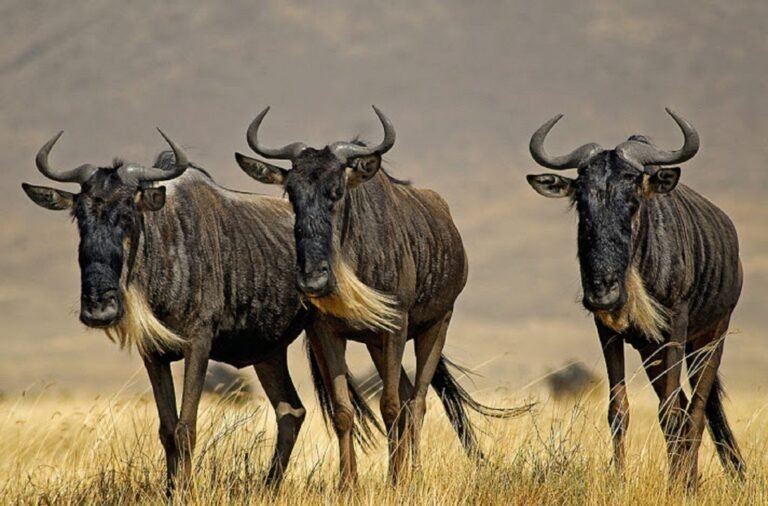
The Great Migration is the movement of over 1.5 million wildebeest, zebras, and gazelles across the Serengeti-Mara ecosystem. Timing your safari to coincide with specific events can be a highlight of your trip.
Here’s a general guide for 2026-2027:
- January – March: Southern Serengeti/Ndutu Area. Calving season. Huge herds, excellent predator action.
- April – May: Western Serengeti. The herds begin moving north, often crossing the Grumeti River. This is the “green season” and can be less crowded.
- June – July: Western and Northern Serengeti. The migration heads towards the Mara River. Crossing the Grumeti and then the Mara River are major events.
- July – October: Northern Serengeti. Peak time for Mara River crossings. This is a very popular and often more expensive period.
- November – December: Central and Southern Serengeti. The herds begin their return journey south, often following the rains.
When booking a Zanzibar to Serengeti safari package, discuss your interests with your operator. If seeing the river crossings is a priority, you’ll need to target July-October. If calving season is more appealing, January-March is best.
Beyond the Serengeti: Ngorongoro & Tarangire
Most Zanzibar to Serengeti safari packages include visits to other iconic parks in Tanzania’s Northern Circuit:
- Ngorongoro Crater: A UNESCO World Heritage Site and the world’s largest intact volcanic caldera. It boasts an incredibly high concentration of wildlife, including the Big Five (lion, leopard, elephant, rhino, buffalo), within a relatively small area. A full day’s game drive inside the crater is a common inclusion. The views from the crater rim are also spectacular.
- Tarangire National Park: Known for its large elephant herds, baobab trees, and diverse birdlife. It’s particularly impressive during the dry season (June-October) when animals congregate around the Tarangire River. It’s often visited at the beginning or end of a safari circuit.
Including these parks offers a more varied safari experience, showcasing different landscapes and wildlife concentrations. A 10-day or 14-day Zanzibar to Serengeti safari package will usually incorporate at least one, if not both, of these.
Crafting Your Zanzibar Experience
While the Serengeti is the wildlife heart, Zanzibar is the cultural and relaxation soul of your combined trip. The island offers a rich mix of experiences beyond its famous beaches.
Best Beaches and Activities
Zanzibar is famed for its stunning coastline. The choice of beach often depends on the vibe you’re looking for:
- Nungwi and Kendwa (North): Lively with beautiful white sand beaches, stunning sunsets, and good swimming conditions due to minimal tidal changes. Ideal for those seeking a social atmosphere and water activities.
- Paje and Jambiani (East): Famous for kite surfing and windsurfing due to consistent trade winds. These villages offer a more laid-back, authentic feel with beautiful turquoise waters and white sands, though tides can be significant.
- Matemwe (North-East): Quieter, more exclusive beaches, offering excellent access to Mnemba Atoll for snorkeling and diving.
- Michamvi (South-East): Offers a mix of tranquility and stunning sunset views, with the unique Kae Funk restaurant built on a sandbank.
Most Zanzibar to Serengeti safari packages will allocate 2-4 days here, often based in one of these popular beach areas.
Cultural Immersion and Stone Town
No trip to Zanzibar is complete without exploring Stone Town, a UNESCO World Heritage site. Its narrow, winding alleys, bustling bazaars, and intricately carved wooden doors tell stories of centuries of Omani, Indian, European, and African influences.
- Spice Tours: Zanzibar is known as the “Spice Island.” A guided spice tour is a fascinating way to learn about cloves, nutmeg, cinnamon, vanilla, and tropical fruits.
- Slave Market Site: A poignant historical site offering insight into the island’s past.
- House of Wonders & Old Fort: Key landmarks in Stone Town.
- Local Markets: Darajani Market is a vibrant hub of activity.
Spending at least a day or two in Stone Town, often at the beginning or end of your stay, provides essential cultural context to your Zanzibar experience, complementing the wildlife focus of your safari.
Water Sports and Marine Life
Zanzibar’s warm Indian Ocean waters are a playground for marine enthusiasts.
- Snorkeling and Diving: Mnemba Atoll is a protected marine reserve and a premier spot for seeing coral reefs, dolphins, and a variety of fish.
- Dhow Cruises: Traditional wooden sailing boats offer romantic sunset cruises or day trips.
- Dolphin Tours: Excursions to Kizimkazi are popular, though ethical considerations regarding dolphin interaction should be researched.
- Kayaking and Paddleboarding: Available in many beach locations.
These activities are often booked as add-ons during your Zanzibar portion of a Zanzibar to Serengeti safari package.
Planning Your Zanzibar to Serengeti Safari for 2026-2027
Effective planning is key to a successful and memorable trip. Several factors need careful consideration when booking your Zanzibar to Serengeti safari package for 2026 or 2027.
Best Time to Go: Balancing Safari and Zanzibar
The “best” time depends on your priorities. Tanzania has two main dry seasons and two rainy seasons:
- Dry Seasons (June – October & January – February): Generally considered the peak seasons for safaris, especially June-October for the migration and pleasant weather. January-February is also great for wildlife viewing, particularly calving season in the south, and offers good weather on Zanzibar. This is often the most expensive time.
- Rainy Seasons (March – May & November – December): The long rains (March-May) can make some roads impassable and impact game viewing. The short rains (November-December) are usually brief showers, offering lush landscapes and fewer crowds, though the migration may be on the move. Zanzibar is generally warm year-round, but rain is more common from March to May.
For a Zanzibar to Serengeti safari package, consider the following:
- Peak Safari & Good Zanzibar: June-October and January-February offer excellent safari conditions and generally good weather on Zanzibar, though it can be hotter in Jan/Feb.
- Migration River Crossings & Good Zanzibar: July-October is prime for river crossings in the North Serengeti, with decent weather on Zanzibar.
- Calving Season & Good Zanzibar: January-March is ideal for calving in the South Serengeti, and Zanzibar is usually pleasant.
- Shoulder Seasons (May, Nov-Dec): May can be good for transitioning wildlife viewing and potentially lower prices. November-December offer green landscapes and fewer tourists, with Zanzibar typically experiencing short rains.
When booking for 2026 or 2027, aim to book at least 6-12 months in advance, especially for peak season travel.
Travel Style: Private vs. Group Safaris
Your Zanzibar to Serengeti safari package can be tailored to your preferred travel style:
- Private Safari: You have a dedicated safari vehicle and guide solely for your group. This offers maximum flexibility in game drives, allows you to set the pace, and is ideal for photographers or families with specific interests. This is generally more expensive.
- Group/Shared Safari: You join a small group of other travelers in a safari vehicle. This is a more budget-friendly option and a great way to meet like-minded people. The itinerary is fixed, and game drive times are shared.
Many operators offer both options. For a truly personalized experience, a private safari is recommended. However, for budget-conscious travelers, shared Zanzibar to Serengeti safari packages can still be incredibly rewarding.
Flights and Transfers: The Crucial Link
The logistical backbone of any Zanzibar to Serengeti safari package is the transportation connecting the island to the mainland and moving between safari locations.
- Zanzibar to Mainland: Most packages include a flight from Zanzibar (ZNZ) to a safari airstrip (e.g., Seronera, Kogatende in the Serengeti, or Manyara for Ngorongoro). Alternatively, some might fly to Kilimanjaro International Airport (JRO) or Arusha Airport (ARK) for a road transfer to the parks.
- Safari Airstrips: Using airstrips within or near national parks significantly reduces driving time and gets you into the wildlife areas faster, maximizing your game viewing.
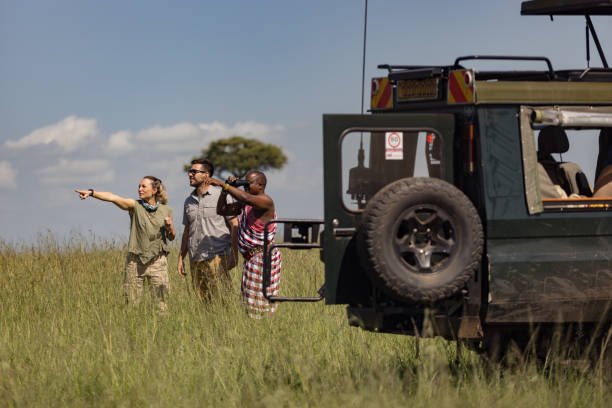
- Vehicle Types: Safari vehicles are typically 4×4 Land Cruisers or Land Rovers, designed for off-road conditions and equipped with pop-up roofs for game viewing.
- Transfers: Ensure your package includes all necessary transfers, from airport pickups on Zanzibar to lodge/camp transfers on safari.
Confirm the exact flight schedules and transfer arrangements with your tour operator when booking your 2026-2027 trip.
What to Pack for Both Destinations
Packing for a combined trip requires versatility. You’ll need clothing suitable for both beach relaxation and dusty safari game drives.
Safari Essentials:
- Lightweight, neutral-colored clothing (khaki, beige, olive green) to blend in and avoid attracting insects.
- Long-sleeved shirts and trousers for sun protection and cooler evenings.
- A warm fleece or jacket for early morning and late evening game drives, especially during cooler months.
- Comfortable walking shoes or hiking boots (though extensive walking is rare on safari).
- Sandals or flip-flops for relaxing at the lodge.
- Sun hat, sunglasses, and high SPF sunscreen.
- Insect repellent with DEET.
- Binoculars (essential for wildlife viewing).
- Camera with extra batteries and memory cards.
- A small backpack for day trips and carrying essentials.
- Personal first-aid kit.
Zanzibar Essentials:
- Swimwear.
- Light, breathable clothing (cotton, linen).
- A light cover-up or sarong for the beach.
- Modest clothing (shoulders and knees covered) when visiting Stone Town or local villages, out of respect for local culture.
- Water shoes or sandals for rocky areas or water activities.
- Sun protection (hat, sunglasses, sunscreen).
Most lodges and camps provide laundry services, which can be very helpful on longer trips.
Health and Safety Essentials
Consult your doctor or a travel clinic 4-6 weeks before your trip for personalized advice. Common recommendations for Tanzania include:
- Vaccinations: Routine vaccinations should be up-to-date. Yellow Fever vaccination is often required if arriving from or transiting through a Yellow Fever-risk country.
- Malaria Prevention: Tanzania is a malaria-risk area. Antimalarial medication is usually recommended. Use insect repellent and wear long sleeves/trousers, especially at dawn and dusk.
- Travel Insurance: Comprehensive travel insurance is vital. Ensure it covers medical emergencies, evacuation, trip cancellation, and lost luggage.
- Water Safety: Drink only bottled or purified water. Be cautious with ice in drinks.
- Sun Protection: The equatorial sun is intense. Use high SPF sunscreen, hats, and stay hydrated.
- Safari Safety: Always follow your guide’s instructions. Never leave the vehicle when on safari unless instructed to do so. Maintain a safe distance from wildlife.
- Zanzibar Safety: Be aware of your surroundings, especially in crowded areas of Stone Town. Secure your valuables.
For Zanzibar to Serengeti safari packages in 2026-2027, prioritizing your health and safety ensures a worry-free adventure.
Comparing Zanzibar to Serengeti Safari Package Options
With numerous operators offering Zanzibar to Serengeti safari packages, comparing options is essential to find the best value and experience for your 2026-2027 travels.
Cost Factors: What Influences the Price?
The price of a Zanzibar to Serengeti safari package can vary significantly. Key factors include:
- Duration: Longer trips naturally cost more.
- Accommodation Level: Luxury lodges and camps are considerably more expensive than budget or mid-range options.
- Time of Year: Peak season (June-October, December-February) is more expensive than the low season (March-May, November).
- Number of Parks Included: Visiting more parks, like Tarangire, Ngorongoro, and different regions of the Serengeti, increases park fees and logistical costs.
- Vehicle Type: Private safari vehicles are more costly than shared ones.
- Inclusions: Packages that include more meals, activities (like balloon safaris), or higher-end internal flights will be pricier.
- Operator’s Overhead: Established, reputable operators with excellent support often charge more but provide greater peace of mind.
When comparing quotes for Zanzibar to Serengeti safari packages, always compare like-for-like in terms of inclusions, accommodation standards, and group size.
Customization and Tailor-Made Itineraries
While standard packages are convenient, many travelers have specific interests or needs. The best operators for Zanzibar to Serengeti safari packages offer customization:
- Tailoring Itineraries: Adjusting the number of days in each location, focusing on specific wildlife interests (e.g., birding, big cats), or adding specific activities.
- Accommodation Choices: Selecting specific lodges or camps that appeal to you.
- Pacing: Opting for a more relaxed pace or a faster-paced itinerary to see more.
- Special Interests: Incorporating photography workshops, cultural visits, or specific conservation projects.
Working with a local operator like Climb 4 Africa allows for deep customization. You can discuss your exact requirements for a 2026 or 2027 trip, ensuring your Zanzibar to Serengeti safari package is perfectly suited to you.
Booking Your Zanzibar to Serengeti Safari
Choosing the right tour operator is paramount for a smooth and memorable Zanzibar to Serengeti safari package. Look for companies with a strong local presence, excellent reviews, and a commitment to sustainable tourism.
When you’re ready to plan your 2026 or 2027 adventure, consider contacting Climb 4 Africa. We specialize in crafting personalized Tanzanian travel experiences, including smooth Zanzibar to Serengeti safari packages. Our local expertise ensures you get the most authentic and rewarding journey. To get started, please reach out with details about your desired travel dates, number of travelers, preferred accommodation style, and any specific interests you have. This will help us design an itinerary that perfectly matches your expectations.
You can contact us via:
- WhatsApp: +255 747 477 898
- Email: climb4africa@gmail.com
We look forward to helping you create an unforgettable Zanzibar to Serengeti safari package.
“,
“faq_schema”: [
{
“question”: “What is the best time of year for a Zanzibar to Serengeti safari package?”,
“answer”: “The best time depends on your priorities. For the Great Migration river crossings, July to October is ideal for the Northern Serengeti. For calving season, January to March in the Southern Serengeti is best. June to October offers generally dry conditions and good wildlife viewing across most parks. Zanzibar is pleasant year-round, though March-May sees the heaviest rains.”
},
{
“question”: “How long should my Zanzibar to Serengeti safari package be?”,
“answer”: “A typical package ranges from 7 to 14 days. A 7-day trip is a good introduction, while 10-14 days allows for a more comprehensive experience, balancing time on Zanzibar with deeper exploration of the Serengeti and other parks like Ngorongoro Crater.”
},
{
“question”: “What is usually included in a Zanzibar to Serengeti safari package?”,
“answer”: “Most packages include accommodation, park fees, game drives with a guide, meals on safari (full board) and often on Zanzibar, and internal flights between Zanzibar and the mainland safari airstrips. Exclusions typically are international flights, visa fees, travel insurance, tips, and personal expenses.”
},
{
“question”: “Can I customize a Zanzibar to Serengeti safari package?”,
“answer”: “Yes, customization is highly recommended. Reputable operators can tailor itineraries based on your interests, budget, desired pace, and specific accommodation preferences. This ensures your trip in 2026-2027 is perfectly suited to you.”
},
{
“question”: “What is the difference between a private and a group safari package?”,
“answer”: “A private safari means you have a dedicated vehicle and guide for your group, offering flexibility and a personalized experience. A group safari involves sharing a vehicle and guide with other travelers, making it a more budget-friendly option. Both can be part of a Zanzibar to Serengeti safari package.”
},
{
“question”: “What are the main costs to consider for a Zanzibar to Serengeti safari package?”,
“answer”: “The main costs include accommodation, park entrance fees (which are substantial), internal flights, vehicle hire, guide fees, and meals. Luxury accommodation and peak season travel will significantly increase the overall cost of your package for 2026-2027.”
}
]
}
“`
Check Availability for Zanzibar To Serengeti Safari Packages 2026-2027
Ready to compare dates, prices, and the best option for your group? Send the package name and travel month so the team can reply with a clear quote, availability, and what is included.
Nov 23, – 3 Day Serengeti And Ngorongoro Safari From Zanzibar
Nov 23, 2026 – 3 Day Serengeti and Ngorongoro Safari from Zanzibar.
View package details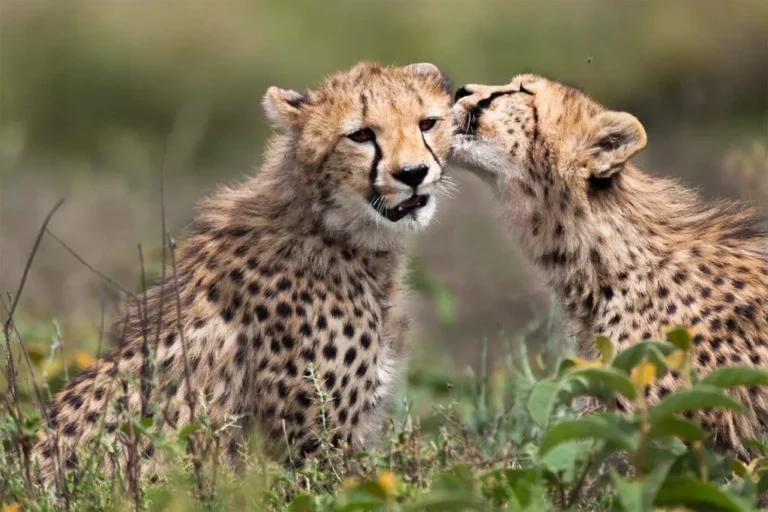
Nov 28, – 3 Day Fly-In Serengeti Group Safari From Zanzibar 2026
A detailed look at the 3-day fly-in Serengeti group safari departing November 28, 2026, including logistics, itinerary highlights, and travel tips for your Tanzania adventure.
View package details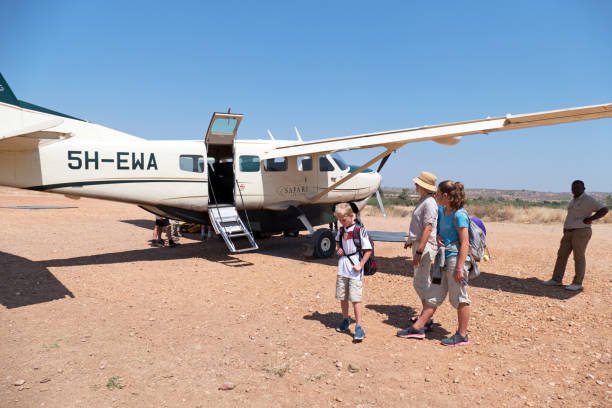
2-Day Serengeti Safari From Zanzibar By Flight: Price & Booking Guide
A practical guide to booking a 2-day Serengeti safari from Zanzibar by flight, covering itinerary logistics, cost considerations, and how to maximize your short time in the bush.
View package details4-Day Serengeti Safari From Zanzibar With Return Flights: A Planning Guide
A deep look at planning a 4-day fly-in safari from Zanzibar to the Serengeti, covering flight logistics, itinerary structures, and the critical decisions needed for a successful 2026 or...
View package details1-Day Serengeti Safari From Zanzibar By Flight: Cost & Itinerary 2026-2027
Is a 1-day Serengeti safari from Zanzibar feasible? Get the expert breakdown on the flight logistics, cost factors, and how to manage your expectations for this intense, one-day wildlife...
View package detailsCan I Book A One Day Safari From Zanzibar In Dec ?
Can I Book a One Day Safari from Zanzibar in Dec 2026?
View package details_1_John_from-rednote-web-768x1024.jpg)
Dec 13, – 2 Day Nyerere Fly-In Group Safari From Zanzibar 2026
A detailed guide to the December 13, 2026 group fly-in safari from Zanzibar to Nyerere National Park, covering the itinerary, logistics, and planning for your trip.
View package details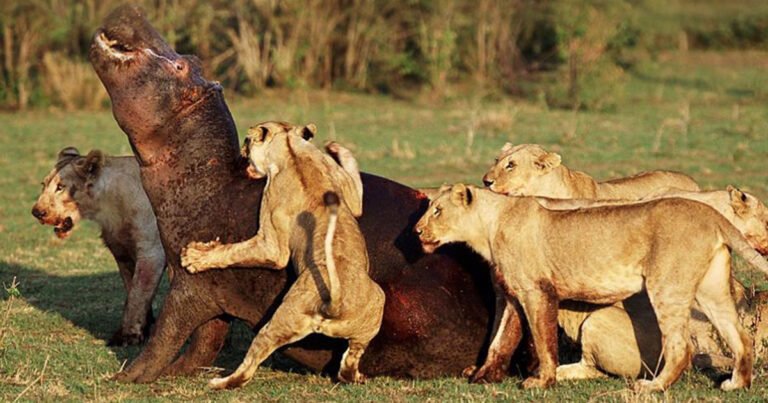
Dec 5, – 1 Day Mikumi Fly-In Group Safari From Zanzibar 2026
A practical guide to the December 5, 2026, group fly-in safari to Mikumi National Park. Learn about the itinerary, group logistics, and how to book your seat.
View package details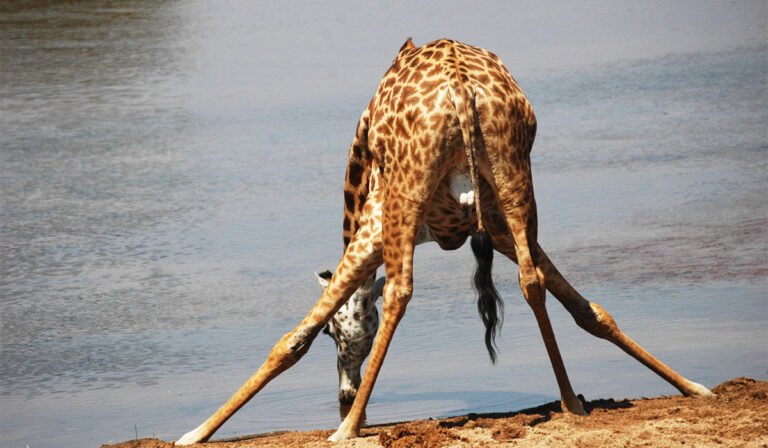
Nov 15, – 2 Day Mikumi Fly-In Group Safari From Zanzibar 2026
A practical guide and booking overview for the November 15, 2026, group fly-in safari to Mikumi National Park, departing from Zanzibar.
View package details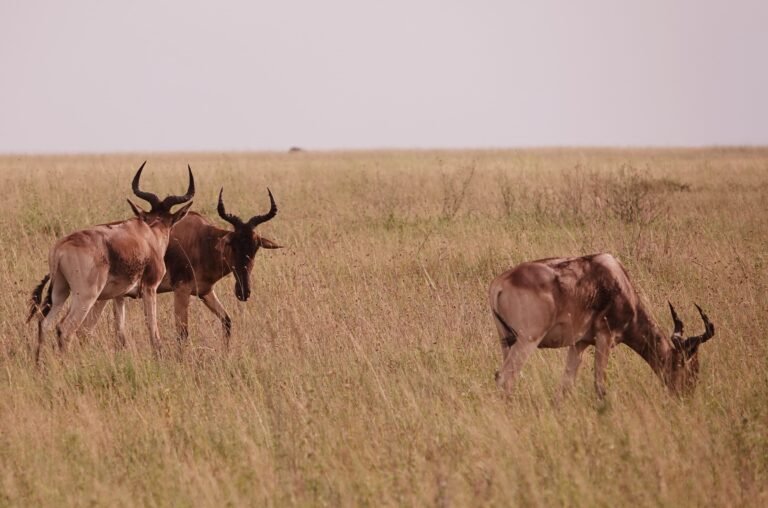
Oct 25, – 1 Day Nyerere Fly-In Group Safari From Zanzibar 2026
Secure your spot for the October 25, 2026, group fly-in safari to Nyerere National Park. A professional, time-efficient wildlife experience from Zanzibar.
View package details
Luxury Fly-In Safari From Zanzibar: Private Packages For 2026-2027
Experience the ultimate Tanzanian getaway with a luxury fly-in safari from Zanzibar. Discover private, all-inclusive packages tailored for smooth wildlife encounters.
View package detailsBudget Fly-In Safari From Zanzibar: Best Packages & Prices 2026-2027
Discover how to plan a budget-friendly fly-in safari from Zanzibar to Tanzania's top parks without sacrificing the quality of your wildlife experience.
View package detailsNo related package matches those filters. Clear one or more filters to see the other topic-matched options.