Zanzibar to Nyerere Safari Packages offer a fantastic combination of island relaxation and authentic Tanzanian wildlife adventure, typically involving a flight or ferry from Zanzibar to the mainland, followed by a safari in Nyerere National Park (formerly Selous Game Reserve), often including other parks like Mikumi or Ruaha, with durations ranging from 3 to 10+ days. These packages are perfect for travelers seeking to experience diverse ecosystems, from pristine beaches to vast savannas, and are popular for planning in 2026 and 2027.
Why Combine Zanzibar and Nyerere National Park?
The allure of Tanzania often conjures images of vast, wildlife-rich plains and the iconic silhouette of Mount Kilimanjaro. However, for many travelers, the dream extends to the turquoise waters and spice-scented breezes of Zanzibar. Combining the tranquil island life of Zanzibar with a thrilling safari in Nyerere National Park (formerly the Selous Game Reserve) is an increasingly popular choice, and for good reason. These Zanzibar to Nyerere Safari Packages offer a perfect duality: the chance to unwind on pristine beaches, explore historical Stone Town, and indulge in Swahili culture, immediately followed by the raw, untamed beauty of one of Africa’s largest and most diverse wildlife sanctuaries.
This combination caters to a broad spectrum of travelers. For those seeking a quintessential African experience, it provides both iconic landscapes and the chance to witness incredible biodiversity. For honeymooners or couples looking for a unique blend of romance and adventure, the contrast between serene beaches and thrilling game drives is unparalleled. Even families can find a rewarding balance, with opportunities for both cultural immersion and exciting wildlife encounters. The logistics are manageable, and tour operators like Climb 4 Africa specialize in crafting smooth transitions between these two distinct, yet complementary, Tanzanian experiences. Planning for Zanzibar to Nyerere Safari Packages in 2026 and 2027 means you can secure the best options for this sought-after itinerary.
The appeal lies in the sheer contrast and richness it offers. Imagine spending your mornings exploring ancient spice farms and vibrant markets in Zanzibar, then by afternoon, you’re on a flight to the mainland, arriving in time for a sunset boat safari on the Rufiji River, spotting hippos and crocodiles. This smooth transition is the hallmark of well-designed Zanzibar to Nyerere Safari Packages. It’s about maximizing your Tanzanian experience by not having to choose between its celebrated coastline and its world-renowned wildlife heritage.
Understanding Nyerere National Park (Selous): A Unique Safari Destination
Before diving into package specifics, it’s crucial to understand what makes Nyerere National Park so special. Historically known as the Selous Game Reserve, it was elevated to national park status in 2019, preserving its vastness and ecological importance. Covering an impressive 30,893 square kilometers, it is one of the largest game reserves in Africa, larger than countries like Belgium or Switzerland. This immense scale means that wildlife is spread out, offering a more exclusive and less crowded safari experience compared to some of the more densely packed northern circuit parks.
Nyerere’s landscape is incredibly varied, dominated by the mighty Rufiji River and its delta. You’ll find miombo woodlands, open grasslands, acacia scrub, and vast wetlands. This diverse habitat supports an astonishing array of wildlife. It’s particularly famous for its large populations of elephants, lions, leopards, cheetahs, hippos, crocodiles, and wild dogs. Birdlife is also prolific, with hundreds of species recorded. Unlike the dry savanna typical of many safaris, Nyerere’s riverine environment allows for unique safari activities, most notably boat safaris, which offer a different perspective on wildlife viewing.
The park’s history as a game reserve means it has a long-standing focus on conservation and sustainable tourism. It’s a UNESCO World Heritage site, recognized for its outstanding natural beauty and its role in protecting biodiversity. When you choose Zanzibar to Nyerere Safari Packages, you are contributing to the preservation of this vital ecosystem. The park’s relative remoteness and the emphasis on low-impact tourism contribute to a feeling of true wilderness, an experience that is becoming rarer elsewhere.
The transition from Selous Game Reserve to Nyerere National Park was aimed at enhancing protection and management, particularly against poaching. While the name change might seem like a simple administrative shift, it signifies a renewed commitment to safeguarding this incredible natural asset for future generations, making it an even more compelling destination for travelers in 2026 and 2027.
Key Components of Zanzibar to Nyerere Safari Packages
A well-structured Zanzibar to Nyerere Safari Package is designed to handle all the complexities of moving between these two distinct destinations, ensuring a smooth and enjoyable journey. While specific inclusions can vary between operators and the level of luxury you choose, most comprehensive packages will cover the following essential elements:
- Accommodation: This typically includes nights spent in lodges, tented camps, or sometimes fly-in camps within or on the borders of Nyerere National Park. The quality ranges from comfortable mid-range to luxurious, often offering stunning views and excellent amenities.
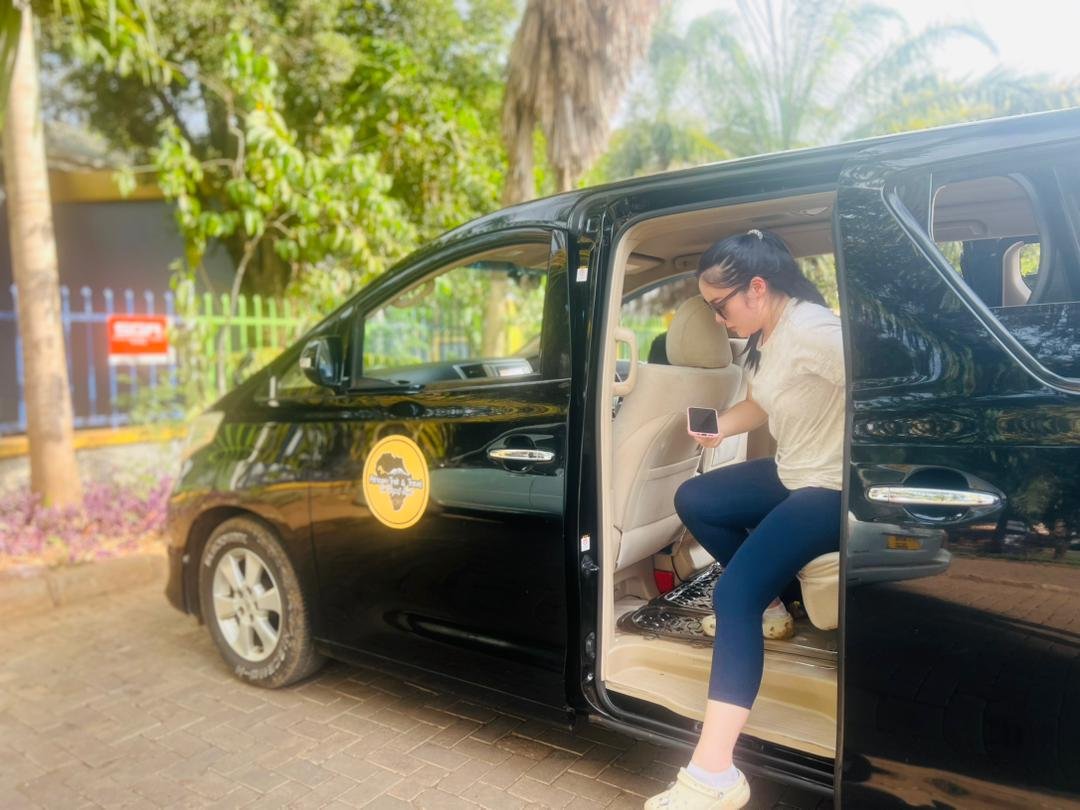
- Transfers: All necessary ground transportation on the mainland, including airport pick-ups and drop-offs, and transfers between your accommodation and safari starting points. For the Zanzibar to Nyerere leg, this often involves arranging flights or ferry/road transfers.
- Safari Activities: A core part of the package, this includes guided game drives in 4×4 safari vehicles, boat safaris on the Rufiji River, and potentially walking safaris (where permitted and available). Expert guides are crucial here.
- Park Fees: Entry fees to Nyerere National Park are usually included, covering conservation fees and concession fees. These are a significant part of safari costs.
- Meals: Full board is common on safari, meaning breakfast, lunch, and dinner are provided. This usually starts with lunch on your first day and ends with lunch or breakfast on your last day, depending on your departure time. Drinks might be included or extra, depending on the lodge and package level.
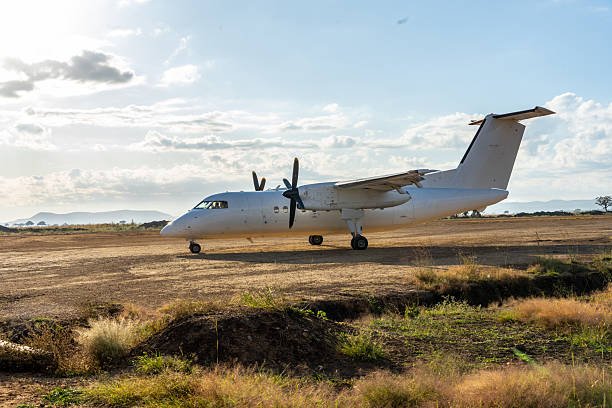
- Internal Flights/Transfers: The crucial link between Zanzibar and Nyerere is often included. This could be a flight from Zanzibar (ZNZ) to an airstrip near Nyerere (e.g., Selous Game Reserve Airstrip, Mtemere Airstrip) or a combination of ferry and road transfers, depending on the package and your preference.
- Local Support: Reliable local support is invaluable. This means having a point of contact for any issues that may arise, assistance with logistics, and knowledgeable guides who can enhance your safari experience.
When comparing Zanzibar to Nyerere Safari Packages for 2026 or 2027, pay close attention to what is explicitly stated as included and excluded. Some packages might not include international flights to Tanzania, visa fees, travel insurance, gratuities for guides and staff, or personal expenses like alcoholic beverages and souvenirs. Understanding these details upfront prevents surprises and ensures you budget accurately.
Typical Itinerary Structures for Zanzibar to Nyerere Safaris
The beauty of Zanzibar to Nyerere Safari Packages lies in their flexibility. While you can find pre-designed itineraries, most reputable operators can tailor them to your interests, time, and budget. Here are a few common structures:
3-Day / 2-Night Nyerere Safari (from Zanzibar)
This is a popular short-break option for those already in Zanzibar who want a taste of the mainland’s wildlife.
- Day 1: Morning transfer from your Zanzibar hotel to the airport for a flight to Nyerere. Arrive at the airstrip, meet your guide, and transfer to your lodge/camp. Afternoon boat safari on the Rufiji River. Dinner and overnight.
- Day 2: Full day of safari activities. Morning game drive, followed by lunch. Afternoon game drive or another boat safari. Dinner and overnight.
- Day 3: Morning game drive or walking safari (if available). Breakfast, then transfer to the airstrip for your flight back to Zanzibar.
5-Day / 4-Night Zanzibar & Nyerere Combination
This offers a more relaxed pace and deeper immersion in both destinations.
- Day 1: Arrive in Zanzibar, transfer to your beach resort or Stone Town hotel.
- Day 2: Explore Zanzibar – Stone Town tour, spice tour, or relax on the beach.
- Day 3: Morning transfer from Zanzibar hotel to the airport for your flight to Nyerere. Arrive, transfer to your lodge, and enjoy an afternoon boat safari. Dinner and overnight.
- Day 4: Full day of Nyerere National Park. Morning game drive, lunch, and afternoon game drive or boat safari. Dinner and overnight.
- Day 5: Morning game drive. Breakfast, then transfer to the airstrip for your flight back to Zanzibar, connecting to your onward international flight or spending more time on the island.
7-Day / 6-Night Extended Tanzania Experience
This itinerary might combine Zanzibar, Nyerere, and potentially another park like Mikumi or even a brief Kilimanjaro trek preparation if that’s your ultimate goal.
- Days 1-3: Zanzibar exploration (Stone Town, beaches, activities).
- Day 4: Fly from Zanzibar to Nyerere. Afternoon boat safari.
- Day 5: Full day Nyerere safari (game drives, boat safaris).
- Day 6: Morning game drive in Nyerere. Transfer to the airstrip for a flight to another park (e.g., Mikumi) or back to Arusha/Kilimanjaro for onward travel. (Alternatively, spend another full day in Nyerere before flying out on Day 7).
- Day 7: Depending on the flow, this could be departure day from Arusha/Kilimanjaro, or a final morning activity if staying longer.
When planning for Zanzibar to Nyerere Safari Packages in 2026-2027, consider how much time you realistically have and what you want to experience. A 3-day safari is exciting but brief; 5-7 days allows for a more relaxed pace and a better chance of encountering diverse wildlife. Remember that travel days, especially those involving flights, can take up a significant portion of your time.
Transportation and Logistics: Getting from Zanzibar to Nyerere
The journey from the island paradise of Zanzibar to the wild heart of Nyerere National Park is a critical part of any Zanzibar to Nyerere Safari Package. Efficient and comfortable transportation is key to a positive experience. There are two primary methods:
1. Flying:
- Route: Typically, flights depart from Abeid Amani Karume International Airport (ZNZ) in Zanzibar. They land at one of the local airstrips serving Nyerere National Park, such as Selous Game Reserve Airstrip (SEU) or Mtemere Airstrip (MMX).
- Airlines: Several Tanzanian domestic carriers operate these routes, including Precision Air, Coastal Aviation, and potentially others. Flight schedules can vary, and booking in advance is highly recommended, especially for peak seasons in 2026 and 2027.
- Duration: The flight itself is relatively short, usually around 45 minutes to 1 hour.
- Inclusions: Most safari packages that include flights will handle the booking and ticketing for you. The price of these flights is a significant component of the overall package cost.
- Pros: This is by far the quickest and most convenient method. It maximizes your safari time on the ground and offers spectacular aerial views of the Tanzanian landscape.
- Cons: It is the more expensive option compared to road/ferry transfers. Luggage restrictions on small bush planes can be strict (usually around 15-20kg in soft bags).
2. Road and Ferry Transfers:
- Route: This is a more involved journey. It typically involves taking a ferry from Zanzibar to the mainland port of Dar es Salaam. From Dar es Salaam, you would then start a long drive (approximately 4-6 hours depending on road conditions and traffic) to the southern entrance of Nyerere National Park or a lodge near the park.
- Duration: This option can take an entire day or more, depending on ferry schedules and road travel times.
- Inclusions: If a package includes this method, it will cover ferry tickets, ground transfers in Dar es Salaam, and the safari vehicle/driver for the drive to Nyerere.
- Pros: This is generally a more budget-friendly option. It allows you to see more of the local landscape and life along the way.
- Cons: It is significantly more time-consuming and can be less comfortable, especially the ferry crossing which can be rough at times. It eats into your valuable safari time.
Recommendation: For most travelers opting for Zanzibar to Nyerere Safari Packages, especially those with limited time, the flight option is highly recommended. It’s the most efficient way to connect the two destinations and ensures you get the most out of your safari experience. Climb 4 Africa can help you navigate these options and find the best fit for your 2026-2027 travel plans.
Choosing Your Safari Style in Nyerere
Nyerere National Park offers a unique safari experience, partly due to its geography and the activities it facilitates. When selecting Zanzibar to Nyerere Safari Packages, consider the different safari styles available:
1. Game Drives:
- Description: The classic safari activity. You’ll be driven in a specially adapted 4×4 safari vehicle, usually with a pop-up roof for optimal game viewing and photography. Your experienced guide will track animals, share insights into their behavior, and navigate the park’s tracks.
- What to Expect: Nyerere’s game drives focus on spotting large mammals like elephants, buffalo, giraffes, zebras, various antelope species, and predators like lions and leopards. The vastness of the park means drives can cover significant distances.
- Best For: Covering large areas, finding diverse wildlife, and accessing different habitats within the park.
2. Boat Safaris:
- Description: This is Nyerere’s signature activity, conducted on the Rufiji River and its tributaries. You’ll board a motorboat or sometimes a dugout canoe (depending on the lodge and water levels) for a serene exploration of the waterways.
- What to Expect: An incredible concentration of hippos, large crocodiles basking on the banks, and a plethora of birdlife, including kingfishers, fish eagles, and herons. You can also often spot elephants coming to drink or cross the river, and sometimes predators near the water’s edge. It offers a completely different perspective than a game drive.
- Best For: Wildlife photography of aquatic animals and birds, experiencing the riverine ecosystem, and a more tranquil safari experience.
3. Walking Safaris:
- Description: In certain designated areas and under the strict supervision of an armed ranger and a guide, walking safaris offer an intimate connection with the bush.
- What to Expect: You’ll learn about tracking animals on foot, identify plants and insects, and appreciate the smaller details of the ecosystem. It’s a more adventurous and educational experience, focusing on the tracks and signs left by wildlife, and sometimes encountering animals at close (but safe) range.
- Best For: Adventurous travelers, those interested in the smaller details of the ecosystem, and experiencing the wild on foot. Availability depends on the specific camp or lodge and park regulations.
Choosing: Most Zanzibar to Nyerere Safari Packages will include a combination of game drives and boat safaris, as these are the most accessible and popular activities. If walking safaris are a priority for your 2026-2027 trip, be sure to confirm their availability with your chosen operator and lodge.
Wildlife Highlights of Nyerere National Park
Nyerere National Park is a treasure trove of biodiversity, offering incredible opportunities to witness Africa’s iconic wildlife. While sightings are never guaranteed, the park’s sheer size and varied habitats make it a prime location for viewing a wide range of species. The Zanzibar to Nyerere Safari Packages are designed to maximize your chances of encountering these magnificent creatures.
Mammals:
- Elephants: Nyerere boasts one of the largest elephant populations in Tanzania. You’ll likely see herds, especially near water sources like the Rufiji River.
- Buffalo: Large herds of Cape buffalo are common, often seen grazing in open areas or near water.
- Lions: The park is known for its lion population, with prides often found in the woodlands and savannas.
- Leopards: While notoriously elusive, Nyerere offers good chances of spotting leopards, particularly during night drives or resting in trees.
- Cheetahs: Although less common than lions or leopards, cheetahs can be found in the more open grassland areas.
- Wild Dogs (African Painted Dogs): Nyerere is a stronghold for these endangered predators. Seeing a pack of wild dogs on the hunt is an unforgettable experience.
- Hippos: The Rufiji River is teeming with hippos. Boat safaris offer incredible close-up views of these massive animals.
- Crocodiles: Nile crocodiles are abundant in the Rufiji River and are often seen basking on the riverbanks.
- Giraffes: Masai giraffes are a common sight, often seen browsing on acacia trees.
- Various Antelopes: Expect to see a variety of antelope species, including impala, greater kudu, sable antelope, Lichtenstein’s hartebeest, waterbuck, and wildebeest.
Birdlife:
- Nyerere is a birdwatcher’s paradise. Key species to look out for include the African fish eagle, various kingfishers, malachite kingfishers, lilac-breasted rollers, bee-eaters, hornbills, weavers, and many more. The riverine areas and wetlands are particularly rich in avian diversity.
Unique Nyerere Experiences:
- The boat safaris on the Rufiji River are a highlight, offering unparalleled views of hippos and crocodiles.
- The sheer scale of the park means you can often have entire sections of the park to yourself, providing a truly wild and exclusive feeling.
When planning your Zanzibar to Nyerere Safari Packages for 2026-2027, discuss your specific wildlife interests with your tour operator. While seeing the ‘Big Five’ is a common goal, Nyerere offers so much more, from the fascinating dynamics of predator-prey relationships to the vibrant birdlife and unique riverine ecosystems.
When to Plan Your Zanzibar to Nyerere Safari (2026-2027)
The timing of your trip can significantly impact your safari experience in Nyerere National Park and your overall enjoyment of your Zanzibar to Nyerere Safari Package. Tanzania has distinct wet and dry seasons, which affect wildlife movements, vegetation density, and accessibility.
Dry Season (June to October):
- Weather: This is generally considered the best time for safaris. The weather is dry, sunny, and temperatures are pleasant, though evenings can be cool.
- Wildlife Viewing: Wildlife tends to congregate around permanent water sources, making them easier to spot. The vegetation is less dense, improving visibility.
- Pros: Excellent game viewing, comfortable temperatures, and generally easier travel conditions. This is peak season, so expect higher demand and prices for Zanzibar to Nyerere Safari Packages in 2026 and 2027.
- Cons: It’s the busiest period, so popular lodges and flights can book up quickly. Prices are typically higher.
Short Dry Season / Shoulder Season (November to Mid-December):
- Weather: A brief period with less rain, but still potential for showers. Temperatures start to rise.
- Wildlife Viewing: Still generally good, though water sources may start to dwindle.
- Pros: Fewer crowds than the peak dry season, potentially slightly lower prices.
- Cons: Intermittent rain showers are possible.
Long Rains (Mid-March to May):
- Weather: This is the wettest period, with heavy, often afternoon, downpours. The landscape becomes lush and green.
- Wildlife Viewing: Animals disperse as water is plentiful. The dense vegetation can make spotting them more challenging. Roads can become muddy and less accessible.
- Pros: Very few tourists, significantly lower prices for packages, beautiful green scenery, and it’s the best time for birdwatching as migratory birds are present.
- Cons: Heavy rains can disrupt travel plans and safari activities. Some lodges might close or operate with reduced services.
Short Rains / Shoulder Season (Late October to Early March):
- Weather: This period includes the short rains (Vuli) typically in November and December, followed by a hot, dry spell before the long rains. Temperatures can be high, especially in February and March.
- Wildlife Viewing: Generally good, especially in the hotter months as animals seek water. The short rains can bring fresh grass, attracting grazers.
- Pros: Good wildlife viewing, fewer crowds than the peak dry season, and potentially better prices. Zanzibar is also pleasant during this time, though occasional showers can occur.
- Cons: Hotter temperatures, possibility of short rain showers.
Zanzibar Considerations: Zanzibar experiences its own rainy seasons (March-May and November-December). For the best combination, aim for the dry season on the mainland (June-October) which generally aligns with good weather on Zanzibar, although occasional showers can occur on the island year-round.
Recommendation for 2026-2027: For the best overall experience combining good weather and wildlife viewing, the June to October window is ideal. If you’re looking for fewer crowds and potentially better value, consider the shoulder months of late October to early March (avoiding the peak of the long rains in April/May). Always book well in advance for 2026 and 2027, especially if you plan to travel during July, August, or September.
Accommodation Options in Nyerere National Park
The choice of accommodation significantly influences the overall experience of your Zanzibar to Nyerere Safari Package. Nyerere National Park offers a range of options, from rustic camps to luxurious lodges, most of which are situated either within the park boundaries or in adjacent private concessions, offering exclusive access and prime wildlife viewing opportunities.
Luxury Lodges:
- Features: These offer the highest level of comfort and service. Expect spacious suites or chalets, often with private plunge pools, en-suite bathrooms with hot water, gourmet dining, fine wines, and personalized service. Many have stunning locations overlooking the Rufiji River or waterholes.
- Activities: Often include private game drives, guided walks, and boat safaris, sometimes with flexible timings.
- Examples: Locations like Beho Beho, Selous Serena Camp, and various exclusive-use camps fall into this category.
- Best For: Travelers seeking comfort, excellent service, and a high-end safari experience.
Mid-Range Tented Camps:
- Features: These camps offer a more traditional safari feel with comfortable canvas tents. While not as opulent as luxury lodges, they provide comfortable beds, en-suite bathrooms (often with bucket showers that are filled with hot water on request), and good quality meals.
- Activities: Typically include shared game drives and boat safaris.
- Examples: Many camps around the Mtemere and other gates offer this style, providing a great balance of experience and value.
- Best For: Travelers who want an authentic safari experience without the ultra-luxury price tag.
Budget/Explorer Camps:
- Features: These are more basic, often simpler canvas tents or bandas, sometimes with shared bathroom facilities. The focus is on the safari experience itself rather than luxurious amenities.
- Activities: Primarily shared game drives.
- Examples: These are less common within the park itself but might be found on the periphery or as part of specific budget overland tours.
- Best For: Budget-conscious travelers or those on longer overland expeditions who prioritize being in the wilderness over creature comforts.
Fly-in Camps:
- Features: Many of the luxury and some mid-range camps are accessible primarily by small aircraft. These camps are often located in more remote areas, offering a more exclusive feel.
- Activities: Usually include exclusive-use vehicles for game drives, walking safaris, and specialized activities.
- Best For: Those seeking exclusivity, remote wilderness, and a high level of personalized service.
Important Considerations for 2026-2027 Bookings:
- Location: Camps located deeper within the park or in private concessions generally offer better wildlife viewing and a more exclusive experience. Camps closer to the park gates might be more accessible but can be busier.
- Activities Offered: Ensure the camp offers the types of activities you are interested in (game drives, boat safaris, walking safaris).
- All-Inclusive vs. Not: Clarify what meals and drinks are included. High-end lodges often include premium drinks, while mid-range options might have drinks as an extra.
When booking your Zanzibar to Nyerere Safari Package, Climb 4 Africa can help you select accommodations that align with your preferences and budget, ensuring you have a comfortable and memorable stay in this magnificent park.
Customizing Your Zanzibar to Nyerere Safari Package
While pre-designed Zanzibar to Nyerere Safari Packages offer a convenient starting point, the true magic of planning a Tanzanian adventure lies in customization. Every traveler has unique preferences, interests, and budgets, and a good tour operator will work with you to create an itinerary that perfectly matches your vision for 2026 or 2027.
Key Areas for Customization:
1. Duration:
- Zanzibar Stay: How long do you want to relax on the beaches or explore Stone Town? You could spend anywhere from 2 nights to a week or more.
- Nyerere Safari: A 3-day safari provides a taste, but 4-6 days allows for a more in-depth exploration of Nyerere’s diverse ecosystems and a higher chance of encountering its wildlife.
2. Accommodation Level:
- Luxury: Opt for high-end lodges with private amenities and exceptional service.
- Mid-Range: Choose comfortable tented camps that offer a great balance of experience and value.
- Boutique/Unique: Some properties offer distinctive experiences, perhaps focusing on conservation or a specific type of accommodation.
3. Safari Activities:
- Emphasis: Do you want more game drives, more boat safaris, or are you keen on trying a walking safari? We can tailor the schedule to prioritize your preferred activities.
- Private vs. Shared: While most packages include shared game drives, you can often upgrade to a private vehicle and guide for a more personalized experience, especially for game drives. This is particularly beneficial for photographers or families with young children.
4. Pace of Travel:
- Do you prefer a fast-paced trip, seeing as much as possible, or a more relaxed journey with ample time to soak in the surroundings and enjoy downtime at your lodge? We can adjust the number of activities per day and the travel times between locations.
5. Extensions and Combinations:
- Other Parks: Consider adding days in other nearby parks like Mikumi National Park (known as the “Serengeti of the South” for its accessibility and wildlife density) or the more remote Ruaha National Park for a different safari experience.
- Kilimanjaro Climb: If your ultimate goal is to climb Kilimanjaro, your Zanzibar to Nyerere Safari Package can be structured before or after your trek, with acclimatization and preparation time factored in.
- Other Destinations: Combine with a visit to the Ngorongoro Crater or Serengeti if you have more time and want to experience Tanzania’s northern circuit as well.
How to Customize: The best way to customize is to contact an experienced tour operator like Climb 4 Africa. Provide them with details about your travel dates (e.g., for 2026-2027), your interests, your budget range, and any specific requests you have. They will then propose a tailored itinerary for your consideration.
Example Customization Request: “We are planning a 10-day trip in September 2027. We’d like 4 days in Zanzibar focusing on culture and beaches, followed by a 5-day safari in Nyerere, with a preference for boat safaris and comfortable mid-range tented camps. We’d also like to include a private game drive vehicle for at least two days.”
Planning Your Zanzibar to Nyerere Safari: Essential Considerations
Successful Zanzibar to Nyerere Safari Packages hinge on meticulous planning. Beyond selecting your itinerary and accommodation, several practical aspects require attention to ensure a smooth and enjoyable trip for 2026 or 2027.
1. Visa Requirements:
- Most nationalities require a visa for Tanzania. This can often be obtained online via the Tanzanian immigration website or upon arrival at the airport. Check the latest requirements well in advance of your travel dates.
2. Vaccinations and Health:
- Yellow Fever: A Yellow Fever vaccination certificate is often required for entry into Tanzania, especially if you are arriving from or have transited through a country with a risk of Yellow Fever.
- Malaria: Nyerere National Park is a malaria-endemic area. Consult your doctor about appropriate malaria prophylaxis well before your trip.
- Other Vaccinations: Discuss other recommended vaccinations like Hepatitis A, Typhoid, and Tetanus with your healthcare provider.
- Travel Insurance: Comprehensive travel insurance is essential. Ensure it covers medical emergencies, evacuation (including air evacuation from remote areas), trip cancellation, and lost belongings.
3. Travel Documents:
- Ensure your passport is valid for at least six months beyond your intended stay and has sufficient blank pages. Keep copies of your passport, visa, flight tickets, and insurance details separate from the originals.
4. Currency:
- The local currency is the Tanzanian Shilling (TZS). However, US Dollars are widely accepted for tourist services, especially park fees, lodge payments, and tipping. It’s advisable to carry a mix of USD (newer bills, preferably issued after 2009) and some local currency for smaller purchases in towns or markets. Credit cards are accepted at some larger lodges and hotels but may incur surcharges.
5. Communication:
- Mobile phone reception can be spotty in Nyerere National Park. Lodges usually offer Wi-Fi, though it might be slow or limited. Consider purchasing a local SIM card in Zanzibar or Dar es Salaam if constant connectivity is important, but be prepared to be offline for significant periods during your safari.
6. Tipping:
- Tipping is customary and appreciated for guides, drivers, lodge staff, and camp attendants. Your tour operator will usually provide guidelines on appropriate amounts and how to distribute tips (often collected in a communal fund at lodges or given directly to your guide).
7. Booking Window for 2026-2027:
- Given the popularity of Zanzibar to Nyerere Safari Packages, especially during peak seasons (June-October), it is highly recommended to book your trip 6-12 months in advance for 2026 and 2027. This ensures availability of preferred lodges and flights.
8. Responsible Tourism:
- Choose operators committed to sustainable practices. Respect wildlife by maintaining a safe distance, never feeding animals, and minimizing your environmental footprint. Support local communities by purchasing crafts or visiting local villages respectfully.
By addressing these planning points early, you can ensure your Zanzibar to Nyerere Safari Package unfolds smoothly, allowing you to focus on the incredible experiences awaiting you.
Booking Your Zanzibar to Nyerere Safari Package
Securing the right Zanzibar to Nyerere Safari Package is a critical step in realizing your Tanzanian dream. With numerous operators offering various options, choosing wisely ensures a smooth, memorable, and value-for-money experience. For your 2026 or 2027 adventure, consider the following when making your booking decisions:
1. Research and Compare Operators:
- Look for operators with strong local knowledge and a proven track record in handling combined Zanzibar and Nyerere itineraries. Check reviews on platforms like TripAdvisor, but also look for direct testimonials or case studies.
- Consider operators who specialize in Southern Tanzania safaris, as Nyerere is distinct from the more commonly visited Northern Circuit parks.
2. Understand Inclusions and Exclusions:
- Request detailed itineraries that clearly list what is included (accommodation, meals, activities, park fees, internal transfers) and what is not (international flights, visas, tips, personal expenses).
- Pay special attention to the details of the Zanzibar-Nyerere transfer. Is it a flight? Which airport does it depart from and arrive at? What are the luggage limits?
3. Pricing and Value:
- Get Detailed Quotes: Obtain itemized quotes from a few reputable operators. Compare not just the total price but what each quote includes. A cheaper package might have hidden costs or compromise on accommodation quality or guide experience.
- Payment Schedule: Understand the deposit and final payment terms. Typically, a deposit (e.g., 30-50%) is required to confirm your booking, with the balance due 45-60 days before departure.
4. Communication and Responsiveness:
- A good operator will be responsive to your queries, provide clear and detailed information, and be willing to customize the itinerary to your needs. The ease of communication is often a good indicator of the service you can expect during your trip.
5. Booking with Climb 4 Africa:
- For specialized Zanzibar to Nyerere Safari Packages, Climb 4 Africa offers the advantage of deep local expertise. We understand the intricacies of combining island life with mainland adventure, ensuring smooth logistics and authentic experiences. Our team can craft bespoke itineraries for 2026 and 2027, tailored to your exact requirements, from comfortable mid-range to luxury accommodations.
Next Steps for Booking:
To start planning your customized Zanzibar to Nyerere Safari Package, reach out to Climb 4 Africa. Please provide us with your preferred travel dates (e.g., for 2026 or 2027), the number of travelers, your desired accommodation style (budget, mid-range, luxury), and any specific interests you have. We’ll then work on a detailed proposal for you.
Contact Climb 4 Africa:
- WhatsApp: +255 747 477 898
- Email: climb4africa@gmail.com
We look forward to helping you create an unforgettable Tanzanian adventure.
What to Pack for Your Zanzibar to Nyerere Safari
Packing correctly is essential for comfort and enjoyment on your Zanzibar to Nyerere Safari Package. You’ll need to consider the contrasting environments of Zanzibar (tropical island) and Nyerere (wildlife park). Layering and versatile clothing are key. Remember that for flights within Tanzania, soft-sided duffel bags are usually mandatory due to weight and space limitations on small aircraft. Check with your operator for specific dimensions and weight limits.
Clothing:
- Lightweight, Breathable Fabrics: Cotton, linen, and moisture-wicking synthetic fabrics are ideal.
- Neutral Colors: Opt for khaki, beige, olive green, or brown. Avoid bright colors (which can startle wildlife) and dark colors like navy or black (which can attract tsetse flies in some areas). White is also best avoided as it shows dirt easily.
- Tops: T-shirts, long-sleeved shirts (for sun protection and cooler evenings), and a light fleece or sweater.
- Bottoms: Lightweight trousers or safari pants, and comfortable shorts or skirts for warmer days (though trousers are often more practical for protection against sun, insects, and thorns).
- For Zanzibar: Include swimwear, light dresses, shorts, and t-shirts for beach and town exploration. Consider slightly more modest clothing (covering shoulders and knees) when visiting Stone Town or local villages.
- Jacket: A light waterproof and windproof jacket is useful for unexpected showers, especially during the rainy seasons or for early morning/late evening game drives when temperatures can drop.
Footwear:
- Comfortable Walking Shoes: Closed-toe shoes like hiking boots or sturdy trainers are essential for game drives and walking safaris. Ensure they are well broken-in.
- Sandals/Flip-flops: Lightweight sandals or flip-flops are great for relaxing at your lodge or on the beach in Zanzibar.
Accessories:
- Sun Protection: Wide-brimmed hat, sunglasses, and high SPF sunscreen.
- Insect Repellent: A strong insect repellent containing DEET is crucial, especially for evenings and mornings.
- Camera Gear: Bring your camera, extra batteries, memory cards, and a zoom lens for wildlife photography. A waterproof bag or cover is advisable.
- Binoculars: Essential for spotting wildlife at a distance.
- Headlamp or Torch: Useful for navigating around camps and lodges after dark.
- Reusable Water Bottle: Stay hydrated and reduce plastic waste.
- Small Backpack: For carrying essentials during game drives (water, camera, sunscreen, etc.).
- Personal First-Aid Kit: Include any personal medications, basic first-aid supplies, antiseptic wipes, and pain relievers.
- Power Bank/Adapter: For charging electronic devices. Tanzania uses Type G sockets (the UK style).
Documents and Money:
- Passport, visa (if required), flight tickets, insurance details, vaccination certificates.
- US Dollars (newer bills) and/or Tanzanian Shillings for expenses.
Check Availability for Zanzibar To Nyerere Safari Packages 2026-2027
Ready to compare dates, prices, and the best option for your group? Send the package name and travel month so the team can reply with a clear quote, availability, and what is included.
_1_John_from-rednote-web-768x1024.jpg)
Dec 13, – 2 Day Nyerere Fly-In Group Safari From Zanzibar 2026
A detailed guide to the December 13, 2026 group fly-in safari from Zanzibar to Nyerere National Park, covering the itinerary, logistics, and planning for your trip.
View package details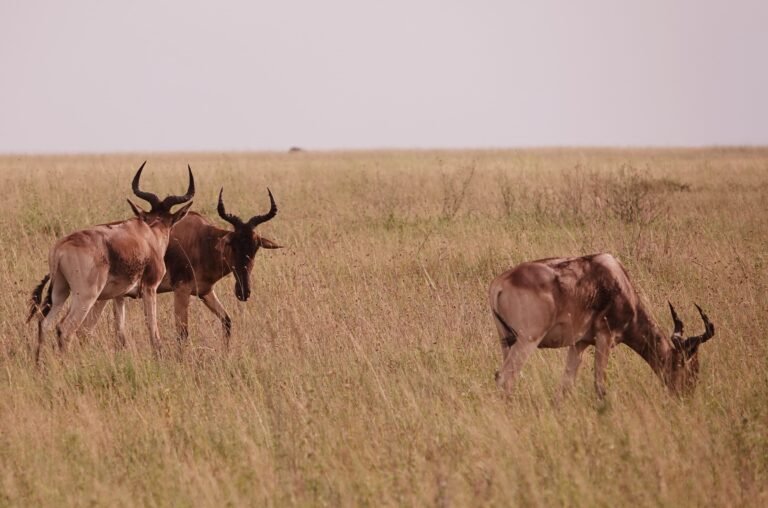
Oct 25, – 1 Day Nyerere Fly-In Group Safari From Zanzibar 2026
Secure your spot for the October 25, 2026, group fly-in safari to Nyerere National Park. A professional, time-efficient wildlife experience from Zanzibar.
View package details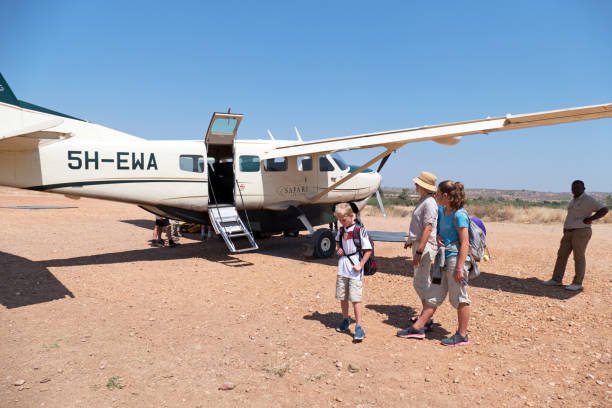
2-Day Nyerere Safari From Zanzibar: Flight-Inclusive Package Prices 2026-2027
An expert guide to planning a 2-day Nyerere safari from Zanzibar, covering flight-inclusive package structures, cost drivers, and the practical rhythm of a short-stay wildlife adventure.
View package details1-Day Nyerere National Park Safari From Zanzibar By Flight: 2026-2027
Planning a one-day fly-in safari to Nyerere from Zanzibar? Understand the logistics, travel times, and wildlife expectations for a 2026 or 2027 trip.
View package details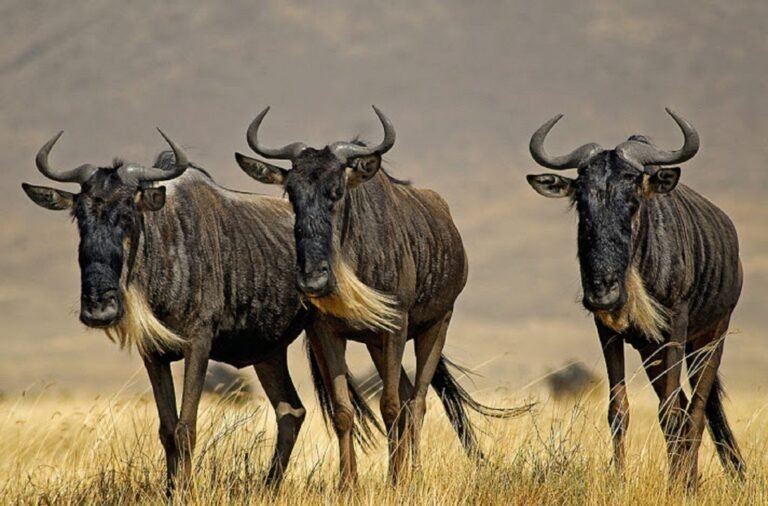
Nov 23, – 3 Day Serengeti And Ngorongoro Safari From Zanzibar
Nov 23, 2026 – 3 Day Serengeti and Ngorongoro Safari from Zanzibar.
View package details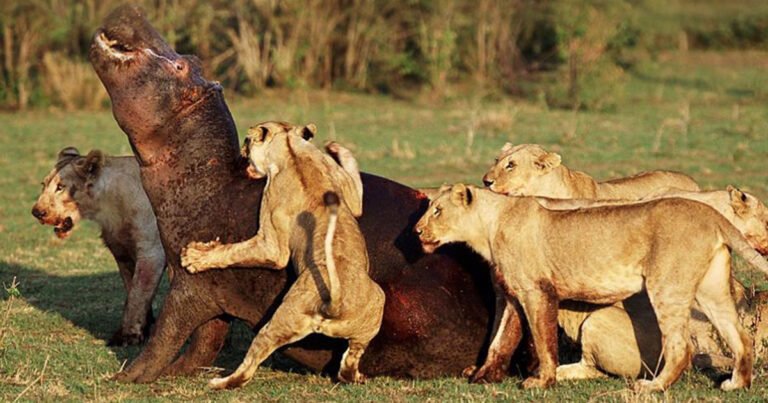
Dec 5, – 1 Day Mikumi Fly-In Group Safari From Zanzibar 2026
A practical guide to the December 5, 2026, group fly-in safari to Mikumi National Park. Learn about the itinerary, group logistics, and how to book your seat.
View package details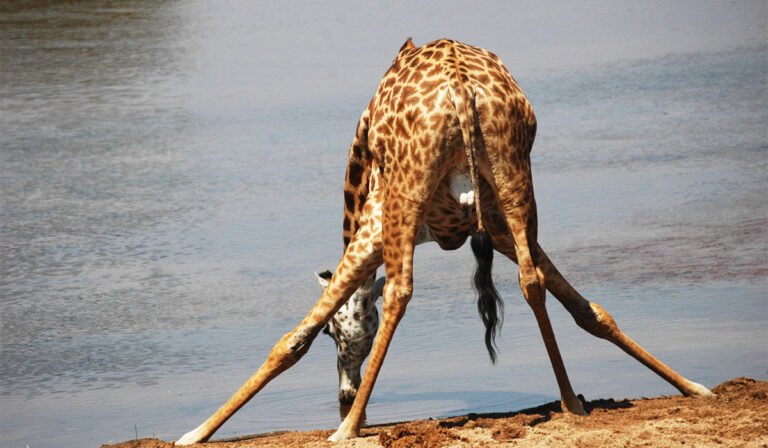
Nov 15, – 2 Day Mikumi Fly-In Group Safari From Zanzibar 2026
A practical guide and booking overview for the November 15, 2026, group fly-in safari to Mikumi National Park, departing from Zanzibar.
View package details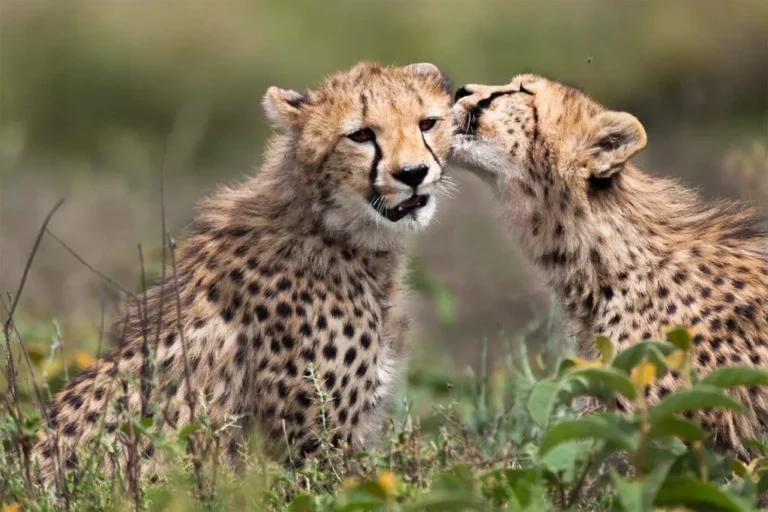
Nov 28, – 3 Day Fly-In Serengeti Group Safari From Zanzibar 2026
A detailed look at the 3-day fly-in Serengeti group safari departing November 28, 2026, including logistics, itinerary highlights, and travel tips for your Tanzania adventure.
View package details2-Day Serengeti Safari From Zanzibar By Flight: Price & Booking Guide
A practical guide to booking a 2-day Serengeti safari from Zanzibar by flight, covering itinerary logistics, cost considerations, and how to maximize your short time in the bush.
View package details
Luxury Fly-In Safari From Zanzibar: Private Packages For 2026-2027
Experience the ultimate Tanzanian getaway with a luxury fly-in safari from Zanzibar. Discover private, all-inclusive packages tailored for smooth wildlife encounters.
View package detailsBudget Fly-In Safari From Zanzibar: Best Packages & Prices 2026-2027
Discover how to plan a budget-friendly fly-in safari from Zanzibar to Tanzania's top parks without sacrificing the quality of your wildlife experience.
View package detailsZanzibar To Ruaha National Park Fly-In Safari: Prices & Booking Guide
A practical guide to planning a fly-in safari from Zanzibar to Ruaha National Park, covering flight logistics, itinerary choices, and how to book with Climb 4 Africa.
View package detailsNo related package matches those filters. Clear one or more filters to see the other topic-matched options.