
The 7 Days Kilimanjaro Group Joining Trek typically follows a structured route on the chosen ascent path (for example Machame or Rongai), with a managed group departure that integrates acclimatization days and camp logistics. After reaching the summit window or completing the descent, the itinerary shifts to a 3 Days Group Safari in Tanzania, focusing on a practical circuit that prioritizes wildlife viewing opportunities while keeping travel time efficient. Availability and exact departure dates must be confirmed with the operator; this page explains how to verify schedules and what to expect in each leg of the journey.
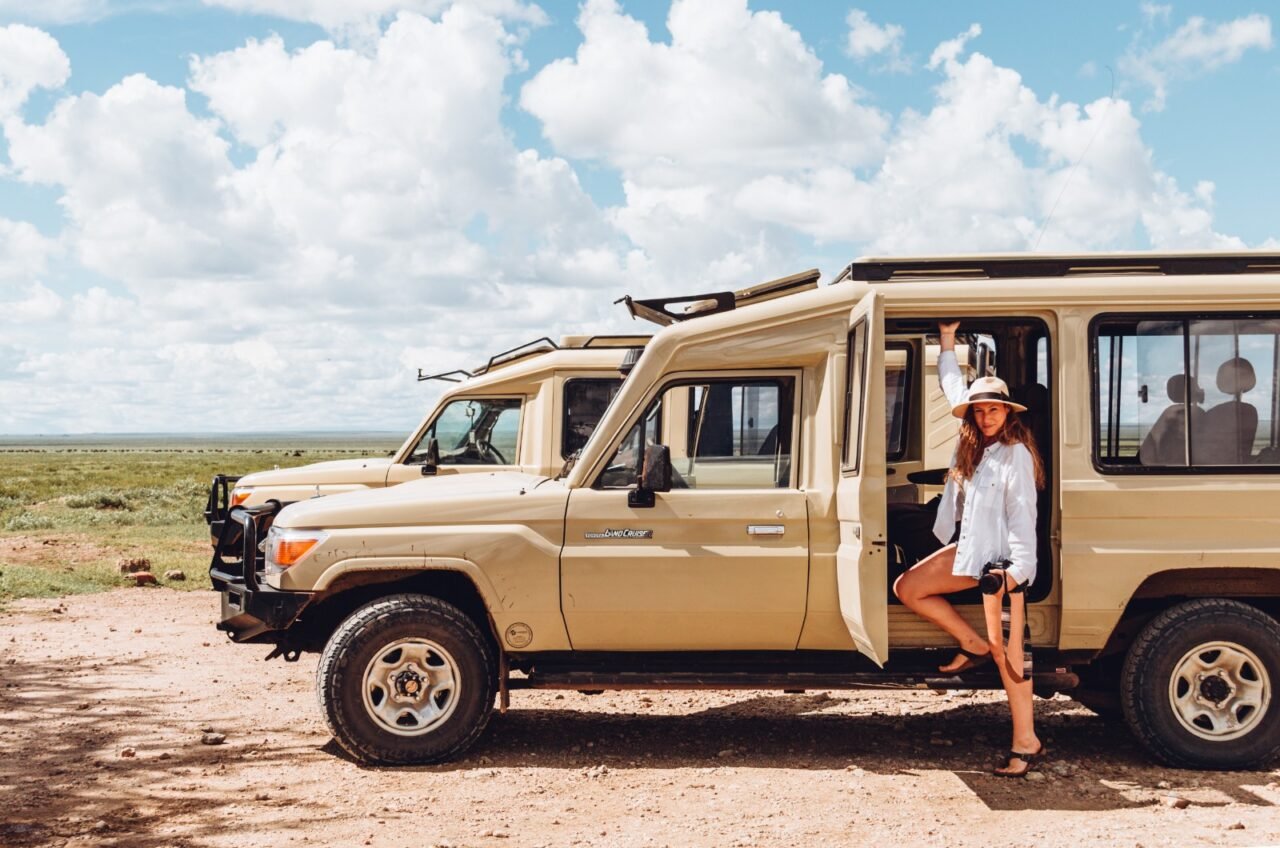
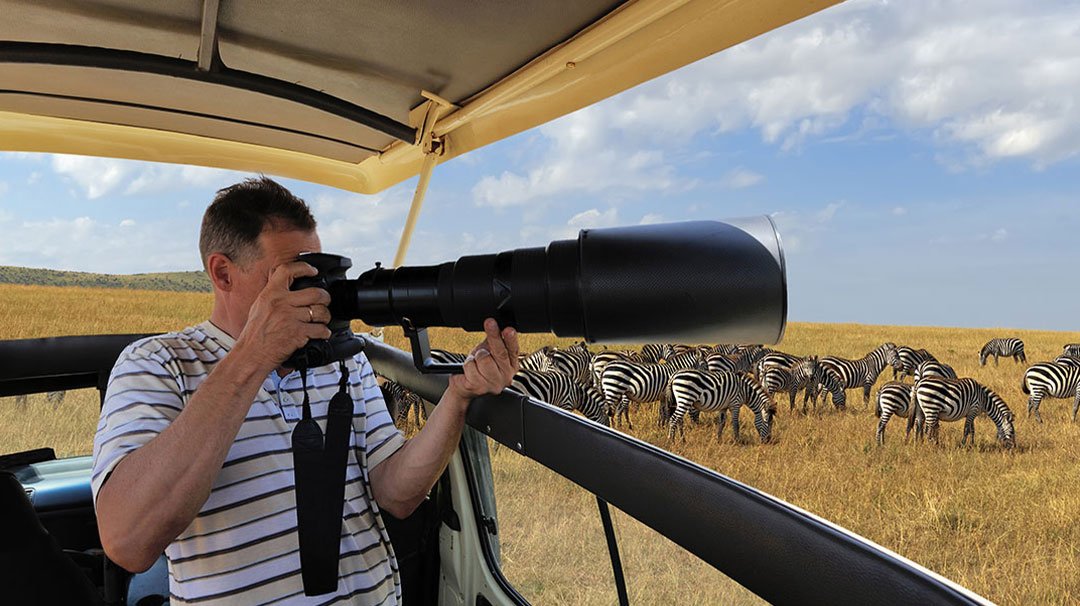
Overview of the sequence: what you get and how it works
This bookable travel plan centers on two connected experiences: a 7-day Kilimanjaro group joining trek and a 3-day group safari. You’ll join a predefined trekking group at the start, with logistics handled by Climb 4 Africa to maximize acclimatization and practical routing. After the ascent and descent, you’ll transition into a Tanzania safari that uses a compact route designed for efficient game viewing and comfortable lodge or tented camp stays. Exact dates, group sizes, and lodge names are confirmed only after you request a verified schedule with the operator.
Day-by-day: 7-day Kilimanjaro group joining trek
Note: the specific route (Machame, Lemosho, or Rongai) is selected based on current conditions and group preferences. Each day includes practical driving segments, elevation changes, and camp logistics rather than generic promises. The sequence below illustrates a common pattern for a 7-day group departure with acclimatization built in.
Day 1 — Arrival and briefing; drive to Kilimanjaro National Park gate
Arrive in Moshi or Arusha and transfer to the park gate. After registration, you begin with a gentle trek to your first camp or a forest hut. Expect a light briefing on expectations, gear, and safety protocols with the group. Accommodations are typically in camp meals included; shorter afternoon rest helps with jet lag and preparation for oxygen-deprived altitude ahead.
Day 2 — High trekking day with gradual ascent
The route begins in earnest with a steady ascent through established routes. The group follows a controlled pace to minimize fatigue; scenic views and breaks allow for acclimatization on the climb. Evening camp is chosen to balance altitude, water availability, and safety. Dinners are served in the mess area with briefings for the next day.
Day 3 — Elevation gain and acclimatization stay
A mid-height camp day designed to improve acclimatization. Short acclimatization hikes or a relaxed day at camp improve the group’s readiness for higher climbs. Meals are scheduled to maintain energy, with optional short walks and safety checks before bedtime.
Day 4 — Midpoint push toward higher camps
The terrain becomes more exposed and the pace slows to accommodate altitude. Your guide monitors symptoms and ensures hydration and rest. Evening at a higher camp sets up for an early summit push in the following day window.
Day 5 — Summit attempt window and descent to lower camp
Time to attempt the summit during the early pre-dawn hours, if conditions allow. Most groups either summit or descend to a lower camp for rest; exact outcomes depend on weather and acclimatization progress. The afternoon focuses on rest and recovery at the camp below the summit route.
Day 6 — Final descent to park gate
Return via established trails to the park gate. A celebratory recognition of the achievement is common, followed by a transfer to the hotel or lodge. A recovery evening with hot showers and a celebratory dinner marks the close of the Kilimanjaro leg.
Day 7 — Transition to safari or optional rest day
Depending on the schedule, you’ll start the safari transfer or a rest day in a nearby town. This day sets up your 3-day safari smoothly, coordinating with your arrival in the safari region and your first game-drive plan.
3 Days Group Safari: practical routing and expectations
The safari segment prioritizes practical logistics and wildlife opportunities without promising specific sightings. You’ll move between a small set of well-managed lodges or camps, with each day containing one or two game drives, meals, and transfer times carefully planned to maximize comfort and minimize long drives. The typical circuit might include a mix of Serengeti-adjacent parks and Ngorongoro Conservation Area for a compact wildlife focus, with a reasonable chance to observe iconic species depending on the season.
Day A — Transfer to safari base and first game drive
Drive from the Kilimanjaro region to the safari base, with a mid-day or late afternoon game drive depending on flight times and road conditions. Evening at camp or lodge includes dinner and a briefing on the next day’s drive plan.
Day B — Full day of game drives
Morning and afternoon drives maximize opportunities, with a midday rest period in a shaded camp or lodge. Guides share insights on animal behavior, landscapes, and the adaptation of ecosystems in this part of Tanzania.
Day C — Final drives and exit transfer
Concluding drives align with your departure schedule, followed by transfer to the airport or a domestic flight for your next destination. If you have a longer stay, options for Zanzibar or other extensions can be discussed.
Dates, departures, and verified schedules
Dates and group sizes for Kilimanjaro treks and safaris are operator-managed and require verification. The article explains how to request a confirmed schedule, including the exact departure date, group size, and availability. If you need a specific start date, contact Climb 4 Africa with your preferred window and party size; they will share a live departures table if a verified itinerary is available. Avoid relying on generic calendars without operator confirmation.
Logistics that matter: what to expect on arrival, gear, and lodging
You’ll receive practical guidance on gear lists, packing tips, and in-country transfers. The plan emphasizes balanced pacing, acclimatization
Clarifying the joining logistics and acclimatization framework for the 7 days Kilimanjaro trek
To complement the existing day-by-day structure, this section adds specific, non-redundant details about how the group joining process is managed on the ground, with a focus on acclimatization logic, pacing, and the practical handoffs between the Kilimanjaro trek and the subsequent 3-day safari. The aim is to provide readers with concrete, verifiable steps that translate the abstract plan into executable logistics, without claiming fixed dates, prices, or guaranteed wildlife outcomes.
- <strongGroup joining window and pre-departure coordination: After you confirm a verified schedule with the operator, you will receive a single contact point (a guide coordinator) who remains your touchpoint from arrival through the first Kilimanjaro camp transition. Expect a concise briefing on packing checks, daily pace expectations, and the order of camps with approximate driving times between stops. Confirmed group size is kept stable for vehicle allocations, porters, and support staff across the ascent.
- <strongPacing and acclimatization logic across the route: The 7-day trek employs a deliberate altitude acclimatization rhythm. Day 2 typically involves a gradual ascent with an early afternoon camp to minimize fatigue, while Day 3 offers a higher-altitude stay with optional short acclimatization walks if group readiness allows. Guides monitor symptoms and adjust daily mileage by a measurable factor (often 200–500 meters of ascent per day in elevation gain bands) to balance safety with progress. There are built-in rest or short walk options at mid-camp levels to reinforce acclimation before higher stages.
- <strongHandoffs between trekking and safari segments: On Day 7, after any post-summit rest and packing at the final Kilimanjaro camp, the group transitions to safari logistics. The transfer may involve a domestic flight or overland drive to the safari base, depending on the verified schedule and regional conditions. A separate safari co-ordinator typically meets the group on arrival at the safari base and conducts a briefing for the next 2–3 days of game viewing with a clearly defined schedule for morning and afternoon drives.
- <strongLodge and campsite assignments (non-specific placeholders): Lodges and campsites along the Kilimanjaro route are selected to balance altitude, water access, and walking distances between camps. The exact names and bed configurations are confirmed only after a verified schedule is released by the operator. You should anticipate a mix of forested approach camps, mid-altitude terraces, and a final high-camp environment designed for an early pre-dawn summit window.
- <strongGear handling and packing approach for group logistics: A standardized, weight-conscious packing plan is used. Personal duffels are carried by porters and are consumable-friendly (snack packs, water bottles, and first-aid items kept within reach), while trekking clothes follow a layered system suitable for rapid weather changes. A shared group gear list helps minimize duplication, ensuring essential items such as headlamps, batteries, and maps are available to the guide team for safety checks at each camp.
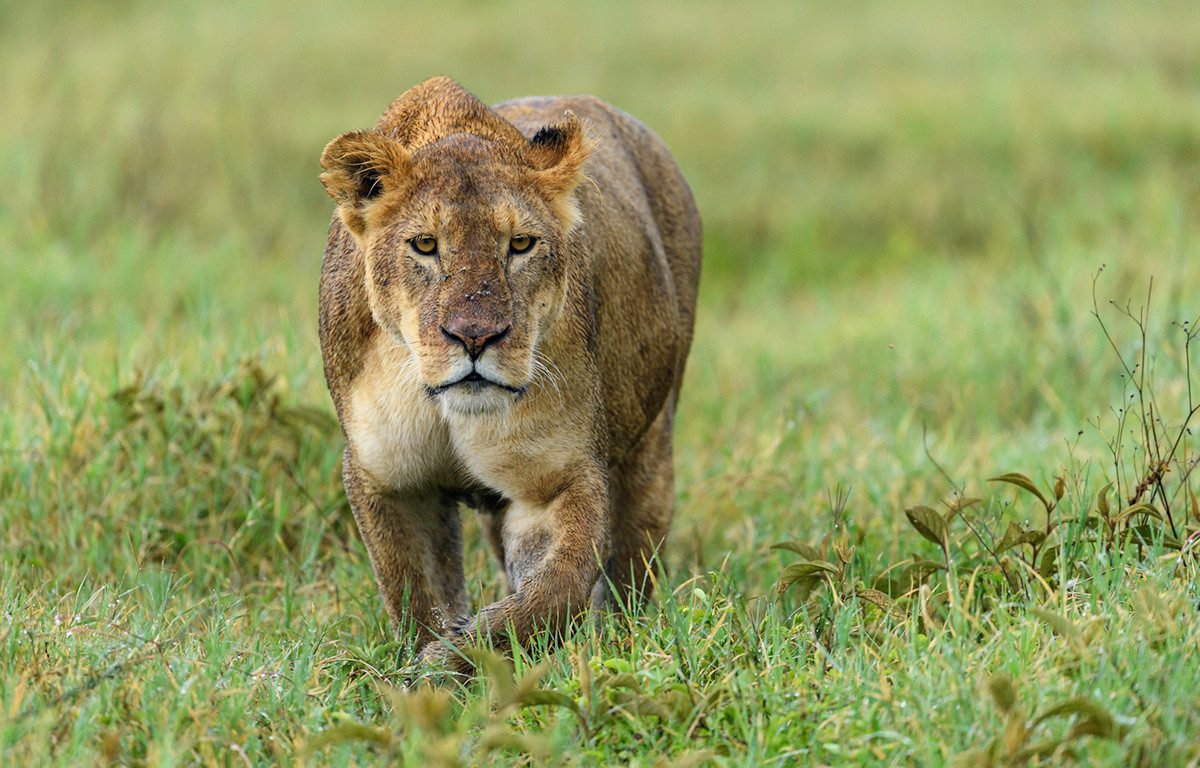
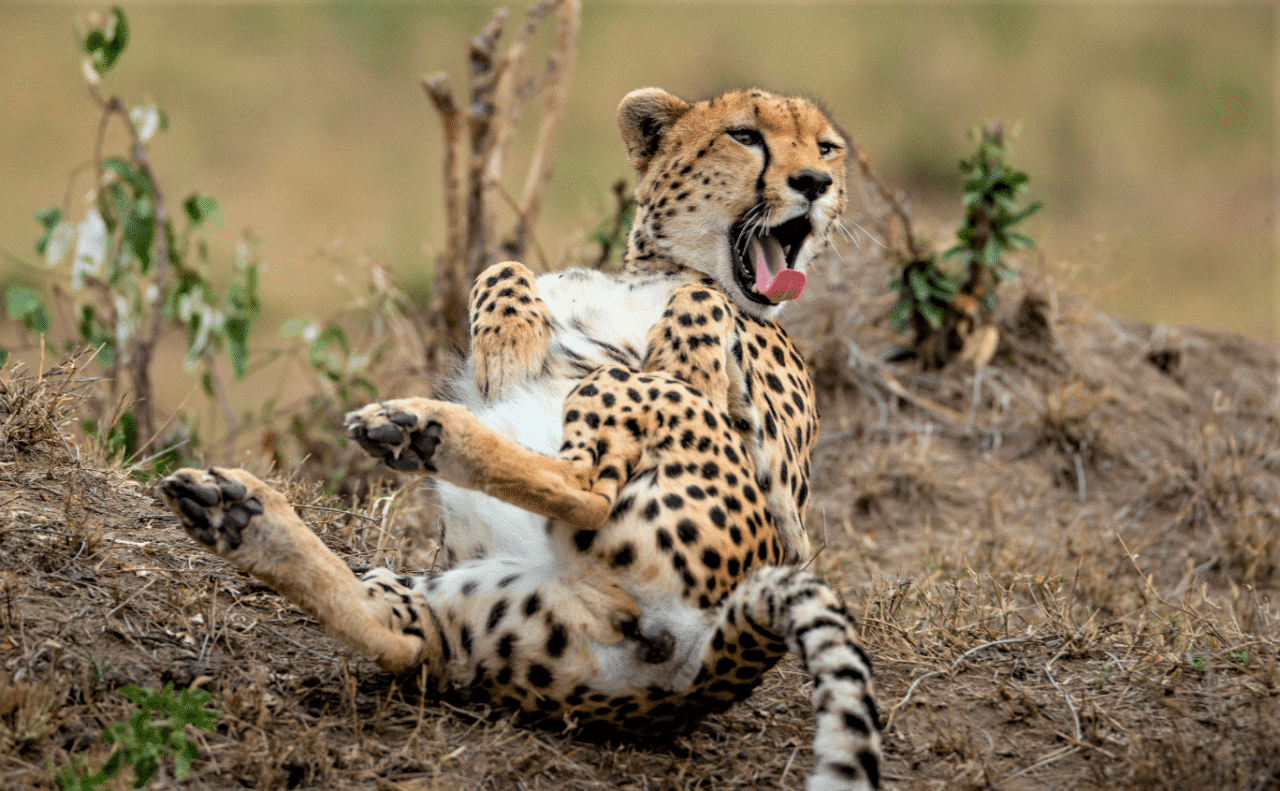
Practical expectations for the 3-day safari transition
The safari segment is designed as a compact, efficient extension that respects the rhythm of your Kilimanjaro itinerary. Practical expectations focus on the sequence, drive times, and rest periods rather than wildlife guarantees. Key considerations include the likely travel corridors, the balance between early-morning drives and midday breaks, and the range of lodge experiences from bush camps to mid-range lodges adjacent to protected areas.
- <strongTransfer timing: Depending on the verified schedule, the safari transfer can be either an overland drive or a short domestic flight. In either case, you will be briefed on the expected arrival window at the safari base, followed by a first, shorter introductory game drive that aligns with afternoon light patterns.
- <strongDaily drive structure: Each safari day typically includes a morning drive, a midday rest, and an optional late-afternoon drive to catch animal activity during crepuscular hours. Guides provide context on landscape dynamics and animal behavior without guaranteeing sightings, ensuring expectations remain grounded in seasonal conditions.
- <strongAccommodation profile: Safari lodges or tented camps are chosen to offer comfortable rest after long days. Meals are scheduled with flexible timing to accommodate early or late drives, and general camp routines adhere to safety and environmental guidelines set by the operator and local conservation partners.
This addition reinforces the bookable nature of the plan by clarifying how logistics flow between the Kilimanjaro ascent and the safari, without altering the core day-by-day cadence already established in the article. It also anchors readers’ expectations around acclimatization and practical transitions, ensuring the sequence remains actionable for someone preparing to join a real departure.
Clarifying acclimatization pacing and group management during the Kilimanjaro ascent
The core value of a 7-day Kilimanjaro group joining trek rests on how well the group balances tempo with physiological adaptation. In practice, the trekking pace is intentionally conservative, with multiple built-in rests and optional short acclimatization walks at select camps. This approach is not just about comfort; it is a deliberate strategy to minimize altitude-related fatigue and to preserve energy for a safer summit window. The ground crew—head guide, assistant guides, and porters—operate with a shared understanding: a patient climb yields steadier progress and reduces the risk of acute mountain sickness (AMS) late in the day or during the final push. To support this, you will notice a few concrete adaptations in the field:
– Controlled cadence: The group divides into manageable breaths per step, often with a target pace that feels comfortable for the least experienced climber, ensuring no one is left behind or rushed into a tense sprint. Blood oxygen levels and symptoms are monitored at brief stops, and the guide will pause more frequently if anyone exhibits signs of fatigue or discomfort.
– Strategic acclimatization days: The itinerary intentionally incorporates altitude-friendly days at mid-camps, allowing bodies to adjust gradually before higher camps. Some participants opt for optional short hikes around camp to keep joints flexible and to reinforce acclimatization rather than to push hard for terrain advantages.
– Hydration and nutrition discipline: Water intake is nudged upward during ascent, with electrolyte mixes provided to counteract the dry, high-desert conditions. Meals are planned to maximize energy availability without overloading the stomach, which is important for sleep quality and recovery.
– Sleep hygiene emphasis: Routines around bedtimes are observed to synchronize with circadian rhythms, supporting deeper rest. The camp team keeps the environment calm, minimizing noise and artificial light after designated hours to improve sleep efficiency—an often overlooked determinant of daytime performance.
– Adaptive planning: If the group’s physiology indicates a slower-than-expected acclimatization, the guide team adjusts the sequence by extending rest periods or shifting camp locations to better align with collective readiness. This flexibility is a practical countermeasure to unpredictable conditions such as cloud cover, wind, or microclimate variation between valleys and ridges.
You’ll also encounter practical on-the-ground signals that help maintain safety and cohesion without derailing the overall schedule. For example, the group may collectively decide to shorten a planned day if several participants show early fatigue, or to extend a rest period after a steep switchback, ensuring no one is pushed into a high-risk effort. In these moments, the decision-making process is transparent: the lead guide explains the rationale, and the group agrees, so there is shared ownership of the ascent outcome.
The joining framework also plays a crucial role in acclimatization success. Because participants arrive from varied backgrounds—different fitness levels, prior trekking experience, and prior altitude exposure—the 7-day plan begins with a gentler pace on Day 2 and Day 3, and then gradually increases intensity as the route progresses toward higher elevations. This staggered buildup reduces the likelihood that late-stage fatigue will compromise a summit attempt window. If you are a first-timer or someone with only intermittent hiking experience, this is precisely what the program is designed to accommodate: a steady, supported climb rather than a heroic sprint to a single objective.
In sum, acclimatization is not a separate add-on but an integrated, live-managed element of each day’s planning. The ground crew’s ongoing assessment—looking at breathing rate, leg burn, sleep quality, and mood—translates into small, practical choices that preserve safety and morale. When you read the day-by-day descriptions in this itinerary, think of them not as rigid checkpoints, but as a flexible framework that yields to your group’s real-time responses. The result is a more reliable ascent, a reduced risk profile, and a cohesive team experience that aligns with the realities of high-altitude trekking in the Kilimanjaro environment.
Clarifying the acclimatization framework for the 7 days Kilimanjaro trek: a practical deep-look at pacing, rest, and ground roles
Beyond the day-by-day labels, successful acclimatization hinges on how the group’s tempo is allocated across the ascent, and how the ground team translates physiology into concrete, on-the-ground decisions. This section adds practical details that readers often search for when evaluating a 7-day group joining trek, without duplicating the earlier pacing statements. It stays within the established framework that Climb 4 Africa uses to balance safety, comfort, and progress while respecting individual differences in altitude response.
Ground crew roles and real-time monitoring: The guiding team assigns clear responsibilities among lead guides, junior guides, and support staff. The lead guide coordinates the overall day’s plan, the tail guide ensures slower hikers are accounted for, and a medic or high-altitude trained assistant remains available for early symptom screening. Each morning briefing includes a concise acclimatization checklist: resting heart rate, reported headache or dizziness, sleep quality from the previous night, and appetite level. This information informs minor route adjustments (e.g., choosing a gentler approach to a ridge, or inserting an extra hour at a mid-camp rest) that can have outsized effects on how the group tolerates altitude by midday.
Mechanics of pace control: The ascent uses a staged tempo with built-in “acclimatization buffers.” A typical buffer consists of an optional extra 30–60 minutes of rest at a mid-point camp or a slightly longer lunch stop on steeper sections. If the group shows signs of fatigue or reduced oxygen saturation (when a portable monitor is available), the pace is visibly slowed for the next segment, with a decision logged in the guide’s field notebook. This approach prevents the cascade effect of fatigue, breathlessness, and sleep disruption that often undermines later stages of the climb. The group remains together, but individuals are allowed to fall back to shorter routes or connect with a slower sub-team as needed.
Acclimatization as a living, adaptive plan: The joined itinerary treats acclimatization as an evolving objective rather than a fixed day feature. If a segment proves too strenuous for multiple participants, the team may swap a planned higher-camp night for an extended stay at a lower-altitude camp, then re-assess. This is not a failure of planning; it is a proactive risk-management choice designed to preserve the capacity for a successful summit window. The exact altitude targets for each camp are selected with current weather patterns, wind exposure, and cloud formation in mind, in addition to the general elevation profile of the chosen route (Machame, Lemosho, Rongai, etc.).
Sleep, nutrition, and hydration as operational levers: Sleep quality is tracked through brief nocturnal checks by the camp crew. Hydration is structured around a schedule that prescribes a baseline water intake per participant per day, with adjustments made for heat, exertion, and altitude. Meals are calibrated to maintain energy without overloading the stomach before challenging segments; snack options emphasize complex carbohydrates and electrolytes to sustain performance through afternoon stretches. If a participant reports persistent sleep disturbance, the crew evaluates potential causes (stimulant intake, caffeine consumption late in the day, or environmental factors) and adjusts the plan accordingly, sometimes offering a shorter day to restore sleep homeostasis.
Contingency planning and safety thresholds: The policy for postponing a summit attempt follows a transparent set of thresholds. If resting oxygen saturation falls below a pre-determined limit for two successive checks, or if several participants report severe headaches not alleviated by standard remedies, the group’s summit attempt is deferred to the next window. Decisions are communicated in an open, non-punitive manner; the guide explains the rationale, and the group agrees before any change is implemented. This shared ownership reduces anxiety and reinforces trust in the process, which is critical when altitude and weather conditions fluctuate unexpectedly.
Group cohesion without sacrificing individual needs: The joining framework emphasizes unity, but it also respects individual differences. Hikes include optional out-and-back side routes to allow stronger hikers to maintain momentum while less-fit travelers have supportive, shorter options. The guides clearly mark these alternatives at junctions and ensure that everyone reconvenes at the scheduled camp. The result is a cohesive group experience that minimizes social pressure and maximizes up-time safety margins.
Communication cadence and information transparency: Before each day, the briefing outlines the next day’s anticipated elevation gain, the expected terrain (forest, moorland, scree, or ridge), and water source logistics. Any changes to start times, water availability, or camp locations are announced in person and noted in a shared itinerary accessible via the operator’s app or printed handouts. This transparency helps participants prepare physically and mentally for the day ahead and reduces uncertainty that can contribute to stress or poor decision-making at altitude.
3-day safari transition: practical integration with the Kilimanjaro leg
The transition from Kilimanjaro to the 3-day safari is designed to minimize fatigue and maximize wildlife viewing opportunities within a compact timetable. The new segment begins as soon as the descent concludes and the group has completed check-in at the airport or arrival point in a safari hub. The ground team coordinates with camp managers to align transfer times with flight arrivals, ensuring a smooth handoff from trekking to game-viewing routines. Practicalities highlighted here aim to answer reader questions about timing, rest periods, and the mechanical flow between the two experiences.
Transfer choreography: Transfers typically occur with a morning departure from the final Kilimanjaro camp site, followed by a brief ground transfer to a designated safari base. If the flight schedule permits, a short introductory game drive may occur closer to dusk at the safari base to acclimate the group to new terrain and time zone adjustments. Guides from both segments meet on site to ensure the handoff is smooth, including luggage transitions and briefing updates about the next day’s drive plan and wildlife focus areas.
Daily rhythm in the safari leg: Each safari day follows a balanced rhythm of one morning game drive, a relaxed lunch and siesta period, and a second afternoon drive, with a fixed dinner window. Lodging choices range from small boutique camps to tented camps that emphasize environmental stewardship and local community engagement. While wildlife is the centerpiece, the program clearly refrains from promising specific sightings and instead communicates realistic expectations based on seasonal patterns and habitat connectivity.
Health and rest continuity: The staff carry forward acclimatization discipline into the safari phase by maintaining hydration norms, encouraging moderate sunlight exposure for circadian rhythm adjustment, and providing light activity options on non-drive days for travelers who feel fatigued after the Kilimanjaro climb. If anyone experiences travel-related discomfort (jet lag, stomach upset, or fatigue accumulation), the on-site medic or lead guide offers targeted advice and, if necessary, alternative rest arrangements or shorter driving periods to protect well-being.
Documentation and scheduling discipline: The overall itinerary emphasizes verified schedules and confirmed logistics. To ensure accuracy, travelers are advised to request a verified schedule from the operator, noting that dates, group sizes, and lodge names are confirmed only after that verification step. This approach minimizes the risk of misinformation and aligns expectations with the actual booking status.
Related Guides and Packages
Check Availability for 7 Days Kilimanjaro Group Joining Trek And 3 Safari
Ready to compare dates, prices, and the best option for your group? Send the package name and travel month so the team can reply with a clear quote, availability, and what is included.
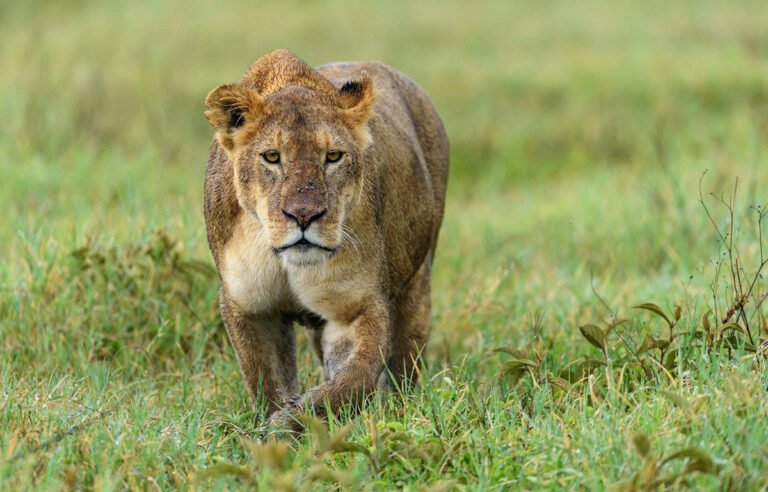
8 Days Kilimanjaro Group Climb And 4 Camping Safari
A practical, bookable 8-day plan combining Kilimanjaro Group Climb with a 4-day camping safari. Day-by-day route, acclimatisation logic, and realistic safari logistics without guaranteeing...
View package details
17 Days Kilimanjaro Group Climb Safari And Zanzibar 2026-2027
17 Days Kilimanjaro Group Climb Group Safari and Zanzibar.
View package details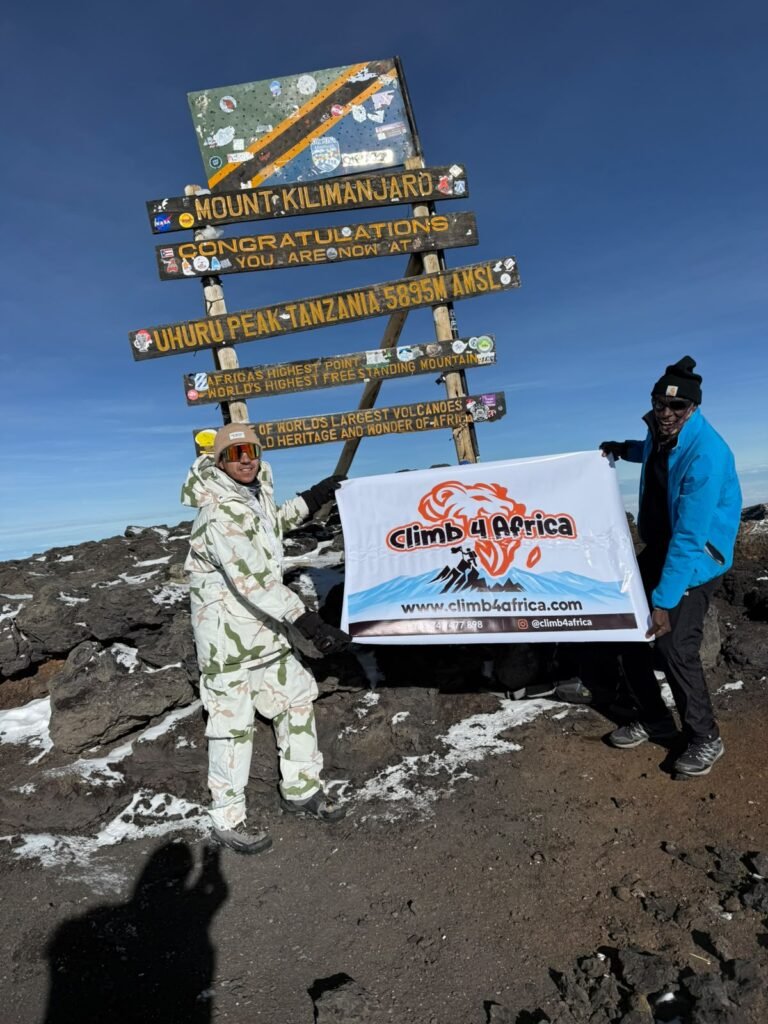
7 Days Kilimanjaro Trek And 3 Tanzania Safari 2026-2027
7 Days Kilimanjaro Trek and 3 Days Tanzania Safari.
View package details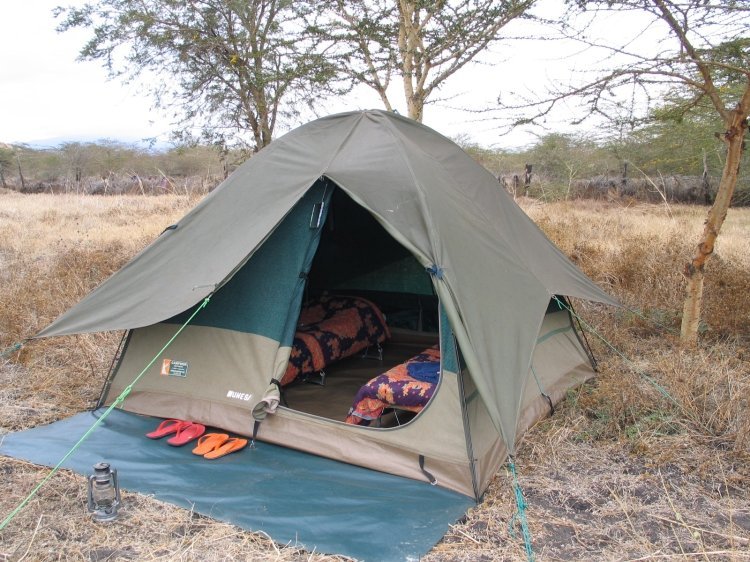
8 Days Kilimanjaro Lemosho Trek And 4 Serengeti Ngorongoro Safari
8 Days Kilimanjaro Lemosho Trek and 4 Days Serengeti Ngorongoro Safari.
View package details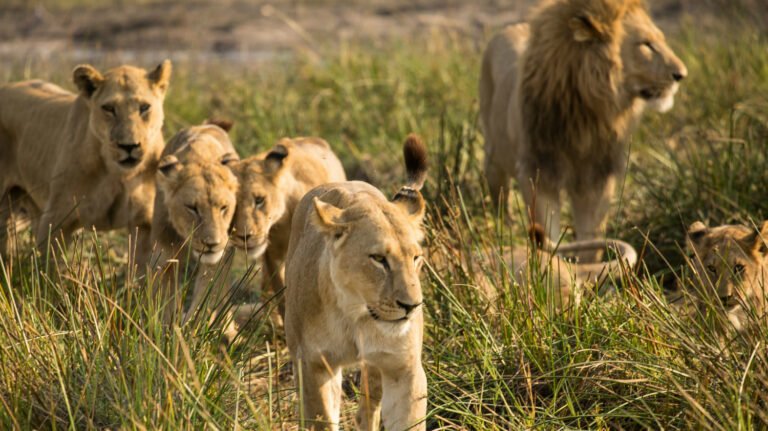
7 Days Kilimanjaro Climb And 4 Wildlife Safari
7 Days Kilimanjaro Climb and 4 Days Wildlife Safari.
View package details
7 Days Machame Kilimanjaro Climb And 5 Tanzania Safari
7 Days Machame Kilimanjaro Climb and 5 Days Tanzania Safari.
View package details
12 Days Kilimanjaro Trekking And Serengeti Ngorongoro Safari 2026-2027
12 Days Kilimanjaro Trekking and Serengeti Ngorongoro Safari.
View package details
18 Days Kilimanjaro Trek Budget Safari And Zanzibar 2026-2027
18 Days Kilimanjaro Trek Budget Safari and Zanzibar.
View package details
19 Days Kilimanjaro Trekking Safari And Zanzibar 2026-2027
19 Days Kilimanjaro Trekking Safari and Zanzibar.
View package details
14 Days Kilimanjaro Trek And Northern Tanzania Safari 2026-2027
14 Days Kilimanjaro Trek and Northern Tanzania Safari.
View package details
12 Days Kilimanjaro Trekking and Tanzania Safari: A practical, day-by-day
A practical, bookable 12-day journey combining Kilimanjaro ascent with a Tanzania safari, outlining day-by-day route, acclimatisation strategy, park progression, and realistic safari...
View package details
17 Days Kilimanjaro Climb Safari And Zanzibar Beach 2026-2027
17 Days Kilimanjaro Climb Safari and Zanzibar Beach.
View package detailsNo related package matches those filters. Clear one or more filters to see the other topic-matched options.



