
This is a sample, bookable 6 Days Marangu Kilimanjaro Hut Trekking itinerary for 6–11 December 2026: climbs the Marangu route with hut accommodation each night, designed to improve acclimatisation over six days (arrival and gear check on Day 0 is recommended). The package includes park fees, hut beds, guides, cooks and porters supplied by Climb 4 Africa where confirmed; final availability, group size options and exact meeting times must be confirmed with Climb 4 Africa before booking.
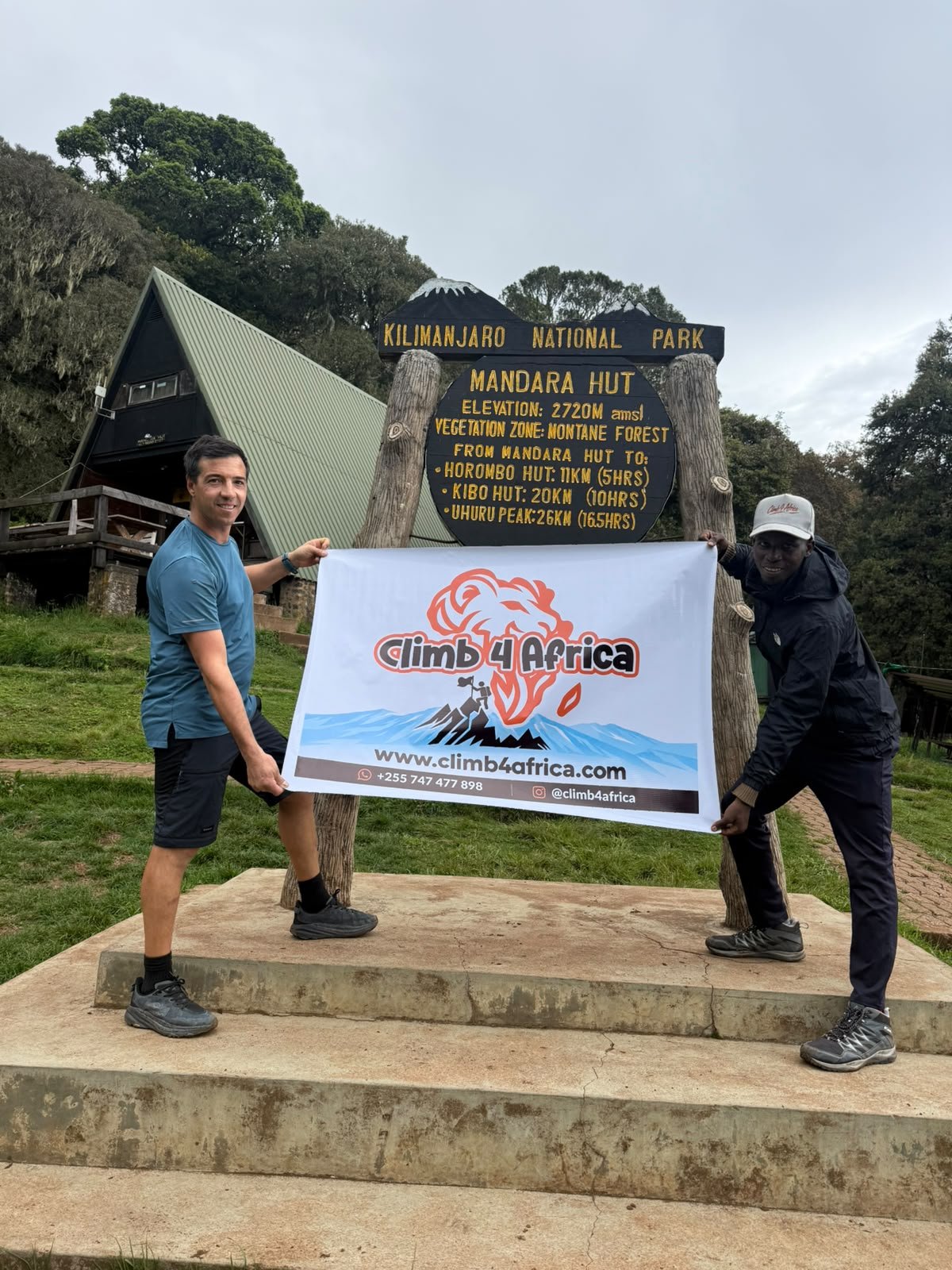
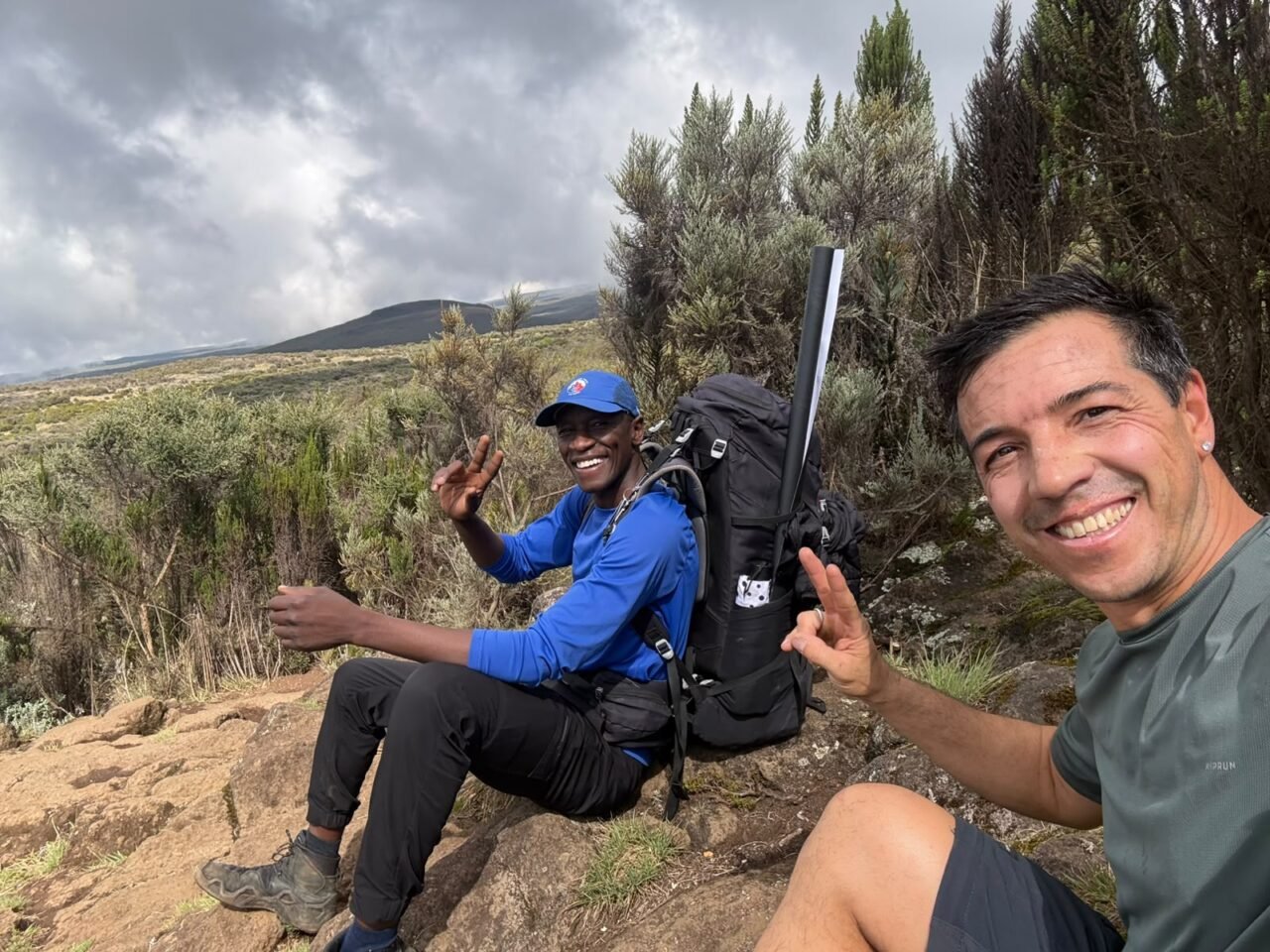
Below is a practical, logistics-focused field guide for the 6 Days Marangu Kilimanjaro Hut Trekking – 6–11 December 2026 plan. It treats the program as a bookable itinerary: each day lists the route stage, expected trail experience, altitude gain, accommodation type (hut), and important planning choices. Where facts require operator confirmation (spaces, departure time, exact inclusions), the text says so rather than invent numbers.
How this 6-day Marangu hut trek is structured and why it matters
The Marangu route is the classic “Coca-Cola” path on Kilimanjaro, known for hut accommodation and a relatively straightforward path. A six-day version stretches the normal 5-day schedule by adding an extra acclimatisation day or a gentler ascent profile. That matters: extra days reduce acute mountain sickness risk and increase summit success chances. For 6–11 December 2026, the itinerary below assumes arrival into Moshi or Arusha prior to Day 1 for a pre-trek briefing and kit check; confirm your recommended arrival day with Climb 4 Africa.
Day 1 — Moshi/Arusha to Marangu Gate to Mandara Hut
Route: Transfer from Moshi/Arusha to Marangu Gate, trek through montane forest to Mandara Hut.
What to expect: A short drive (typically 1–2 hours from Moshi) to the gate, registration and a gradual forest walk. This first day is low-altitude and intended to introduce the team, test gear, and let your body start to adjust to trail rhythm. Porters carry group equipment; climbers should only carry a daypack with water, layers and personal items.
Accommodation: Mandara Hut. Hut dorms are basic bunks with mattresses. Confirm bedding arrangements and whether your booking includes a sleeping bag rental or if you must bring your own.
Key logistics: Bring gaiters, a light rain jacket and insect repellent. Evening temperatures at Mandara are cool but not freezing; expect a briefing from your head guide about schedule and emergency procedures for the following days.
Day 2 — Mandara Hut to Horombo Hut
Route: Exit the forest into heath and moorland, following rising zig-zags toward Horombo Hut.
What to expect: A longer trekking day with steady altitude gain into the high moorland zone. Trail surfaces change from rooty forest to scree, grass and small streams. The pace will be moderate; guides control tempo to protect acclimatisation. You’ll begin to feel the thinner air and colder winds by mid-afternoon.
Accommodation: Horombo Hut. Larger and busier than Mandara; huts are the characteristic wood-and-metal dormitories used on the Marangu route. Confirm whether meals at the hut are included in your Climb 4 Africa booking.
Acclimatisation note: This day gives a solid gain without reaching extreme altitude—important for the next-day acclimatisation exercises.
Day 3 — Acclimatisation day around Horombo Hut
Route: Short hikes out-and-back from Horombo to higher points such as Zebra Rocks or the surrounding ridge, returning to Horombo Hut for the night.
What to expect: This is an intentional low-mileage day to aid acclimatisation. Expect one or two guided short ascents to higher ground in the morning and possibly late afternoon, with rest periods between. Keep fluid intake high and avoid heavy meals or alcohol.
Accommodation: Horombo Hut (second night). Use this day to check boot fit, charge electronics if possible, and confirm summit-night plans with your guide. If you have concerns about symptoms of altitude sickness (severe headache, nausea, confusion), report them immediately—your guide will have a protocol.
Day 4 — Horombo Hut to Kibo Hut
Route: Depart Horombo into alpine desert, a longer day crossing the saddle toward Kibo Hut at higher elevation, positioned just below the crater rim.
What to expect: The landscape becomes stark and windswept. Trails are mostly rocky with occasional scree. This is a key transitional day: altitude increases significantly and you should monitor your breathing and energy. Guides often slow the pace and encourage regular small snacks to keep glucose steady.
Accommodation: Kibo Hut. Very basic hut accommodation near the crater saddle. Prepare for a cold night with limited space; services are minimal. Confirm whether your booking includes oxygen or emergency evacuation insurance options if available through Climb 4 Africa.
Summit prep: Your guide will run a detailed briefing in the evening—what to wear, pacing for summit night, headlamp checks and eating schedule. Lay out summit clothing and ensure boots and crampons (if used) are ready.
Day 5 — Summit Night: Kibo Hut to Uhuru Peak to Horombo Hut
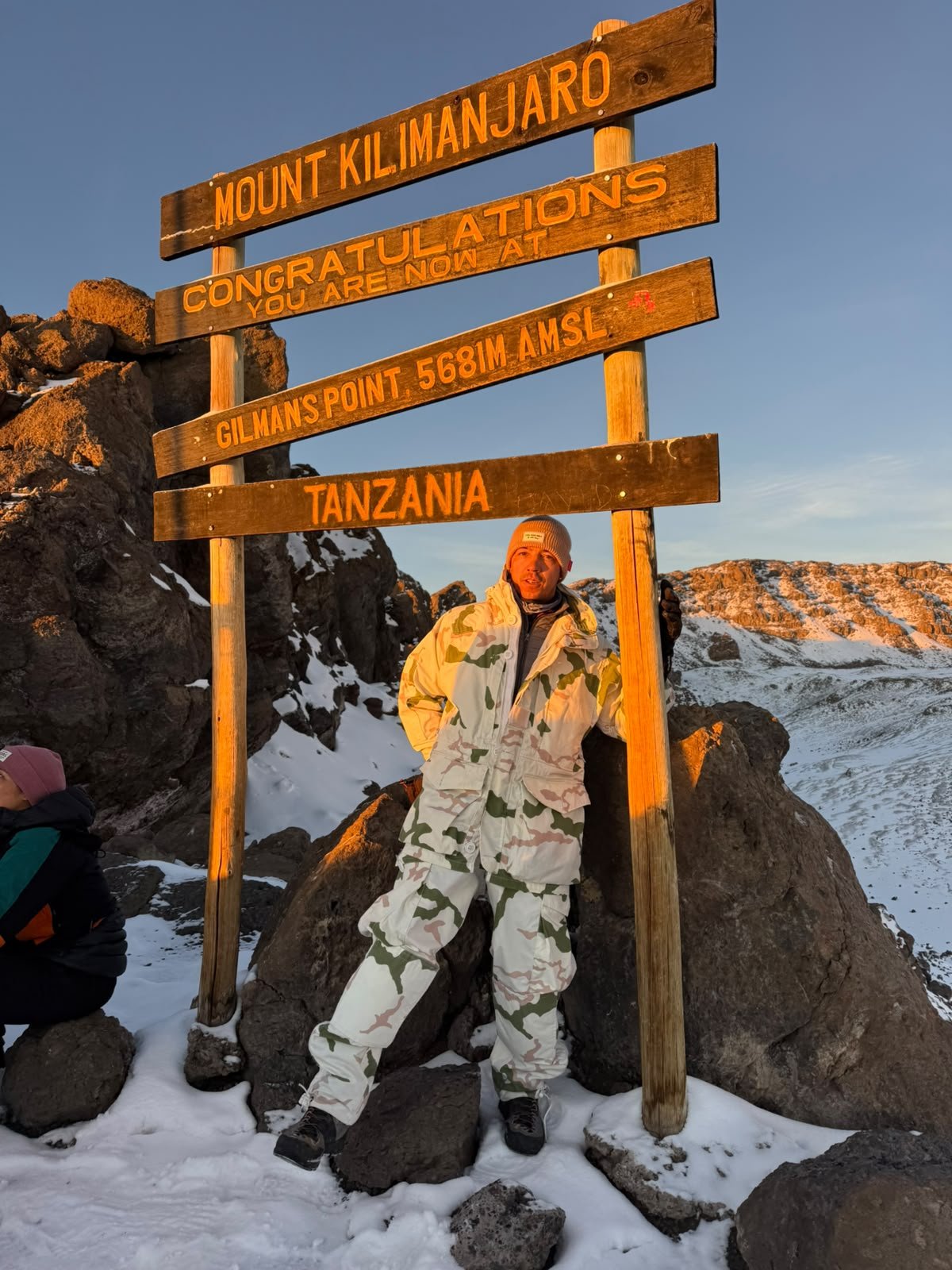
Route: Late-night start from Kibo Hut for the long summit push to Uhuru Peak (via Gilman’s Point and Stella Point depending on route variation), then descend to Horombo Hut for recovery.
What to expect: This is the hardest and longest day. Climbers typically start around midnight to reach the rim at sunrise. Altitude and steep traction on the crater rim are the main challenges. The pace is slow and steady with frequent stops. Reaching the summit depends on weather, fitness and acclimatisation; guides make safety-first decisions.
Day 6 — Horombo Hut to Marangu Gate to Moshi/Arusha
The final day of the 6 Days Marangu Kilimanjaro Hut Trekking itinerary for 6–11 December 2026 begins with a descent from Horombo Hut, the same high-altitude mountain hut where climbers recovered after summiting Uhuru Peak. This day is designed to be a gradual and manageable exit from the mountain, allowing your body to adjust to lower elevations while completing the final leg of the route. After breakfast at Horombo Hut—typically served around 7:00–8:00 AM—your trekking team will begin the descent back toward Marangu Gate, retracing part of the journey made on Day 2 but in reverse.
The trail starts with a steady downward path through the heath and moorland zone, where you’ll pass familiar landmarks such as the ridge near Zebra Rocks and the grassy slopes that once hosted your acclimatisation hike. The terrain remains rocky and uneven in places, especially where scree sections are present, so careful footing is still essential. As you descend, the air gradually warms, and the vegetation changes again—shrubs give way to taller grasses and patches of wildflowers, followed by the first signs of the montane forest zone.
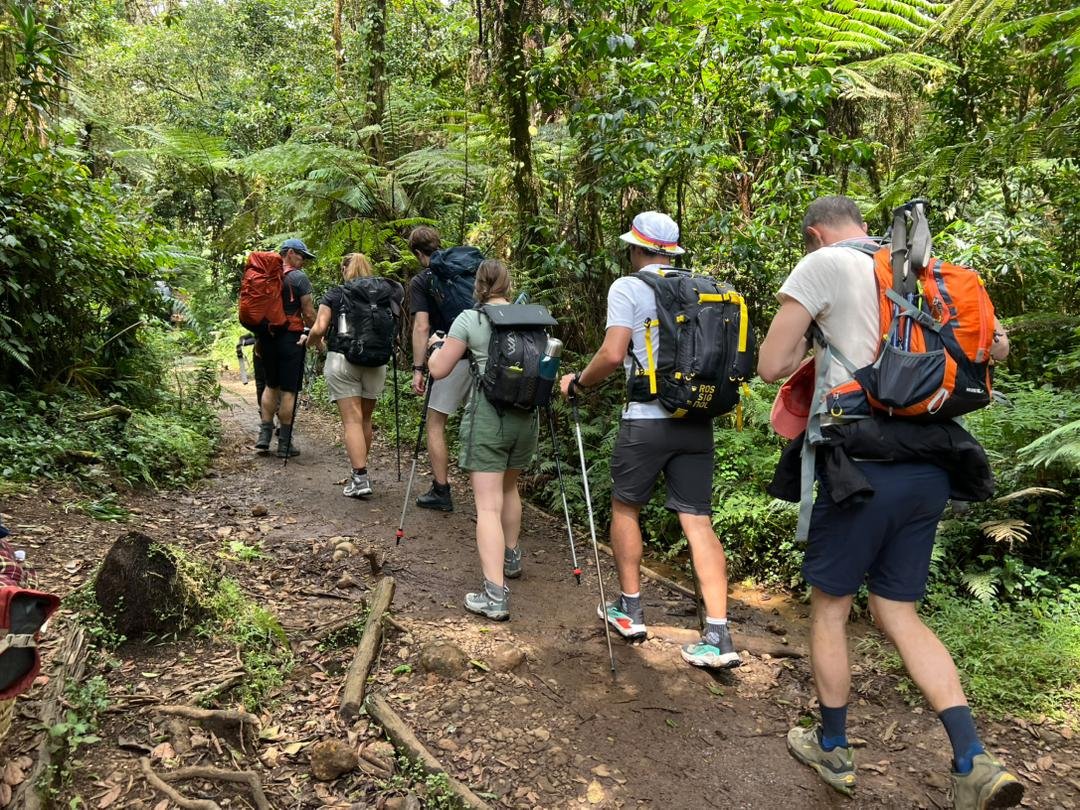
By mid-morning, you’ll re-enter the dense, humid montane forest that characterizes the lower slopes of Kilimanjaro. Here, the trail becomes more shaded, with tree roots and uneven ground requiring attention. The forest is alive with birdsong—species such as the black-and-white shrike-flycatcher, African green broadbill, and various sunbirds may be spotted—and the air carries the rich scent of damp earth and moss. The pace on this day is relaxed, with opportunities for short breaks, hydration, and light conversation. Your guide will ensure you stay hydrated and encourage gentle movement to prevent stiffness from the previous days’ exertion.
After approximately 4 to 5 hours of walking, depending on group pace and weather, you will reach Marangu Gate, the official entry and exit point for the route. Here, you’ll complete the final park formalities, including a brief check-in with park rangers and the return of your climbing permits. This is also the moment when your porters and guides typically hand over any personal gear they’ve carried during the trek. If you have any items left behind, this is the time to report them.
Following the gate formalities, your transfer vehicle—arranged through Climb 4 Africa—will be waiting to transport you back to Moshi or Arusha. The drive typically takes 1 to 2 hours, depending on traffic and road conditions. Upon arrival at your hotel or accommodation in Moshi or Arusha, you’ll be greeted with a warm welcome and an opportunity to rest after your journey. Many climbers choose to take a shower, change into fresh clothes, and enjoy a celebratory meal or drink to mark the successful completion of the trek.
It’s important to note that while Day 6 is physically less demanding than previous days, your body may still be fatigued. Altitude effects can linger, and it’s recommended to avoid strenuous activities for at least 24 to 48 hours after returning to lower elevations. Staying hydrated, eating balanced meals, and getting adequate rest are key to full recovery. Some climbers opt for a light activity such as a visit to a local market or a short walk in the town center, but listen to your body and prioritize recovery.
For those planning to extend their stay in Tanzania, this day also offers a practical opportunity to begin post-trek travel arrangements. If you’ve booked additional safari packages, cultural tours, or beach excursions through Climb 4 Africa or another local operator, this is the ideal time to coordinate next steps. However, confirm with your tour provider whether your trek package includes any post-trek hotel stays, and whether those are included in the initial booking or must be arranged separately.
Finally, while the trek officially ends at Marangu Gate, the experience lingers. The sense of accomplishment from summiting Uhuru Peak, the camaraderie forged on the trail, and the impressive landscapes of Kilimanjaro’s diverse ecosystems leave a lasting impression. Many climbers choose to reflect on their journey during the transfer, sharing stories, photos, and emotions with fellow trekkers and guides.
Before departing the area, consider reviewing your gear, packing any souvenirs or mementos, and completing any feedback or documentation required by Climb 4 Africa. Some operators offer optional post-trek surveys or photo packages, which can be accessed through their website or on-site at the base camp office.
Practical hut logistics, porter arrangements and on-trail etiquette for the 6 Days Marangu Kilimanjaro Hut Trekking
One important question many climbers still ask after reading the day-by-day route is: what exactly happens inside the huts and around the logistical flow of porters, guides and group routines on the Marangu route? The answer matters—hut life shapes your rest, hygiene, gear handling and team dynamics during the crucial acclimatisation period. Below is a focused, practical guide that explains the routine you should expect on this 6 Days Marangu Kilimanjaro Hut Trekking plan, and the decisions you’ll need to make with your operator before departure.
Hut accommodation: what hut life looks like on the Marangu route
Marangu’s huts are basic mountain dormitories: bunk-style wooden or stone buildings with mattresses and communal sleeping rooms. Expect mixed-gender dorms unless you specifically request otherwise—operators may offer separate allocation subject to availability, so confirm at booking.
- Sleeping arrangements: huts provide mattresses and sometimes thin blankets; bring a warm sleeping liner (silk or thermal) and, in December, an extra layer—temperatures can fall sharply at night even at Horombo and Kibo.
- Lighting and charging: lighting is limited to communal areas and usually solar/LED. If you need to charge devices, pack a power bank and discuss charging slots with your guide—charging points are communal and may be limited.
- Sanitation: hut latrines are basic pit toilets located outside; bring hand sanitiser and small toilet paper packets. Water for washing is available but limited—conserve it and follow staff instructions on water use.
- Noise and rest: huts can be noisy when groups arrive and prepare for the next day; the summit night return (Day 5) brings many exhausted climbers. Pack earplugs and an eye mask to improve rest quality.
Meals, dining routine and food safety
Meals on the Marangu route are served in a communal mess hut by your crew. Typical sequence: arrival → rest → tea/snack → dinner. Food is prepared centrally by cooks supplied by the operator; if you have special dietary needs (medical, allergy, vegan/vegetarian), disclose these in advance so they can be planned.
- Water treatment: operators usually supply boiled or treated water at huts—clarify with Climb 4 Africa whether bottled water is provided or whether you should treat/bring your own.
- Meal timing: summit-night nutrition is critical—expect an early light meal before the late-night departure from Kibo and a warm breakfast after descent at Horombo; communicate any appetite issues to guides early.
Porters, gear transfer and what you should carry
Porters are employed to carry heavy communal and personal items up to a weight limit set by park rules and operators. For the 6 Days Marangu Kilimanjaro Hut Trekking itinerary, a standard practice is to pack a daypack that contains the items you’ll need each day and night, while larger duffels are carried by porters. You must clearly label and seal bags and carry a small personal pack for summit night essentials.
- Essential summit-night pack: headlamp, warm layers, gloves, hat, water bottle, snacks, ID and any personal medication. Keep this with you—porters cannot accompany you on the summit push.
- Porter welfare: ask your operator how they meet Kilimanjaro Authority weight limits and porter pay/insurance—responsible operators will provide clear porter weight limits and welfare policies; request documentation if this matters to you.
Health, waste and environmental etiquette in the huts
Respectful behaviour keeps the huts functional and preserves the mountain. Follow these practical rules during your 6 Days Marangu Kilimanjaro Hut Trekking experience:
- Waste: do not leave food scraps or packaging in huts; dispose of waste as instructed by guides. Carry out non-biodegradable rubbish where required.
- Laundry: drying space is limited—pack quick-dry layers and wash items sparingly. Avoid washing heavy items on high-altitude days.
- Illness: report symptoms of altitude illness or contagious conditions immediately to your guide. Guides and porters are trained to respond and will advise whether evacuation is necessary—do not delay reporting.
Practical pre-departure confirmations to request from Climb 4 Africa
Before travel, ask the operator to confirm: hut rooming policy (single vs dorm options), whether bottled/treatment water is supplied, charging availability, the porter weight limit and porter welfare measures, and any special dietary arrangements. These confirmations prevent last-minute surprises and ensure the hut experience aligns with your expectations on the 6 Days Marangu Kilimanjaro Hut Trekking plan.
These hut and logistics details refine the practical side of your itinerary: reliable rest and predictable gear systems directly improve acclimatisation, morale and summit chances. Discuss them early with Climb 4 Africa so your trek days run smoothly and your focus stays where it matters—progressing safely up Kilimanjaro.
Emergency response and evacuation logistics on the Marangu route
One practical question many climbers still have after reading the day-by-day logistics is: what happens when someone becomes seriously ill or shows signs of severe altitude sickness on the 6 Days Marangu Kilimanjaro Hut Trekking itinerary? This section explains the predictable, verifiable elements of an emergency response on the Marangu route and the concrete actions you should confirm with Climb 4 Africa before departure.
Immediate on-trail response: guide actions and client responsibilities
All recognised operators working on Kilimanjaro supply guides trained in altitude illness recognition and basic mountain first aid. If you or a teammate develops symptoms—severe headache, vomiting, confusion, loss of coordination, or decreased consciousness—your guide will assess, begin first-aid measures and normally initiate descent. As a client you must:
- Report symptoms immediately to your guide; early reporting improves outcomes.
- Comply with guide instructions without delay, including descending to a lower altitude for assessment.
- Keep your summit-night and emergency kit accessible (headlamp, warm layers, necessary medication, water) so you can move quickly if required.
Typical descent and care chain on Marangu
On the Marangu route the usual escalation is: guide assessment → controlled descent to the nearest hut or lower camp (Mandara or Horombo depending on location) → on-hill treatment (oxygen, oral or inhaled medications carried by guides when available) → decision on further evacuation. You should confirm with Climb 4 Africa in advance whether guides carry oxygen cylinders and portable pulse oximeters, and whether they carry medications such as acetazolamide (Diamox) or dexamethasone for emergency use. Responsible operators will outline their on-trail medical kit and protocols when you ask.
Evacuation beyond the huts: options, realities and what to confirm
Evacuation off the mountain can take different forms depending on location and severity. Common options are:
- Assisted walk or carried descent to Marangu Gate or another vehicle pick-up point for transfer to Moshi or Arusha medical facilities.
- Stretcher evacuation carried by crew to the gate where a vehicle can complete transport to a hospital. Porters and guides routinely assist with stretcher carries; ask your operator about their stretcher availability and crew training.
- Helicopter evacuation is sometimes possible but is not automatically available and depends on weather, helicopter access at the time, landing permits and operator arrangements. Confirm whether helicopter evacuation is included or available at additional cost and what the typical response constraints are.
Do not assume helicopter rescue is guaranteed—operators and the Kilimanjaro National Park Authority must coordinate it, and weather or logistical limits can delay or prevent an aerial mission. Ask Climb 4 Africa how they handle helicopter coordination, who approves it, and whether you would face out-of-pocket charges.
Medical facilities and post-evacuation care
After evacuation to the park gate, injured or ill clients are usually transferred to medical facilities in Moshi or, less commonly, Arusha for evaluation and further treatment. Before travel, check with Climb 4 Africa which hospitals they use and whether they will accompany or cover transfer to a specified clinic. Ensure you have travel insurance that explicitly covers high-altitude rescue and air evacuation; many insurers require pre-trip notification and specific policy wording to cover helicopter lifts.
Insurance, costs and pre-trip confirmations you must obtain
To avoid surprises, request the following in writing from your operator and insurer:
- Whether guides carry oxygen, pulse oximeters and emergency medicines and what the decision thresholds are for using them.
- Availability of stretchers and crew trained to carry and stabilise clients during descent.
- Helicopter evacuation arrangements: whether the operator coordinates it, typical approval process and whether the cost is included or billed separately.
- Which local clinics or hospitals the operator uses and whether a member of staff will accompany you to a hospital when required.
- Written confirmation from your travel insurer that high-altitude rescue (including helicopter evacuation) is covered for the planned dates and maximum altitude.
As with all safety planning, clarity before you travel is the strongest protection. Practical, documented answers to the points above are what separate a well-managed 6 Days Marangu Kilimanjaro Hut Trekking programme from one that leaves crucial questions unresolved.
Related Guides and Packages
Check Availability for 6 Days Marangu Kilimanjaro Hut Trekking – 6–11 December 2026
Ready to compare dates, prices, and the best option for your group? Send the package name and travel month so the team can reply with a clear quote, availability, and what is included.

5 Days Marangu Kilimanjaro Christmas Trek – 22–26 December 2026
5 Days Marangu Kilimanjaro Christmas Trek – 22–26 December 2026.
View package details5 Days Marangu Kilimanjaro New Year Trek – 29 December – 2 January 2026
5 Days Marangu Kilimanjaro New Year Trek – 29 December 2026 – 2 January 2027.
View package details6 Days Marangu Kilimanjaro New Year Climb – 28 December – 2 January 2026
6 Days Marangu Kilimanjaro New Year Climb – 28 December 2026 – 2 January 2027.
View package details6 Days Marangu Kilimanjaro Christmas Holiday Climb – 21–26 December 2026
6 Days Marangu Kilimanjaro Christmas Holiday Climb – 21–26 December 2026.
View package details5 Days Marangu Kilimanjaro Full Moon Trek – 21–25 December 2026
5 Days Marangu Kilimanjaro Full Moon Trek – 21–25 December 2026.
View package details6 Days Marangu Kilimanjaro Full Moon Climb – 20–25 December 2026
6 Days Marangu Kilimanjaro Full Moon Climb – 20–25 December 2026.
View package details5 Days Marangu Kilimanjaro December Trek – 19–23 2026
5 Days Marangu Kilimanjaro December Trek – 19–23 December 2026.
View package details
6 Days Marangu Kilimanjaro Group Hiking – 9–14 December 2026
6 Days Marangu Kilimanjaro Group Hiking – 9–14 December 2026.
View package details5 Days Marangu Route Kilimanjaro Group Climb – 8–12 December 2026
5 Days Marangu Route Kilimanjaro Group Climb – 8–12 December 2026.
View package details5 Days Marangu Route Kilimanjaro Trek – 2–6 December 2026
5 Days Marangu Route Kilimanjaro Trek – 2–6 December 2026.
View package details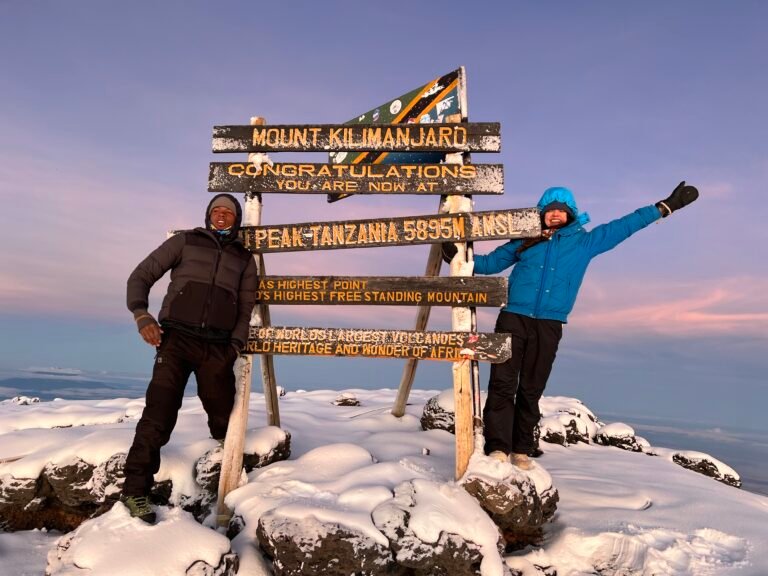
6 Days Rongai Route Kilimanjaro Hiking – 6–11 December 2026
6 Days Rongai Route Kilimanjaro Hiking – 6–11 December 2026.
View package details
December 4, Mount Kilimanjaro Marangu Day Hike
December 4, 2026 Mount Kilimanjaro Marangu Day Hike.
View package detailsNo related package matches those filters. Clear one or more filters to see the other topic-matched options.



