
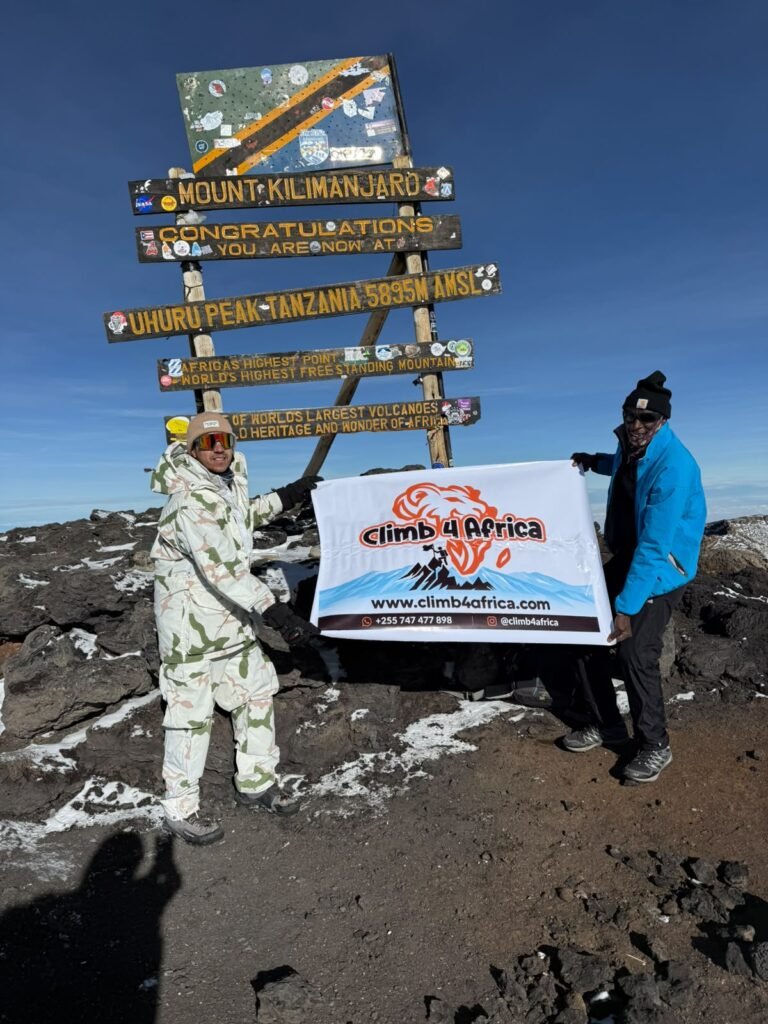
The reader will join a guided Kilimanjaro climb from 28 November to 5 December 2026, choosing a supported route such as Machame or Marangu, with proper acclimatization days, porters, guide support, and safety briefings managed by Climb 4 Africa from Moshi, including group logistics, gear checks, and contingency planning for late‑November conditions on Kilimanjaro.
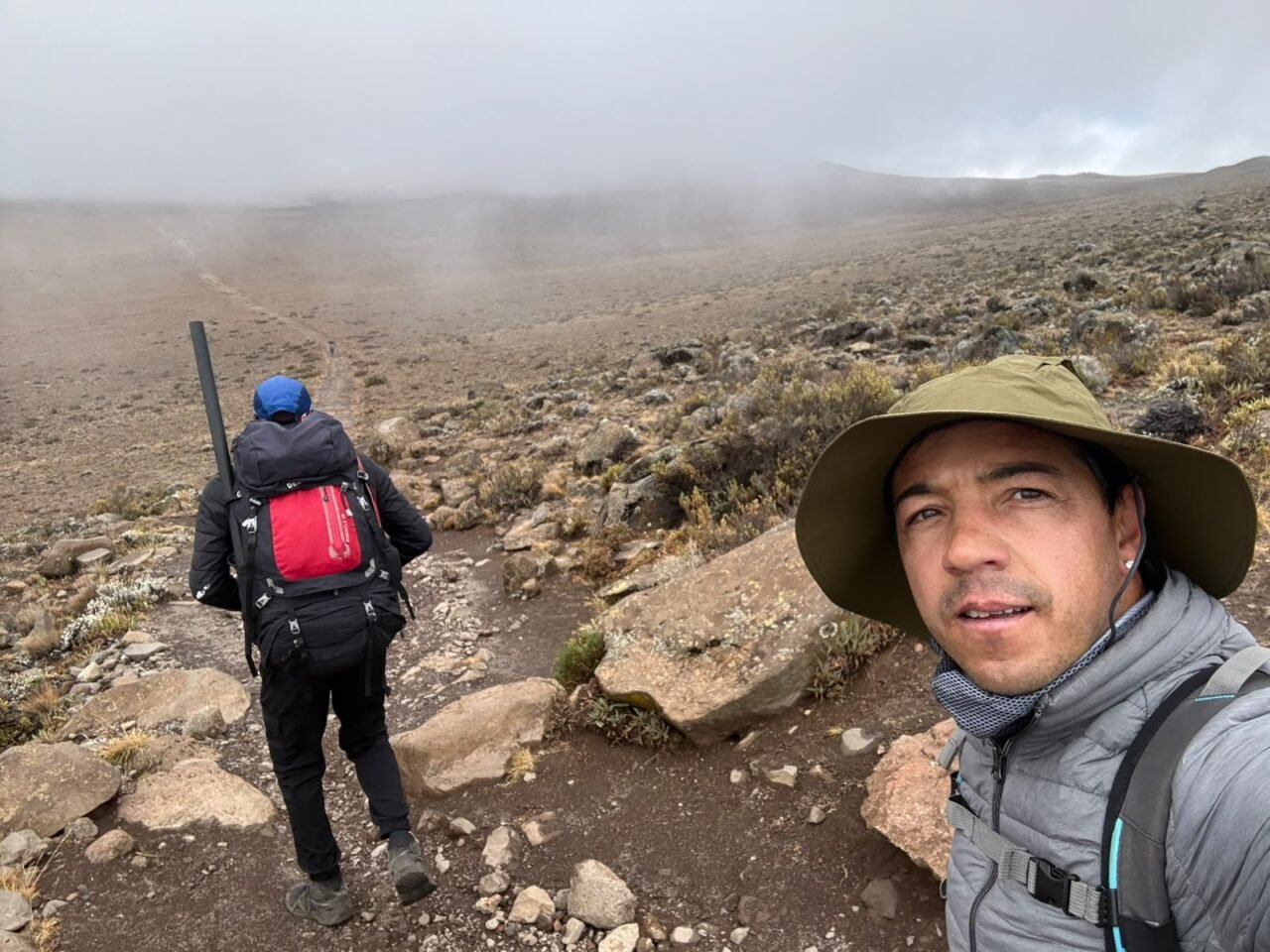
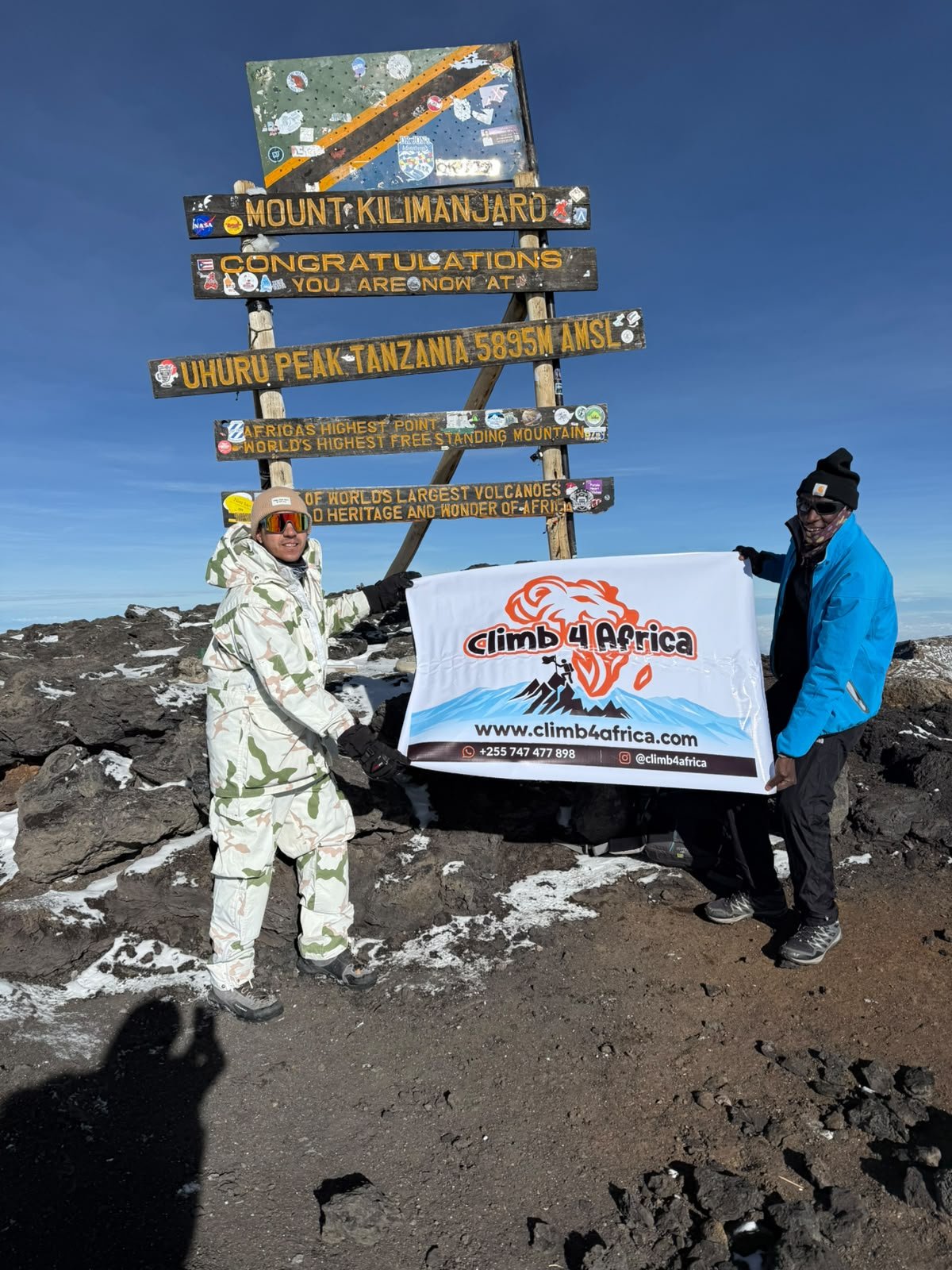
Late November is a shoulder season on Kilimanjaro with cool days and chilly nights, typically stable weather but with a higher chance of cloud cover and short rain bursts. Practical planning centers on securing a verified operator, selecting a route that suits acclimatization needs, and packing for variable mountain conditions. This article helps you understand the key decisions, the practical pacing of a 7‑day trek, and how Climb 4 Africa supports climbers with local know‑how, group logistics, and on‑the‑ground safety without overpromising guarantees.
What this window means for your climb
Late November sits after the short rainy spell and before the main dry season, which can favor clearer summit attempts but may still bring unsettled weather at higher elevations. With a 28 November departure and a 5 December finish, you’ll typically traverse several camps, gain gradual altitude, and use established routes that balance scenic variety with reliable acclimatization pacing.
Choosing your route for 28 November–5 December
Two popular, well-supported options are Machame (the Whiskey Route) and Marangu (the Coca‑Cola Route). Machame tends to offer richer scenery and a more gradual climb with a longer acclimatization profile, while Marangu offers hut accommodations and a more straightforward approach. Your guide will tailor pace and nights in tents or huts to the chosen route and your fitness level. If this is your first Kilimanjaro experience, a slightly slower rhythm with a dedicated acclimatization day is often advantageous.
What you get with Climb 4 Africa on this itinerary
Expect a locally led team that coordinates transport from Moshi or Kilimanjaro Airport, route-specific guidance, porters to carry camp gear, and a daily briefing on altitude, weather, and safety. The operation emphasizes practical support, prepared meals, and contingency options if weather or health requires adjustment. Exact inclusions—such as permits, park fees, and gear lists—are clarified in your booking notes to match the latest operator policies.
Logistics you’ll manage before departure
Secure your space with a trusted operator, confirm your preferred route, and start your pre-climb preparation well in advance. You’ll need a valid passport, visa requirements per your nationality, and typical travel inoculations. Booking decisions should align with your personal fitness, time off work, and the flexibility to handle possible shifts in schedule due to mountain conditions.
Practical packing guide for this window
Bring layers: a breathable base layer, insulating mid-layers, a windproof shell, and a warm hat and gloves. Pack a compact sleeping bag suitable for 0–-10°C nights, a headlamp with extra batteries, sturdy trekking boots, and a daypack for summit pushes. Your guide will provide a detailed kit list aligned with the route you choose and the group’s needs.
Planning a smooth booking process
Start by confirming route preference with Climb 4 Africa and ensuring your dates align with your calendar. Check what’s included in the package—permits, guides, porters, meals, oxygen (where applicable), and transfer arrangements. Ask about acclimatization days, group size, and the potential for private or semi-private options if your travel goals require more personalized pacing. Availability for a late November start tends to vary; a preliminary hold while you complete the required forms can simplify planning.
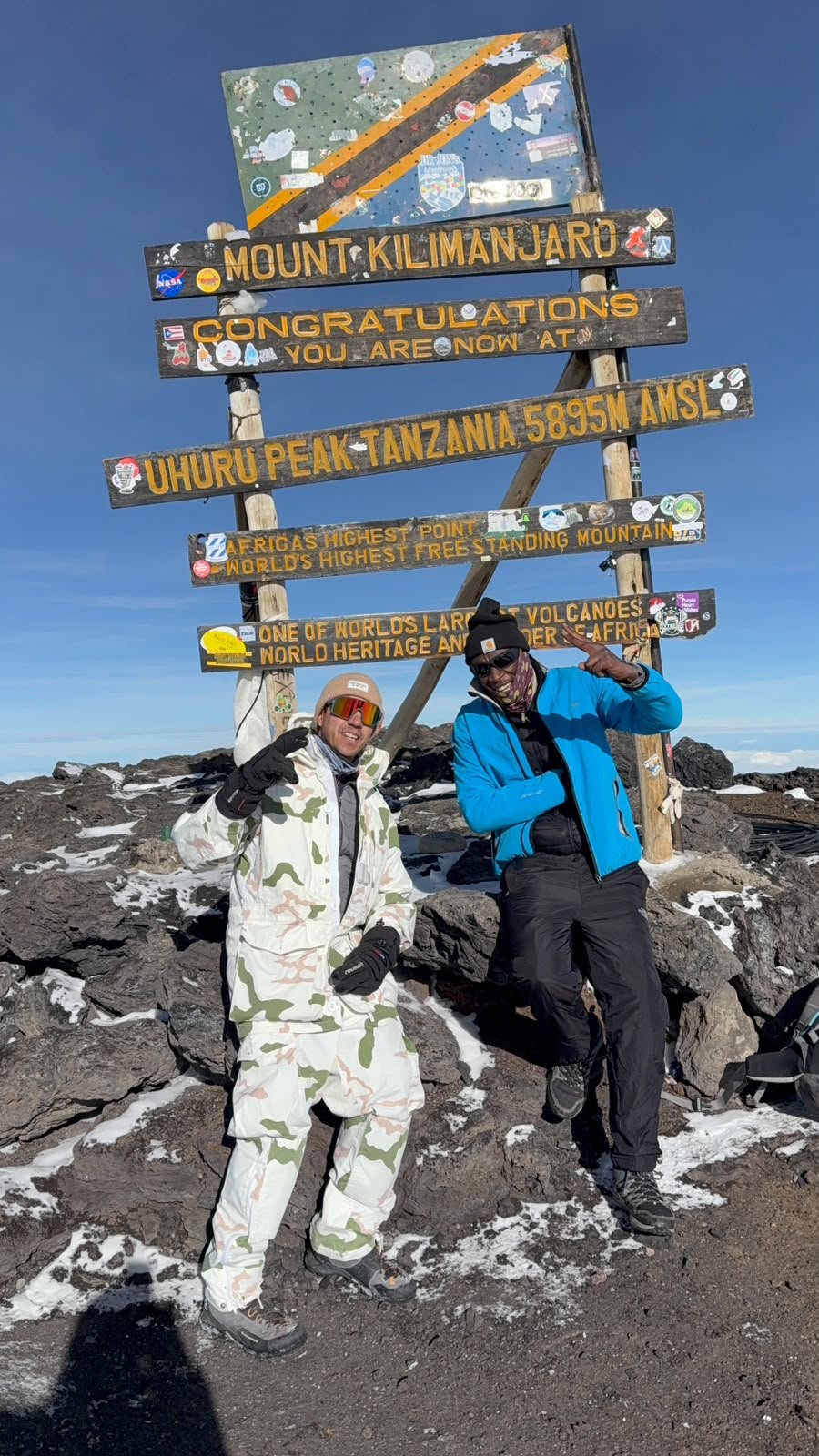
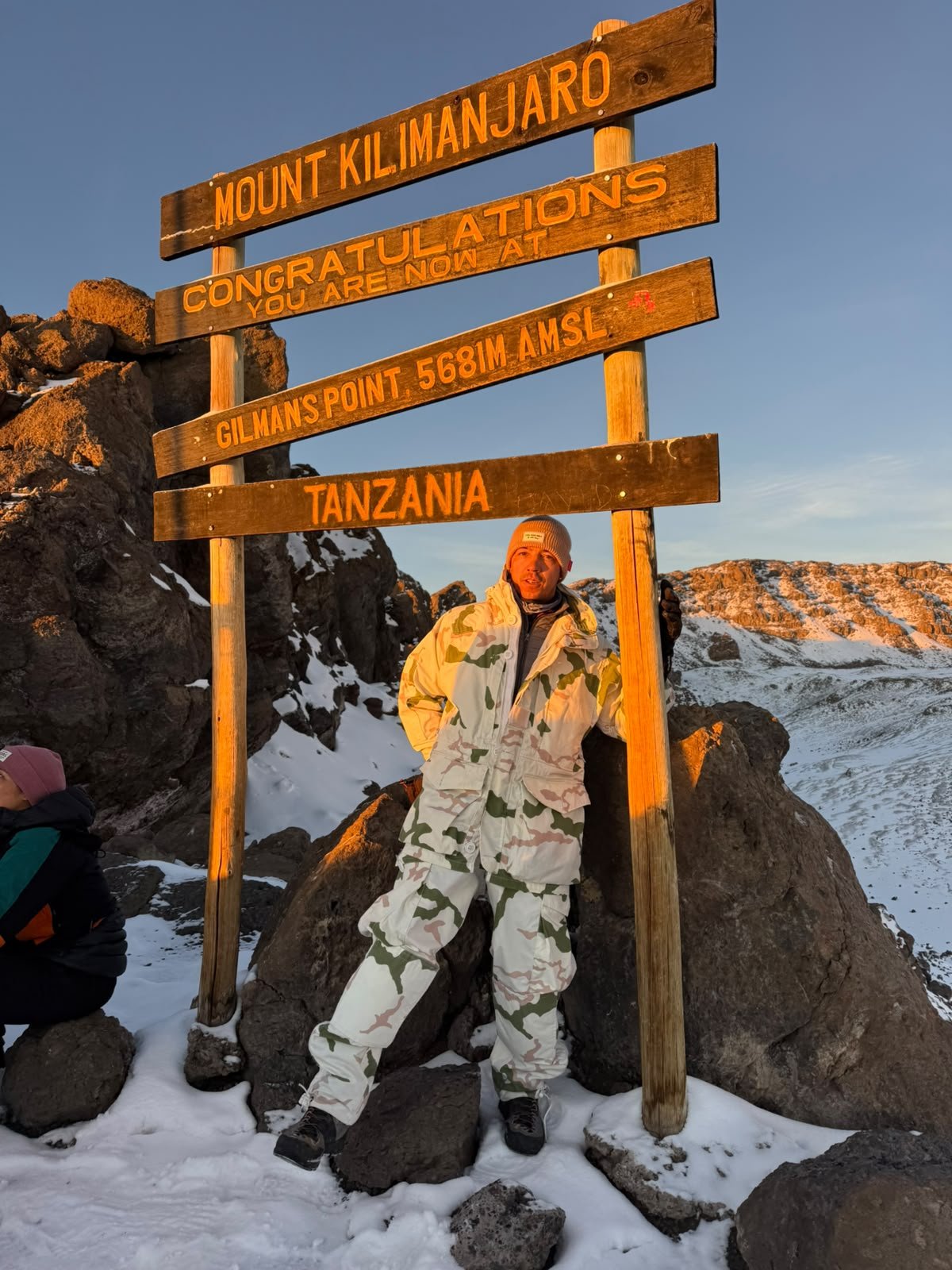
Next steps and how to proceed
Review the official climbing options for 27–28 November departures if you’re flexible around the exact start date, and consider your preferred route. If you’re set on 28 November, reach out to Climb 4 Africa for a current, binding itinerary that confirms group size, route, daily distances, and camp logistics. This clarity helps you align your training plan, travel insurance, and gear purchases with real expectations for your Kilimanjaro climb.
Addressing the practical gap: choosing the right acclimatization rhythm for late‑November departures
One of the most consequential decisions in a Kilimanjaro climb is how you pace acclimatization days relative to the chosen route. Late November’s shoulder-season weather can influence cloud cover and dew, especially at intermediate camps, which in turn affects sleep quality, perceived exertion, and the reliability of daily summit attempts. For a 28 November–5 December window, the best-fit acclimatization rhythm isn’t a one-size-fits-all answer; it hinges on your personal fitness baseline, prior altitude experience, and the specific route you select with Climb 4 Africa.
Machame and Marangu, the two widely used options discussed earlier, deploy distinct acclimatization logics. Machame’s longer approach historically provides more time for your body to adjust to rising altitudes through a staged sequence of camps. If you lean into Machame, expect several nights at higher camps than you would on Marangu, with a deliberate buffering day commonly inserted to reinforce acclimatization before the final push. The extra pacing helps many climbers reap clearer mornings and more stable summit windows, even when late‑season weather brings variable cloud cover.
Marangu’s hut-based structure naturally introduces a different acclimatization profile. The hut system tends to consolidate sleep in sheltered spaces and can reduce some of the fatigue associated with exposed camping. For climbers who value a potentially smoother rhythm with more predictable daily distances, Marangu can be appealing, provided you are comfortable with the hut‑centric environment and the more streamlined itinerary. In late November, hut nights can also offer improved warmth and shelter during sudden evening chills—an important consideration when the wind picks up at higher elevations.
Climb 4 Africa’s approach to acclimatization is adaptive. Your lead guide will review the day‑by‑day altitude profile on arrival, calibrate pacing to the group’s fitness level, and adjust the order of camps if weather or health signals suggest a gentler or more ambitious rhythm. The practical upshot is a plan that maintains steady altitude gain while preserving the opportunity for rest and recovery. If a member of the group experiences altitude discomfort, the team prioritizes safety first, providing additional rest or an optional acclimatization day while still keeping the overall schedule intact for the departure window.
What you can actively influence is your pre-climb preparation—specifically, how you train for a seven‑day ascent with a focus on sustainable energy. Building aerobic endurance, practicing long uphill segments with a loaded pack, and integrating hill repeats at modest elevation can improve your body’s tolerance to thinner air. A structured training plan that includes rest weeks and simulated altitude exposure (where available) can translate into more comfortable sleeps at camp and better appetite on the trail, both of which support successful acclimatization. Talk with your Climb 4 Africa coordinator about your current conditioning and any history of altitude exposure; a tailored plan can then be woven into the general pacing of the chosen route.
Beyond the physical prep, the late‑November window invites a mindful approach to daily routines. In camps where cloud layers linger and visibility shifts, a calm, steady trekking pace helps conserve energy for the summit push. Hydration becomes a more deliberate habit in cooler air that can mask dehydration, and snack timing—favoring small, frequent energy sources—helps stabilize blood sugar between meal periods. The guides emphasize consistent, simple routines: early starts while skies are typically clearest, regular breaks to stretch and rehydrate, and a clear signal for when to push or hold back based on how each climber feels, rather than sticking rigidly to a preset distance plan.
In practical terms, this means you’ll likely experience a slightly slower sprint to the summit in late November compared with mid‑season climbs, but with a more reliable chance of reaching Uhuru Peak on better days. Your personal pace matters: if you’re naturally fast at altitude or have prior successful high‑altitude climbs, you may gravitate toward a version of Machame that preserves extra acclimatization time—your guide will help adjust accordingly. If you prefer the social shelter of huts and a shorter daily distance, Marangu’s rhythm can still deliver a confident summit attempt while maintaining a gentler profile for your joints and feet.
Finally, a practical tip: use the pre‑departure window to simulate the weight you’ll carry on the trail. Pack a bag with the weight you expect to hike with each day, then walk comfortable distance on local hills or stairs with that load. This simple exercise builds carry tolerance and reduces the surprise of heft on the first long day out of Moshi. Coupled with the acclimatization flexibility offered by Climb 4 Africa, you’ll approach each morning with clarity: is today a steady acclimatization climb, or is it a higher‑altitude day designed to push toward the summit window?
Managing altitude, weather quirks, and personal pacing beyond the basics
Beyond route choice and acclimatization cadence, late‑November departures on Kilimanjaro invite climbers to think through three practical nuances that can influence the overall experience: subtle altitude sleep quality, day‑to‑day weather variability near the summit, and how to adapt personal pacing when fatigue mounts without compromising safety.
Sleep in the high camps can be more variable than at lower elevations. Even with careful acclimatization planning, you may notice that the air feels thinner on successive nights, and remainder between summit pushes becomes a larger factor in morning performance. Climb 4 Africa typically emphasizes wind‑proofing and moisture management at the sleeping sites, encouraging climbers to label their rest periods as deliberately as they would a climbing segment. If you wake frequently during the night, keep a simple routine: use a warm insulating layer, hydrate, and avoid heavy meals late in the evening. Your guide will monitor each climber’s rest indicators and adjust the following day’s pace accordingly, ensuring that a good night’s sleep translates into steadier daybreak energy rather than a push to compensate for fatigue.
Weather patterns in late November on Kilimanjaro can veer toward unexpected cloud banks and occasional short showers, especially during early mornings when the air is cooler and condensation is likely on the tent walls or hut windows. A practical approach is to treat every summit push as if visibility might suddenly reduce. This means keeping daily distance targets flexible and prioritizing clear communication within your group. If cloud cover rolls in earlier than expected, your guide may shorten the day’s distance and concentrate on steady altitude gain rather than meeting a pre‑set kilometre quota. Your personal alertness—how well you listen to early fatigue signals, thirst, or headaches—becomes a critical safety instrument and is as valuable as any navigational tool in the pack.
From a logistics standpoint, late‑November conditions can influence camp selection and tent placement. For groups using a mixed tent‑and‑hut rhythm (relevant to Machame vs. Marangu options), guides coordinate with camp teams to position tents in microclimates with better airflow and protection from sudden gusts. You’ll notice that even small shifts—such as slight changes in the order of the day’s climb or the timing of rest breaks—can yield meaningful improvements in daytime comfort and night‑time warmth. Communicating honestly about how you’re feeling, even if it means delaying a summit attempt by a few hours, maintains safety without sacrificing the overall chance of reaching Uhuru Peak during favorable weather windows.
As you refine your preparation with Climb 4 Africa, consider how your prior acclimatization experiences map onto these late‑November realities. If you’ve previously tolerated rapid ascents with minimal rest days, you may discover that a slightly more conservative rhythm yields better oxygenation and appetite during ascent. Conversely, if you’ve trained with extended endurance blocks and consistent sleep patterns, you might sustain a more ambitious daily profile while staying alert to the cadence your body sets for you. The guiding principle is to keep the plan adjustable, with your guide’s readings of your breathing rate, heart rate, and perceived exertion serving as the real‑time compass for daily decisions.
Finally, a practical habit to incorporate in the weeks leading up to departure is a focused recovery routine that mirrors high‑altitude sleep hygiene. Gentle mobility work, diaphragmatic breathing, and gradual exposure to cooler evenings at home can prime your body to recover more efficiently after a long day on the trail. This kind of preparation complements the acclimatization framework you’ll follow on the mountain and can contribute to calmer mornings and a steadier pace on summit routes, particularly when cloud cover is lingering and temperatures are cool after sunrise.
Acclimatization rhythm in late‑November: tailoring the plan to your physiology and pace
Beyond the core route choice and general acclimatization framework, a critical gap climbers often encounter is how to translate the theory of queuing altitude gains into a practical daily rhythm that fits an individual body. Late‑November conditions can tilt the balance toward breezier weather windows but also introduce cooler nights and variable cloud cover that affect visibility and perceived exertion. This section dives into how to personalize your acclimatization cadence in collaboration with your Climb 4 Africa guide, with concrete, experience‑grounded considerations you can discuss in advance of departure.
First, anchor your plan to objective indicators used on the mountain. Your guide will monitor breathing rate, resting heart rate, sleep quality, and appetite as early signals of how well your body is acclimatizing. If you notice rising resting heart rate over several days, or recurring headaches and fatigue despite gentle elevation gains, a conservative adjustment is prudent. In late November, when days can be shorter and cloud cover persistent, it’s especially important to temper ambition with these signals rather than pushing through a day that amplifies symptoms. The aim is sustainable oxygenation at higher camps, not merely ticking off kilometres.
Second, build in a flexible sequence for the ascent that allows for micro‑adjustments. For Machame, where tents dominate sleeping arrangements and tent‑to‑camp transitions are a daily rhythm, you can vary the pace by trading a longer, slower push on one day for a shorter, more restful morning the next. For Marangu, where hut nights dominate, the pace can hinge on group energy and the comfort of indoor accommodations during a damp or chilly spell. Your guide can rearrange the order of shorter and longer segments within the same camp sequence to chase a favorable weather window without compromising acclimatization. This flexibility is not about avoiding the climb’s challenge; it’s about respecting the body’s response to altitude under late‑season microclimates.
Third, couple acclimatization with dynamic rest and nutrition planning. Even when scheduled rest days are minimal by design, you can incorporate micro‑rests—brief, restorative breaks during the day that prevent cumulative fatigue from translating into poor sleep or dehydration. Hydration remains a constant ally; in cooler air, thirst cues can dull, yet fluid losses persist through respiration and exertion. A practical rule of thumb is to sip regularly at a consistent rate, pairing fluids with small, easily digestible calories (e.g., electrolyte drinks, light fruit, energy bars) to maintain energy access without causing stomach discomfort after exertion. Discuss with your guide the safest moment to take a brief siesta or an early evening wind‑down routine to support sleep quality on the higher camps, where temperatures can swing quickly after sunset.
Fourth, prepare for weather‑driven turbulence and how you respond. Late November’s shoulder conditions can conjure sudden gusts or brief squalls that alter the feel of a day’s climb. If cloud cover or wind intensifies, your guide may adjust route exposure, choosing a higher‑camp rest period or a gentler descent path to prevent fatigue accumulation. While the aim is peak exposure to a favorable summit window when weather aligns, short, well‑timed rest pauses can preserve cognitive clarity, reduce missteps on uneven terrain, and help you keep the nerve and focus needed for a safe ascent in the final push.
Finally, cultivate a communicative partnership with your guide. Share your mental and physical state pre‑breakfast each morning, including perceived exertion on the previous day and any subtle changes in appetite or sleep architecture. A simple framework during camp briefings can be: rate today’s effort on a 1–10 scale, note any headaches or dizziness, and confirm willingness to adjust the plan if the body signals require it. This ongoing feedback loop is a practical, safety‑oriented technique that respects the mountain’s tempo and your personal tempo alike.
In essence, the late‑November acclimatization rhythm is less about a rigid timetable and more about a responsive, data‑informed approach that aligns your energy, weather realities, and safety margins. By partnering with your guide to interpret physiological cues, you gain a credible guardrail for pace decisions, while keeping the door open to an achievable summit within the 7‑day window. This mindset reduces the risk of fatigue‑driven missteps and enhances your chances of arriving at Uhuru Peak with energy reserves for the celebrated descent and the sense of achievement that accompanies successful altitude acclimatization.
Practical steps to implement this rhythm on the ground
- Agree in advance on a conservative baseline pace that your guide can adjust: e.g., a daily ascent target that prioritizes comfort and safe acclimatization over strict distance goals.
- Establish a reliable daily hydration and snack routine that remains consistent regardless of the day’s exertion or altitude.
- Identify a “weather contingency day” within the plan where a slower ascent or a regrouped schedule is allowed if cloud cover or wind impedes a safe climb to higher camps.
- Keep a simple personal log (in your notebook or a shared device) noting sleep quality, appetite, headaches, and rest periods, to help you and your guide tailor decisions in real time.
- Prepare mentally for variability: practice brief, deliberate breathing cycles (for example, 4 seconds in, 6 seconds out) during climbs to manage anxiety and maintain a steady effort in the higher, thinner air.
These adjustments are not a departure from the itinerary’s structure; they’re an articulation of how late‑November conditions interact with your unique physiology. The most successful climbers are those who translate adaptive planning into everyday choices on the trail, guided by clear signals rather than rigidity. By embracing this personalized rhythm, you maximize your opportunity to enjoy Kilimanjaro’s majesty while preserving safety and energy for the journey ahead.
Related Guides and Packages
Check Availability for Late November Kilimanjaro Hiking Tours – 28 To 5 December With Climb 4…
Ready to compare dates, prices, and the best option for your group? Send the package name and travel month so the team can reply with a clear quote, availability, and what is included.
7 Days Rongai Route Kilimanjaro Group Joining – 26 November – 2 December
Experience Kilimanjaro via the Rongai Route with a confirmed group departure for 26 November–2 December 2026. Read a practical, day-by-day plan focusing on route pacing, acclimatization...
View package details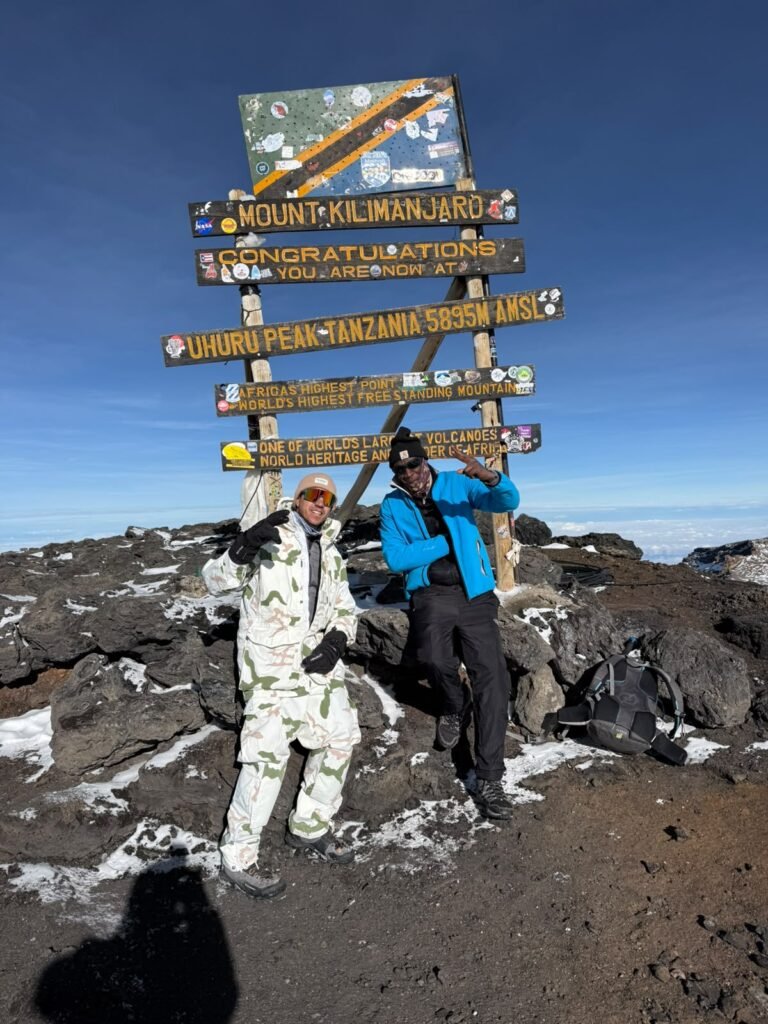
Kilimanjaro Climbing Packages From Moshi – 25–30 November
Practical, no-nonsense guidance for Kilimanjaro climbs from Moshi on 25–30 November 2026. Learn route options, logistics, and how to book with Climb 4 Africa.
View package details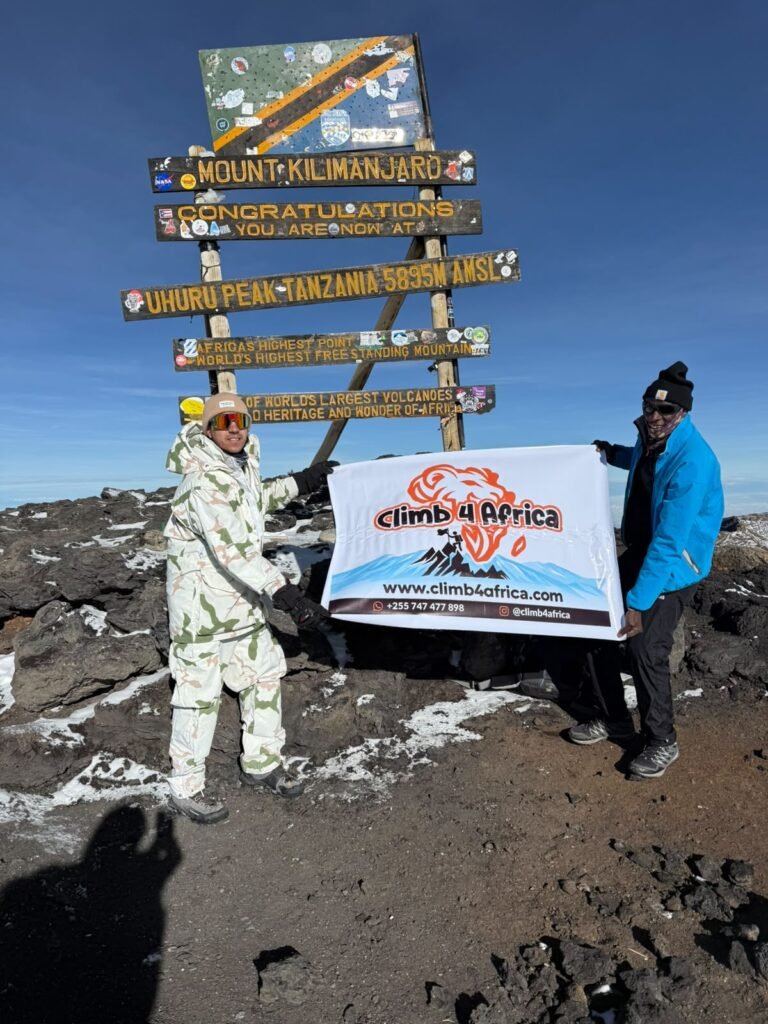
7 Days Machame Kilimanjaro Group Joining – 14–20 November
Join a confirmed 7-day Machame Route Kilimanjaro climb with a small group, departing 14–20 November 2026. Plan, acclimatise and summit with practical logistics and local support.
View package details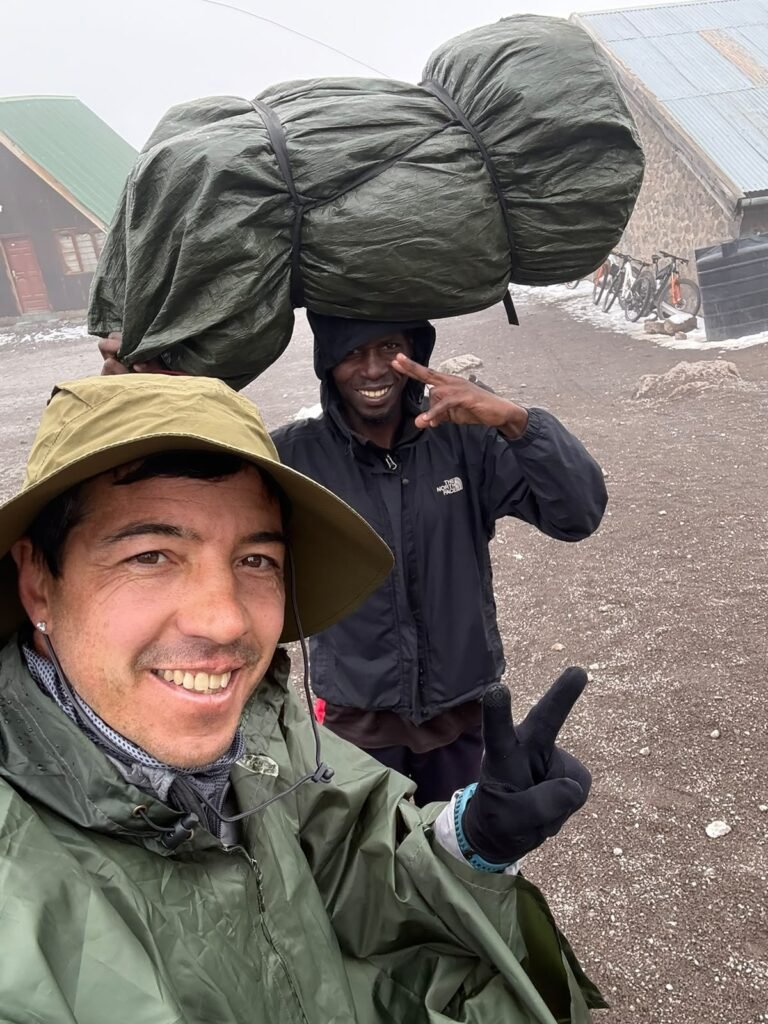
8 Days Lemosho Route Kilimanjaro Group Joining – 7–14 November 2026
Plan an 8-day Lemosho climb on Kilimanjaro with a verified group joining window of 7–14 November 2026. This first installment breaks down the day-by-day itinerary, acclimatisation logic...
View package details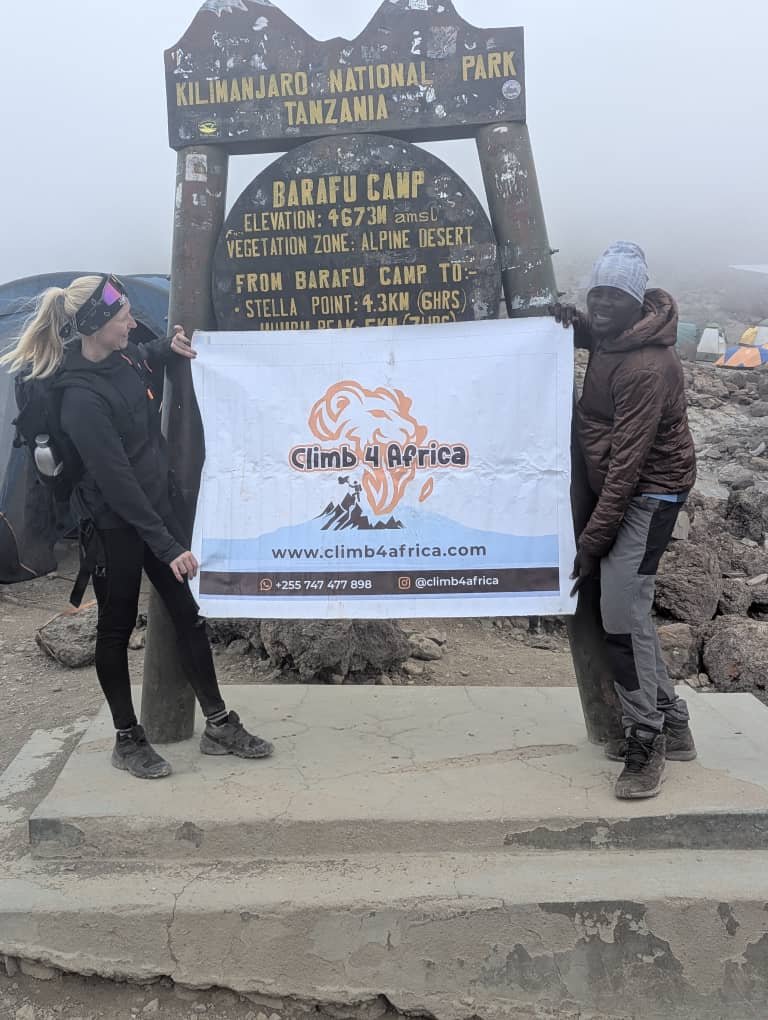
6 Days Marangu Route Kilimanjaro Group Joining – 20–25 November
Bookable 6 days on the Marangu route with a verified group departure 20–25 November 2026. Day-by-day itinerary, acclimatization plan, hut-style accommodations, and how to request a...
View package detailsThanks giving Week Kilimanjaro Trekking, 22–28 November 2026
Plan a Kilimanjaro summit during Thanksgiving week 22–28 November 2026 with practical planning, route considerations, and local support from Climb 4 Africa to maximize safety and enjoyment.
View package details6 Days Marangu Kilimanjaro Hut Climb Cost, 20–25 November 2026
6 Days Marangu Kilimanjaro Hut Climb Cost – 20–25 November 2026.
View package details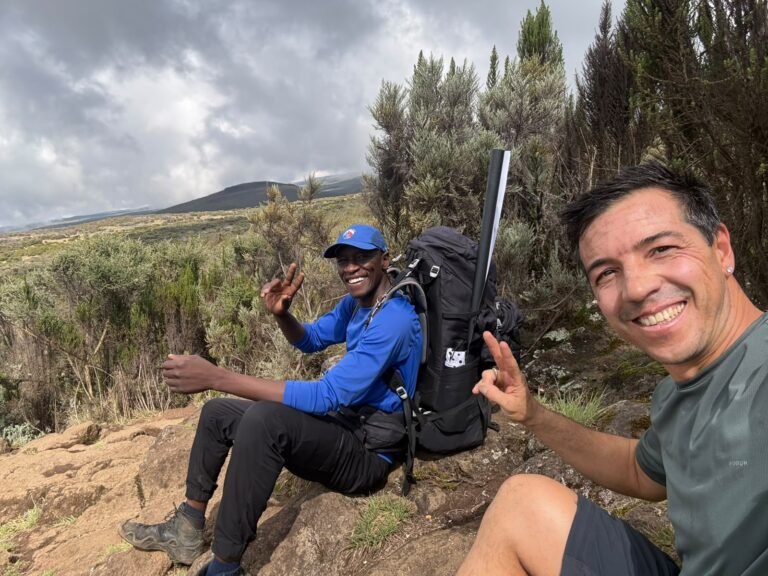
Kilimanjaro Full Moon Trekking Packages, 17–25 November 2026
Plan a Kilimanjaro Full Moon Trek during 17–25 November 2026 with Climb 4 Africa. Practical route options, packing guidance, and how to secure a spot.
View package details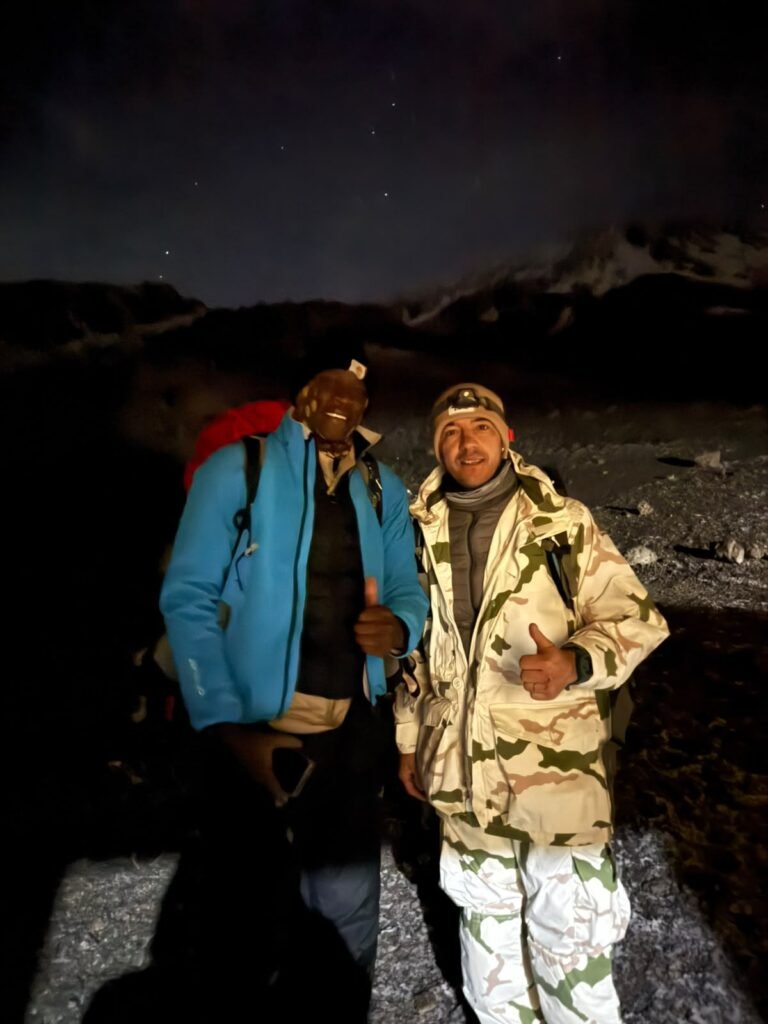
7 Days Rongai Kilimanjaro Rainy Season Trek – 19–25 November 2026
7 Days Rongai Kilimanjaro Rainy Season Trek – 19–25 November 2026.
View package details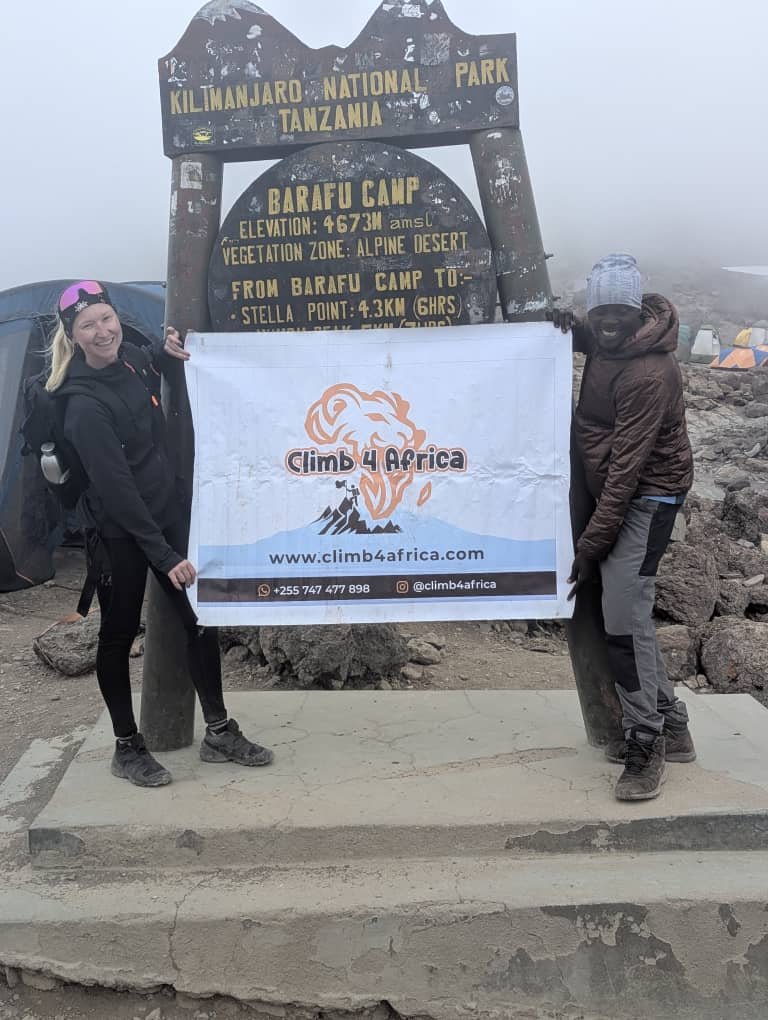
Kilimanjaro Group Trekking From Moshi, 19–25 November 2026
Kilimanjaro Group Trekking From Moshi – 19–25 November 2026.
View package details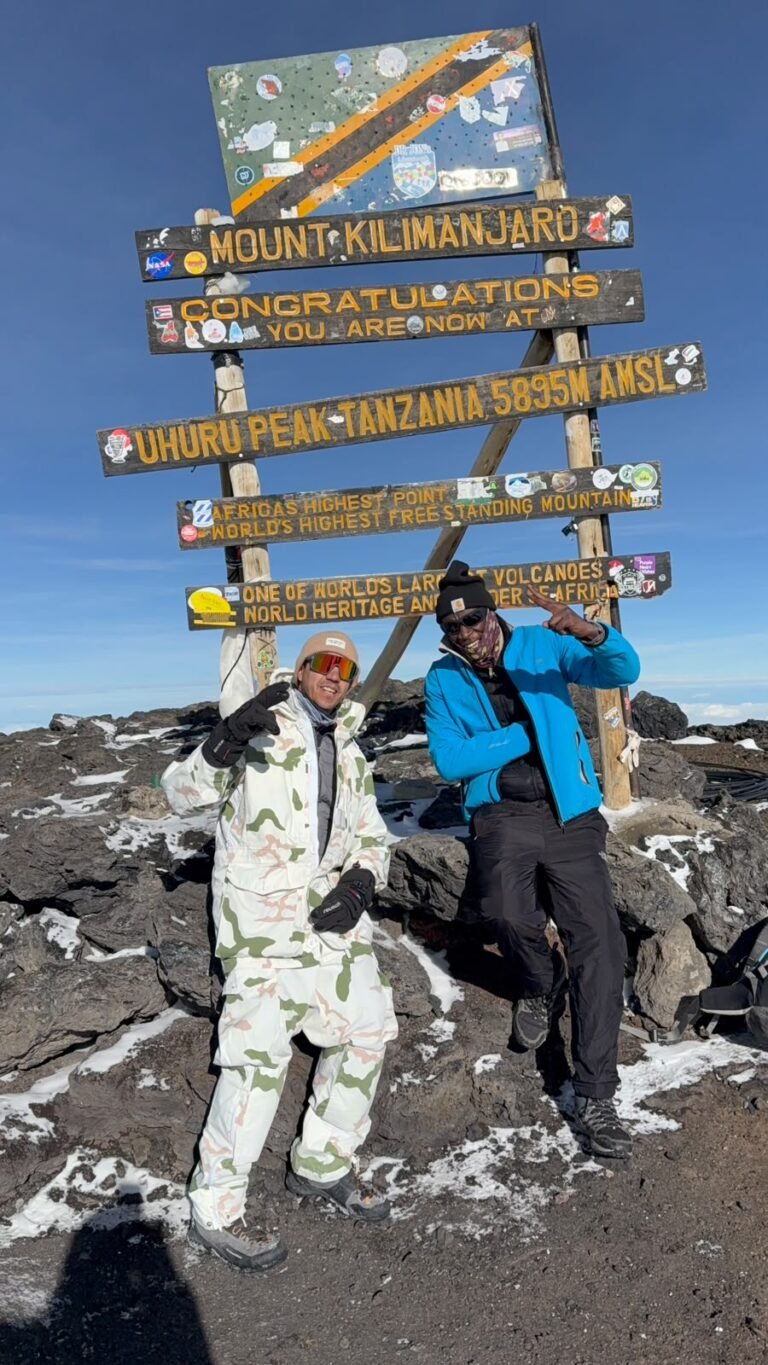
Kilimanjaro Solo Traveller Group Climb – 18–25 November 2026
Kilimanjaro Solo Traveller Group Climb – 18–25 November 2026.
View package details
8 Days Lemosho Kilimanjaro Group Joining: 18–25 November 2026
Plan an 8-day Lemosho Kilimanjaro climb with a shared group from 18–25 November 2026. Learn the route, day-by-day logistics, and what a booked package typically includes.
View package detailsNo related package matches those filters. Clear one or more filters to see the other topic-matched options.



