
The Marangu Caves, Chagga Culture & Waterfalls Tour offers a profound exploration of the indigenous Chagga people’s history, traditions, and the stunning natural landscapes surrounding Mount Kilimanjaro. This day-long experience typically includes guided visits to ancient cave systems used for shelter and defense, interactive sessions learning about Chagga daily life, farming practices (especially coffee cultivation), and visits to picturesque waterfalls like the Mrundi or Kilabukilo Falls, providing a rich cultural and scenic immersion near Kilimanjaro. It’s an ideal way to connect with the local heritage, distinct from climbing the mountain itself, and is readily available for planning in 2026 and 2027.
Your Gateway to Kilimanjaro’s Cultural Heart: Marangu Caves, Chagga Culture & Waterfalls Tour
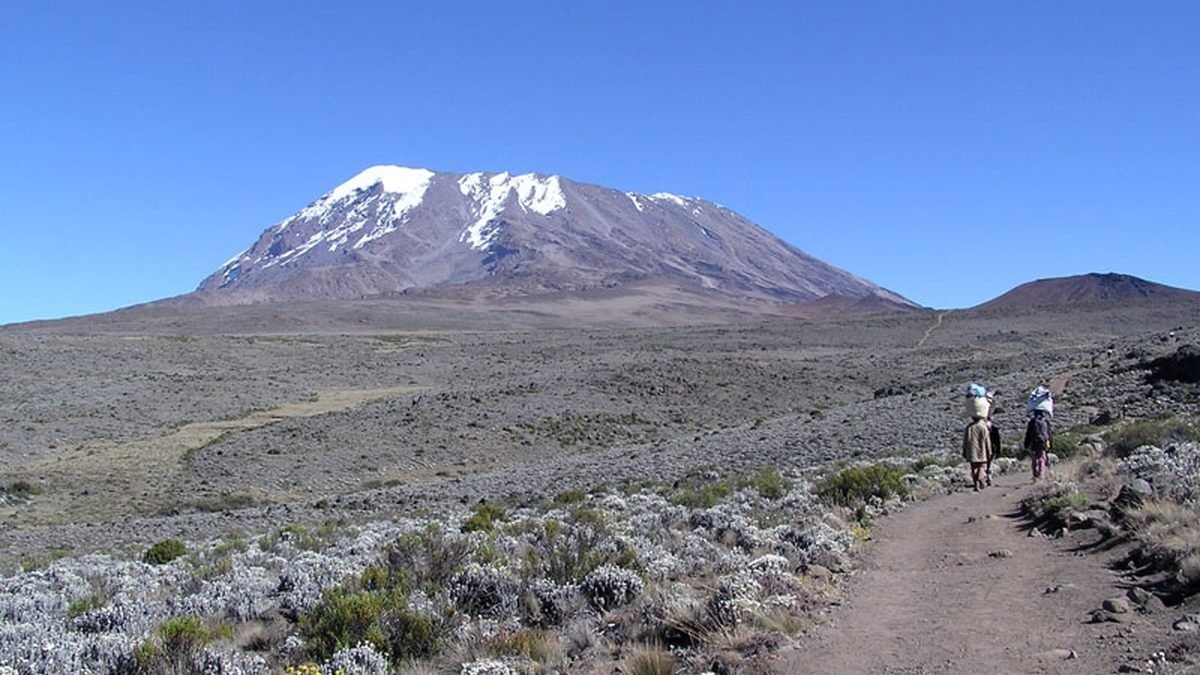
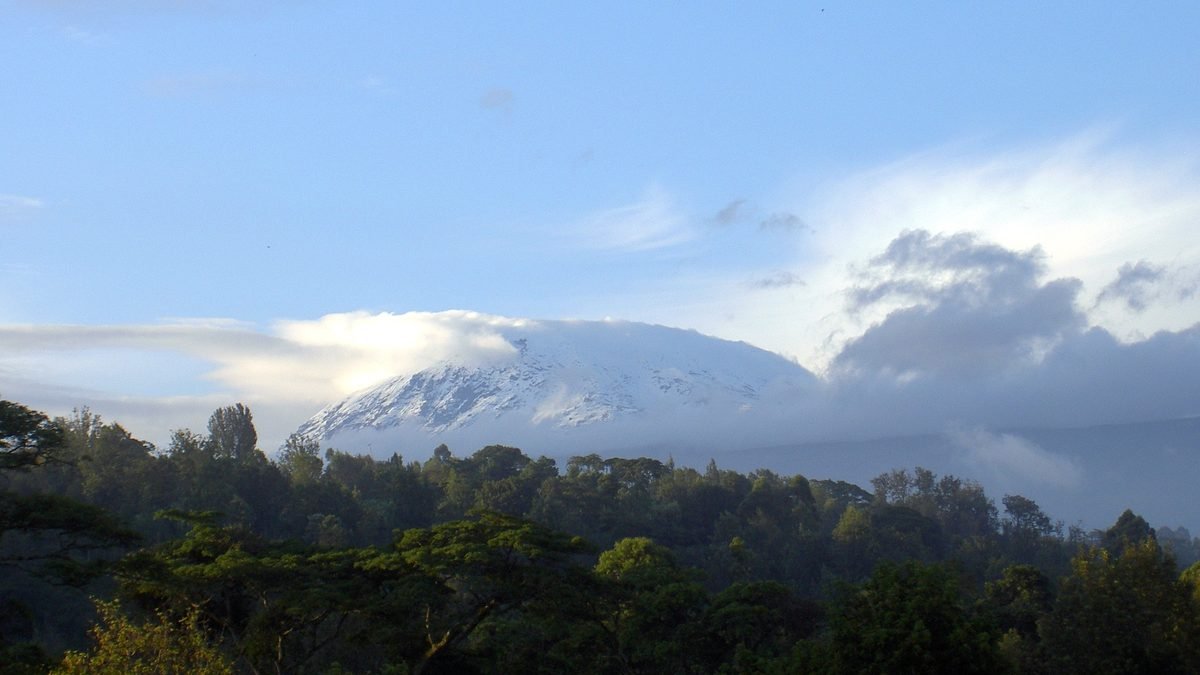
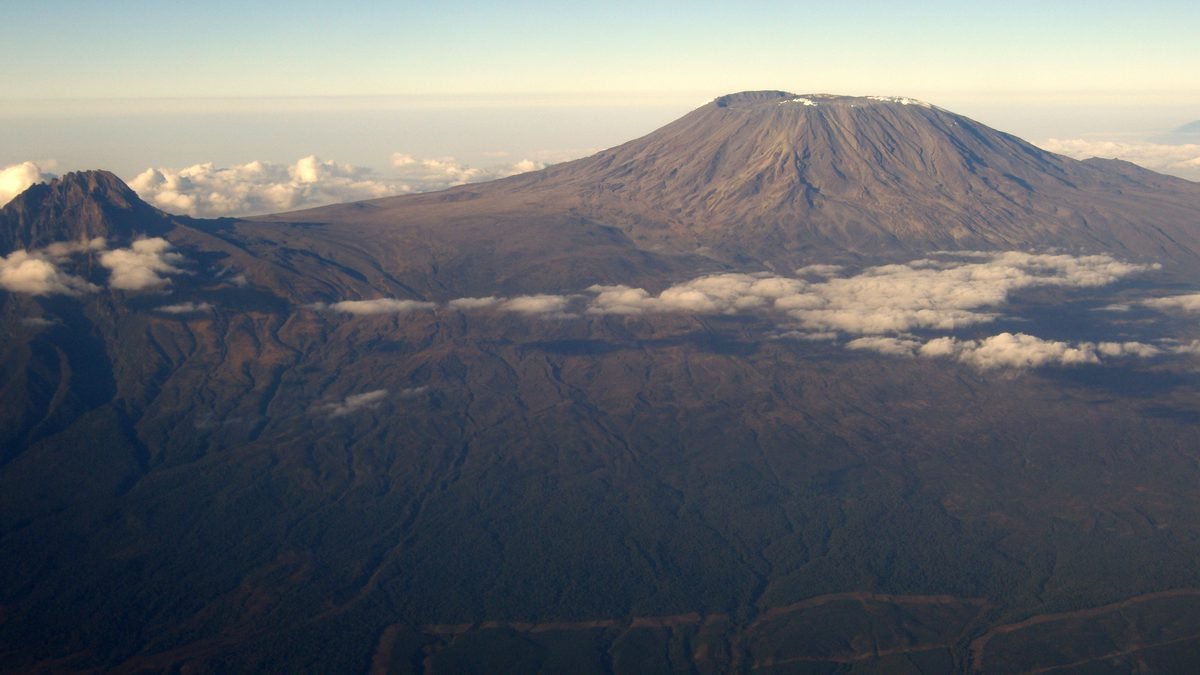
While Mount Kilimanjaro draws adventurers from across the globe for its majestic summit, the foothills harbor a wealth of history and culture that often goes unseen. The Marangu Caves, Chagga Culture & Waterfalls Tour is designed to bring this hidden heritage to light. This isn’t about conquering peaks; it’s about understanding the resilient spirit of the Chagga people, who have thrived for centuries on the fertile slopes of Africa’s highest mountain. From the strategic importance of the Marangu Caves to the vibrant daily life and the soothing sounds of cascading water, this tour provides a deeply enriching experience for any traveler visiting the Kilimanjaro region.
For those planning their Tanzanian adventures for 2026 or 2027, integrating this cultural tour into your itinerary offers a valuable counterpoint to wildlife safaris or mountain treks. It’s a chance to engage directly with local communities, learn about their ancestral traditions, and witness the natural beauty that has shaped their lives. This guide will walk you through what to expect, how to plan, and why this tour is a must-do for a comprehensive Kilimanjaro experience.
The Strategic Depths: Marangu Caves and Their Significance
The Marangu Caves are not mere geological formations; they are historical monuments that tell a compelling story of the Chagga people’s ingenuity and resilience. These extensive cave systems, carved into the volcanic rock of Kilimanjaro’s lower slopes, served as vital refuges during periods of conflict, particularly the inter-tribal wars and later, during the colonial era. Imagine being a Chagga elder or a family member, seeking safety within these cool, dark chambers, hidden from invaders. The caves provided protection not only from human threats but also from the harsh elements.
During your visit, you’ll likely enter some of these historical sites, often guided by a local who can recount the oral histories passed down through generations. These narratives speak of how the caves were used to store food, water, and livestock, ensuring survival even when villages above were raided. Some caves are vast, with multiple chambers and narrow passages, demonstrating a sophisticated understanding of the terrain and its defensive potential. The guides might point out specific areas used for sleeping, cooking, or even as lookout points. The air inside is cool and damp, carrying the scent of earth and history. It’s a tangible connection to a past where survival depended on resourcefulness and deep knowledge of the land.
The most famous of these caves are often associated with the Marangu area, which gives the tour its name. However, similar cave systems exist in other Chagga settlements, underscoring their widespread use. When planning your Marangu Caves, Chagga Culture & Waterfalls Tour for 2026 or 2027, understand that the cave experience is central to grasping the historical context of the Chagga people. It’s a stark reminder of their struggle and their enduring spirit. Be prepared for potentially uneven ground and low light conditions within the caves; sturdy footwear and a willingness to explore are essential.
The historical significance extends beyond mere defense. The caves also played a role in Chagga social structures and traditions. In some instances, they may have been used for spiritual ceremonies or as places for elders to impart wisdom. Learning about these aspects adds another layer of depth to the visit. The guides often share anecdotes about specific historical figures or events linked to particular caves, making the history come alive.
Key considerations for the Marangu Caves visit:
- Accessibility: Some cave entrances can be steep or require navigating narrow passages. Guides will assess suitability.
- Lighting: While guides carry torches, the natural light diminishes quickly inside.
- Atmosphere: Expect a cool, earthy environment. It can be quite dark and echoey, adding to the historical ambiance.
- Storytelling: The oral histories shared by local guides are crucial to understanding the caves’ importance.
This part of the Marangu Caves, Chagga Culture & Waterfalls Tour is where you truly step back in time, appreciating the strategic brilliance and sheer determination of the Chagga ancestors. It sets the stage for understanding the cultural resilience that continues to define the people today.
Living Heritage: Understanding Chagga Culture and Traditions
Beyond the historical echoes of the caves, the Marangu Caves, Chagga Culture & Waterfalls Tour immerses you in the vibrant living culture of the Chagga people. The Chagga are one of Tanzania’s largest and most prosperous ethnic groups, renowned for their agricultural prowess, particularly their sophisticated irrigation systems and their cultivation of coffee and bananas. Understanding their culture involves appreciating their social structures, customs, agricultural practices, and artistic expressions.
A key component of this cultural exploration is often a visit to a local Chagga village or homestead. Here, you’ll have the opportunity to interact with residents, perhaps sharing a cup of locally grown coffee or tasting traditional foods like ‘Mbege’ (a banana beer) or ‘Ndizi’ (bananas prepared in various ways). The hospitality of the Chagga people is well-known, and these interactions are usually warm and welcoming, offering genuine insights into their daily lives. You might witness traditional cooking methods, see how homes are constructed, or learn about family dynamics.
The Chagga’s agricultural heritage is particularly fascinating. Their ancestors developed intricate systems of terracing and irrigation to maximize the fertile volcanic soil on Kilimanjaro’s slopes. Learning about these techniques provides an appreciation for their deep connection to the land and their innovative spirit. Many tours include a walk through coffee plantations, where you can learn about the entire process from bean to cup, often with a chance to roast and sample your own coffee – a truly authentic experience. This is a significant part of the Chagga Culture aspect of the tour, highlighting their economic backbone and traditional livelihoods.
Music, dance, and storytelling are also integral to Chagga culture. While not always a formal part of every tour, you might encounter local performances or hear traditional songs. The Chagga have a rich oral tradition, and elders often play a vital role in passing down history, proverbs, and cultural values. Engaging with these aspects, even in small ways, enhances the cultural depth of your visit.
Furthermore, the Chagga have a unique system of governance and social organization, historically based on age-sets and clan structures. Understanding these elements helps contextualize their community life and decision-making processes. The guides, often members of the community themselves, are invaluable in explaining these nuances.
Elements of Chagga Culture you might encounter:
- Agricultural Practices: Coffee and banana farming, traditional irrigation, and land management.
- Local Cuisine: Tasting traditional foods and drinks like Mbege and various banana preparations.
- Social Structures: Understanding family life, community roles, and historical governance.
- Craftsmanship: Observing local crafts, though this can vary by tour operator and location.
- Hospitality: Experiencing the welcoming nature of Chagga communities.
When you book your Marangu Caves, Chagga Culture & Waterfalls Tour for 2026 or 2027, inquire about the specific cultural activities included. A well-designed tour will offer authentic interactions that go beyond superficial observation, providing a genuine connection with the Chagga people and their enduring way of life. This cultural immersion is what makes the tour truly memorable and meaningful, distinguishing it from standard sightseeing.
The Soothing Cascade: Exploring Marangu’s Waterfalls
Complementing the historical and cultural elements, the Marangu Caves, Chagga Culture & Waterfalls Tour also showcases the natural beauty of the Kilimanjaro region, with its stunning waterfalls serving as a refreshing highlight. The slopes of Kilimanjaro are crisscrossed by numerous rivers and streams originating from the mountain’s glaciers and snowmelt, creating spectacular waterfalls that are both visually interesting and ecologically important.
The most frequently visited waterfalls on this tour are often the Mrundi Waterfalls (sometimes referred to as Marangu Waterfalls) and the Kilabukilo Waterfalls. These sites offer a serene escape and a chance to connect with nature. The journey to the waterfalls itself is often scenic, taking you through lush vegetation and sometimes past small farms, offering more glimpses into the rural Chagga lifestyle.
At the waterfalls, you can expect to see impressive cascades of water plunging into clear pools, often surrounded by vibrant green foliage. The sound of the falling water is incredibly soothing, providing a natural soundtrack to your visit. Depending on the specific location and the tour’s itinerary, you might have the opportunity to:
- Admire the Scenery: Take in the impressive views of the falls and their surroundings.
- Take Photographs: Capture the natural beauty of these unique locations.
- Enjoy a Refreshing Dip: In some designated spots, you may be able to swim in the cool, clear waters at the base of the falls. This is particularly invigorating after a walk.
- Relax and Meditate: The tranquil environment is perfect for unwinding and appreciating nature’s power.
The waterfalls are not just beautiful; they are also vital water sources for the local communities. They support agriculture and provide drinking water, underscoring their importance in the Chagga way of life. Understanding this connection adds another dimension to your appreciation of these natural wonders.
The hike to some of the waterfalls can involve moderate inclines and potentially slippery paths, especially after rain. Good walking shoes are essential, and your guide will advise on the best routes and any safety precautions. The effort is always rewarded by the spectacular views and the refreshing atmosphere.
For travelers planning for 2026 or 2027, the waterfalls are a consistent attraction, their beauty remaining timeless. They offer a perfect contrast to the historical exploration of the caves and the cultural interactions, rounding out the Marangu Caves, Chagga Culture & Waterfalls Tour into a holistic experience of the Kilimanjaro region.
Tips for visiting the waterfalls:
- Footwear: Wear sturdy, non-slip walking shoes.
- Clothing: Consider lightweight, quick-drying clothing, especially if you plan to swim.
- Insect Repellent: The area can have insects, so repellent is advisable.
- Camera: Ensure you have a way to protect your camera from spray if you get close to the falls.
The inclusion of these natural gems ensures that the Marangu Caves, Chagga Culture & Waterfalls Tour provides a well-rounded experience, touching upon history, culture, and the impressive natural environment that defines the slopes of Kilimanjaro.
Planning Your Marangu Caves, Chagga Culture & Waterfalls Tour
Organizing the Marangu Caves, Chagga Culture & Waterfalls Tour requires attention to detail to ensure you have the best possible experience. As a day trip, it’s relatively straightforward to fit into a broader Tanzanian itinerary, but understanding the logistics is key, especially when booking for future years like 2026 or 2027.
Best Time to Visit:
The Kilimanjaro region experiences distinct seasons. The best times for this tour, offering pleasant weather and good visibility, are during the dry seasons:
- January to March: Generally dry and warm.
- June to October: Cooler but also dry, ideal for outdoor activities.
While the tour can be undertaken year-round, the rainy seasons (April-May and November-December) can make paths slippery and reduce visibility, though they also bring lush green landscapes and fewer crowds. For 2026 and 2027, these dry periods remain the prime recommendations.
Duration and Starting Point:
This is typically a full-day tour, usually starting in the morning and concluding in the late afternoon. The most common starting point is Moshi, the main town near Kilimanjaro. If you are staying in Arusha, a longer transfer will be required, potentially making an early start essential or suggesting an overnight stay in Moshi. Some tours may also depart from lodges located closer to Marangu.
Transportation:
Private transportation is usually arranged for this tour, typically a 4×4 safari vehicle or a comfortable minivan. This ensures a smooth journey between different sites and allows for flexibility. The drive from Moshi to the Marangu area takes approximately 1 to 1.5 hours, depending on road conditions and your exact starting point.
What to Pack:
Given it’s a day trip, you don’t need extensive gear, but a few essentials will enhance your comfort:
- Sturdy walking shoes: Crucial for navigating cave entrances, village paths, and waterfall trails.
- Lightweight clothing: Layers are advisable as temperatures can vary. A light rain jacket is always a good idea in the tropics.
- Sun protection: Hat, sunglasses, and sunscreen are necessary, even on cloudy days.
- Insect repellent: Particularly important for the waterfall areas.
- Camera and extra batteries: You’ll want to capture the scenery and cultural interactions.
- Small backpack: To carry water, snacks, camera, and personal items.
- Reusable water bottle: Staying hydrated is important.
- Cash (Tanzanian Shillings): For optional souvenirs, tips, or extra snacks.
Booking Considerations for 2026-2027:
When booking your Marangu Caves, Chagga Culture & Waterfalls Tour for future years, it’s wise to book in advance, especially if you have specific dates in mind. Popular tour operators often have availability, but securing your preferred guide and vehicle ensures a smoother planning process. Confirming the exact inclusions and exclusions with your chosen provider is also vital.
Potential Add-ons:
Depending on your interests and the tour operator, you might be able to incorporate additional activities, such as:
- Visits to local schools (requires prior arrangement and community consent).
- Extended coffee tours or tasting sessions.
- Stops at local markets for handicrafts.
Thorough planning ensures that your exploration of Marangu’s caves, Chagga culture, and waterfalls is not just a day trip, but a deeply memorable cultural and natural adventure. For personalized planning assistance for 2026 or 2027, reaching out to local experts is highly recommended.
A Day in Marangu: Itinerary Highlights and Experiences
The Marangu Caves, Chagga Culture & Waterfalls Tour is structured to provide a comprehensive and engaging experience within a single day. While exact timings and specific sites can vary slightly depending on the tour operator and local conditions, a typical itinerary offers a compelling flow, blending historical exploration, cultural immersion, and natural beauty.
Morning (Approx. 8:00 AM – 12:00 PM): Historical Exploration and Cultural Introduction
- Departure: Your day usually begins with a pick-up from your accommodation in Moshi (or Arusha, with an earlier start). You’ll travel towards the Marangu area, enjoying scenic views of Kilimanjaro if the weather permits.
- Marangu Caves Visit: The first major stop is the Marangu Caves. You’ll be met by a local guide who will lead you into the caves, sharing stories of their historical use as refuges. This part of the tour focuses on the strategic importance and survival tactics of the Chagga people. Expect to spend about 1 to 1.5 hours here, depending on the complexity of the caves visited.
- Chagga Village Walk & Cultural Interaction: Following the caves, you’ll typically visit a local Chagga village or homestead. This is where the cultural immersion truly begins. You might walk through banana plantations, learn about traditional housing, and observe daily life.
Midday (Approx. 12:00 PM – 2:00 PM): Culinary and Agricultural Insights
- Coffee Tour/Tasting: A significant highlight is often a visit to a local coffee farm. You’ll learn about the coffee-growing process, from planting to harvesting and roasting. Many tours include a demonstration and the chance to taste freshly brewed coffee – a quintessential Chagga experience.
- Traditional Lunch: A simple, authentic Chagga lunch is usually provided. This might include local staples like ugali (maize porridge), vegetables, beans, and perhaps some chicken or goat meat, prepared using traditional methods. It’s a chance to savor local flavors.
Afternoon (Approx. 2:00 PM – 5:00 PM): Natural Beauty and Departure
- Waterfall Excursion: After lunch, the tour proceeds to one or two of the region’s beautiful waterfalls, such as the Mrundi or Kilabukilo Falls. A short hike may be involved to reach the best viewpoints or swimming spots. This offers a refreshing break and a chance to appreciate the natural landscape.
- Local Market/Craft Stop (Optional): Some tours may include a brief stop at a local market or craft center, allowing you to purchase souvenirs if you wish.
- Return Journey: As the afternoon draws to a close, you’ll begin your journey back to Moshi or Arusha, arriving in the late afternoon or early evening, filled with memories of your cultural and natural exploration.
Important Notes for Your Day:
- Flexibility: This itinerary is a guideline. Your guide will adapt to local conditions and your group’s pace.
- Guide’s Role: Your local guide is key to understanding the nuances of Chagga culture and history. Engage with them, ask questions, and be open to learning.
- Authenticity: The aim is genuine cultural exchange, not a staged performance. Embrace the spontaneity and real interactions.
- Pace: The day is designed to be engaging but not overly rushed, allowing time to absorb the experiences.
This detailed itinerary for the Marangu Caves, Chagga Culture & Waterfalls Tour helps set expectations for travelers planning for 2026 and 2027. It underscores the tour’s comprehensive nature, covering historical sites, living culture, and natural wonders in a single, enriching day.
Choosing the Right Tour: Private vs. Group, Inclusions and Exclusions
When booking your Marangu Caves, Chagga Culture & Waterfalls Tour, understanding the different options available is crucial for aligning the experience with your preferences and budget. The primary distinctions usually lie between private tours and group tours, along with the specifics of what is included in the price.
Private Tours:
- Pros: Offer the highest level of flexibility, personalization, and comfort. You set the pace, decide how long to spend at each location, and can tailor the experience to your interests. Your guide’s full attention is on your group. This is ideal for families, couples, or small groups who prefer an intimate experience.
- Cons: Generally more expensive per person compared to group tours.
- Best for: Travelers seeking personalized attention, specific interests (e.g., in-depth photography, specific cultural questions), or those with limited time who want to maximize their experience.
Group Tours:
- Pros: More budget-friendly as costs are shared among participants. They offer a social aspect, allowing you to meet other travelers. Fixed itineraries are generally well-paced for a diverse group.
- Cons: Less flexibility; you adhere to a set schedule and pace. Interactions might be more generalized. You share the guide’s attention with others.
- Best for: Solo travelers, budget-conscious travelers, or those who enjoy a communal travel experience.
Inclusions and Exclusions – What to Confirm:
This is perhaps the most critical aspect of booking any tour, especially when planning for 2026 or 2027. Tour operators list inclusions, but it’s vital to read the fine print:
Common Inclusions:
- Transportation: Round-trip transfers from Moshi/Arusha in a private vehicle.
- Guide Services: A knowledgeable local guide for the caves, cultural sites, and waterfalls.
- Entrance Fees: Fees for accessing the caves and waterfalls (confirm if community fees are separate).
- Cultural Activities: Guided village walks, coffee farm tours, and demonstrations.
- Meals: Typically includes a traditional Chagga lunch. Some may include snacks and bottled water.
Common Exclusions:
- Accommodation: Unless specified as an overnight tour, accommodation is not included.
- Tips: Gratuities for guides and drivers are usually expected but not included.
- Personal Expenses: Souvenirs, extra drinks, or snacks purchased outside of the included meals.
- Travel Insurance: Always recommended but rarely included in day tour prices.
- Optional Activities: Any activities not explicitly listed in the itinerary.
Tips for Making Your Choice:
- Budget: Determine your budget. Private tours offer a premium experience but at a higher cost. Group tours are more economical.
- Travel Style: Do you prefer independence and flexibility, or do you enjoy the social aspect of group travel?
- Time: If your time is very limited, a private tour can be more efficient.
- Specific Interests: If you have a deep interest in coffee farming or specific historical aspects, a private tour allows for deeper engagement.
- Clarify Everything: Before confirming your booking for the Marangu Caves, Chagga Culture & Waterfalls Tour in 2026 or 2027, send an email or call the tour operator with any questions about inclusions, exclusions, and what to expect.
By carefully comparing these options and understanding what’s included, you can select the tour that best fits your needs, ensuring a rewarding and well-organized exploration of Marangu’s heritage.
Booking with Confidence: Local Expertise for Your Kilimanjaro Heritage Tour
When planning significant travel experiences like the Marangu Caves, Chagga Culture & Waterfalls Tour, especially for future years such as 2026 or 2027, partnering with a reputable local tour operator is invaluable. Local expertise ensures not only authentic experiences but also smooth logistics and reliable support throughout your journey.
Why Choose Local Expertise?
- Authenticity: Local operators have deep-rooted connections within communities, enabling genuine cultural interactions and access to knowledgeable guides who share authentic stories.
- Logistical Mastery: They understand the local terrain, road conditions, best times to visit specific sites, and potential challenges, ensuring efficient planning.
- Community Support: Reputable local companies often work closely with local communities, ensuring that tourism benefits directly contribute to local development, which is a responsible travel choice.
- Flexibility & Customization: Local operators are often more flexible in tailoring tours to specific needs, interests, or time constraints than larger international agencies.
- Problem Solving: In case of unforeseen issues, a local team can react quickly and effectively to find solutions.
Choosing Climb 4 Africa for Your Tour:
Climb 4 Africa is a Kilimanjaro expert and Tanzanian travel company with a strong presence and deep understanding of the region. They specialize in offering authentic experiences that go beyond the surface, including cultural tours like the Marangu Caves, Chagga Culture & Waterfalls Tour.
When you choose Climb 4 Africa, you benefit from:
- Local Knowledge: Guides and staff are from the Kilimanjaro region, providing intimate knowledge of the culture, history, and natural environment.
- Tailor-Made Experiences: They excel at creating personalized itineraries, whether you’re looking for a standard day tour or a customized cultural immersion.
- Practical Support: From initial inquiry to post-tour follow-up, you receive dedicated support.
- Commitment to Quality: They focus on providing safe, enjoyable, and culturally respectful tours.
How to Book Your 2026-2027 Tour:
To book your Marangu Caves, Chagga Culture & Waterfalls Tour with Climb 4 Africa, or to inquire about customizing it for your 2026 or 2027 travel plans, the process is straightforward:
- Contact Us: Reach out via email or WhatsApp. Provide your desired travel dates (even if tentative for 2026-2027), the number of people in your group, and any specific interests or requirements you might have.
- Consultation: Climb 4 Africa will discuss the tour details with you, answer all your questions, and suggest the best way to structure your day.
- Itinerary & Quote: They will provide a detailed itinerary and a clear quote based on your chosen options (private vs. group, specific inclusions).
- Confirmation: Once you are happy with the arrangements, you can proceed with booking.
Contact Details:
- WhatsApp: +255 747 477 898
- Email: climb4africa@gmail.com
Booking your Marangu Caves, Chagga Culture & Waterfalls Tour with local experts like Climb 4 Africa ensures you receive an authentic, well-organized, and memorable experience that truly captures the essence of Kilimanjaro’s hidden heritage. Plan ahead for 2026 or 2027 to secure your preferred dates and enjoy a smooth journey into the heart of Chagga culture.
Frequently Asked Questions about Marangu Heritage Tours
Here are some common questions travelers ask when considering the Marangu Caves, Chagga Culture & Waterfalls Tour:
Q1: How physically demanding is this tour?
This tour is generally considered to be of light to moderate physical demand. The cave exploration involves walking on uneven terrain and potentially navigating narrow spaces. The walks to the waterfalls are usually short and can involve some inclines. Good walking shoes are recommended, but no special fitness level is required for most participants. For travelers planning for 2026 or 2027, this level of activity is suitable for most ages.
Q2: What should I wear on the tour?
Comfortable, casual clothing is best. Layers are advisable as temperatures can change throughout the day. Sturdy, closed-toe walking shoes are essential. A light rain jacket is also a good idea, as tropical weather can be unpredictable. Sun protection (hat, sunglasses, sunscreen) is important.
Q3: Is this tour suitable for children?
Yes, the tour is generally suitable for children, provided they are accompanied by an adult and can manage the walking involved. The cultural interactions and natural beauty are often very engaging for younger travelers. Always confirm age suitability with your tour operator when booking for 2026 or 2027.
Q4: Can I take photos during the tour?
Absolutely. Photography is encouraged at the waterfalls and cultural sites. When visiting villages or interacting with people, it’s always polite to ask for permission before taking close-up photos of individuals. Guides can help facilitate this.
Q5: What currency should I bring?
While your tour package will likely cover major expenses, it’s advisable to carry some Tanzanian Shillings (TZS) for personal expenses like souvenirs, tips for guides and drivers, and any extra snacks or drinks you might wish to purchase. US Dollars are also widely accepted in tourist areas, but smaller denominations are best for local markets.
Q6: How far in advance should I book for 2026 or 2027?
It’s recommended to book at least 2-3 months in advance, especially if you are traveling during peak seasons or have specific date requirements for your Marangu Caves, Chagga Culture & Waterfalls Tour. Booking earlier ensures availability and allows for better planning, particularly for personalized or private tours.
Q7: Are there any specific cultural etiquette I should be aware of?
Chagga culture is generally welcoming. Always be respectful of local customs and traditions. When visiting homes or villages, dress modestly. Asking permission before taking photos is crucial. Your guide will provide specific advice on cultural etiquette relevant to the areas you visit.
Q8: What is the difference between the Marangu Caves and other Kilimanjaro tours?
Unlike treks that focus on ascending Mount Kilimanjaro, the Marangu Caves, Chagga Culture & Waterfalls Tour is a cultural and natural exploration of the mountain’s foothills. It offers a ground-level perspective of the Chagga people’s heritage and the surrounding environment, rather than a high-altitude mountaineering experience.
Q9: Can this tour be customized?
Yes, many local operators, including Climb 4 Africa, specialize in customizing tours. You can discuss extending time at certain sites, focusing more on specific aspects like coffee farming, or combining it with other local day trips. This is particularly common for travelers planning for 2026 or 2027 who want a unique experience.
Q10: What happens if it rains on the day of the tour?
Rain is common in tropical regions. Tours usually proceed unless conditions are extremely hazardous. Light rain can be managed with appropriate rain gear. Your guide will make decisions based on safety and comfort. The waterfalls can be even more dramatic after rain, and the caves offer shelter.
Check Availability for Marangu Caves, Chagga Culture & Waterfalls Tour: Uncover Hidden Kilimanjaro
Ready to compare dates, prices, and the best option for your group? Send the package name and travel month so the team can reply with a clear quote, availability, and what is included.
Kilimanjaro And Mara River Crossing Safari August : Peak Season Adventure 2027
Combining the ultimate challenge of climbing Mount Kilimanjaro with the awe-inspiring spectacle of the Great Migration river crossing in the Maasai Mara offers an unparalleled African...
View package details
Marangu Route – 26 June Kilimanjaro Group Climb 2027
Marangu Route – 26 June 2027 Kilimanjaro Group Climb is explained with current 2027 planning, price, itinerary and booking information.
View package detailsMarangu Route – 4 August Kilimanjaro Hut Climb 2027
Marangu Route – 4 August 2027 Kilimanjaro Hut Climb is explained with current 2027 planning, price, itinerary and booking information.
View package details
Kilimanjaro 8 May : Experience A Low-Crowd Group Trek 2027
Discover the unique advantages of joining a low-crowd group trek on Kilimanjaro on May 8, 2027. This departure offers a more intimate climbing experience, focusing on safety...
View package details
Marangu Route – 5 January Kilimanjaro Hut Climb 2026-2027
Marangu Route – 5 January 2027 Kilimanjaro Hut Climb is explained with current 2026-2027 planning, price, itinerary and booking information.
View package details
Marangu Route 28 December : Your New Year Kilimanjaro Group Trek 2026-2027
Plan your New Year's Eve ascent of Kilimanjaro by joining a Marangu Route group trek departing on December 28, 2026. This guide covers route specifics, what to expect, and essential...
View package details
Last Minute Kilimanjaro August – Group Spaces And Availability 2027
Last Minute Kilimanjaro August 2027 – Group Spaces and Availability is explained with current 2027 planning, price, itinerary and booking information.
View package details
Northern Circuit – 10 July Dry-Season Expedition: Your Ultimate Kilimanjaro
Plan your Northern Circuit expedition for July 10, 2027. This dry-season adventure offers the most scenic and gradual ascent on Kilimanjaro, maximizing acclimatization and success rates.
View package details
Kilimanjaro Climb July – Peak Dry-Season Group Departures 2027
Kilimanjaro Climb July 2027 – Peak Dry-Season Group Departures is explained with current 2027 planning, price, itinerary and booking information.
View package details7 Day Machame Route – 19 June Kilimanjaro Group Departure 2027
Planning to climb Kilimanjaro on the Machame Route in a group setting? This 7-day departure on June 19, 2027, offers a balanced approach to acclimatization and scenery. Learn what to...
View package detailsKilimanjaro 1 May : Your Day Mountain Adventure Awaits 2027
start an unforgettable Kilimanjaro 1 May 2027 adventure. This guide details everything you need to know for a successful May Day climb, from route selection to essential preparation.
View package details8 Day Lemosho Route – 20 February Kilimanjaro Departure With Climb 4 Africa
This article details the 8-day Lemosho Route Kilimanjaro climb scheduled for February 20, 2027, focusing on planning, itinerary, and what makes this departure a unique opportunity with...
View package detailsNo related package matches those filters. Clear one or more filters to see the other topic-matched options.



