
A Kilimanjaro village walking and local food experience offers an authentic immersion into the Chagga culture, featuring guided explorations of local farms, bustling markets, and traditional culinary practices, providing deep insights into the daily life and heritage surrounding Africa’s highest peak, ideal for travelers seeking cultural connections in 2026 and 2027.
Beyond the iconic silhouette of Mount Kilimanjaro, a vibrant cultural mix unfolds in the villages that dot its lower slopes. For those who have summited or are preparing for the climb, or simply wish to connect with Tanzania on a deeper level, a Kilimanjaro village walking and local food experience is an unparalleled opportunity. This journey takes you from the well-trodden trekking paths into the heart of Chagga communities, where traditions are alive, agriculture thrives, and the local cuisine tells a story of resilience and ingenuity. Imagine wandering through lush coffee and banana plantations, learning about sustainable farming from the people who practice it daily, haggling for fresh produce in a lively market, and finally, savoring a home-cooked meal prepared with generations of knowledge. This is not just a day trip; it’s an exploration of a living heritage that complements the grandeur of the mountain.
Understanding the Kilimanjaro Village Walking & Local Food Experience
The essence of a Kilimanjaro village walking and local food experience lies in its authenticity and the direct engagement it fosters. Unlike passive sightseeing, this type of tour is active and participatory. You’ll be walking alongside local guides, often members of the Chagga community themselves, who share intimate knowledge of their homeland. The focus is on understanding the agricultural backbone of the region – particularly coffee and bananas, which are central to the local economy and diet – and experiencing the social hub of the village, the market. The culinary aspect is crucial; it’s about tasting, learning to prepare, and understanding the ingredients and methods that define Chagga cuisine. This deep look at culture, farming, and food provides a rich context for your Kilimanjaro adventure, whether you’re planning for 2026 or 2027.
The Chagga People: Guardians of Kilimanjaro’s Slopes
The Chagga (or Chaga) are the indigenous Bantu ethnic group native to the slopes of Mount Kilimanjaro. Historically, they are known for their industrious nature, their sophisticated agricultural systems developed over centuries on the fertile volcanic soil, and their unique clan structures. Their traditional homes, often built underground in intricate tunnel systems for defense and protection, speak to a rich and complex past. Today, while modernization has transformed many aspects of their lives, the Chagga maintain strong cultural ties. They are renowned for their coffee cultivation, which has become a significant export, and their cultivation of bananas, which are a staple food and also used to produce local banana beer. Understanding the Chagga people is key to appreciating the Kilimanjaro village walking and local food experience, as they are the custodians of this land and its traditions.
The Chagga’s relationship with Kilimanjaro is profound. They view the mountain not just as a geographical feature but as a source of life, providing water, fertile soil, and a temperate climate ideal for their crops. Their farming techniques are a testament to their deep understanding of the mountain’s ecosystem. They have developed irrigation systems that channel water from the higher altitudes down to their farms, ensuring a consistent water supply even during dry seasons. This intricate system of water management is a marvel of traditional engineering and highlights their sustainable approach to living on the mountain’s flanks. Exploring these farms provides a direct window into this ingenuity.
Why Choose a Village Walk and Food Experience?
Opting for a Kilimanjaro village walking and local food experience offers several compelling benefits:
- Cultural Immersion: Go beyond tourist trails to interact genuinely with local communities, understand their daily routines, customs, and traditions.
- Authentic Flavors: Taste and learn about traditional Chagga dishes, prepared with fresh, locally sourced ingredients, offering a true culinary journey.
- Agricultural Insight: Discover the importance of coffee, bananas, and other crops to the local economy and diet through visits to working farms.
- Support Local Communities: Your participation directly contributes to the livelihoods of the people you visit, fostering sustainable tourism.
- Enhanced Kilimanjaro Journey: Gain a deeper appreciation for the environment and people surrounding Kilimanjaro, enriching your overall travel experience.
- Unique Photography Opportunities: Capture candid moments of village life, vibrant markets, and picturesque farm landscapes.
For travelers planning their trips in 2026 and 2027, this experience provides a perfect complement to trekking or safari activities, offering a more holistic view of Tanzania. It’s about connecting with the land and its people in a meaningful way.
Crafting Your Kilimanjaro Village Walking Itinerary
A Kilimanjaro village walking and local food experience can be tailored to fit various trip durations and interests. Whether you have a full day to dedicate or just a few hours, the key is to select an itinerary that offers a balanced immersion. Typically, these experiences are based out of towns like Moshi, which serves as a gateway to Kilimanjaro. The most rewarding itineraries involve a combination of farm visits, market exploration, and a hands-on cooking or tasting session.
Popular Village Locations and Routes
Several villages on the slopes of Kilimanjaro are particularly well-suited for these cultural tours. Some of the most popular include:
- Marangu: Famous for its waterfalls and the starting point of one of the Kilimanjaro climbing routes, Marangu also offers beautiful Chagga villages with coffee farms.
- Mweka: Located on the southern side, Mweka is known for its proximity to the Machame route start and also provides opportunities to explore local life and farms.
- Kilimanjaro Village (general): Many tours focus on villages within a reasonable driving distance from Moshi, allowing for a comprehensive day trip. These often feature a mix of agricultural landscapes and community interaction.
When planning for 2026 or 2027, consider the accessibility of these villages and the type of experience you seek. Some may offer more extensive farm tours, while others excel in market visits or home-stays for a deeper immersion.
Sample Itinerary Structure (Day Trip Focus)
A typical day trip for a Kilimanjaro village walking and local food experience might look like this:
- Morning Departure: Pick-up from your accommodation in Moshi or Arusha.
- Village Introduction: Arrive in a chosen village, meet your local guide, and receive a brief introduction to the community and the day’s activities.
- Farm Visit: Walk through coffee and banana plantations. Learn about the cultivation process, harvesting, and processing of coffee beans, and the various uses of bananas. This often includes tasting freshly picked fruits or roasted coffee.
- Local Market Exploration: Visit a bustling local market (if it’s market day). Engage with vendors, learn about different produce, spices, and local goods. This is a great opportunity for photography and understanding local commerce.
- Culinary Experience: Participate in a cooking demonstration or a hands-on cooking session at a local home or community center. Prepare traditional Chagga dishes using fresh ingredients acquired from the market or farm.
- Shared Meal: Enjoy the fruits of your labor with a delicious, home-cooked Chagga meal, often accompanied by local beverages like banana beer.
- Community Interaction: Spend time talking with villagers, learning about their way of life, and perhaps visiting a local school or craft cooperative.
- Afternoon Return: Depart from the village and return to your accommodation, with memories of an enriching cultural encounter.
This structure can be adapted. For instance, a shorter experience might focus solely on a farm tour and tasting, while a longer one could incorporate an overnight stay for a more profound connection.
Duration and Pace Considerations
The duration of your Kilimanjaro village walking and local food experience is flexible. A half-day tour might focus on a single farm visit and tasting, whereas a full-day excursion allows for a more comprehensive exploration including market visits and a cooking class. When booking for 2026 or 2027, discuss your available time with your tour operator to find the best fit. The pace is generally relaxed, encouraging interaction and appreciation rather than rushing through activities. Local guides ensure a comfortable pace, allowing ample time for questions and observation.
Booking Your Experience for 2026-2027
Securing your village walking and food tour requires advance planning, especially if you aim for specific dates in 2026 or 2027. Reputable tour operators specializing in Kilimanjaro and Tanzanian experiences can arrange these excursions. It’s wise to book several months in advance to ensure availability, particularly during peak travel seasons. When inquiring, be clear about your interests: are you more interested in coffee production, local cooking, or a general cultural overview? This helps operators customize the experience effectively.
Exploring Chagga Farms: The Heart of the Experience
The agricultural landscape around Kilimanjaro is not just scenery; it’s the lifeblood of the Chagga communities. A deep look at Chagga farms is central to any Kilimanjaro village walking and local food experience. These farms are typically multi-crop systems, showcasing the Chagga’s mastery of intercropping and sustainable land use on the fertile volcanic slopes.
Coffee Cultivation: From Bean to Brew
Coffee is king in this region. The fertile soil and ideal climate make Kilimanjaro slopes perfect for growing Arabica beans. A farm visit will likely involve:
- Understanding the Plant: Learning about the coffee plant, its life cycle, and the different varieties grown.
- Cultivation Techniques: Observing how coffee is grown, often under the shade of banana trees, which is a traditional and beneficial practice. This shade-growing method protects the coffee plants and provides additional income from bananas.
- Harvesting: Seeing how coffee cherries are hand-picked, often requiring skill to select only ripe cherries.
- Processing: Witnessing the initial stages of processing, which may include washing the beans to remove the fruit pulp, fermentation, and drying. You might even get to try roasting and grinding beans by hand, followed by a taste of freshly brewed Kilimanjaro coffee.
This hands-on insight into the coffee journey offers a profound appreciation for the effort behind your morning cup. It’s a core element of the Kilimanjaro village walking and local food experience, connecting you directly to the source.
Banana Plantations: More Than Just Fruit
Bananas are ubiquitous on Kilimanjaro’s slopes and are integral to the Chagga diet and culture. A farm tour will highlight their importance:
- Versatility: Discover how bananas are used in myriad ways – eaten fresh, cooked as a vegetable, used to make flour, and fermented into banana beer (Mbege).
- Intercropping: See how banana plants are strategically planted alongside coffee to provide shade, retain moisture, and enrich the soil.
- Nutritional Staple: Learn about the nutritional value of bananas and their role as a primary food source for many families.
The sight of lush, green banana bunches hanging heavy is a defining characteristic of the Kilimanjaro agricultural landscape. Experiencing this firsthand is a highlight of the village walk.
Other Crops and Sustainable Practices
Beyond coffee and bananas, Chagga farms often cultivate a variety of other crops, including maize, beans, yams, and various vegetables, contributing to household food security and local markets. You’ll observe traditional farming methods that have evolved over centuries, many of which are inherently sustainable. Techniques like mulching, natural pest control, and crop rotation are often employed. Understanding these practices offers a glimpse into the Chagga’s deep connection with their environment and their ability to thrive on the mountain’s fertile but sometimes challenging terrain.
- Guided walk through diverse crops.
- Explanation of cultivation and harvesting.
- Opportunities to taste fresh produce.
- Insights into traditional farming methods.
- Understanding the economic importance of crops like coffee.
- Interaction with local farmers.
Market Exploration: A Feast for the Senses
Local markets are the vibrant heartbeats of Tanzanian communities, and visiting one as part of your Kilimanjaro village walking and local food experience provides an unparalleled sensory and cultural immersion. These markets are not just places to buy goods; they are social centers where news is exchanged, friendships are forged, and the rhythm of daily life is most palpable.
The Role of Markets in Chagga Life
Markets, whether weekly or daily, are essential for:
- Commerce: Farmers bring their produce, artisans display their crafts, and residents shop for daily necessities.
- Social Gathering: They are places for community members to meet, chat, and maintain social bonds.
- Cultural Exchange: Markets offer a vibrant display of local produce, traditional clothing, and everyday items, giving visitors a true sense of local life.
For travelers in 2026 and 2027, a market visit offers authentic interactions and fantastic photo opportunities, allowing you to see the diversity of what the fertile Kilimanjaro slopes produce.
What to See and Buy
A typical market visit might reveal:
- Abundant Produce: Piles of fresh bananas, avocados, mangoes (in season), tomatoes, onions, potatoes, and various greens.
- Spices and Grains: Local spices, maize flour (for ugali), rice, and beans.
- Local Crafts: Hand-carved wooden items, woven baskets, and colorful textiles.
- Live Animals: Sometimes, chickens, goats, or other small livestock are traded.
- Food Stalls: Opportunities to sample local snacks or drinks from street vendors.
When exploring, be open to trying new things and engaging with vendors. A smile and a few Swahili greetings go a long way. Haggling is common, but always do so respectfully.
Navigating the Market Safely and Respectfully
While markets are exciting, it’s important to be mindful:
- Keep Valuables Secure: Be aware of your surroundings and keep your belongings safe, as in any busy public place.
- Ask Before Photographing: Always seek permission before taking photos of people, especially vendors or children. A small tip or purchase can often facilitate this.
- Be Mindful of Hygiene: If sampling street food, choose vendors who appear clean and busy, indicating fresh preparation.
- Respect Local Customs: Dress modestly, especially when visiting more traditional areas.
Your local guide will be invaluable in navigating the market, translating, and ensuring a respectful and enjoyable experience.
Chagga Cuisine: A Taste of Kilimanjaro
The culinary aspect of the Kilimanjaro village walking and local food experience is perhaps the most delicious way to connect with the local culture. Chagga cuisine is hearty, flavorful, and deeply rooted in the agricultural bounty of the region. It’s a cuisine shaped by necessity, resourcefulness, and tradition.
Staple Foods and Traditional Dishes
The foundation of Chagga meals often includes:
- Ugali: A stiff porridge made from maize flour, a staple across much of East Africa. It’s typically eaten by hand, forming a scoop with it to pick up other dishes.
- Matoke (Cooked Bananas): Green bananas are often boiled, steamed, or fried and can be served as a main dish or a side. They have a starchy texture, similar to potatoes.
- Local Greens: Various leafy vegetables, often cooked with onions, tomatoes, and sometimes a touch of local spices or peanut paste.
- Beans and Lentils: A common source of protein, often slow-cooked.
These ingredients, readily available from local farms and markets, form the basis of many traditional meals. Experiencing them prepared authentically is a key takeaway from the Kilimanjaro village walking and local food experience.
The Art of Banana Beer (Mbege)
No discussion of Chagga cuisine is complete without mentioning Mbege, the traditional banana beer. It’s a unique beverage with a complex preparation process:
- Ingredients: Made from fermented bananas and sorghum malt.
- Preparation: The process involves mashing bananas and mixing them with roasted sorghum flour, which acts as a natural yeast. The mixture ferments for a few days in a large gourd.
- Serving: Traditionally served from a communal gourd using a hollow gourd or bamboo straw.
Tasting Mbege offers a genuine insight into Chagga social customs and celebrations. It’s a symbol of hospitality and community. Note that its taste and potency can vary significantly, and it’s an acquired taste for some!
Home-Cooked Meals and Cooking Demonstrations
A highlight of the experience is often a home-cooked meal. This provides an intimate setting to learn about cooking techniques and family life. You might participate in:
- Ingredient Preparation: Learning to chop vegetables, grind spices, or prepare ugali under the guidance of a local cook.
- Cooking Methods: Understanding traditional cooking methods, often involving simple stoves and pots.
- Flavor Profiles: Discovering the subtle flavors derived from fresh ingredients and simple seasoning.
These sessions are not just about food; they are about sharing stories and connecting with the family or community hosting you. For those planning for 2026 or 2027, booking a tour that includes a hands-on cooking element will significantly enhance your cultural understanding.
- Authentic Chagga dishes.
- Fresh, locally sourced ingredients.
- Hands-on cooking demonstrations.
- Tasting of traditional Mbege (banana beer).
- Opportunity to learn family recipes.
Planning Your Kilimanjaro Village Walking & Local Food Experience
To make the most of your Kilimanjaro village walking and local food experience, careful planning is essential. This ensures you get an authentic, enjoyable, and culturally sensitive adventure. Whether you are a seasoned traveler or embarking on your first trip to Tanzania in 2026 or 2027, these planning tips will be invaluable.
Choosing the Right Tour Operator
Selecting a reliable tour operator is paramount. Look for companies that:
- Specialize in Kilimanjaro and Tanzania: They will have the best local knowledge and contacts.
- Emphasize Community-Based Tourism: Operators who work closely with local communities ensure that your visit is beneficial and respectful.
- Employ Local Guides: Guides from the Chagga community offer unparalleled insights and authenticity.
- Offer Clear Itineraries: Understand what is included in your tour, from meals and transport to any specific activities.
- Have Good Reviews: Check testimonials and reviews from previous clients.
Climb 4 Africa is an expert operator for Kilimanjaro climbs and Tanzanian travel, offering practical local support and tailor-made experiences, including village walks and cultural tours. They can help craft a perfect itinerary for your 2026-2027 adventure.
Best Time to Visit
The best time to visit Kilimanjaro and its surrounding villages often aligns with the dry seasons, which are generally more pleasant for walking and outdoor activities. These periods are:
- January to March: Generally dry and warm.
- June to October: Cooler but also dry, making it ideal for trekking and village exploration.
While these are peak times, the shoulder seasons can also offer good weather and fewer crowds. For 2026 and 2027, consider these windows for your village walking and food experience, especially if it’s combined with a Kilimanjaro climb.
What to Pack
For a village walking and food tour, pack comfortably and practically:
- Lightweight Clothing: Breathable fabrics suitable for warm weather.
- Comfortable Walking Shoes: Essential for navigating farms and villages.
- Sun Protection: Hat, sunglasses, and high SPF sunscreen.
- Insect Repellent: Particularly important for evenings.
- Camera: To capture the vibrant scenes.
- Small Backpack: For water, snacks, and personal items during the day.
- Modest Attire: Long trousers or skirts and tops that cover shoulders are respectful when interacting with local communities.
- Hand Sanitizer: Always useful when traveling.
Your tour operator can provide a more detailed packing list tailored to your specific itinerary.
Cultural Etiquette and Respect
Showing respect for local customs is vital:
- Greetings: Learn a few basic Swahili greetings like ‘Jambo’ (Hello) and ‘Asante’ (Thank you).
- Dress Code: Dress modestly, especially outside of tourist resorts. Avoid overly revealing clothing.
- Photography: Always ask permission before taking photos of people.
- Gifts: If you wish to give gifts, consider practical items like school supplies for children or useful items for families. Avoid giving money directly unless advised by your guide.
- Patience and Openness: Embrace the local pace of life and be open to new experiences and interactions.
Your guide will help you navigate these nuances, ensuring your visit is welcomed and appreciated.
Health and Safety
While generally safe, standard travel precautions apply:
- Vaccinations: Consult your doctor or a travel clinic about recommended vaccinations and malaria precautions well in advance of your 2026-2027 travel dates.
- Water: Drink only bottled or purified water.
- Food Safety: Be cautious with street food; opt for well-cooked meals. Your tour operator will ensure meals provided are safe.
- Sun Exposure: The equatorial sun can be intense; protect your skin.
Tour operators like Climb 4 Africa prioritize client safety and will brief you on any specific concerns for the region.
To arrange an unforgettable Kilimanjaro village walking and local food experience, connecting you with the heart of Chagga culture, reach out to the experts at Climb 4 Africa. They offer tailor-made itineraries that align with your interests, whether you’re focusing on coffee farming, traditional cooking, or a broader cultural immersion. Planning for 2026 or 2027 allows ample time to craft the perfect trip. For inquiries or to start planning, contact them via WhatsApp +255 747 477 898 or email at climb4africa@gmail.com. They provide practical local support to ensure a smooth and enriching cultural adventure.
Beyond the Day Trip: Deeper Cultural Engagement
While a day trip offers a fantastic introduction, extending your stay or opting for a more in-depth program can provide an even richer understanding of life on Kilimanjaro’s slopes. For travelers planning longer stays in 2026 or 2027, these options can be integrated into a broader Tanzanian itinerary.
Homestays and Community Stays
For the ultimate cultural immersion, consider a homestay or community-based stay. This involves living with a local family, sharing meals, participating in daily chores, and gaining an intimate perspective on Chagga life. These stays are often:
- Authentic: You’ll experience daily routines, from waking up early to helping with farm work or preparing meals.
- Interactive: Direct engagement with family members fosters genuine connections and understanding.
- Supportive: Homestays provide direct economic benefit to the host families and communities.
These experiences require an open mind and a willingness to adapt to different living conditions, but the rewards in terms of cultural insight are immense.
Volunteering Opportunities
Some organizations offer opportunities to volunteer in local schools, community projects, or conservation efforts in the Kilimanjaro region. This can be a way to give back while also experiencing the local culture more deeply. Combining volunteer work with a Kilimanjaro village walking and local food experience provides a well-rounded and impactful trip. Ensure any volunteer placement is with a reputable and ethical organization.
Integrating with Kilimanjaro Treks or Safaris
A Kilimanjaro village walking and local food experience can be seamlessly integrated with other Tanzanian adventures. For example:
- Pre-Climb Preparation: Undertake a village tour a few days before your Kilimanjaro climb to acclimatize and gain cultural context.
- Post-Climb Relaxation: After descending the mountain, unwind with a cultural immersion that offers a different kind of challenge and reward.
- Safari Extension: Combine a village visit with a safari in nearby national parks like Tarangire, Lake Manyara, or the Serengeti for a comprehensive East African experience.
Tour operators like Climb 4 Africa excel at creating these multi-faceted itineraries, ensuring smooth transitions between different types of travel experiences for your 2026-2027 journey.
Learning Basic Swahili Phrases
While English is spoken in tourist areas, knowing a few Swahili phrases significantly enhances your interactions in villages and markets. Basic greetings, thank you, and numbers can open doors and show respect. Your guide will likely assist with translations, but making an effort yourself is always appreciated.
The Future of Cultural Tourism on Kilimanjaro
As tourism evolves, there’s a growing demand for authentic, responsible travel experiences. The Kilimanjaro village walking and local food experience is at the forefront of this trend, offering a sustainable way for travelers to connect with local cultures while supporting community development. For 2026 and 2027, expect even more refined and community-driven cultural tourism products that prioritize authenticity and impact.
The ongoing development in sustainable tourism practices means that future visits will likely be even more integrated with community needs and conservation efforts, ensuring that the cultural heritage of the Chagga people is preserved and celebrated. This ensures that the richness of the Kilimanjaro village walking and local food experience continues for generations of travelers to come.
When you decide to book your Kilimanjaro village walking and local food experience, remember that choosing the right partner is crucial for a meaningful journey. Climb 4 Africa, with their deep roots in Tanzania and expertise in Kilimanjaro treks and cultural tours, is an excellent choice. They understand the intricacies of creating authentic experiences that benefit both the traveler and the local communities. Whether you are planning for the peak seasons of 2026 or the quieter periods of 2027, their team can help tailor an itinerary that perfectly matches your interests and travel style. You can reach them directly to discuss your plans and get personalized advice for your adventure.
Check Availability for Kilimanjaro Village Walking & Local Food Experience – Chagga Farms, Markets…
Ready to compare dates, prices, and the best option for your group? Send the package name and travel month so the team can reply with a clear quote, availability, and what is included.
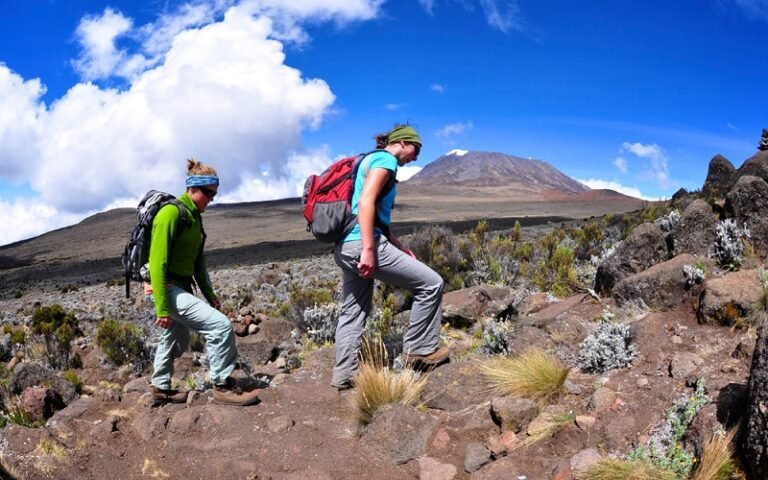
Kilimanjaro And Mara River Crossing Safari August : Peak Season Adventure 2027
Combining the ultimate challenge of climbing Mount Kilimanjaro with the awe-inspiring spectacle of the Great Migration river crossing in the Maasai Mara offers an unparalleled African...
View package details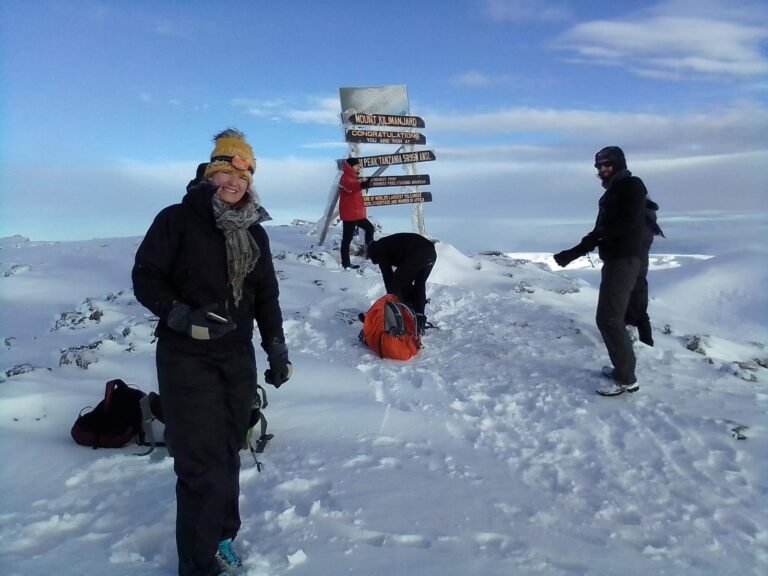
Kilimanjaro 8 May : Experience A Low-Crowd Group Trek 2027
Discover the unique advantages of joining a low-crowd group trek on Kilimanjaro on May 8, 2027. This departure offers a more intimate climbing experience, focusing on safety...
View package details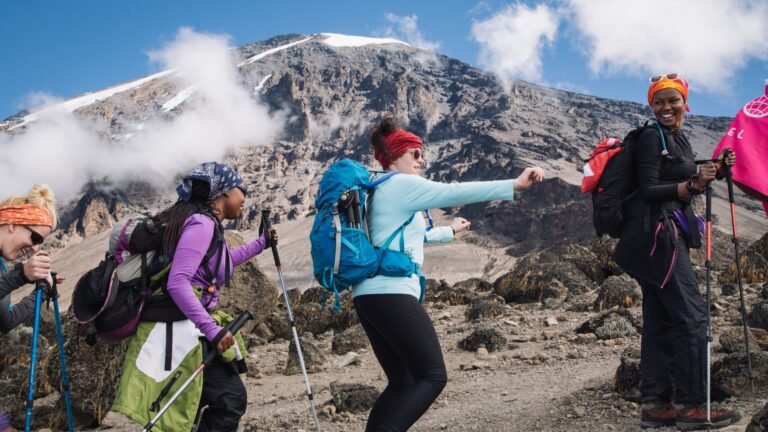
Last Minute Kilimanjaro August – Group Spaces And Availability 2027
Last Minute Kilimanjaro August 2027 – Group Spaces and Availability is explained with current 2027 planning, price, itinerary and booking information.
View package details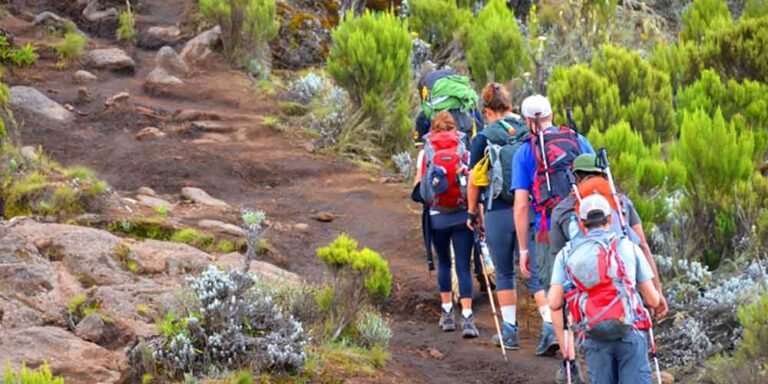
Northern Circuit – 10 July Dry-Season Expedition: Your Ultimate Kilimanjaro
Plan your Northern Circuit expedition for July 10, 2027. This dry-season adventure offers the most scenic and gradual ascent on Kilimanjaro, maximizing acclimatization and success rates.
View package details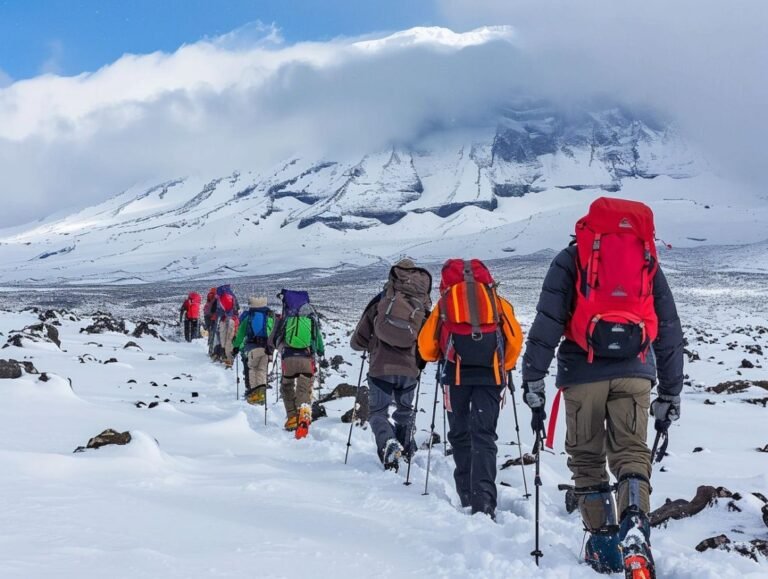
Kilimanjaro Climb July – Peak Dry-Season Group Departures 2027
Kilimanjaro Climb July 2027 – Peak Dry-Season Group Departures is explained with current 2027 planning, price, itinerary and booking information.
View package details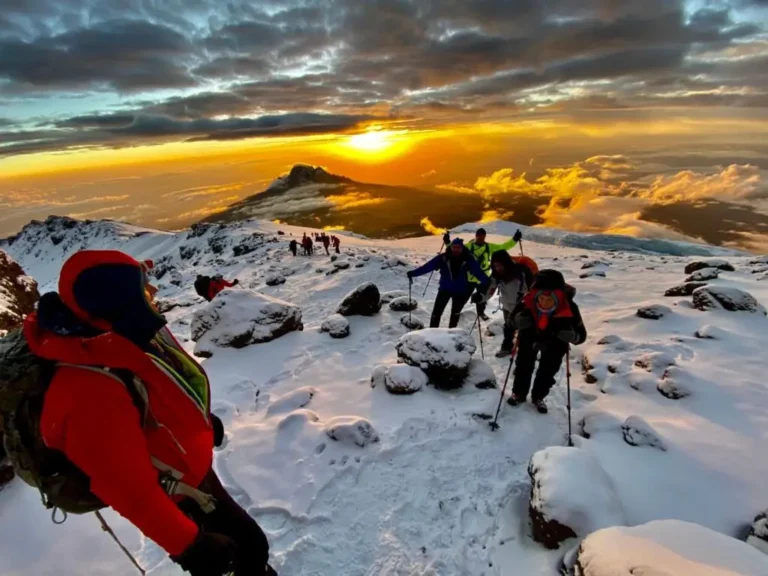
Marangu Route – 26 June Kilimanjaro Group Climb 2027
Marangu Route – 26 June 2027 Kilimanjaro Group Climb is explained with current 2027 planning, price, itinerary and booking information.
View package details7 Day Machame Route – 19 June Kilimanjaro Group Departure 2027
Planning to climb Kilimanjaro on the Machame Route in a group setting? This 7-day departure on June 19, 2027, offers a balanced approach to acclimatization and scenery. Learn what to...
View package detailsKilimanjaro 1 May : Your Day Mountain Adventure Awaits 2027
start an unforgettable Kilimanjaro 1 May 2027 adventure. This guide details everything you need to know for a successful May Day climb, from route selection to essential preparation.
View package details8 Day Lemosho Route – 20 February Kilimanjaro Departure With Climb 4 Africa
This article details the 8-day Lemosho Route Kilimanjaro climb scheduled for February 20, 2027, focusing on planning, itinerary, and what makes this departure a unique opportunity with...
View package details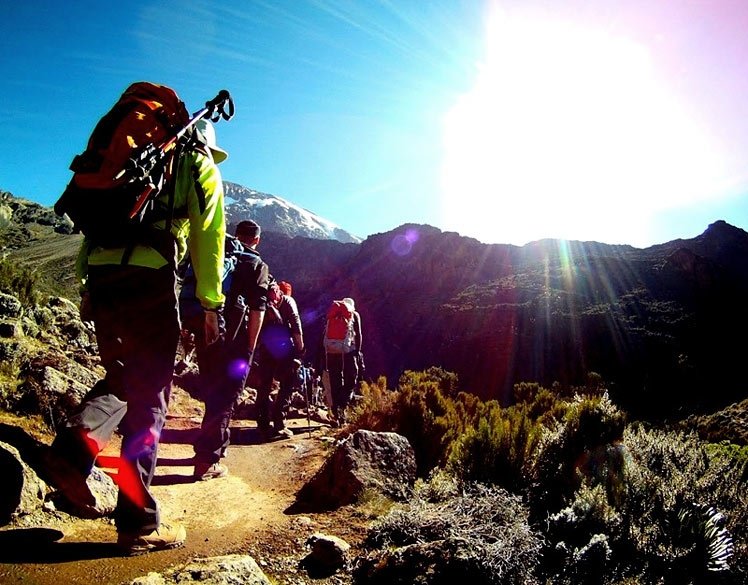
Kilimanjaro Climb February – Dry Season Groups And Availability 2027
Kilimanjaro Climb February 2027 – Dry Season Groups and Availability is explained with current 2027 planning, price, itinerary and booking information.
View package detailsLemosho Route – 7 August Summer Group Climb: Your Kilimanjaro Adventure 2027
start a memorable Lemosho Route – 7 August 2027 Summer Group Climb up Mount Kilimanjaro. This guide covers the itinerary, acclimatization, and preparation for your ascent.
View package detailsSolo Traveller Kilimanjaro August – Join A Peak-Season Group 2027
Solo Traveller Kilimanjaro August 2027 – Join a Peak-Season Group is explained with current 2027 planning, price, itinerary and booking information.
View package detailsNo related package matches those filters. Clear one or more filters to see the other topic-matched options.



