
Kilimanjaro’s dramatic lava landscape is the result of its formation as a massive stratovolcano, comprising three distinct cones: Kibo (the highest and youngest), Mawenzi (the oldest and most eroded), and Shira (a collapsed caldera). Understanding this volcanic geology, particularly the lava flows and formations of Kibo, Shira, and Mawenzi, is key to appreciating the mountain’s unique trekking routes and surreal environments, especially as you plan for expeditions in 2026-2027.
Unveiling Kilimanjaro’s Volcanic Heart: A Geological Journey
Mount Kilimanjaro is not just Africa’s highest peak; it’s a geological marvel, a dormant volcano whose very existence is a testament to powerful tectonic forces and volcanic activity. For those drawn to its summit, a deeper understanding of its volcanic geology, the distinct personalities of its three cones—Kibo, Shira, and Mawenzi—and the resulting lava landscapes enriches the entire experience. This isn’t just about reaching the top; it’s about walking on land shaped by fire and time, a journey through ancient eruptions that continue to define the mountain’s appearance and the trekking routes.
As you consider your adventure for 2026 or 2027, grasping the volcanic narrative of Kilimanjaro transforms a physical challenge into an educational expedition. You’ll be traversing terrains sculpted by molten rock, witnessing features that speak of explosive pasts and slow geological evolution. From the rugged, windswept plains surrounding the base to the stark, almost lunar environments near the summit, every step is on ground with a story to tell, a story written in lava and ash.
The Genesis of Kilimanjaro: A Triple Volcanic Spectacle
Kilimanjaro’s iconic silhouette is not that of a single mountain, but rather three volcanic cones, each with its own history and geological character. These giants rose from the East African Rift Valley floor over hundreds of thousands of years, a process of intense volcanic activity that ultimately created one of the world’s most accessible high peaks. The interplay between these three volcanic entities—Kibo, Mawenzi, and Shira—is the foundation of Kilimanjaro’s unique geological mix and its diverse lava landscapes.
Mawenzi: The Ancient Sculpted Giant
Mawenzi, the easternmost and third-highest peak, stands as the oldest of Kilimanjaro’s volcanic cones. Its geological narrative is one of prolonged exposure to the elements and significant erosion. Unlike the smoother slopes of Kibo, Mawenzi is characterized by jagged ridges, steep cliffs, and formidable rock formations. Its summit, at 5,149 meters (16,893 feet), is rarely attempted by trekkers due to its technical climbing nature.
The erosion has stripped away much of Mawenzi’s original volcanic cone, revealing its internal structure. This process has created a dramatic, almost gothic appearance, with deep gullies and sharp pinnacles. The lava flows here are older, more weathered, and often buried under scree and vegetation on its lower slopes. While not a destination for standard treks, Mawenzi’s imposing presence and rugged beauty serve as a constant reminder of Kilimanjaro’s deep geological past and the immense forces that shaped it. Its exposed rock faces offer a stark contrast to the more accessible lava fields on Kibo, highlighting the varied geological history across the massif.
Shira: The Collapsed Caldera’s Remnant
Shira, the westernmost peak, presents a different geological story. It was once a volcano as tall as Kibo, but its caldera collapsed inwards, leaving behind a high-altitude plateau and a series of weathered peaks. The Shira Ridge, a prominent feature, is a remnant of this original massive structure. The Shira Plateau itself sits at an elevation of around 3,600 to 4,000 meters (11,800 to 13,100 feet), creating a unique, expansive, and often surreal landscape.
The geology of the Shira area is marked by the remnants of ancient lava flows and volcanic debris. The plateau is characterized by moorland, giant senecios, and lobelias, but beneath this vegetation lies a foundation of volcanic rock. The collapse of the Shira caldera exposed internal structures and created a landscape that feels ancient and remote. Trekkers on the Shira route traverse this plateau, experiencing its open vistas and the stark beauty of its weathered lava formations. The geological significance of Shira lies in its dramatic collapse, a powerful illustration of volcanic instability and the subsequent reshaping of a volcanic edifice. This collapsed caldera offers a unique perspective on Kilimanjaro’s volcanic evolution, distinct from the more intact Kibo cone.
Kibo: The Majestic Summit Cone
Kibo is the youngest and highest of Kilimanjaro’s three volcanic cones, reaching its summit at Uhuru Peak, 5,895 meters (19,341 feet). It is the iconic image of Kilimanjaro, a majestic, snow-capped peak that dominates the skyline. Kibo is a stratovolcano, built up over time by successive eruptions of lava, ash, and volcanic bombs. Its caldera is relatively intact, though it contains the inner crater of Reusch Crater and the main Kibo crater.
The slopes of Kibo are characterized by vast fields of volcanic rock, scree, and ash, interspersed with dramatic lava formations. As trekkers ascend Kibo, they encounter increasingly barren and exposed terrain, a direct consequence of its high altitude and volcanic origin. The lava landscapes here are raw and powerful. Features like the Lava Tower (an imposing volcanic plug) and the vast ash plains near Stella Point and Gilman’s Point are direct results of Kibo’s volcanic activity. The summit itself, within the main crater, showcases a surreal environment of volcanic fumaroles and ash deposits, evidence of ongoing, albeit minor, geothermal activity. The geological story of Kibo is one of more recent, powerful eruptions that built its impressive stature and created the challenging, yet rewarding, ascent routes that climbers attempt each year, including those planned for 2026 and 2027.
Kilimanjaro’s Lava Landscapes: A Trekker’s Visual Guide
The lava landscapes of Kilimanjaro are as diverse as the volcanic activity that created them. As you ascend, the scenery shifts dramatically, from lush forests to alpine deserts and finally to the stark, rocky terrain near the summit. These changes are directly dictated by the mountain’s volcanic geology, the types of lava erupted, and the subsequent weathering and erosion processes.
The Lava Flows and Rock Formations
Kilimanjaro’s lava flows are primarily composed of basalt and phonolite. Basaltic lavas are typically more fluid, creating widespread flows, while phonolitic lavas can be more viscous, leading to the formation of domes and plugs. As you trek, you’ll encounter various manifestations of these eruptions:
- Scree Slopes: Vast expanses of loose volcanic rock fragments, often the result of weathered lava. These are common on Kibo’s upper reaches, making ascents challenging.
- Volcanic Bombs: Large, angular chunks of ejected lava, often found near eruption centers.
- Lava Fields: Extensive areas covered in solidified lava, which can be rough and uneven underfoot.
- Volcanic Plugs: Solidified magma that once blocked the vent of a volcano. The Lava Tower on the Machame and Lemosho routes is a prime example, standing as a stark monolith against the sky.
- Ash Plains: Expansive, flat areas composed of fine volcanic ash, often found in craters or caldera remnants, such as those near the summit of Kibo.
These formations dictate the trekking experience. The solid, yet often uneven, lava rocks provide the foundation for the trails. The scree slopes test endurance and balance, while the vast lava fields create an otherworldly, almost lunar environment. Understanding these geological features helps trekkers appreciate the forces that have shaped their path.
Ecological Zones and Volcanic Influence
The altitude and the volcanic soil profoundly influence Kilimanjaro’s distinct ecological zones. Each zone has adapted to the specific conditions created by the mountain’s geology and its volcanic history:
- Rainforest (1,800–2,800m): Rich volcanic soils support dense vegetation. The high humidity and rainfall are also influenced by the mountain’s massive presence.
- Heath and Moorland (2,800–4,000m): As altitude increases and rainfall decreases, vegetation changes. Giant heathers, senecios, and lobelias dominate, adapted to cooler temperatures and volcanic soils. This zone is particularly prominent on the Shira Plateau.
- Alpine Desert (4,000–5,000m): Extremely arid conditions prevail. Sparse vegetation, including grasses and hardy flowers, survives on volcanic ash and scree. The landscape becomes increasingly barren, showcasing raw lava rock.
- Arctic Zone (above 5,000m): Above the vegetation line, the environment is dominated by rock, ice, and snow. The summit region of Kibo features glaciers and the stark, ash-covered caldera floor, a direct testament to its volcanic nature.
The transition between these zones is a journey through Kilimanjaro’s geological and ecological evolution, with the volcanic foundation playing a critical role in supporting life at each stage.
Route Comparisons Through a Volcanic Lens
Each of Kilimanjaro’s popular trekking routes offers a unique perspective on the mountain’s volcanic geology and lava landscapes. The choice of route can significantly influence the visual and geological experience of your climb. Understanding these differences is crucial for planning your 2026-2027 expedition.
Machame Route: The Scenic Lava Path
Often called the ‘Whiskey Route’ for its popularity, Machame is known for its scenic beauty and challenging ascents and descents, which allow for better acclimatization. Geologically, it offers a fantastic journey through diverse lava landscapes.
The route traverses the southern side of Kibo, passing through rainforest, moorland, and then into the alpine desert. A highlight is the trek across the Shira Plateau, offering expansive views of the Shira volcanic remnants. Later, the trail passes the imposing Lava Tower, a significant volcanic plug, and then skirts the base of Kibo’s scree slopes. The Barranco Wall, while a challenging scramble, is formed from ancient lava flows and volcanic debris. The final ascent to the summit from Barafu Camp involves navigating vast scree and ash fields, showcasing Kibo’s raw volcanic surface. The Machame route provides a comprehensive visual of Kibo’s volcanic features and touches upon the Shira caldera’s influence.
Lemosho Route: Wilderness and Volcanic Vistas
The Lemosho route is renowned for its remote beauty and high success rates, largely due to its excellent acclimatization profile. It approaches Kilimanjaro from the west, offering a more pristine wilderness experience before joining the Machame route on day three.
Geologically, Lemosho provides an intimate encounter with the Shira volcanic plateau. You’ll spend time on this ancient caldera floor, observing its unique flora and the remnants of its collapsed structure. The route then leads you around the northern slopes of Kibo before descending into the main trekking corridor. This offers spectacular views of the northern side of Kibo, including its vast lava fields and scree slopes, often less crowded than the southern approaches. The geological diversity encountered on Lemosho, from the ancient Shira caldera to the imposing Kibo cone, makes it a compelling choice for those who appreciate geological spectacle and solitude.
Marangu Route: The ‘Coca-Cola’ Trail’s Lava Steps
The Marangu route, the oldest and most established, is known for its gradual ascent and hut accommodation. While often considered less scenic than other routes, it offers a unique geological perspective, particularly in its lower sections and its direct approach to Kibo.
The route ascends the southeastern flank of Kibo, passing through the rainforest and then into the moorland zone. Unlike routes that traverse the Shira Plateau, Marangu offers a more direct, albeit less acclimatized, path towards the summit. The higher sections are characterized by the same volcanic scree and ash plains found on other routes approaching Kibo’s crater rim. Its geological uniqueness lies in its directness and the contrast between its gentler lower slopes and the stark volcanic terrain of the upper mountain, making it a distinct, though less geologically diverse, experience compared to routes like Machame or Lemosho.
Other Routes (Umbwe, Rongai, Northern Circuit)
Each route has its geological nuances:
- Umbwe Route: The most direct and steepest route, it ascends the southern face of Kibo rapidly, offering a challenging encounter with its scree and lava formations. It’s a route for experienced trekkers seeking a raw volcanic challenge.
- Rongai Route: Approaching from the drier northern side, Rongai offers a different perspective on Kilimanjaro’s volcanic slopes. It bypasses the rainforest for longer, offering drier trekking conditions and a gradual introduction to the alpine zones. It joins the Marangu route for the final ascent to the summit, experiencing Kibo’s upper lava landscapes.
- Northern Circuit: The longest route, it circumnavigates the entire mountain, offering unparalleled views of all three cones and the surrounding volcanic landscape. This route provides the most comprehensive geological immersion, allowing trekkers to appreciate the scale and interconnectedness of Kibo, Mawenzi, and Shira from various vantage points. The extended duration also significantly aids acclimatization to the high-altitude lava fields.
For those planning their 2026 or 2027 climb, considering how each route showcases Kilimanjaro’s volcanic origins can be a deciding factor in choosing the most suitable adventure.
Planning Your Kilimanjaro Volcanic Geology Tour for 2026-2027
Embarking on a Kilimanjaro trek with a focus on its volcanic geology requires careful planning. Understanding the mountain’s geological narrative adds depth, but practical considerations are paramount for a successful and enjoyable expedition, especially when booking for the 2026-2027 seasons.
Best Time to Climb: Weathering the Volcanic Peaks
Kilimanjaro experiences distinct wet and dry seasons, which impact visibility of the lava landscapes and the trekking conditions. The best times to climb, offering clearer skies and more stable weather, are generally:
- January to March: Generally dry, with excellent visibility of the summit and surrounding volcanic terrain. Snowfall on the summit can be heavier, enhancing its iconic appearance.
- June to October: Another dry season, often characterized by cooler temperatures. This period offers fantastic views of the stark lava landscapes and reduced chances of rain.
The shoulder months (April-May and November-December) are wetter and can bring fog and rain, obscuring the dramatic volcanic features. While it’s possible to climb year-round, choosing a dry season for your 2026 or 2027 climb will significantly enhance your appreciation of Kilimanjaro’s geological wonders.
Choosing the Right Route for Geological Immersion
As discussed, routes like Lemosho and the Northern Circuit offer more time on the Shira Plateau and better overall views of the volcanic cones. Machame provides a balanced experience with iconic geological features like Lava Tower. For trekkers specifically interested in the volcanic story, these routes are often recommended.
Consider the length of the trek. Longer routes (7-9 days) provide better acclimatization, allowing you to experience the high-altitude lava fields more comfortably and with less risk of altitude sickness. This extended exposure also means more time to observe and photograph the unique geological formations.
Essential Gear for Volcanic Terrain
Trekking on Kilimanjaro’s volcanic terrain requires specific gear:
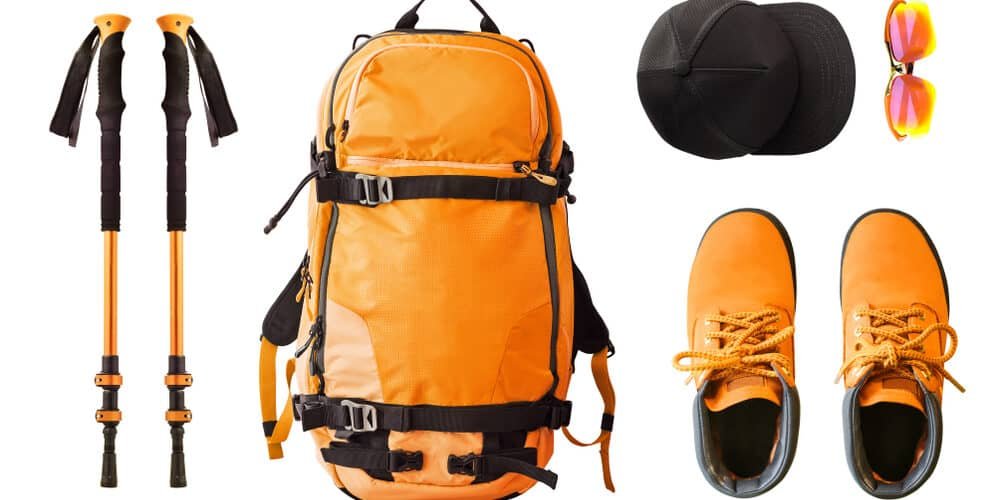
- Sturdy Hiking Boots: Essential for navigating scree, lava rock, and uneven paths. Broken-in, waterproof boots are non-negotiable.
- Layered Clothing: Temperatures fluctuate dramatically from the rainforest to the arctic zone. Thermal base layers, fleece mid-layers, and a waterproof/windproof outer shell are crucial.
- Sun Protection: The high altitude means intense sun, even when cold. A wide-brimmed hat, sunglasses, and high SPF sunscreen are vital for protecting against UV rays reflecting off lava rocks and snow.
- Trekking Poles: Highly recommended for stability on scree slopes and steep ascents/descents, reducing strain on knees and ankles.
- Headlamp: Essential for summit night, which often begins in darkness on the volcanic slopes.
Acclimatization and Altitude Sickness
Altitude sickness is a significant risk on Kilimanjaro, exacerbated by the rapid ascent over its volcanic slopes. Proper acclimatization is the best defense. This involves:
- Choosing a longer route (7+ days).
- Ascending slowly, following the principle of ‘pole pole’ (slowly, slowly).
- Staying well-hydrated.
- Avoiding alcohol and caffeine.
- Considering a doctor’s advice on altitude medication (e.g., Diamox).
The geological diversity means you’ll move through significant altitude gains quickly on some routes, making acclimatization particularly critical for enjoying the lava landscapes without debilitating symptoms.
Booking Your 2026-2027 Kilimanjaro Expedition
When booking for the 2026 or 2027 seasons, consider the following:
- Tour Operator Reputation: Choose an operator with a proven track record in safety, guide expertise, and ethical treatment of porters. For a geologically focused trip, guides with good knowledge of the mountain’s history are a bonus.
- Inclusions: Understand what is included (park fees, permits, meals, accommodation, guides, porters, rescue fees). These are substantial costs on Kilimanjaro.
- Group vs. Private: Private climbs offer flexibility and a more personalized pace, which can be beneficial for appreciating geological details. Group climbs can be more budget-friendly.
- Booking Window: Popular dates, especially during peak seasons in 2026 and 2027, book up quickly. It’s advisable to book at least 6-12 months in advance.
Note on Volcanic Hazards
While Kilimanjaro is considered dormant, minor geothermal activity exists. However, the primary hazards for trekkers are altitude sickness, weather, and the challenging terrain of lava rock and scree. Reputable operators prioritize safety and have emergency protocols in place.
The Enduring Legacy: Kilimanjaro’s Volcanic Story Continues
Kilimanjaro’s volcanic geology is not merely a subject of scientific study; it’s the very essence of the mountain, shaping its form, its routes, and the experiences of every climber. From the rugged remnants of Mawenzi and the collapsed caldera of Shira to the majestic, active-feeling summit of Kibo, the mountain tells a continuous story of geological power and transformation.
For those planning a climb in 2026 or 2027, this deep look at the Kilimanjaro volcanic geology and lava landscape, focusing on Kibo, Shira, and Mawenzi, should provide a richer context for your adventure. It’s about understanding the ground beneath your feet—the solidified lava flows, the ancient ash deposits, the dramatic volcanic plugs—as much as it is about the physical challenge of reaching Uhuru Peak.
When you stand on the crater rim, gazing across the ash plains or towards the distant glaciers, you are witnessing the raw beauty of a geological masterpiece. The stark, powerful lava landscapes are a constant reminder of the forces that forged this iconic African peak. By appreciating this volcanic heart, your Kilimanjaro journey becomes not just a trek, but a profound connection with the Earth’s dynamic history.
Ready to explore Kilimanjaro’s volcanic wonders in 2026 or 2027? Climb 4 Africa specializes in crafting personalized Kilimanjaro expeditions that highlight the mountain’s unique geological story. We help you choose the best route, plan for acclimatization, and ensure a safe and unforgettable journey across its volcanic landscapes. To discuss your ideal climb, including specific routes that showcase the best of Kibo, Shira, and Mawenzi’s geology, please reach out to us. You can contact us via WhatsApp at +255 747 477 898 or send an email to climb4africa@gmail.com. Let us help you plan an expedition that goes beyond the summit, offering a deep appreciation for Kilimanjaro’s incredible volcanic heritage.
Check Availability for Kilimanjaros Volcanic Geology & Lava Landscape: Kibo, Shira & Mawenzi Story
Ready to compare dates, prices, and the best option for your group? Send the package name and travel month so the team can reply with a clear quote, availability, and what is included.
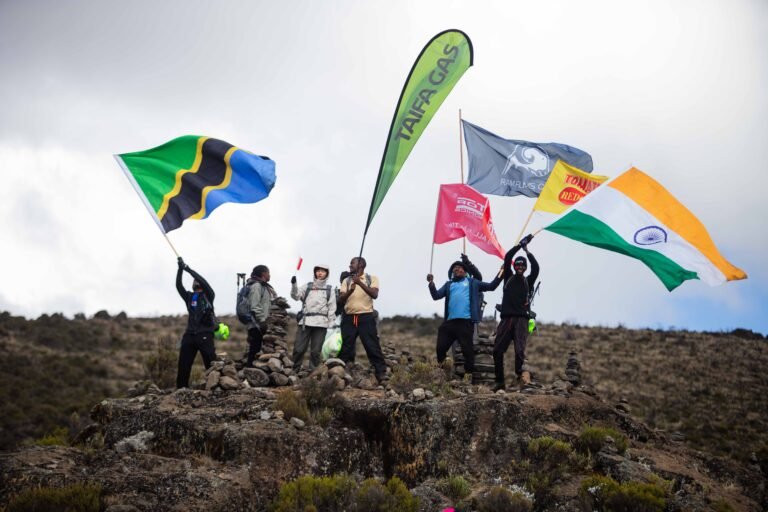
Kilimanjaro Three Volcanic Cones Expedition: Shira, Mawenzi & Kibo Routes
An in-depth guide to climbing Mount Kilimanjaro's three distinct volcanic cones – Shira, Mawenzi, and Kibo – detailing expedition routes, challenges, and essential planning for trekkers...
View package details
Shira Plateau Mountain Bike Day Tour – Cycle Kilimanjaro At High Altitude
Shira Plateau Mountain Bike Day Tour – Cycle Kilimanjaro at High Altitude is explained with current 2026-2027 planning, price, itinerary and booking.
View package detailsKilimanjaro Gravel Bike Expedition: Dirt Roads, Villages & Mountain Landscapes
Discover the ultimate Kilimanjaro Gravel Bike Expedition, traversing authentic Tanzanian dirt roads, engaging with local villages, and witnessing impressive mountain scenery. This guide...
View package detailsShira Plateau Sunset & Picnic Adventure: Your Kilimanjaro High-Altitude Day
Discover the magic of a Shira Plateau sunset and picnic, a distinct high-altitude day experience on Kilimanjaro. This adventure offers unparalleled views and a memorable escape, perfect for...
View package details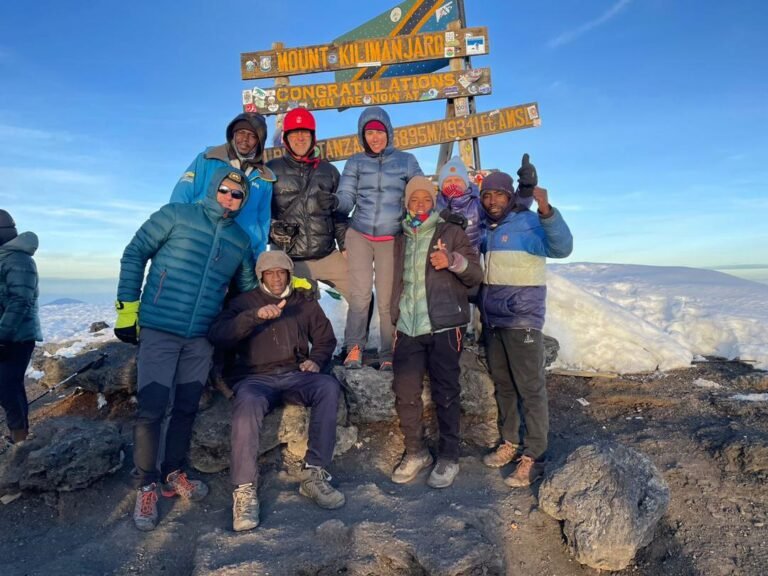
Kilimanjaro Glacier & Crater Geology Expedition: Explore Africa’s Great
This comprehensive guide details the Kilimanjaro Glacier & Crater Geology Expedition, focusing on the volcanic formations, glacial features, and the unique summit environment of Africa's...
View package details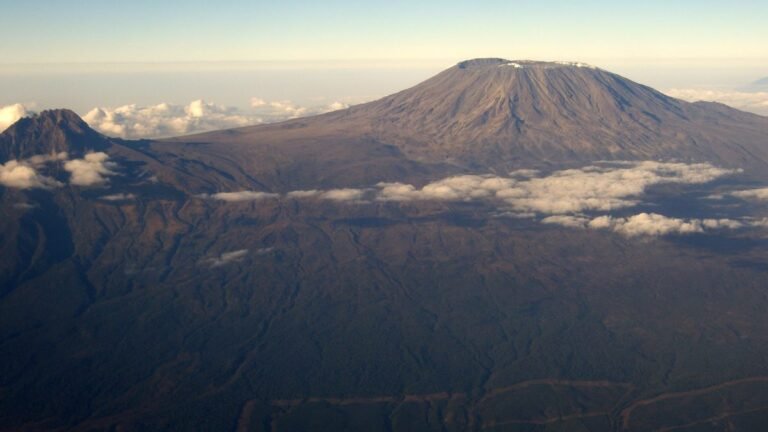
Kilimanjaro Photography Expedition: Glaciers, Stars, Summit Landscapes & More
start a Kilimanjaro Photography Expedition to capture its iconic glaciers, impressive starry skies, and dramatic summit landscapes. This guide details how to best prepare for and execute...
View package details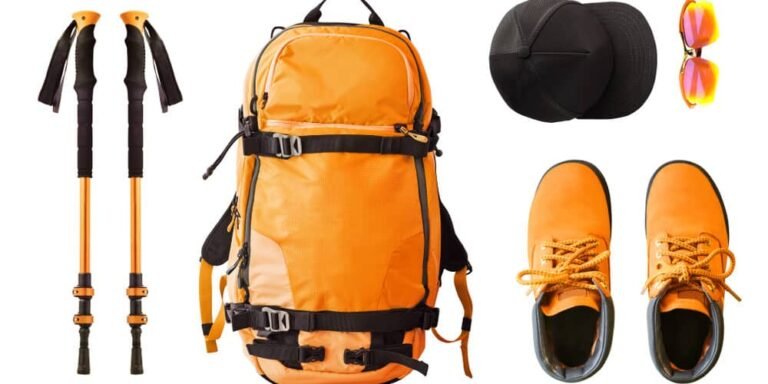
Mawenzi Peak Technical Climbing Expedition, Kilimanjaro’s Hidden Alpine
Mawenzi Peak Technical Climbing Expedition, Kilimanjaro’s Hidden Alpine Challenge 2026-2027 is explained with current 2026-2027 planning, price, itinerary.
View package detailsKilimanjaro Bike + Serengeti Safari Adventure: Cycling, Wildlife & Mountain
Discover the thrill of a Kilimanjaro Bike + Serengeti Safari Adventure, a unique journey blending challenging cycling with the unparalleled wildlife spectacle of the Serengeti. This...
View package details
Kilimanjaro Ultra Trail Running Expedition – High-Altitude Endurance Adventure
This guide details the Kilimanjaro Ultra Trail Running Expedition, a demanding high-altitude endurance event. Learn about routes, training, logistics, and what makes this adventure unique...
View package details
Kilimanjaro + Mount Meru Dual Summit Expedition: Your Ultimate Tanzania
Conquer two of Tanzania's most iconic peaks in one unforgettable journey with a Kilimanjaro and Mount Meru dual summit expedition. This comprehensive guide covers everything from route...
View package detailsKilimanjaro 360 E-Bike Adventure – Electric Bike Circuit Around Mount
Discover the unique Kilimanjaro 360 E-Bike Adventure, a novel way to experience the landscapes surrounding Africa's highest peak. This guide covers routes, planning, and what to expect for...
View package details
Kilimanjaro Forest Birdwatching & Nature Walk – Rainforest Wildlife Experience
Kilimanjaro Forest Birdwatching & Nature Walk – Rainforest Wildlife Experience is explained with current 2026-2027 planning, price, itinerary and booking.
View package detailsNo related package matches those filters. Clear one or more filters to see the other topic-matched options.



