
A Kilimanjaro Gravel Bike Expedition offers an unparalleled way to experience Tanzania’s diverse terrain, combining challenging dirt road cycling with in-depth cultural encounters in local villages and awe-inspiring views of Mount Kilimanjaro’s majestic landscapes, ideal for adventurous travelers in 2026 and 2027.
What is a Kilimanjaro Gravel Bike Expedition?
A Kilimanjaro Gravel Bike Expedition is a cycling adventure that focuses on exploring the diverse landscapes surrounding Mount Kilimanjaro, primarily using unpaved roads, tracks, and trails. Unlike traditional road cycling tours that stick to paved surfaces, or Kilimanjaro treks that ascend the mountain on foot, a gravel bike expedition utilizes versatile bicycles designed for mixed terrain. This means you’ll be navigating through rural villages, past agricultural lands, along dusty tracks, and sometimes on more rugged paths, all while enjoying panoramic views of Africa’s highest peak. These expeditions are crafted to offer a deeper connection with the local culture and environment, moving at a pace that allows for genuine interaction and appreciation of the surroundings, rather than just focusing on reaching a summit or a specific destination. The experience is about the journey itself, the people you meet, and the natural beauty you encounter on two wheels. For 2026 and 2027, these expeditions are gaining popularity among travelers seeking authentic, off-the-beaten-path adventures in Tanzania.
Why Choose a Gravel Bike Expedition for Kilimanjaro?
Opting for a gravel bike expedition around Kilimanjaro offers a distinct advantage for travelers seeking a more intimate and varied experience of Tanzania’s northern circuit. It bridges the gap between high-octane adventure and cultural immersion, providing a unique lens through which to view the region.
Accessibility and Terrain Versatility
Gravel bikes are inherently versatile. Their wider tires and more relaxed geometry make them capable of handling a much wider range of surfaces than traditional road bikes. This means you can comfortably ride on the dirt roads, gravel paths, and even some light singletrack that crisscross the Kilimanjaro region. This versatility opens up routes that are inaccessible to road bikes and often less traveled by motorized vehicles. You can explore the foothills, agricultural areas, and connect villages that might be too remote or have unpaved access for other tour types. This adaptability ensures that your Kilimanjaro gravel bike expedition can truly explore the heart of the landscape, not just skirt its edges.
Deeper Cultural Immersion
The slower pace of cycling, especially on varied terrain, naturally facilitates deeper engagement with local communities. As you pedal through villages, you’re not just passing through; you’re part of the landscape. This allows for more spontaneous interactions with residents – children playing, farmers tending their crops, elders sharing stories. Unlike a safari where you observe from a vehicle, or a trek where you’re focused on ascent, a gravel bike expedition places you directly within the daily rhythm of rural Tanzanian life. You’ll witness firsthand how communities live, work, and interact with the land surrounding Kilimanjaro. This is a significant draw for travelers in 2026-2027 looking for authentic cultural experiences beyond typical tourist trails.
Unique Perspectives and Scenery
Mount Kilimanjaro is a dominant and awe-inspiring presence. A gravel bike expedition allows you to experience its grandeur from multiple vantage points, often at eye level rather than looking up from a fixed point or a vehicle. You’ll cycle through landscapes that transition from lush coffee plantations to rolling grasslands, passing by local markets and small settlements, all with the snow-capped peak or its massive slopes providing a constant, impressive backdrop. The journey itself, winding through varied terrain and offering constantly changing vistas, is as rewarding as any specific destination. The gravel bike’s ability to access these less-trodden paths means you’ll discover hidden viewpoints and serene natural settings that are often missed by other forms of travel.
Sustainability and Responsible Travel
Cycling is inherently a low-impact form of travel. A Kilimanjaro gravel bike expedition aligns well with principles of sustainable tourism. By choosing to cycle, you minimize your carbon footprint significantly compared to motorized transport. Furthermore, the focus on local villages and communities means your tourism expenditure can directly benefit these areas. This conscious approach to travel is increasingly important for explorers in 2026 and 2027, who are looking for ways to experience destinations responsibly while minimizing their environmental impact and supporting local economies directly.
Key Routes and Itinerary Considerations for 2026-2027
Designing a Kilimanjaro Gravel Bike Expedition involves carefully selecting routes that balance cycling challenge, cultural immersion, and scenic beauty. While specific itineraries can be tailored, several core areas and approaches are particularly well-suited for this type of adventure in 2026 and 2027.
Northern Circuit Exploration
This often involves routes that loop around the northern and eastern flanks of Kilimanjaro, venturing towards areas like West Kilimanjaro and the Chyulu Hills (though crossing into Kenya might be outside the scope of a typical Tanzania-focused expedition). The terrain here can be varied, from flatter plains with distant mountain views to more undulating, gravel-rich paths. These areas often feature Maasai communities, offering opportunities for cultural exchange. Expect to encounter vast ranches, acacia woodlands, and dramatic open landscapes with Kilimanjaro as a constant, magnificent companion. An expedition here might involve 5-7 days of cycling, covering significant distances each day.
Southern Highlands Adventure
While Kilimanjaro itself is in the north, venturing slightly south can open up different terrains and cultural experiences. Routes might explore the foothills and agricultural lands closer to towns like Moshi and Arusha, but then extend into less-visited rural areas. This could include cycling through coffee plantations, passing by local markets, and navigating through smaller villages. The landscape might be greener and more fertile in these areas. These routes often offer a more intimate view of daily life and agricultural practices, with Kilimanjaro’s presence felt as a vast, imposing massif to the north. A 4-6 day itinerary could focus on this region.
Village-to-Village Circuits
This approach prioritizes direct interaction and a slower pace. Instead of covering vast distances, the focus is on linking a series of smaller villages and settlements, often within a 30-50km radius each day. The routes would be carefully chosen to be entirely on dirt roads and tracks, ensuring an authentic gravel biking experience. This allows for ample time to stop, talk with locals, visit community projects, and experience the nuances of different village settings. These itineraries are excellent for those prioritizing cultural depth over mileage, perhaps a 3-5 day loop focusing on the Chagga communities on Kilimanjaro’s slopes or the agricultural communities in the plains below. For 2026-2027, this is a highly recommended style for genuine immersion.
Custom Tailored Expeditions
The beauty of a Kilimanjaro gravel bike expedition is its adaptability. Most operators, including Climb 4 Africa, specialize in creating bespoke itineraries. This means you can combine elements from the above, adjust the difficulty, specify the level of cultural immersion, and determine the desired duration. For instance, a 10-day expedition could blend challenging gravel sections with visits to specific cultural sites, or focus on reaching remote viewpoints. When planning for 2026 or 2027, discussing your specific interests and fitness level with an expert operator is key to crafting the perfect Kilimanjaro gravel bike expedition for you.
Itinerary Customization for 2026-2027
When planning your Kilimanjaro Gravel Bike Expedition for 2026-2027, consider these questions:
- What is your desired daily cycling distance and elevation gain?
- How important is cultural interaction versus pure cycling challenge?
- Are you interested in specific communities (e.g., Maasai, Chagga)?
- What is your ideal trip duration?
- What level of support do you require (e.g., fully supported with vehicle, basic support)?
Answering these will help tailor an unforgettable gravel biking journey around Kilimanjaro.
Planning Your Kilimanjaro Gravel Bike Expedition
A successful Kilimanjaro Gravel Bike Expedition requires thoughtful planning, especially when looking ahead to 2026-2027. Beyond the desire for adventure, practical considerations are crucial for ensuring a safe, enjoyable, and authentic experience.
Best Time to Travel (2026-2027)
The dry seasons are generally the most favorable for gravel biking expeditions around Kilimanjaro. These periods offer more predictable weather, firmer trails, and better visibility of the mountain. The main dry seasons are:
- January to March: Warm and dry, with good visibility. This is an excellent period for gravel biking, offering clear views of Kilimanjaro and comfortable riding temperatures.
- June to October: Cooler and dry. This season also provides excellent conditions for cycling, with less humidity and generally stable weather. The landscapes might be drier, but the mountain views are typically spectacular.
Avoid the rainy seasons (April-May and November-early December) as dirt roads can become muddy, impassable, or very challenging, significantly impacting the riding experience and potentially delaying or altering the expedition. Booking for peak dry seasons in 2026 and 2027 is advisable, especially if you want specific dates or group departures.
Duration and Pace
A typical Kilimanjaro Gravel Bike Expedition can range from 4 to 10 days, depending on the scope of the route and the desired pace. Shorter trips might focus on a specific region or a series of villages, while longer expeditions can cover more ground, explore different terrains, and allow for deeper cultural immersion. The pace is generally moderate, allowing riders to appreciate the scenery and interact with locals. It’s crucial to factor in acclimatization if you plan to cycle at higher elevations, although most gravel routes stay at lower to mid-altitudes compared to trekking routes. For 2026-2027 travel, discuss your fitness and desired pace with your tour operator to set realistic daily mileage and objectives.
Fitness and Preparation
While a Kilimanjaro Gravel Bike Expedition isn’t about summiting the mountain, it does require a good level of cycling fitness. You should be comfortable riding for several hours a day, potentially over undulating terrain and on loose surfaces. Key preparation includes:
- Consistent Cycling: Aim for regular rides, gradually increasing duration and distance.
- Hill Training: Practice riding on inclines to build strength for any climbs.
- Off-Road Practice: Get comfortable riding on gravel, dirt, and uneven surfaces. This will improve your handling skills and confidence.
- Endurance: Build stamina for multi-day cycling.
Even if you’re not an elite cyclist, consistent training in the months leading up to your 2026 or 2027 expedition will significantly enhance your enjoyment and ability to tackle the varied terrain.
Choosing the Right Gravel Bike
The type of bike is central to a Kilimanjaro Gravel Bike Expedition. A dedicated gravel bike is ideal, offering a balance of comfort, speed, and off-road capability. Key features to look for include:
- Tire Clearance: Ability to fit wider tires (35mm to 45mm) for better traction and comfort on rough surfaces.
- Gearing: A wide range of gears, including lower ratios for climbing.
- Brakes: Reliable disc brakes (mechanical or hydraulic) for consistent stopping power in all conditions.
- Frame and Fork: Durable frame materials (steel or aluminum are common) and potentially some form of suspension or compliance features for comfort.
- Mounting Points: Sufficient mounts for water bottles, racks, and bags if you plan to carry extra gear.
If you don’t own a suitable gravel bike, most reputable tour operators can arrange rentals. Ensure the rental bike is well-maintained and suitable for the planned terrain. For 2026-2027 expeditions, confirm bike rental availability well in advance.
Essential Gear and Packing List
Packing smart is crucial for comfort and safety on a Kilimanjaro Gravel Bike Expedition. Here’s a general list, with specifics depending on the tour’s support level:
Cycling Gear:
- Well-fitting helmet
- Cycling shorts/bibs (2-3 pairs)
- Moisture-wicking jerseys (3-4)
- Cycling gloves
- Cycling shoes and pedals (if using your own)
- Padded saddle (optional, if preferred)
- Eyewear (clear and tinted lenses)
- Rain jacket and windproof vest
- Arm and leg warmers (for cooler mornings/evenings)
Off-Bike Gear:
- Comfortable walking shoes
- Casual clothing for evenings
- Sunscreen and insect repellent
- Personal toiletries
- Basic first-aid kit
- Camera and power bank
- Reusable water bottle or hydration pack
- Small backpack for day essentials
- Headlamp or flashlight
Documents & Money:
- Passport and visa
- Travel insurance details
- Emergency contact information
- Local currency (Tanzanian Shillings) and some USD for emergencies
Note: Detailed packing lists are usually provided by the tour operator. For 2026-2027 trips, check if specialized gear like sleeping bags or tents are included or need to be brought. Always pack light but smart.
Visa and Health Requirements
Visas: Most nationalities require a visa to enter Tanzania. This can often be obtained online in advance or upon arrival at the airport. Check the latest requirements for your nationality well before your 2026-2027 expedition. Health: Consult your doctor or a travel clinic at least 4-6 weeks before your trip regarding vaccinations (e.g., Yellow Fever, Hepatitis A, Typhoid) and malaria prophylaxis. The Kilimanjaro region is generally considered a low-risk malaria area, but precautions are still recommended. Ensure you have comprehensive travel insurance that covers medical emergencies and evacuation.
Village Life and Cultural Encounters on the Expedition
The heart of a Kilimanjaro Gravel Bike Expedition lies in its authentic encounters with the people and cultures that inhabit the region. Moving through villages on a bicycle offers a unique intimacy that vehicles simply cannot replicate.
Interactions with Locals
As you cycle through villages, expect curiosity and warmth from the local population. Children will often run alongside you, shouting greetings, and adults may pause their work to wave or offer a smile. These spontaneous interactions are a highlight. Your guide will play a crucial role in facilitating deeper conversations, translating, and explaining local customs. Visits to local markets, schools, or community centers can be arranged, providing structured opportunities to learn about daily life, education, and local initiatives. The key is to approach these encounters with respect, openness, and a genuine interest in learning.
Local Cuisine and Hospitality
Your expedition will likely offer opportunities to sample authentic Tanzanian cuisine. This can range from simple, hearty meals prepared by your support crew using local ingredients to sharing a meal with a local family. Staple foods often include ugali (a maize porridge), rice, beans, and various vegetable stews. You might also encounter local coffee and fruits grown in the fertile Kilimanjaro region. Experiencing local hospitality, whether in a simple guesthouse or a family compound, is a profound part of the journey. For those planning a 2026-2027 trip, embracing the local flavors is part of the adventure.
Visiting Schools and Community Projects
Many Kilimanjaro gravel bike expeditions can incorporate visits to local schools, health clinics, or community development projects. These visits offer invaluable insights into the challenges and triumphs of rural Tanzanian life. They also provide a chance for travelers to contribute, perhaps through donations of school supplies or by learning about sustainable farming practices. Such visits, when arranged thoughtfully and respectfully, can be deeply rewarding for both the visitors and the community. It’s advisable to coordinate these visits through your tour operator to ensure they are appropriate and welcomed.
Respectful Travel Guidelines
To ensure your interactions are positive and respectful, consider these guidelines:
- Ask before photographing: Always seek permission before taking photos of people, especially children.
- Dress modestly: When visiting villages or interacting closely with communities, modest clothing (covering shoulders and knees) is appreciated.
- Learn basic greetings: Knowing a few Swahili phrases like ‘Jambo’ (Hello) and ‘Asante’ (Thank you) goes a long way.
- Be mindful of children: While children are often enthusiastic, avoid giving them money or sweets directly, as this can encourage begging. Donations to schools or community projects are generally more impactful.
- Respect local customs: Your guide will provide specific advice, but generally, be observant and follow local norms.
Adhering to these principles enhances the authenticity of your Kilimanjaro Gravel Bike Expedition experience for 2026-2027 and beyond.
Logistics, Support, and Safety
A well-organized Kilimanjaro Gravel Bike Expedition prioritizes safety and comfort through robust logistics and dedicated support. Understanding these elements is key to a stress-free adventure.
Support Vehicles and Mechanics
Most expeditions include support vehicles that follow the cyclists. These vehicles carry luggage, spare parts, tools, food, water, and first-aid supplies. They also serve as a means of transport for riders who need a break or are experiencing mechanical issues. A dedicated mechanic is often part of the support crew, ensuring that bikes are kept in optimal condition. This support is crucial for navigating the remote dirt roads and ensuring that any issues are resolved quickly. For longer or more remote routes planned for 2026-2027, the reliability of this support system is paramount.
Accommodation Options
Accommodation can vary significantly depending on the expedition’s style and route. Options typically include:
- Camping: Often the most in-depth option, especially in more remote areas. Tents are usually provided and set up by the support crew.
- Basic Guesthouses/Lodges: In villages, you might stay in simple, locally-run guesthouses offering a more authentic cultural experience.
- Comfortable Lodges/Hotels: At the start and end of the expedition, or in larger towns, more comfortable accommodations may be used.
The choice of accommodation impacts the overall experience, balancing comfort with immersion. For a Kilimanjaro Gravel Bike Expedition, it’s common to mix camping with stays in local lodges to provide variety and connection.
Communication and Navigation
Mobile phone reception can be spotty in rural areas. Tour operators typically use satellite phones or two-way radios for communication between the support crew and with the outside world in case of emergencies. GPS devices and detailed maps are used for navigation, and your guides will be highly experienced in the local terrain. For personal use, consider a power bank to keep your devices charged, and a local SIM card might offer better coverage in towns. Ensure your tour operator has clear communication protocols in place for your 2026-2027 trip.
Emergency Protocols
Safety is a top priority. Reputable operators will have well-defined emergency protocols. This includes having a comprehensive first-aid kit, trained guides, and a plan for medical emergencies, including evacuation procedures. The support vehicle often doubles as an ambulance in urgent situations. It is vital to have robust travel insurance that covers medical emergencies, repatriation, and search and rescue operations. Understanding your operator’s safety procedures before booking your Kilimanjaro Gravel Bike Expedition for 2026-2027 is essential.
Comparing Gravel Bike Expeditions vs. Other Kilimanjaro Tours
To fully appreciate the unique offering of a Kilimanjaro Gravel Bike Expedition, it’s helpful to compare it with other popular ways to experience the region.
Vs. Traditional Trekking
Kilimanjaro Trekking: Focuses on ascending the mountain on foot via established routes (e.g., Machame, Lemosho). It’s physically demanding, primarily involves hiking, and the landscape changes dramatically with altitude. The goal is typically to reach the summit. Cultural interaction is limited to guides and porters, and villages are generally not part of the itinerary.
Gravel Bike Expedition: Explores the diverse landscapes around Kilimanjaro, primarily on dirt roads. It’s a cycling-focused adventure, emphasizing cultural immersion in villages and enjoying varied scenery at a more accessible pace. The focus is on the journey and local experience, not summiting.
Vs. Motorized Safaris
Motorized Safaris: Typically explore national parks and wildlife reserves (e.g., Serengeti, Ngorongoro). The focus is on game viewing from a vehicle. While offering incredible wildlife encounters, they are less about physical activity and direct cultural interaction with local communities outside the parks.
Gravel Bike Expedition: Offers a more active, ground-level experience. While wildlife might be seen, the primary focus is on cycling through varied terrain, engaging with local communities, and experiencing the landscapes at a human pace. It provides a different kind of ‘wild’ – the wildness of rural life and landscapes.
Vs. Road Cycling Tours
Road Cycling Tours: Stick to paved roads, often focusing on speed and covering long distances efficiently. While scenic, they miss out on the vast network of unpaved tracks and trails that offer deeper access to rural life and varied terrain.
Gravel Bike Expedition: Specifically utilizes unpaved roads, tracks, and trails, allowing access to areas inaccessible to road bikes. This leads to more varied terrain, greater cultural immersion in villages, and a more adventurous, off-the-beaten-path experience.
For travelers in 2026-2027 seeking a blend of physical activity, cultural discovery, and stunning natural beauty without the extreme challenge of summiting Kilimanjaro, a gravel bike expedition offers a compelling and unique alternative.
Booking Your 2026-2027 Kilimanjaro Gravel Bike Expedition
Securing your Kilimanjaro Gravel Bike Expedition for 2026 or 2027 is the final step to embarking on this incredible adventure. When choosing an operator, look for local expertise, a strong safety record, and a commitment to responsible tourism. Climb 4 Africa specializes in creating tailor-made adventures in Tanzania, offering deep local knowledge and practical support for your gravel biking journey. They can help craft an itinerary that perfectly matches your interests, fitness level, and desired pace, ensuring you experience the dirt roads, villages, and mountain landscapes of Kilimanjaro in an unforgettable way.
Ready to Explore Kilimanjaro by Gravel Bike?
For a truly authentic and adventurous experience around Mount Kilimanjaro, a gravel bike expedition is an exceptional choice. If you’re planning your trip for 2026 or 2027 and want to explore Tanzania’s stunning landscapes, vibrant villages, and challenging dirt roads with expert local support, get in touch with Climb 4 Africa. We specialize in creating unforgettable tailor-made adventures. Contact us today to discuss your ideal Kilimanjaro Gravel Bike Expedition and let us help you plan every detail.
WhatsApp: +255 747 477 898
Email: climb4africa@gmail.com
Let’s craft your perfect Tanzanian cycling adventure!
Check Availability for Kilimanjaro Gravel Bike Expedition: Dirt Roads, Villages & Mountain…
Ready to compare dates, prices, and the best option for your group? Send the package name and travel month so the team can reply with a clear quote, availability, and what is included.
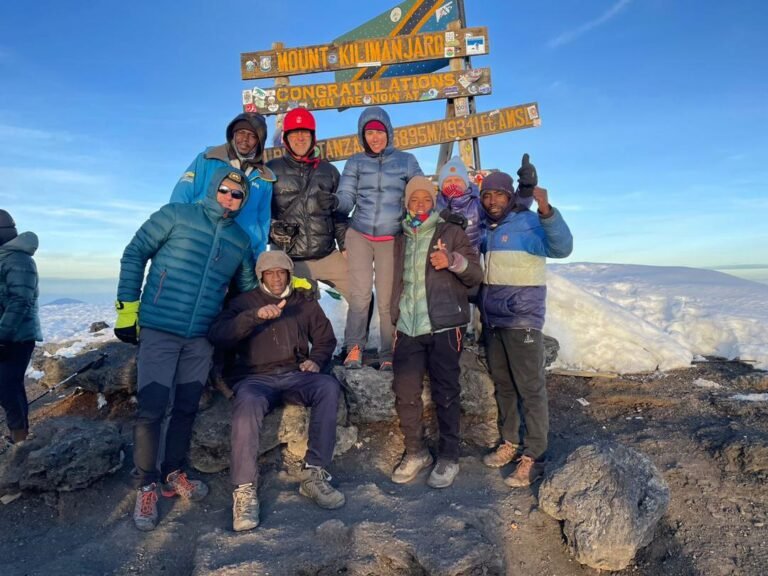
Kilimanjaro To Indian Ocean Cycling Expedition – Mountain-To-Beach Bike
Kilimanjaro to Indian Ocean Cycling Expedition – Mountain-to-Beach Bike Adventure is explained with current 2026-2027 planning, price, itinerary and booking.
View package detailsKilimanjaro Bike + Serengeti Safari Adventure: Cycling, Wildlife & Mountain
Discover the thrill of a Kilimanjaro Bike + Serengeti Safari Adventure, a unique journey blending challenging cycling with the unparalleled wildlife spectacle of the Serengeti. This...
View package details
Shira Plateau Mountain Bike Day Tour – Cycle Kilimanjaro At High Altitude
Shira Plateau Mountain Bike Day Tour – Cycle Kilimanjaro at High Altitude is explained with current 2026-2027 planning, price, itinerary and booking.
View package details
West Kilimanjaro Bike Safari: Cycle With Wildlife, Maasai Culture & Mountain
Discover the unparalleled adventure of a West Kilimanjaro Bike Safari, combining exhilarating cycling with incredible wildlife encounters, authentic Maasai cultural experiences, and...
View package detailsKilimanjaro Mountain Bike Summit, Cycle To Uhuru Peak Via Kilema Route
Kilimanjaro Mountain Bike Summit, Cycle to Uhuru Peak via Kilema Route 2026-2027 is explained with current 2026-2027 planning, price, itinerary and booking.
View package details
Kilimanjaro 360 E-Bike Adventure – Electric Bike Circuit Around Mount
Discover the unique Kilimanjaro 360 E-Bike Adventure, a novel way to experience the landscapes surrounding Africa's highest peak. This guide covers routes, planning, and what to expect for...
View package detailsUltimate Kilimanjaro Multi-Adventure: Trek, Bike, Fly, Safari & Zanzibar
Combine the thrill of climbing Kilimanjaro with biking, flying over the plains, a wildlife safari, and relaxation on Zanzibar. This ultimate multi-adventure trip offers an unparalleled way...
View package detailsWest Kilimanjaro E-Bike Safari – Electric Cycling Through Maasai Country Guide
An e-bike safari through West Kilimanjaro offers an unparalleled blend of adventure, culture, and stunning scenery. Glide through Maasai lands on electric-assisted bicycles, experiencing...
View package details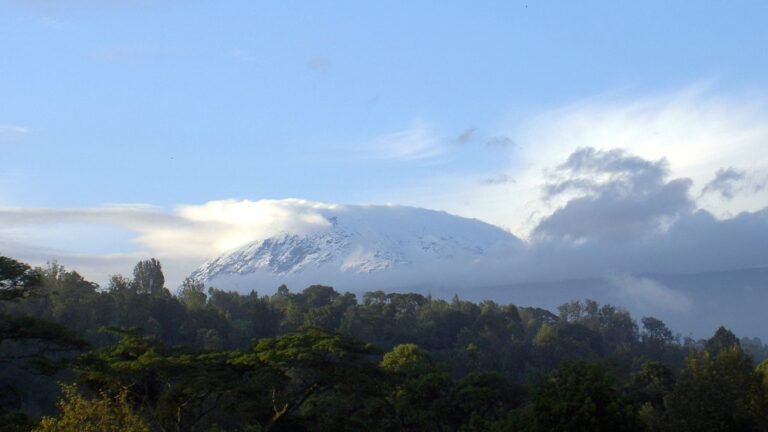
Kilimanjaro 360 Cycling Tour: Your Ultimate Bike Ride Trekking Package 2026
The Kilimanjaro 360 Cycling Tour offers an unparalleled way to experience the majestic Mount Kilimanjaro, combining challenging cycling with trekking elements. This package is designed for...
View package detailsMateruni Waterfalls, Coffee & Cycling Tour – Active Kilimanjaro Foothills Day
Materuni Waterfalls, Coffee & Cycling Tour – Active Kilimanjaro Foothills Day Trip is explained with current 2026-2027 planning, price, itinerary and booking.
View package detailsMoshi To Lake Chala Cycling Adventure: Kilimanjaro Foothills & Crater Ride
start a unique Moshi to Lake Chala cycling adventure, traversing the foothills of Mount Kilimanjaro and culminating at the stunning volcanic crater lake. This guide details the ride, its...
View package details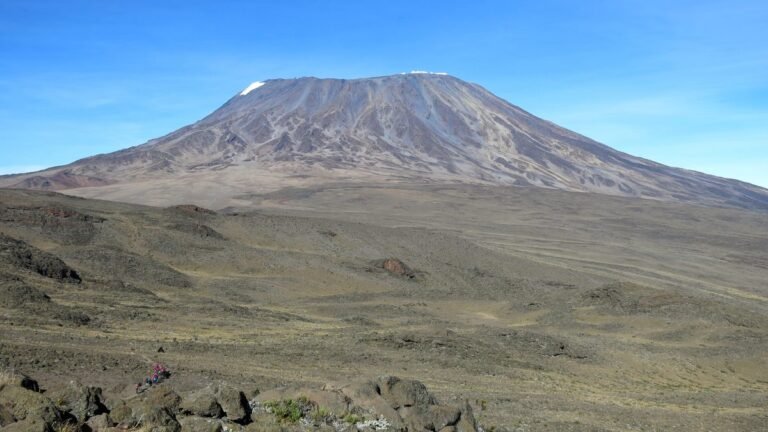
Kilimanjaro + Mount Meru Dual Summit Expedition: Your Ultimate Tanzania
Conquer two of Tanzania's most iconic peaks in one unforgettable journey with a Kilimanjaro and Mount Meru dual summit expedition. This comprehensive guide covers everything from route...
View package detailsNo related package matches those filters. Clear one or more filters to see the other topic-matched options.



