
A Kilimanjaro + Mount Meru dual summit expedition offers an unparalleled Tanzanian adventure, combining the challenge of Africa’s highest peak with the rugged beauty of its fifth highest. This expedition typically involves climbing Mount Meru first for crucial acclimatization before ascending Kilimanjaro, often taking around 10-14 days in total, with costs varying significantly based on route, duration, and inclusions. It’s an ideal choice for experienced trekkers seeking a more complete acclimatization strategy and a richer mountain experience in Tanzania.

Understanding the Dual Summit Appeal: Kilimanjaro & Mount Meru
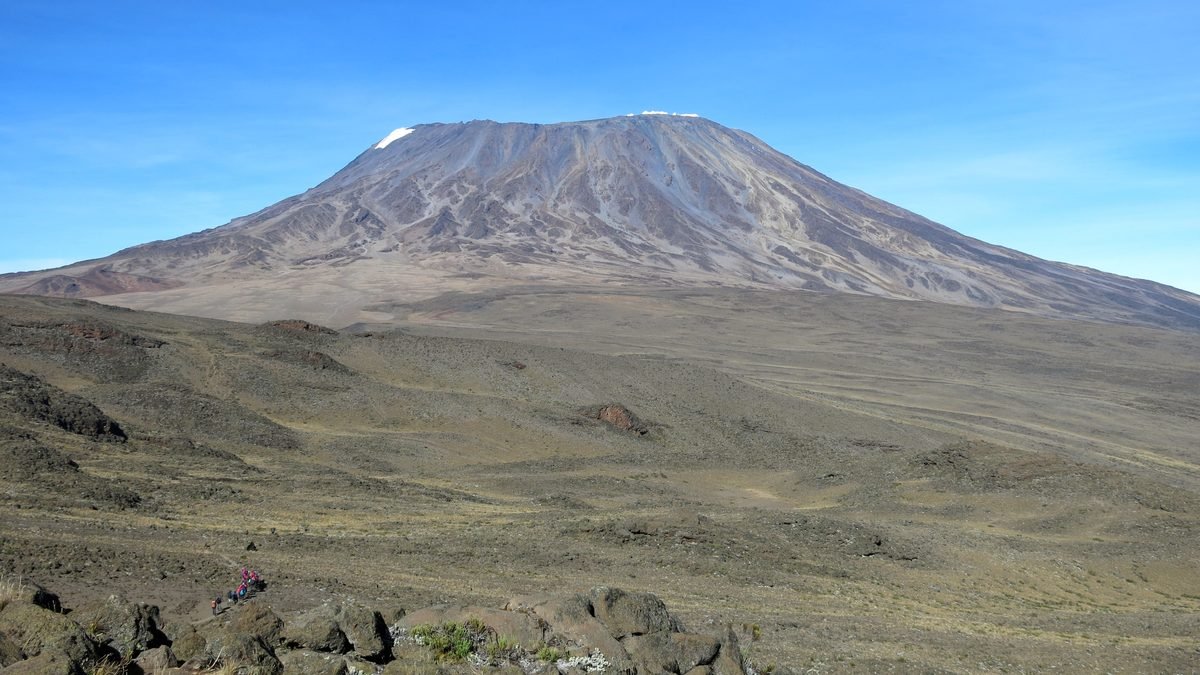
Embarking on a Kilimanjaro + Mount Meru dual summit expedition is more than just ticking off two mountains; it’s about experiencing the diverse grandeur of Tanzania’s high-altitude landscapes and significantly enhancing your chances of success on Kilimanjaro through superior acclimatization. Mount Meru, often called ‘the Little Kili’, stands at 4,566 meters (14,980 feet) and provides a formidable trekking challenge in its own right. Its location near Kilimanjaro makes it a logical and highly beneficial precursor to the main ascent.
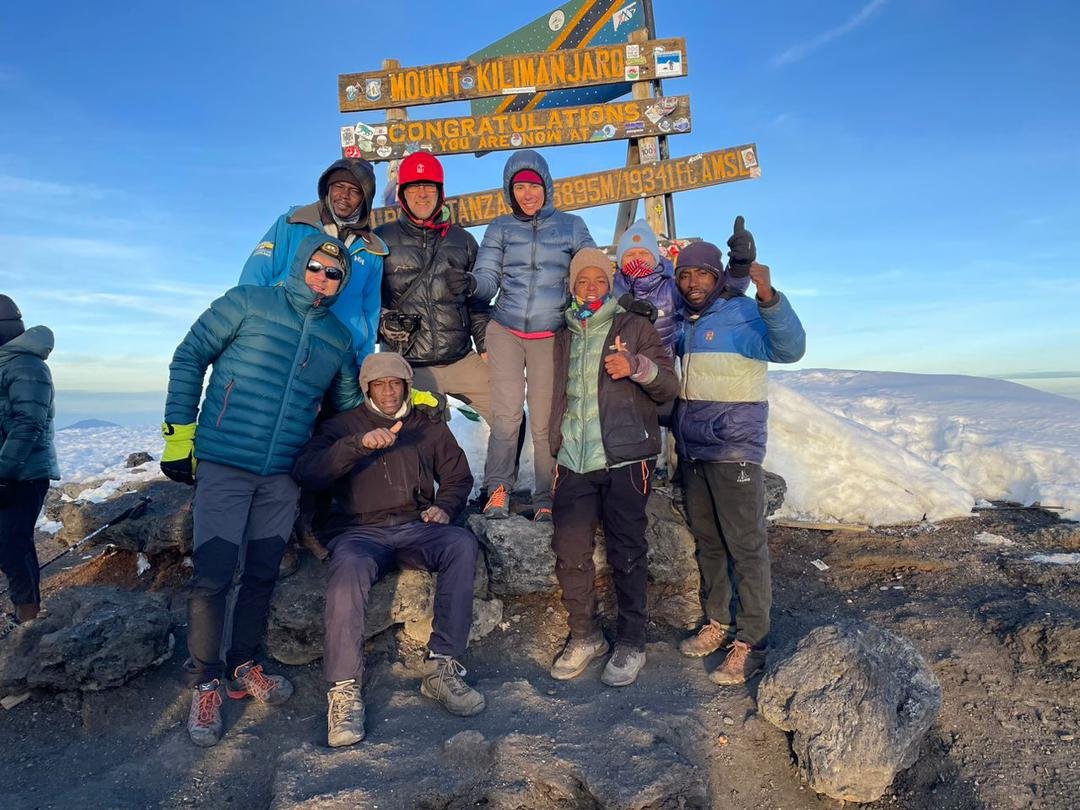
The appeal lies in the synergy. Climbing Meru first allows your body to adapt to altitude gradually. This isn’t just about feeling better; it’s a critical physiological process that reduces the risk of altitude sickness, a common concern on Kilimanjaro. By the time you begin your ascent of Kilimanjaro’s 5,895-meter (19,341 feet) peak, your body will have already experienced higher altitudes for several days, making the climb more comfortable and, statistically, more likely to end with you at Uhuru Peak.
This combined expedition is particularly suited for those who want to maximize their time in Tanzania’s stunning mountain environments, appreciate a more thorough acclimatization process, and seek a more comprehensive trekking adventure. It’s a commitment, typically requiring 10 to 14 days on the ground, but the rewards are immense, offering not just two summit successes but also incredible wildlife viewing opportunities on Meru’s lower slopes and a deeper connection with the Tanzanian highlands.
For travelers looking ahead to 2026 and 2027, planning a dual summit expedition requires early consideration. Popular dates, especially during the dry seasons, fill up quickly. Understanding the nuances of each mountain and how they complement each other is the first step towards an unforgettable journey.
Why start a Kilimanjaro + Mount Meru Dual Summit Expedition?
The decision to undertake a Kilimanjaro + Mount Meru dual summit expedition stems from a desire for a more robust and rewarding high-altitude experience. While climbing Kilimanjaro alone is a monumental achievement, adding Mount Meru elevates the entire adventure for several compelling reasons:
Superior Acclimatization Strategy
This is arguably the most significant advantage. Mount Meru, standing at 4,566 meters, serves as an excellent training ground and acclimatization peak for Kilimanjaro (5,895 meters). Spending several days at increasing altitudes on Meru allows your body to adjust more effectively to the lower oxygen levels. This gradual adaptation significantly reduces the risk of developing Acute Mountain Sickness (AMS), headaches, nausea, and fatigue that can derail a Kilimanjaro climb. Many trekkers who attempt Kilimanjaro without prior acclimatization struggle with these symptoms, whereas those who complete a Meru trek often report feeling much stronger and more comfortable on Kili.
Enhanced Chance of Summit Success on Kilimanjaro
Better acclimatization directly translates to a higher probability of reaching Uhuru Peak. By the time you commence your Kilimanjaro ascent, your respiratory and circulatory systems will be better prepared. This means less physical strain, clearer thinking at altitude, and a more enjoyable overall experience. For many, the dual expedition is an investment in their Kilimanjaro dream, making success more attainable.
A Richer Mountain Experience
Mount Meru is a beautiful mountain in its own right, part of Arusha National Park. Its trails offer diverse scenery, from lush rainforests teeming with wildlife (elephants, buffaloes, monkeys) on the lower slopes to dramatic volcanic landscapes and sheer cliffs as you ascend. The trek to Meru’s summit, often via the Rhino Point and Gillman’s Point route, is challenging and spectacular, providing a unique introduction to Tanzanian alpine environments that is distinct from Kilimanjaro’s routes.
The Thrill of Two Summits
Achieving two significant summit successes within a single trip is incredibly rewarding. It appeals to trekkers who enjoy the challenge and accomplishment of mountain climbing and want to maximize their high-altitude achievements in Tanzania. The sense of accomplishment from conquering both peaks is doubled.
Logistical Synergy
Both mountains are located in the Kilimanjaro Region of Tanzania, making them logistically convenient to combine. Tours are typically arranged starting from Moshi or Arusha, minimizing travel time between the two climbs. This allows for a more cohesive and efficient expedition plan, especially when working with experienced operators.
Appealing for 2026-2027 Planning
For those planning their adventures for 2026 and 2027, a dual expedition offers a more comprehensive itinerary. It allows for a deeper immersion into Tanzania’s natural beauty and a more deliberate approach to high-altitude trekking, setting it apart from a standard Kilimanjaro-only trip.
Comparing Kilimanjaro and Mount Meru: Key Differences
While both are majestic Tanzanian peaks, Kilimanjaro and Mount Meru offer distinct experiences. Understanding these differences is crucial for planning your dual summit expedition.
| Feature | Mount Meru (4,566m / 14,980 ft) | Mount Kilimanjaro (5,895m / 19,341 ft) |
|---|---|---|
| Altitude | Lower, excellent for acclimatization. | Africa’s highest, significant altitude challenge. |
| Trekking Duration | Typically 3-4 days. | Typically 5-9 days (depending on route). |
| Scenery & Environment | Lush rainforests, abundant wildlife (elephants, buffaloes, monkeys), dramatic cliffs, volcanic crater rim. Requires armed ranger escort on lower slopes due to wildlife. | Diverse zones: rainforest, moorland, alpine desert, arctic summit. Glaciers near the summit. Less wildlife directly on the main trekking routes. |
| Technical Difficulty | Moderate trekking, with some steep, rocky sections and exposure near the summit (Rhino Point/Gillman’s Point). Can be physically demanding. | Non-technical trekking, but very demanding due to altitude, distance, and steep scree slopes (especially Stella Point/Uhuru Peak approach). |
| Acclimatization Benefit | Excellent precursor to Kilimanjaro. | The primary goal for many, requires careful acclimatization. |
| Crowds | Significantly fewer trekkers. | Can be very crowded, especially on popular routes like Machame and Marangu. |
| Park Fees & Logistics | Arusha National Park fees. Requires park rangers for safety. | Kilimanjaro National Park fees (higher). Well-established infrastructure for trekking. |
| Summit Views | Spectacular views of Kilimanjaro on clear days, surrounding plains. | Panoramic views across Tanzania and Kenya (weather permitting), sunrise over the clouds. |
| Typical Expedition Length (Combined) | ~10-14 days (Meru + Kili). | ~7-13 days (standard Kili + travel). |
Planning Your Kilimanjaro + Mount Meru Dual Summit Expedition
Successfully planning a Kilimanjaro + Mount Meru dual summit expedition involves several key considerations. The logistical flow, timing, and preparation are crucial for a safe and enjoyable experience.
Choosing the Right Time to Go (2026-2027)
Tanzania has distinct seasons, and the best time for trekking is during the dry periods. These offer the most stable weather, clear skies, and better trail conditions.
- Peak Dry Seasons: January-March and June-October. These months generally offer the best trekking conditions for both mountains. January and February are particularly popular, offering clear skies and milder temperatures.
- Shoulder Seasons: April-May (long rains) and November-December (short rains). While you can still trek, expect rain, mud, and potentially cloudier conditions. These months may offer fewer crowds and slightly lower prices, but the weather is less predictable.
For 2026 and 2027, booking during the peak dry seasons is highly recommended for a dual expedition to maximize your chances of good weather on both ascents. Popular dates, especially for Kilimanjaro, can book up months in advance, so early planning is key.
Duration of the Expedition
A typical Kilimanjaro + Mount Meru dual summit expedition requires a minimum of 10 days on the ground in Tanzania, excluding international travel time. This usually breaks down as:
- Mount Meru Climb: 3 to 4 days.
- Rest/Transfer Day: 1 day between climbs.
- Kilimanjaro Climb: 5 to 7 days (depending on the chosen route).
Adding a day or two for buffer, acclimatization, or enjoying the local culture around Moshi or Arusha is always advisable. A 12-14 day itinerary allows for a more relaxed pace and better acclimatization.
Choosing Your Kilimanjaro Route
When combining with Meru, the choice of Kilimanjaro route becomes even more important for acclimatization. Longer routes are generally preferred.
- Recommended for Dual Expeditions: Lemosho, Machame, and Northern Circuit. These routes are longer (7-9 days), offer better acclimatization profiles, and are considered more scenic. The longer duration allows your body to adjust more gradually to the extreme altitude.
- Less Recommended: Marangu and Rongai (5-6 days). While possible, these shorter routes offer less acclimatization, which might negate some of the benefits gained from climbing Meru. If time is a constraint, they can be options, but longer is always better for acclimatization.
Considering a 7-day Machame or Lemosho route after Meru provides a solid 10-11 day total trekking experience, offering an excellent balance of acclimatization and challenge.
Permits and Park Fees
Ensure your tour operator handles all necessary permits and park fees for both Arusha National Park (for Meru) and Kilimanjaro National Park. These fees are substantial and are a significant part of the overall expedition cost. For 2026-2027 climbs, confirm that the quoted prices include all mandatory park fees and ranger salaries.
Logistics and Transfers
Your operator should arrange airport transfers, accommodation before and after the climbs, and transportation between your hotel and the respective park gates. For a dual expedition, this includes the transfer from the Meru region to your starting point for Kilimanjaro.
Guides and Support Crew
For a Kilimanjaro + Mount Meru dual summit expedition, you’ll need experienced guides, assistant guides, cooks, and porters for both mountains. Ensure the crew is well-trained, properly equipped, and treated ethically. Look for operators who prioritize porter welfare.
Crafting Your Itinerary: Meru First, Then Kili
The standard and most effective approach for a Kilimanjaro + Mount Meru dual summit expedition is to climb Mount Meru first. This maximizes the acclimatization benefits before tackling the higher Kilimanjaro.
Typical 10-Day Itinerary Example (Meru 4-Day + Kili 6-Day)
This is a condensed example. Many operators offer slightly longer options for each mountain, which are highly recommended for better acclimatization.
- Day 1: Arrival in Tanzania & Transfer to Arusha/Moshi
Arrive at Kilimanjaro International Airport (JRO). Transfer to your hotel in Arusha or Moshi. Briefing about the upcoming expedition. - Day 2: Arusha National Park & Mount Meru Trek Start (Miriakamba Hut)
Morning drive to Arusha National Park. Meet your guides and porters. Begin the trek to Miriakamba Hut (2,100m). The hike passes through beautiful rainforests, with opportunities to see wildlife. - Day 3: Miriakamba Hut to Saddle Hut (3,500m)
Continue ascending through montane forest and then into moorland. The landscape becomes more rugged. Saddle Hut is the base for the summit attempt. - Day 4: Meru Summit (4,566m) & Descent to Miriakamba Hut
An early start for the summit push via Rhino Point and Gillman’s Point. Enjoy sunrise and views of Kilimanjaro. Descend back to Miriakamba Hut for the night. This is a long and demanding day. - Day 5: Descent to Arusha National Park Gate & Transfer to Moshi
Complete the descent to the park gate. Meet your vehicle and transfer to Moshi town. Rest and prepare for Kilimanjaro. - Day 6: Kilimanjaro Trek Start (Machame Route – e.g., Machame Camp, 3,050m)
After breakfast, drive to the Machame Gate (1,640m). Begin the trek through the rainforest to Machame Camp. - Day 7: Machame Camp to Shira 2 Camp (3,850m)
Ascend through moorland with increasingly stunning views. - Day 8: Shira 2 Camp to Barranco Camp (3,950m) via Lava Tower
A day of acclimatization, climbing to Lava Tower (4,600m) before descending to Barranco Camp. This ‘climb high, sleep low’ strategy is vital. - Day 9: Barranco Camp to Karanga Camp (4,035m)
Cross the dramatic Barranco Wall (a challenging scramble) to reach Karanga Camp. - Day 10: Karanga Camp to Barafu Camp (4,640m)
Ascend through alpine desert towards Barafu Camp, the base for the summit push. Rest in preparation for the midnight start. - Day 11: Barafu Camp to Summit (Uhuru Peak, 5,895m) & Descent to Mweka Camp (3,100m)
An extremely early start (around midnight) for the summit. Reach Stella Point, then Uhuru Peak. Descend past Barafu Camp to Mweka Camp. This is the longest and most challenging day. - Day 12: Mweka Camp to Mweka Gate & Transfer to Hotel
Descend through the rainforest to Mweka Gate. Receive your summit certificates. Transfer back to your hotel in Moshi. Celebration. - Day 13: Departure or Further Exploration
Transfer to Kilimanjaro International Airport (JRO) for your departure, or continue with a safari or Zanzibar holiday.
Note: This is a sample. The exact itinerary will depend on the operator and the chosen Kilimanjaro route. For 2026-2027, consider longer Kilimanjaro routes (7-8 days) for optimal acclimatization.
Essential Preparation: Gear, Fitness, and Health
Preparing for a Kilimanjaro + Mount Meru dual summit expedition demands thoroughness in several areas.
Physical Fitness
Both climbs are physically demanding, primarily due to the altitude and duration. Focus on cardiovascular fitness and leg strength. Activities like hiking with a backpack, running, cycling, and stair climbing are beneficial. Train on hills or stairs whenever possible, simulating the ascents you’ll encounter.
Mental Preparation
High-altitude trekking tests mental fortitude. Be prepared for challenging conditions, including cold, fatigue, and potential discomfort. A positive attitude and perseverance are as crucial as physical fitness.
Gear Checklist
Layering is key for managing temperature fluctuations. Most operators provide a detailed gear list, but here are the essentials:
- Clothing: Moisture-wicking base layers, insulating mid-layers (fleece), waterproof and windproof outer shell (jacket and trousers), thermal underwear, warm socks (wool or synthetic), gloves (liner and heavy-duty), warm hat, sun hat.
- Footwear: Broken-in, waterproof hiking boots. Camp shoes or trainers for evenings.
- Sleeping Gear: A warm sleeping bag (rated to -15°C or -20°C recommended for Kilimanjaro summit night), sleeping bag liner. Many operators provide tents.
- Trekking Gear: Backpack (50-70 liters), daypack (20-30 liters), trekking poles, headlamp with extra batteries, water bottles or hydration reservoir (at least 3 liters capacity), sunglasses, high SPF sunscreen, lip balm with SPF.
- Personal Items: First-aid kit (including altitude sickness medication like Diamox, consult your doctor), toiletries, camera, power bank, snacks.
Important Note on Gear for Dual Expeditions:
While you might use some gear for both mountains, ensure you have sufficient warm layers, especially for Kilimanjaro’s summit night, which can be significantly colder than Meru’s. Pack and check your gear thoroughly before arriving in Tanzania for your 2026-2027 adventure.
Health and Vaccinations
Consult your doctor or a travel clinic 4-6 weeks before your trip. Discuss recommended vaccinations for Tanzania (e.g., Yellow Fever, Hepatitis A, Typhoid) and malaria prophylaxis. Most importantly, discuss altitude sickness prevention and treatment, including prescription medication like Diamox (acetazolamide). Ensure you have adequate travel insurance that covers high-altitude trekking and emergency medical evacuation.
Visa and Travel Documents
Check visa requirements for Tanzania for your nationality. Ensure your passport is valid for at least six months beyond your intended stay and has sufficient blank pages. Carry copies of important documents separately.
Costs and Budgeting for a Dual Expedition
The cost of a Kilimanjaro + Mount Meru dual summit expedition is higher than a solo Kilimanjaro climb due to the additional days, permits, park fees, and crew required for Mount Meru. Prices can vary significantly based on the operator, the chosen Kilimanjaro route, group size, and what’s included.
Key Cost Components:
- Park Fees: These are substantial and mandatory for both Kilimanjaro National Park and Arusha National Park. For 2026-2027, expect these to be a significant portion of the total cost.
- Guide and Crew Fees: Salaries for guides, assistant guides, cooks, and porters. Ethical operators pay fair wages.
- Accommodation: Hut accommodation on the mountains, and hotel accommodation in Arusha/Moshi before and after treks.
- Food: Meals provided on the mountain and during your stay in town.
- Transportation: Transfers from the airport, to/from park gates.
- Equipment: Tents, cooking equipment.
- Operator’s Margin: Overhead, administration, marketing.
Budgeting Ranges (Estimates for 2026-2027):
- Budget Operators: May start from $2,500 – $3,500 USD per person for a combined expedition. These often have fewer inclusions, larger groups, and may cut costs on crew welfare or equipment quality.
- Mid-Range Operators: Typically range from $3,500 – $5,000 USD per person. These offer a good balance of quality, service, safety, and inclusions, often with better acclimatization protocols and crew treatment. This is generally the recommended category for a dual expedition.
- High-End/Luxury Operators: Can range from $5,000+ USD per person. They offer superior comfort, smaller groups, more personalized service, and potentially higher guide-to-client ratios.
Important Considerations for Budgeting:
- Inclusions: Always check what is included. Tips for the crew are usually extra. Flights, visas, travel insurance, personal gear, and personal expenses are typically not included.
- Group vs. Private: Group departures are usually cheaper than private expeditions.
- Kilimanjaro Route Length: Longer Kilimanjaro routes increase the overall cost.
- Operator Reputation: Choose operators with a strong safety record and ethical practices. The cheapest option is rarely the best for a challenging high-altitude trek.
For specific pricing and detailed itineraries for 2026 or 2027, it is best to contact operators directly. Provide them with your desired dates, number of participants, and preferred Kilimanjaro route for a tailored quote.
Booking Your Kilimanjaro + Mount Meru Dual Summit Expedition
Selecting the right tour operator is paramount for a safe, enjoyable, and successful Kilimanjaro + Mount Meru dual summit expedition. With two significant climbs involved, reliable support, experienced guides, and robust safety protocols are non-negotiable.
Key Factors When Choosing an Operator:
- Safety Record: Look for operators with a proven track record of safety, including emergency oxygen, comprehensive first-aid kits, and well-trained guides who know how to manage altitude sickness.
- Guide Experience: Ensure guides are certified, experienced in high-altitude trekking, and proficient in English.
- Acclimatization Strategy: A good operator will recommend longer routes for Kilimanjaro and will have a solid plan for acclimatization on both mountains. They should be transparent about their approach.
- Crew Welfare: Ethical treatment of porters and guides is crucial. Look for operators who pay fair wages, provide adequate food and shelter, and limit porter loads. Organizations like KPAP (Kilimanjaro Porters Assistance Project) can help identify responsible operators.
- Inclusions: Carefully review what is included in the price. Ensure all park fees, permits, meals, accommodation, and transfers are covered, and understand what is excluded (e.g., tips, personal gear).
- Reviews and Reputation: Check independent reviews on platforms like TripAdvisor, but also look for testimonials and feedback directly from past clients.
The Booking Process:
When you are ready to book your Kilimanjaro + Mount Meru dual summit expedition for 2026 or 2027, follow these steps:
- Contact Operators: Reach out to a few reputable operators (like Climb 4 Africa) with your desired dates, number of travelers, and any specific route preferences.
- Request Detailed Itineraries and Quotes: Ask for comprehensive day-by-day itineraries, a list of inclusions/exclusions, crew-to-client ratios, and pricing.
- Ask Questions: Don’t hesitate to ask about safety protocols, acclimatization, crew welfare, and what happens in case of an emergency.
- Compare Offers: Evaluate the offers based on the factors above, not just price. The cheapest option often comes with compromises that can impact safety and enjoyment.
- Confirm Dates and Availability: Especially for peak seasons in 2026-2027, confirm availability and book well in advance.
- Deposit and Final Payment: Operators typically require a deposit to secure your booking, with the balance due closer to your departure date (often 30-60 days prior).
- Pre-Trip Information: Once booked, the operator will provide detailed pre-trip information, including packing lists, training advice, and arrival instructions.
Ready to Plan Your Dual Summit Adventure?
Climb 4 Africa specializes in crafting unforgettable Kilimanjaro + Mount Meru dual summit expeditions, offering expert local knowledge and a commitment to safety and client satisfaction. We can help you tailor an itinerary for 2026 or 2027 that maximizes your acclimatization and enjoyment.
To get started or to discuss your specific needs, please reach out:
- WhatsApp: +255 747 477 898
- Email: climb4africa@gmail.com
Let us help you plan the ultimate Tanzanian mountain adventure, combining the majesty of Kilimanjaro with the rewarding challenge of Mount Meru.
Frequently Asked Questions about Dual Summit Treks
Q1: Is climbing Mount Meru before Kilimanjaro truly necessary?
While not strictly ‘necessary’ for every trekker, it is highly recommended for significantly improving acclimatization and increasing the chances of summiting Kilimanjaro. Meru provides an excellent physiological preparation, reducing the risk and severity of altitude sickness. It adds an incredible experience to your trip.
Q2: How much longer does a dual expedition take compared to just Kilimanjaro?
A dual expedition typically adds 3-4 days for the Meru climb, plus a rest/transfer day. So, budget an extra 4-5 days in Tanzania. A standard 7-day Kilimanjaro trek combined with Meru would make for a 10-11 day trekking itinerary, plus arrival/departure days.
Q3: What is the best Kilimanjaro route to combine with Mount Meru?
Longer routes like the Lemosho, Machame, or Northern Circuit are ideal. They offer more days for acclimatization, which is crucial when you’ve already completed Meru. These routes also provide more scenic beauty and a better overall trekking experience.
Q4: Can I combine Meru and Kilimanjaro in a shorter timeframe, say 8-9 days?
It’s technically possible to do a very short Meru (3 days) and a very short Kili (5 days) back-to-back, but this is strongly discouraged. It negates the primary benefit of the dual expedition – improved acclimatization. Rushing both climbs significantly increases the risk of altitude sickness and summit failure. We recommend at least 10-12 days for the trekking portions alone for a safe and enjoyable experience.
Q5: What is the cost difference between a single Kilimanjaro climb and a dual expedition?
A dual expedition will typically cost between $500 to $1,500 USD more per person than a standard Kilimanjaro climb with the same operator, depending on the specific routes and inclusions. This covers additional park fees, guide/crew costs, food, and days on the mountain.
Q6: Is Mount Meru dangerous?
Mount Meru is a challenging mountain with steep sections and exposure near the summit. There are also wildlife risks (elephants, buffaloes) on the lower slopes, which is why an armed ranger accompanies every group. However, with experienced guides, proper preparation, and adherence to safety protocols, it is a safe trek. The risks are managed by reputable operators.
Q7: What about the best time to plan my 2026-2027 dual expedition?
The dry seasons are best: January-March and June-October. These months offer the most stable weather for both mountains. Booking early for 2026 and 2027 is essential, especially for the peak months.
Q8: What if I experience altitude sickness on Meru?
Your guides are trained to recognize and manage altitude sickness. If symptoms are mild, they may recommend rest or descent. If severe, immediate descent is required. If this happens, your operator will assist with evacuation and re-assessment for Kilimanjaro. This is another reason why an experienced operator is vital.
Q9: Do I need special climbing gear for Mount Meru?
No, the gear required for Mount Meru is similar to Kilimanjaro: sturdy hiking boots, warm layers, waterproofs, a good sleeping bag, and trekking poles. The technical difficulty is manageable with standard trekking equipment. Ensure your gear is robust enough for potentially colder conditions on Meru’s summit than Kilimanjaro’s lower camps.
Q10: What is the wildlife like on Mount Meru?
Arusha National Park, where Meru is located, is known for its diverse wildlife. On the lower slopes, you can encounter elephants, buffaloes, giraffes, zebras, various monkey species, and diverse birdlife. An armed ranger accompanies treks to ensure safety from larger animals.
The Ultimate Tanzanian Mountain Challenge
Undertaking a Kilimanjaro + Mount Meru dual summit expedition is a significant undertaking that promises an extraordinary adventure. By strategically combining these two iconic Tanzanian peaks, you not only prepare your body for the ultimate challenge of Kilimanjaro but also experience the diverse and stunning landscapes of East Africa. The enhanced acclimatization, increased summit success rates, and the sheer thrill of conquering two mountains make this expedition a truly rewarding experience for dedicated trekkers. Careful planning, choosing the right operator, and committing to thorough preparation are the keys to making your 2026-2027 dual summit dream a reality. With Climb 4 Africa, you have a partner dedicated to guiding you safely and successfully through this incredible journey.
Check Availability for Kilimanjaro + Mount Meru Dual Summit Expedition: Your Ultimate Tanzania
Ready to compare dates, prices, and the best option for your group? Send the package name and travel month so the team can reply with a clear quote, availability, and what is included.
Kilimanjaro 1 May : Your Day Mountain Adventure Awaits 2027
start an unforgettable Kilimanjaro 1 May 2027 adventure. This guide details everything you need to know for a successful May Day climb, from route selection to essential preparation.
View package details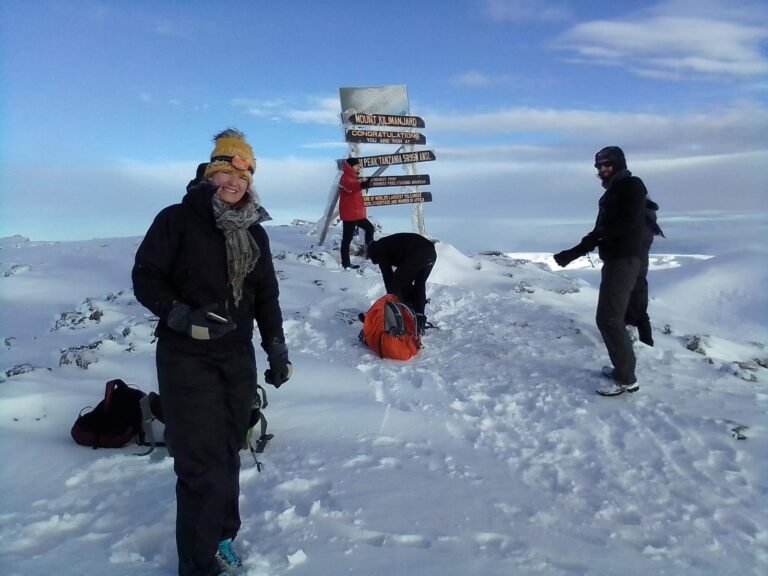
Easter Sunday Kilimanjaro Summit – 28 March Trekking Adventure 2027
start an extraordinary journey to the Roof of Africa by aiming for the summit of Kilimanjaro on Easter Sunday, March 28, 2027. This unique timing offers a blend of spiritual significance...
View package details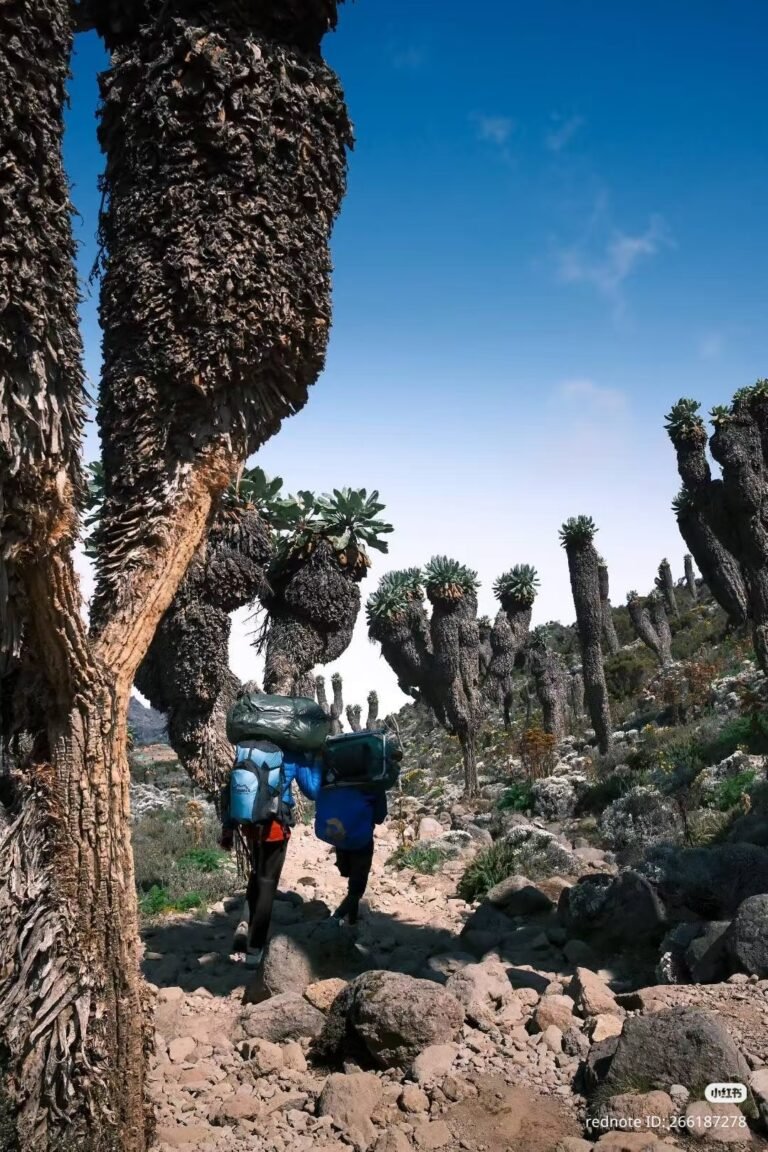
Kilimanjaro Christmas Climb And Tanzania Safari : Your Festive Adventure
Combine the magic of a Christmas ascent of Kilimanjaro with a thrilling Tanzania safari in 2026. Discover how to plan this dual adventure for a truly unique festive season.
View package details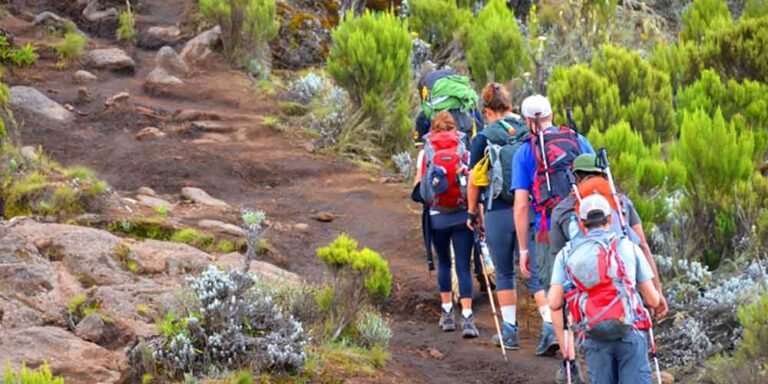
Northern Circuit – 10 July Dry-Season Expedition: Your Ultimate Kilimanjaro
Plan your Northern Circuit expedition for July 10, 2027. This dry-season adventure offers the most scenic and gradual ascent on Kilimanjaro, maximizing acclimatization and success rates.
View package details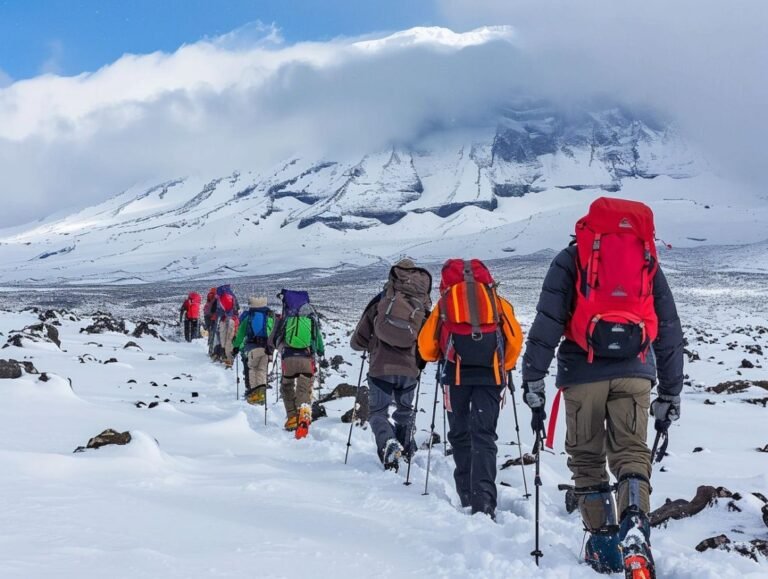
Lemosho Route – 7 August Summer Group Climb: Your Kilimanjaro Adventure 2027
start a memorable Lemosho Route – 7 August 2027 Summer Group Climb up Mount Kilimanjaro. This guide covers the itinerary, acclimatization, and preparation for your ascent.
View package details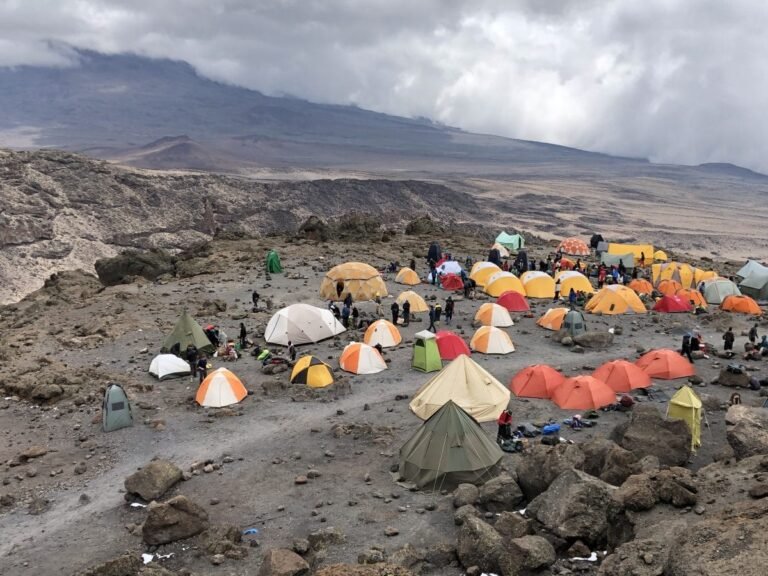
Family Kilimanjaro Climb August : Your Summer Holiday Adventure 2027
start an unforgettable Family Kilimanjaro Climb during August 2027. This guide covers the best routes, essential planning, and tips for a successful summer holiday ascent.
View package details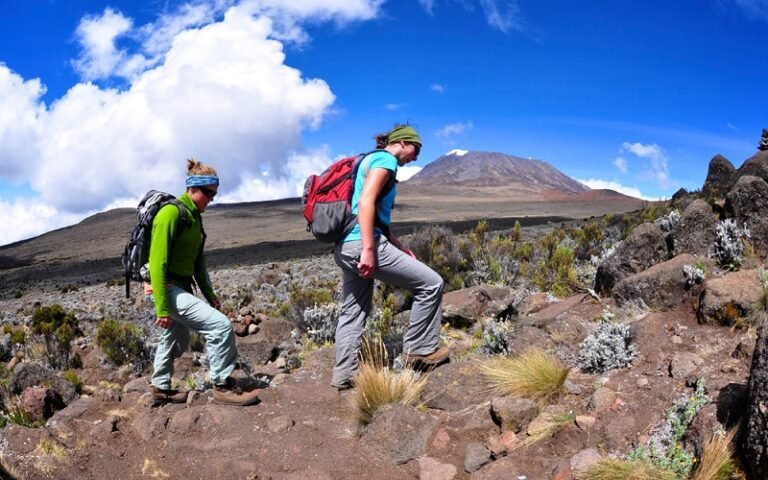
Kilimanjaro And Mara River Crossing Safari August : Peak Season Adventure 2027
Combining the ultimate challenge of climbing Mount Kilimanjaro with the awe-inspiring spectacle of the Great Migration river crossing in the Maasai Mara offers an unparalleled African...
View package details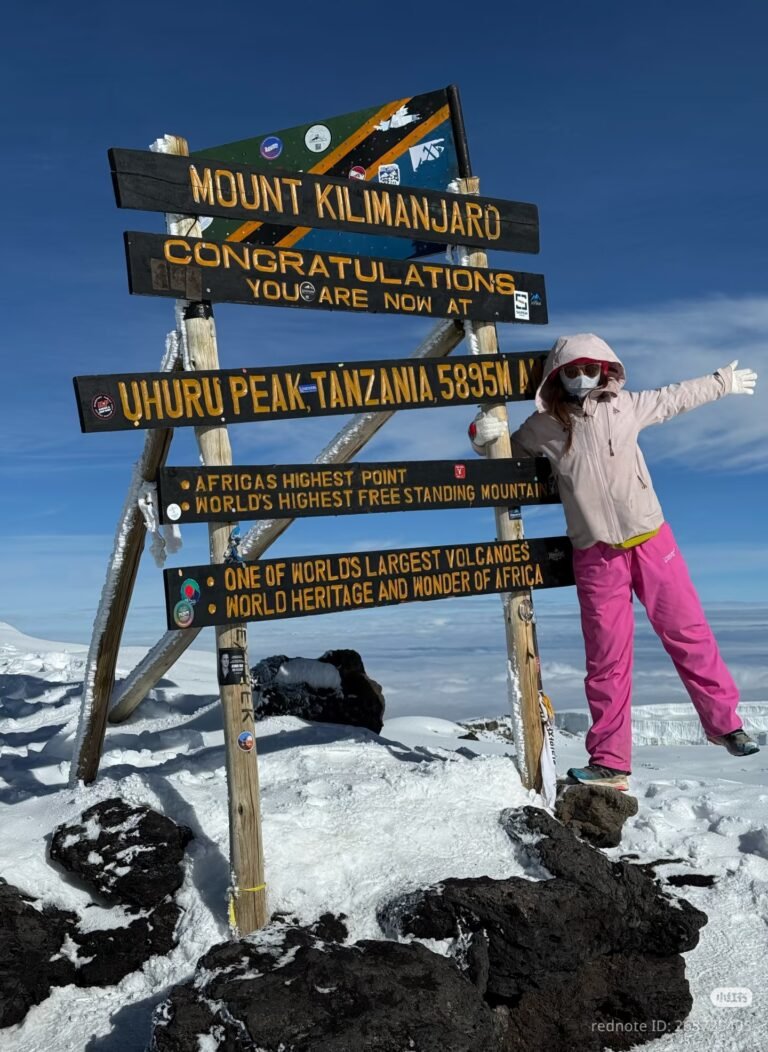
Kilimanjaro And Great Migration Safari August : Your Peak Season Adventure
Plan your ultimate Tanzanian adventure in August 2027, combining a Kilimanjaro climb with the spectacle of the Great Migration. This guide details the best timings, routes, and safari...
View package detailsUk August Bank Holiday Kilimanjaro Climb : Your Peak Season Adventure 2027
Planning a UK August Bank Holiday Kilimanjaro Climb in 2027 offers a prime opportunity to ascend Africa's highest peak during a favourable season. This guide details how to make the most of...
View package detailsKilimanjaro Full Moon Climb August – Summit Around 17 2027
start an unforgettable Kilimanjaro Full Moon Climb in August 2027, targeting a impressive summit on or around August 17th. This guide covers optimal routes, August conditions, and essential...
View package detailsNorthern Circuit – 2 August Kilimanjaro Expedition: Your Ultimate Guide 2027
start the Northern Circuit route for your 2027 Kilimanjaro climb. This guide details the longest and most scenic path, ideal for acclimatization and success on August 2nd, 2027.
View package detailsKilimanjaro And Great Migration Safari July : Your Ultimate Tanzanian
Combining a Kilimanjaro climb with a Great Migration safari in July 2027 offers a spectacular Tanzanian adventure. This guide helps you plan your ideal itinerary, considering the best...
View package detailsNo related package matches those filters. Clear one or more filters to see the other topic-matched options.



