
A Kilimanjaro Christmas climb in 2026, followed by a Tanzania safari, offers a truly extraordinary way to celebrate the festive season, blending the achievement of summiting Africa’s highest peak with the wonder of wildlife encounters. This combination typically involves a 7-10 day trek on a route like Machame or Lemosho, culminating on or around December 25th, followed by a 3-5 day safari focusing on parks such as the Serengeti and Ngorongoro Crater. Booking this unique experience for 2026 requires planning well in advance, ideally 9-12 months ahead, to secure preferred dates and routes, especially given the holiday period.
The Unique Appeal of a Kilimanjaro Christmas Climb
Celebrating Christmas on Kilimanjaro in 2026 offers a profoundly different experience from the usual holiday traditions. Instead of snow-covered landscapes and festive markets, imagine a starlit sky, the crisp mountain air, and the profound satisfaction of reaching new heights. For many, the spiritual or personal significance of undertaking a challenging climb during a time of reflection and celebration adds an unparalleled dimension to the journey. The camaraderie among fellow climbers and guides, sharing festive meals and moments under the vast African sky, creates a unique bond that transcends typical holiday gatherings. It’s about embracing the spirit of adventure and discovery at a time when many are seeking comfort and connection.
The practical advantages of climbing Kilimanjaro around Christmas are also worth considering. December falls within the short rainy season, but it often transitions into drier weather towards the end of the month, offering generally good visibility and cooler temperatures compared to the peak dry seasons. While there’s a chance of rain, especially on the lower slopes, the higher altitudes usually experience snow. The festive atmosphere extends to the mountain communities and tour operators, who often put extra effort into making the holiday period special for their guests. Expect a few extra treats, perhaps a small decorated tree or a special Christmas meal prepared by the dedicated crew, making the experience memorable and heartwarming.
Choosing Your 2026 Christmas Kilimanjaro Route
Selecting the right route for your 2026 Christmas climb is crucial for acclimatization, enjoyment, and the overall success of your summit attempt. While all routes lead to the same summit, their length, difficulty, scenery, and success rates vary significantly. For a Christmas climb, routes that offer better acclimatization profiles are generally recommended, especially if you are less experienced with high-altitude trekking. The longer routes, typically 7 days or more, provide more gradual ascents, which are vital for allowing your body to adjust to the thinning air. This is particularly important when the weather can be unpredictable during the festive period.
Consider the trade-offs: shorter routes might seem appealing for time constraints, but they significantly increase the risk of altitude sickness and lower summit success rates. Longer routes, while requiring more time and potentially higher costs, offer a more comfortable acclimatization process and a higher probability of reaching Uhuru Peak. The beauty of combining a Kilimanjaro climb with a safari is that most operators offer packages where the climb is around 7-10 days, leaving ample time for the safari portion. For a Christmas climb in 2026, focusing on routes known for good acclimatization and scenic beauty will enhance both the trekking and the festive experience.
Machame Route
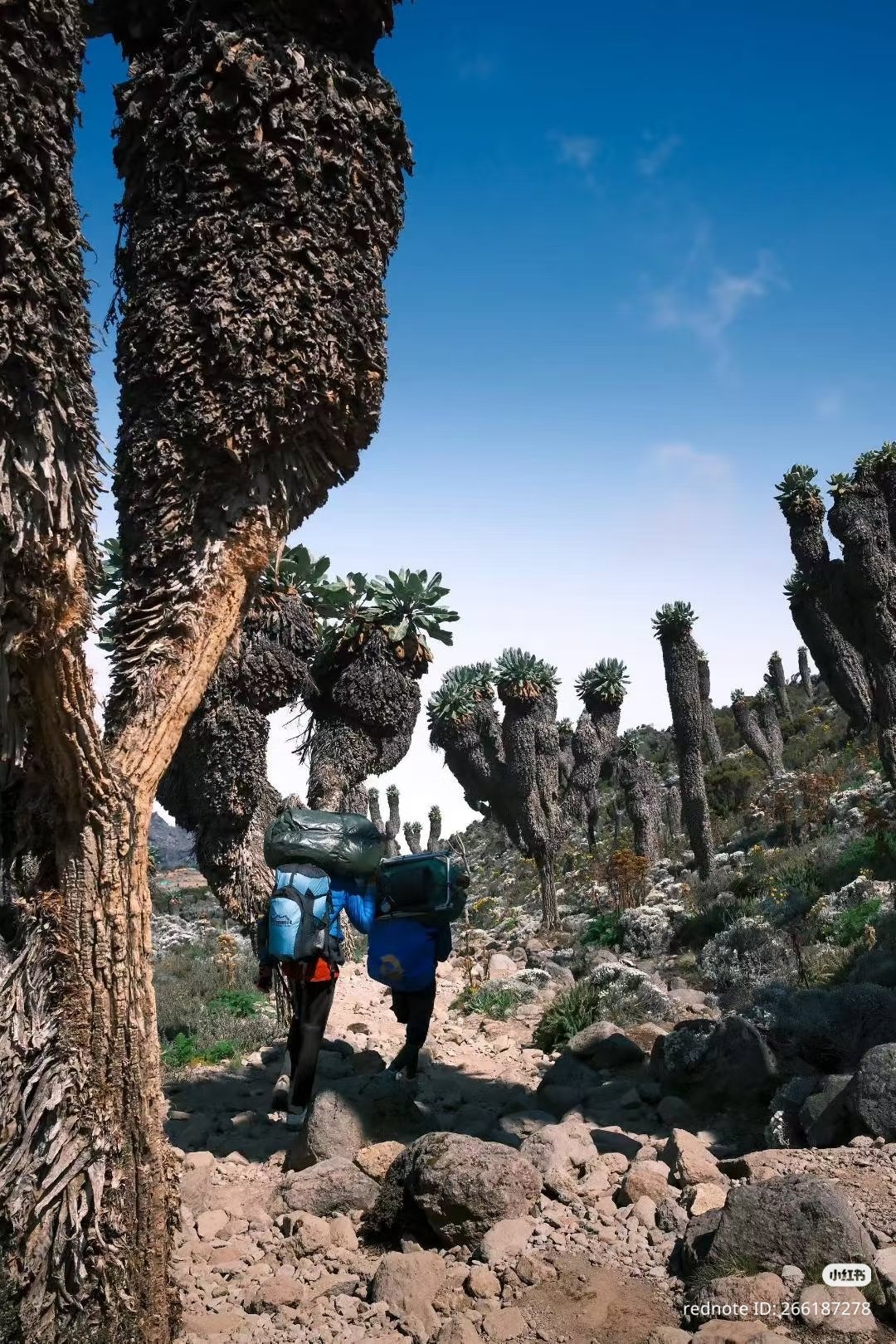
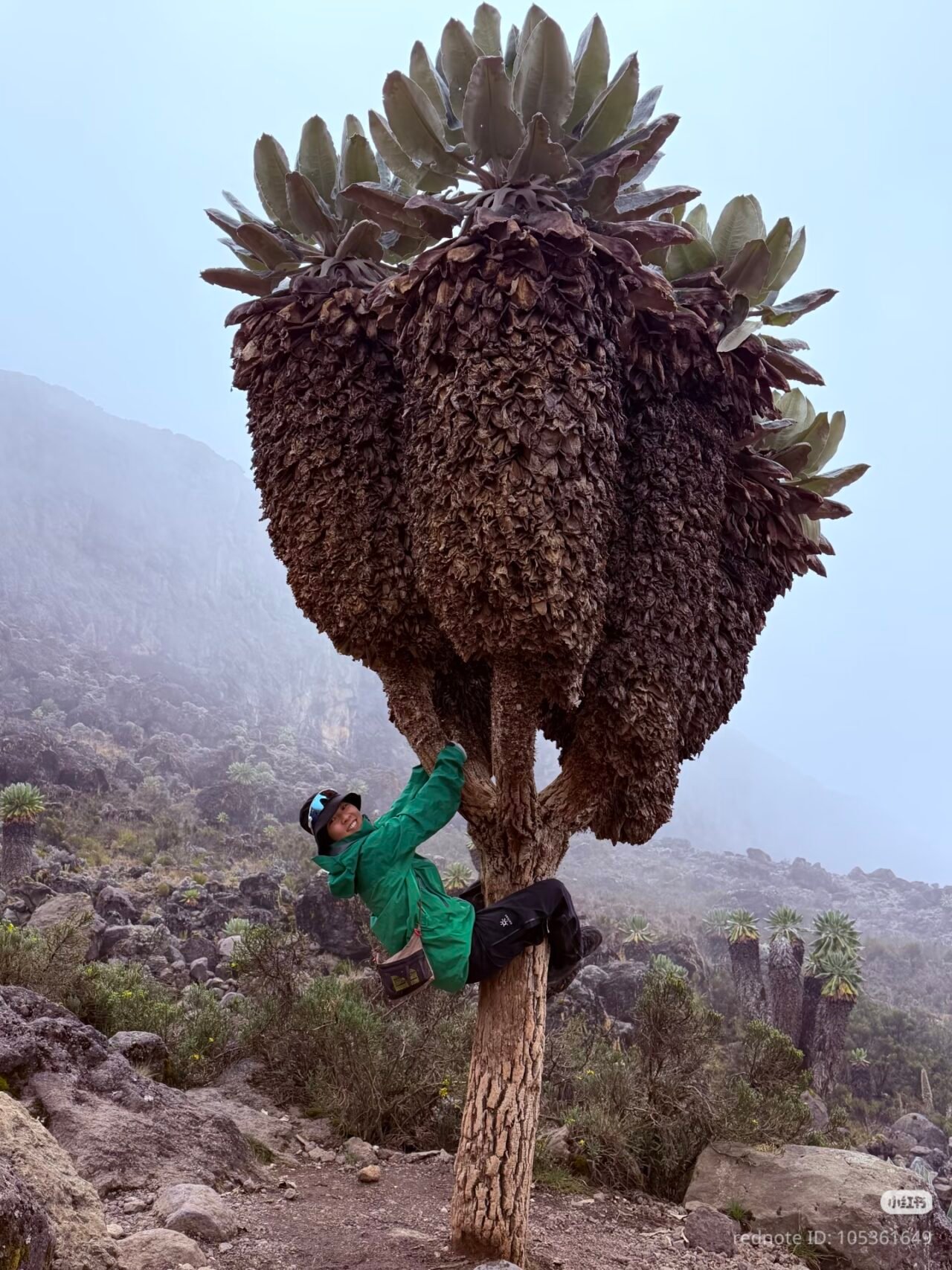
The Machame Route, often called the “Whiskey Route,” is one of the most popular choices, and for good reason. It’s known for its scenic beauty and excellent acclimatization profile, making it a strong contender for a 2026 Christmas climb. Typically offered as a 6-day or 7-day trek, the 7-day option is highly recommended for better acclimatization and increased summit success. It winds through diverse ecological zones, from rainforest to alpine desert and arctic summit. The route ascends gradually, offering opportunities for “climb high, sleep low,” a key principle in acclimatization. Its popularity means you’ll likely encounter other trekkers, which can add to the camaraderie, especially during the holiday season. However, it can be busier than less popular routes.
Lemosho Route
The Lemosho Route is often considered the most scenic and arguably the best route for acclimatization, especially when trekked over 7 or 8 days. It starts in the west, offering a more remote and wild experience in its initial stages, passing through pristine forests. The route then merges with the Machame route, benefiting from its well-trodden paths and established camps. The longer duration of Lemosho, typically 7-8 days, significantly improves acclimatization and summit success rates. For a Christmas 2026 climb, the Lemosho route provides a more tranquil start to your adventure before joining the main trekking paths. This route is generally more expensive due to its longer duration and the logistics involved in reaching the starting point.
Other Routes
While Machame and Lemosho are top choices for a combined Christmas climb and safari, other routes exist, each with its own advantages. The Marangu Route, or “Coca-Cola Route,” is the oldest and only route with hut accommodations, making it unique. However, it has a steeper ascent profile and lower success rates, making it less ideal for optimal acclimatization, especially during potentially challenging Christmas weather. The Rongai Route approaches from the north and is a good option if you’re concerned about rain, as it’s generally drier. It’s a more gradual ascent but less scenic in its early stages. For a Christmas 2026 climb, unless you prefer hut accommodation and are prepared for its challenges, the western routes like Machame or Lemosho are usually better bets for a successful and enjoyable experience.
Planning Your Tanzania Safari Extension
Following your Kilimanjaro Christmas climb in 2026, a Tanzania safari is the perfect way to decompress and witness the country’s incredible wildlife. The most sought-after safari destinations are located in northern Tanzania, forming the famed Northern Circuit. These parks are renowned for their high concentration of wildlife and stunning landscapes, offering a starkly beautiful contrast to the mountain’s rugged terrain. Planning this extension involves deciding which parks to visit, for how long, and what kind of experience you are seeking – whether it’s tracking the Great Migration, spotting the Big Five, or enjoying unique birdlife.
Given you’ll be finishing your climb around the Christmas period, your safari will likely take place in late December or early January 2027. This timing is excellent for the Serengeti, as the wildebeest migration often begins moving towards the western and central Serengeti during this time, though the river crossings are typically later in the year. The Ngorongoro Crater, a UNESCO World Heritage Site, offers exceptional game viewing year-round due to its self-contained ecosystem and high density of predators and herbivores. When planning your Kilimanjaro climb and Serengeti safari, consider the logistical flow between the mountain and the parks, which usually involves driving from Moshi or Arusha.
Serengeti National Park
The Serengeti is the heart of Tanzania’s safari experience, famous for its vast plains and the annual Great Migration of wildebeest and zebras. For a 2026/2027 Christmas safari, you’ll likely be exploring areas where the herds are regrouping or beginning their movement. Even without the peak migration river crossings, the Serengeti teems with resident wildlife, including lions, leopards, cheetahs, elephants, giraffes, and a myriad of bird species. A typical safari here might involve 2-3 days to cover different regions of the park, allowing ample time for game drives. Lodging options range from luxury tented camps to more comfortable lodges, offering different immersion levels into the wilderness.
Ngorongoro Crater
The Ngorongoro Crater is a natural wonder, a caldera formed by a collapsed volcano, now home to an astonishing array of wildlife within its 260-square-kilometer floor. It’s one of the best places in Tanzania to see the Big Five (lion, leopard, elephant, rhino, buffalo) in a single day, and its resident population of black rhinos is particularly notable. A day trip into the crater is a common and highly rewarding part of a Northern Circuit safari. Often, visitors stay at lodges on the crater rim, offering spectacular views, or in nearby Karatu. For your 2026/2027 trip, a visit here provides a concentrated wildlife viewing experience that complements the broader landscapes of the Serengeti.
Tarangire & Lake Manyara National Parks
Tarangire National Park is renowned for its large elephant herds and its iconic baobab trees, offering a different feel from the Serengeti. It’s particularly vibrant during the dry season, but wildlife is present year-round. Lake Manyara National Park, while smaller, is famous for its tree-climbing lions, diverse birdlife, and its beautiful acacia forests. A combination of Tarangire and Lake Manyara can be included in a 3-5 day safari package, often visited before or after the Serengeti and Ngorongoro. They provide excellent wildlife viewing and are logistically well-placed for travelers starting or ending their journey in Arusha.
Safari Duration and Style
For a combined Kilimanjaro climb and safari package in 2026, a typical safari extension ranges from 3 to 5 days. This allows for visits to at least two major parks, such as the Serengeti and Ngorongoro Crater, perhaps with a stop at Tarangire. The style of safari can vary from budget-friendly camping safaris to mid-range lodge safaris, and high-end luxury tented camps. For those who have just completed a challenging trek, a comfortable lodge or a well-appointed tented camp often provides a welcome respite. Your choice of vehicle (e.g., 4×4 Land Cruiser) and guide will significantly impact your experience, so partnering with an experienced operator like Climb 4 Africa is key to ensuring quality and smooth transitions.
Logistics and Timing for a 2026 Christmas Expedition
Planning a Kilimanjaro Christmas climb and Tanzania safari for 2026 requires careful attention to timing and logistics. The Christmas and New Year period is peak season for tourism in Tanzania, meaning flights and accommodations, especially on the mountain and in popular safari lodges, book up quickly. It is strongly advised to book your trip at least 9-12 months in advance for 2026 to secure your preferred dates, routes, and lodges. This also allows ample time for visa applications, vaccinations, and necessary gear purchases.
The typical itinerary would involve arriving in Tanzania a few days before your climb commences, usually around December 18th-20th, 2026, depending on your chosen route length. Your climb would then conclude around December 25th-28th, 2026. From there, you would transition directly to your safari portion, which could run from December 26th, 2026, through to January 2nd, 2027, or later, depending on your chosen safari duration. International flights usually arrive at Kilimanjaro International Airport (JRO), which serves both Arusha and Moshi, the primary gateways for Kilimanjaro treks and safaris.
Transfers between Kilimanjaro International Airport, your pre-climb hotel, the mountain’s starting point, and your safari starting point (usually Arusha) are typically managed by your tour operator. For those coming from abroad, consider flight schedules carefully. For example, if you’re looking for flights from Tokyo to Tanzania for your safari and Kilimanjaro climb, book these as early as possible. Similarly, if you’re connecting from other African hubs, understand the flight options and timings. A well-coordinated itinerary ensures smooth transitions, minimizing stress and maximizing enjoyment of your festive adventure.
What to Expect on Christmas Day on Kilimanjaro
Christmas Day on Kilimanjaro in 2026 is unlikely to resemble a traditional celebration, but it can be incredibly special in its own right. If your climb schedule places you on the mountain on December 25th, you will likely be trekking through some of the higher, more barren zones – perhaps the alpine desert or arctic zone. The focus will be on your acclimatization and progress towards the summit, which is usually attempted on the night of December 30th or 31st for routes that finish around Christmas, or on January 1st for climbs starting just before Christmas. Regardless, your climbing crew will make efforts to acknowledge the holiday.
Expect a special Christmas meal, which might include festive dishes prepared by the cooks using ingredients carried up the mountain. While you won’t have Christmas carols in the traditional sense, the camaraderie among climbers and guides, sharing stories and well wishes, creates a unique festive spirit. You might see small decorations at the mess tent or hear special songs sung by the porters and guides. The view from your campsite, especially if you are at a higher altitude like Kibo Hut or Barafu Camp, will be a impressive panorama of clouds and the African continent stretching below, a gift in itself. The real celebration often comes with reaching the summit, which for some Christmas climbers might fall on or around New Year’s Day, doubling the festive joy.
Packing for a Festive Climb and Safari
Packing for a Kilimanjaro Christmas climb and a subsequent Tanzania safari requires a layered approach, considering the extreme temperature variations on the mountain and the different needs for a safari. For Kilimanjaro, think in terms of a layering system: base layers (thermal underwear), mid-layers (fleece or down jacket), and outer layers (waterproof and windproof jacket and trousers). Essential items include sturdy, broken-in hiking boots, warm socks, gloves, a warm hat, and a sun hat. Headlamps with extra batteries are vital for summit night. For the festive aspect, a small, lightweight Christmas-themed item, like a festive buff or a small ornament to hang in your tent, can add a personal touch without adding significant weight.
For the safari portion in 2026/2027, the packing list shifts to more casual and comfortable clothing suitable for game drives and lodge stays. Lightweight, neutral-colored clothing (khaki, beige, green) is recommended as it blends in with the environment and doesn’t attract insects. Long-sleeved shirts and trousers are useful for sun protection and to ward off mosquitoes in the evenings. Binoculars are essential for wildlife viewing. Comfortable walking shoes are suitable for lodge grounds, but sturdy closed-toe shoes are generally preferred. Remember sun protection: high SPF sunscreen, sunglasses, and a wide-brimmed hat. A good quality camera with zoom lenses will be invaluable for capturing the wildlife. For both parts of your trip, ensure you have adequate personal medication, a basic first-aid kit, and insect repellent.
Key items for both:
- High-quality sleeping bag (rated to -20°C for Kilimanjaro)
- Waterproof duffel bag for your main gear
- Daypack (30-40 liters) for essentials during treks and drives
- Reusable water bottles or hydration reservoir
- Sunscreen, sunglasses, and sun hat
- Insect repellent
- Personal toiletries and medications
- Camera and extra batteries/power bank
- Binoculars (especially for safari)
- Warm hat and gloves (for Kilimanjaro)
- Waterproof and windproof outer layers (for Kilimanjaro)
When packing for a combined trip like this, consider the services offered by your tour operator. Climb 4 Africa provides high-quality tents, sleeping mats, and cooking equipment for the climb. They can also advise on specific clothing rentals if needed. For the safari, most operators provide vehicles and experienced guides, but you’ll need your personal items.
Booking Your Kilimanjaro Christmas Safari 2026
Securing your Kilimanjaro Christmas climb and Tanzania safari for 2026 is a significant step towards an unforgettable adventure. Due to the high demand for travel during the festive season, it’s essential to book as early as possible, ideally 9-12 months in advance. This ensures you get your preferred dates, routes, and safari lodges. When choosing an operator, look for one with a strong reputation for safety, experienced guides, ethical treatment of porters, and excellent logistical support. A local operator like Climb 4 Africa can provide invaluable insights and practical support, leveraging their on-the-ground knowledge to craft a smooth experience.
When you contact Climb 4 Africa for your Kilimanjaro Christmas Climb and Tanzania Safari 2026, be ready to discuss your desired climb duration, preferred route, and the type of safari experience you envision. They can help tailor a package that fits your budget and interests, whether you’re seeking a challenging climb with a fast-paced safari or a more relaxed itinerary. Key details to confirm include what is included in the climb package (e.g., park fees, crew wages, food, equipment) and what is included in the safari (e.g., park fees, vehicle, guide, accommodation, meals). Understanding these inclusions will help you budget effectively and avoid unexpected costs.
The next step after initial inquiry is usually a detailed consultation. You can reach Climb 4 Africa directly via WhatsApp at +255 747 477 898 or by email at climb4africa@gmail.com. They will guide you through the options, explain the booking process, and answer any specific questions you might have about climbing Kilimanjaro during the Christmas period or combining it with a safari in 2026-2027. Planning this unique festive adventure with experts ensures you’re well-prepared for an incredible journey.
Check Availability for Kilimanjaro Christmas Climb And Tanzania Safari : Your Festive Adventure
Ready to compare dates, prices, and the best option for your group? Send the package name and travel month so the team can reply with a clear quote, availability, and what is included.
Kilimanjaro And Great Migration Safari July : Your Ultimate Tanzanian
Combining a Kilimanjaro climb with a Great Migration safari in July 2027 offers a spectacular Tanzanian adventure. This guide helps you plan your ideal itinerary, considering the best...
View package details
Kilimanjaro And Great Migration Safari August : Your Peak Season Adventure
Plan your ultimate Tanzanian adventure in August 2027, combining a Kilimanjaro climb with the spectacle of the Great Migration. This guide details the best timings, routes, and safari...
View package details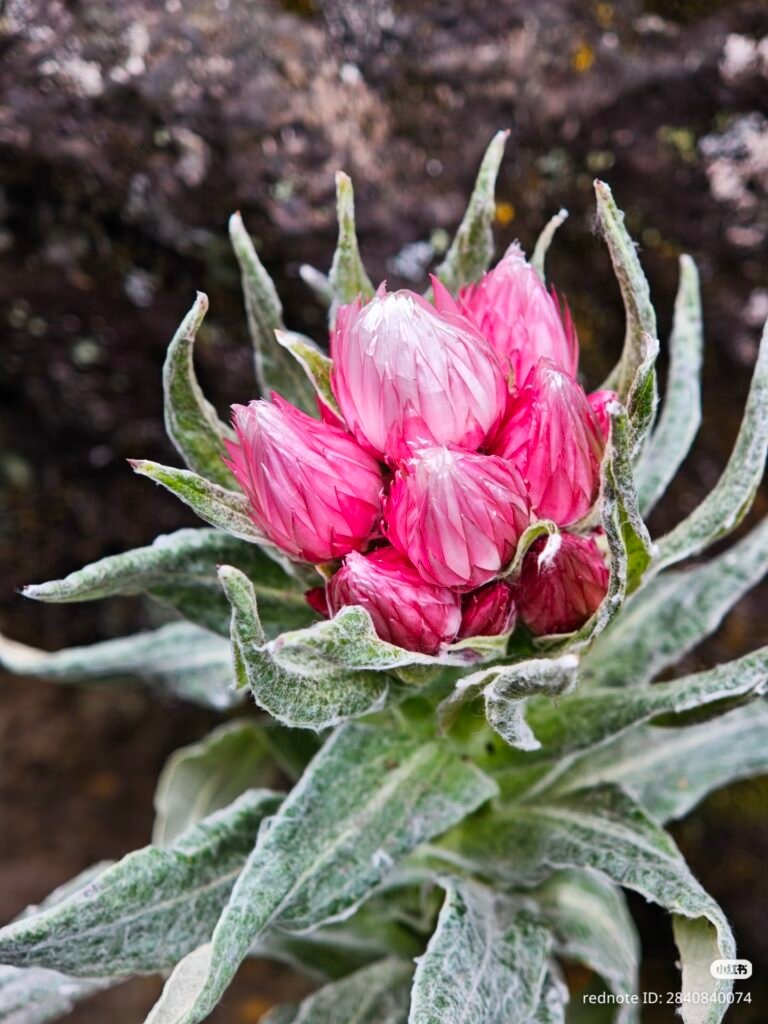
Kilimanjaro And Serengeti Calving Safari February : The Ultimate Planning
Combine the majesty of Mount Kilimanjaro with the impressive spectacle of the Serengeti's calving season in February 2027. This guide details how to plan this dual adventure, focusing on...
View package details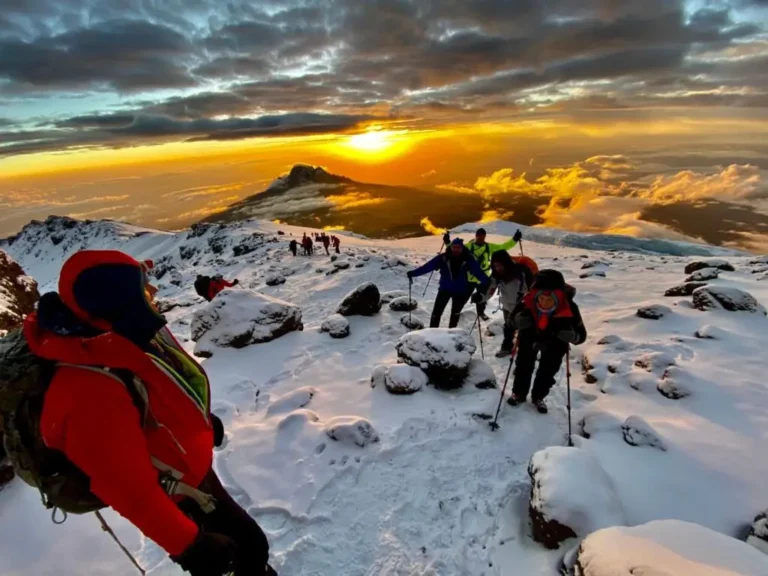
Kilimanjaro And Grumeti Migration Safari June : The Ultimate Tanzanian
Plan your unforgettable Kilimanjaro and Grumeti Migration safari for June 2027. This comprehensive guide details how to combine the challenge of summiting Africa's highest peak with the...
View package detailsKilimanjaro And Mara River Crossing Safari August : Peak Season Adventure 2027
Combining the ultimate challenge of climbing Mount Kilimanjaro with the awe-inspiring spectacle of the Great Migration river crossing in the Maasai Mara offers an unparalleled African...
View package detailsKilimanjaro And Mara River Crossing Safari July 2027
Kilimanjaro and Mara River Crossing Safari July 2027 is explained with current 2027 planning, price, itinerary and booking information.
View package details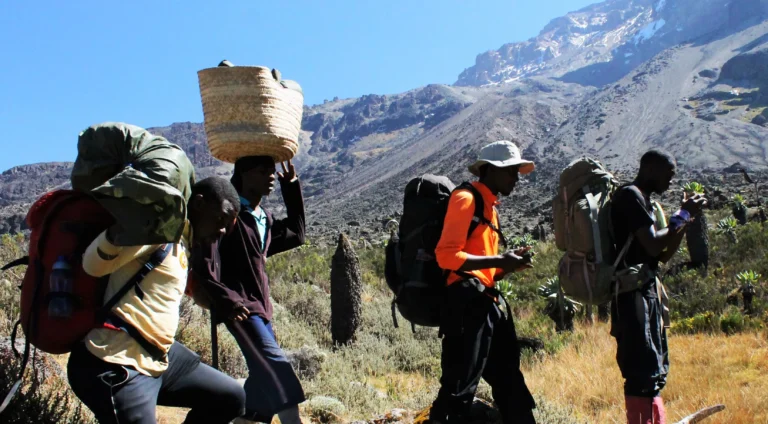
Best Kilimanjaro And Serengeti Calving Season Safari March 2027
Discover the magic of a March 2027 Kilimanjaro and Serengeti calving season safari. This guide explores the unique advantages and considerations for experiencing Tanzania's wildlife...
View package details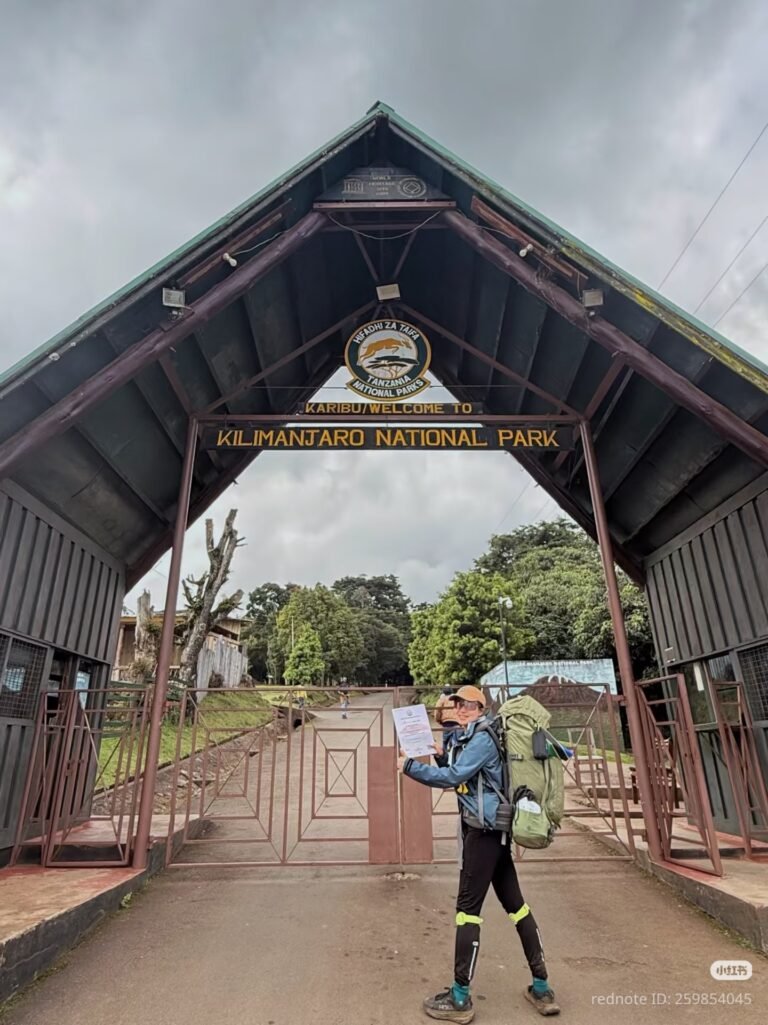
Kilimanjaro And Serengeti Calving Safari January 2026-2027
Kilimanjaro and Serengeti Calving Safari January 2027 is explained with current 2026-2027 planning, price, itinerary and booking information.
View package details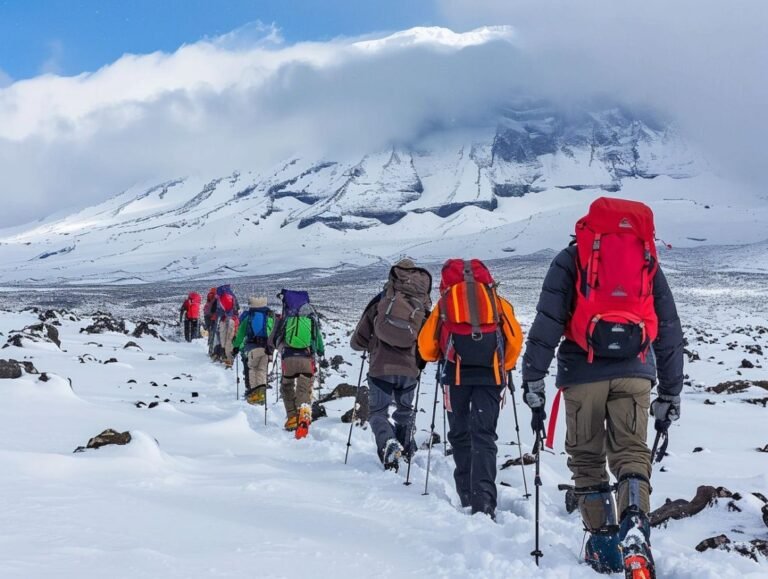
New Years Day Kilimanjaro Summit – Christmas Holiday Climb 2026-2027
start a life-changing journey with a New Year's Day Kilimanjaro Summit in 2027. Combining a Christmas holiday climb with a January 1st summit offers a unique and rewarding way to start the...
View package details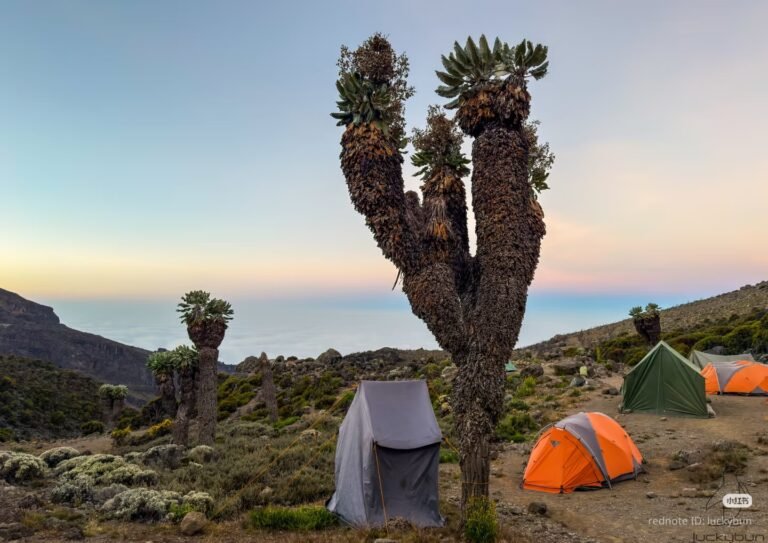
Last Minute Kilimanjaro Christmas And New Year Climbs : Secure Your Summit
Dreaming of ringing in the New Year from Africa's rooftop or celebrating Christmas atop Kilimanjaro? Last-minute opportunities for 2026 climbs are still available, blending festive cheer...
View package details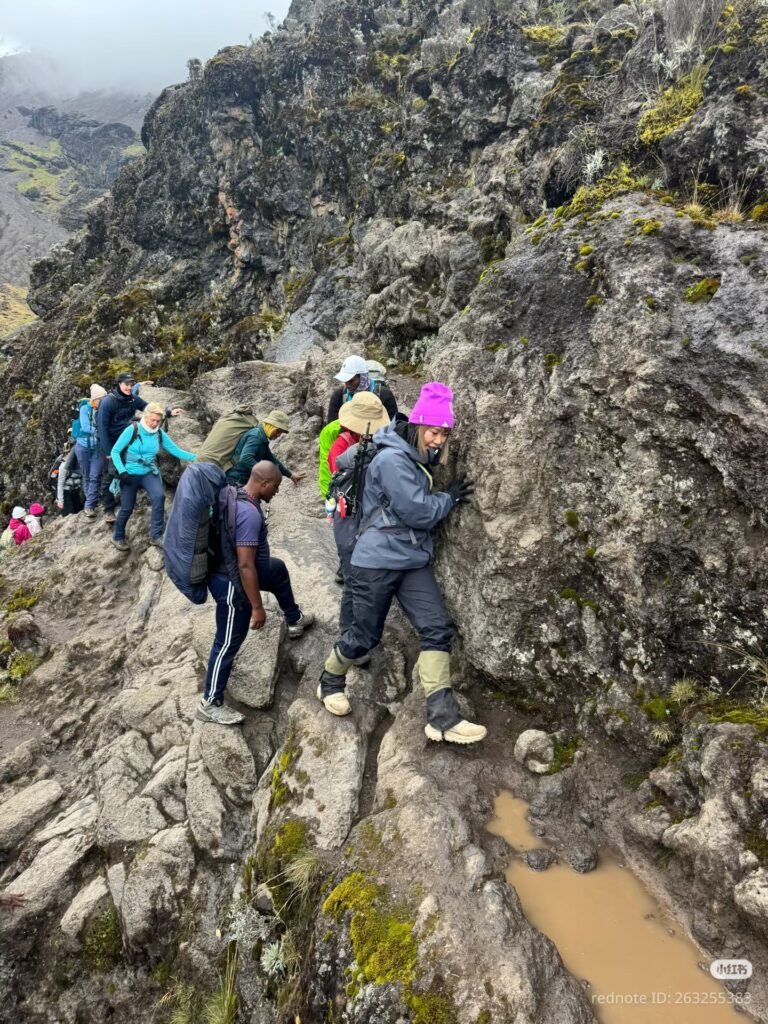
Solo Traveller Kilimanjaro Christmas : How To Join A Group Climb 2026-2027
Embarking on a solo Kilimanjaro climb during Christmas 2026 offers a unique festive experience. This guide helps solo travelers find and join suitable groups for a safe and memorable...
View package details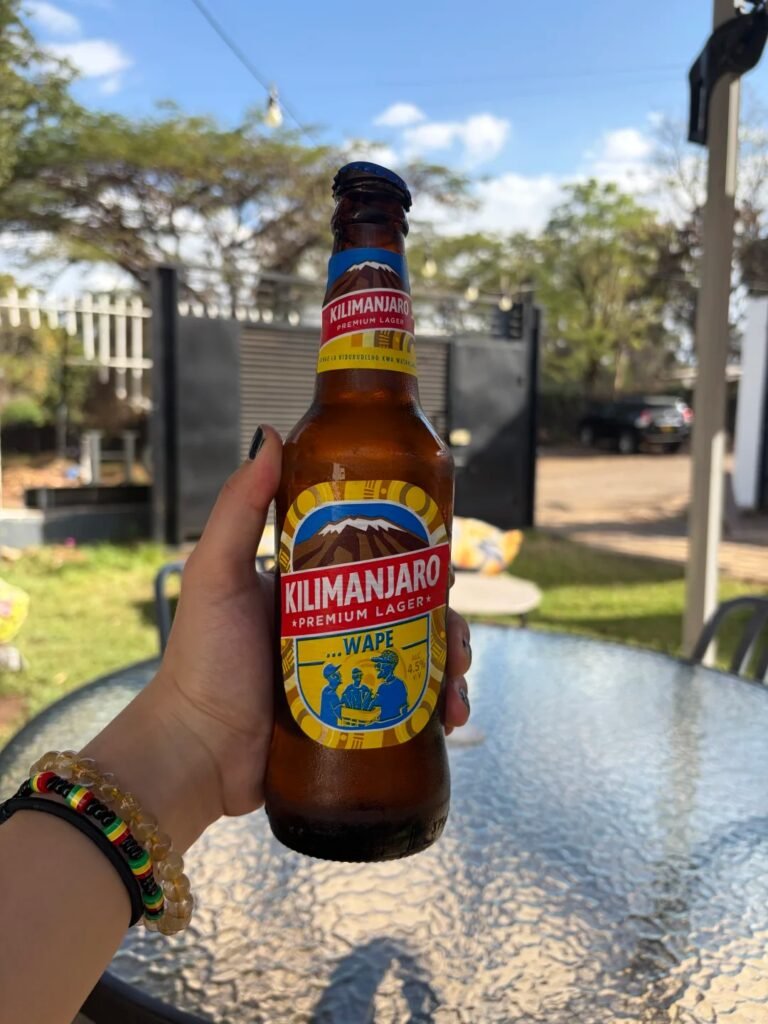
Kilimanjaro Christmas Climb : Lemosho Vs. Machame Route Decision Guide
Planning a Kilimanjaro Christmas climb in 2026? This guide breaks down the Lemosho and Machame routes, comparing their pros and cons for a memorable holiday ascent.
View package detailsNo related package matches those filters. Clear one or more filters to see the other topic-matched options.



