
The Mawenzi Peak Technical Climbing Expedition is an advanced mountaineering adventure on Kilimanjaro, distinct from the popular trekking routes to Uhuru Peak, focusing on the rugged, rocky eastern summit of Mawenzi. This expedition requires significant technical climbing skills, acclimatization, and specialized equipment, typically spanning 5-7 days and best attempted during the dry seasons of 2026 and 2027 by highly experienced climbers. It is not a trek but a true alpine climb, offering a formidable challenge for those seeking to test their limits on Africa’s third-highest peak.
Understanding Mawenzi Peak: Beyond the Tourist Trail
While Kilimanjaro is globally renowned for its summit, Uhuru Peak, reached via popular trekking routes like Machame or Marangu, its dramatic topography holds another, far more demanding prize: Mawenzi Peak. Standing at 5,149 meters (16,893 feet), Mawenzi is the second-highest summit on the Kilimanjaro massif and presents a stark contrast to the gradual ascent of Kibo (where Uhuru Peak resides). Mawenzi is a jagged, volcanic ridge characterized by steep rock faces, scree slopes, and formidable gullies. It is not a destination for casual hikers; it is a serious alpine objective requiring technical climbing proficiency.
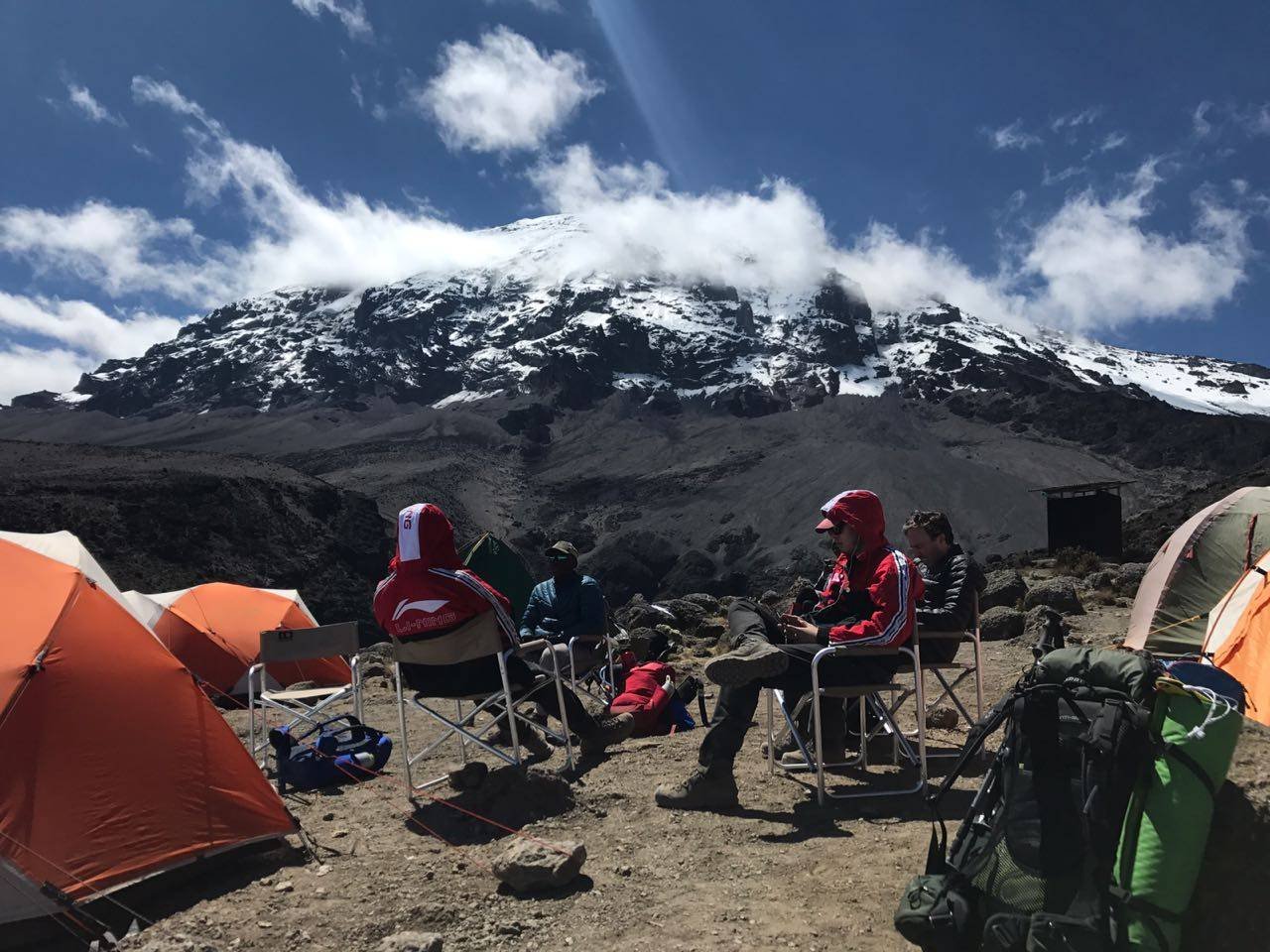
For the 2026-2027 climbing seasons, the Mawenzi Peak Technical Climbing Expedition appeals to a niche group of mountaineers. These are individuals who have already summited Kibo, or who possess a strong background in rock and ice climbing, and are seeking a more challenging, less crowded experience. The appeal lies in its raw, wild nature and the genuine mountaineering skills it demands. Unlike the busy Kibo trails, Mawenzi offers solitude and a true test of nerve and ability. The expedition is typically approached via the Shira Plateau, often combining it with acclimatization on Kibo before the technical ascent of Mawenzi itself, or as a standalone objective for those with specific high-altitude technical climbing experience.
Why Choose Mawenzi Peak for 2026-2027? The Expert Climber’s Perspective
The decision to undertake a Mawenzi Peak Technical Climbing Expedition in 2026 or 2027 is driven by a desire for a different kind of Kilimanjaro experience. It’s about embracing a true mountaineering challenge, not just reaching a high altitude. Here’s why experienced climbers are drawn to Mawenzi:
- Technical Difficulty: Mawenzi involves scrambling, rock climbing, and potentially snow/ice climbing depending on conditions. This requires specialized gear like ropes, harnesses, helmets, ice axes, and crampons, along with the skills to use them effectively.
- Solitude and Scenery: The eastern side of Kilimanjaro is far less frequented than the Kibo routes. Mawenzi offers impressive, rugged landscapes and a sense of remoteness that is rare on the main mountain.
- Advanced Acclimatization: For those aiming for Kibo’s Uhuru Peak, an ascent of Mawenzi can serve as an exceptional acclimatization tool, pushing your body and mind at high altitude in a technically demanding environment.
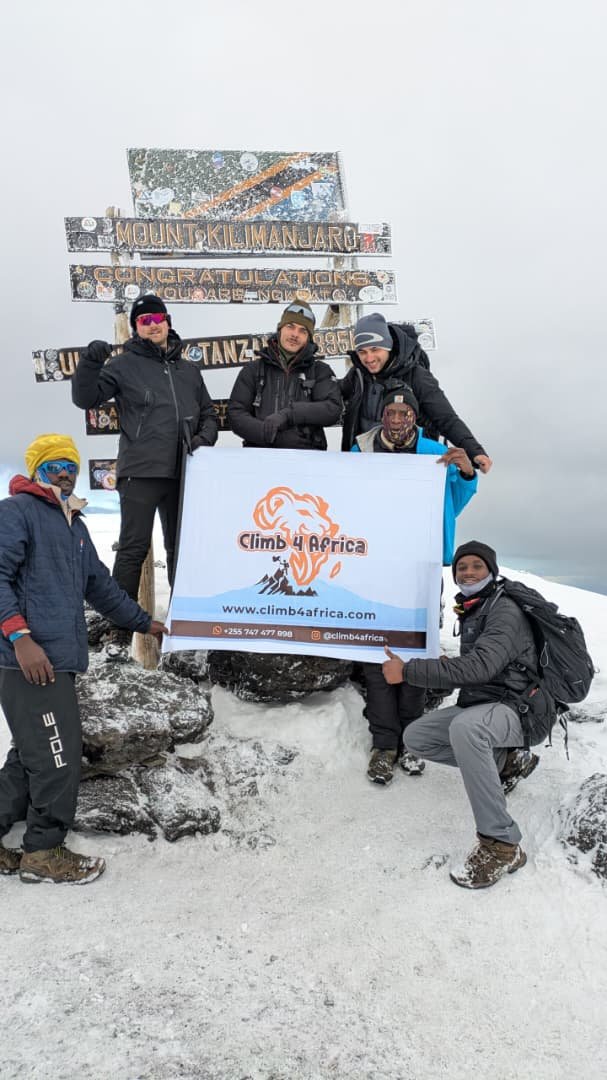
- Sense of Accomplishment: Summiting Mawenzi is a significant mountaineering achievement, distinct from the more common trekking summits. It offers a profound sense of accomplishment for those who master its challenges.
- Unique Objective: It’s a chance to explore a part of Kilimanjaro rarely seen, offering a unique narrative for experienced adventurers planning their 2026-2027 expeditions.
When planning a Mawenzi Peak Technical Climbing Expedition for 2026 or 2027, it’s crucial to understand that this is not a trek. It’s a high-altitude rock and alpine climb. The routes involve exposed ridges, steep ascents, and descents that demand careful navigation and technical expertise. This is why selecting a guide service with proven experience in technical mountaineering on Kilimanjaro is paramount. Climb 4 Africa specializes in these advanced expeditions, ensuring safety and success for those ready for the challenge.
The Routes to Mawenzi Peak: A Technical Overview
Unlike the well-defined trekking routes to Uhuru Peak, Mawenzi Peak has fewer established “routes” in the conventional trekking sense. Instead, ascents often involve navigating specific gullies, ridges, and rock faces. The most common approach to Mawenzi involves traversing from the Shira Plateau or ascending from the saddle between Kibo and Mawenzi. Here’s a breakdown:
1. The North-East Ridge Approach
This is often considered the most direct and challenging technical route. It typically begins from the vicinity of Kibo Hut or the saddle between Kibo and Mawenzi. The climb involves navigating steep scree, boulder fields, and significant rock sections. The final push to the summit can be a steep, exposed scramble or short climb, depending on the exact line taken and conditions. This route demands strong scrambling and basic rock climbing skills.
- Duration: Typically 1-2 days from the saddle, as part of a longer expedition.
- Technicality: Requires moderate to difficult rock scrambling, excellent balance, and comfort with exposure.
- Acclimatization: Essential to be well-acclimatized, usually from prior days spent on Kilimanjaro, possibly near Kibo Hut.
2. The Eastern Face (Gullies and Couloirs)
Several gullies cut down the eastern face of Mawenzi. Ascending one of these can be a technical challenge, potentially involving snow or ice depending on the season and altitude. These routes are less frequently climbed and require expert route-finding and climbing skills. The exact route choice will depend on conditions encountered during the expedition and the guide’s assessment.
- Duration: Variable, depending on the chosen gully and pace.
- Technicality: Can range from difficult scrambling to moderate rock or ice climbing.
- Considerations: These routes can be prone to rockfall and require careful assessment of snow and ice conditions, especially in the shoulder seasons of 2026-2027.
3. Traverse from Shira Plateau
For a more comprehensive exploration, some expeditions may involve traversing from the Shira Plateau towards Mawenzi. This is a longer, more adventurous approach, offering incredible views and a sustained high-altitude experience. It requires significant stamina and the ability to navigate varied terrain over multiple days.
- Duration: Several days, as part of a larger circuit.
- Technicality: Involves varied terrain, including potentially technical sections as one approaches Mawenzi.
- Logistics: Requires extensive planning for support and camping along the route.
Choosing the right route for your 2026-2027 Mawenzi Peak Technical Climbing Expedition is a decision best made in consultation with experienced guides. Climb 4 Africa’s guides have intimate knowledge of Mawenzi’s terrain and can help tailor the approach to your specific skills and objectives. Safety is always the priority, and route selection will be based on current conditions and the team’s capabilities.
Essential Skills and Experience for Mawenzi Climbers
A Mawenzi Peak Technical Climbing Expedition is not for the novice. It demands a specific set of skills and a proven track record in challenging environments. Before committing to a 2026-2027 expedition, aspiring Mawenzi climbers should honestly assess their experience:
- High-Altitude Experience: Prior successful ascents of peaks above 5,000 meters (16,400 feet) are highly recommended. This includes understanding how your body reacts to altitude and having strategies for managing acclimatization.
- Rock Climbing Proficiency: Experience in scrambling on steep, exposed terrain is essential. Familiarity with basic rock climbing techniques (e.g., using hands and feet effectively on rock, assessing holds) is crucial.
- Rope Skills (Potentially): Depending on the chosen route and conditions, you might encounter sections requiring basic rope work, such as belaying or managing a short rappel. While guides will manage the primary ropes, familiarity is a significant advantage.
- Winter/Alpine Skills (Optional but Beneficial): If your planned 2026-2027 Mawenzi expedition includes potential snow or ice, basic ice axe and crampon use could be beneficial, though guides will provide instruction and supervision.
- Physical Fitness: Exceptional cardiovascular fitness and muscular endurance are non-negotiable. You must be able to sustain effort for long periods at high altitude, often over multiple days.
- Mental Fortitude: The ability to remain calm, focused, and make sound decisions under pressure, in challenging weather, and at extreme altitudes is paramount.
Climb 4 Africa emphasizes thorough pre-expedition vetting for Mawenzi climbs. We want to ensure every climber is adequately prepared, not just physically but also in terms of their technical skills and understanding of the risks involved in a Mawenzi Peak Technical Climbing Expedition. This ensures a safer and more enjoyable experience for everyone involved.
2026-2027 Expedition Planning: Key Considerations
Planning a Mawenzi Peak Technical Climbing Expedition requires meticulous attention to detail, especially when looking ahead to the 2026-2027 seasons. The logistical and technical demands are significantly higher than for standard treks.
Timing Your Expedition
The best times for technical climbing on Mawenzi are generally during Kilimanjaro’s dry seasons:
- January to March: This period often offers stable weather, though it can be quite cold. Snow and ice conditions might be more prevalent on higher sections.
- June to October: These months typically provide clear skies and moderate temperatures. This is often the preferred window for technical ascents, as rock conditions are generally better.
Avoid the rainy seasons (April-May and November-December) as they make technical ascents extremely hazardous due to slippery rock, increased rockfall, and poor visibility.
Duration and Itinerary
A typical Mawenzi Peak Technical Climbing Expedition will likely involve:
- Acclimatization Phase: 3-4 days on Kilimanjaro, possibly including an ascent to Kibo’s crater rim or a lower peak like Shira, to prepare your body for extreme altitude.
- Mawenzi Ascent: 2-3 days dedicated to the technical climb itself, including approach, summit push, and descent back to a base camp or the saddle.
- Total Duration: Expect a minimum of 6-8 days on the mountain, and often longer if combined with a Kibo summit attempt or a more comprehensive traverse.
Climb 4 Africa can customize itineraries for 2026-2027 to suit your experience and objectives. A longer itinerary allows for better acclimatization and flexibility should weather conditions change.
Essential Gear for Mawenzi
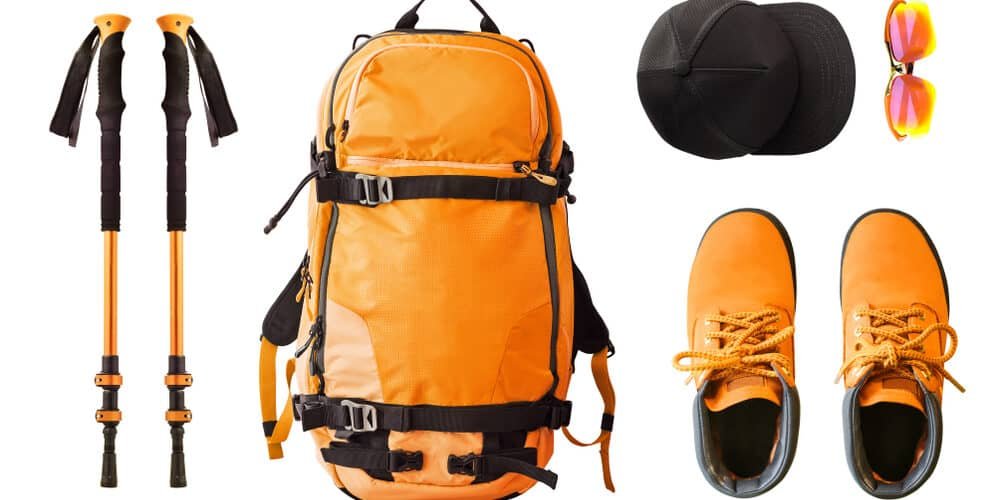
Beyond standard trekking gear, a Mawenzi Peak Technical Climbing Expedition requires specialized equipment:
- Technical Footwear: Sturdy, high-altitude mountaineering boots.
- Climbing Hardware: Helmet, harness, climbing rope (often provided by the guide service, but confirm), belay device, ascender/Jumar, slings, carabiners.
- Ice Gear (if applicable): Ice axe, crampons.
- Clothing: Layering system for extreme cold, including waterproof and windproof outer shells, warm insulation (down jacket), thermal base layers.
- Navigation: Headlamp with spare batteries, GPS device or map/compass (for guides primarily, but familiarity is good).
- Trekking Poles: Essential for stability on scree and descents.
Note: Always confirm exactly what specialized gear is provided by your tour operator and what you need to bring yourself. Climb 4 Africa provides detailed gear lists upon booking.
Logistics and Support
Technical expeditions require robust support. This includes experienced guides with technical climbing qualifications, porters for base camp gear, and potentially dedicated climbing support staff. Emergency communication devices (satellite phones) are essential. For 2026-2027 expeditions, early booking is advised to secure the best guides and logistical support.
Safety Protocols and Risk Management
Safety is the absolute cornerstone of any Mawenzi Peak Technical Climbing Expedition. The inherent risks are higher than on trekking routes, and mitigation strategies must be comprehensive.
Guide Expertise
Your guides are your lifeline. They must possess:
- Technical Climbing Certifications: Formal qualifications in rock and alpine climbing.
- High-Altitude Medicine Training: Proficiency in recognizing and treating altitude sickness, hypothermia, and other high-altitude ailments.
- Extensive Kilimanjaro Experience: Deep knowledge of Mawenzi’s terrain, weather patterns, and potential hazards.
- Emergency Response Skills: Training in first aid and wilderness rescue.
Climb 4 Africa partners exclusively with guides who meet and exceed these stringent requirements. Our team’s expertise is your greatest safety asset for your 2026-2027 Mawenzi adventure.
Acclimatization Strategy
Proper acclimatization is non-negotiable. Expeditions to Mawenzi often involve a staged approach:
- Ascend High, Sleep Low: Where possible, climbing to higher altitudes during the day and returning to lower camps to sleep.
- Progressive Ascent: Gradual increase in altitude over several days.
- Monitoring: Constant monitoring of climbers for signs of Acute Mountain Sickness (AMS), High-Altitude Cerebral Edema (HACE), and High-Altitude Pulmonary Edema (HAPE).
For a Mawenzi Peak Technical Climbing Expedition, this acclimatization phase might be longer or more intensive than for a standard Kibo trek.
Emergency Procedures
A clear emergency action plan is vital. This includes:
- Communication: Reliable satellite communication for contacting emergency services or evacuation coordination.
- Evacuation: Pre-arranged evacuation procedures and contacts.
- First Aid: Comprehensive first aid kits tailored for high-altitude and climbing emergencies.
Risk vs. Reward: While the risks are real, they are significantly managed through meticulous planning, expert guidance, and rigorous safety protocols. The reward – summiting Mawenzi – is an unparalleled achievement for the prepared climber planning their 2026-2027 journey.
The Climb 4 Africa Difference for Your Mawenzi Expedition
Choosing the right operator for a Mawenzi Peak Technical Climbing Expedition is as critical as your personal preparation. Climb 4 Africa is not just another tour operator; we are specialists in Kilimanjaro’s demanding climbs, offering a level of expertise and local support that is unparalleled.
Local Expertise, Global Standards
We are a Tanzanian company with deep roots and intimate knowledge of Kilimanjaro. Our guides are not just employees; they are mountain professionals, many of whom have summited Mawenzi multiple times. They understand the nuances of the terrain, the weather, and the specific demands of technical climbing at altitude.
Tailored Itineraries for 2026-2027
We recognize that a Mawenzi Peak Technical Climbing Expedition is a highly personalized objective. We work closely with each climber to:
- Assess Experience: Honestly evaluate your climbing and high-altitude background.
- Customize Routes: Select the most appropriate route based on your skills and the conditions anticipated for 2026-2027.
- Build Acclimatization Plans: Design an acclimatization schedule that maximizes your chances of success and safety.
Commitment to Safety
Our safety record speaks for itself. We invest in:
- Highly Qualified Guides: The best technical guides in Tanzania.
- Top-Tier Equipment: Ensuring all safety and climbing gear is maintained to the highest standards.
- Comprehensive Emergency Preparedness: Including satellite phones and established emergency protocols.
What to Expect When You Book with Climb 4 Africa
When you inquire about a Mawenzi Peak Technical Climbing Expedition for 2026 or 2027, you’ll receive:
- Personalized Consultation: A detailed discussion about your goals and capabilities.
- Detailed Itinerary Proposal: A clear outline of the expedition plan, including logistics and timings.
- Transparent Inclusions/Exclusions: No hidden costs or surprises. We clearly define what your expedition package covers.
- Pre-Departure Support: Guidance on gear, training, and logistics leading up to your climb.
Ready to tackle Kilimanjaro’s ultimate alpine challenge? Let Climb 4 Africa guide your Mawenzi Peak Technical Climbing Expedition in 2026-2027. Contact us today to begin planning your extraordinary adventure.
Preparing for Your Mawenzi Expedition: Training and Logistics
The success and enjoyment of your Mawenzi Peak Technical Climbing Expedition hinge significantly on your preparation. This isn’t just about packing the right gear; it’s about conditioning your body and mind for extreme demands.
Physical Training Regimen
Your training should focus on endurance, strength, and acclimatization simulation. Aim for a program that:
- Cardiovascular Endurance: Engage in at least 3-4 sessions per week of sustained aerobic activity. Hiking with a weighted pack (increasingly heavier over time) on varied terrain (hills, stairs) is ideal. Cycling, running, and swimming are also beneficial.
- Strength Training: Focus on core strength, leg strength (squats, lunges), and upper body strength for carrying a pack and potentially using an ice axe.
- Hiking with Pack: Regularly hike with a backpack similar in weight to what you’ll carry on the mountain. This helps your body adapt to the load and improves balance on uneven ground.
- Altitude Simulation (If Possible): While difficult to replicate perfectly, spending time at higher altitudes before the expedition or using altitude training masks (with caution and guidance) can be beneficial.
- Mental Preparation: Visualize the challenges, practice problem-solving, and cultivate a resilient mindset. Understand that discomfort is part of the process.
Start early: Begin your dedicated training at least 3-6 months before your Mawenzi Peak Technical Climbing Expedition in 2026 or 2027.
Gear Procurement and Testing
As detailed earlier, specialized technical gear is mandatory. Before your expedition:
- Acquire Gear Well in Advance: Don’t wait until the last minute. This gives you time to source items, try them on, and break them in.
- Test Everything: Wear your boots on long hikes. Use your headlamp. Test your layering system in cold weather. Ensure your harness fits comfortably and is easy to adjust.
- Pack Strategically: Organize your gear for easy access. A waterproof duffel bag for the main load and a well-organized daypack are essential.
Climb 4 Africa provides comprehensive gear lists, and we are available to answer any questions you have regarding equipment selection for your Mawenzi Peak Technical Climbing Expedition.
Logistical Planning
Beyond gear, consider these logistical points:
- Travel Insurance: Ensure your policy covers high-altitude mountaineering and emergency evacuation. This is non-negotiable for a Mawenzi Peak Technical Climbing Expedition.
- Visas and Vaccinations: Obtain necessary visas for Tanzania and consult your doctor regarding recommended vaccinations well in advance of your 2026-2027 trip.
- Flights: Book international flights to Kilimanjaro International Airport (JRO).
- Pre- and Post-Climb Accommodation: Arrange for accommodation in Moshi or Arusha before and after your expedition.
Climb 4 Africa can assist with arranging airport transfers and pre/post-climb accommodation in Tanzania, simplifying your travel plans for your Mawenzi Peak Technical Climbing Expedition.
Comparing Mawenzi with Kibo: Which Kilimanjaro Challenge is Right for You?
It’s essential to differentiate between summiting Kibo (Uhuru Peak) and Mawenzi Peak. While both are on the Kilimanjaro massif, they offer vastly different experiences, catering to distinct types of adventurers planning for 2026-2027.
Mawenzi Peak Technical Climbing Expedition vs. Kibo Summit Trek
Mawenzi Peak:
- Altitude: 5,149 meters (16,893 ft)
- Type of Activity: Technical rock and alpine climbing; scrambling, exposure, potential for short roped sections.
- Skills Required: Advanced mountaineering skills, rock climbing experience, high-altitude tolerance, exceptional fitness, mental resilience.
- Terrain: Steep rock faces, gullies, scree, exposed ridges.
- Duration: Typically 5-8 days (can be longer if combined).
- Crowds: Very few other climbers; solitude.
- Difficulty: High to Extreme.
- Best For: Experienced mountaineers seeking a technical challenge and a true alpine climb.
Kibo Peak (Uhuru Peak):
- Altitude: 5,895 meters (19,341 ft)
- Type of Activity: High-altitude trekking; steep but generally non-technical walking/hiking.
- Skills Required: Good physical fitness, mental endurance, acclimatization ability. No technical climbing skills needed.
- Terrain: Volcanic scree, well-maintained paths (on standard routes), glacial moraine near the summit.
- Duration: Typically 5-9 days (depending on the route).
- Crowds: Can be very crowded, especially on summit night.
- Difficulty: Moderate to Difficult (primarily due to altitude).
- Best For: Adventurous hikers seeking to summit Africa’s highest peak.
Making the Choice for 2026-2027:
- If your passion is technical climbing, you thrive on steep rock and exposed ridges, and you have a solid background in mountaineering, the Mawenzi Peak Technical Climbing Expedition is likely your calling.
- If your goal is to reach the highest point in Africa via a challenging trek, without the need for technical climbing gear or skills, then a standard Kibo route is more appropriate.
It’s also possible to combine both. Some advanced itineraries may include a Kibo summit followed by a technical descent or an approach to Mawenzi, offering a comprehensive Kilimanjaro mountaineering experience for the 2026-2027 season. Discuss your aspirations with Climb 4 Africa to design the perfect Kilimanjaro adventure.
Booking Your 2026-2027 Mawenzi Peak Technical Climbing Expedition
Embarking on a Mawenzi Peak Technical Climbing Expedition is a significant undertaking, and selecting the right partner is crucial. Climb 4 Africa offers a pathway to this incredible achievement, grounded in local expertise, safety, and a commitment to an authentic mountain experience.
Why Book with Climb 4 Africa for 2026-2027?
- Specialized Knowledge: We understand the unique demands of Mawenzi.
- Experienced, Local Guides: Our team is among the best in Tanzania for technical climbs.
- Safety First: Comprehensive protocols and equipment for high-risk environments.
- Customized Planning: We tailor expeditions to your skill level and objectives.
- Responsible Tourism: We are committed to ethical practices and supporting local communities.
Next Steps to Plan Your Expedition:
If you are an experienced climber ready to take on the challenge of Mawenzi Peak, we invite you to connect with us. Please reach out to discuss your aspirations for a 2026 or 2027 expedition. We will need to understand your climbing background to ensure the expedition is a suitable fit and to tailor the program accordingly.
Contact Climb 4 Africa:
- WhatsApp: +255 747 477 898
- Email: climb4africa@gmail.com
Let us help you plan and execute a safe, successful, and unforgettable Mawenzi Peak Technical Climbing Expedition. Your adventure on Kilimanjaro’s wild side awaits in 2026-2027.
“,
“faq_schema”: [
{
“question”: “What is the main difference between climbing Kibo and Mawenzi Peak on Kilimanjaro?”,
“answer”: “Kibo Peak, culminating in Uhuru Peak, is reached via trekking routes that are non-technical and suitable for hikers with good fitness. Mawenzi Peak, on the other hand, is a technical alpine objective requiring rock climbing skills, specialized equipment, and experience in challenging mountain environments. Mawenzi is significantly more demanding and less frequented than Kibo.”
},
{
“question”: “Do I need technical climbing experience for a Mawenzi Peak expedition?”,
“answer”: “Yes, significant technical climbing and high-altitude mountaineering experience is essential. This includes comfort with scrambling on steep, exposed terrain, proficiency with mountaineering equipment, and a proven ability to perform in challenging conditions at extreme altitudes. Mawenzi Peak is not suitable for trekkers.”
},
{
“question”: “What is the best time of year for a Mawenzi Peak Technical Climbing Expedition in 2026-2027?”,
“answer”: “The best times are during Kilimanjaro’s dry seasons: January to March and June to October. The June to October window is often preferred as it generally offers more stable rock conditions, while January to March might present more snow and ice at higher elevations. Avoid the rainy seasons (April-May and November-December).”
},
{
“question”: “What duration should I expect for a Mawenzi Peak expedition?”,
“answer”: “A dedicated Mawenzi Peak Technical Climbing Expedition typically requires a minimum of 5-8 days on the mountain, including essential acclimatization time. This can be extended if you plan to combine it with an ascent of Kibo’s Uhuru Peak or a more extensive traverse of the massif.”
},
{
“question”: “What specialized gear is required for Mawenzi Peak?”,
“answer”: “Beyond standard high-altitude trekking gear, you will need technical climbing equipment such as a helmet, harness, mountaineering boots, potentially ice axe and crampons (depending on the route and conditions), and appropriate technical clothing layers. Your guide service will provide a detailed list, and Climb 4 Africa can advise on specific needs.”
},
{
“question”: “Is Mawenzi Peak suitable for beginners or intermediate climbers?”,
“answer”: “No, Mawenzi Peak is strictly for advanced climbers with proven technical mountaineering experience. It is an expert-level objective. Beginners or intermediate hikers should focus on trekking routes to Kibo’s Uhuru Peak first.”
}
]
}
“`
Check Availability for Mawenzi Peak Technical Climbing Expedition, Kilimanjaro’s Hidden Alpine
Ready to compare dates, prices, and the best option for your group? Send the package name and travel month so the team can reply with a clear quote, availability, and what is included.
Northern Circuit – 10 July Dry-Season Expedition: Your Ultimate Kilimanjaro
Plan your Northern Circuit expedition for July 10, 2027. This dry-season adventure offers the most scenic and gradual ascent on Kilimanjaro, maximizing acclimatization and success rates.
View package details
Kilimanjaro Climb July – Peak Dry-Season Group Departures 2027
Kilimanjaro Climb July 2027 – Peak Dry-Season Group Departures is explained with current 2027 planning, price, itinerary and booking information.
View package detailsSolo Traveller Kilimanjaro August – Join A Peak-Season Group 2027
Solo Traveller Kilimanjaro August 2027 – Join a Peak-Season Group is explained with current 2027 planning, price, itinerary and booking information.
View package details
Kilimanjaro And Mara River Crossing Safari August : Peak Season Adventure 2027
Combining the ultimate challenge of climbing Mount Kilimanjaro with the awe-inspiring spectacle of the Great Migration river crossing in the Maasai Mara offers an unparalleled African...
View package details
Kilimanjaro And Great Migration Safari August : Your Peak Season Adventure
Plan your ultimate Tanzanian adventure in August 2027, combining a Kilimanjaro climb with the spectacle of the Great Migration. This guide details the best timings, routes, and safari...
View package details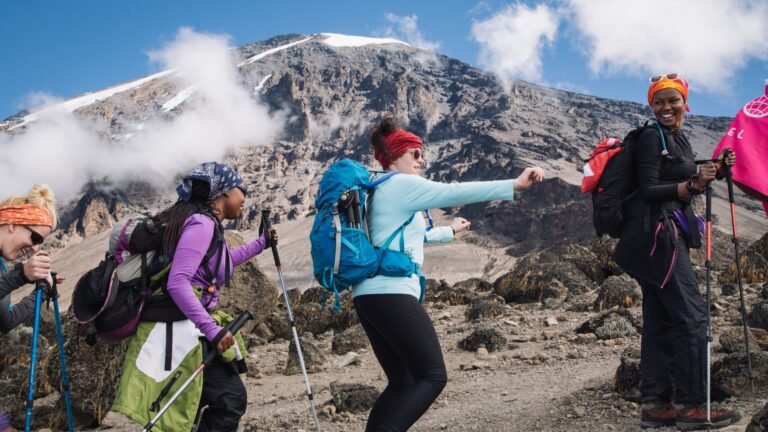
Uk August Bank Holiday Kilimanjaro Climb : Your Peak Season Adventure 2027
Planning a UK August Bank Holiday Kilimanjaro Climb in 2027 offers a prime opportunity to ascend Africa's highest peak during a favourable season. This guide details how to make the most of...
View package detailsNorthern Circuit – 8 August Quiet Peak-Season Trek On Kilimanjaro 2027
Explore the Northern Circuit route for your Kilimanjaro climb on August 8, 2027. This detailed guide covers why it's a preferred choice for a quieter, more scenic, and high-success-rate...
View package detailsNorthern Circuit – 2 August Kilimanjaro Expedition: Your Ultimate Guide 2027
start the Northern Circuit route for your 2027 Kilimanjaro climb. This guide details the longest and most scenic path, ideal for acclimatization and success on August 2nd, 2027.
View package details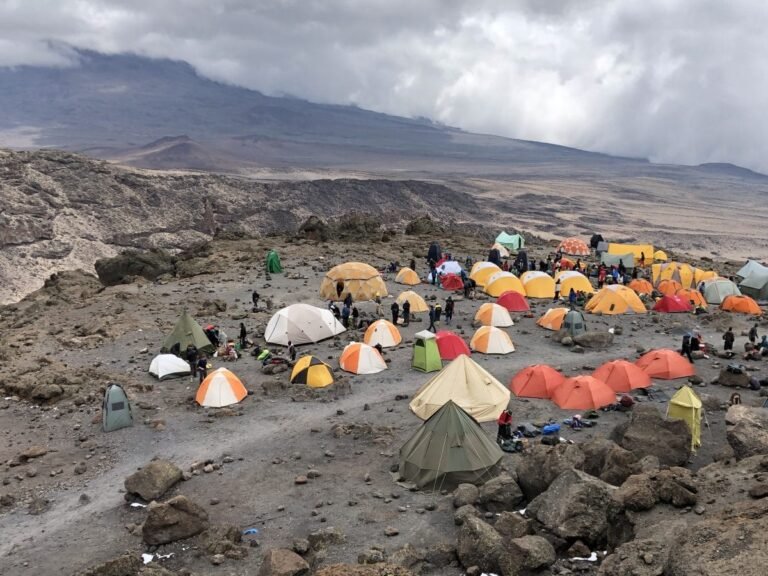
Kilimanjaro Climb August : Peak Season Dates And Availability Guide 2027
August marks the heart of Kilimanjaro's dry season, offering excellent climbing conditions. This guide details peak season dates, availability, and what to expect for a successful...
View package detailsKilimanjaro 31 July – To August Peak Season Climb 2027
Kilimanjaro 31 July 2027 – July to August Peak Season Climb is explained with current 2027 planning, price, itinerary and booking information.
View package details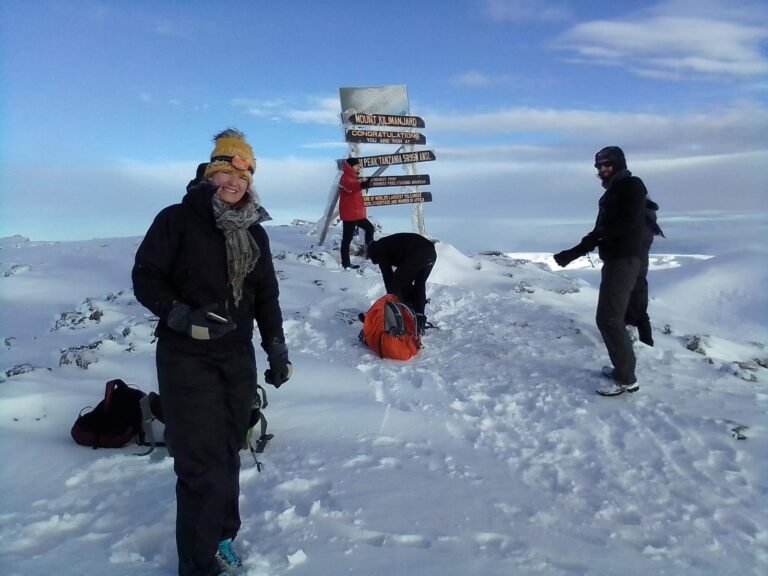
Climbing Kilimanjaro In May : Your Green Season Trekking Guide 2027
Discover the unique advantages and challenges of climbing Kilimanjaro in May 2027. This guide details everything you need to know for a successful trek during the shoulder season.
View package details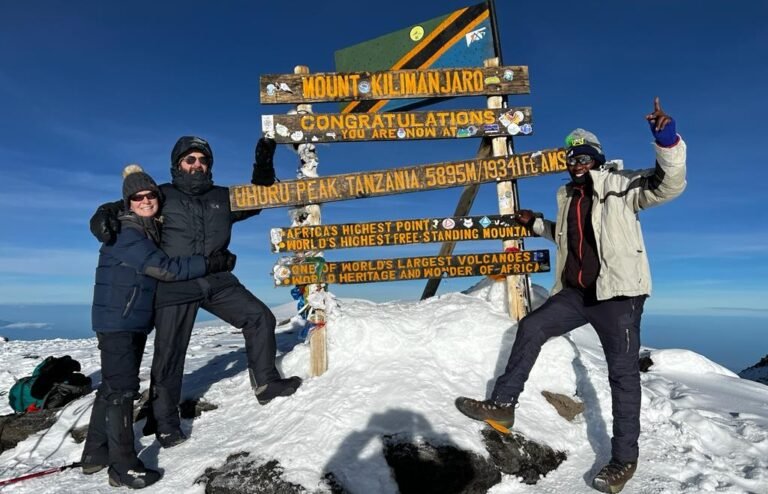
Climbing Kilimanjaro In April : Your Rainy Season Guide 2027
Embarking on a Kilimanjaro climb in April 2027 means navigating the tail end of the long rainy season. This guide provides essential insights for trekkers, focusing on route selection...
View package detailsNo related package matches those filters. Clear one or more filters to see the other topic-matched options.



