
The Kilimanjaro Crater Camp Expedition for 2026-2027 is a specialized trek that involves camping at or very near the crater rim, typically at an altitude of around 5,700 meters (18,700 feet), offering a unique opportunity to witness sunrise from within Africa’s highest volcano. This expedition requires a higher level of physical fitness and acclimatization than standard Kilimanjaro climbs, often utilizing longer routes like the Northern Circuit or Western Breach routes to facilitate better acclimatization before the final ascent to the crater camp and subsequent summiting of Uhuru Peak. It is a demanding but profoundly rewarding experience for experienced trekkers seeking an unparalleled adventure on Kilimanjaro.
Understanding the Kilimanjaro Crater Camp Expedition
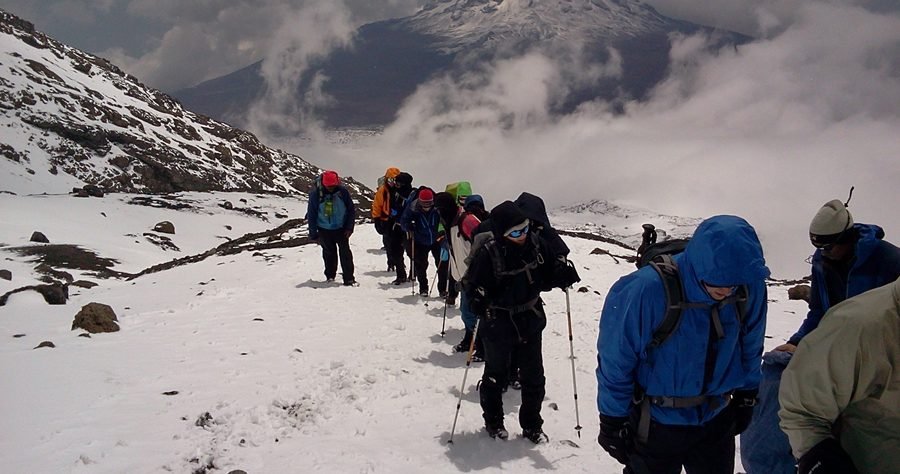
The Kilimanjaro Crater Camp Expedition is not your typical trek to the Roof of Africa. While most climbers aim to reach Uhuru Peak and descend, this advanced expedition takes it a step further by incorporating an overnight stay at or near the crater rim, at an astonishing altitude of approximately 5,700 meters (18,700 feet). This means you’ll be sleeping inside the caldera of Kilimanjaro, Africa’s highest volcano, a truly unique and awe-inspiring experience that sets this trek apart. This expedition is designed for those seeking the ultimate challenge and an unparalleled connection with the mountain’s dramatic landscape.
For adventurers planning their ascent in 2026 and 2027, the Crater Camp Expedition offers a distinct advantage: the opportunity to experience the summit environment in a more profound way. Instead of a grueling day-and-night ascent directly to Uhuru Peak from a lower camp, you’ll have the chance to acclimatize at extreme altitude for a full night. This can potentially ease the physical strain of summit day and allows for incredible stargazing and a pre-dawn start within the crater itself. It’s a commitment that demands more time, better acclimatization, and a robust physical and mental fortitude, but the rewards are immeasurable.
This expedition is typically undertaken as an add-on to longer routes that naturally facilitate better acclimatization before reaching the crater rim. The Western Breach route is the most direct way to access the crater floor for camping, while routes like the Northern Circuit offer excellent acclimatization before a dedicated push to the crater camp. The extended duration and the extreme altitude of the Kilimanjaro Crater Camp Expedition make it suitable for experienced trekkers who have a proven track record on high-altitude climbs or have undertaken rigorous training. When considering your 2026-2027 travel plans, understanding these nuances is crucial for a successful and safe journey.
Why Choose the Kilimanjaro Crater Camp Expedition?
Opting for the Kilimanjaro Crater Camp Expedition is about embracing the extraordinary. It’s for the trekker who wants to go beyond the standard summit experience and experience themselves fully in the mountain’s geological marvel. The primary draw is the unparalleled opportunity to sleep at an extreme altitude, surrounded by the stark beauty of Kilimanjaro’s caldera. Imagine waking up to the first rays of dawn illuminating the crater floor, the vastness of Africa stretching out below, all from the rim of a dormant volcano.
The benefits of this expedition, particularly for those planning for 2026 or 2027, are numerous:
- Unrivaled Views: Witnessing sunrise from the crater rim is an experience few climbers get to have. The panoramic vistas at this altitude are simply impressive, offering a unique perspective of the African continent.
- Enhanced Acclimatization for Summit: By spending a night at Crater Camp (around 5,700m), you are already well-acclimatized for the final push to Uhuru Peak (5,895m). This can make summit day feel less arduous compared to starting from Kibo Hut or Barafu Camp at significantly lower altitudes.
- Unique Photography Opportunities: The dramatic landscapes within the crater, the volcanic ash, the glaciers, and the expansive views offer incredible photographic potential, especially during the golden hours of sunrise and sunset.
- Sense of Accomplishment: Successfully completing the Crater Camp Expedition is a significant achievement, even by Kilimanjaro standards. It’s a testament to your endurance, preparation, and adventurous spirit.
- Deeper Connection with the Mountain: Spending a night in such an extreme and remote environment fosters a profound connection with Kilimanjaro, transforming the climb from a physical challenge into a deeply personal journey.
Choosing the Crater Camp Expedition signifies a desire for a more profound, challenging, and ultimately more rewarding Kilimanjaro adventure. It’s a decision to push your limits and experience the mountain in a way that most only dream of. For your 2026-2027 climb, this option represents the pinnacle of Kilimanjaro trekking.
Kilimanjaro Routes Leading to the Crater Camp
Not all Kilimanjaro routes are designed to facilitate a Crater Camp stay. The key factor is adequate acclimatization time before ascending to the extreme altitude of the crater rim. Typically, this means choosing longer routes that allow for a gradual ascent and more days spent above 4,000 meters. The most common and recommended routes for a Crater Camp Expedition are the Western Breach and extensions of the Northern Circuit.
The Western Breach Route: The Most Direct Path
The Western Breach, also known as the Western Rift, is often considered the most direct route to the crater floor for camping. This route typically starts from the Shira Plateau, often reached via the Lemosho or Machame routes. After acclimatizing on these longer trails, trekkers ascend to Arrow Glacier Camp (around 4,800m) or onward to the base of the Western Breach wall.
The ascent of the Western Breach itself is a challenging scramble up a steep scree slope, reaching the crater rim at an elevation of about 5,700 meters (18,700 feet). This is where the Crater Camp is established, often referred to as Crater Camp or near the Furtwangler Glacier. From here, it’s a short walk to Uhuru Peak.
Key characteristics of the Western Breach:
- Steep and challenging ascent: The Western Breach wall is a demanding climb, requiring good physical condition and a head for heights.
- Rapid altitude gain: While offering direct access, the climb to the rim can involve significant altitude gain in a short period, making prior acclimatization on longer routes essential.
- Spectacular scenery: The route offers stunning views of the Western Breach wall, glaciers, and the expansive crater.
- Typically combined with Lemosho or Machame: To allow for adequate acclimatization, the Western Breach is usually tackled after several days on one of these longer, more gradual routes.
While direct, the Western Breach route requires careful planning. The altitude gain to Crater Camp can be significant, and the terrain is demanding. For many, it’s the most logical path to sleeping inside the crater.
Northern Circuit with Crater Camp Extension
The Northern Circuit is the longest route on Kilimanjaro, circumnavigating the mountain and offering the best acclimatization profile. While its standard itinerary concludes with a summit push from Kibo Hut, it can be easily extended to include a Crater Camp stay. This is often considered the safest and most comfortable option for a Crater Camp Expedition due to the superior acclimatization it provides.
After completing the main loop of the Northern Circuit and reaching the vicinity of Kibo Hut, trekkers then make the ascent to Crater Camp. This typically involves ascending from Kibo Hut (around 4,700m) to the crater rim and then traversing across to the Crater Camp site, often near the Furtwangler Glacier. This approach offers a more gradual transition to the extreme altitude compared to the direct Western Breach ascent from lower down.
Advantages of the Northern Circuit with Crater Camp:
- Exceptional acclimatization: The 9-day (or longer) Northern Circuit ensures your body has more time to adapt to altitude, significantly increasing your chances of success and reducing the risk of altitude sickness.
- Less demanding crater rim approach: The ascent from Kibo Hut to the crater rim is less steep and technically challenging than the Western Breach wall, making it more accessible for a wider range of experienced trekkers.
- Stunning diversity of scenery: The Northern Circuit showcases Kilimanjaro’s diverse landscapes, from lush forests to arid plains and the dramatic northern slopes.
- More comfortable camping: While still at extreme altitude, the approach from Kibo Hut is generally considered less strenuous than climbing the Western Breach directly.
For those planning a 2026-2027 expedition and prioritizing safety and success, the Northern Circuit combined with a Crater Camp extension is highly recommended. It offers the best balance of acclimatization, scenery, and the ultimate reward of sleeping inside the volcano.
Sample Itinerary: A Deeper look at the Crater Camp Experience
A typical Kilimanjaro Crater Camp Expedition, especially when combined with the Northern Circuit for optimal acclimatization, will span 9 to 12 days. The inclusion of Crater Camp adds at least one, often two, extra nights at extreme altitude. Here’s a conceptual outline, illustrating how the Crater Camp is integrated. Note that specific itineraries can vary by operator and are tailored for acclimatization.
9-Day Northern Circuit with Crater Camp Extension (Example)
- Day 1: Machame Gate to Machame Camp – Trek through rainforest.
- Day 2: Machame Camp to Shira 2 Camp – Ascend through moorland.
- Day 3: Shira 2 Camp to Barranco Camp – Cross the Lava Tower, descend to Barranco.
- Day 4: Barranco Camp to Karanga Camp – Climb the Barranco Wall.
- Day 5: Karanga Camp to Barafu Camp – Ascend to the alpine desert.
- Day 6: Barafu Camp to Kibo Hut – A shorter day to acclimatize at higher altitude.
- Day 7: Kibo Hut to Crater Camp (around 5,700m) – Ascend to the crater rim and walk across to Crater Camp. This is a crucial acclimatization day at extreme altitude.
- Day 8: Crater Camp to Uhuru Peak (5,895m) and Descend to Mweka Camp – Early morning summit push, then a long descent past Barafu Camp to Mweka Camp.
- Day 9: Mweka Camp to Mweka Gate – Final descent through rainforest.
Note on the Itinerary: This is a simplified representation. A true Crater Camp experience often involves more days, especially if using the Western Breach after Lemosho or Machame, or if choosing a 10-12 day Northern Circuit. The critical part is the gradual acclimatization leading up to the Crater Camp stay. For 2026-2027 bookings, confirm the exact number of days and acclimatization strategy with your operator.
A longer itinerary, such as a 10-day Northern Circuit, would allow for more leisurely trekking days, potentially including rest days or shorter hiking segments, further enhancing acclimatization. The decision to add Crater Camp is often made during the trek, but for this specific expedition, it’s best booked in advance due to the specialized logistics and permits required.
Acclimatization: The Cornerstone of Crater Camp Success
Acclimatization is paramount for any Kilimanjaro climb, but it becomes absolutely critical for the Crater Camp Expedition. Spending a night at nearly 5,700 meters (18,700 feet) pushes your body to its limits. Failure to acclimatize properly significantly increases the risk of severe altitude sickness, which can force you to descend, jeopardizing the entire expedition. This is why longer routes are strongly recommended for the Crater Camp experience.
Key acclimatization principles for the Crater Camp Expedition:
- Go Slow: This is the golden rule. Longer itineraries (9-12 days) are essential. Rushing the ascent to Crater Camp is a recipe for disaster.
- ‘Pole Pole’ (Slowly, Slowly): Your guides will enforce this pace. It allows your body more time to adapt to the decreasing oxygen levels as you gain altitude.
- Climb High, Sleep Low: While the Crater Camp itself is a ‘sleep high’ situation, the days leading up to it should ideally follow this principle. For example, ascending to a high point during the day and descending to a lower camp to sleep. This is built into routes like the Northern Circuit.
- Hydration: Drinking plenty of water (3-4 liters per day) is crucial for acclimatization. Avoid alcohol and caffeine, which can dehydrate you.
- Listen to Your Body and Guides: Pay close attention to symptoms of altitude sickness (headache, nausea, dizziness, fatigue). Communicate any discomfort immediately to your guide. They are trained to assess your condition and make critical decisions.
- Pre-Acclimatization: If possible, spending a few days at moderate altitude (e.g., 2,000-3,000m) in Tanzania before starting your climb can provide an excellent head start for acclimatization.
For 2026-2027, prioritizing an itinerary that maximizes acclimatization is non-negotiable for a Crater Camp attempt. A 7 or 8-day climb is generally insufficient for this extreme altitude goal. The investment in extra days is an investment in your safety and success. Ensure your chosen tour operator for your 2026-2027 Kilimanjaro Crater Camp Expedition has a robust acclimatization strategy built into their itinerary.
Physical and Mental Preparation for the Crater Camp Expedition
The Kilimanjaro Crater Camp Expedition demands more than just a desire to reach the top; it requires dedicated preparation. Physically, you need to be in excellent cardiovascular shape. Mentally, you need resilience to cope with extreme conditions and prolonged effort.
Physical Training Recommendations:
- Cardiovascular Endurance: Focus on activities like hiking with a weighted pack, running, cycling, and swimming. Aim for at least 3-4 sessions per week.
- Strength Training: Strengthen your legs (squats, lunges, calf raises) and core muscles.
- Hiking Practice: Undertake long day hikes (6-8 hours) with significant elevation gain, carrying a backpack similar to what you’ll use on Kilimanjaro. This simulates the actual trekking experience.
- Altitude Simulation (if possible): If you live at moderate altitude, use it to your advantage. If not, focus on intense cardiovascular training.
- Stamina Building: Train for back-to-back long days, as summit day from Crater Camp is exceptionally long and demanding.
Mentally, the Crater Camp Expedition is a significant test. You will be exposed to extreme cold, thin air, and potentially challenging weather conditions for an extended period. Your ability to stay positive, focused, and determined is as important as your physical fitness.
Mental Preparation Tips:
- Visualize Success: Imagine yourself reaching Crater Camp, standing at Uhuru Peak, and enjoying the views.
- Prepare for Discomfort: Understand that you will experience cold, fatigue, and shortness of breath. Accepting this beforehand helps manage it.
- Develop Coping Mechanisms: Practice mindfulness or simple breathing exercises to stay calm during challenging moments.
- Focus on the Present: Concentrate on taking one step at a time, rather than being overwhelmed by the enormity of the task.
- Trust Your Team: Build confidence in your guides and support crew. Their experience is invaluable.
For those planning their 2026-2027 Kilimanjaro Crater Camp Expedition, start your training at least 3-6 months in advance. Consistency is key. Don’t underestimate the mental aspect; it’s often what separates those who succeed from those who turn back.
Essential Gear for Your Kilimanjaro Crater Camp Expedition
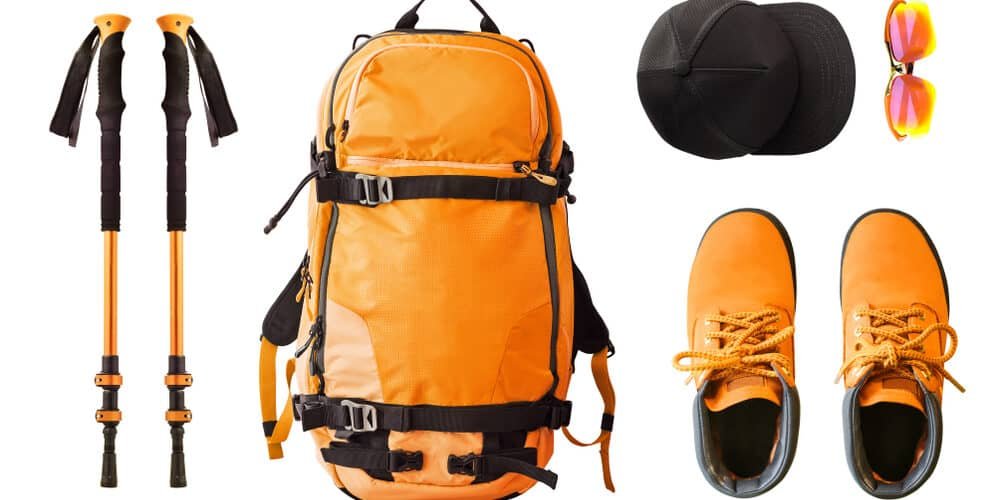
Packing for the Kilimanjaro Crater Camp Expedition requires meticulous attention to detail, especially concerning extreme cold and high altitude. The gear list is extensive, and quality is paramount. You’ll be exposed to sub-zero temperatures, strong winds, and potentially snow, particularly at Crater Camp and on summit day.
Key Gear Categories:
- Layering System: This is crucial.
- Base Layers: Moisture-wicking thermal tops and bottoms (merino wool or synthetic).
- Mid Layers: Fleece jackets or synthetic insulated jackets for warmth.
- Outer Layer: A waterproof and windproof shell jacket and trousers (Gore-Tex or similar).
- Insulation Layer: A heavy-duty down jacket is essential for extreme cold, especially at Crater Camp.
- Headwear: Warm, insulated hat that covers your ears; a balaclava or neck gaiter for face protection.
- Gloves: A system of liner gloves, warm fleece gloves, and waterproof/insulated outer mittens.
- Footwear:
- Boots: Broken-in, waterproof, insulated mountaineering boots are a must. Ensure they are high enough to protect your ankles.
- Socks: Several pairs of thick wool hiking socks.
- Camp Footwear: Comfortable, insulated shoes or boots for around camp.
- Sleeping Bag: A 4-season sleeping bag rated to at least -20°C (-4°F) is recommended. A sleeping bag liner can add extra warmth.
- Backpack: A comfortable 50-70 liter trekking backpack.
- Daypack: A smaller pack for essentials carried during the day (water, snacks, camera).
- Headlamp: With extra batteries; essential for summit night.
- Sunglasses: High-quality, UV-protective sunglasses.
- Sunscreen & Lip Balm: High SPF.
- Water Bottles/Hydration Reservoir: Insulated to prevent freezing.
- Trekking Poles: Highly recommended for stability and reducing strain.
- Personal First-Aid Kit: Including personal medications.
- Snacks: High-energy snacks you enjoy.
Many tour operators, including Climb 4 Africa, provide detailed packing lists tailored to Kilimanjaro expeditions. It’s wise to review this list thoroughly when planning your 2026-2027 trip. Consider renting bulky items like sleeping bags and down jackets if you don’t own them, to save on costs and luggage weight.
Life at Crater Camp: What to Expect
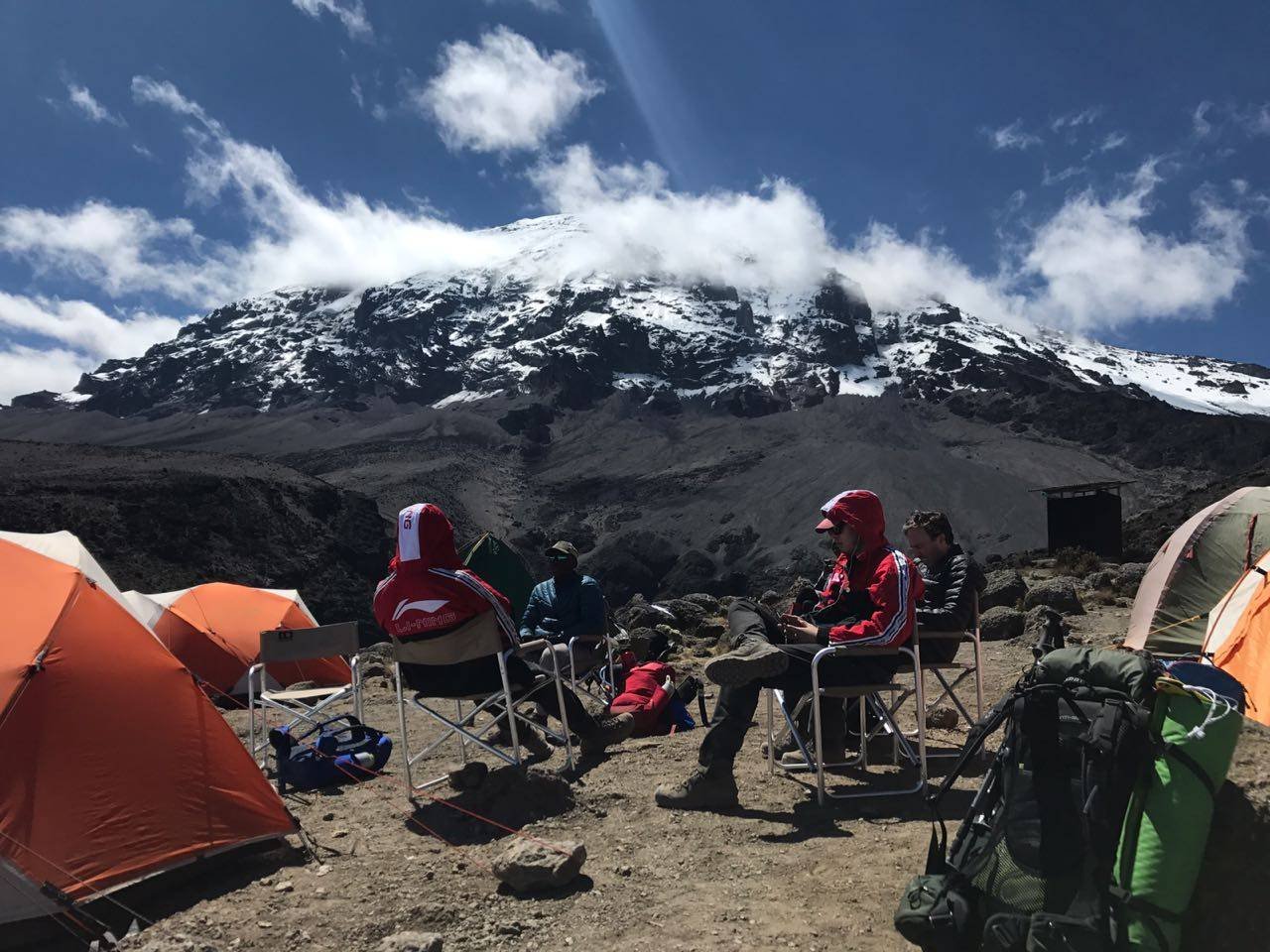
Spending a night at Crater Camp is an experience unlike any other on Kilimanjaro. Situated at an extreme altitude of around 5,700 meters (18,700 feet), it’s a stark, exposed, and incredibly beautiful environment. Expect cold temperatures, often well below freezing, especially at night and in the early morning. Wind can be a significant factor, and you might even encounter snow or ice.
Your campsite will likely be on a relatively flat area of the crater floor or rim, near the Furtwangler Glacier. Tents will be securely pitched to withstand the elements. The air is noticeably thin, and every movement will require more effort. Breathing will be more labored, and sleep may be difficult due to the altitude and cold.
Key aspects of Crater Camp:
- Extreme Cold: Temperatures can drop to -10°C (14°F) or lower overnight. Proper insulation and layering are vital.
- Thin Air: Oxygen levels are about half of what you experience at sea level. This affects physical exertion and cognitive function.
- Basic Facilities: Expect basic camping conditions. Toilets are typically simple pit latrines dug by the crew, and hygiene practices are adapted to the environment.
- Stunning Scenery: The views are unparalleled. You’ll be surrounded by the dramatic geology of the crater, the glaciers, and an expansive sky.
- Quiet and Remote: Aside from your expedition team, you’ll be in a very remote and serene location.
- Early Start for Summit: Most expeditions aim to depart for Uhuru Peak around 2-3 AM from Crater Camp, to reach the summit for sunrise.
The experience is demanding, but the sense of accomplishment and the sheer beauty of the surroundings make it incredibly rewarding. For your 2026-2027 Crater Camp Expedition, mentally prepare for these conditions and trust your team to manage the logistics and your well-being.
Summit Day from Crater Camp: The Ultimate Challenge
Summit day from Crater Camp is the culmination of your Kilimanjaro Crater Camp Expedition. It’s a challenging but incredibly rewarding endeavor, often starting in the pre-dawn hours. The advantage of starting from Crater Camp is that you’ve already acclimatized to the extreme altitude, making the final push to Uhuru Peak (5,895m or 19,341ft) more manageable than starting from Kibo Hut.
Typically, your summit attempt will begin around 2:00 AM or 3:00 AM. You’ll be woken, have a light breakfast, and then begin your ascent. The path from Crater Camp to Uhuru Peak involves walking across the crater floor and then ascending a steep, rocky slope towards the crater rim, eventually reaching the Stella Point viewpoint. From Stella Point, it’s a further walk along the crater rim to Uhuru Peak, the true summit.
Summit Day Stages from Crater Camp:
- Departure (2-3 AM): Leave Crater Camp in the dark, guided by headlamps.
- Ascent to Stella Point: A strenuous climb up volcanic scree and rock.
- Crater Rim Traverse: A relatively flat walk along the rim from Stella Point to Uhuru Peak, with spectacular views of the glaciers and crater.
- Uhuru Peak (5,895m): Reaching the highest point in Africa! Take photos, celebrate, and absorb the moment.
- Descent to Crater Camp: A quicker but still demanding descent back to Crater Camp for a short rest and breakfast.
- Descent to Mweka Camp: After resting at Crater Camp, you begin the long descent, passing Barafu Camp and continuing down to Mweka Camp (around 3,100m). This is a very long day.
The key to summit day success from Crater Camp is pacing, hydration, and mental fortitude. Your guides will be with you every step of the way, monitoring your condition and providing encouragement. The views at sunrise from the summit are legendary, making the effort absolutely worthwhile. For your 2026-2027 expedition, remember that summit day is the most critical, and proper preparation and acclimatization are your best allies.
Risks and Challenges of the Crater Camp Expedition
While the Kilimanjaro Crater Camp Expedition is an extraordinary adventure, it is not without significant risks and challenges. These must be understood and respected by anyone considering this trek, especially for 2026-2027 planning.
Primary Risks and Challenges:
- Altitude Sickness (AMS): The most significant risk. The extreme altitude of Crater Camp (5,700m) and Uhuru Peak (5,895m) increases the likelihood of Acute Mountain Sickness, High Altitude Pulmonary Edema (HAPE), and High Altitude Cerebral Edema (HACE). Symptoms must be taken seriously.
- Extreme Cold: Temperatures at Crater Camp and on summit day can be well below freezing, posing risks of hypothermia and frostbite if gear and preparation are inadequate.
- Challenging Terrain: The Western Breach ascent (if used) is steep and involves scrambling over scree. Summit day involves long ascents on loose scree.
- Exhaustion: The combination of altitude, cold, and long trekking hours leads to extreme fatigue. Summit day, in particular, is a test of endurance.
- Weather: Kilimanjaro can experience unpredictable weather, including high winds, snow, and fog, which can impact visibility, temperature, and safety.
- Logistical Complexity: Camping at Crater Camp requires specialized permits, equipment, and experienced crew. This is not a standard trek add-on and needs careful planning.
- Limited Rescue Options: While rescue services exist on Kilimanjaro, rescue from the crater rim at extreme altitude is complex and time-consuming.
Choosing a reputable operator with experienced guides trained in high-altitude medicine and rescue protocols is essential. Thorough physical and mental preparation, along with a commitment to acclimatization, are your best defenses against these risks. When booking your 2026-2027 Kilimanjaro Crater Camp Expedition, discuss these challenges openly with your tour operator.
Booking Your 2026-2027 Kilimanjaro Crater Camp Expedition
Booking your Kilimanjaro Crater Camp Expedition for the 2026-2027 seasons requires careful consideration and early planning. Due to the specialized nature of this trek, it’s not as widely offered as standard summit climbs, and logistics are more complex. This means choosing the right tour operator is crucial.
Key factors to consider when booking:
- Itinerary Length: Ensure the itinerary is at least 9 days, and preferably 10-12 days, with a strong emphasis on acclimatization.
- Route Choice: Confirm that the route chosen (e.g., Northern Circuit with extension, or Lemosho/Machame with Western Breach) is suitable for Crater Camp and provides adequate acclimatization.
- Guide Experience: The guides must be highly experienced with high-altitude climbs and specifically with Crater Camp expeditions. Check their certifications and training in altitude sickness management.
- Safety Protocols: Inquire about their emergency procedures, oxygen supplies, and communication systems.
- Inclusions: Understand what is covered. This typically includes park fees, crew wages, food, tents, and sometimes gear rental. Crater Camp fees are often higher than standard summit fees.
- Group Size: Smaller groups generally offer a more personalized experience and can be more agile.
- Reputation: Look for operators with a proven track record and positive reviews specifically for challenging Kilimanjaro expeditions.
For the 2026-2027 seasons, booking well in advance is highly recommended, especially if you have specific dates in mind. Peak seasons for Kilimanjaro climbing are typically January-March and June-October, though the shoulder seasons can also be excellent and less crowded.
Why Choose Climb 4 Africa for Your Crater Camp Adventure?
When planning an expedition as demanding and unique as the Kilimanjaro Crater Camp Expedition for 2026-2027, partnering with an experienced and locally-rooted operator is paramount. Climb 4 Africa specializes in Kilimanjaro treks and Tanzanian adventures, offering a deep understanding of the mountain and the logistics required for high-altitude expeditions.
Reasons to choose Climb 4 Africa:
- Local Expertise: As a Tanzanian-based company, we have intimate knowledge of Kilimanjaro, its routes, and the best practices for acclimatization and safety. Our guides are highly trained and experienced professionals.
- Focus on Safety and Acclimatization: We prioritize your well-being. Our itineraries, especially for demanding climbs like the Crater Camp Expedition, are designed with optimal acclimatization profiles to maximize your success and minimize risks. We carry essential safety equipment, including supplementary oxygen.
- Tailored Itineraries: We understand that the Crater Camp Expedition is not a one-size-fits-all trek. We work with you to customize itineraries, ensuring they meet your fitness level and acclimatization needs for your 2026-2027 adventure.
- Quality Equipment and Support: We provide high-quality camping gear, including sturdy tents suitable for extreme conditions, and nutritious meals prepared by our dedicated cooks. Our support crew is professional and dedicated to your comfort and safety.
- Ethical Trekking: We are committed to fair treatment of our guides and porters, ensuring they are well-paid, equipped, and respected.
- Direct Communication: You’ll be working directly with us, eliminating unnecessary intermediaries and ensuring clear, prompt communication.
To discuss your Kilimanjaro Crater Camp Expedition for 2026-2027, including itinerary planning, preparation, and booking, please reach out to us. We are here to help you craft an unforgettable and safe journey to the top of Africa.
Contact Climb 4 Africa:
- WhatsApp: +255 747 477 898
- Email: climb4africa@gmail.com
- Website: Climb 4 Africa
Frequently Asked Questions about the Kilimanjaro Crater Camp Expedition
Is the Kilimanjaro Crater Camp Expedition suitable for first-time high-altitude trekkers?
Generally, no. The Kilimanjaro Crater Camp Expedition involves camping at an extreme altitude of around 5,700 meters (18,700 feet), which is significantly higher than most standard Kilimanjaro summit camps. This expedition is best suited for experienced trekkers who have a proven history of successfully completing high-altitude treks and have a very good level of physical fitness and acclimatization ability. If you are a first-time high-altitude trekker, it is highly recommended to first complete a standard Kilimanjaro climb using a longer route (like the Northern Circuit or Machame) to gauge your body’s response to altitude before considering the Crater Camp Expedition for a future climb in 2026 or 2027.
What is the main difference between a standard Kilimanjaro climb and the Crater Camp Expedition?
The primary difference lies in the overnight stay at or near the crater rim. A standard climb usually involves sleeping at Kibo Hut (around 4,700m) or Barafu Camp (around 4,600m) before a summit attempt. The Crater Camp Expedition involves trekking to and camping at an altitude of approximately 5,700 meters (18,700 feet) for one or more nights. This provides superior acclimatization for the final summit push to Uhuru Peak and offers a unique experience of sleeping inside the volcano. Consequently, Crater Camp expeditions are longer, more demanding, and require more specialized logistics.
What are the best months for a Kilimanjaro Crater Camp Expedition in 2026-2027?
The best months for climbing Kilimanjaro, including the Crater Camp Expedition, are generally the dry seasons: January to March and June to October. These periods offer the most stable weather conditions with less rainfall and clearer skies. However, even during these months, conditions at Crater Camp can be harsh, with extreme cold and potential for snow. The shoulder months (April-May and November-December) are generally wetter and less ideal, though fewer crowds can be an advantage. For 2026-2027, booking during the peak dry seasons is advisable for the best chance of favorable weather.
How much more expensive is the Crater Camp Expedition compared to a standard climb?
The Kilimanjaro Crater Camp Expedition is typically more expensive than a standard climb due to several factors. These include the necessity for longer itineraries (more days of guide, cook, and porter services), specialized permits for camping at the crater rim, potentially more robust camping equipment required to withstand extreme conditions, and the increased logistical complexity. The cost difference can range from several hundred to over a thousand dollars per person, depending on the operator and the specific itinerary. When planning for 2026-2027, factor in this additional cost.
What is the typical duration for a Kilimanjaro Crater Camp Expedition?
To ensure adequate acclimatization for the extreme altitude of Crater Camp, itineraries for this expedition are longer than standard climbs. A minimum of 9 days is generally recommended, often utilizing routes like the Northern Circuit or a combination of Machame/Lemosho with the Western Breach. Many operators offer 10-day or even 12-day itineraries for the Crater Camp Expedition to further enhance acclimatization and safety. For your 2026-2027 booking, aim for an itinerary of at least 9 days, preferably longer, to maximize your chances of success and enjoyment.
The Kilimanjaro Crater Camp Expedition is a pinnacle achievement for any trekker. It demands respect for the mountain, thorough preparation, and a commitment to safety. For those ready to embrace this ultimate challenge in 2026-2027, the rewards are profound and enduring. Contact Climb 4 Africa today to begin planning your extraordinary journey.
Check Availability for Kilimanjaro Crater Camp Expedition: Sleep Inside Africa’s Highest Volcano
Ready to compare dates, prices, and the best option for your group? Send the package name and travel month so the team can reply with a clear quote, availability, and what is included.
Northern Circuit – 10 July Dry-Season Expedition: Your Ultimate Kilimanjaro
Plan your Northern Circuit expedition for July 10, 2027. This dry-season adventure offers the most scenic and gradual ascent on Kilimanjaro, maximizing acclimatization and success rates.
View package details
8 Day Lemosho Route – 20 February Kilimanjaro Departure With Climb 4 Africa
This article details the 8-day Lemosho Route Kilimanjaro climb scheduled for February 20, 2027, focusing on planning, itinerary, and what makes this departure a unique opportunity with...
View package detailsLemosho Route – 12 August Kilimanjaro Group Climb With 4 Africa 2027
A detailed guide to the Lemosho Route Kilimanjaro climb for the 12 August 2027 group departure, covering itinerary, acclimatization, challenges, and what to expect with Climb 4 Africa.
View package detailsNorthern Circuit – 2 August Kilimanjaro Expedition: Your Ultimate Guide 2027
start the Northern Circuit route for your 2027 Kilimanjaro climb. This guide details the longest and most scenic path, ideal for acclimatization and success on August 2nd, 2027.
View package details
Northern Circuit Kilimanjaro – 2 June Group Trek With Climb 4 Africa 2027
Discover the Northern Circuit Kilimanjaro trek departing on June 2, 2027. This detailed guide covers the route, acclimatization, what to expect, and how to prepare for this unique group...
View package detailsKilimanjaro 17 April – Small Group Rainy-Season Adventure With Climb 4 Africa
start a unique Kilimanjaro climb on April 17, 2027, as part of a small group during the rainy season. This adventure offers a different perspective of the mountain, with fewer crowds and...
View package details
Kilimanjaro Easter Climb – Trek Around 26-29 March With 4 Africa 2027
start a Kilimanjaro Easter Climb in 2027, with prime trekking dates around March 26-29. This guide explores the benefits of climbing during this transitional period, key route...
View package details7 Day Machame Route – 1 February Kilimanjaro Departure With Climb 4 Africa
start an unforgettable adventure with Climb 4 Africa's 7-day Machame Route Kilimanjaro departure on February 1, 2027. This popular route offers excellent acclimatization and stunning...
View package details
Rongai Route 30 December – Your New Year Kilimanjaro Expedition 2026-2027
start an unforgettable New Year's Eve Kilimanjaro climb via the Rongai Route, departing December 30, 2026. Discover why this route and timing offer a special experience, along with...
View package details
Last Minute Kilimanjaro August – Group Spaces And Availability 2027
Last Minute Kilimanjaro August 2027 – Group Spaces and Availability is explained with current 2027 planning, price, itinerary and booking information.
View package detailsKilimanjaro Climb July – Peak Dry-Season Group Departures 2027
Kilimanjaro Climb July 2027 – Peak Dry-Season Group Departures is explained with current 2027 planning, price, itinerary and booking information.
View package detailsMarangu Route – 26 June Kilimanjaro Group Climb 2027
Marangu Route – 26 June 2027 Kilimanjaro Group Climb is explained with current 2027 planning, price, itinerary and booking information.
View package detailsNo related package matches those filters. Clear one or more filters to see the other topic-matched options.



