
The Kilimanjaro Ultra Trail Running Expedition is an extreme high-altitude endurance challenge for seasoned trail runners, typically involving multi-day circuits around the mountain’s base and lower slopes, pushing physical and mental limits in a rugged, wild environment. Unlike standard treks, this adventure focuses on speed, stamina, and navigating challenging terrain at significant elevations, requiring meticulous preparation and specialized gear for 2026-2027 expeditions.
Understanding the Kilimanjaro Ultra Trail Running Expedition
When we talk about a Kilimanjaro Ultra Trail Running Expedition, we’re not referring to the common ascent of the highest peak in Africa via standard trekking routes. Instead, this specialized adventure zeroes in on the vast, rugged landscapes surrounding Kilimanjaro, transforming it into a formidable playground for elite trail runners. This is about embracing the mountain’s lower and mid-altitudes, covering immense distances across varied terrain – from dusty plains and savanna to dense forests and rocky scree – within tight timeframes. It’s a test of endurance, navigation, and resilience, far removed from the communal goal of reaching Uhuru Peak.
The core concept of an ultra-trail run on Kilimanjaro revolves around covering a significant distance (often exceeding 50km, 100km, or even more) within a set duration, usually over one or multiple days, while contending with the mountain’s imposing presence and the inherent challenges of its environment. This means steep ascents and descents, unpredictable weather, and the constant psychological pressure of an endurance event. For the serious athlete considering this for 2026 or 2027, it represents the pinnacle of high-altitude trail running, demanding a comprehensive approach to training, logistics, and mental fortitude.
The Unique Appeal of High-Altitude Trail Running on Kilimanjaro
What draws trail runners to attempt an ultra-trail event on Kilimanjaro? It’s a potent combination of factors that appeal to the adventurous spirit and the competitive drive:
- The Majestic Setting: Kilimanjaro is more than just a mountain; it’s an icon. Running its trails offers unparalleled views and a constant awareness of being in one of Earth’s most spectacular natural arenas. The sheer scale of the mountain influences every step, providing a dramatic backdrop that few other ultra-marathons can match.
- The Altitude Challenge: Running at altitude is a distinct physiological challenge. The thinner air demands greater efficiency from the body, pushing cardiovascular and respiratory systems to their limits. Successfully managing this aspect of a Kilimanjaro Ultra Trail Running Expedition is a significant achievement in itself.
- Varied Terrain: The Kilimanjaro massif boasts an incredible diversity of ecosystems. Runners transition from dry scrubland at the base, through lush montane forests, into alpine zones, and potentially even semi-arid moorlands. This variety keeps the race dynamic, requiring adaptability in stride, footwear, and strategy.
- The ‘Wild’ Factor: While not a pure wilderness expedition in the sense of remote, unmapped territory, the areas surrounding Kilimanjaro, particularly away from the main trekking routes, offer a sense of raw nature. Wildlife encounters, though usually managed for safety, are a distinct possibility, adding an element of the unpredictable.
- Ultimate Endurance Test: For many ultra-runners, the allure lies in pushing their personal boundaries. A Kilimanjaro ultra-trail represents a significant step up, combining the physical demands of ultra-distance running with the physiological stress of high altitude. It’s a true test of commitment for 2026-2027 participants.
Defining the Kilimanjaro Ultra Trail Running Expedition: What It Is and Isn’t
It’s crucial to distinguish this type of event from a standard Kilimanjaro climb. A traditional trek aims to reach the summit (Uhuru Peak, 5,895m) via established routes like Machame, Lemosho, or Marangu, with a focus on acclimatization and gradual ascent over several days. The pace is slow, walking is the primary mode of movement, and the objective is summit success.
A Kilimanjaro Ultra Trail Running Expedition, however, is fundamentally different:
- Objective: The goal is not necessarily summiting, but rather completing a pre-defined ultra-distance course around or on the mountain’s lower slopes within a specified time. Some events might incorporate sections of the upper mountain, but the primary focus is on covering ground at speed.
- Pace: While walking is involved, significant portions are run. This requires a high level of cardiovascular fitness and the ability to sustain effort over many hours, or even days.
- Duration: Races can range from single-day ultras (e.g., 50km or 100km) to multi-day stage races covering hundreds of kilometers.
- Terrain Focus: While summit attempts focus on the specific path to Uhuru Peak, ultra-trail events explore a wider range of the mountain’s foothills and lower slopes, often utilizing less-maintained trails or even cross-country sections.
- Support: Support crews and aid stations are typical, but the level of support can vary significantly depending on the event organizer.
For those specifically looking to summit Kilimanjaro via trekking, we offer comprehensive itineraries that prioritize safety and acclimatization, ensuring a rewarding experience. This specialized ultra-trail running adventure is for a different breed of adventurer, one who thrives on the unique challenges presented by high-altitude trail racing. If your goal is a summit climb, explore our Machame Route climbs or other trekking options.
Potential Routes and Course Structures for a Kilimanjaro Ultra Trail Running Expedition
The specific routes for a Kilimanjaro Ultra Trail Running Expedition are not as standardized as trekking routes. They are often designed by event organizers to offer maximum challenge and scenic diversity. However, common geographical areas and course types emerge:
Marathon and Ultra-Marathon Distances (50km – 100km)
Shorter ultra-distances (often called ‘half-ultra’ or ‘marathon-plus’ in trail running terms) typically focus on circuits around the lower flanks of Kilimanjaro. These might include:
- Forest Reserve Trails: Utilizing the network of tracks within the Kilimanjaro National Park’s lower forest zone. This offers shade, lush vegetation, and potentially challenging, muddy sections.
- Village to Village Routes: Connecting rural communities on the mountain’s slopes, offering cultural immersion alongside the running challenge.
- Challenging Loops: Courses designed to incorporate significant elevation gain and loss, often ascending partway up the mountain’s lower slopes (e.g., to around 2,500-3,000m) before descending.
These courses are accessible and can be managed with a single base camp or hotel, with aid stations strategically placed. They are ideal for runners looking to test their mettle at altitude without the extreme multi-day commitment.
100-Mile and Multi-Day Stage Races
For the truly elite, longer distances and multi-day events present a different level of challenge. These courses are designed to traverse vast sections of the mountain’s ecosystem, often pushing higher than shorter races.
- Circumnavigation Attempts: While a full 360-degree circumnavigation at very high altitudes is impractical and dangerous, some ultra-trail routes aim to cover significant portions of the mountain’s base and lower ascents, potentially reaching the alpine desert zone (around 4,000m) on certain sections.
- Ascent/Descent Focus: A course might involve a rapid ascent on one route (e.g., Marangu or Mweka) and a descent on another, covering a substantial distance and elevation change. However, this is distinct from a summit attempt; the goal is distance and time on feet, not reaching Uhuru Peak.
- Remote Exploration: These events might venture into less-frequented areas, requiring more robust support and navigation capabilities.
The exact routes for any Kilimanjaro Ultra Trail Running Expedition in 2026-2027 will be dictated by the specific event organizer. It’s vital to consult their detailed course maps, elevation profiles, and logistical plans. These are not routes you can simply decide to run on your own without extensive prior planning and permits.
Essential Training for a Kilimanjaro Ultra Trail Running Expedition
Successfully completing a high-altitude ultra-trail race on Kilimanjaro requires a highly specific and rigorous training regimen. This goes far beyond typical marathon preparation. Runners must consider the unique demands of altitude, sustained effort over long durations, and varied terrain.
1. Aerobic Base Building
A strong cardiovascular foundation is paramount. This involves:
- High Mileage: Gradually building weekly mileage to comfortably handle distances of 60-100 miles or more.
- Long Runs: Regular long runs (3-6 hours, and progressively longer) are essential to build endurance and practice fueling strategies.
- Back-to-Back Long Runs: Performing long runs on consecutive days (e.g., Saturday and Sunday) to simulate the fatigue of multi-day events.
2. Strength and Conditioning
Trail running, especially on mountainous terrain, demands strength:
- Leg Strength: Squats, lunges, step-ups, calf raises to build power for ascents and stability for descents.
- Core Strength: Planks, Russian twists, and other core exercises to maintain good running form when fatigued.
- Ankle and Hip Stability: Exercises like single-leg deadlifts and balance work are crucial for preventing injuries on uneven ground.
3. Hill Training
This is non-negotiable for a Kilimanjaro ultra-trail:
- Hill Repeats: Short, intense efforts up steep inclines to build power and efficiency.
- Long Climbs: Sustained efforts on long, gradual ascents to mimic mountain gradients.
- Downhill Running Practice: Training the quads and stabilizing muscles to handle fast, technical descents safely.
4. Altitude Acclimatization and Training
This is the most critical and often most difficult aspect:
- Altitude Training Camps: If possible, spending time training at altitude (e.g., in the weeks or months leading up to the event) is highly beneficial.
- Altitude Simulation: Using altitude tents or masks can offer some benefits, though they are not a perfect substitute for real altitude.
- Pre-Race Acclimatization: Arriving in Tanzania several days, or ideally a week or more, before the race to spend time at moderate altitudes (e.g., Arusha or Moshi) can aid acclimatization. Some runners opt to do a short, slow trek on Kilimanjaro itself in the weeks prior to the race to aid acclimatization.
5. Nutrition and Hydration Strategy
Practice your race-day fueling:
- Experiment with Gels, Bars, and Real Food: Find out what works for your stomach during long efforts.
- Hydration Packs/Bottles: Get comfortable carrying and using your chosen hydration system.
- Electrolytes: Understand the importance of replacing salts, especially at altitude and during strenuous activity.
6. Gear Testing
Never use new gear on race day:
- Trail Shoes: Ensure they are well broken-in and suitable for varied terrain.
- Running Pack/Vest: Test its capacity, comfort, and accessibility for carrying water, food, and mandatory gear.
- Clothing Layers: Practice running in the clothing you plan to wear, as conditions can change rapidly.
For the Kilimanjaro Ultra Trail Running Expedition 2026-2027, a training plan should ideally be developed with a coach experienced in ultra-running and altitude.
Logistics and Support for a Kilimanjaro Ultra Trail Running Expedition
Unlike a standard trek where tour operators manage most logistics, ultra-trail running events, especially bespoke ones, require meticulous planning. Understanding the support structure is key.
Event Organizer Responsibilities
If participating in a formally organized event, the organizer typically provides:
- Course Marking: Clear signage on the trails.
- Aid Stations: Water, basic nutrition, and sometimes medical support at designated points.
- Medical Support: Paramedics or medical teams available at aid stations or roving the course.
- Timing and Results: Professional race timing.
- Permits: Securing necessary park entry and running permits.
- Safety Briefings: Essential pre-race information.
Self-Supported or Supported Runner
Some events allow or require runners to be self-supported, carrying all their gear. Others offer ‘supported’ options where a personal crew can meet them at specific points.
- Self-Supported: This is the ultimate test of self-reliance. Runners must carry everything they need for extended periods between aid stations.
- Assisted Support: If you have a dedicated support crew (e.g., friends, family, or hired support), they can provide fresh supplies, gear changes, and crucial moral support. This requires careful coordination with the event organizers regarding access points.
Climb 4 Africa’s Role in Bespoke Ultra-Trail Expeditions
While Climb 4 Africa primarily focuses on traditional Kilimanjaro treks and safaris, we understand the demands of specialized adventures. For a custom Kilimanjaro Ultra Trail Running Expedition in 2026-2027, we can assist with:
- Logistical Support: Arranging ground transportation, accommodation before and after the run, and potentially acting as a support base.
- Permit Assistance: Helping navigate the complex permit requirements for running within national park boundaries, which are often different from trekking permits.
- Local Knowledge: Providing insights into the terrain, weather patterns, and safety considerations specific to the Kilimanjaro region.
- Safety Management: Coordinating with local guides and emergency services should the need arise.
It’s important to note that organizing a fully supported, custom ultra-trail event requires significant lead time and detailed planning. We recommend contacting us well in advance, ideally 12-18 months prior for 2026-2027 expeditions, to discuss feasibility and requirements.
For general inquiries or to discuss your unique adventure needs, please reach out via WhatsApp +255 747 477 898 or Email climb4africa@gmail.com.
Gear Essentials for the Kilimanjaro Ultra Trail Running Expedition
The gear list for a Kilimanjaro Ultra Trail Running Expedition is extensive and critical. It needs to cover everything from performance running needs to survival essentials at altitude.
Mandatory Gear (Often dictated by race organizers)
- Water Carrying System: Hydration pack or multiple bottles (minimum 2-3 liters capacity).
- Headlamp: With spare batteries (essential for early starts, late finishes, or night running).
- Navigation Tools: GPS device or watch, and a map and compass (and the knowledge to use them).
- Whistle: For signaling.
- Emergency Blanket: Lightweight thermal blanket.
- First-Aid Kit: Personal kit including blister treatment, pain relief, antiseptic wipes, bandages.
- Waterproof/Windproof Jacket: Breathable and fully seam-sealed.
- Warm Layer: Fleece or insulated jacket.
- Long Trousers or Leggings: Suitable for running.
- Hat and Gloves: Warm hat and insulated gloves.
- Sunscreen and Lip Balm: High SPF.
- Sunglasses.
- Food: Sufficient energy food for the duration between aid stations.
Recommended Personal Gear
- Trail Running Shoes: With good grip and support. Consider bringing a spare pair.
- Running Socks: Moisture-wicking, multiple pairs.
- Running Shorts/Trousers.
- Technical T-shirts/Base Layers: Moisture-wicking.
- Running Poles: Highly recommended for steep ascents and descents.
- Gaiters: To keep debris out of shoes.
- Buff or Neck Gaiter: Versatile for warmth and sun protection.
- Energy Gels, Chews, Bars: Your preferred fuel.
- Electrolyte Tablets or Powder.
- Personal Medications.
- Camera/Phone: For photos (and potential emergency use).
- Power Bank: To recharge electronics.
- Small Backpack Cover: If your pack isn’t waterproof.
Post-Run Recovery Gear
- Comfortable Camp/Hotel Clothes.
- Warm Jacket/Down Jacket: For evenings.
- Comfortable Shoes/Sandals.
The exact requirements will vary based on the specific Kilimanjaro Ultra Trail Running Expedition event. Always refer to the official gear list provided by the organizer. For a custom event in 2026-2027, working with experienced local operators like Climb 4 Africa can help ensure you don’t miss critical items.
Health, Safety, and Altitude Considerations
The combination of extreme physical exertion and high altitude presents significant health and safety risks. Thorough preparation is non-negotiable.
Altitude Sickness (AMS)
Altitude Mountain Sickness is a serious concern. While ultra-trail routes may not go as high as the summit, they can still reach altitudes where AMS is a risk (above 2,500m). Symptoms include headache, nausea, dizziness, and fatigue. If symptoms worsen, descent is the only cure.
- Gradual Ascent: While running is fast, if the route involves significant sustained elevation gain, even a ‘slow’ ascent phase needs to be managed.
- Hydration: Staying well-hydrated is crucial.
- Avoiding Alcohol and Smoking: These exacerbate altitude effects.
- Recognizing Symptoms: All participants and support crew must be aware of AMS symptoms.
Medical Support and Evacuation
For any Kilimanjaro Ultra Trail Running Expedition:
- Race Medical Team: Understand the level of medical support provided by the event organizer.
- Emergency Evacuation Plan: Know the protocols for medical evacuation. This often involves ground support (4×4 vehicles) and potentially helicopter evacuation, which can be extremely expensive. Ensure you have adequate travel insurance that covers high-altitude rescue and medical evacuation.
- Personal Medical History: Consult your doctor about any pre-existing conditions and your suitability for high-altitude endurance activities.
Environmental Hazards
- Weather: Conditions can change rapidly. Expect sun, rain, wind, and potentially cold temperatures, even on the same day.
- Terrain: Steep, loose, muddy, or rocky sections pose risks of slips, trips, and falls.
- Wildlife: While major predator encounters are rare on established trails, smaller wildlife and insects are present. Always maintain a safe distance and follow guide instructions.
- Dehydration and Heatstroke: Even at altitude, the sun can be intense, and exertion leads to fluid loss.
Training and Acclimatization (Reiterated)
The best way to mitigate health risks is through:
- Rigorous Training: Ensuring your body is conditioned for the demands.
- Proper Acclimatization: Spending time at altitude before the race.
For any Kilimanjaro Ultra Trail Running Expedition planned for 2026-2027, prioritize safety above all else. Work with organizers who have a proven track record in remote and high-altitude environments.
Comparing Kilimanjaro Ultra Trail Running with Standard Treks
It’s vital for potential participants to understand the fundamental differences between an ultra-trail running expedition and a standard Kilimanjaro trek. This helps in choosing the right adventure and setting appropriate expectations.
| Feature | Kilimanjaro Ultra Trail Running Expedition | Standard Kilimanjaro Trek |
|---|---|---|
| Primary Goal | Complete a specific ultra-distance course (e.g., 50km, 100km, multi-day) on or around the mountain’s slopes, focusing on speed and endurance. | Reach the summit of Uhuru Peak (5,895m) via a chosen route, focusing on acclimatization and steady progress. |
| Pace of Movement | Running and fast hiking. High intensity over extended periods. | Walking (pole pole – slowly, slowly). Low intensity, focus on conservation of energy. |
| Duration | Typically 1-3 days for the running event itself. Pre-race acclimatization is separate. | Typically 5-9 days for the entire climb, including acclimatization. |
| Terrain Focus | Utilizes varied trails, including forest tracks, lower slopes, and potentially alpine desert zones. May not reach the summit. | Follows established trekking routes specifically designed for ascent to Uhuru Peak. |
| Physical Demand | Extreme cardiovascular and muscular endurance, high power output, resilience to fatigue. | Sustained aerobic fitness, mental fortitude for long days, ability to cope with cold and altitude. |
| Altitude Exposure | Can reach significant altitudes (e.g., 3,000-4,500m depending on course), but often not sustained at extreme heights. Focus is on managing exertion at altitude. | Progressive ascent to very high altitudes (up to 5,895m), with acclimatization being the primary safety strategy. |
| Support Structure | Organized aid stations, potentially personal support crews. Requires self-sufficiency. | Dedicated guide, cook, porters. Full logistical support provided by the tour operator. |
| Required Skills | Advanced trail running, navigation, self-care, high-altitude acclimatization strategies. | Hiking ability, following instructions, basic acclimatization awareness. |
| Typical Participant | Experienced ultra-trail runners, athletes seeking extreme endurance challenges. | Hikers, trekkers, adventure travelers seeking a significant mountain challenge. |
Choosing between these two types of adventures depends entirely on your personal goals, fitness, and what you seek from your Kilimanjaro experience. If the thrill of speed, distance, and pushing your physical limits on challenging terrain at altitude is your passion, the ultra-trail is for you. If the profound achievement of standing on Africa’s highest point, achieved through steady perseverance and acclimatization, is your dream, a traditional trek is the path.
Planning Your Kilimanjaro Ultra Trail Running Expedition for 2026-2027
Embarking on a Kilimanjaro Ultra Trail Running Expedition requires foresight and detailed planning, especially if you’re aiming for 2026 or 2027. Here’s a breakdown of key planning stages:
1. Choose Your Event or Create a Custom Expedition
- Research Existing Events: Look for established ultra-trail races on Kilimanjaro. These often have fixed dates and specific course details. Check event calendars for trail running organizations.
- Custom Expedition: If no suitable events exist or you prefer a tailored challenge, work with an experienced local operator like Climb 4 Africa. This allows for flexibility in route, distance, and dates, but requires more detailed planning and coordination.
2. Secure Your Dates
2026-2027 Expeditions: Popular times for mountain activities in Tanzania are during the dry seasons (January-March and June-October). However, ultra-trail running might have specific event dates that fall outside these periods. If planning a custom trip, discuss optimal timing with your operator, considering weather patterns and trail conditions.
3. Book with a Reputable Operator
For any custom Kilimanjaro Ultra Trail Running Expedition, partnering with a knowledgeable local operator is crucial. They understand the permits, safety protocols, and logistical intricacies.
- Contact Early: For 2026-2027, start discussions at least 12-18 months in advance. This allows time for detailed planning, permit applications, and securing resources.
- Clarify Inclusions: Understand exactly what the operator provides (e.g., guides, support crew, vehicles, food, permits, park fees).
- Discuss Support Needs: Detail your requirements for aid stations, crew access, and medical support.
Climb 4 Africa can help facilitate bespoke ultra-trail running experiences. Reach out to us to discuss your vision: WhatsApp +255 747 477 898 or Email climb4africa@gmail.com.
4. Develop Your Training Plan
As detailed earlier, begin your dedicated training program at least 6-12 months before your expedition. Prioritize altitude acclimatization if possible.
5. Arrange Travel and Insurance
- Flights: Book international flights to Kilimanjaro International Airport (JRO).
- Visas: Check visa requirements for Tanzania.
- Travel Insurance: Ensure comprehensive coverage for high-altitude adventure sports, including emergency medical evacuation. This is non-negotiable.
6. Prepare Your Gear
Source and test all necessary gear well in advance. Ensure you have everything on the mandatory and recommended lists for your specific event or custom expedition.
7. Health Checks and Vaccinations
- Consult Your Doctor: Discuss your travel plans and any necessary vaccinations or malaria precautions.
- Dental Check-up: Address any dental issues before travel, as they can be exacerbated by altitude.
Thorough planning ensures that your Kilimanjaro Ultra Trail Running Expedition is not only challenging but also as safe and well-managed as possible.
Why Choose Climb 4 Africa for Your Kilimanjaro Adventure?
While Climb 4 Africa is renowned for its expert Kilimanjaro treks and safaris, our deep understanding of the mountain and Tanzanian logistics makes us a valuable partner for more specialized adventures. If you envision a unique Kilimanjaro Ultra Trail Running Expedition for 2026-2027, consider our local expertise:
- Local Knowledge: We are based in Tanzania and possess intimate knowledge of Kilimanjaro’s terrain, weather, and operational realities.
- Safety Focus: Safety is paramount in all our operations. We apply this rigorous standard to planning any high-risk adventure.
- Logistical Prowess: We excel at managing complex logistics on the ground, from transportation and accommodation to coordinating support teams.
- Customization: We specialize in tailoring experiences to individual needs, making us ideal for bespoke expeditions like an ultra-trail run.
- Support Network: We have established relationships with local guides, park authorities, and emergency services, ensuring a robust support network.
While we may not be organizing off-the-shelf ultra-trail races, we can be your trusted partner in planning and executing a challenging, well-supported, and unforgettable Kilimanjaro Ultra Trail Running Expedition. Let us help you bring your ambitious endurance goals to life on the slopes of Kilimanjaro.
Ready to plan your ultimate high-altitude running challenge for 2026 or 2027? Contact Climb 4 Africa today:
- WhatsApp: +255 747 477 898
- Email: climb4africa@gmail.com
We look forward to helping you craft an extraordinary endurance adventure.
Check Availability for Kilimanjaro Ultra Trail Running Expedition – High-Altitude Endurance…
Ready to compare dates, prices, and the best option for your group? Send the package name and travel month so the team can reply with a clear quote, availability, and what is included.
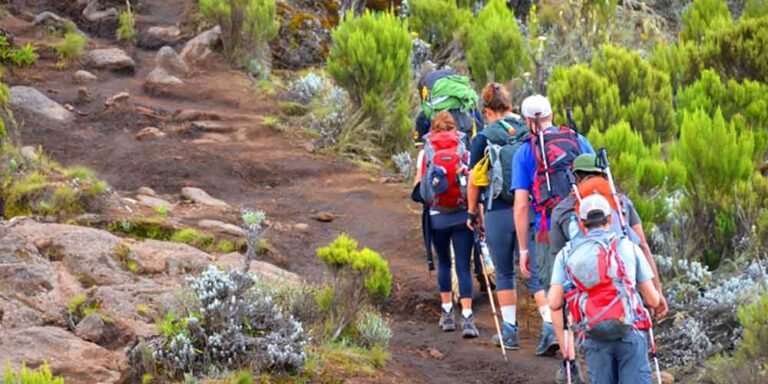
Northern Circuit – 10 July Dry-Season Expedition: Your Ultimate Kilimanjaro
Plan your Northern Circuit expedition for July 10, 2027. This dry-season adventure offers the most scenic and gradual ascent on Kilimanjaro, maximizing acclimatization and success rates.
View package details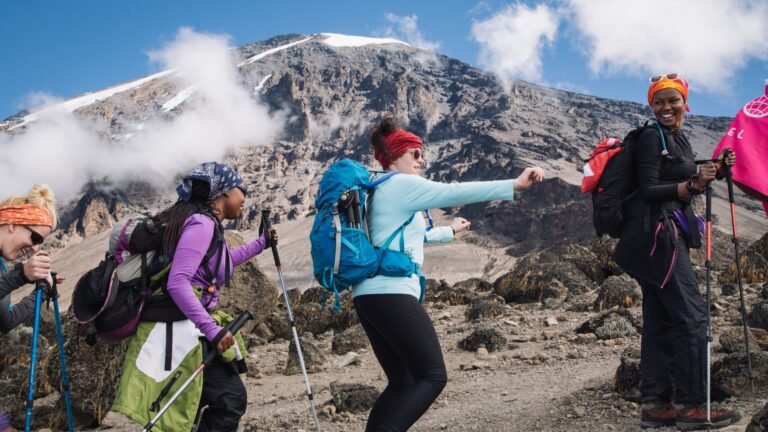
Kilimanjaro 1 May : Your Day Mountain Adventure Awaits 2027
start an unforgettable Kilimanjaro 1 May 2027 adventure. This guide details everything you need to know for a successful May Day climb, from route selection to essential preparation.
View package details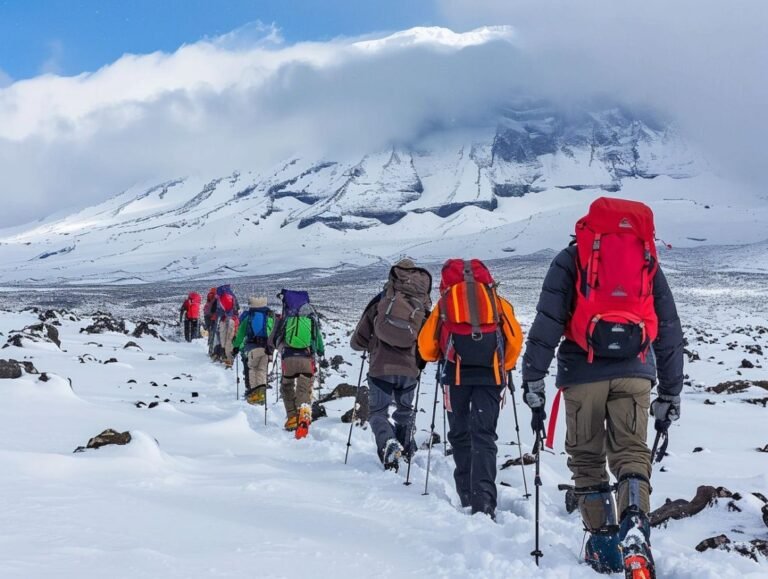
Lemosho Route – 7 August Summer Group Climb: Your Kilimanjaro Adventure 2027
start a memorable Lemosho Route – 7 August 2027 Summer Group Climb up Mount Kilimanjaro. This guide covers the itinerary, acclimatization, and preparation for your ascent.
View package details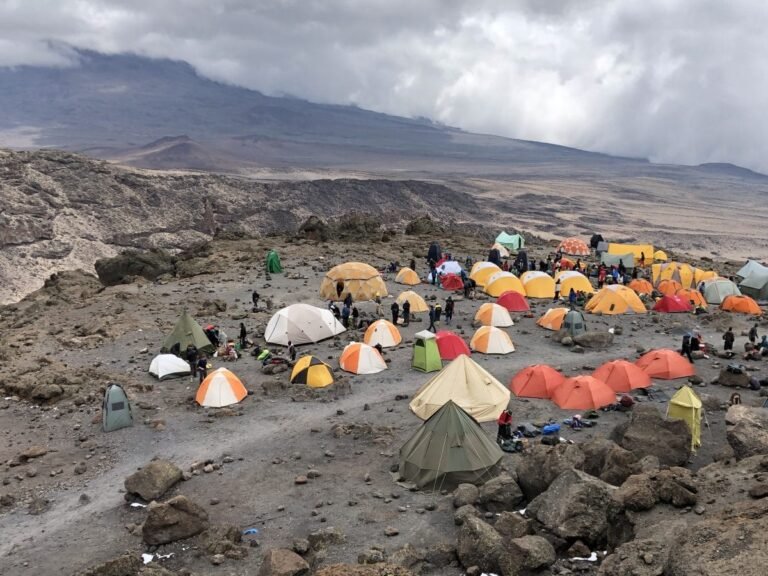
Family Kilimanjaro Climb August : Your Summer Holiday Adventure 2027
start an unforgettable Family Kilimanjaro Climb during August 2027. This guide covers the best routes, essential planning, and tips for a successful summer holiday ascent.
View package details
Kilimanjaro And Mara River Crossing Safari August : Peak Season Adventure 2027
Combining the ultimate challenge of climbing Mount Kilimanjaro with the awe-inspiring spectacle of the Great Migration river crossing in the Maasai Mara offers an unparalleled African...
View package details
Kilimanjaro And Great Migration Safari August : Your Peak Season Adventure
Plan your ultimate Tanzanian adventure in August 2027, combining a Kilimanjaro climb with the spectacle of the Great Migration. This guide details the best timings, routes, and safari...
View package detailsUk August Bank Holiday Kilimanjaro Climb : Your Peak Season Adventure 2027
Planning a UK August Bank Holiday Kilimanjaro Climb in 2027 offers a prime opportunity to ascend Africa's highest peak during a favourable season. This guide details how to make the most of...
View package detailsNorthern Circuit – 2 August Kilimanjaro Expedition: Your Ultimate Guide 2027
start the Northern Circuit route for your 2027 Kilimanjaro climb. This guide details the longest and most scenic path, ideal for acclimatization and success on August 2nd, 2027.
View package details
Juneteenth Kilimanjaro Climb – June Holiday Adventure 2027
Juneteenth Kilimanjaro Climb 2027 – June Holiday Adventure is explained with current 2027 planning, price, itinerary and booking information.
View package detailsKilimanjaro 5 June : Your Early Dry-Season Group Departure Adventure 2027
Planning a Kilimanjaro climb for June 2027? This departure on June 5th offers a prime opportunity to tackle Africa's highest peak at the beginning of the dry season. Discover why this...
View package detailsKilimanjaro May Private Climb: Flexible Low-Season Dates For Your Adventure
start a private Kilimanjaro climb in May 2027. This guide details the advantages of low-season dates, route options, and essential planning for your unique adventure.
View package details
Rongai Route Kilimanjaro May : Your Guide To A Quiet Northern Trail 2027
The Rongai Route presents a unique opportunity for a less crowded Kilimanjaro ascent, especially in May 2027. This guide details its northern approach, advantages, and what to expect.
View package detailsNo related package matches those filters. Clear one or more filters to see the other topic-matched options.



