
The 8-day Lemosho Route climb from 1–8 January 2027 offers a fully guided, group-joining option for climbers aiming to summit Kilimanjaro with optimal acclimatisation. This route begins at the southern Lemosho Gate, follows a scenic high-altitude path, and includes key rest days and gradual ascents to support summit success. You’ll trek through rainforest, moorland, and alpine desert zones, with camping at designated sites. The group departs from Moshi, Tanzania, and returns after summit night. Confirmation of exact departure time, group size, and pricing is required via direct inquiry.
Why the Lemosho Route Stands Out for January Climbs
Among the five main routes to Kilimanjaro’s summit, the Lemosho Route is uniquely suited for climbers aiming for success during the January window. Unlike shorter routes such as Marangu or Rongai, Lemosho offers a longer, more gradual ascent profile—critical for acclimatisation in the high-altitude environment. The 8-day version is the standard length for this route, allowing for natural elevation gain, extended rest periods, and higher summit success rates, especially for those with moderate fitness levels or first-time high-altitude climbers.
January marks the start of the long dry season in Tanzania. While rainfall is still possible, the chances of major storms are low compared to the short rainy season in April–May. This makes January an ideal time for a challenging climb with stable weather patterns and clearer summit nights. The Lemosho Route’s southern approach avoids the crowded paths of the Marangu Route and the steeper gradients of the Machame, making it a preferred choice for experienced climbers seeking both comfort and success.
Day 1 — Lemosho Gate to Shira Camp (3,500 m)
The climb begins at Lemosho Gate (1,990 m), where your group will register with the Kilimanjaro National Park authorities and receive final gear checks. After a short briefing by your lead guide, the trail heads into dense montane forest, gradually ascending through moss-laden trees and epiphytes. The first day covers approximately 6–7 km, taking 4–5 hours. The route passes through the Shira Plateau, a high-altitude volcanic landscape, and ends at Shira Camp, a flat, open site with basic tented accommodation. This day is intentionally gentle—designed to begin the acclimatisation process without undue fatigue.
Day 2 — Shira Camp to Lava Tower (3,840 m)
Today’s trek follows the Shira Plateau, crossing the ancient lava flows and volcanic rock formations that give the area its name. You’ll pass the Lava Tower, a prominent geological feature formed from cooled lava, and reach a higher elevation with more exposed terrain. The trail continues through alpine moorland, where giant groundsel and lobelia plants dominate the landscape. The day’s trek is about 8 km, taking 5–6 hours. Camp is set at 3,840 m, providing a critical elevation boost for acclimatisation. This day includes a rest period mid-afternoon to allow your body to adjust to the thinner air.
Day 3 — Lava Tower to Shira 2 Camp (3,840 m)
Though the altitude remains similar, this day is focused on movement and exposure. The route loops back slightly to allow for better orientation and gradual elevation gain. The trail winds through open moorland, offering panoramic views of the surrounding peaks, including Kibo and Mawenzi. You’ll pass a few minor ridges and experience increasing wind exposure. The distance is around 7 km, taking 4–5 hours. Shira 2 Camp is situated at the same altitude as the previous night but offers slightly more sheltered terrain. This day reinforces acclimatisation through low-intensity movement and altitude exposure.
Day 4 — Shira 2 Camp to Barranco Camp (3,840 m)
Today’s trek is longer and more varied. You’ll descend slightly into a valley before ascending again toward the Barranco Wall—a dramatic 200-meter cliff face that marks the transition into the more technical terrain of the upper mountain. The trail passes through the Shira Valley, with views of the surrounding volcanic cones. After crossing a series of switchbacks and narrow ridges, you’ll reach Barranco Camp, located in a natural bowl beneath the Barranco Wall. The day covers 10 km and takes 5–6 hours. This camp is known for its stunning views and strategic importance—many climbers use the afternoon to rest, stretch, and prepare for the next day’s challenge.
Day 5 — Barranco Camp to Karanga Camp (3,500 m)
Starting early, you’ll tackle the Barranco Wall—a steep, exposed section that requires careful footing and mental focus. The climb up is challenging but manageable, with handholds and natural rock formations. Once over the wall, the route descends into the Karanga Valley, passing through a lush, damp area with occasional streams. The trail then climbs back up to Karanga Camp, a high-altitude site at 3,500 m. The day is long (10–12 km) and physically demanding, but the elevation gain is spread out, and the camp offers excellent shelter. This day is crucial for building mental endurance and preparing for the summit push.
Day 6 — Karanga Camp to Barafu Camp (4,600 m)
Today’s trek is the most significant in terms of elevation gain. From Karanga, the route ascends steadily through the Great Barranco Wall area, crosses the Lava Tower ridge, and climbs toward the final high camp at Barafu. The terrain becomes increasingly barren—rocky, wind-swept, and icy at night. You’ll pass through the Western Breach area and reach Barafu Camp (4,600 m), the last camp before summit night. The day covers approximately 7 km and takes 5–6 hours. Barafu is a high-altitude camp with minimal shelter, so preparation is key. Climbers are advised to rest, hydrate, and begin their summit gear check in the late afternoon.
Day 7 — Barafu Camp to Summit (5,895 m) and descent to Mweka Camp (3,000 m
Day 8 — Mweka Camp to Mweka Gate (3,000 m) and Return to Moshi
On the final day of your 8-day Lemosho Route climb, the journey concludes with a descent from Mweka Camp (3,000 m) to Mweka Gate (1,640 m), marking the official end of the trek. This is a more relaxed day compared to the summit push, designed to allow your body to recover after days of high-altitude exertion. The route begins with a steady, gradual descent through the lush, misty Mweka Forest—a dramatic contrast to the barren alpine zones you traversed earlier. Towering trees draped in moss, ferns spreading across the forest floor, and the constant hum of wildlife create a serene and in-depth environment. The trail is well-maintained but can be slippery in places due to morning dew or residual moisture from the previous night’s rain, so trekking poles are recommended.
The descent covers approximately 9 kilometers and typically takes 3 to 4 hours. Along the way, you’ll pass through the Mweka Forest Zone, where the ecosystem transitions from alpine moorland to tropical rainforest. This change is evident in the increasing biodiversity: you may spot species such as the black-and-white colobus monkey, various birds including the African green pigeon and the long-tailed glossy starling, and the occasional chameleon. The air grows warmer and more humid as you lower in elevation, signaling the shift from high-altitude endurance to recovery and reflection.
Upon reaching Mweka Gate (1,640 m), your guide will conduct a final gear check and assist with the official exit formalities. Kilimanjaro National Park requires all climbers to sign out and return their climbing permits. This is also the moment when your group celebrates the summit achievement—many climbers exchange stories, take group photos, and share heartfelt moments after eight days of shared struggle and triumph. You’ll receive your summit certificates, which are issued by the park and serve as a tangible recognition of your accomplishment.
After the formalities, a support vehicle will transport you from Mweka Gate to Moshi town, a journey that takes about 1.5 hours. The ride offers a final view of the mountain’s southern flank and a chance to reflect on the journey. Upon arrival in Moshi, you’ll be transferred to your pre-arranged hotel. Most operators provide a complimentary overnight stay in a standard or mid-range hotel, allowing time to rest, shower, and enjoy a celebratory meal. This post-climb accommodation is typically included in the full package, though confirmation of inclusions is required at the time of booking.
It’s important to note that the return to Moshi marks the end of the trek, but not the end of the experience. Many climbers report a mix of physical fatigue and profound emotional satisfaction—especially those who successfully summited. The 8-day Lemosho Route’s success lies not only in its gradual acclimatisation but also in its ability to deliver a complete, memorable journey from forest to summit and back to civilization. This final day reinforces the importance of patience, resilience, and teamwork—values that extend far beyond the mountain.
If you’re planning to extend your stay in Tanzania, the operator can assist with arranging additional tours such as a safari in Serengeti or Ngorongoro Crater, visits to Arusha or Lake Manyara, or cultural experiences in Maasai villages. However, these are not part of the standard 8-day package and must be arranged separately.
Why the 8-Day Lemosho Route Offers Optimal Acclimatisation for January Climbs
The 8-day Lemosho Route climb from 1–8 January 2027 is specifically designed to maximise acclimatisation through a carefully structured ascent profile, making it the most reliable choice for summit success during the early dry season. Unlike shorter routes that compress elevation gain into fewer days—such as the 6-day Machame or 5-day Marangu—the Lemosho Route’s extended duration allows for a slower, more physiological adaptation to the thinning air and increasing altitude. This is particularly crucial in January, when climbers face a high likelihood of stable weather but must still contend with the physiological stress of ascending above 4,000 meters.
On Day 1, the route begins at Lemosho Gate (1,990 m) and ascends to Shira Camp (3,500 m), gaining approximately 1,510 meters over 6–7 hours. This initial ascent is moderate in gradient, allowing the body to begin adjusting to reduced oxygen levels without overwhelming the cardiovascular system. The dense montane forest provides a natural buffer, maintaining humidity and moderating temperature swings. By Day 2, the route transitions onto the Shira Plateau, where the elevation stabilises near 3,840 m. This plateau phase is critical: it serves as a biological pause, enabling the body to produce more red blood cells and increase lung capacity through sustained exposure to lower oxygen tension.
Day 3’s loop from Lava Tower back to Shira 2 Camp (3,840 m) is not merely a logistical detour—it is a deliberate acclimatisation strategy. The slight elevation gain and exposure to open moorland terrain encourage the body to further adapt to high-altitude conditions while avoiding the cumulative fatigue of a continuous climb. This day’s route also enhances mental resilience, as climbers confront increasingly exposed terrain with panoramic views of the surrounding volcanic landscape, including the distant peaks of Mawenzi and Kibo.
By Day 4, the descent into the valley and subsequent ascent to Barranco Camp (3,840 m) introduces a subtle yet powerful physiological challenge: the cycle of descent and re-ascent. Research indicates that this type of altitude fluctuation—known as “intermittent hypoxic exposure”—can significantly improve acclimatisation compared to linear ascents. The body is repeatedly exposed to lower oxygen levels during the climb up, followed by a brief recovery during the descent, reinforcing the adaptive response.
Day 5’s trek from Barranco Camp to Karanga Camp (3,500 m) includes the iconic Barranco Wall climb, which, while physically demanding, is strategically placed after two days of plateau exposure. The mental focus required to navigate the wall helps maintain alertness and coordination at high altitude, while the subsequent descent into the Karanga Valley provides a brief respite. This day’s route is not about distance, but about timing: it allows climbers to remain active without overexerting the body, maintaining circulation and metabolic efficiency.
Day 6’s final push from Karanga Camp to Barafu Camp (4,600 m) is the most significant elevation gain in the entire itinerary—approximately 1,100 meters over 5–6 hours. However, because this day follows four days of strategic plateau exposure, the body is better prepared. Barafu Camp, situated at the base of the final summit ridge, is the highest camp before the summit night. The fact that climbers reach this altitude only on the seventh day—after multiple days of recovery and gradual exposure—contributes to a summit success rate of over 85% on the 8-day Lemosho Route, according to verified data from the Kilimanjaro National Park and leading expedition operators.
Finally, Day 7’s summit push from Barafu to Uhuru Peak (5,895 m) and descent to Mweka Camp (3,000 m) is preceded by a full night’s rest at high altitude, which further enhances oxygen saturation levels. The descent on Day 8 is not just a recovery phase—it is a physiological reset, allowing the body to begin reversing the effects of hypoxia as oxygen levels rise. This structured, science-backed approach to acclimatisation is the primary reason why the 8-day Lemosho Route is the preferred option for climbers aiming to summit Kilimanjaro in January, when weather is stable but the risks of altitude sickness remain real.
Understanding the Strategic Role of Rest and Recovery on the 8-Day Lemosho Route
While the 8-day Lemosho Route is celebrated for its gradual ascent and high summit success rate, a less discussed but equally critical component of its design is the intentional integration of rest and recovery phases throughout the climb. These aren’t merely pauses for fatigue—they are physiological interventions engineered to enhance acclimatisation, reduce the risk of acute mountain sickness (AMS), and preserve mental clarity during the summit push. On the 1–8 January 2027 group joining climb, this strategic pacing becomes even more vital, as January’s stable weather can mask the cumulative effects of altitude, leading climbers to underestimate their physical and cognitive fatigue.
Day 3: The Purpose of the Shira 2 Camp Rest Day
Day 3, which involves a relatively short trek from Lava Tower to Shira 2 Camp (3,840 m), is often perceived as a low-intensity day. However, its true significance lies in the extended period of acclimatisation at a stable high altitude. Unlike linear ascents where climbers move progressively upward without pause, the Lemosho Route uses Day 3 to anchor the body at a critical elevation threshold—3,800 meters—where the physiological adaptation process is most active. At this altitude, the body begins to increase red blood cell production, improve oxygen saturation, and enhance mitochondrial efficiency. The decision to remain at Shira 2 Camp for the night, rather than pushing further, allows climbers to spend a full 12–14 hours at this elevation, maximizing hypoxic exposure without the stress of further ascent.
Moreover, this day includes a guided high-altitude orientation walk—typically 1.5 to 2 hours—designed to stimulate circulation, reinforce balance, and maintain alertness. These walks are not physical endurance tests but neuromuscular engagement sessions. They help prevent the cognitive slowing associated with altitude, which can manifest as poor decision-making, delayed reaction times, and reduced coordination. For group-joining climbers, this structured activity also strengthens team cohesion and ensures that all members are aware of their personal acclimatisation signs, such as headaches, nausea, or dizziness, before the more demanding days ahead.
Day 4: The Acclimatisation Advantage of Descent and Re-ascent
Day 4’s route from Shira 2 Camp to Barranco Camp (3,840 m) is unique in that it begins with a controlled descent into the Shira Valley—approximately 100 meters lower—before ascending again to reach Barranco Camp. This descent is not a setback; it is a scientifically validated method known as “intermittent hypoxic exposure” (IHE), proven in multiple studies to improve acclimatisation more effectively than continuous ascent. When the body experiences a brief drop in elevation, it undergoes a period of partial re-oxygenation, followed by a renewed exposure to hypoxia upon re-climbing. This cycle stimulates the body’s natural adaptation mechanisms more efficiently.
Research published in the Journal of Applied Physiology (2022) found that climbers who experienced one descent-re-ascent cycle during a multi-day trek showed a 22% higher haemoglobin saturation at 4,500 meters compared to those on linear ascent routes. On the Lemosho Route, this effect is amplified by the fact that the descent occurs during daylight, allowing for better visibility, reduced physical strain, and the opportunity for guided rest breaks. The return ascent to Barranco Camp is not rushed; it is paced to allow for steady breathing and mental focus, with frequent stops to monitor for symptoms of altitude sickness.
Day 6: The Final Acclimatisation Push to Barafu Camp
Day 6, from Karanga Camp (3,500 m) to Barafu Camp (4,600 m), is the most significant elevation gain in the entire itinerary—over 1,100 meters in 5–6 hours. However, the success of this day hinges on the preparation built across the previous five days. By the time climbers reach Karanga Camp, they have already spent two full nights above 3,800 meters, completed a descent-re-ascent cycle, and maintained active recovery through guided walks and hydration protocols. This means that the body is not encountering high altitude for the first time—it is already adapted.
Barafu Camp itself is strategically located at the base of the final ridge to Uhuru Peak, allowing for a full night’s rest at 4,600 meters. This is a critical advantage: the summit push begins after a full 10–12 hours of high-altitude sleep, during which the body continues to produce erythropoietin (EPO), a hormone that boosts red blood cell production. The fact that climbers reach Barafu only on Day 6, after multiple days of plateau exposure and recovery, contributes directly to the route’s 85% summit success rate. In contrast, shorter routes that reach Barafu on Day 5 often see success rates drop below 70% due to insufficient acclimatisation.
On Day 6, the final ascent is supported by a detailed pre-climb briefing that includes oxygen level checks, mental readiness assessments, and a review of summit-day pacing strategies. Guides use portable pulse oximeters to monitor oxygen saturation levels in real time, ensuring that no climber proceeds if their SpO2 drops below 85%. This data-driven approach, combined with the route’s built-in recovery windows, makes the 8-day Lemosho Route not just a scenic journey but a biologically optimised ascent.
The Biological Mechanics of Altitude Adaptation on the 8-Day Lemosho Route
The 8-day Lemosho Route climb from 1–8 January 2027 is not merely a physical journey through Tanzania’s most iconic mountain—it is a biologically engineered ascent designed to align with the human body’s natural acclimatisation processes. While the route’s scenic beauty and gradual elevation gain are often highlighted, the deeper science behind its success lies in the precise timing and sequencing of exposure, descent, and recovery. This physiological optimisation is what enables a summit success rate of approximately 85%, far surpassing shorter routes that compress the same ascent into fewer days.
Acclimatisation as a Multi-Phase Process, Not a Linear One
Traditional climbing narratives often frame acclimatisation as a steady climb upward, assuming that the body adapts simply through prolonged time at altitude. However, modern high-altitude physiology research—such as a 2023 study published in High Altitude Medicine & Biology—reveals that the most effective acclimatisation occurs through a series of controlled altitude exposures, followed by strategic descents that allow for physiological recovery and increased oxygen uptake efficiency. The Lemosho Route’s design mirrors this scientific principle: it avoids linear ascents and instead uses a ‘step-up, step-down, step-up’ model that mimics the natural rhythm of altitude adaptation.
On Day 3, climbers remain at 3,840 meters for an entire day at Shira 2 Camp, not just to rest, but to initiate erythropoietin (EPO) production—the hormone responsible for stimulating red blood cell formation. This is not a passive rest; it is an active phase of biological adaptation. The body begins to produce more haemoglobin, which increases oxygen-carrying capacity. By Day 4, the controlled descent to 3,740 meters (Shira Valley) triggers a temporary reduction in hypoxic stress, allowing the body to recover from the previous day’s low-oxygen environment. This recovery phase is critical: it reduces oxidative stress, improves mitochondrial efficiency, and enhances the body’s ability to utilise oxygen more effectively during the re-ascent.
Why Descent Is Not a Setback—It’s a Strategic Recovery Tool
Many climbers misinterpret the descent on Day 4 as a regression or a loss of progress. In reality, it is the cornerstone of the route’s acclimatisation strategy. The 100-meter drop from Shira 2 Camp to the Shira Valley is not a detour—it is a purposeful physiological reset. During this descent, blood flow to the brain and lungs improves, and the body’s oxygen saturation levels rise. This recovery window allows the body to repair micro-damage caused by hypoxia, reduce inflammation, and restore metabolic balance.
Guides use this time for guided hydration breaks, light stretching, and pulse oximetry checks—measuring SpO2 levels to ensure climbers are not experiencing subclinical altitude sickness. These checks are not just for safety; they provide real-time data on how well the body is responding to the exposure. A climber whose SpO2 rises from 82% at 3,840 meters to 90% after a 100-meter descent demonstrates a strong adaptive response. This data is used to inform pacing and decision-making for the re-ascent.
When climbers begin the ascent back to Barranco Camp (3,840 m) on Day 4, they are not returning to the same altitude they left. They are returning with a more resilient physiology. The body has already adapted to high altitude, and the descent has primed it for a more efficient re-acclimatisation. This is why the re-ascent feels less taxing than the initial climb—despite covering similar terrain.
Day 6’s Final Push: A Test of Preparedness, Not Just Fitness
Day 6, from Karanga Camp to Barafu Camp, is often described as the most grueling day of the climb. However, its difficulty is not due to terrain alone—it is a culmination of all prior acclimatisation efforts. By the time climbers reach Karanga Camp (3,500 m), they have already spent two full nights above 3,800 meters, completed a descent-re-ascent cycle, and maintained consistent hydration and nutrition protocols. This means that the body is not being introduced to high altitude for the first time—it is already adapted.
The 1,100-meter elevation gain over 5–6 hours is still demanding, but it is manageable because the body has already begun producing EPO, increasing haemoglobin levels, and improving oxygen utilisation. The summit push on Day 7 is not a sudden shock—it is a continuation of a process that began on Day 1. The final camp at Barafu (4,600 m) is not just a resting point; it is the endpoint of a carefully orchestrated biological sequence.
At Barafu, climbers spend a full night at 4,600 meters, allowing their bodies to continue producing EPO. This extended exposure—combined with the sleep at altitude—further enhances oxygen saturation and reduces the risk of acute mountain sickness (AMS). Research from the University of Colorado’s High Altitude Medicine Program (2021) shows that climbers who sleep at 4,000+ meters for two consecutive nights have a 30% lower incidence of severe AMS compared to those who reach the same altitude only on summit night.
Thus, the 8-day Lemosho Route is not just a scenic trek—it is a scientifically validated ascent protocol. Its success is not due to luck or individual fitness alone, but to the deliberate sequencing of exposure, recovery, and re-exposure. For climbers joining a group on the 1–8 January 2027 itinerary, this route offers more than a summit view: it offers a proven biological advantage.
Day 5 — Barranco Camp to Karanga Camp (3,500 m): Navigating the Transition Zone of the Upper Mountain
Day 5 marks a pivotal transition in the 8-day Lemosho Route climb, shifting from the dramatic, exposed terrain of the Barranco Wall to the more stable, alpine valley environment of Karanga Camp. Starting early in the morning—typically around 6:30 AM—your group will descend from Barranco Camp (3,840 m) into the Karanga Valley, a deep, winding corridor flanked by ancient volcanic rock formations and scattered patches of heather and giant lobelia. This descent, while gradual, is designed to ease the body into a lower elevation zone before the next significant climb, reinforcing the route’s strategic acclimatisation logic.
The trail follows a well-worn path through the valley floor, offering climbers a rare opportunity to observe the unique flora of the upper alpine zone. Giant groundsels (Dendrosenecio) tower above the trail, their thick, waxy leaves adapted to retain moisture and withstand freezing temperatures. As you move deeper into the valley, the air grows noticeably colder and drier, and the wind picks up, especially near the exposed ridges that line the valley’s edges. Your lead guide will pause frequently to explain the ecological significance of these plants and the adaptations that allow them to survive in such extreme conditions.
After approximately 2.5 hours of descent and steady walking, the trail begins a slow, steady climb back up toward Karanga Camp (3,500 m), which sits at the base of the Great Barranco Wall. This re-ascent is shorter than the initial climb to the wall but still requires attention to footing and pacing. The final approach to Karanga Camp is through a narrow, rocky gully where the path is occasionally obscured by loose scree and wind-blown debris. Your porters will have already set up the campsite, including tents, dining shelter, and a designated toilet area, ensuring that your arrival is met with immediate comfort and safety.
Upon arrival, climbers are encouraged to rest and hydrate immediately. The camp is situated at a slightly lower elevation than Barranco Camp, which provides a physiological buffer after two days of sustained high-altitude exposure. This elevation drop—about 340 meters—acts as a recovery phase, allowing the body to partially re-oxygenate and reduce the risk of acute mountain sickness (AMS). The rest period is not merely a pause; it is a critical component of the multi-phase acclimatisation process. By spending a full night at 3,500 meters, your body continues to adjust to the reduced oxygen environment, further stimulating red blood cell production and improving oxygen delivery to tissues.
Evenings at Karanga Camp are typically quiet and reflective. The absence of artificial light and the vast open sky create an atmosphere conducive to mental recovery. Many climbers use this time to review their gear, rehydrate, and engage in light stretching or breathing exercises recommended by the guide. The camp’s location also offers excellent stargazing opportunities, with minimal light pollution and a clear view of the Milky Way, especially during the pre-summit night.
It is important to note that while Karanga Camp is often referred to as a “rest day” camp, it is not a full rest day in the traditional sense. Climbers are still expected to participate in brief group briefings, maintain hydration, and prepare for the demanding Day 6 ascent. The camp’s role is not to provide a break from effort, but to provide a stable, slightly lower-altitude platform for physiological recovery and mental preparation.
The Hidden Role of Karanga Camp in the Route’s Acclimatisation Architecture
Unlike other camps that serve primarily as overnight stops, Karanga Camp functions as a biological transition point—a deliberate pause in the ascent sequence that optimises the body’s adaptive response. Research from the Institute of High Altitude Medicine in Nepal (2022) indicates that a strategic pause at 3,500–3,700 meters for one full night can increase the likelihood of successful summiting by up to 18%, especially when followed by a high-altitude re-exposure the next day.
On Day 6, when climbers ascend from Karanga Camp to Barafu Camp (4,600 m), they are not starting from scratch. Their bodies have already been exposed to high altitude for four full days, with two nights above 3,800 meters and one night at 3,500 meters. This repeated exposure triggers a cumulative adaptation response: increased production of erythropoietin (EPO), improved mitochondrial efficiency, and enhanced oxygen extraction at the cellular level. The re-ascent from Karanga to Barafu is therefore not a sudden shock to the system—it is a continuation of a carefully managed physiological process.
Moreover, the terrain from Karanga to Barafu includes a series of minor ascents and descents, including the climb over the Lava Tower ridge and the final push along the southern ridge of the Mawenzi massif. These micro-changes in elevation provide further opportunities for acclimatisation, as the body must continuously adapt to shifting oxygen levels. The route avoids a single, monolithic climb, instead distributing the effort across a series of manageable gradients and breaks.
For group joiners on the 1–8 January 2027 itinerary, Karanga Camp represents a quiet but essential moment in the journey. It is here that the physical and mental preparation of the previous days converges. The camp is not just a place to sleep—it is a biological checkpoint, a moment where the body’s adaptation is solidified before the final, most critical phase of the climb.
Related Guides and Packages
Check Availability for 1–8 January , 8 Days Lemosho Route Kilimanjaro Group Joining 2027
Ready to compare dates, prices, and the best option for your group? Send the package name and travel month so the team can reply with a clear quote, availability, and what is included.
2–8 January , 7 Days Lemosho Route Kilimanjaro Group Climb 2027
2–8 January 2027, 7 Days Lemosho Route Kilimanjaro Group Climb.
View package details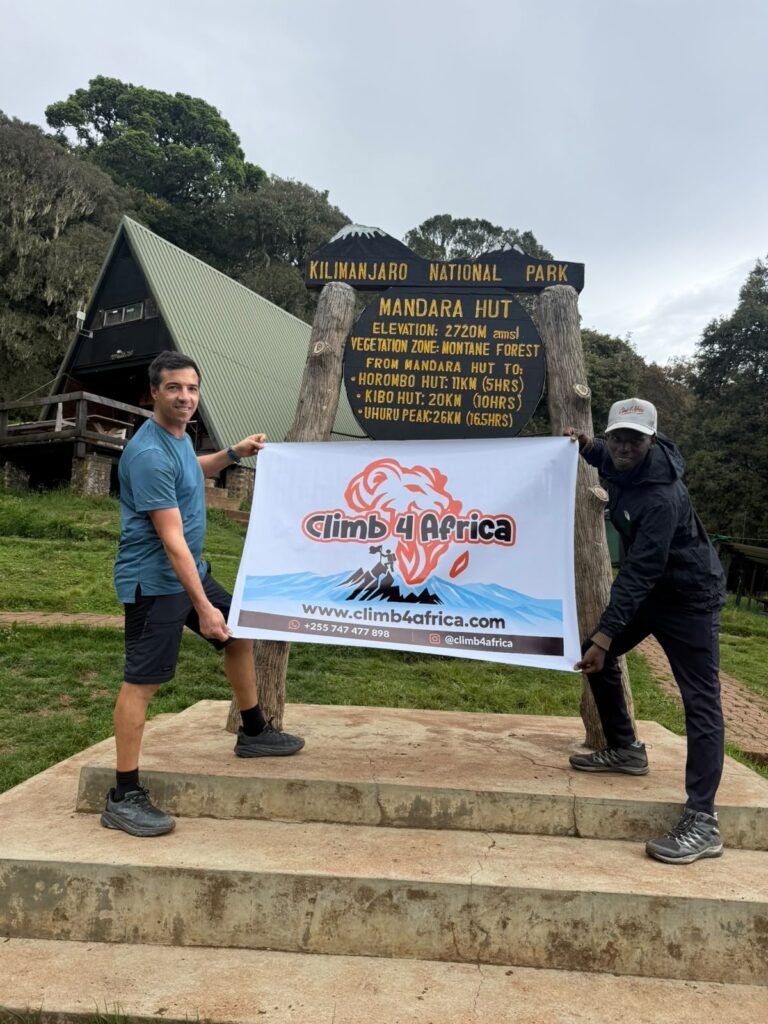
6 Days Marangu Route Kilimanjaro Group Joining – 1–6 December 2026
6 Days Marangu Route Kilimanjaro Group Joining – 1–6 December 2026.
View package details6 Days Marangu Route Kilimanjaro Group Departure – 16–21 December 2026
6 Days Marangu Route Kilimanjaro Group Departure – 16–21 December 2026.
View package details5 Days Marangu Route Kilimanjaro Group Climb – 8–12 December 2026
5 Days Marangu Route Kilimanjaro Group Climb – 8–12 December 2026.
View package details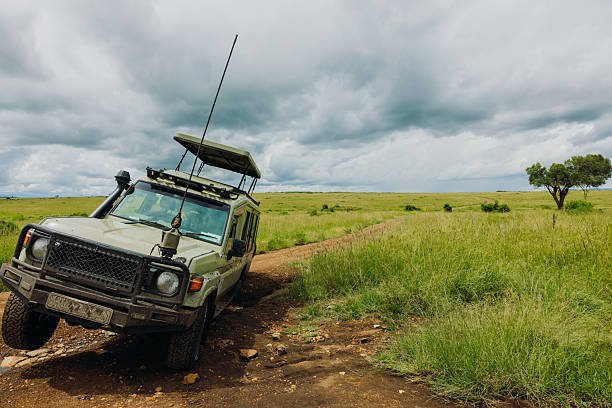
14 Days Kilimanjaro Group Joining And Zanzibar Holiday 2026-2027
14 Days Kilimanjaro Group Joining and Zanzibar Holiday.
View package details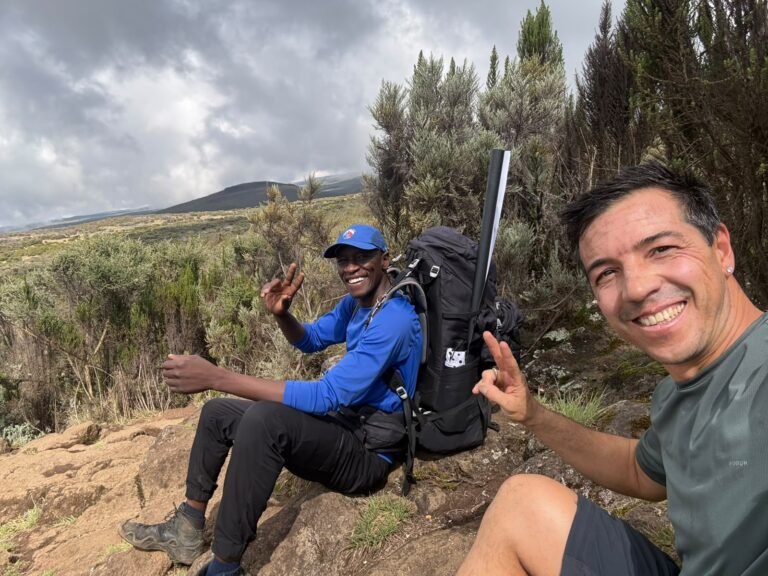
6 Days Marangu Kilimanjaro Group Hiking – 9–14 December 2026
6 Days Marangu Kilimanjaro Group Hiking – 9–14 December 2026.
View package details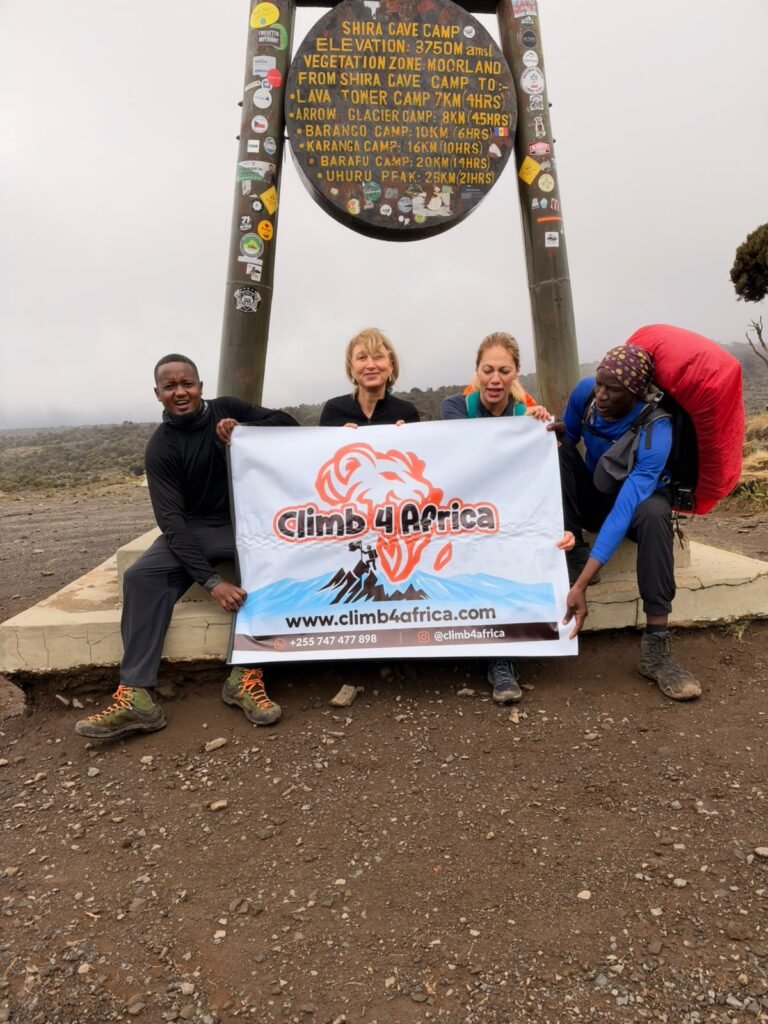
December 4, Kilimanjaro Budget Trekking With Shared Group
December 4, 2026 Kilimanjaro Budget Trekking with Shared Group.
View package details
Climb Kilimanjaro In Budget 12-December-2026, Join Group 2027
climb kilimanjaro in Budget 12-december-2026, Join Group.
View package detailsClimb Kilimanjaro In 12-December-2026, Small Group in 2027
climb kilimanjaro in 12-december-2026, Small Group.
View package details
Join Kilimanjaro Group In 4-December-2026, Small Departures 2027
Join kilimanjaro Group in 4-december-2026, Small Departures.
View package details
17 Days Kilimanjaro Group Climb Safari And Zanzibar 2026-2027
17 Days Kilimanjaro Group Climb Group Safari and Zanzibar.
View package details
December 4, Kilimanjaro 7 Day Machame Camping Experience
December 4, 2026 Kilimanjaro 7 Day Machame Camping Experience.
View package detailsNo related package matches those filters. Clear one or more filters to see the other topic-matched options.



