
The Kilimanjaro group joining tours commencing 27 November 2026 follow established routes with shared guides and porter support, prioritising acclimatisation and a logical ascent sequence. Availability and exact departure dates must be confirmed with Climb 4 Africa; real schedules and group sizes are provided on request. Expect 6–8 day itineraries with itineraries like Machame or Lemosho variants, included permits, park fees, guide and crew, and standard safety protocols. Booking requires checking live group dates, inclusions, and transfer options through Climb 4 Africa.
How the 27 November departures are organised
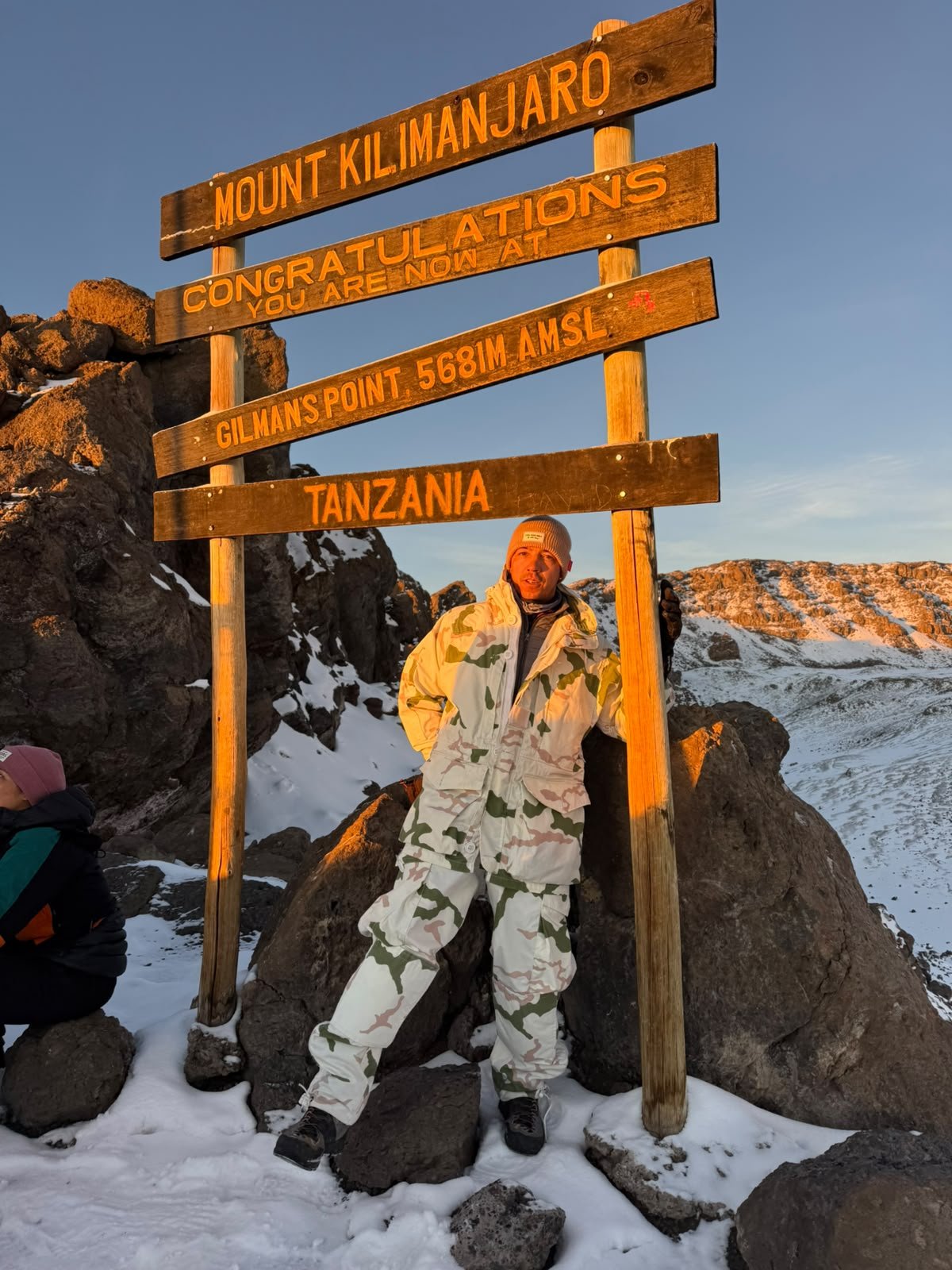
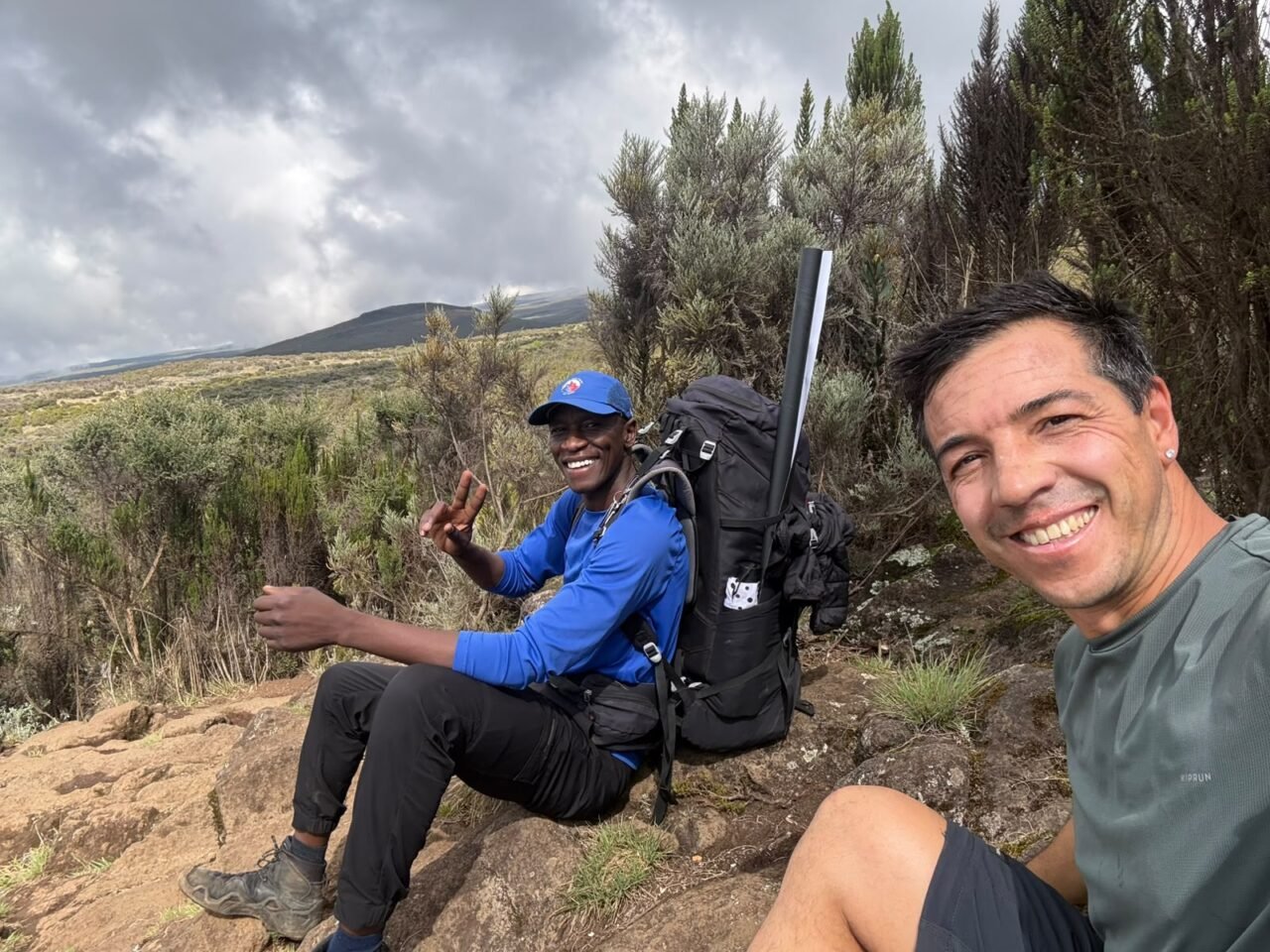
Climb 4 Africa arranges Kilimanjaro group climbs with a shared guide-to-climber ratio and a crew that includes cooks and porters. The 27 November 2026 departures sit in the late-dry-season window, often aligning with standard routes that balance altitude gain and acclimatisation time. For this batch, expect options with Lemosho and Machame variants, each with a slightly different trekking pace and campsite sequence. Exact group size and the departure date are confirmed upon enquiry; there is no published, guaranteed price or seat until you secure a verified schedule.
Core route options for group joining itineraries
Most November group departures hinge on two reliable routes: Lemosho and Machame. Both provide robust acclimatisation through a gradual ascent profile and enough days for altitude adjustment. Lemosho typically offers a longer acclimatisation and a gentler start, with a higher success buffer, while Machame is slightly more direct and often faster, with strong support camps and a proven track record in group formats. Details about daily terrain, camps, and intended pacing are shared once you request a verified schedule.
Sample day-by-day logic you’ll see in 27 November groups
Note: exact timings vary by group and weather. A representative flow prioritises safety and acclimatisation: Day 1 arrival and briefing; Day 2 transfer to the starting park gate; Days 3–7 on trekking with planned rest and short acclimatisation hikes; Day 8 summit attempt; Day 9 descent and transfer back to Moshi or Kilimanjaro Airport. Each day includes meals, rests, and camp setups. In the group context, guides coordinate pace with climbers’ fitness and acclimatisation needs, ensuring the ascent remains manageable for mixed experience levels.
What you actually book when you join a group
Joining a group means you’re allocated a place on a specific route (Lemosho or Machame are the common options), with a fixed itinerary set by the operator for the given dates. The booking typically includes: park fees, route permits, guide and crew services, meals on trek, rescue insurance add-ons, and standard gear tips. It does not imply a fixed price list until you receive a confirmed schedule. You’ll need to verify inclusions, pre-trip briefing times, hotel pickup specifics, and gear requirements before payment.
Planning steps to request a verified schedule
To access actual departures starting 27 November 2026, contact Climb 4 Africa directly through their updates page or the Kilimanjaro group joining inquiry form. Have your preferred route (Lemosho vs Machame), group size expectations, and any special considerations ready. The operator typically responds with a current calendar, available slots, and a transparent quote that reflects the chosen route, inclusive items, and any optional services you may want to add.
Why request instead of assuming: group sizes shift with seasonality, and live schedules ensure you’re aligned with the latest safety and permit requirements. Always confirm transfer arrangements from Moshi or Kilimanjaro International Airport, as group pickups vary by itinerary and hotel location.
What affects price and availability for November group climbs
Prices in Kilimanjaro group climbs depend on the route, the length of the trek, the level of inclusions (gear rental, porters, meals, contingency funds) and the season’s demand. Availability is dynamic; a handful of seats can disappear quickly as dates fill. For an accurate quote, request a current schedule for the 27 November departures and compare against alternatives like late November or Thanksgiving week blocks if offered. Climb 4 Africa will provide verified numbers after your inquiry.
How to compare with nearby group options
When evaluating, look at route duration, acclimatisation time, daily distances, and the crew-to-climber ratio. Lemosho tends to be longer and gentler, while Machame offers a slightly quicker ascent with robust campsite facilities. Consider your personal pace, previous high-altitude experience, and whether you want extra acclimatisation days or a shorter trekking window. Always verify what’s included in the price and what gear you must bring or rent.
Next steps: turning inquiry into a confirmed departure
Start by submitting a group-joining inquiry for 27 November 2026 through Climb 4 Africa’s latest updates page. Attach details about your preferred route, group size, and any special needs. Expect a response with the current verified schedule, exact departure times, meeting points in Moshi, and a formal quote. Once you approve the schedule and inclusions, you’ll proceed to booking with a deposit and a clear cancellation policy, specific to the group departure you select.
Logistical quick-reference for November group climbs
- Common routes: Lemosho and Machame
- Typical trek length: 6–8 days on the mountain
- Inclusions: park fees, guides, cooks, porters, meals on trek
- Exclusions: personal gear, international flights, travel insurance (often optional)
- Starting point: Moshi or Kilimanjaro National Park gate depending on route
Stay informed with Climb 4 Africa
Sign up for updates, follow the Kilimanjaro group joining pages, and bookmark the November 2026 departures. This spacing allows you
Operational realities of the 27 November 2026 group departures: clarifying schedule, pacing, and on-mountain logistics
Readers seeking to understand the concrete, bookable flow of Kilimanjaro group joining tours starting 27 November 2026 will benefit from a closer look at how schedules are verified, how pacing is structured for acclimatisation, and how day-by-day sequencing translates into the actual on-mountain experience. This section does not invent dates or prices; it explains the practical steps you will encounter after you submit a group-joining inquiry and how that information becomes the basis for your booking.
First, the verified schedule is not a static placeholder. Climb 4 Africa provides a live, route-specific timetable only after confirming your group size, preferred route (Lemosho or Machame), and any special requirements. The schedule includes departure times from Moshi or Kilimanjaro International Airport transfers, the sequence of camps, and the expected altitude milestones. Because weather, park operations, and permit allocations can influence camp availability, the final timetable reflects the latest operational constraints and is shared as a formal quote tied to your chosen departure group.
On acclimatisation, November group itineraries typically integrate deliberate rest and acclimatisation days within the ascent rhythm. Lemosho variants usually place the first two trekking days with a gentler start, allowing the body to adjust before higher camps. Machame variants often streamline early days but preserve a solid altitude gain buffer through longer mid-camp sequences. In practice, this means your day-by-day plan is designed around repeated short, controlled ascents and strategic rests, rather than long, rapid treks between camps. The exact camp-night order (for example, where you stay at designated Machame or Lemosho camps) is defined in the verified schedule and depends on current terrain and campsite availability.
Next-step logistics come into play once the schedule is verified. Your group will receive a detailed itinerary packet that lists: the start point in Moshi or at the gate, transfer pickup times and locations, daily trekking times or average distances, planned refreshment stops, and the typical wake-up calls with meal times. Equipment lists, porter assignments, and the crew-to-climber ratio are reaffirmed at this stage to ensure you understand who you will be trekking with and how the support crew will assist during each day’s climb. If you have medical considerations, dietary needs, or special equipment requests (for example, insulated sleeping mats, high-altitude trekking poles, or extra gear storage), these are captured in the verified schedule and reflected in how gear is allocated among the group prior to departure.
In terms of day-by-day flow, you will see a clear pattern emerge once the schedule is in place. Start with arrival logistics and a pre-trek briefing, followed by the transfer to the park gate, and then the sequence of trekking days with planned acclimatisation and rest days. The daily routine typically includes morning starts, measured ascent rates, defined lunch breaks, and early evenings at designated camps. Although exact times vary, the logic remains consistent: incremental altitude gains with built-in recovery, guided by your assigned lead guide and a sub-team of assistant guides. This structure is designed to maintain safety margins while preserving sufficient exposure to altitude for acclimatisation.
Regarding inclusions and exclusions, the verified schedule will confirm exactly what is included for your group: park fees and permits, guiding services, cooks, porters, meals on trek, filtered water, and contingency reserves. It will also specify what you must bring or rent on the mountain (such as personal sleeping bags, headlamps, trekking poles, and warm layers). If you opt for gear rental through the operator, the schedule outlines the pickup process and return requirements at specific camps or Moshi-based hubs. Travel insurance remains a prudent consideration outside the on-mountain inclusions, and the verified timetable will remind you of this expectation as part of pre-departure planning.
From a booking perspective, the verified schedule is the anchor document for your deposit and cancellation policy. After you review the schedule and confirm alignment with your group size and route preference, you will proceed to a formal booking. The deposit schedules and payment milestones are tied to the group departure date, and the cancellation terms will reference the specific group instance you selected. The timetable also clarifies transfer options if your arrival airport differs from the standard Moshi pickup point, since some itineraries may arrange hotel-to-gate transfers or central Moshi pickups depending on the overall group plan.
Safety and compliance are consistently foregrounded in the verified schedule. You will see references to acclimatisation safety checks, mandatory health declarations, and the enforcement of park rules and maximum daily trekking limits. Guides coordinate with park authorities to ensure that the group adheres to permitted routes and camping assignments. If weather or other conditions require adjustments to the plan, the operator will communicate any permissible alternations to routes or camps in the same verified format, preserving the overall acclimatisation logic and safety-first approach.
In short, the bookable flow for the 27 November 2026 departures is defined by a verified, route-specific schedule that emphasizes gradual ascent, built-in acclimatisation, and a coordinated crew-supported experience. By moving from inquiry to a formal quote, you gain access to the precise day-by-day plan for your chosen route, including camp sequence, transfer logistics, and the exact inclusions that will shape your on-mountain experience. This ensures you have a clear, actionable path to booking, with transparent expectations around pacing, safety, and what is covered by the operator versus what you supply independently.
Clarifying the day-by-day sequencing within the verified schedule
Readers frequently ask for granular confirmation on how a bookable Kilimanjaro group itinerary unfolds from start to finish, especially when arrival, transfers, and acclimatisation pauses are tightly coordinated with a fixed route. The new passages here outline the actual bookable rhythm you will encounter after your inquiry yields a verified schedule for the 27 November 2026 departures, without inventing dates, prices, or group sizes.
First, the on-mountain rhythm remains anchored to the route you select (Lemosho or Machame) and to the operator’s official day-by-day plan. While specific camp names and exact mileage can vary by group due to weather, porter allocations, or permit windows, the essential structure is preserved: a measured ascent with built-in acclimatisation stays and clearly designated trekking days, interspersed with noted rest or short acclimatisation hikes. The verified schedule communicates this scaffold in two complementary ways: the high-level pacing framework and the exact daily activities for each camp sequence.
Second, you will see a two-layer day description in the verified timetable: (1) the general phase of the day (for example, “early trekking from Camp A to Camp B with a planned acclimatisation halt”); and (2) the practical actions for the group (timings, terrain notes, how many hours are allocated to trekking, and where meals are served). This separation helps you understand both the overall ascent logic and the concrete, risk-managed steps you will take on the ground. Expect each trekking day to include moderate elevation gains, a deliberate pace to support acclimatisation, and a consistent cadence of breaks that align with the group’s collective stamina.
Third, transfers and logistics tied to the bookable plan are explicit. The verified schedule confirms when the group will depart from Moshi or a central Milimani hub, how long the drive to the national park gate will take, and where you will assemble with the rest of the climbers. The document also specifies expected luggage handling, campsite checks, and the handover of any rented equipment. If a morning departure window is adjusted due to weather or park operations, the same verified format communicates the permissible alternatives while preserving the day-by-day logic that governs acclimatisation and safety thresholds.
Fourth, the pacing discipline is reinforced by safety checkpoints. The schedule marks acclimatisation days or partial rests, noting optional shorter hikes or rest periods if the group needs to consolidate altitude gains. Guides coordinate with porters and cooks to keep food delivery, water safety, and hygiene standards consistent across camps. If a particular day requires a revised path or a camp swap, the verified timetable will describe the rationale and the exact substitution, ensuring climbers within the same departure window experience a uniform safety-first approach.
Finally, the day-by-day plan is designed to be actionable for personal planning. While you do not receive a guaranteed price or seat until the schedule is verified for your group, the document you review will delineate all inclusions connected to the trekking days (meals, park fees, guide services, cooks and porters) alongside what you must arrange or rent independently (personal gear, travel insurance, and non-included items). This clarity is essential so you can prepare a packing list aligned with the expected camp conditions and the long days on the mountain, without duplicating items or underestimating warming layers required for higher elevations.
Practical implications for your planning process
When you move from inquiry to a verified schedule, you gain access to a transparent, route-specific day-by-day plan. Reviewers should pay particular attention to: (a) the number of trekking days allocated to acclimatisation versus summit push; (b) the sequence of camps and the associated elevation gains; (c) the daily start and finish times, including predicted trekking durations and rest periods; and (d) the contingency language that explains how weather or health considerations might trigger a controlled change in route or campsite while maintaining the overall acclimatisation arc.
In terms of preparation, you can align your personal gear and training to the verified plan. Start with a baseline packing list for the chosen route, then cross-check with the schedule’s camp-specific expectations. For example, if the plan designates longer carries on days approaching the summit, you may prioritise stamina-focused conditioning and sleep readiness in the preceding weeks. The schedule will also remind you of the need for a high-quality sleeping bag and a proper wind jacket suitable for the higher camps. If you opt for gear rental, the verified timetable includes the pickup and return steps at the Moshi hub or at designated camps, ensuring a smooth gear-management flow for your group.
What to expect in the verified schedule versus the inquiry stage
The verified schedule is intentionally precise about the day-by-day cadence and the on-mountain sequence. In contrast, an inquiry stage provides feasibility signals — route options, typical camp structures, and the general acclimatisation rationale — but does not lock in the exact camp order or daily start times. By moving to a verified document, you align with an authoritative plan that coordinates with park authorities and the operator’s crew, which is essential for maintaining the integrity of the acclimatisation strategy and the safety framework on Kilimanjaro.
Refinements to user-facing questions arising from the schedule verification
Given the fixed nature of the 27 November 2026 departures within the Lemosho or Machame options, readers often want to know how much flexibility remains once a schedule is verified. The answer lies in the fact that the verified timetable preserves the general route structure and the maximum daily trekking thresholds, but allows for tactical adjustments in response to weather, trail conditions, or health-related pauses. These adjustments are documented in the same verified format, with explicit notes about what can shift (for example, the order of campsite stops or a longer rest at a particular camp) while keeping the acclimatisation curve and safety checks intact.
Readers should also note that the inclusion set remains consistent with the operator’s standard package, and any gear rental or consumables are itemised within the schedule. Personal preferences or running equipment lists must be reconciled when reviewing the verified plan, ensuring that all non-included items align with your personal readiness and comfort benchmarks. This approach reduces the risk of last-minute surprises and helps climbers stay aligned with the group pace and safety standards established for the 27 November departures.
Related Guides and Packages
Check Availability for Kilimanjaro Group Joining Tours Starting 27 November
Ready to compare dates, prices, and the best option for your group? Send the package name and travel month so the team can reply with a clear quote, availability, and what is included.
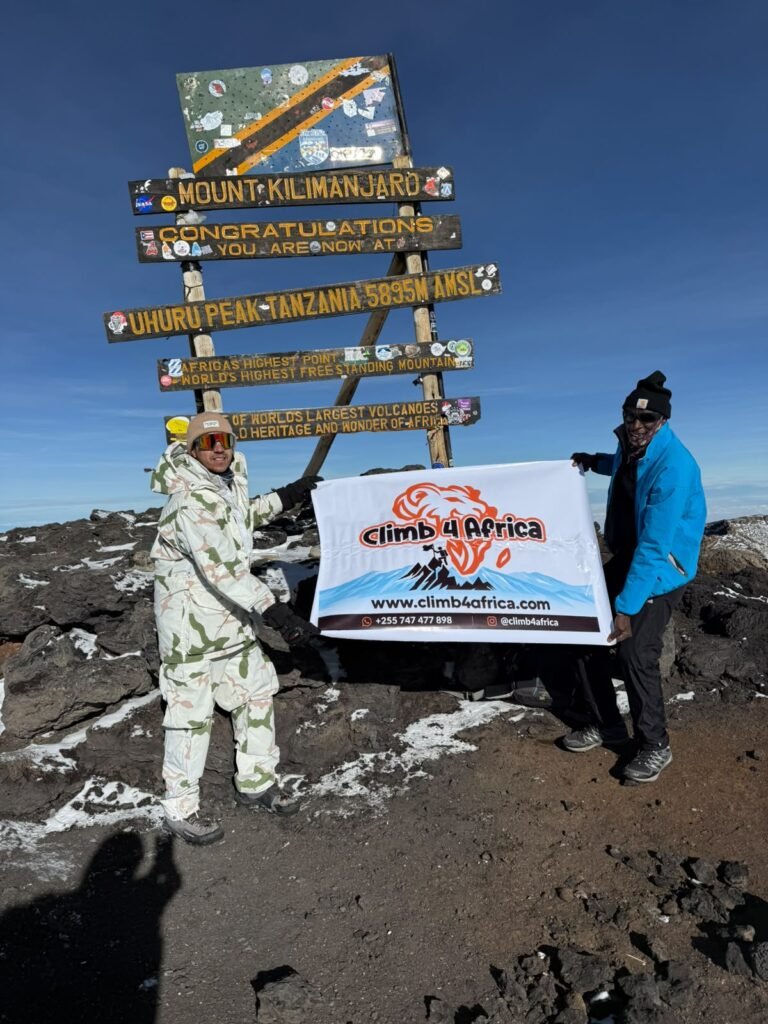
7 Days Rongai Route Kilimanjaro Group Joining – 26 November – 2 December
Experience Kilimanjaro via the Rongai Route with a confirmed group departure for 26 November–2 December 2026. Read a practical, day-by-day plan focusing on route pacing, acclimatization...
View package details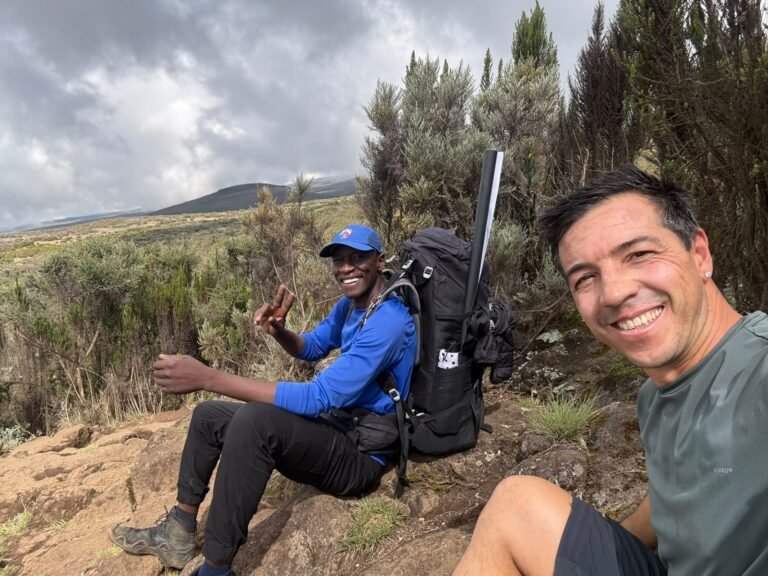
7 Days Machame Route Kilimanjaro Group Joining – 27 November – 3 December
7 Days Machame Route Kilimanjaro Group Joining – 27 November – 3 December 2026.
View package details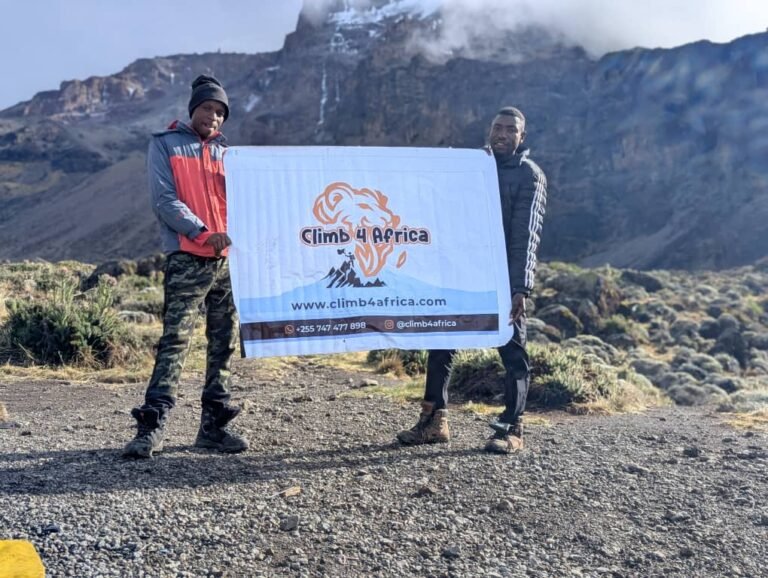
8 Days Lemosho Route Kilimanjaro Group Joining – 27 November – 4 December
8 Days Lemosho Route Kilimanjaro Group Joining – 27 November – 4 December 2026.
View package details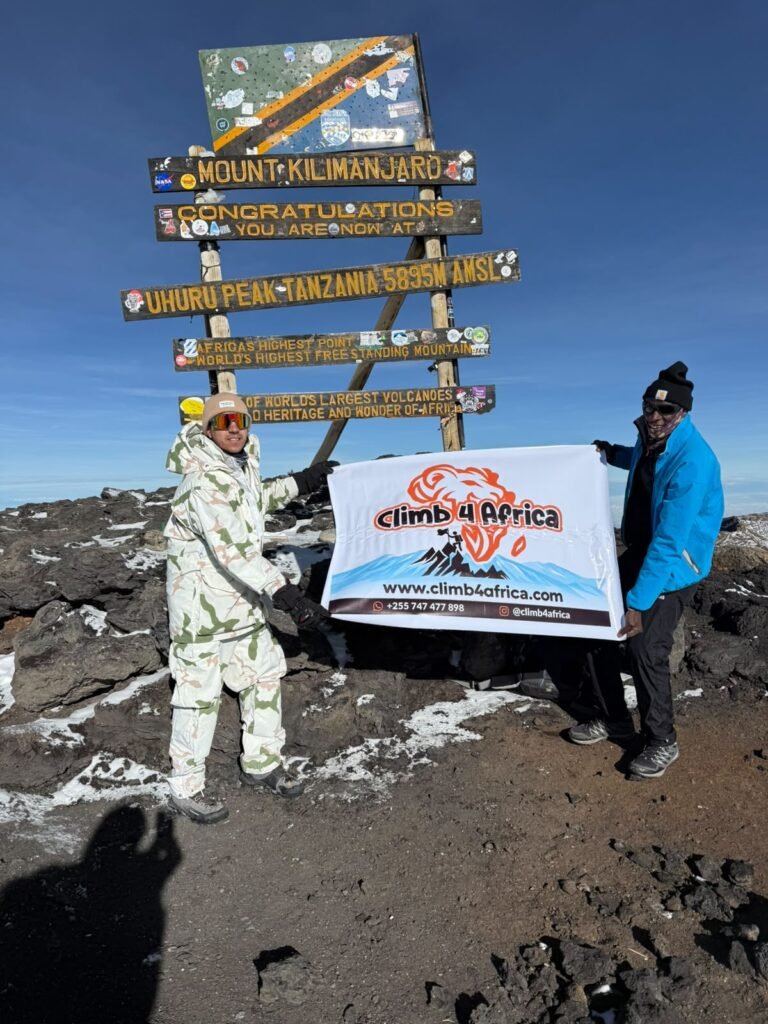
7 Days Machame Kilimanjaro Group Joining – 14–20 November
Join a confirmed 7-day Machame Route Kilimanjaro climb with a small group, departing 14–20 November 2026. Plan, acclimatise and summit with practical logistics and local support.
View package details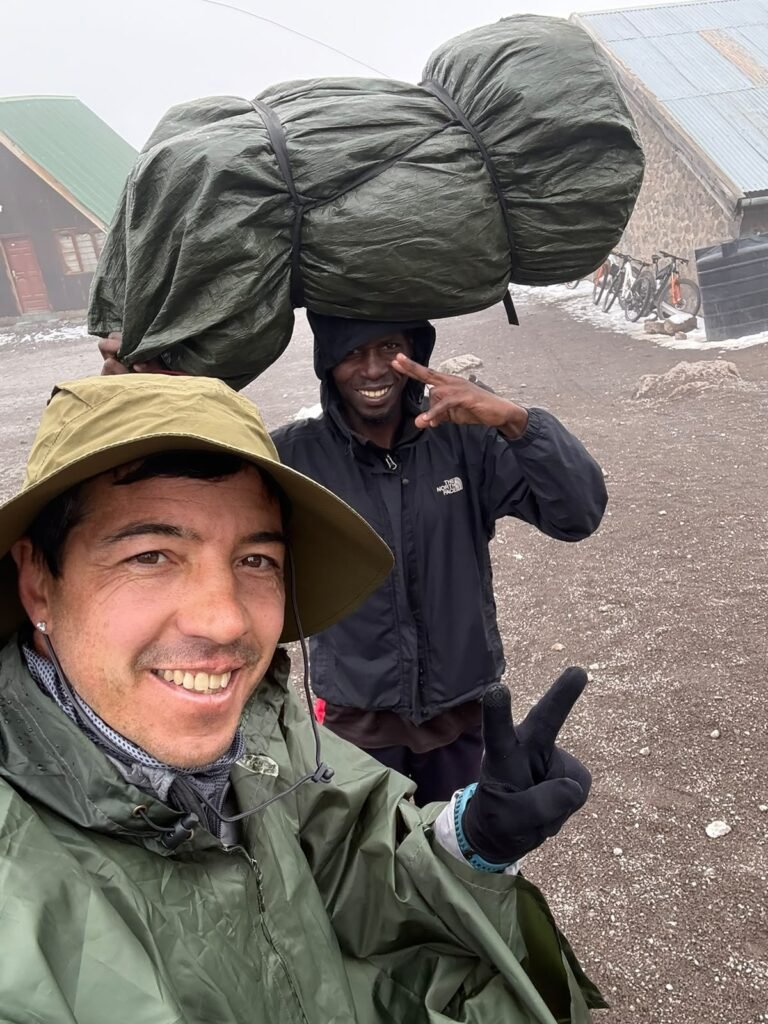
8 Days Lemosho Route Kilimanjaro Group Joining – 7–14 November 2026
Plan an 8-day Lemosho climb on Kilimanjaro with a verified group joining window of 7–14 November 2026. This first installment breaks down the day-by-day itinerary, acclimatisation logic...
View package details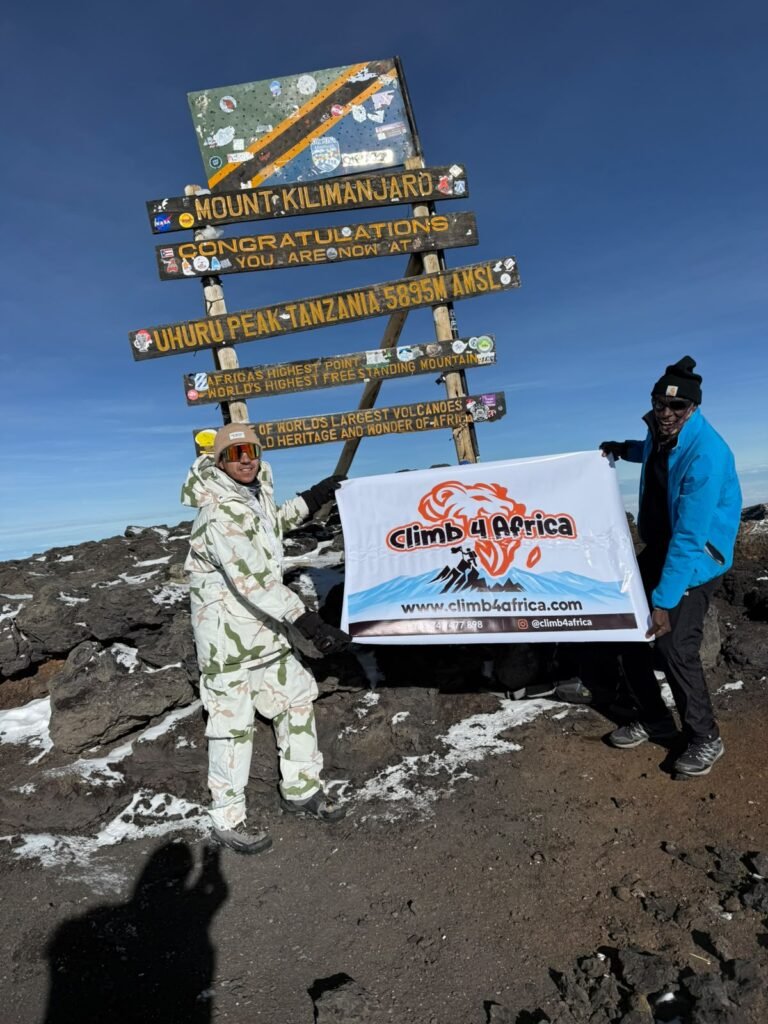
9 Days Northern Circuit Kilimanjaro Group Joining – 17–25 November
9 Days Northern Circuit Kilimanjaro Group Joining – 17–25 November 2026.
View package details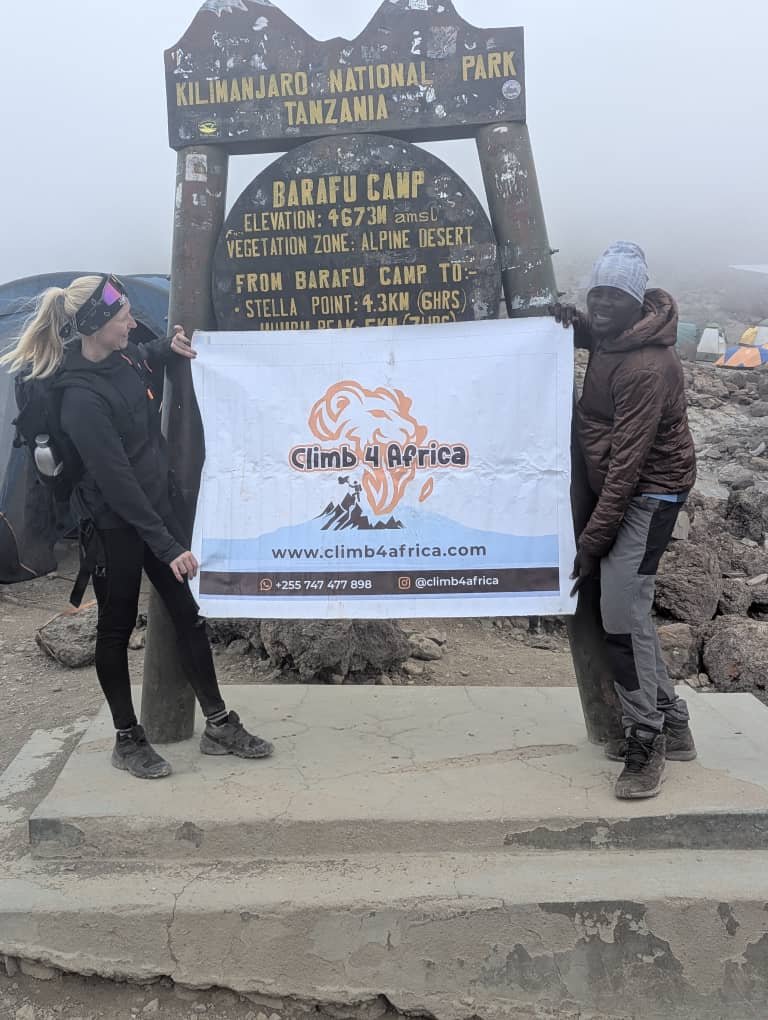
6 Days Marangu Route Kilimanjaro Group Joining – 20–25 November
Bookable 6 days on the Marangu route with a verified group departure 20–25 November 2026. Day-by-day itinerary, acclimatization plan, hut-style accommodations, and how to request a...
View package details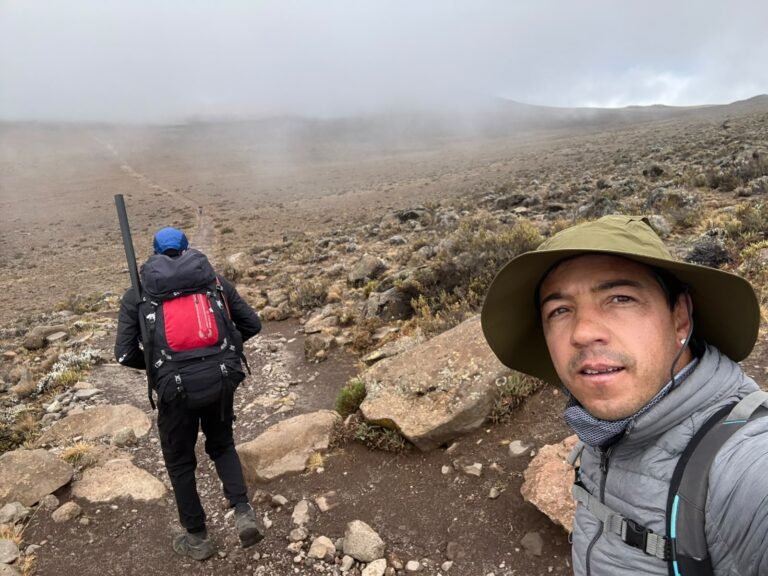
8 Days Lemosho Route Kilimanjaro Group Joining – 18–25 November 2026
8 Days Lemosho Route Kilimanjaro Group Joining – 18–25 November 2026.
View package details
7 Days Machame Kilimanjaro Group Joining Price – 19–25 November 2026
7 Days Machame Kilimanjaro Group Joining Price – 19–25 November 2026.
View package details8 Days Lemosho Kilimanjaro Group Joining: 18–25 November 2026
Plan an 8-day Lemosho Kilimanjaro climb with a shared group from 18–25 November 2026. Learn the route, day-by-day logistics, and what a booked package typically includes.
View package detailsKilimanjaro Group Joining Tours November, Dates, Routes And Prices 2026
Kilimanjaro Group Joining Tours November 2026 – Dates, Routes and Prices.
View package detailsNovember Kilimanjaro Lemosho Vs Machame Group Climbing Dates
November 2026 Kilimanjaro Lemosho vs Machame Group Climbing Dates.
View package detailsNo related package matches those filters. Clear one or more filters to see the other topic-matched options.



