
The 5 Days Marangu Kilimanjaro Christmas Trek (22–26 December 2026) is a hut-based ascent via the classic Marangu route: Marangu Gate → Mandara Hut → Horombo Hut → Kibo Hut → Uhuru Peak with descent back toward Horombo/Marangu. Over five days the plan prioritises steady ascent, one acclimatisation day at Horombo and overnight hut accommodation. Exact hut assignments, guide team and final departure logistics must be confirmed with Climb 4 Africa before booking.
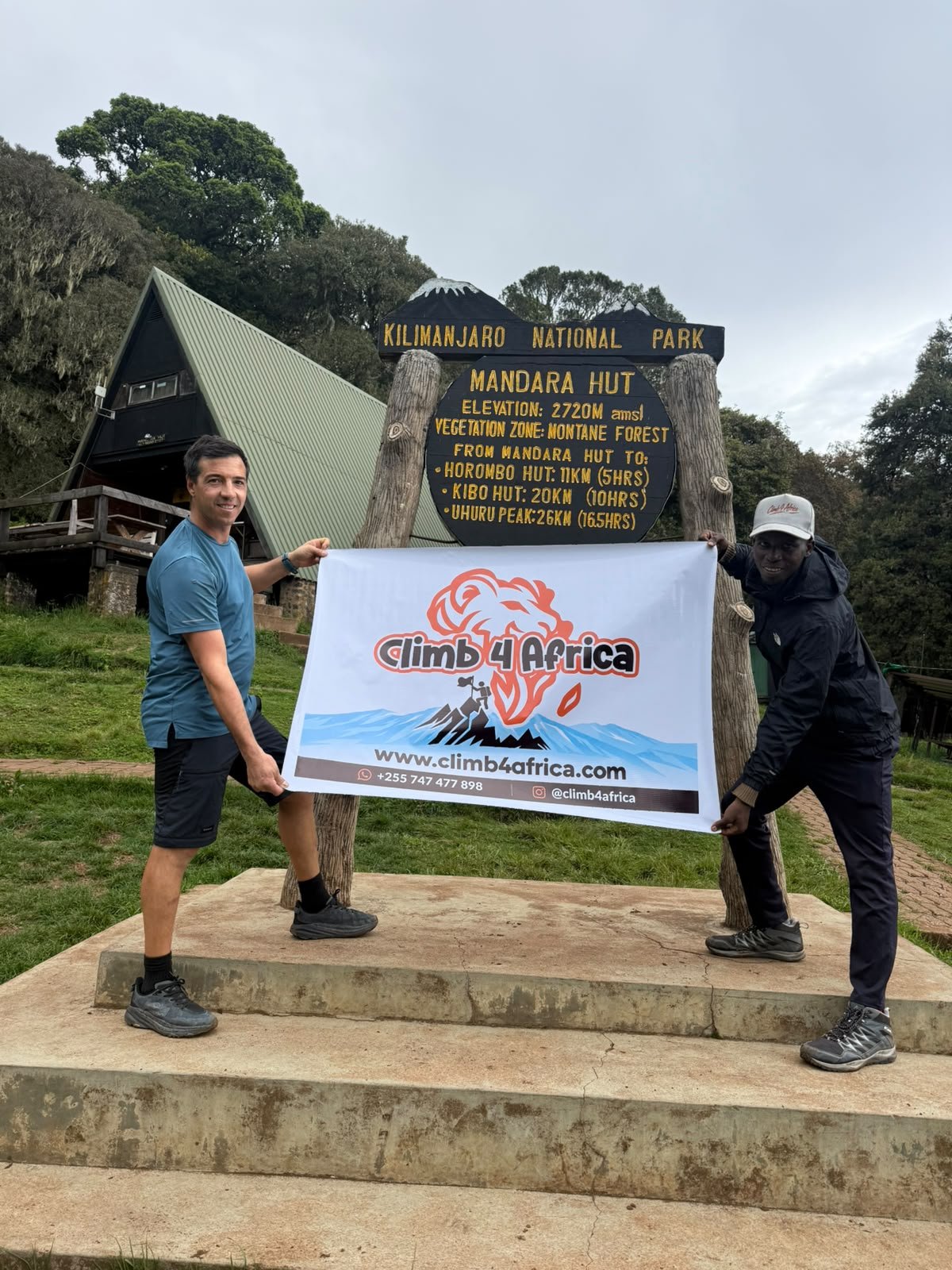
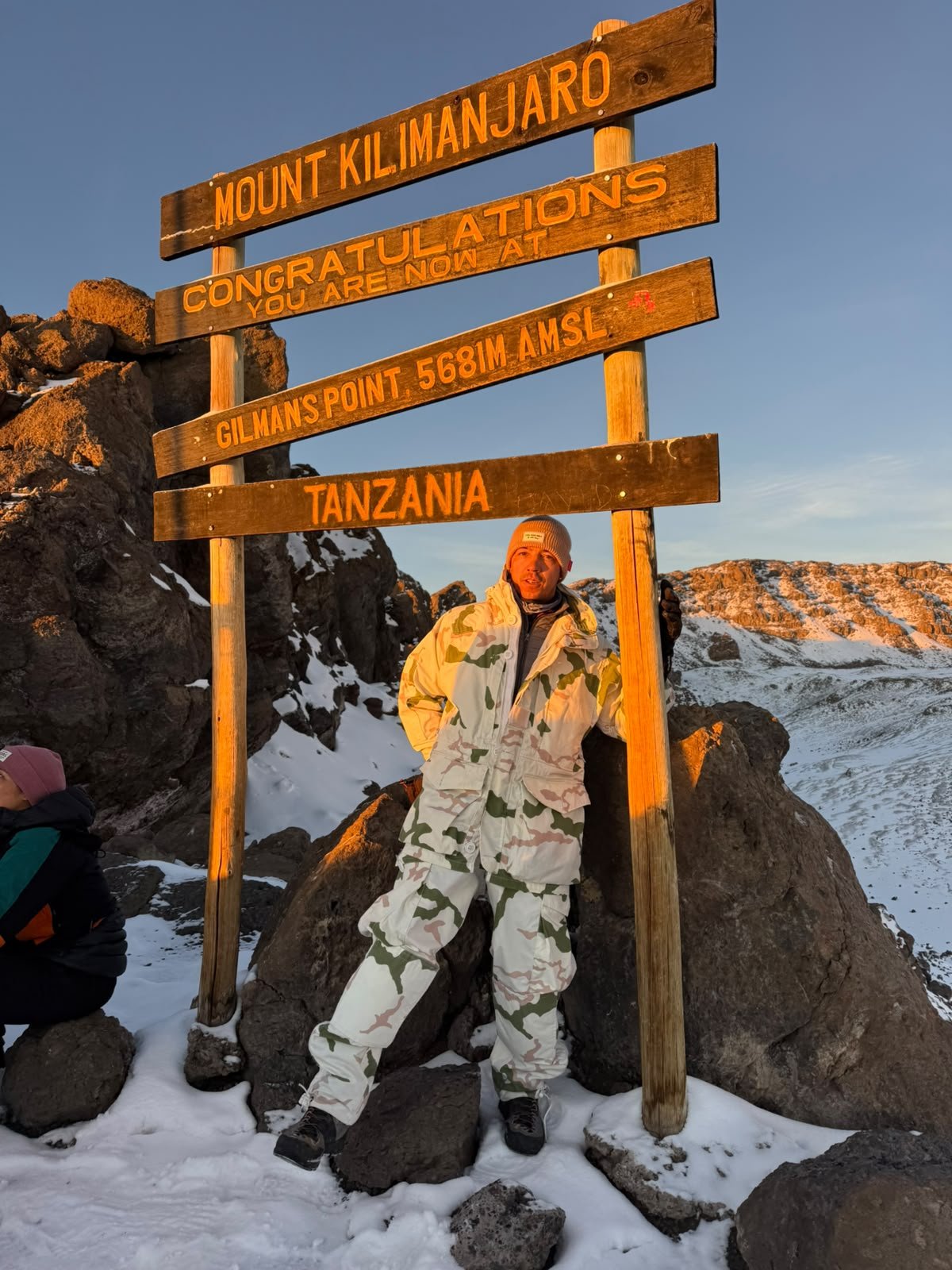
This article explains the daily sequence, what to expect on each stage, sensible acclimatisation choices on the Marangu route, practical packing and pre-trip decisions, and the booking steps to reserve the 22–26 December 2026 Christmas departure with Climb 4 Africa. The emphasis is the actual travel flow: where you move, where you sleep, and the trade-offs you make when choosing a 5-day Marangu schedule over longer routes.
Why choose the 5 Days Marangu Kilimanjaro Christmas Trek?
The Marangu route is the only route with hut accommodation rather than tent camps throughout, which suits travellers who prefer not to camp. The Christmas-date 22–26 December 2026 departure is useful for climbers who want a compact, predictable schedule around the holidays. The five-day format compresses the climb: you gain altitude more rapidly than on 6- or 7-day options, so the itinerary includes an acclimatisation day at Horombo to reduce acute mountain sickness risk. Confirm your fitness and discuss any medical concerns with Climb 4 Africa before committing.
Key logistics and what is confirmed vs. needs confirmation
- Confirmed in this plan: Route (Marangu), dates (22–26 December 2026), hut-style nights along the route, and general day-to-day flow from Marangu Gate to Uhuru Peak and descent.
- Must be confirmed with operator: actual hut allocations, number of available group spaces for that departure, guide-to-client ratio, transfers, included meals and porters, and any required pre-departure briefings or clinic checks.
Day 1 — Marangu Gate to Mandara Hut (arrival and first climb)
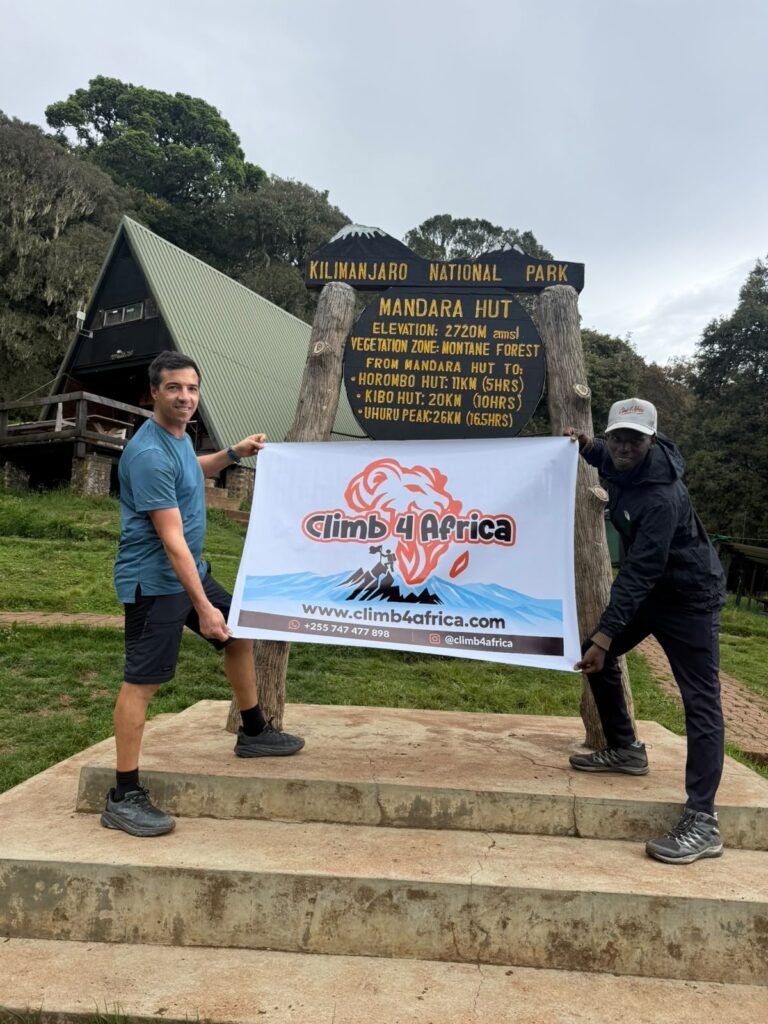
Route flow: Marangu Gate (entrance) → rain forest trail → Mandara Hut. This opening day is relatively short and designed to ease you into trail conditions while attending registration and briefings at the gate. Expect rainforest scenery and the first hut night at Mandara. Mandara Hut sits well below the alpine zone; this is a steady, low-altitude introduction to the track. Bring a light daypack with jacket, water and camera. Carry identification and any required permits or medical clearance to the gate for check-in.
Day 2 — Mandara Hut to Horombo Hut (forest into moorland)
Route flow: Mandara Hut → saddle into the moorland zone → Horombo Hut. The day’s terrain transitions from thick forest to open moorland and giant moorland plants. This is the longest walking day of the early itinerary and gains significant altitude. Horombo Hut is larger and serves as the principal acclimatisation stop on the Marangu route. Expect more basic communal facilities in the huts; bedding is usually provided in hut climbs, but confirm with Climb 4 Africa. Hydration, steady pacing and limiting exertion are the best acclimatisation measures on the way up.
Day 3 — Horombo Hut acclimatisation day (short hikes and rest)
Route flow: light hikes from Horombo Hut → return to Horombo Hut. Rather than a long push, Day 3 is an acclimatisation day to help bodies adjust before the summit push. Typical short excursions include walks to nearby ridgelines, a reconnaissance of Zebra Rocks or the Mawenzi saddle viewpoints from lower elevations — all done at an easy pace and returning to Horombo for the night. Carry warm layers for early-morning mini-hikes and maintain fluid and calorie intake. The goal is controlled exposure to higher altitude without deep fatigue.
Day 4 — Horombo Hut to Kibo Hut (last camp before summit)
Route flow: Horombo Hut → alpine desert → Kibo Hut. This is the transition into the high alpine desert. The landscape becomes stark, wind-exposed and temperature swings grow. Kibo Hut is the staging point for the summit attempt and provides the last hut rest before the pre-dawn ascent. On this day you should drop unnecessary weight onto porters and keep evening rest early—your summit wake-up will be late at night. Layering, headlamp checks and verifying your summit kit with guides happen this afternoon. Again, confirm whether Climb 4 Africa arranges porter loads and what is allowed in the hut sleeping area.
Day 5 — Kibo Hut to Uhuru Peak to Horombo/Marangu Gate (summit and descent)
Route flow: Kibo Hut (late-night start) → Gilman’s Point → Uhuru Peak (summit) → descend to Horombo or continue to Marangu
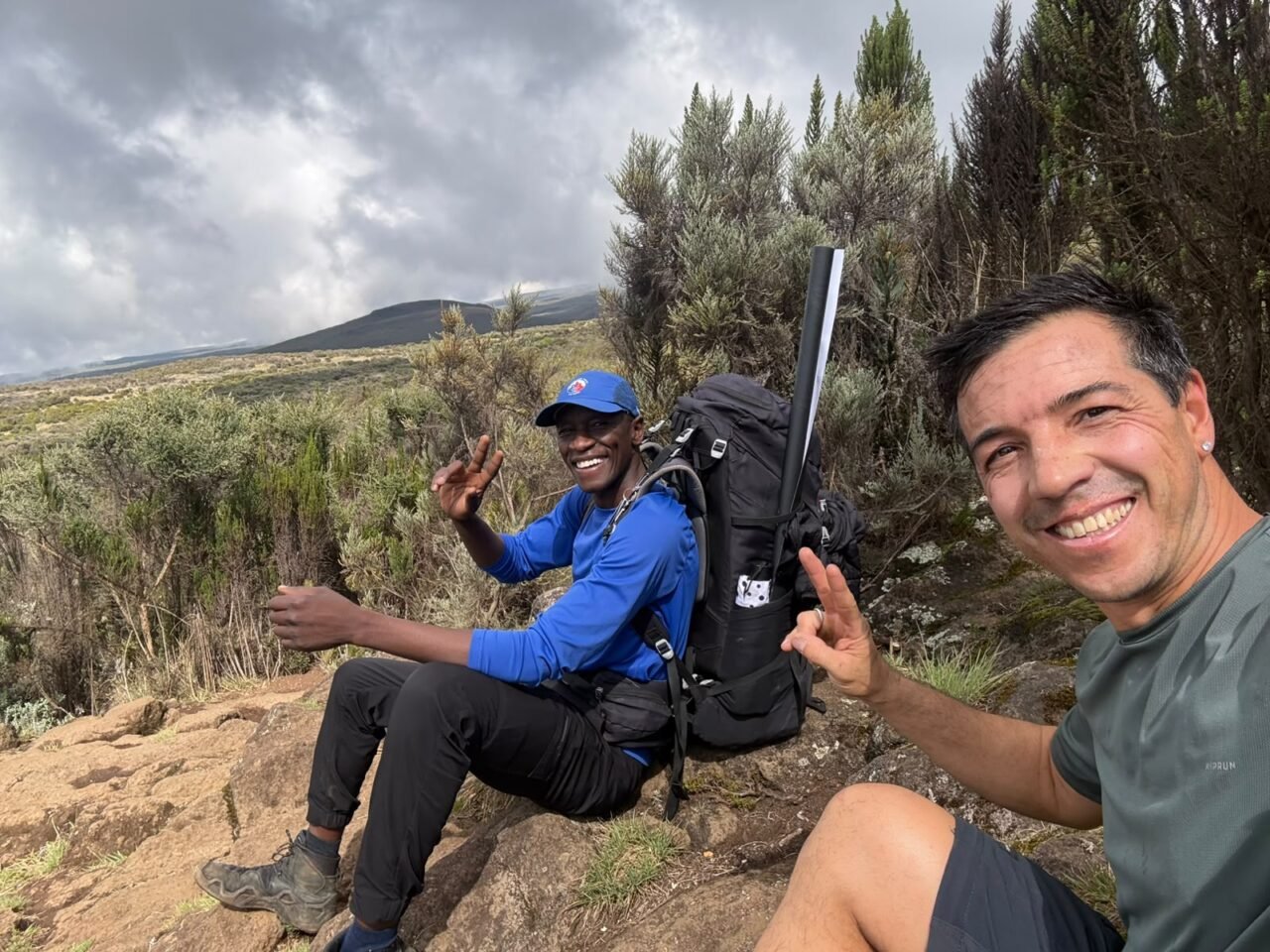
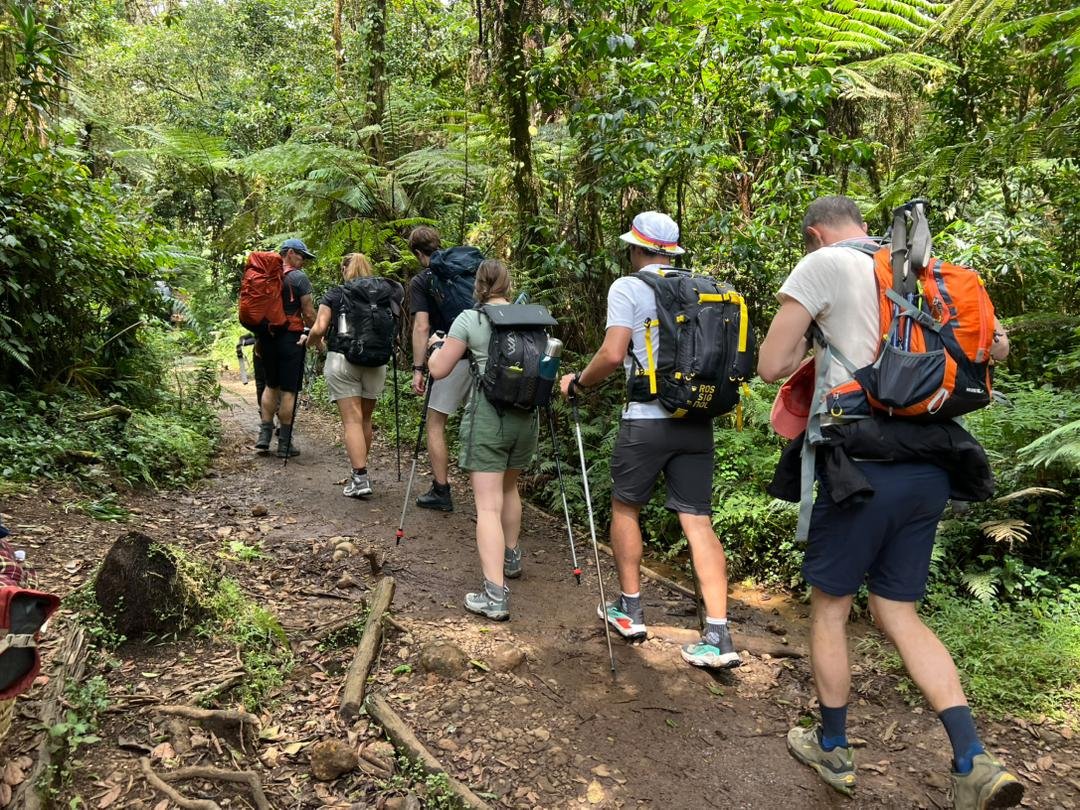
Managing altitude: pacing, symptoms and contingency plans for the 5 Days Marangu Kilimanjaro Christmas Trek
The most important unanswered practical question for a compact, five-day Marangu schedule is not the route itself but how to manage altitude safely given the faster ascent profile. This focused section gives day-specific pacing advice, simple physiological rules to follow on the 22–26 December 2026 Christmas departure, what to watch for in early warning signs of altitude illness, and clear contingency steps you can rely on with your Climb 4 Africa guide team.
Fundamental pacing principles for a 5-day Marangu ascent
- Follow the “climb high, sleep low” mindset as far as the timetable allows: on long walks take a gentle, steady rhythm (approximately 300–500 vertical metres maximum between long rest stops whenever possible) and avoid spurts of rapid speed when the trail steepens.
- Use the “pole rhythm”: short, even steps with trekking poles engaged reduce breathlessness and muscle fatigue at higher elevation.
- Hydrate proactively—drink small amounts frequently rather than large volumes at once; aim for roughly 3–4 litres per day depending on conditions and individual needs. Urine colour is a quick check: pale is better than dark.
- Prioritise sleep: even if you don’t feel tired, keep evening activity minimal to preserve energy for a late-night summit push from Kibo Hut.
Day-by-day altitude guidance (practical actions)
Recognising symptoms and basic first-response steps
- Mild acute mountain sickness (AMS): headache, poor appetite, mild nausea, difficulty sleeping. Response: slow down, increase fluids and carbohydrates, rest and reassess after 1–2 hours. Avoid further ascent until symptoms improve.
- Moderate to severe AMS / red flags: persistent severe headache not relieved by simple analgesics, severe vomiting, progressive lethargy, dizziness, unsteady gait or shortness of breath at rest. Response: immediate descent is required—usually at least 300–500 metres, plus oxygen and medical evaluation. Notify guides and operator immediately.
- High-altitude cerebral or pulmonary edema (HACE/HAPE) are rare but serious. If suspected, do not delay: descent and emergency care are mandatory.
Medication and medical preparation (what to discuss before booking)
Do not self-prescribe. Discuss with your physician whether acetazolamide (Diamox) or other prophylaxis is appropriate for you. If prescribed, bring a sufficient supply and inform Climb 4 Africa and your guides. Also carry any personal emergency medications, a copy of your medical summary and emergency contact information in your daypack.
Contingency planning with your operator
Before departure confirm with Climb 4 Africa: the guide-client ratio for your group, availability of supplemental oxygen at huts, procedure for evacuations, nearest helipad access, and how emergency decisions are made on the mountain. Ask specifically about how guides handle summit turn-around times: a firm turn-around time protects the whole group and improves safety.
Following these practical, day-specific steps will not eliminate altitude risk, but they provide a tight, operational framework that reduces uncertainty and helps you and your guides respond quickly should problems arise on the 5 Days Marangu Kilimanjaro Christmas Trek (22–26 December 2026).
Hut life on the 5 Days Marangu Kilimanjaro Christmas Trek — practical realities and what to pack
One practical question many climbers don’t foresee: what exactly happens inside the Marangu route huts each evening, and how does that reality affect what you should pack and expect? The Marangu route’s hut accommodation removes tent-setup work, but it introduces a different set of logistics — shared dormitories, limited services, and communal routines. Below are specific, actionable details to help you prepare for hut living on the 22–26 December 2026 departure.
Sleeping arrangements, bedding and noise
Marangu huts use dormitory-style rooms with fixed bunk beds. Hut mattresses vary in thickness and firmness. Operators typically supply basic blankets, but these may not be rated for sub-zero summit-night temperatures. For comfort and safety bring a well-rated sleeping bag (comfort rating at least to -5°C / 23°F is sensible for summit staging nights) because hut blankets are not a substitute for proper insulation. Also pack a lightweight liner for hygiene and extra warmth.
Earplugs and an eye mask are essential. Dorms are communal, and arrival times, late-night summit departures, snoring and early breakfasts create interruptions. A small inflatable pillow or compact down pillow can improve sleep quality in narrow bunks.
Sanitation, showers and toilets
Huts on Marangu provide basic toilet facilities. The exact configuration (flush vs. drop/long-drop) and cleanliness standards vary by hut and season; confirm details with Climb 4 Africa before departure. Expect cold or no showers above the forest belt; water is conserved at higher altitude and hot showers may not be available. Bring biodegradable wet wipes, a small microfibre towel, and hand sanitiser to manage hygiene when water is scarce.
Power, lighting and charging devices
Electricity at huts is not guaranteed and — when available — is usually limited to small communal charging points or solar setups with restricted hours. Do not rely on hut power for recharging multiple devices overnight. Bring a high-capacity power bank (20,000 mAh or more recommended) and manage usage: switch devices to airplane mode, dim screens, and charge only essential items (headlamp, phone, GPS beacon). A spare headlamp battery set is inexpensive insurance.
Meals, mealtimes and food sensitivities
Food in Marangu huts is communal and cooked centrally. Typical hill meals follow simple alpine-format menus: porridge or tea for breakfast, hot lunches or soups on the trail, and substantial dinners to restore calories. If you have dietary restrictions or strong preferences (vegan, gluten-free, severe allergies), notify Climb 4 Africa well before the trek; while operators are experienced, remote kitchens have limited ingredient variety and cross-contamination risk. Bringing compact, familiar snacks (energy bars, electrolyte tablets, chewable carbs) is a good backup strategy.
Personal storage, security and valuables
Space in huts is limited. Keep day-to-day essentials in your daypack and lock valuables in a small neck pouch or in your duffel if the operator provides porters to store gear at lower huts. Do not leave batteries or electronics in sleeping bags overnight if condensation is likely; store them in sealed plastic bags. Confirm whether Climb 4 Africa’s porters can securely store passports, cash and electronics during summit nights.
Etiquette, timing and communal routines
Huts operate as small communities. Respect quiet hours, follow mealtime schedules, and follow guide instructions about warming areas, drying clothes and late-night departures. Pack a lightweight set of clothes reserved for sleeping and hut time (thermal base layer, fleece, socks) and a small hanging clothesline and clothespins for drying socks during the day. If you plan to celebrate Christmas on the trek (this departure is 22–26 December), discuss group plans with your guide in advance so meals and hut routines can be coordinated without disrupting other groups.
Medical, oxygen and emergency logistics in huts
Huts are not medical facilities. Guides typically carry first-aid kits and, depending on operator resources, may have access to oxygen or stretcher evacuation. Ask Climb 4 Africa to confirm what emergency supplies are available at Mandara, Horombo and Kibo huts for the specific departure date. Keep personal medications in your daypack (not stored in a communal area) and carry copies of medical documentation.
Preparing for hut life on the 5 Days Marangu Kilimanjaro Christmas Trek removes small, avoidable stresses and preserves energy for the climb. Prioritise a warm sleeping bag, earplugs, a robust power bank, personal hygiene items and clear communication with your operator about dietary and medical needs. These small, specific choices make hut evenings restful and help you arrive at Kibo Hut ready for the summit push.
Post‑summit logistics and the first 24 hours after descent
One practical gap readers often face when planning the 5 Days Marangu Kilimanjaro Christmas Trek is the immediate sequence of events and decisions once you have descended from Uhuru Peak back to Horombo or Marangu Gate. The summit is the highlight, but the next 24 hours determine whether you recover well, complete administrative steps, and re‑enter normal travel routines (especially important with a holiday itinerary centred on Christmas). This section gives precise, non‑speculative guidance on the logistics, minimal decisions and expected timelines you should plan for after descending on Day 5.
Immediate actions at the lower hut (Horombo) or Marangu Gate
After you return from the summit and reach your target hut or the gate, expect the following routine tasks in roughly this order: medical and guide debrief, equipment check, distribution of porter‑carried duffels, and a short administrative clearance at the park exit if you finish at Marangu Gate. Your guide will normally perform a quick medical check for obvious altitude aftereffects before you leave the mountain—adhere to their request for rest or observation time. Keep your summit layers and a lightweight thermal on until this check is complete; post‑descent chill and exhaustion make short term hypothermia a risk even at lower huts.
Timing for transport and onward travel
Transport timing depends on whether your descent endpoint is Horombo Hut (with an onward vehicle pickup point at a roadhead) or Marangu Gate. If your group descends to Horombo and then transfers to Marangu by vehicle, expect a short drive that can take 1–2 hours depending on road and traffic. If the plan is to return to Marangu Gate directly, vehicle collection can be immediate but may require waiting for paperwork to be completed. Ask Climb 4 Africa before departure whether they schedule a direct transfer to your booked hotel in Moshi (most operators do) and the approximate arrival time. For a Christmas departure, plan for possible delays at the gate or in town due to higher tourist and holiday traffic.
Arrival in Moshi or the nearest town: recovery, lodging and basic services
On arrival in Moshi or your drop‑off location you will want three immediate services: a warm shower, a change of clothes/clean laundry, and a nutritious hot meal. Confirm with your operator whether a post‑trek hotel night is included or needs booking; for the 22–26 December window most climbers opt for an overnight in Moshi to recuperate and celebrate. If you have no arranged post‑trek accommodation, make sure you have the local contact numbers from Climb 4 Africa for last‑minute hotel help—Christmas can limit same‑day availability.
Post‑trek health checks and medication
Even if you felt fine on descent, schedule a brief post‑trek health review with your guide or local clinic the same day. Report any persistent headache, breathlessness, significant nausea, or confusion immediately. Continue any medications your doctor recommended (e.g., a short course of acetazolamide if advised), and keep drinking fluids and eating simple carbohydrates over the next 24 hours. If oxygen was used during the summit or descent, note where it was stored and whether your operator retrieved it—confirm this before leaving the mountain.
Tipping, equipment handover and documentation
Final administrative items include sorting personal gear returned by porters, checking that all equipment is intact, and confirming any outstanding payments or gratuities. For a Christmas trek, teams sometimes pool a small celebratory tip for support staff; clarify tipping practices with Climb 4 Africa in advance so distribution is smooth. Also ensure you receive any climb documentation your operator provides—summit certificates are typically issued by guides or the park on completion; confirm how and when you will receive the official paperwork.
Planning the rest of your holiday after a condensed 5‑day climb
If you plan to continue travelling on or host Christmas gatherings, schedule at least one relaxed day after the trek for recovery. Avoid immediate long‑haul travel the evening of your descent if possible—fatigue, dehydration and residual altitude effects increase the risk of complications during flights. For travellers constrained by holiday schedules, discuss with Climb 4 Africa a conservative post‑trek buffer (24–48 hours) before flying out, and obtain written advice from your physician if you must travel earlier.
These concrete, expected steps after the summit take your success beyond the peak itself: they protect health, finalise admin and help you transition back into holiday plans on 25–26 December with minimal last‑minute stress. Confirm details about transfers, post‑trek accommodation and certificate issuance with Climb 4 Africa at booking so the operator can plan for the increased holiday demand.
Related Guides and Packages
Check Availability for 5 Days Marangu Kilimanjaro Christmas Trek – 22–26 December 2026
Ready to compare dates, prices, and the best option for your group? Send the package name and travel month so the team can reply with a clear quote, availability, and what is included.
5 Days Marangu Kilimanjaro New Year Trek – 29 December – 2 January 2026
5 Days Marangu Kilimanjaro New Year Trek – 29 December 2026 – 2 January 2027.
View package details6 Days Marangu Kilimanjaro Christmas Holiday Climb – 21–26 December 2026
6 Days Marangu Kilimanjaro Christmas Holiday Climb – 21–26 December 2026.
View package details5 Days Marangu Kilimanjaro Full Moon Trek – 21–25 December 2026
5 Days Marangu Kilimanjaro Full Moon Trek – 21–25 December 2026.
View package details5 Days Marangu Kilimanjaro December Trek – 19–23 2026
5 Days Marangu Kilimanjaro December Trek – 19–23 December 2026.
View package details6 Days Marangu Kilimanjaro Hut Trekking – 6–11 December 2026
6 Days Marangu Kilimanjaro Hut Trekking – 6–11 December 2026.
View package details5 Days Marangu Route Kilimanjaro Trek – 2–6 December 2026
5 Days Marangu Route Kilimanjaro Trek – 2–6 December 2026.
View package details6 Days Marangu Kilimanjaro New Year Climb – 28 December – 2 January 2026
6 Days Marangu Kilimanjaro New Year Climb – 28 December 2026 – 2 January 2027.
View package details6 Days Marangu Kilimanjaro Full Moon Climb – 20–25 December 2026
6 Days Marangu Kilimanjaro Full Moon Climb – 20–25 December 2026.
View package details
6 Days Marangu Kilimanjaro Group Hiking – 9–14 December 2026
6 Days Marangu Kilimanjaro Group Hiking – 9–14 December 2026.
View package details5 Days Marangu Route Kilimanjaro Group Climb – 8–12 December 2026
5 Days Marangu Route Kilimanjaro Group Climb – 8–12 December 2026.
View package details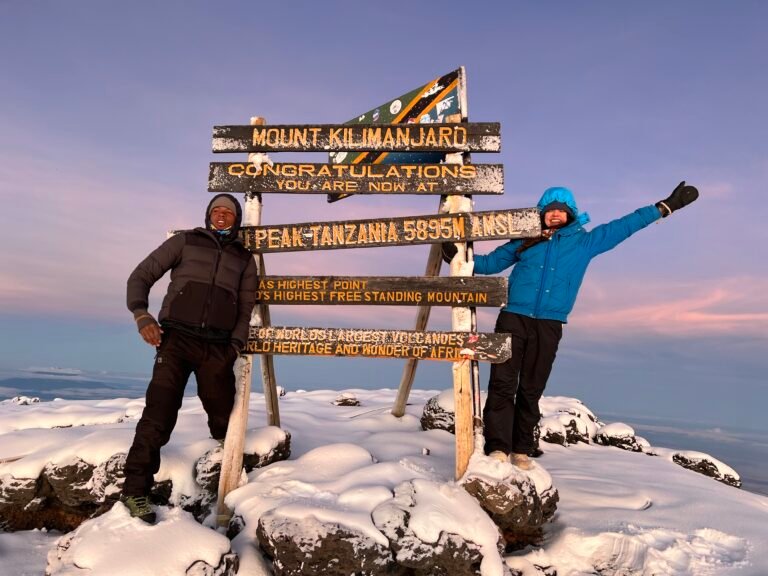
6 Days Rongai Route Kilimanjaro Hiking – 6–11 December 2026
6 Days Rongai Route Kilimanjaro Hiking – 6–11 December 2026.
View package details
December 4, Mount Kilimanjaro Marangu Day Hike
December 4, 2026 Mount Kilimanjaro Marangu Day Hike.
View package detailsNo related package matches those filters. Clear one or more filters to see the other topic-matched options.



