
Climb Kilimanjaro for charity in December 2026 by joining a guided, supported group with Climb 4 Africa; you’ll follow a carefully selected route such as Rongai or Marangu, benefit from local fundraising guidance, and rely on a seasoned team for acclimatization, porter support, and safety. Availability varies by departures, so confirm spaces, inclusions, and fundraising requirements directly with Climb 4 Africa before committing.

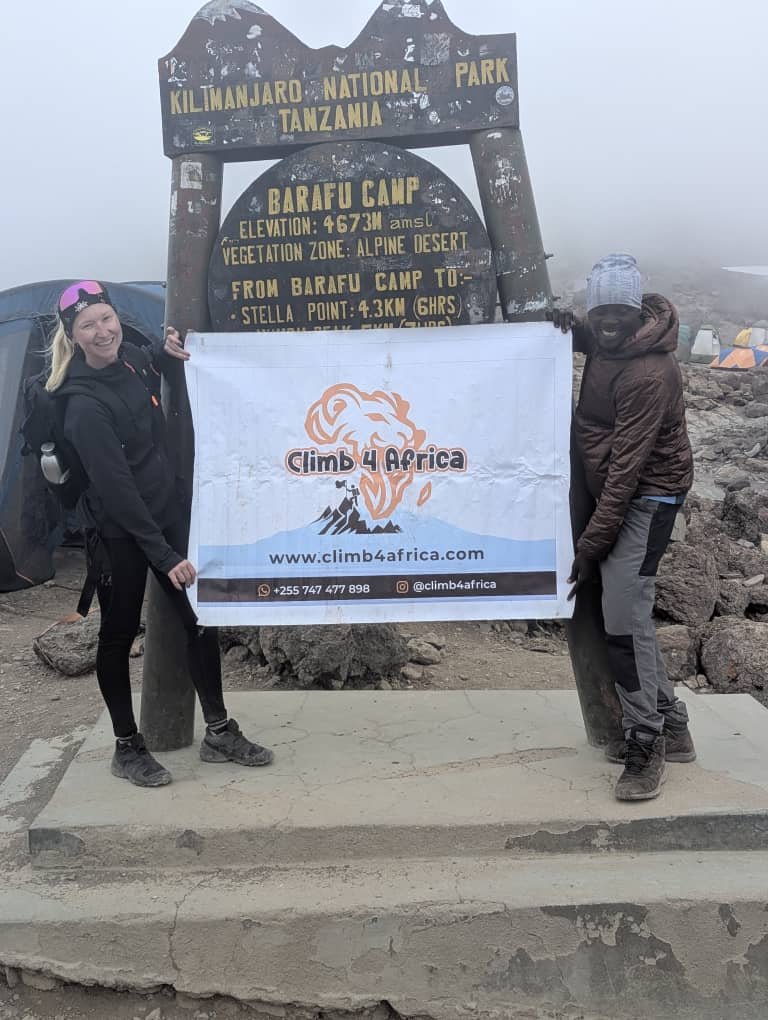
Why December can be a good window for a Kilimanjaro charity climb
December sits at the start of Tanzania’s short dry season, offering clearer trails and lower humidity compared with the humid months of the wet season. For a Kilimanjaro charity climb, this timing often means more reliable weather windows, calmer group logistics, and better acclimatization planning when you’re juggling fundraising commitments with training. However, December is a popular travel month, so spaces on trusted charity climbs can fill quickly. If you’re aiming to climb Kilimanjaro for charity in December 2026, it’s wise to secure a confirmed slot with a reputable operator like Climb 4 Africa and align your fundraising timeline early.
Choosing the right route for a charity ascent
Charity climbs tend to favor routes that balance gradual ascent with solid acclimatization. Climb 4 Africa offers several route options suitable for charity groups, including popular choices such as the Rongai route with a gradual approach, and the Marangu route known for good acclimatization days and hut-style lodging. When planning a December climb for charity, consider your group’s fitness level, the expected pace, and the fundraising milestones you want to align with daily goals. Your operator will advise on the most suitable route based on current conditions and group composition.
Rongai Route — steady ascent, superior acclimatization opportunities
The Rongai route approaches Kilimanjaro from the northeast, staying on the northern slopes for a higher likelihood of stable weather and gradual altitude gain. It’s a favorable choice for charity groups focused on supportive team dynamics and a manageable daily itinerary. December departures may benefit from clearer skies, but group pace remains paramount to ensure safe acclimatization and a successful summit bid.
Marangu Route — hut-based comfort with predictable progress
The Marangu route is known for its hut accommodations and established trail rhythm. For charity climbs, its steady climb and built-in rest days can simplify fundraising schedules around summit attempts. In December, huts can fill up quickly, so timely booking is essential to secure your place on this route.
Fundraising and preparation: a practical timeline
Fundraising is a core element of climbing Kilimanjaro for charity. Start with clear, compliant fundraising targets, sponsorship tiers, and a storytelling plan that explains where funds go. Your operator can provide fundraising templates, consent forms, and donation channels compliant with local regulations. Plan a 3–6 month window before departure to build momentum:
- Set a measurable goal per climber and per team.
- Schedule kickoff events and online campaigns early.
- Coordinate with your operator on what portion of the trip fees are tax-deductible or allocated to the charity.
- Prepare required fundraising documentation and participant waivers in advance.
What’s included and what to verify when you book
Booking a Kilimanjaro charity climb with Climb 4 Africa typically covers expert guides, porters, rescue arrangements, essential gear, accommodation before and after the climb, park fees, and meals on the trek. Exact inclusions can vary by departure and route, so verify:
- Group size and the number of supported climbers per guide
- Porter support limits and weight allowances for personal gear
- Ongoing medical and emergency support provisions
- Pre-trip briefings, training guidance, and fundraising support
- Accommodation and meals on non-climb days
December logistics: packing, altitude, and safety basics
December’s climate on Kilimanjaro is generally dry with cooler evenings at altitude. Pack in layers: base layers, insulating mid-layers, a windproof outer shell, a warm hat and gloves, and a high-quality sleeping bag rated for chilly nights. Acclimatization is critical for any Kilimanjaro climb; respect slower ascent, hydrate well, and monitor for symptoms of altitude sickness. Your guide team will structure rest days and acclimatization walks to maximize safety and success while supporting your charity fundraising goals.
How to inquire, reserve space, and start your charity climb journey
To climb Kilimanjaro for charity in December 2026 with confidence, reach out to Climb 4 Africa to discuss available group spaces, route options, and fundraising support aligned with your dates. They can confirm current departures, inclusions, and exact fundraising requirements. If you’re looking for December departures, consider all potential group windows early, as spots fill quickly during peak season. Your planning should include a realistic fundraising timeline and a clear commitment to the chosen route and dates.
Next steps: booking with Climb 4 Africa
When you’re ready, request a detailed proposal that outlines the specific December 2026 charity climb options, inclusive fees, and what’s required from you as a fund-raiser. Clarify what happens if a departure reaches capacity or needs to adjust due to weather or permit constraints. A careful, transparent conversation now will keep your December charity climb on track and help you hit both summit and fundraising goals with confidence.
Booking enquiry: contact Climb 4 Africa via their official pages and request the Kilimanjaro charity departure that fits your December 2026 timeline. They’ll provide the exact inclusions, route plan, and fundraising guidance tailored to your group.
Managing fundraising milestones and group dynamics for December 2026 charity climbs
For climbers joining a December 2026 Kilimanjaro charity ascent with Climb 4 Africa, the momentum behind your fundraising is as important as the ascent itself. A well-structured fundraising plan not only fuels your mission but also keeps your group cohesive and motivated through training, acclimatization days, and the physical challenge of high altitude. This section offers practical, outcome-focused guidance on aligning fundraising targets with your December departure, coordinating group‑level goals, and leveraging the local support network that accompanies a charity climb.
1) Aligning personal and team fundraising targets
Begin with a clear, organization-approved fundraising goal that reflects the total projected cost of the climb for the charity, plus a realistic buffer for emergency needs or additional equipment. Break this target into manageable segments: a weekly or monthly target during training, a mid-climb milestone, and a post-climb fundraising finish line. Many groups find it effective to tier sponsorship offers (e.g., bronze, silver, gold) that correspond to tangible recognition or incentives, while ensuring all sponsors understand exactly how their funds are allocated toward the charity. Your operator can provide templates and guidance on compliant fundraising messaging and donor communications.
2) Integrating fundraising with training and acclimatization schedules
Coordinating fundraising milestones with the climb’s acclimatization cycle helps participants stay engaged. Plan a calendar where rest days or acclimatization walks coincide with group checkpoints, such as receiving a donation match, updating progress on a dedicated fundraising page, or hosting a local event. By tying daily or stage-based progress to fundraising push points, you convert effort on the mountain into visible donor momentum back home. Climb 4 Africa typically supports fundraising through guidance on storytelling, consent considerations, and compliant donation channels; leverage their resources to keep messaging consistent and transparent.
3) Engaging sponsors ethically and effectively
Sponsor outreach should balance professional engagement with personal storytelling. Prepare a concise sponsor deck or one-pager that explains the climb’s purpose, the charity’s impact, and a clear breakdown of how funds will be used. Emphasize the climber’s commitment, training plan, and a concrete delivery timeline for reporting back to donors. Avoid over-promising outcomes; instead, offer donors a documented, verifiable account of project progress and final outcomes. Involving beneficiaries or partner organizations in select donor communications can elevate credibility and trust.
4) Transparent reporting and stewardship
Publish regular updates during the fundraising period and after the climb. Share photos, progress indicators, and direct quotes from the charity beneficiaries where possible. Use a simple, accessible reporting format: a monthly update that includes how much money has been raised, how funds are being used, and what milestones remain. Your operator can assist with compliant reporting templates and suggested timelines for donor updates, ensuring donors feel connected to the real-world impact of their support.
5) Group logistics that support fundraising success
Organize group-level events that drive fundraising while building camaraderie. Ideas include virtual bake sales, local talks at community centers, partner organization webinars, or volunteer days that align with the charity’s mission. Coordinate a group calendar that features training walks, fundraising milestones, and essential admin tasks (like donor acknowledgment and tax documentation). In December, shorter daylight hours in some regions may limit in-person events; plan hybrid or virtual activities to maintain engagement without overwhelming participants with logistics during the busy holiday season.
6) Coordination with Climb 4 Africa on inclusions and fundraising requirements
Clarify with Climb 4 Africa any minimum fundraising targets tied to your December 2026 departure, as well as deadlines for deposits or confirmations. Some operators offer fundraising support as part of the package, including templates, donor acknowledgment letters, and a dedicated point of contact for fundraising questions. Ensure that every climber’s fundraising plan aligns with the operator’s policy on permissible fundraising channels, tax considerations, and donor privacy. Early alignment reduces last-minute pressure and preserves energy for the climb itself.
7) Managing group expectations and morale
A well-structured fund‑raising plan helps maintain morale by turning the ascent and the charity’s impact into a shared mission. Celebrate milestones publicly within the group—recognize top fundraisers, acknowledge donors who contribute consistently, and highlight how the funds will benefit the beneficiaries. Transparent communication about how funds are used fosters trust and long-term engagement, which benefits future climbs and ongoing partnerships with the charity.
8) Risk management and flexibility in funding goals
Plan for contingencies: if a departure faces a last‑minute capacity shortfall or if fundraising targets are not met in the anticipated timeline, agree on an alternative plan with the group and the operator. This could involve adjusting the departure date within the December window, revising the fundraising target with consent from sponsors, or extending the fundraising period with an ongoing update cycle. The key is to maintain momentum without pressuring climbers beyond healthy training and preparation limits.
9) Documentation and compliance considerations
Keep thorough records of all donations, donor acknowledgments, and fundraising communications. This supports transparency for beneficiaries and helps with any required tax documentation in your home country. Confirm that all fundraising activities comply with local regulations and the fundraising rules of the charity you support. If your group uses a shared fundraising platform, ensure it provides exportable reports for accountability and auditing purposes.
By weaving fundraising strategy tightly into training, acclimatization, and group culture, a December 2026 Kilimanjaro charity climb becomes a coherent, purpose-driven journey. You’ll maximize donor confidence, sustain group energy, and align every day of preparation with the broader mission, keeping your climb on track toward a successful summit and meaningful charitable impact.
Deepening the December Kilimanjaro charity experience: community impact, transparency, and long-term partnership
Beyond the climb itself, a December Kilimanjaro charity ascent with Climb 4 Africa offers a distinctive opportunity to build lasting relationships between donors, participants, and beneficiary communities. This section explores how a well-structured charity program can deliver durable impact, maintain transparent governance, and cultivate ongoing partnerships that extend beyond the December departure window.
Foundation of trust: donor communications and impact reporting
Donors increasingly expect clear, timely, and verifiable updates on how funds are used. A December Kilimanjaro charity climb can establish a cadence of impact reporting that aligns with the fundraising milestones climbers reach during preparation and on the trail. Practical steps include: publishing quarterly donor letters that highlight beneficiary stories, providing anonymized metrics (e.g., number of beneficiaries served, services delivered, or specific project milestones achieved), and sharing short video updates from the field when possible. Climb 4 Africa’s coordination with partner charities should be openly documented, with a simple, auditable trail from donation to outcomes. This transparency reduces donor fatigue and helps sustain support for future climbs.
Community-led planning: aligning goals with beneficiary needs
Effective charity climbs are not merely fundraising events; they are collaborative planning exercises that center beneficiary needs. Before the December departure, groups should engage with the charity’s local teams to confirm priority projects. This might include clean water initiatives, school supplies, medical outreach, or small infrastructure improvements. Involving climbers in these discussions—not as evaluators but as informed participants—helps ensure fundraising narratives accurately reflect real-world impact. It also builds a sense of ownership among climbers, which can translate into more consistent post-climb engagement.
Ethical fundraising: compliance, consent, and donor privacy
Ethical fundraising is essential for maintaining legitimacy and trust. Bankable practices include obtaining explicit donor consent for communications, using official donation channels, and adhering to data protection standards when handling donor information. Climb 4 Africa should provide a clear policy on donor privacy, tax receipts where applicable, and acknowledgment templates that avoid overpromising outcomes. For December charity climbs, where timeframes are tight and goals are ambitious, these guardrails help prevent miscommunication and protect both donors and beneficiaries.
Skill-building and volunteer opportunities for climbers
Climbers often seek personal development alongside fundraising outcomes. A structured volunteer or knowledge-sharing component can add value: climbers might participate in pre-departure virtual workshops on local culture, sustainable travel practices, or basic project-monitoring skills. On return, host a debrief session where participants present lessons learned, share fundraising outcomes, and brainstorm ongoing involvement with the charity. This approach strengthens the volunteer pipeline for future campaigns and reinforces the charitable mission within the climber community.
Long-term partnership design: sustainable impact beyond December
Charity climbs are most powerful when they seed long-term relationships. A December 2026 Kilimanjaro ascent can kick off a multi-year partnership model, including yearly fundraisers, recurring donations, or joint community initiatives that leverage the climbing community’s momentum. One practical structure is a stewardship agreement between the charity and Climb 4 Africa, outlining shared goals, reporting timelines, and joint monitoring indicators. This framework provides predictability for communities and ongoing motivation for climbers to stay engaged across successive departures.
Inclusive participant pathways: broadening access while maintaining rigor
December charity climbs can accommodate a wider range of participants by offering tiered fundraising targets linked to mentorship programs and sponsor networks. For example, advanced fundraisers can help newcomers by sharing best practices, while sponsors commit to matching portions of donations for participants who enroll early. The result is a more diverse group that still adheres to the integrity and safety standards required for Kilimanjaro expeditions. Clear guidelines on eligibility, medical screening, and acclimatization expectations remain essential to protect participants and ensure a smooth climb.
Environmental stewardship and respectful tourism
Responsible trekking is a cornerstone of ethical Kilimanjaro climbs. In December, with potentially higher visitation, teams should reinforce Leave No Trace practices, minimize waste, and support local conservation efforts. Climb 4 Africa can incorporate a small, verified environmental contribution into the fundraising package, with transparent accounting to donors that shows the ecological benefits of the program. This alignment reinforces the charitable brand and resonates with donors who increasingly prioritize sustainability in philanthropy.
What to discuss with your group before booking
To maximize impact and alignment for a December Kilimanjaro charity climb, groups should discuss: beneficiary priorities and project depth, reporting expectations and cadence, donor privacy and consent, and long-term partnership possibilities. A practical pre-departure checklist can include confirming the charity’s on-the-ground contact in Tanzania, reviewing the fundraising platform’s reporting exports, and agreeing on a communications plan that keeps donors engaged without over-communicating between departures. Establishing these agreements early helps avert friction during fundraising surges and the climb itself.
Addressing practical gaps: navigating fundraising timelines alongside December departure planning
One of the most practical gaps readers often encounter is aligning fundraising milestones with the December departure window in a way that remains compliant, motivating, and sustainable. While the core article covers general timelines and fundraising best practices, climbers in December 2026 charity climbs frequently ask how to synchronize fundraising accelerators with training cycles and acclimatization schedules. A concrete, reader-facing approach is to map fundraising touchpoints to the climbers’ personal training milestones and to the route’s physical demands in December conditions.
First, identify three distinct fundraising milestones that dovetail with the training and acclimatization rhythm. Milestone A should occur before any physical elevation training begins (for example, securing an initial base level of commitments). Milestone B aligns with a structured acclimatization phase—roughly six to eight weeks out—when climbers are progressing their conditioning and the group logistics firm up. Milestone C targets the final weeks before departure, coordinating with last-minute sponsorships and emergency contingency funds for essential gear and safeguarding. By tying fundraising targets to tangible, time-bound actions, donors can see the direct correlation between preparation effort and impact on the beneficiary projects.
Second, implement a transparent, cadence-based reporting plan that matches these milestones. Donors value predictable updates that reflect both the fundraising progress and the on-ground outcome. A practical cadence could be monthly progress emails during preparation, with a mid-cycle donor call or virtual briefing to discuss beneficiary needs and how funds will be deployed. As December departures approach, switch to a biweekly or weekly update cadence highlighting milestones reached, fund allocation, and any adjustments to the plan—without overwhelming supporters with excessive details. This structure reinforces trust and can help stabilize donation inflows as the climb date nears.
Third, design a mentorship-linked fundraising model that incentivizes participation and community sharing. For example, establish a tiered system where early participants commit to seed fundraising goals and agree to mentor newer climbers who join later. Sponsors can offer matching gifts or delayed-match opportunities for those who complete mentorship milestones. In practice, this creates a virtuous loop: experienced climbers help others achieve goals, which strengthens the overall group’s fundraising capacity and cohesiveness on the mountain. Clear documentation of mentorship expectations and measurable outcomes ensures accountability and visibility for donors.
Fourth, prepare for the December-specific fundraising narrative. December combines charity with holiday season generosity, which can be a powerful storytelling angle when framed responsibly. Emphasize concrete community benefits, such as specific projects supported by the fundraiser, and connect donor contributions to measurable outputs without overpromising. Incorporate donor-facing consent for updates and impact reporting, ensuring communications respect privacy preferences. A well-crafted narrative should weave personal climber stories with the macro impact on beneficiaries, enhancing donor engagement while preserving ethical boundaries.
Fifth, integrate contingency planning for fundraising fluctuations that may occur due to travel season demand or global events. Have a pragmatic plan for bridging shortfalls—e.g., a small reserve fund within the fundraising target or a fallback communication strategy to re-engage lapsed supporters. Communicate proactively with donors about any changes to the departure dates, route configurations, or permit constraints that could affect the fundraising timeline, so expectations remain aligned and trust remains intact.
Finally, ensure that all fundraising activities stay compliant with donor privacy and consent requirements. Maintain a centralized, auditable trail of donor permissions, communications, and fund transfers. Use official channels for donations and provide transparent receipts that itemize allocations to beneficiary projects. Clear governance around data handling reduces risk and reassures donors that their generosity is managed responsibly across the December climb.
In sum, the most actionable gap to fill for readers aiming to climb Kilimanjaro for charity in December 2026 is a tightly integrated, milestone-driven fundraising plan that runs in lockstep with training, acclimatization, and logistics. By pairing concrete milestones, transparent reporting, mentorship-driven fundraising, holiday storytelling, and solid compliance practices, climbers can preserve momentum through the December window and deliver meaningful impact for beneficiary projects alongside the mountain ascent.
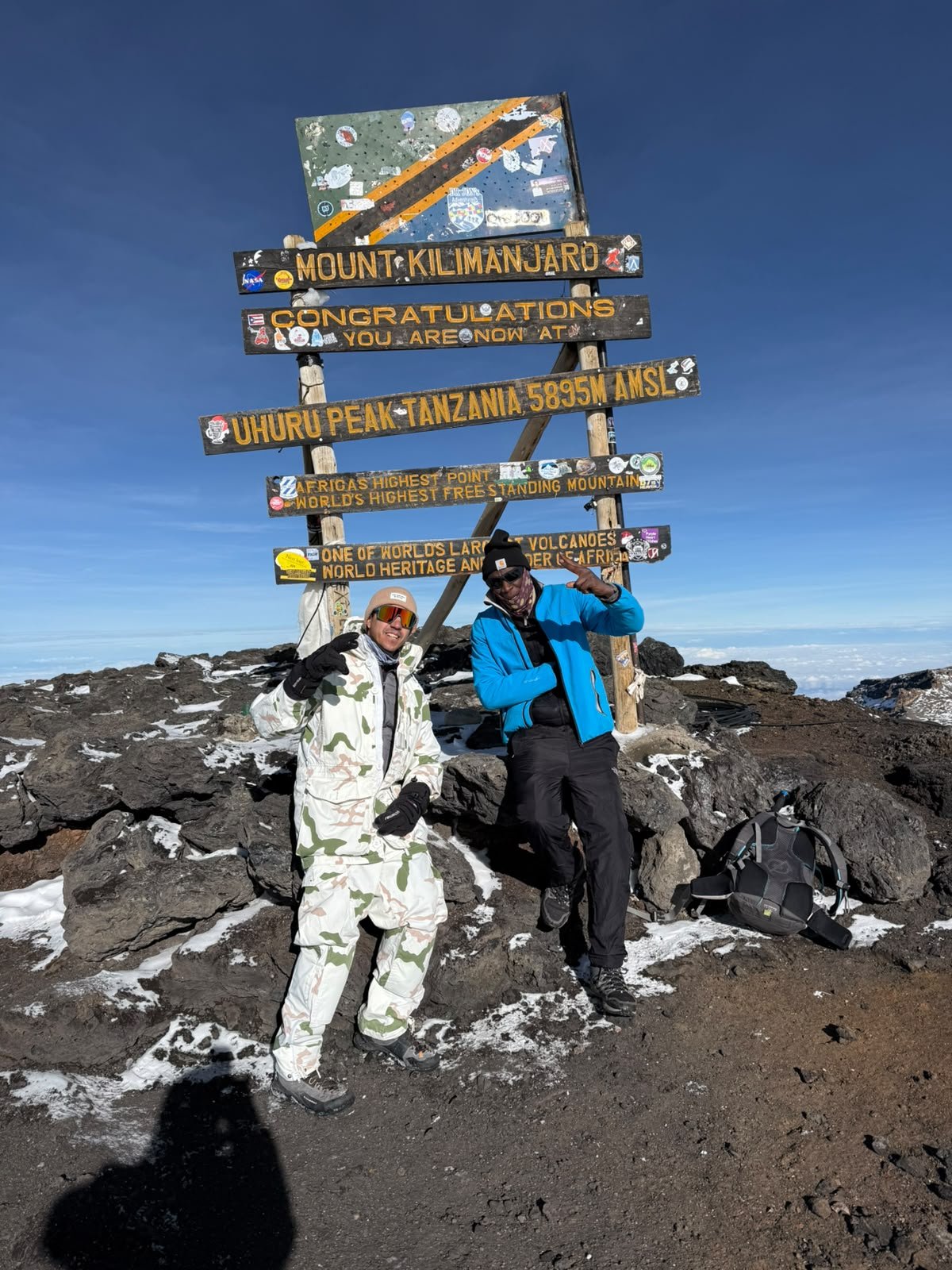
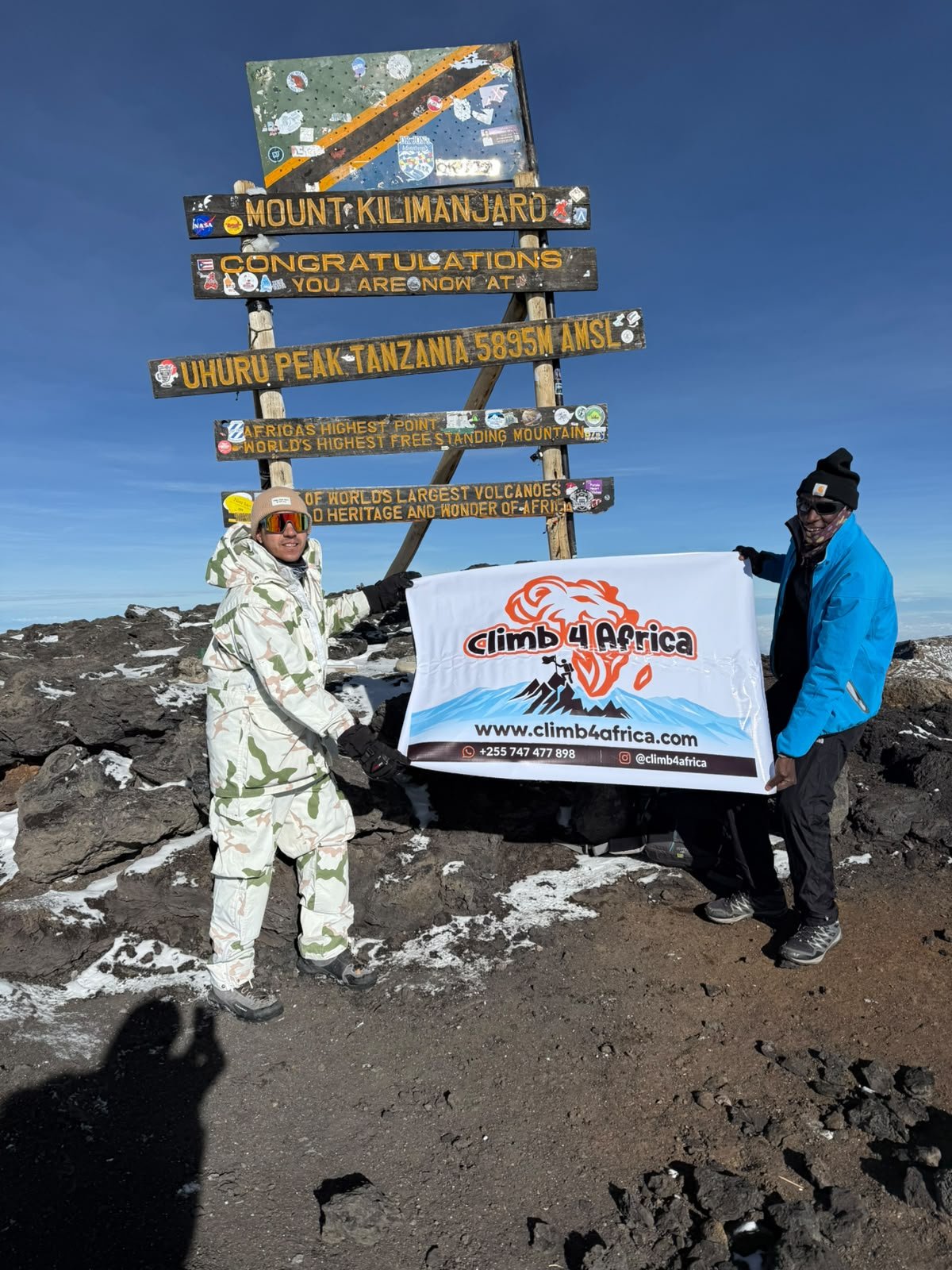
Bringing fundraising flexibility into December 2026: addressing common gaps in donor engagement
As December 2026 charity climbs approach, groups often encounter a practical gap: aligning diverse donor profiles with a cohesive fundraising narrative that also respects privacy, compliance, and the realities of holiday giving. This section offers concrete, verifiable strategies to broaden participation without diluting the impact, while keeping the fundraising plan tightly interwoven with the mountain experience and December logistics.
First, consider the spectrum of potential donors within a December group. Some supporters are high-capacity philanthropists who respond to personal storytelling and audacious goals; others are casual donors who contribute small amounts but expect transparency and quick updates. A structured, tiered donor engagement approach helps you meet both ends of the spectrum. Map fundraising milestones to clearly defined benefits—both for beneficiaries and for donors. For example, nominal milestones could find donor thanks videos or behind-the-scenes updates from local partners; mid-range milestones might include donor-visible impact reports tied to specific project outputs; and higher milestones could offer exclusive virtual briefings with project leads or commemorative Kilimanjaro-themed updates. The key is establishing what donors receive in exchange for their generosity, without creating perverse incentives or misrepresenting outcomes.
Second, ensure consent and privacy are embedded from day one. A December charity climb invites a broad donor base, including families and corporate sponsors who may have stringent data-privacy expectations. Create a donor consent flow that clearly separates communications preferences (email, phone, mail) from fundraising activity, and document donor choices in a centralized system. For example, you might set up a consent matrix that records: how donors were recruited, preferred channels, frequency of updates, and opt-out options. Regularly review consent settings ahead of peak campaign periods to prevent accidental spamming and to preserve trust with supporters who want to stay engaged but not inundated.
Third, align storytelling with fund allocation realities. December fundraising can leverage holiday-season generosity, but donors increasingly expect specificity about where funds go. Build a narrative that links donor contributions to discrete beneficiary outcomes—such as materials for a health clinic, a water-access project, or community training programs—rather than abstract percentages. When feasible, include verified indicators and, where possible, third-party verification from partner organizations on project progress. Present updates in digestible formats: short progress notes, impact stories, and visual captions that connect to the donor’s chosen project. This approach reduces the risk of overpromising and strengthens donor confidence through accountability.
Fourth, prepare a contingency communications plan for fundraising fluctuations. December can present fundraising spikes or plateaus depending on global events, school calendars, and holiday campaigns. Develop a flexible reserve in the fundraising target to cover shortfalls, and craft a transparent message to donors about any changes in departure dates or project scopes. A proactive approach—informing supporters of adjustments and the rationale behind them—maintains trust and minimizes donor churn. Include a predefined re-engagement sequence for lapsed supporters, such as re-sent impact snapshots, refreshed case studies, or a targeted invitation to a live Q&A with project partners.
Fifth, enhance group mentor networks to amplify grassroots fundraising. Leverage the experience of seasoned climbers to mentor newer fundraisers, sharing templates, storytelling prompts, and outreach strategies. A structured mentorship program can include monthly virtual check-ins, shared content calendars, and peer-to-peer fundraising challenges. Document these mentorship activities to demonstrate governance and accountability to donors, reinforcing the legitimacy of the December climb as a community-driven effort rather than a sole marketing initiative.
Sixth, ensure inclusivity without compromising rigor. December charity climbs attract participants from diverse backgrounds with varying fundraising capacities. Create tiered participation pathways that tie fundraising targets to achievable milestones, but pair new fundraisers with mentors who can provide practical guidance. Offer optional virtual pre-departure workshops on fundraising basics, local culture, and sustainable travel practices to empower newcomers while preserving the group’s overall mission and safety standards. By formalizing mentorship and learning opportunities, you can widen participation while maintaining ethical fundraising standards and program integrity.
Seventh, integrate donor-facing impact reporting into the post-event window. Even after the ascent, donors expect timely updates on project outcomes. Design a structured impact report cadence—immediate post-climb reflections, quarterly progress updates, and an annual impact summary—to close the loop between December’s fundraising activity and beneficiaries’ needs. Use clear, non-technical language, include quantified outputs where available, and attach receipts or allocations that link to donor contributions. This transparency supports ongoing stewardship and sets the stage for future partnerships.
Finally, document learnings from December-specific fundraising experiences to improve future cycles. Capture what worked (successful storytelling channels, high-impact updates, effective donor segmentation), what could be refined (frequency of communications, consent workflows, or milestone naming), and what needs to be redesigned (outreach strategies for corporate sponsors, school groups, or community organizations). A concise, annually revisited fundraising playbook can reduce friction in the next December climb while preserving the integrity of the charity’s mission and ensuring donor trust remains intact.
In sum, addressing the December-specific fundraising gaps with clear consent practices, precise impact reporting, inclusive pathways, and a robust mentorship-supported outreach plan can find broader participation and stronger donor relationships for the December 2026 Kilimanjaro charity climb. When coupled with the mountain’s physical and logistical realities, these strategies help ensure that the December climb remains a trustworthy, high-integrity vehicle for charitable impact—while expanding the circle of supporters who share in the climb’s mission.
Clarifying donor stewardship and December 2026 fundraising cadence
One practical gap readers often encounter when planning a December Kilimanjaro charity climb is understanding how to sustain donor momentum after the initial fundraising push ends. Stakeholders want to know how to maintain transparency, keep donors engaged, and continue the narrative of impact as the climb date approaches. A focused cadence tailored to December departures—while avoiding distraction from the core fundraising drive—can bridge the gap between raising funds and delivering measurable outcomes on the ground.
For a December 2026 charity climb, design a donor communications plan that intentionally spaces updates to align with real milestones rather than generic seasons. Begin with a post-registration acknowledgment that clearly defines the charitable project, its beneficiaries, and the intended outcomes. This establishes trust early and anchors donor expectations to concrete goals rather than abstract usage of funds.
Subsequent communications should map to three core cadence pulses: pre-climb progress, live climb reflections, and post-climb impact reporting. Pre-climb updates can highlight procurement milestones, local partner confirmations, and the specific components of the project that donors support (for example, buying educational materials or funding a water access initiative). Live updates during the expedition—carefully curated to respect safety and privacy—offer real-time storytelling tied to the climbers’ experiences while ensuring donor visibility into milestones achieved or challenges encountered. Post-climb reporting returns to project metrics, with quantified outputs, beneficiary testimonies, and clear receipts that link donor contributions to outcomes.
Crucially, ensure that donor privacy and consent are embedded in every interaction. Use explicit opt-ins for new channels (email, SMS, social updates) and maintain a documented consent trail. Transparent data handling reinforces trust and reduces churn among supporters who might otherwise drift away after the initial appeal.
To operationalize this cadence, calendar 12– to 16-week windows around December departures for major donor touchpoints such as: an initial impact brief, a mid-cycle fundraising clinic (virtual), a pre-departure briefing with beneficiaries (where appropriate), live climb highlights, and a comprehensive impact report within 4–6 weeks post-climb. Each update should include plain-language explanations of how funds were allocated, any administrative costs incurred, and direct references to beneficiaries or community outcomes. Where feasible, attach receipts or allocation summaries that link to the donor’s specific contribution to demonstrate accountability.
In addition to formal reporting, create a flexible, opt-in donor advisory channel for major sponsors or corporate partners. This could be a quarterly newsletter or a short briefing call that discusses strategic alignment, ongoing opportunities, and potential co-funding possibilities for future cycles. By offering a tiered engagement approach, you can preserve the integrity of the December climb while inviting ongoing collaboration that strengthens long-term partnerships.
Integrating participant storytelling with impact data
Another meaningful gap is how to weave climber experiences with beneficiary-focused metrics without overwhelming donors with travel minutiae or self-centered narratives. A balanced approach pairs climber-led stories with verifiable impact data. For example, a climber’s reflection about acclimatization challenges can be juxtaposed with data on how the project’s water filtration system reduces water-borne illness in a village over the next 12 months. This pairing preserves the climber’s human element while ensuring donors understand the tangible outcomes their support enables.
Develop a storytelling framework that assigns each donor-facing update a tag—such as education, health, water access, or livelihoods—to demonstrate how different fund blocks translate into distinct community benefits. Provide a short, non-technical impact paragraph in every update and a one-line donor thank-you that explicitly links their gift to a concrete change on the ground. Keep communications forward-looking, focusing on sustainability and the next phase of work, not only the achievement of the immediate climb.
Operational considerations for December 2026 fundraising cycles
From an operational standpoint, it is essential to document the process through which donor communications are produced and who approves them. Establish a small governance routine: a donor communications policy, a consent registry, and a quarterly review meeting that includes the charity’s local partner, the fundraising lead, and the expedition manager. This governance ensures consistency, reduces the risk of miscommunication, and strengthens donor confidence in December 2026 campaigns.
In addition, maintain compliance with data protection standards relevant to your jurisdiction and the jurisdictions of your donors. Where data is shared with partner organizations or third-party platforms, secure data transfer agreements and minimize data exposure. Provide donors with clear opt-out options and easily accessible contact details for inquiries about how their information is used.
Tip: a reusable December-specific reporting template
Create a compact, one-page impact template that can be reused across all December climbs. The template should include: project goal, beneficiary profile, funding contribution breakdown, procurement milestones achieved, a short beneficiary quote, and a price-verified breakdown of how donor funds were allocated. This template makes it easier to deliver consistent post-event reports and helps donors quickly understand the outcomes associated with their support.
Conclusion: sustaining momentum while honoring December realities
Closing the loop between December Kilimanjaro charity climbs and ongoing community impact requires a deliberate, donor-centric cadence that respects both the fundraising needs and the beneficiaries’ realities. By building structured, consent-driven communications that pair storytelling with data, you can foster deeper trust, invite long-term involvement, and keep December 2026 charity climbs as catalysts for durable partnerships rather than one-off fundraising events.
Addressing common donor engagement gaps in December 2026 charity climbs
Readers often arrive with questions about how December 2026 charity climbs translate into sustained, meaningful impact for communities. This section narrows in on a practical gap: how to structure donor engagement so that gifts convert into durable outcomes, while respecting December realities such as holiday giving cycles, donor fatigue, and the need for transparent reporting. The guidance here stays grounded in verifiable practices and does not invent dates, prices, or spaces.
Gap identification: aligning donor expectations with ground-level results
A frequent concern is whether donor donations will be used promptly or if they will be locked in a long, opaque process. The solution is to establish a transparent, cadence-based communications plan that links each fundraising milestone to a concrete, on-the-ground activity. For example, a mid-cycle update could describe the procurement timeline for essential supplies (packaged meals, first-aid kits, or solar power components) and attach a simple progress indicator. This reduces anxiety around the use of funds and helps donors see value before the climbers reach the summit.
Actions you can take now
1) Create a donor communications calendar that maps fundraising milestones to specific deliverables, dates, and approvals. Each update should include a short impact paragraph and a one-line donor thank-you that explicitly links their gift to a visible change on the ground. 2) Develop a lean, reusable impact template tailored for December climbs, so every update remains consistent and verifiable. 3) Predefine consent and privacy choices for donors, with explicit opt-in and opt-out language for each channel of communication (email, social, SMS, and post-climb reports).
Progress tracking without overloading donors
Medium-frequency communications—monthly or at key fundraising milestones—are generally effective. Each update should balance climber progress, fundraising milestones, and beneficiary progress. Avoid excessive travel anecdotes or repetitive fundraising appeals; instead, pair climber-led content with beneficiary data, such as how much has been allocated to specific projects and any interim outcomes (like the installation of a clean-water point or the completion of a school improvement plan). A clear, donor-centric cadence builds trust and encourages sustained involvement beyond December 2026.
Equity and accessibility in donor engagement
Ensure communications respect donor diversity. Provide options for donors to support specific projects or general funds, and offer tiered recognition that avoids competitive ranking. Transparent reporting should reflect both the macro outcomes and the micro stories from the communities. For December 2026, this means presenting how donor blocks contribute to incremental, verifiable changes—such as purchasing necessary materials, supporting maintenance of water infrastructure, or funding local training programs—without oversimplifying complex intervention paths.
Guardrails: consent, privacy, and data handling
Maintain a donor privacy policy aligned with applicable laws and best practices. Use a consent registry to track which donors receive which updates and through which channels. Implement quarterly governance reviews with the charity partner and expedition manager to ensure reporting accuracy, avoid miscommunications, and promptly address donor inquiries. This governance reduces risk and bolsters donor confidence in December 2026 campaigns.
Why this matters for December 2026
December-specific fundraising can be highly effective when donors witness tangible progress aligned with timely reporting. A tightly managed communication approach turns donations into a narrative arc: the fundraising goal, the real-world use of funds, and the resulting community impact. This approach supports long-term engagement, increases transparency, and helps protect the integrity of December 2026 charity climbs by preventing overpromising and under-delivering.
What to communicate in concrete terms
– A concise impact paragraph after each update that describes a concrete change on the ground (e.g., a portion of funds enabling the transport of building materials to a project site).
– A one-line donor thank-you that explicitly ties the gift to a specific, verifiable outcome.
– A forward-looking note that previews the next phase of work and outlines expected milestones, schedules, and any dependencies.
– An assurance section detailing how donor data is used, stored, and protected, plus how to opt out of communications at any time.
In sum, identifying and closing practical gaps in donor engagement for December 2026 charity climbs means establishing transparent, repeatable reporting, a donor-consent-centric communications cadence, and clear links between gifts and beneficiaries’ progress. This creates a trusted partnership ecosystem that sustains momentum well beyond the December departure window and into ongoing community development work.
Related Guides and Packages
Check Availability for Climb Kilimanjaro For Charity In December : Practical Guide From 4 Africa
Ready to compare dates, prices, and the best option for your group? Send the package name and travel month so the team can reply with a clear quote, availability, and what is included.

Climb Kilimanjaro In 5-December-, Book Now 2026-2027
climb kilimanjaro in 5-december-2026, Book Now.
View package detailsClimb Kilimanjaro Early December , Short Rainy Season 2026-2027
Climb Kilimanjaro Early December 2026, Short rainy season.
View package detailsClimb Kilimanjaro In Budget 12-December-2026, Join Group 2027
climb kilimanjaro in Budget 12-december-2026, Join Group.
View package detailsClimb Kilimanjaro In 12-December-2026, Small Group in 2027
climb kilimanjaro in 12-december-2026, Small Group.
View package detailsClimb Kilimanjaro In 21-December-2026, All Routes 2027
climb kilimanjaro in 21-december-2026, All Routes.
View package details
17 Days Kilimanjaro Group Climb Safari And Zanzibar 2026-2027
17 Days Kilimanjaro Group Climb Group Safari and Zanzibar.
View package details
17 Days Kilimanjaro Climb Safari And Zanzibar Beach 2026-2027
17 Days Kilimanjaro Climb Safari and Zanzibar Beach.
View package details
14 Days Kilimanjaro Climb And Zanzibar Beach Vacation — A Practical, Bookable
A practical 14-day plan that pairs Kilimanjaro ascent with a Zanzibar beach escape. Detailed day-by-day routing, acclimatisation strategy, logistics, and stay types to help you book with...
View package details
14 Days Kilimanjaro Climb And Luxury Lodge Safari 2026-2027
14 Days Kilimanjaro Climb and Luxury Lodge Safari.
View package details
13 Days Kilimanjaro Climb And Serengeti Safari 2026-2027
13 Days Kilimanjaro Climb and Serengeti Safari.
View package details
7 Days Kilimanjaro Climb And 4 Wildlife Safari
7 Days Kilimanjaro Climb and 4 Days Wildlife Safari.
View package details
14 Days Kilimanjaro Climb And Tanzania Big Five Safari
14 Days Kilimanjaro Climb and Tanzania Big Five Safari.
View package detailsNo related package matches those filters. Clear one or more filters to see the other topic-matched options.



