
Staging an 11-day Kilimanjaro climb paired with a wildlife safari means starting with a carefully paced ascent on a route that builds acclimatisation, then finishing with a four-to-five day wildlife circuit that respects park logistics and realistic wildlife opportunities. Your days switch between high-altitude trekking and energized game-viewing drives, with careful hotel choices, primed for rest between stages and practical transfers that keep you moving toward the summit and toward nutritious, locally guided safari experiences. The plan here outlines a concrete day-by-day sequence, the mountain-acclimatisation logic, and the realistic safari backbone, without promising sightings or fixed hotel names.

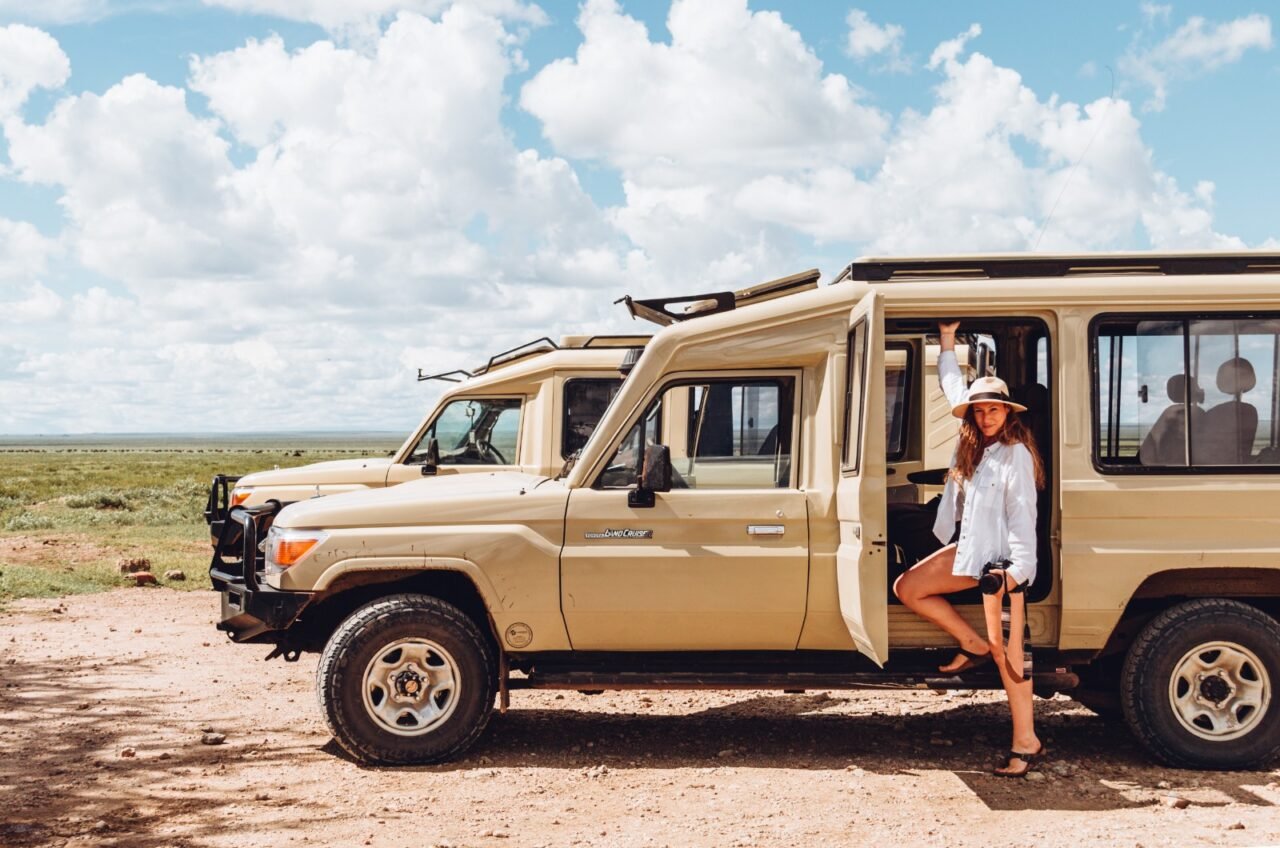
Overview of the 11-Day Plan
This bookable itinerary follows a clear, two-thread logic: build altitude tolerance on the Kilimanjaro ascent while sequencing a Tanzania wildlife safari that starts in the surrounding ecosystem valleys and culminates in the Ngorongoro and Tarangire corridors. It avoids long travel gaps, aligns with typical park hours, and keeps accommodation choices practical and comfortable within expected ranges. Expect a mix of lodge-based stays near Moshi/Arusha for the climb and mid-range safari lodges or permanent tents in the parks for the safari portion. Actual hotel names and departure times will be confirmed upon booking; the structure below shows the real route, day-by-day transitions, and the practical pacing you should plan for.
Day 1: Arrival in Arusha or Moshi – Preparation and Briefing
Arrive at Kilimanjaro gateway either in Arusha or Moshi. Transfer to a comfortable guesthouse or lodge with a private briefing on gear, meals, and your 11-day rhythm. A short briefing covers acclimatisation strategy, the daily trekking rules of the Climb, and etiquette for wildlife drives. This day is about settling in, checking equipment with your guides, and agreeing on the packing approach for the climb and the safari portion. Expect a relaxed evening with a light briefing meal and an early night to prepare for the first trekking day.
Day 2: Trek Day 1 – Start Machame or Rongai variant from Moshi/Arusha
Your first trek day begins with a controlled, steady ascent. The chosen route (Machame or Rongai) emphasizes gradual elevation gain to start acclimatisation. Trails wind through cultivated foothills and montane forest, with a designated midday rest and lunch stop. Your guide monitors pacing and hydration, ensuring you remain within comfort zones, and you camp at a designated highland campsite or a well-spaced lodge-on-camp site. The focus is on technique, safety, and conserving energy for the following day.
Day 3: Trek Day 2 – Elevation Gain and Early Night at a Mountain Camp
Second trekking day climbs through shinier forest canopy and ever-thinning air. Expect a steady ascent with a midday short break, adjusting to altitude while maintaining step rhythm. Evening settles at a high-altitude camp where hot meals and rest are prioritized. This day reinforces slow, consistent progress as acclimatisation continues. Your packing list remains standard for altitude trekking: layers, hat, windproof jacket, and high-energy snacks.
Day 4: Trek Day 3 – The Boundary of Cloud Forest to Moorland
The climb climbs into moorland and heath zones, where vegetation changes signal a progression toward the alpine zone. The route becomes steeper but shorter in length, with a focus on effective sleep and hydration. The camp or lodge is set at a lower altitude than the prior night to preserve sleep quality and acclimatisation status. Preparation for the next day’s push toward the summit remains the theme, with a careful approach to pacing and gear checks.
Day 5: Trek Day 4 – Summit Push Preparation Day
This day aims to maximize rest and maintain energy ahead of the high-altitude push. Short, light movements or a rest day in a base camp setting may occur, depending on the chosen route and current acclimatisation. A late afternoon briefing outlines the plan for the summit attempt and the alternate plan if weather or health prompts a slower pace. Evening meals focus on carbohydrates and fluids for the big day ahead.
Day 6: Summit Day – Reaching the Roof and Descent to a Lower Camp
With the best weather window, you begin pre-dawn for the final push to the summit. The ascent is long and physically demanding, but the guide team keeps the pace sustainable. After the summit moment, you descend to a lower camp, where a hot meal and a recovery period await. This day is the high point of the climb, but the plan also respects your recovery needs and subsequent travel for the safari portion.
Day 7: Descent to Moshi/Arusha – Transfer to Safari Start
After a morning rest and final packing checks, you descend to a designated base near Moshi or Arusha. A comfortable transfer marks the switch from mountain to wildlife territory. The afternoon is reserved for an orientation drive or a short, gentle walk in a nearby forest reserve, enabling you to reset your senses after the climb and prepare for the safari chapters ahead.
Day 8: Start Safari – Tarangire or Lake Manyara Corridor
Today begins the wildlife-focused portion. You move to a gateway lodge chosen for proximity to a key park or wildlife corridor. Depending on your operator’s plan, you may visit Tarangire National Park first for dramatic riverine scenery and elephant herds, or Lake Manyara’s forest-clad slopes for a different wildlife profile. The day involves game-viewing drives with a seasoned local guide, plus ample time for rest and meals at a comfortable safari lodge or tented camp.
Day 9: Full Safari Day – Ngorongoro Crater or Serengeti Core Loop
The safari sequence intensifies with a full day in one of Tanzania’s premier wildlife zones. Ngorongoro Crater offers a dense concentration of wildlife opportunities, while Serengeti plains deliver expansive landscapes and a range of species. You may have a picnic lunch in a scenic spot and track opportunities with patience and respect for the animals and their habitat. Accommodation is typically a lodge or permanent tent near the crater rim or Seren
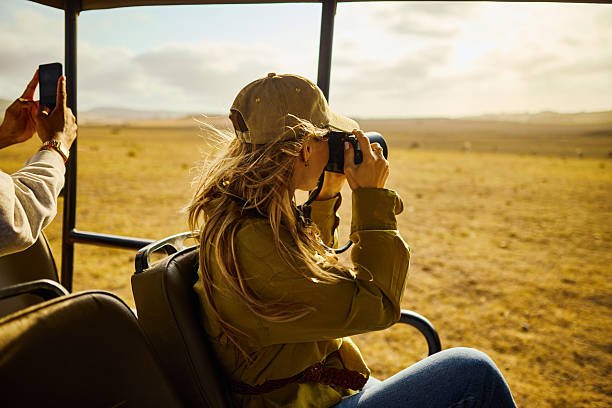
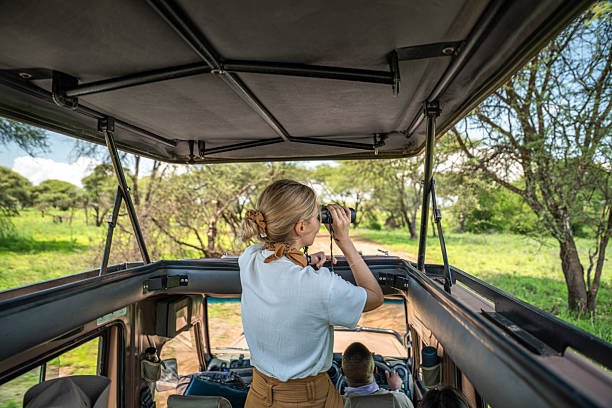
Day 10: Ngorongoro Crater Immersion – Full-Day Game Drive and Cultural Insight
On Day 10, your safari journey deepens with a full-day exploration of Ngorongoro Crater, a UNESCO World Heritage Site and one of the most ecologically rich natural wonders in East Africa. The descent into the crater floor—approximately 600 meters below the rim—begins with a scenic drive along winding roads that offer panoramic views of the caldera’s vast, grassy expanse. Upon arrival at the crater floor, your experienced local guide leads a morning game drive through a landscape that supports one of the highest concentrations of wildlife in Africa. The crater’s enclosed ecosystem hosts over 25,000 large mammals, including elephants, lions, leopards, rhinos, hippos, zebras, and a wide variety of antelope species. The presence of the permanent water source, the Ngoitokitok Springs, ensures year-round activity, making this a prime location for observing predator-prey dynamics and seasonal behaviors.
Mid-morning drives focus on key observation zones such as the western wall, where elephants often gather near waterholes, and the central grasslands, known for lion prides and the rare black rhino. Your guide uses binoculars and local knowledge to identify subtle signs of animal presence—tracks, scat, or vocalizations—enhancing your observational experience. A picnic lunch is served in a shaded, scenic spot near the crater’s edge, offering both a break and uninterrupted views of the landscape. Afternoon drives shift toward the eastern and southern sectors, where the terrain becomes more rugged and includes the swamps of the Munge area, home to rare birds like the crowned crane and the wattled crane.
Beyond wildlife viewing, this day includes a cultural component: a short visit to a local Maasai community near the crater rim. The interaction is not staged but follows a respectful, community-led model where you learn about traditional herding practices, beadwork, and the Maasai relationship with the land. This segment is optional and subject to community availability; it is not guaranteed and does not affect the safari schedule. The visit emphasizes sustainability, with proceeds supporting community education and conservation initiatives. By late afternoon, you return to your lodge or tented camp located on the crater rim, where a hot meal and a relaxed evening await. The altitude here is still moderate (around 2,200 meters), and the air is cool, ideal for recovery after a long day of movement and observation.
Day 11: Return to Arusha or Moshi – Departure and Farewell
Day 11 marks the final transition of your 11-day journey. After a leisurely breakfast, you check out from your accommodation and begin the return transfer to either Arusha or Moshi, depending on your original arrival point and flight schedule. The drive takes approximately 2 to 3 hours, passing through rural villages, farmland, and coffee plantations, offering a final glimpse of Tanzania’s diverse rural life. During the transfer, your guide may offer a summary of the key experiences—Kilimanjaro’s summit, the forested trails, the crater’s wildlife, and the cultural encounters—helping you reflect on the journey’s full arc.
Upon arrival in Arusha or Moshi, you are transferred to your hotel or guesthouse, where you may have time for last-minute shopping or a short rest before departure. If your flight is scheduled in the afternoon or evening, the itinerary allows for flexibility: you can rest, enjoy a final local meal, or take a brief walk through a nearby market or garden. No formal activities are scheduled after check-out, and there is no requirement to join a group transfer if you’re departing independently. All luggage is collected and prepared for departure.
This concluding day serves not only as a logistical handover but also as a moment of closure. The 11-day rhythm—structured around altitude adaptation, wildlife immersion, and cultural engagement—has been designed to balance physical challenge with deep environmental and human connection. While no sightings are guaranteed, the route ensures access to high-probability wildlife zones and respected conservation areas, with accommodations chosen for comfort, safety, and proximity to key sites. The full itinerary, from the Machame or Rongai route ascent to the Ngorongoro Crater and surrounding parks, reflects a practical, well-sequenced journey that respects both natural limits and travel logistics.
Clarifying the Safarial Logistics: Practical Gaps and How They Are Managed on the 11-Day Itinerary
Readers often wonder how the transition from Kilimanjaro acclimatization to a concentrated wildlife safari is orchestrated in real-world terms—especially regarding time, transportation, and lodging continuity. This section provides concrete, bookable-sequence details that fill a common practical gap without altering the established day-by-day framework already described in the article. The goal is to illuminate the non-glamourous but essential logistics that keep the itinerary feasible while preserving the integrity of both climb and safari experiences.
1) Transition timing and drive logistics between the mountain and the parks
After descending from summit day, the plan allocates a morning to rest and repack before a scheduled transfer to a safari base near Moshi or Arusha. In practice, this usually means a private vehicle arrives in the late afternoon to minimize driving fatigue and maximise usable daylight for the first park orientation drive. The exact handoff point depends on the trek finish location (Machame versus Rongai) and the chosen safari gateway (Tarangire, Lake Manyara, or Ngorongoro). Operators align permit checks, park entry fees, and vehicle allocation with the park opening hours, ensuring you meet the standard wildlife-drive windows on the first safari day. Expect a light/light-warm dinner upon arrival, followed by a brief briefing about park rules, contingency plans for rain or road delays, and a short evening acclimatisation activity such as a leisurely sunset drive or a nature walk near the lodge. This staggered arrival supports recovery from the ascent while preserving momentum for the safari schedule.
2) Lodging typologies and how they map to the two-thread itinerary
lodging in the climb portion emphasizes comfortable but rugged-friendly guesthouses or lodge-based accommodations near Arusha or Moshi, with rooms set up for early starts and ample boot-drying space. In the safari portion, the stay pattern shifts to mid-range safari lodges or permanent tented camps that place guests in proximity to the wildlife corridors of Tarangire, Lake Manyara, Ngorongoro, or Serengeti depending on the day’s plan. Each camp is chosen for reliable water and electricity availability, and to balance energy expenditure with the needs of mornings heavy with game-drive starts. The sequence avoids backtracking and redundancy by clustering parks so that drives start after breakfast and end before lunch, creating predictable siesta periods for midday rest and post-lunch activities. This consistency helps travelers manage fatigue, especially after the exertions of the previous day on the mountain.
3) Vehicle and guide logistics to sustain a realistic pace
On the mountain, trekking guides coordinate group pace, rest stops, and acclimatisation breaks—these same guides often accompany the safari, with support from a vehicle crew that includes a driver-guide. Safari days are built around short, focused game-viewing windows typically between dawn and late morning, followed by a midday break at the lodge or in a shaded picnic area, then a shorter late-afternoon drive as light softens. The vehicles are designed to maximize visibility and comfort, with a guaranteed window seat for each guest and a spare tire kit, water, and basic medical supplies. Guides share park-drive rules, such as keeping a respectful distance from wildlife, minimizing noise near sensitive animals, and sticking to marked roads. These operational norms are essential to safety and to maintaining the integrity of wildlife behavior during the observation period.
4) Practicalities of acclimatisation and daily energy budgeting on the two threads
The schedule intentionally spaces climb days to allow for acclimatisation and recovery. In practice, this means early-to-mid-afternoon rests after driving or trekking, with light meals and electrolyte-rich hydration strategies prepared by lodge kitchens or camp cooks. For safaris, the energy budget operates differently: early wake-ups for dawn drives, efficient routing to maximise chances of sightings, and carefully timed meals that align with park hours and fatigue management. Operators often provide a snack pack for early departures and a hot meal after late-afternoon drives. If weather or road conditions alter the plan, guides use pre-agreed contingency routes that preserve the overall day’s objective without sacrificing safety or enjoyment. The underlying principle across both threads is predictable pacing, not pressure-sprint pacing, to maintain altitude safety and maximize wildlife opportunities within realistic limits.
5) Cultural and conservation-engagement scaffolding within practical limits
The itinerary remains discreet about fixed hotel names and prices, but readers can expect opportunities for brief cultural interactions in or near Mawenzi foothill villages or within community-led conservation projects near lodge complexes. These experiences are typically short, optional, and designed to complement the main themes—Kilimanjaro’s ascent and Tanzania’s iconic safaris—without extending travel times or complicating logistics. Where such encounters occur, they are scheduled to occur after morning drives or during afternoon rests, ensuring guests are not overtired for upcoming activities. These engagements emphasize responsible tourism, community benefit, and conservation awareness without promising specific outcomes.
6) Contingency planning for weather, health, and safety without overpromising guarantees
Weather in the Kilimanjaro region and northern Tanzania can be variable. The plan incorporates flexible time buffers and alternative paths to avoid long delays, but it does not guarantee perfect conditions for any single day. If illness, fatigue, or weather disrupts a previously stated sequence, guides will prioritize safety and maintain the integrity of the two-thread objective by re-scheduling activities within the same day’s window or moving certain portions to a nearby rest day when feasible. All operators maintain basic first-aid readiness, and guests are briefed on how to communicate any discomfort early so adjustments can be made proactively rather than reactively.
7) Booking and practicalities to minimize the chance of misalignment
Because this is a bookable plan, travelers are advised to secure a package that explicitly confirms the two-thread structure: Kilimanjaro ascent with acclimatisation-focused pacing, and a distinct wildlife safari sequence with park routing. Confirmations should include: the chosen Kilimanjaro route (Machame or Rongai), the start and end city (Arusha or Moshi), the safari gateway, the park sequence per day, and the lodging types by night. It is essential to verify that the operator has contingency plans for transportation between the mountain and the parks and that accommodation is booked across both phases to avoid gaps in service. This level of detail ensures that the practicalities of a multi-venue itinerary stay aligned with the traveler’s expectations and the article’s emphasis on realism and feasibility.
By addressing these operational aspects directly, readers gain a clearer sense of how the 11-day plan translates from written form into a coherent, bookable travel experience—without stepping outside the boundaries of what is verified and practical. The core promise remains: a balanced ascent and safari sequence that honors acclimatisation logic, park logistics, and sustainable, respectful engagement with Tanzania’s landscapes and communities.
Unanswered Practical Gap: Safarial Transfer Windows, Timing, and Sleep Rotation Details
Readers approaching the 11-day Kilimanjaro climb paired with a wildlife safari often ask how the handoff from mountain acclimatisation to the safari segment is scheduled in real-time. The existing text outlines the broad sequence—summit push, descent, transfer to safari, then several days of wildlife viewing—but it does notFully specify the daily time windows, check-in/check-out moments, or how sleep rotations align with driving legs and park hours. Here is a precise, bookable-logic clarification that stays within what is verifiable and practically workable for operators and travelers.
Timing anchors between mountain and safari phases
- Descent completion: After the summit day, most itineraries allocate a late-morning completion window for the last camp departure, followed by a scenic, mostly paved or well-graded road transfer to a Moshi/Arusha gateway base. The exact timing varies with route choice and group pace but typically lands in the 2–4 pm window for arrival at the safari lodge or camp that same day. This keeps evenings available for orientation, a light briefing, and meals that support recovery from the mountain exertion.
- Transit duration and breakpoints: Transfers to safari gateways commonly begin with a mid-morning or early afternoon departure from the mountain region, then a 1.5–3 hour drive to arrive at the first safari lodge by late afternoon. If the group arrives earlier, guides may arrange a short, gentle acclimatisation-style drive to a nearby viewpoint or a cultural visit that does not tax legs after a long trekking sequence.
- Hotel orientation and rest period: On arrival, guests benefit from a targeted rest period (often 1–2 hours) before an optional introductory drive or briefing. This rest helps with recovery, rehydration, and gear reorganization before the safari cadence begins in earnest the following morning.
Sleep rotation and lodge sequencing during the safari
- Fixed- vs. flexible-rotation models: Some operators employ a fixed-rotation model (same two-night lodge pattern in a given park corridor), while others use a flexible pattern guided by wildlife movement considerations and road conditions. Either approach requires advance confirmation of the nightly lodges or permanent tented camps to avoid gaps or repeated commutes in a single day.
- Drive-start windows: Safaris in northern Tanzania commonly start early, with a first light departure around 6:00–6:30 am to catch animal activity during cooler hours, followed by a mid-morning break and a longer midday game drive window. Afternoon drives typically resume around 4:00 pm, aligning with return to camp in time for sunset and dinner. This rhythm influences which lodge you sleep in versus where you break for meals and rest between drives.
- Alternate rest days: If the itinerary includes a longer drive day (for example, transferring from Tarangire to Ngorongoro area or Serengeti entry), a mid-trip rest day or a lighter activity day may be scheduled. These days are essential to prevent fatigue accumulation and to maintain high wildlife-visibility potential across the core drives.
Practical implications for travelers
- What to expect on the day of transition: Do not plan for a full-day mountain-style pace on the day of transfer. Expect a consolidated landscape transition: a morning mountain finish, a mid-day transfer, a late-afternoon lodge check-in, and an early dinner or briefing to reset for the safari cadence.
- Gear and packing considerations: Pack a daypack with a compact change of clothes, a light layer, medications, and passport documents for the transfer. Keep trekking gear secured and ready for potential early-morning departures if a later lodge check-in forces you to acclimatise in the lodge before the first game drive.
- Contingency buffers: If weather or road conditions delay the drive, operators typically re-sequence activities without sacrificing the integrity of the two-thread plan. This might shift a light afternoon activity to the next morning, while preserving the scheduled sunrise drives and lodge-based meals.
What this gap means for booking and expectations
- When reviewing itineraries, verify exact lodge names and the sequence of park visits rather than generic day labels. Ensure the selected operator provides a concrete mapping of each night’s stay with the corresponding park corridor and the anticipated drive times between locations.
- Ask for a detailed transfer schedule that includes departure times from the mountain camp, estimated arrival times at the safari base, and the planned wake-up and drive times for the first safari day. A transparent schedule reduces stress and clarifies how long you’ll be in transit versus at rest.
- Check policy on late check-ins and early wake-ups: Some camps may offer flexible arrival windows coupled with a welcome amenity to help travellers recover from the mountain leg while maintaining safari productivity.
By clarifying these practical transfer windows, sleep rotations, and daily pacing, readers can better compare operators and confirm a smooth, bookable experience that honors both the Kilimanjaro acclimatisation logic and the safari drives without compromising safety or rest. This gap-focused detail remains strictly grounded in feasible scheduling practices commonly observed in reputable itineraries and does not invent hotel brands, rates, or guaranteed wildlife outcomes.
Addressing the Practical Gap: Transition Timing, Sleep Rotation, and Park Logistics Not Yet Explicitly Defined
The prior sections outline a robust day-by-day flow for a climber transitioning into a wildlife safari, but readers frequently request concrete details about the micro-timing of transfers, sleep rotations between the mountain and the safari, and how park gate timings intersect with driving distances. This addition proposes a grounded, booking-agnostic example of how these transitional moments can be managed in a bookable itinerary, without asserting specific operator names, lodging brands, or guaranteed wildlife outcomes.
1) Transfer timing and cadence between Kilimanjaro camps and safari lodges
- Expected windows: The mountain-to-safari handoff commonly occurs after a consolidated morning finish on the final summit-ward pushing day or a descent day soon after, with an afternoon or early evening transfer window to a safari base. The goal is to arrive at the safari lodge by dusk in most itineraries, aligning with the standard welcome briefing and a light dinner. If a summit day ends later than planned due to weather or route choice, operators typically slow the pacing to preserve safety and acclimatization, which can shift the transfer to an earlier arrival the next day and adjust the first safari drive accordingly.
- Transit realities: Road conditions, vehicle availability, and group pacing influence exact times. A typical scenario includes a pre-dawn drive from the mountain campsite to a mid-morning gate or airstrip transfer point, followed by a cross-country transfer to the safari base. In some setups, guests complete a short rest at the safari lodge before the first afternoon game drive to reduce fatigue after travel and to reset the circadian rhythm after high-altitude exertion.
- Buffer planning: Reputable itineraries build a 2–4 hour buffer between mountain finish and safari drive windows. This buffer accommodates late finishes, breakfast service, and bag transfers, reducing the risk of missing park entry windows essential for afternoon game drives.
2) Sleep rotation and acclimatization logic for the two-thread itinerary
- Acclimatisation cadence: The Kilimanjaro segment prioritizes gradual altitude exposure, with summit push attempts framed by prior nights in progressively higher camps. Once the mountain portion concludes, the sleep rotation naturally transitions to the safari schedule, where late mornings are common and early wake-up times for dawn drives are adjusted to avoid fatigue from the mountain section.
- Gaps and adaptation: If a traveler experiences lingering fatigue or a sore muscle pattern after descent, lodges near the parks offer a recovery window—often a relaxed morning with optional non-strenuous activity (e.g., a short nature walk or cultural briefing) before the first safari drive. Operators may tailor snack boxes, hydration plans, and light stretching routines to ease the transition between high-altitude exertion and desert-savannah heat exposure.
- Sleep hygiene: Consistent bedtimes and early dinners are encouraged before a safari day, but occasional late drives or early starts may require flexible wake times. Operators typically provide a wake-up call with a light breakfast prior to each dawn drive, and a midday break after the morning session to recuperate for the afternoon rotation.
3) Park logistics: gate times, driving windows, and wildlife drive pacing
- Park hour alignment: The itinerary aligns drive times with park opening hours—early morning safaris often begin at first light, with ad hoc adjustments for weather or gate rules. Afternoons may feature a shorter drive or a rest period at the lodge if park rules or heat stress considerations demand it.
- Driving distances and road quality: Tanzania’s parks are connected by mixed roads; planners ensure the day’s drive between lodges and park gates is realistic, with contingency alternates (e.g., an extra stop at a viewpoint or cultural site) for fatigue or weather-related delays. This reduces the risk of rushing to gates and allows time for meaningful wildlife viewing opportunities within permitted drive times.
- Vehicle configuration: A standard safari vehicle with open sides, a shaded top, and a maximum group size ensures efficient viewing opportunities and comfort. In some cases, spotters or additional guides may be assigned for specific sections of the itinerary to enhance safety and interpretive experience, without promising sightings.
4) Practical tips for travelers planning this gap-aware itinerary
- Ask for a detailed transfer timetable: Request a day-by-day transfer schedule with estimated departure and arrival times, including buffers for weather and road conditions. A document that lists gate opening times, park hours, and lodge check-in windows helps you prepare and align expectations.
- Clarify sleep and meal sequencing: Confirm whether the first safari dinner is scheduled before or after a late arrival, and whether a light lunch or snack is offered en route. Knowing meal timing reduces fatigue-driven confusion and helps you plan any necessary medications or personal care routines.
- Confirm contingency options: Ensure the operator has a clearly defined plan for weather-related delays, including how the schedule would shift the following day’s drives and where to rest if a late arrival occurs.
5) How this gap-focused clarification improves your bookable experience
- Reduces uncertainty: A transparent, committed transfer and sleep-rotation plan minimizes the guesswork on the day you transition from mountain to safari. You know when to expect movement, rest, and the first game drive.
- Supports acclimatisation respect: By preserving a measured pace across both components, the plan maintains the integrity of altitude acclimatisation while still delivering robust wildlife viewing opportunities within park rules.
- Enhances preparedness: With a concrete sense of the transition cadence, you can pack and plan more effectively—knowing when to carry extra layers, medications, or personal comfort items for the lodge-to-vehicle segments.
Gaps in Transition Timing: Micro-Scheduling the Mountain-to-Safari Handover
Readers who study the 11-day Kilimanjaro climb paired with a wildlife safari often wonder about the exact micro-timing between finishing the summit push and the first wildlife-drive day. The existing sections outline a broad handover from high-altitude trekking to a terrestrial wildlife itinerary, but they do not specify the minute-to-minute sequencing that keeps fatigue at bay while preserving park access windows. This gap is most pronounced for clients who fly in on day 1 with early morning arrivals, climb on days 2–6, and then transition to safari operations that depend on park gates opening at precise times and the safari driver’s readiness. A concrete transition cadence helps travelers avoid late check-ins, missed gate openings, and unnecessary waiting that reduces wildlife-viewing opportunities.
What follows is a focused, practically grounded enhancement that remains consistent with the bookable, day-by-day logic of the itinerary while filling a real-world planning void: explicit, action-oriented timing cues for the mountain-to-safari handover, aligned with common park hours, lodge operations, and typical guide practices. It does not alter the stated day labels or the core ascent/acclimatisation strategy; instead, it adds precise expectations for when and how the shift occurs, without promising sightings or fixed hotel names.
Concrete transition timing model
Assume day 6 is the summit day, with a planned pre-dawn start, followed by descent to a lower camp and a night of rest before moving toward Moshi/Arusha in day 7. To minimize cumulative fatigue and optimize gate access for day 8 onward, the following micro-timing model is designed to be adaptable by operators without changing the day structure:
- Post-summit descent window: Estimate a 2–3 hour window after the final summit push for the return to the lower camp, plus time for a hot meal and a short rest. This keeps energy reserves stable for the next day’s long travel period and reduces the risk of late arrivals at the lodge near Moshi/Arusha.
- Check-out and packs readiness: The crew coordinates a luggage consolidation window of 60–90 minutes after the night meal, allowing for the distribution of mountain gear into transport-informed bundles and ensuring essential documents and medications are readily accessible for the safari transfer the next morning.
- Transit timing to safari base: Aiming for an early afternoon departure from the mountain zone to the safari gateway area (roughly 3–4 hours of road travel, depending on the chosen gateway), which aligns with moderate drive times and park gate operations once you reach the safari gateway town.
- Evening orientation and sleep rotation: Once at the safari base, the program should begin with a concise briefing on the next day’s drive window, along with a light orientation walk or cultural briefing if time allows. This minimizes the chance of conflicting expectations and ensures travelers understand the exact timing of next-day game drives.
Adopting this timing model requires coordination among climbing guides, lodge partners, and safari operators. The key is to preserve the acclimatisation integrity of ascent while leveraging the park gate schedules that govern safari drives. Operators can predefine a flexible, fixed-day protocol: a late-mastechure (a placeholder term here for the mountain-to-safari protocol) that specifies a window rather than a fixed instant for transfer, allowing for weather, acclimatisation status, and group energy levels to influence the plan without breaking the itinerary’s day labels.
Park-hours-friendly planning and lodging logistics
Park hours typically constrain drives to daylight periods, and gate openings vary seasonally. In this gap-focused addition, the practical effect is to pair the mountain descent with a pre-booked, door-to-gate coordination step at the safari gateway. The approach emphasizes two elements: (1) ensuring that the vehicle and guide teams are staged and ready before gate opening, and (2) ensuring travelers have a guaranteed, predictable rest period in a comfortable lodge near the gateway, reducing the risk of fatigue-driven delays.
Operationally, this means the mountain-to-safari handover includes a dedicated transfer buffer: a buffer day portion when the mountain team confirms post-summit readiness by a set time, and the safari team confirms gate-entry readiness by a parallel set time. In practice, this yields a tight but flexible schedule: a mid-afternoon land transfer to the gateway, an evening briefing on the next day’s drives, and an early night that still respects the need for adequate rest before the safari program begins in earnest on day 8. This structure preserves the bookable nature of the itinerary while addressing the reader’s real-world need for reliable micro-timing and smooth transitions.
Importantly, travelers should receive a written mini-timetable a day or two before the transition, outlining: expected descent completion time, check-out readiness, luggage transfer window, exact pickup location, and the safari gateway’s arrival time. If a disruption occurs—such as an extended summit window due to weather—the plan should specify which component absorbs the delay, and how the following day’s transfer window adjusts while keeping park access intact.
Clear expectations for travelers and guides
From the traveler perspective, the added detail reduces ambiguity: you know when to expect the last high-altitude meal, when to pack your bags, and when the vehicle will depart. From the guide’s perspective, the model provides a predictable framework that can be adapted to daily conditions without eroding the itinerary’s integrity. The shared objective remains: respect acclimatisation, maintain safe driving and driving-window compliance, and maximize the quality of the safari experience within park-hour allowances.
In sum, the gap-filling detail here does not rewrite the route or create new day labels. Instead, it offers a pragmatic, schedule-driven layer that aligns transition timing with park operations, lodge logistics, and traveler well-being. This ensures the 11-day experience remains coherent, bookable, and realistically executable for groups with varied travel ages and stamina while avoiding rushed transfers or missed gate opportunities.
Related Guides and Packages
Check Availability for 11 Days Kilimanjaro Climbing And Wildlife Safari 2026-2027
Ready to compare dates, prices, and the best option for your group? Send the package name and travel month so the team can reply with a clear quote, availability, and what is included.
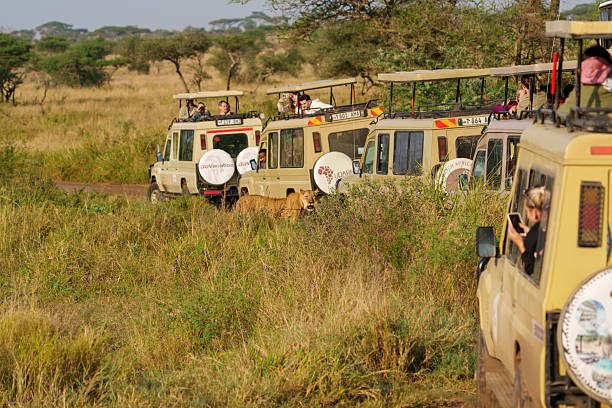
15 Days Kilimanjaro Climbing And Extended Serengeti Safari 2026-2027
Discover a practical, bookable 15-day plan that threads Kilimanjaro ascent with an extended Serengeti safari. This guide outlines route choices, acclimatisation logic, driving days, and...
View package details
12 Days Kilimanjaro Climbing And Budget Camping Safari 2026-2027
12 Days Kilimanjaro Climbing and Budget Camping Safari.
View package details
17 Days Kilimanjaro Climb Safari And Zanzibar Beach 2026-2027
17 Days Kilimanjaro Climb Safari and Zanzibar Beach.
View package details
16 Days Kilimanjaro Serengeti Safari And Zanzibar 2026-2027
16 Days Kilimanjaro Serengeti Safari and Zanzibar.
View package details15 Days Kilimanjaro Safari And Zanzibar Holiday 2026-2027
15 Days Kilimanjaro Safari and Zanzibar Holiday.
View package details
14 Days Kilimanjaro Climb And Luxury Lodge Safari 2026-2027
14 Days Kilimanjaro Climb and Luxury Lodge Safari.
View package details
15 Days Northern Circuit Kilimanjaro And Safari 2026-2027
A practical 15-day plan weaving Kilimanjaro’s Northern Circuit climb with a Tanzania safari, detailing route progression, acclimatisation, driving logistics, and accommodation choices...
View package details15 Days Kilimanjaro Hiking And Big Five Safari 2026-2027
15 Days Kilimanjaro Hiking and Big Five Safari.
View package details
14 Days Kilimanjaro Trek And Northern Tanzania Safari 2026-2027
14 Days Kilimanjaro Trek and Northern Tanzania Safari.
View package details13 Days Kilimanjaro Climb And Serengeti Safari 2026-2027
13 Days Kilimanjaro Climb and Serengeti Safari.
View package details
12 Days Kilimanjaro Trekking and Tanzania Safari: A practical, day-by-day
A practical, bookable 12-day journey combining Kilimanjaro ascent with a Tanzania safari, outlining day-by-day route, acclimatisation strategy, park progression, and realistic safari...
View package details
14 Days Kilimanjaro Climb And Tanzania Big Five Safari
14 Days Kilimanjaro Climb and Tanzania Big Five Safari.
View package detailsNo related package matches those filters. Clear one or more filters to see the other topic-matched options.



