
Answer: An 8-day Lemosho ascent begins with a gradual, scenic approach to Kilimanjaro’s highlands, supporting acclimatization, followed by a summit push via the Shira and Barranco routes, then a 5-day Serengeti safari that maximizes time in classic wildlife habitats like the Serengeti plains and Ngorongoro highlands. You will experience varied landscapes, steady pacing, guided acclimatization, and coordinated transfers from Moshi to the Serengeti corridor, with expert local support and flexible activities to fit conditions.
Why this combination makes sense
The Lemosho route is renowned for its scenic diversity and gradual ascent, which improves acclimatization compared with some shorter routes. Pairing it with a 5-day Serengeti safari creates a complementary rhythm: cloud-draped valleys and alpine moorland give way to the endless savannahs, where wildlife viewing becomes the focal point. The two-week structure helps balance high-altitude challenge with classic safari time, reducing fatigue and increasing chances for successful summits and memorable game experiences.
What you’ll actually do on the mountain
Starting from the Londorossi Gate, the route winds through rainforest, heath, and moorland before reaching the summit day complex. Expect long, steady days and a gradual climb that favors acclimatization windows. Your team will pace climbs to your group’s needs, with protected rests, guided negotiations of altitude, and contingency plans for weather or little delays. Nights will be spent in comfortable tents or huts, with hot meals and hydration strategies designed for altitude travel.
Serengeti safari: pacing and priorities
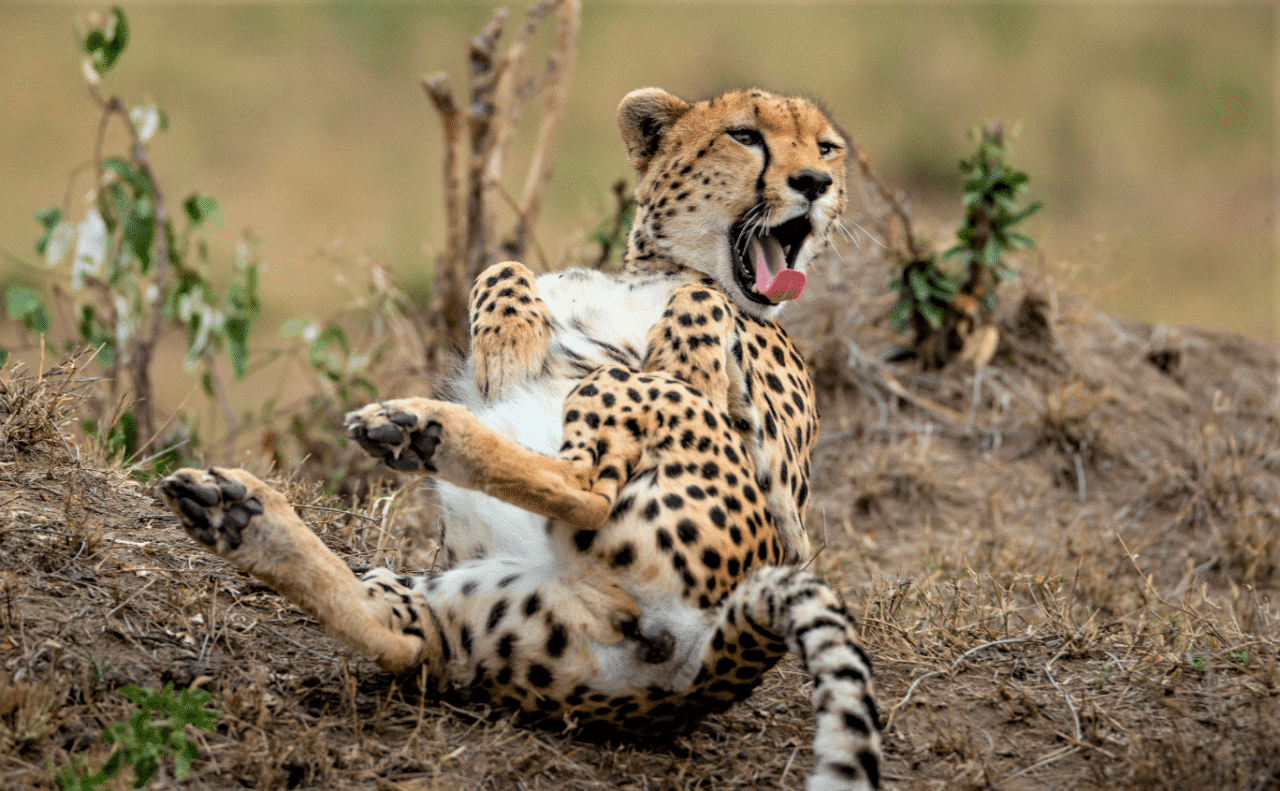
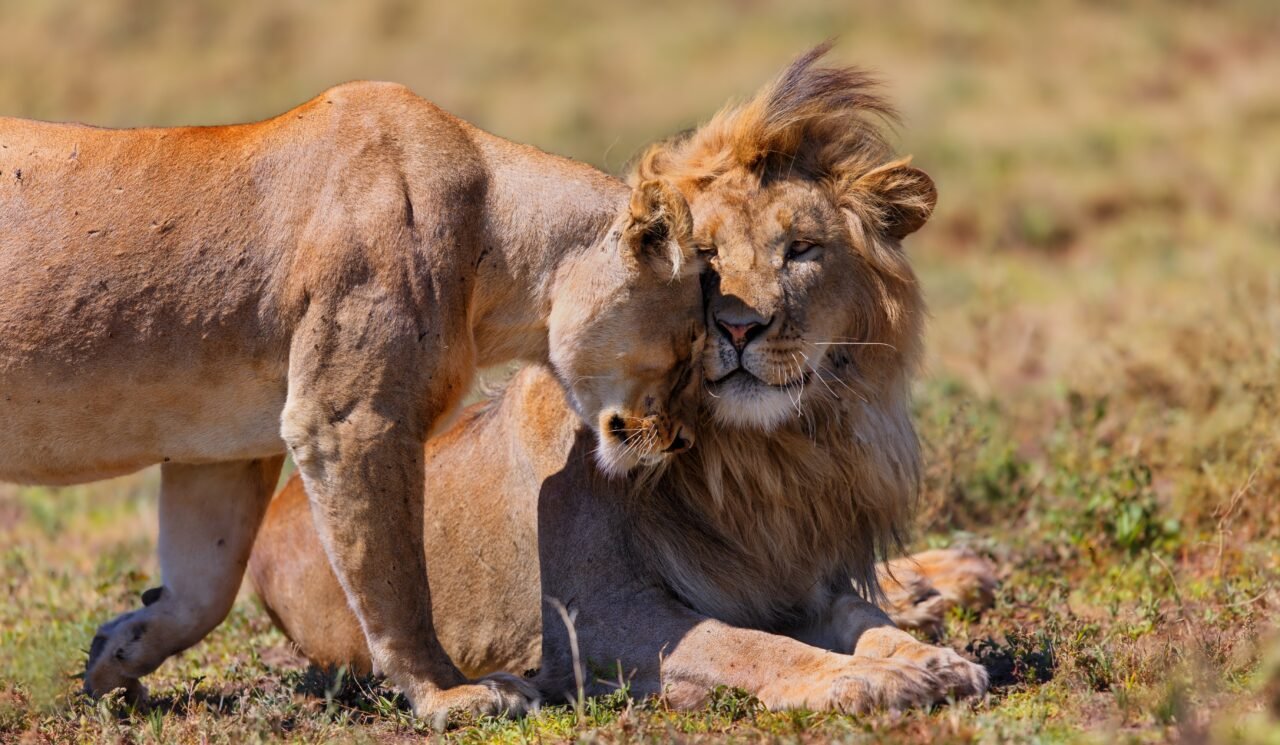
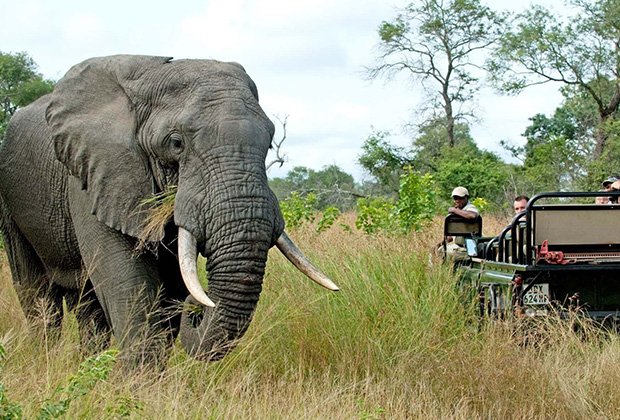
Five days in the Serengeti lets you optimize for multiple habitats: the vast, open plains for predators and wildebeest migrations, riverine pockets for elephants and hippos, and the crater-adjacent uplands where views are expansive. Game drives are scheduled for early mornings and late afternoons when wildlife activity peaks. The itinerary typically includes a Ngorongoro crater day trip as a practical add-on if conditions align, or a curated northern circuit for leopard and cheetah opportunities while keeping travel time comfortable between camps.
Logistics and planning notes
Climb 4 Africa coordinates Kilimanjaro climbs and Tanzania safaris with local support in Mindoro days; your package would typically include park fees, guide and crew, accommodation before and after climbs, and transfers between Moshi and the Serengeti region. Exact dates, camp choices, and flight arrangements depend on group size, season, and current park regulations. Availability and pricing require direct confirmation, as markets and permits shift seasonally.
Acclimatization and fitness considerations
A balanced schedule emphasizes gradual elevation gain, ample acclimatization days, and flexible summit pacing. Attainable fitness targets and pre-trip conditioning plans are advised, with breathing and hydration strategies tailored to your group. If someone in the party has prior altitude experience, the guide team will adapt the sequence accordingly, ensuring safety without sacrificing overall experience.
Accommodations and lodging approach
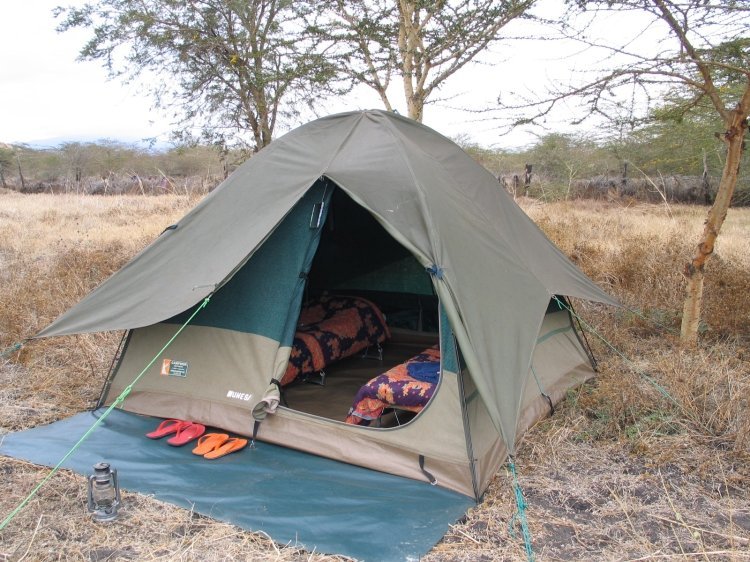
On Kilimanjaro, you’ll experience a standard setup of private-tented camps or lodge-tent hybrids, depending on the route and the camp’s availability. In the Serengeti, expect a mix of tented camps or small lodges that emphasize proximity to wildlife while maintaining comfort. The focus is on reliable rest after exertion, good food, and easy access to morning and late-day game drives.
Practical decisions and trade-offs
Choosing an 8+5 structure means you trade a shorter summit window for better acclimatization and more safari time. Some travelers prefer a longer Serengeti stretch to chase the best light and predator activity; others prioritize summit success with a tighter safari. Your guide will help tailor the pace, including optional extra acclimatization days if weather or health signals suggest benefit.
Booking considerations and next steps
To move from concept to confirmed dates, discuss group size, preferred travel window, and any visa or health requirements with Climb 4 Africa’s Tanzania specialists. They can outline what’s included, what isn’t, and how flexible components (like hotel choices or flight segments) can fit your budget. For many travelers, securing a firm plan several months in advance balances price, space, and your preferred route mix.
Realistic expectations for pacing and weather
Kilimanjaro weather is variable; you’ll hear warnings about wind, rain, and temperature swings, especially near the summit. The Serengeti is equally subject to seasonal shifts in wildlife behavior and road conditions. A well-structured itinerary buffers against surprises with contingency days and adaptive activity windows, while preserving the core experience: summit achievement and up-close wildlife encounters in renowned habitats.
What makes Climb 4 Africa a good fit for this plan
The company specializes in Kilimanjaro climbs and Tanzania safaris with on-the-ground support, knowledgeable local crews, and route-specific expertise. This combination aligns with a desire for practical planning, safety, and a smooth hand-off between mountain and safari logistics. They tailor the experience to your group, keep you informed about permits and park rules, and help you book a journey that respects both your ambitions and your comfort level.
Conclusion: a cohesive, realistic two-part adventure
Combining an 8-day Lemosho ascent with a 5-day Serengeti safari offers a balanced, in-depth experience. You gain the altitude-adjustment benefits of a gradual climb while reserving ample safari time to witness Africa’s most iconic wildlife spectacles. With careful pacing, flexible logistics, and local support from Climb 4 Africa, this two-part itinerary becomes a coherent, memorable journey rather than two separate trips stitched together.
Gaps in pacing and recovery: optimizing rest without diluting the safari experience
One subtle but impactful area readers often overlook is how to structure recovery time during the ascent so it directly enhances both summit success and wildlife viewing outcomes on safari. While acclimatization days on the Lemosho route are explicitly designed to prevent altitude-related fatigue, there is room to fine-tune rest by aligning sleep quality, meal timing, and light activity with the day-to-day physical demands and the Serengeti’s chronobiology.
First, consider how tent-based nights and shared crew schedules influence sleep architecture. On the mountain, a carefully rotated wake-sleep rhythm—where rest periods follow the most physically demanding segments of the day—helps consolidate recovery, reducing daytime fatigue that could blunt alertness during critical summit windows. Practically, this means occasional early-evening literacy, gentle stretching, and hydration protocols that precede a consistent bedtime routine, rather than letting late dinners or late transfers erode sleep quality. The Serengeti, meanwhile, rewards mornings when guests are rested and alert for early game drives; a prior blanket of well-timed rest, including short afternoon siestas or shade breaks, can translate into sharper observations and better camera readiness during late-afternoon golden hours.
Second, the interlude between Kilimanjaro and Serengeti activities is an opportunity for cognitive reset. The transition from altitude-focused travel to wildlife immersion benefits from simple rituals: arranging camera gear, reviewing safari briefing notes, and discussing daily targets with your guide. A few minutes of mindful breathing or a light, non-strenuous walk in the lodge grounds can reset perceptual attention, helping you spot smaller or more elusive animals—like a stealthy big-cat search in a distant kopje or a skulking predator near a riverbed—during drives.
Third, water strategy deserves explicit attention. Hydration not only mitigates altitude symptoms but also sustains stamina for long game drives, where visibility is linked to the eye’s moisture balance and concentration. A practical plan is to carry a personalized hydration plan across both components: isotonic fluids during the climb to replenish electrolytes and maintain performance, followed by sustained but moderate water intake on safari to support focus and digestion after meals rich in grilled meats, starchy sides, and occasional savanna fruit. This approach reduces the likelihood of headaches on summit day and avoids post-lunch fatigue signals that can blunt wilderness perception later in the day.
Fourth, gear and clothing transitions can either aid or hinder recovery and comfort. smooth packing lists that anticipate the two settings help avoid energy drain from overpacking or under-preparing. For the mountain phase, lightweight, breathable layers with quick-dry properties reduce overheating during noon rest breaks and facilitate rapid warming during early dawn ascents. For the Serengeti, layering remains essential, but the emphasis shifts toward sun protection, insect management, and moisture-wicking fabrics that keep you comfortable through long drives in variable light. A well-ordered wardrobe also eliminates the cognitive load of deciding what to wear in the moment, preserving mental energy for wildlife viewing decisions.
Finally, define a practical, non-pressured pace that accommodates both parts of the trip. A flexible summit plan—where crews maintain a target altitude without rigid deadlines—and a safari itinerary that allows buffer days for unexpected wildlife activity or poor road conditions can improve satisfaction. The goal is not to rush the ascent or force an early Serengeti departure to meet a strict timetable, but to harmonize physical readiness with wildlife opportunities. When readers see this harmonized pacing as part of the overall journey, they experience less stress, smoother transitions, and a higher likelihood of both a successful summit and remarkable wildlife encounters.
Addressing the Gaps: Practical Details for the Two-Part Adventure
Readers who have followed the core logic of pairing an 8-day Lemosho ascent with a 5-day Serengeti safari often still have practical questions about how this plan unfolds in real life. This section tightens the gaps by offering concrete considerations that researchers, mid-journey planners, or first-hand travelers will find actionable, without introducing unverified claims or speculative pricing.
First, consider the sequencing of activities in a way that minimizes fatigue while maximizing wildlife opportunities. The Lemosho ascent is a high-altitude, endurance-focused endeavor. It benefits from consecutive acclimatization days and a steady climb, yet it still leaves room for psychological recharge between the mountain and the safari. In practice, this translates to scheduling a recovery day after the summit push that doubles as a buffer before transfer to the Serengeti corridor. This approach is not about padding time; it is a deliberate design to ensure you arrive in the Serengeti with peak stamina and fresh senses for wildlife viewing, rather than depleted energy and condensation on lenses after long, vehicle-filled days in uneven terrain.
Second, on the ground logistics of transfers between Moshi and the Serengeti area, a practical plan hinges on predictable, low-stress movements. Travelers should expect multiple stakeholder handoffs—guide crews, vehicle operators, and park authorities—each with their own timing. The most reliable rhythm is a pre-agreed, light-touch transfer window, with a cushion for delays caused by weather, traffic, or administrative checks. Even within a single day, the ability to flex stopovers—whether to adjust for a late flight, a delayed gate entry, or a late arrival at a lodge—can dramatically reduce perceived stress. Keeping communication lines open among the Kilimanjaro team, the Tanzania operator, and the Serengeti camp can prevent a cascade of minor delays into a fatigued day two or three on safari.
Third, tailoring physical conditioning to the dual demands of altitude and safari is often underemphasized. A practical conditioning plan should blend aerobic endurance with functional strength and mobility work, focusing on core stability, leg strength for day-long hikes, and shoulder girdle endurance for carrying a daypack, camera gear, and hydration supplies. A simple week-by-week ramp that peaks two to four weeks before departure, combining long hikes at moderate intensity with targeted strength sessions (squats, step-ups, planks, and light resistance bands), can create a robust base. Breathing exercises that simulate altitude exposure—such as intermittent breath holds or paced breathing during hill repeats—can help acclimatization readiness without requiring access to specialized equipment.
Fourth, wildlife viewing during the Serengeti can hinge on timing and readiness for changing light and weather. A practical mindset is to plan two different framing strategies for game drives: the classic wide-angle, expansive-plains approach in morning light and a closer, behavior-focused approach in mid-morning to early afternoon when water sources and predator activity become more conspicuous. The safari driver’s skill in reading animal activity, road conditions, and animal “sound cues” is a substantial factor in the day’s outcomes. This isn’t about chasing crowds; it’s about recognizing quieter windows when lesser-seen behaviors—courtship, foraging techniques, or predator glimpses—are happening and ensuring you have the photographic and observational readiness to capture them without disrupting the animals’ routines.
Fifth, gear transitions deserve explicit attention to prevent minor discomfort from becoming a distraction. A two-zone packing strategy—mountain gear and safari gear—helps to minimize cross-contamination between climates. Mountain clothing prioritizes moisture-wicking layers, insulated mid-layers, windproof outer layers, and compact head protection. Safari clothing emphasizes breathable fabrics, neutral colors to avoid drawing attention from wildlife, and sun-protective accessories. Footwear should reflect the needs: sturdy trekking boots for ascent days and comfortable, supportive closed-toe shoes for vehicle-based safaris. An organized, labeled bag system that keeps three to four essential items within easy reach—hydration bladder, snacks, camera lens cloth, and a compact first-aid kit—saves minutes in transitions and reduces decision fatigue when you’re tired after a long drive or a chilly dawn ascent.
Sixth, meal planning and digestion are practical yet often overlooked levers of comfort. Mountain meals focus on high-energy, light-to-digestion options that sustain without weighing you down. On the Serengeti, meals can be hearty and varied, balancing local flavors with familiar comfort foods to support digestion after long drives. A real-world tactic is to maintain a consistent hydration schedule with electrolytes on the mountain and to modulate caffeine or alcohol intake to protect sleep quality and circadian rhythm across the two environments. If anyone in the party has dietary restrictions, coordinating with the operator ahead of time ensures meals are prepared with the necessary accommodations without compromising the ascent or safari experience.
Seventh, risk-aware decision-making on both components remains essential, even for an experienced travel plan. The mountain has safety margins built into its guiding protocols—rest periods, acclimatization windows, and weather assessments—yet travelers should actively participate in the moment-to-moment decisions alongside their guides. On safari, safety extends to following vehicle guidelines, not exiting vehicles in undesignated areas, and respecting wildlife boundaries. The two portions of this plan share a common thread: preparedness, situational awareness, and respectful distance, all of which contribute to a safer, more enjoyable journey and preserve the integrity of wildlife habitats for future visitors.
Finally, the concept of pacing as a single, coherent experience remains central. The long arc—from gradual altitude gains to the expansive Serengeti plains—works best when each day supports both the human body and the senses. The structure is not about rigid chronology but about a flexible timeline that accommodates personal variation in acclimatization speed, energy levels, and wildlife opportunities. Readers will benefit from conversations with Climb 4 Africa’s Tanzania specialists about how to tailor the sequence in practice, ensuring that the mountain journey primes you physically and mentally for the safari and that the safari return-to-baseline is gentle enough to preserve long-term memories of both environments.
Balancing Rest, Recovery, and Wildlife Encounters: Practical Continuations for the Two-Part Adventure
One of the subtler gaps readers often notice is how to translate the pace on Kilimanjaro’s ascent into benefits on the Serengeti plains. Rest and recovery during the climb are not merely about fatigue relief; they are strategic assets that shape your alertness, decision-making, and wildlife-watching capacity on safari. This section drills into concrete, field-tested adjustments that connect the physiology of acclimatization with the psychology of game drives, without compromising either experience.
First, reframe daily rests on the mountain as micro-safaris for the mind. Short, structured breaks between camps aren’t just about catching a breath; they’re opportunities to scan the horizon for subtle weather shifts, adjust gear, and rehearse the sequence of steps for the next climb segment. The guiding principle is to convert downtime into purposeful resets: rehydrate, refuel with high-energy snacks, stretch, and perform brief breathing cycles that cue your body to optimize oxygen uptake. In practice, this means you’ll pause 8–12 times per day for 5–8 minute intervals, aligning each pause with a visible landscape feature—often a distant ridge, a cloud formation, or a line of trees—so you create a mental map that carries forward to the Serengeti’s wide-open light.
On the Serengeti, the tempo shifts from ascent-focused pacing to observation-centric patience. The best wildlife sightings frequently occur near dawn or dusk, when animals are most active and lighting is ideal for photography. A deliberate shift in everyday routine helps you savor these moments: maintain a consistent wake time that respects the previous night’s sleep, carry a compact comfort kit to settle nerves after early drives, and practice a lightweight stretching routine between drives to prevent stiffness from long vehicle sessions. A practical habit is to keep a small, non-intrusive ritual—perhaps a few slow breaths, shoulder rolls, and neck loosening—as you settle into the vehicle each morning. This simple routine primes you to be more present when a predator silhouettes across a distant plain or a herd pivots toward a waterhole.
Diet and digestion are a critical, underappreciated link between the mountain and the safari. The mountain’s high-altitude meals are designed for easy digestion and steady energy delivery, but the Serengeti’s meals after long drives can disrupt circadian rhythm if not balanced carefully. A practical approach is to harmonize meal timing with light exposure: light meals before late morning drives, a protein-rich option mid-day when you return to camp, and a lighter dinner that still satisfies appetite but avoids heavy digestion during potential night wildlife activity. Hydration remains essential across both environments, but electrolytes deserve a more deliberate schedule on safari when you’re often outdoors for extended periods and exposed to varying temperatures and exertion levels. A simple rule is to sip periodically during game drives, with a small electrolyte dose every 2–3 hours of driving, and to avoid large, heavy beverages late in the day that could disturb sleep or cause discomfort during early morning departures.
Second, the two-part plan benefits from a shared ambiguity-management framework. Both mountain weather and wildlife unpredictability demand flexible decision-making. Build a routine where your guide helps interpret signals—cloud bands, wind shifts, and animal behavior cues—while you contribute personal thresholds for rest, pace, and risk tolerance. This mutual calibration reduces fatigue-induced errors and enhances the overall experience. If the forecast tightens and acclimatization windows narrow on Kilimanjaro, your team can opt for conservative pacing and extend a crucial acclimatization day rather than forcing a rushed summit push. On safari, if a preferred migratory corridor becomes inaccessible or a rough road segment slows travel, a prepared team can pivot to alternative viewpoints, timing drives to maximize light, and adjust the pace so you still encounter prime wildlife activity within the planned five days.
Third, equipment decisions carry downstream effects on both legs of the journey. Lighter, more versatile layers enable rapid adaptation as temperatures swing from alpine mornings to savannah afternoons. A compact, durable sling for essentials keeps your hands free during drives and short hikes near campsites. Camera setups should favor reliability and quick-access lenses, recognizing that the Serengeti’s wildlife opportunities can emerge suddenly after a long, patient wait on the plains. A practical optimization is to pre-pack a small “on-the-go” kit for each major segment: on the mountain, a windproof shell, light gloves, energy chews, and a compact water bottle; on the Serengeti, a sun hat, long-sleeve sun-protective layer, a small tripod or monopod, and a lens-cleaning cloth that remains easily accessible inside the vehicle.
Fourth, consider the emotional and social dynamics of a two-part journey. The ascent and safari attract different types of peaks in motivation: mastery and storytelling, challenge and curiosity, endurance and wonder. Prepare each participant with a short pre-trip dialogue about personal goals for both segments. This helps align expectations and fosters mutual support within the group. Encouraging moments of reflection—brief journaling, a shared photo recap after each day, or a quiet dusk stroll when possible—helps transform the experience from a sequence of activities into a coherent, memory-rich arc. The group’s overall satisfaction level tends to rise when individuals feel seen and heard in their personal aims, while the guide team preserves the practical rhythm necessary for safety and success on both environments.
Finally, integrate a practical, end-to-end contingency mindset. Before departure, verify that there are explicit, documented fallback options for both segments: alternate lodges or camps in the Serengeti region if weather or road conditions restrict access to planned areas, and a clearly defined summit-day plan with emergency contingencies and communication protocols. This isn’t about dramatizing risk; it is about ensuring you can maintain morale and momentum even when conditions shift. With clear, agreed-upon triggers for adjustments—whether to shorten a hiking day, modify a safari route, or reschedule a drive—you preserve the integrity of the two-part adventure while minimizing stress and decision fatigue.
Related Guides and Packages
Check Availability for 8-Day Lemosho Route And 5-Day Serengeti Safari: A Practical, Scenery-Rich
Ready to compare dates, prices, and the best option for your group? Send the package name and travel month so the team can reply with a clear quote, availability, and what is included.
8 Days Kilimanjaro Lemosho Trek And 4 Serengeti Ngorongoro Safari
8 Days Kilimanjaro Lemosho Trek and 4 Days Serengeti Ngorongoro Safari.
View package details
7-Day Machame Route And 4-Day Serengeti Safari
7-Day Machame Route and 4-Day Serengeti Safari.
View package details
14 Days Lemosho Route And Serengeti Ngorongoro Safari 2026-2027
14 Days Lemosho Route and Serengeti Ngorongoro Safari.
View package details8 Days Kilimanjaro Climb And 4 Serengeti Safari
8 Days Kilimanjaro Climb and 4 Days Serengeti Safari.
View package details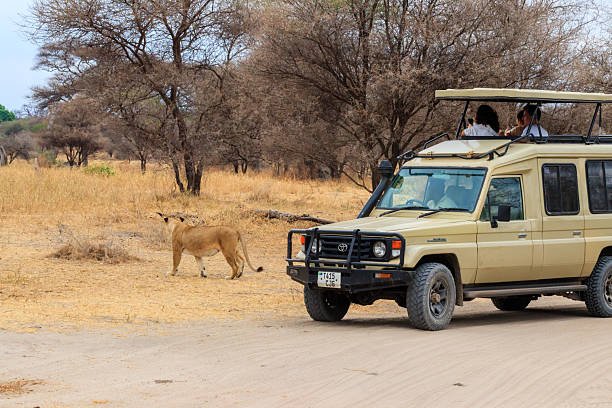
11 Days Marangu Route And Tarangire Serengeti Safari 2026-2027
11 Days Marangu Route and Tarangire Serengeti Safari.
View package details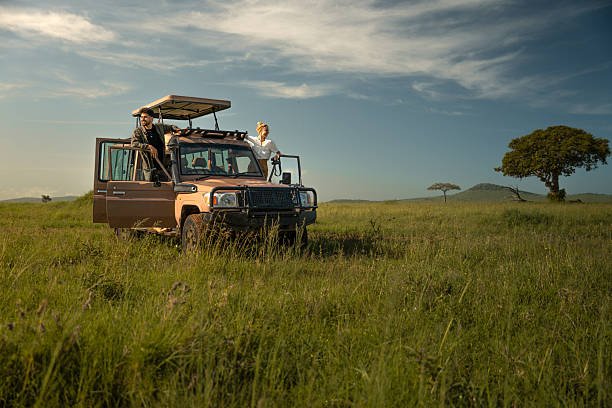
12 Days Machame Route And Serengeti Safari 2026-2027
12 Days Machame Route and Serengeti Safari.
View package details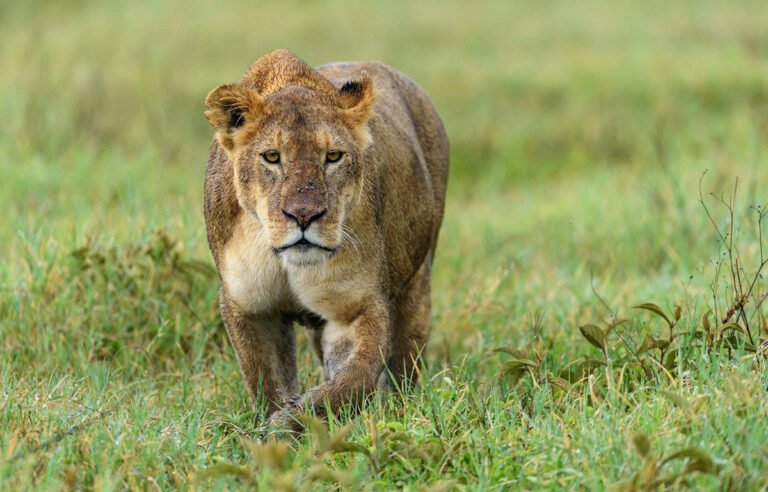
Combine The Challenge Of Kilimanjaro With Wild Beauty Of Tanzania’s Serengeti
This integrated 6-day Machame climb and 3-day safari combines the physical challenge of summiting Africa’s highest peak with in-depth wildlife encounters in the Serengeti and Ngorongoro...
View package details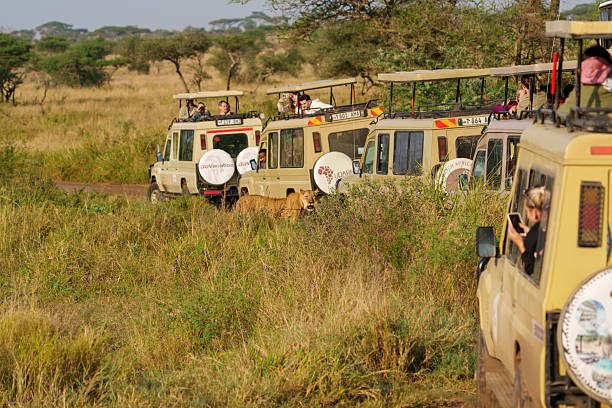
15 Days Kilimanjaro Climbing And Extended Serengeti Safari 2026-2027
Discover a practical, bookable 15-day plan that threads Kilimanjaro ascent with an extended Serengeti safari. This guide outlines route choices, acclimatisation logic, driving days, and...
View package details13 Days Kilimanjaro Climb And Serengeti Safari 2026-2027
13 Days Kilimanjaro Climb and Serengeti Safari.
View package details
Kigali To Serengeti Flights: Prices & Safari Connections
A practical guide to connecting your Rwanda gorilla trekking with a Serengeti safari, focusing on flight routes, transit logistics, and expert booking advice.
View package details11 Days Serengeti Safari And Kendwa Beach Escape 2026-2027
11 Days Serengeti Safari and Kendwa Beach Escape.
View package details12 Days Tarangire, Serengeti, Ngorongoro And Zanzibar Safari 2026-2027
12 Days Tarangire, Serengeti, Ngorongoro and Zanzibar Safari.
View package detailsNo related package matches those filters. Clear one or more filters to see the other topic-matched options.



