
For 8 Days Lemosho Route Kilimanjaro Group Joining – 18–25 November 2026, you will follow the standard Lemosho ascent from Moshi, pacing for acclimatisation, with 7 nights on the mountain and 1 rest day near Shira before the summit push. The schedule hinges on a verified departure with a local crew, campsite-to-campsite carrying gear, and guided support from Climb 4 Africa; availability and prices require direct confirmation. If you need a confirmed date and price, request a verified schedule from the operator.
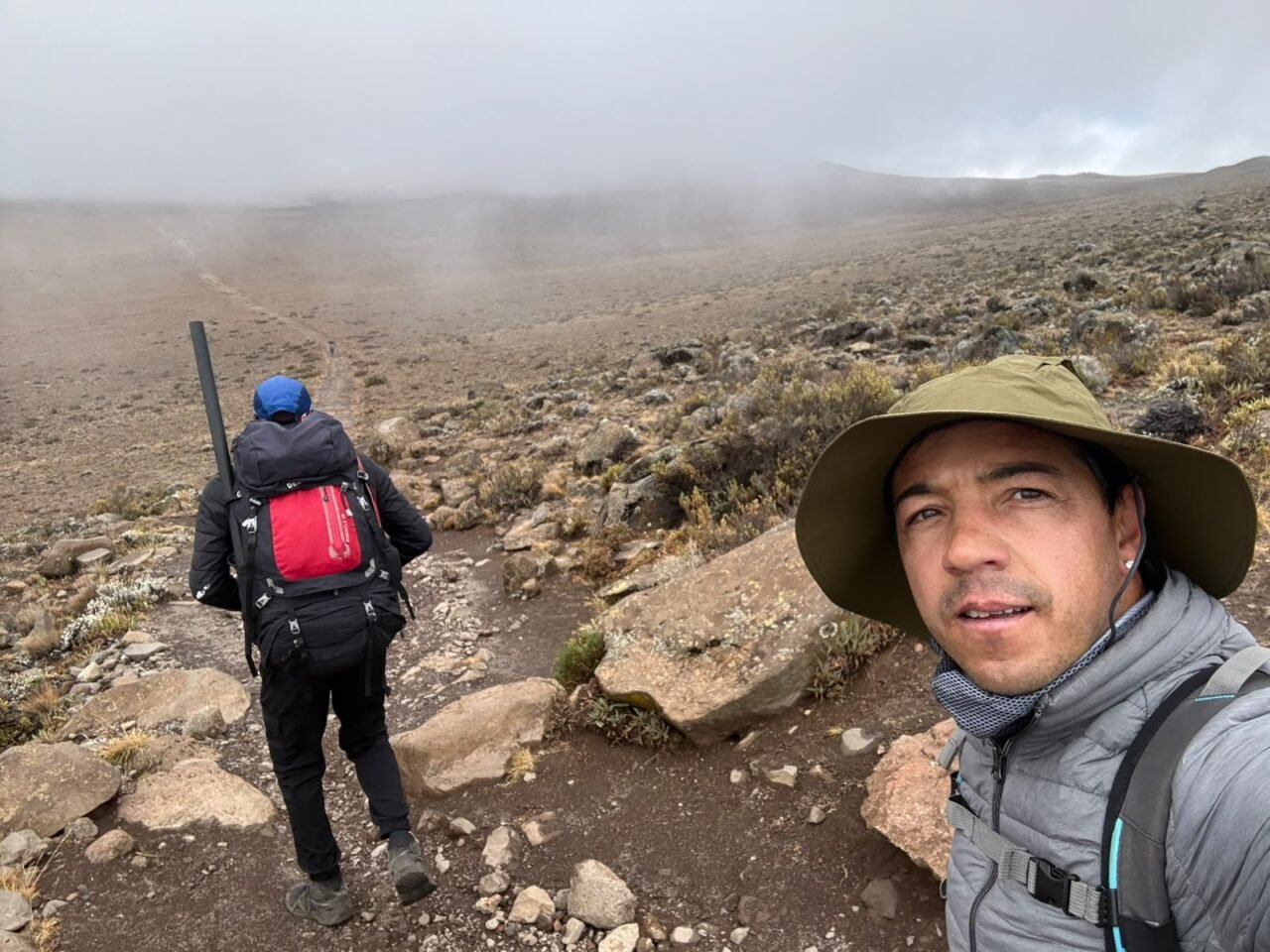
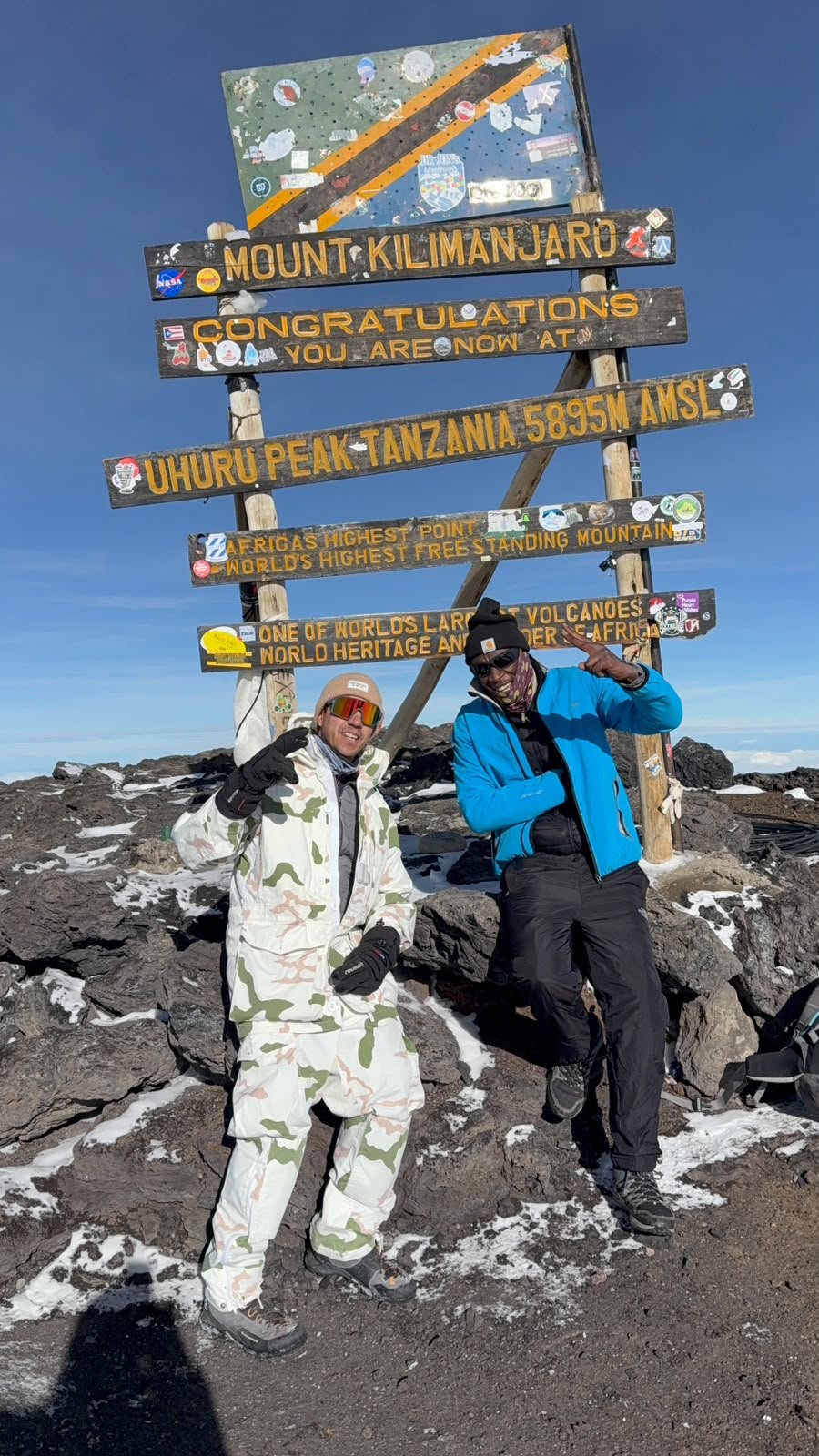
Introduction and how this piece helps you book with confidence
This article segment focuses on the actual travel sequence for the 8-day Lemosho climb, tailored for a group joining format. We move beyond generic Kilimanjaro descriptions to present a practical, day-by-day itinerary, including where you’ll stay, how you’ll ascend, and the acclimatisation logic that underpins the route. The purpose is to arm you with the real flow of days, from pre-climb briefing in Moshi to the summit attempt and the descent, while clarifying how group joining works and how to verify departures for November 2026.
Overview: what to expect on an 8-day Lemosho group climb
The Lemosho route is prized for its balance of scenic scenery and gradual ascent, offering excellent acclimatisation windows. For a group joining tour, the plan is to synchronize meeting points, breakfast routines, and shared porters and guides while preserving personal pacing. You’ll move through marked camps, with nights spent in high-quality trekking camps or basic huts depending on the day, typically ending each stage with a campsite dinner and a briefing on the next leg.
Day-by-day itinerary: 8 days on the Lemosho route
Note: exact start times, camp names, and the final day’s summit push may adjust slightly depending on weather, permits, and group pace. This section outlines a typical day sequence for a group joining itinerary managed by Climb 4 Africa. Always rely on your guide briefing for the precise day’s plan.
Day 1 – Moshi to Londorossi Gate; drive to trailhead and initial trek
Depart Moshi with group briefing and a vehicle transfer to Londorossi Gate. From there, begin the initial ascent through lush montane forest. You’ll camp at the first designated site as you acclimate to the altitude and log your first day’s progress. The pace is relaxed to conserve energy and set a steady rhythm for the days ahead.
Day 2 – Forest ascent to Shira Camp 1
The route continues through thicker forest into moorland zones. This day introduces longer climbs with a consistent, manageable tempo. Expect cooler air and a higher altitude as you approach Shira Camp 1. Group coordination remains key for breaks and water management.
Day 3 – Shira Camp 1 to Shira Camp 2; acclimatisation buffer
A gentler day that keeps altitude gain reasonable, providing an essential acclimatisation window. You’ll pass through the Shira plateau scenery, with a potential shorter acclimatisation hike offered by the guide if weather and group fitness permit. Campsite meals focus on fueling for the high camps to come.
Day 4 – Shira Camp 2 to Baranco Camp
Ascending into the moorlands, the group progresses toward Baranco. The day features a distinctive Baranco wall section that tests endurance while giving spectacular views. The schedule aims to keep a steady rhythm to avoid fatigue, with frequent water breaks and a mid-afternoon arrival at Baranco Camp.
Day 5 – Baranco Camp to Karanga Camp
Continuing the climb with another acclimatisation window, you’ll push toward Karanga, which often marks the last point where groups pass through before the more exposed high alpine terrain. Expect cooler temperatures and a more rugged approach en route to the camp.
Day 6 – Karanga Camp to Barafu Camp (base for summit)
This critical day transitions into the high alpine zone. The group will ascend to Barafu Camp, where you’ll rest, rehydrate, and prepare for the summit push. The guide suite coordinates gear checks, last-minute acclimatisation, and a pre-dawn briefing for the final ascent attempt.
Day 7 – Barafu Camp to Uhuru Peak; descent to Mweka Camp
The famous summit push begins in the small hours. After scrambling up the scree, you’ll reach Uhuru Peak for sunrise views and the celebrated crest of Africa. A rapid descent follows to Mweka Camp, where you’ll recover with a hot meal and a well-earned rest after a long day.
Day 8 – Mweka Camp to Mweka Gate; return to Moshi
The final day involves a relatively gentle descent through the forest back to Mweka Gate. After formalities and a farewell ceremony, the group is transferred back to Moshi for a celebratory end to the climb, with the option of follow-on Tanzania experiences if arranged.
Route logistics: acclimatisation, pace, and group dynamics
The Lemosho route is designed to maximise acclimatisation days without sacrificing the total duration. For a group joining itinerary, the guiding team coordinates pace and breaks, ensuring everyone keeps up while reducing the risk of acute mountain sickness. The day-by-day pacing aims to balance rest and ascent, with extra acclimatisation hikes considered when the group pace allows. Pack weight is managed to keep porters efficient and the group moving steadily along the ridges and moorlands.
Accommodation and camping experiences on the trail
On the Lemosho route, expect a mix of basic, well-equipped camps with shared dining areas and hot meals. The group format means you’ll often share tents or sleep in close quarters, with privacy options depending on the operator’s current setup. Weather can be cool at higher elevations, so your kit should include a reliable insulating layer and a good sleeping bag suited for alpine conditions.
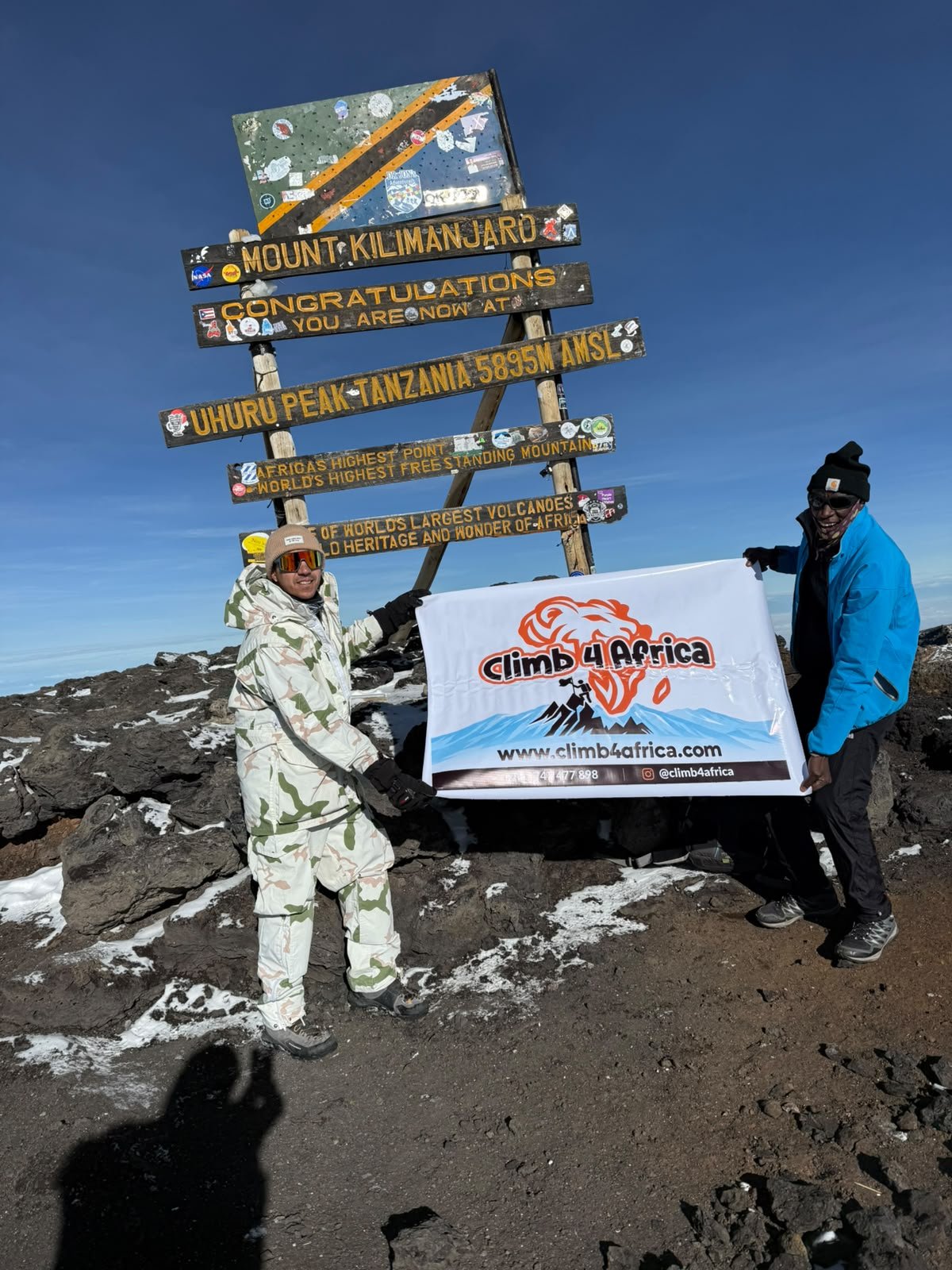
Dates and availability: how group joining works for 18–25 November 2026
Group joining departures are offered by Climb 4 Africa with verified schedules that include the exact start location, meeting time in Moshi, and the group size
Unpacking the logistics: what happens behind the scenes on Day 3–Day 5 for group joining on the Lemosho route
Beyond the high-level day labels, the practical rhythm of a group-joining climb hinges on how the trekking team choreographs transitions between camps, manages shared gear, and times acclimatisation pauses within the approved permit framework. For the 8-day Lemosho itinerary (18–25 November 2026) these mid-cascade days—specifically Day 3 (Shira Camp 1 to Shira Camp 2), Day 4 (Shira Camp 2 to Baranco Camp), and Day 5 (Baranco Camp to Karanga Camp)—are the hinge where pace, weather, and group fitness converge to shape the rest of the ascent.
Day 3 focus: the acclimatisation window and controlled ascent
On Day 3, the group continues from Shira Camp 1 to Shira Camp 2, a relatively gradual gain in altitude designed to consolidate acclimatisation gains from Day 2. In practice, the crew calibrates the pace to keep participants within a comfortable exertion band, typically allowing for frequent short breaks and a few optional acclimatisation hikes if conditions permit. The porters and guides coordinate water resupply points and lunch stops in shaded bends of the trail to minimize exposure to afternoon sun and to maintain steady hydration—crucial for the diurnal temperature swing encountered in the high moorland. Because this segment sits on a plateau transition, it can feel deceptive: you are gaining altitude without a dramatic change in scenery, which makes the group dynamic and individual pacing even more important. The group often camps near a designated Shira Camp area with a clear view of the surrounding highland plateaus, offering a psychological checkpoint as much as a physical one.
Day 4 focus: Baranco ascent and the Baranco Wall
Day 4 marks a more technical ascent as you move from Shira Camp 2 into the moorlands toward Baranco Camp. The standout feature is the Baranco Wall, a steep, stepped incline that requires careful footing and a steady, measured rhythm. In a group-joining format, the guide team actively manages spacing to ensure slower climbers aren’t left behind and faster climbers aren’t held up by the group’s overall pace. The acclimatisation objective remains central: frequent water and electrolyte breaks are scheduled, with optional short scrambles at low elevation gain if the group is feeling strong and weather allows. The afternoon light on the Baranco escarpment can be dramatic, giving ample photographic opportunities while also signaling the crew to consider early exit strategies if fatigue or wind picks up. Sleeping arrangements at Baranco Camp tend to be straightforward—tents pitched in a row with communal dining areas—yet the shared experience fosters a strong sense of team, which can help when nerves are frayed after a long day.
Day 5 focus: Karanga progression and pre-acclimatisation sequencing
Day 5 carries the group from Baranco Camp to Karanga Camp, a segment that serves as a critical acclimatisation waypoint before entering the high alpine zone you’ll encounter on subsequent days. The route becomes more exposed to wind and the air thins noticeably, which makes the cadence even more important. Guides may adjust the pace to maintain a consistent beat—often a slightly slower tempo than Day 3 and Day 4—to keep oxygen consumption at a sustainable level. The group’s arrival at Karanga Camp typically includes a brief pedagogical moment from the guide about altitude symptoms, recognizing early warning signs, and the plan for the next morning’s traverse toward Barafu Camp. Evening rituals at Karanga—shared meals, gear checks, and a short briefing—balance rest with preparation for the intensified altitude regime ahead. The accommodation remains in camp settings designed to minimise heat loss during the night, with trellis-like tents and communal meal setups that help maintain morale amid the evolving terrain.
Shared logistics that bind these middle days
- Group pacing and rest breaks are standardized around the slowest member’s comfort level to preserve safety and prevent rapid fatigue, with a margin in the schedule for weather-driven delays.
- Water management is coordinated via a system of secure canisters and established refilling points, reducing the risk of dehydration during higher altitude stretches.
- Porter weight allocation is reviewed daily to ensure that no single trekker is overburdened, while still maintaining the operational efficiency of camp setups.
- Acclimatisation windows are not fixed but are responsive to midday temperatures, wind conditions, and group feel; optional short acclimatisation hikes may be offered when there is a favorable forecast and the group demonstrates adequate fitness.
- Communication channels are reinforced each morning with a pre-tetch briefing that reaffirms meeting times, meal locations, and safety signals should anyone feel unwell or require a slower pace.
Understanding this mid-section of the itinerary helps future climbers gauge what to expect in terms of day-to-day continuity. It also clarifies why the itinerary prioritizes moderate daily elevation gains, scaffolded acclimatisation, and a dynamic pacing model tailored to the specific group composition arriving through a single operator. The practical upshot for a bookable group tour is that you should anticipate a measured rhythm: steady ascent, predictable campsite transitions, and a high level of guided oversight designed to protect your summit aspirations without compromising safety on the increasingly exposed terrain.
What happens on the mid-mandatory rest day near Shira and how it informs the summit approach
One subtle but crucial aspect of the 8-day Lemosho schedule for group joining is the planned rest and acclimatisation buffer around the Shira plateau area, typically executed as part of Day 3 or Day 4 depending on pace. This rest day is not merely a pause for morale; it functions as a deliberate physiological reset that helps bodies adapt to the thinning air before continuing into the higher elevations. For climbers joining the group, this means you should expect a light, non-strenuous activity window in the late afternoon or early morning—often an optional short acclimatisation hike led by the guide, or a relaxed stroll within the moorlands—designed to stimulate circulation without overexertion.
In practical terms, the rest day translates into several tangible routines. First, hydration emphasis remains persistent: you’ll receive guidance on water intake targets, the timing of fluids with meals, and electrolyte supplementation. Second, meal planning shifts to more easily digestible options, with hot soups and simple carbohydrates that support energy recovery from the prior days of ascent. Third, gear checks become a formal, guided process: tents are reorganised, sleeping bags are aired, and duffel contents are rearranged to balance weight distribution for the remaining legs of the route.
For a group joining itinerary, the rest day also offers a critical social and safety function. With multiple arrivals from different departure points, the guide team uses this window to confirm individual comfort levels, check for early symptoms of altitude sickness, and tailor the subsequent cadence for the collective pace. If several hikers exhibit signs of mild fatigue or headaches, the schedule can be adjusted to a slower tempo or a longer acclimatisation walk—without compromising the overall timing parameter of reaching Barafu Camp with sufficient time to rest before the summit push.
The physical environment on this day reinforces the acclimatisation rationale. The Shira plateau provides a broad, high-altitude exposure with steady, manageable gradients, but quiet winds and chilly air at these elevations still demand conservative movement. The group will typically hear reminders about pacing: the mantra of “one step, two breaths” becomes a practical guide to minimize excessive breathing strain and to keep the heart rate in an adaptable range. This approach reduces the risk of overexertion late in the day when participants move from camp to camp on subsequent legs, and it helps ensure the later summit phase remains within each individual’s sustainable limits.
Beyond the physiological and logistical considerations, the rest day serves as a moment to reinforce safety practices. Pre-dawn briefing insights, recognizing early symptoms of altitude-related illnesses, and clear hand signals for pausing or retreating are reviewed in a concise briefing session. The shared experience of a rest day—often spent in communal dining areas with hot meals and conversation about terrain, weather, or wildlife sightings—also strengthens group cohesion. This cohesion matters when the trail enters higher, more exposed segments where communication and mutual support influence pace and morale.
In short, the near-Shira rest day isn’t a luxury; it is a deliberate, evidence-informed function of the itinerary. For readers planning a 2026 group joining climb, understanding this buffer helps set expectations about daily rhythms, the likelihood of optional acclimatisation activities, and the balance between rest and movement that defines a successful ascent. It also clarifies why certain days may feel deceptively easy in the moment—the energy stored during this pause is what sustains the more demanding legs ahead.
Gaps and practical details: what to expect on the ground beyond the day-by-day outline
With the core day-by-day arc already described, readers often want concrete, on-the-ground clarity about how the group-joining dynamic plays out in real time—especially around transfer logistics, shared gear, and the personal pacing needed to align with a verified schedule. The following sections offer grounded, non-guesstimate detail drawn from common Lemosho group-joining practices, without inventing numbers or unverified dates.
Transitional logistics between camps: what actually happens
Between each trekking stage, the ascent crew executes a disciplined handoff: porters shift gear from one mess tent to the next, tents are broken down and reassembled by the support team, and meals are prepared in communal dining areas designed to minimize time off the trail. In practice, this means groups don’t linger at a given campsite. You’ll typically have breakfast in a shared dining tent, a short briefing on the day ahead, and a walk to the trailhead so luggage and personal items stay organized by the porters. The transition cadence is adjusted to weather and group speed; if a camp is reached early, there may be a brief optional acclimatisation stroll under guide supervision before the evening briefing and rest.
Gear management within a shared-gear framework
Group joining trips rely on a balance between individual equipment and shared reserve items (such as extra trekking poles, repair kits, and communal first-aid supplies). Expect a pre-departure briefing that covers what you carry versus what the team carries for you. Guides typically verify that each climber has a functional headlamp, warm layers, and a hydration strategy. In many operators’ routines, small personal items are kept in a daypack for ease of access during short climbs, while heavier items ride with the porters or mules. If you have personal gear needs (for example, a specific sleeping bag liner or a particular insulating layer), mention them in advance to ensure availability within the group’s allocated equipment pool.
Acclimatisation buffers: how they actually influence pace
The acclimatisation logic isn’t only theoretical: it translates into a breathable tempo that the guides monitor through the day. If a hiker experiences mild symptoms, the guide will prompt a brief rest or a slower ascent segment while ensuring you stay within the group’s overall schedule. The rest-day near the Shira plateau has a dual purpose: it gives bodies time to adjust and it provides the guide team with a chance to reassess the group’s pace. This means you won’t be forced into a single rigid rhythm; instead, expect gentle adjustments—short, optional hikes or extra water stops—designed to keep everyone within a safe and sustainable zone. Hydration reminders and snack breaks are standard, but the exact timing of these pauses remains fluid to accommodate weather, fatigue, and the group’s cumulative altitude exposure.
Communication and safety protocols in a multi-arrival group
Group joining implies travelers may arrive at Moshi from different routes or flights. To maintain cohesion, the operators designate a central briefing location and a fixed meet time in Moshi for the first group assembly. The guide team then conducts a safety and symptom check for all participants, ensuring that no one with strong signs of altitude sickness proceeds to higher camps. On the mountain, hand signals, whistle commands, and a buddy system help maintain safety across a dispersed group, especially during dawn starts and during high-screes segments where visibility can vary. The emphasis is on clear, calm communication rather than speed, so you’ll hear reminders to pace, hydrate, and eat regularly as a core part of the day’s routine.
Rest-day activities: beyond a casual pause
While the rest day near Shira is held as an acclimatisation pause, it also doubles as a communal check-in for individual comfort levels and readiness for the summit push. Some groups choose to do a guided, shorter acclimatisation walk with the same guide team to gently stretch legs and reinforce breathing technique. Others prefer a longer rest within the dining tent and a low-activity afternoon to conserve energy. Either way, the aim is to arrive at Barafu Camp with a level of physical readiness that minimizes risk during the pre-dawn push to the summit. The rest day also serves as a social opportunity: shared meals and informal conversations help bond the group, which in turn supports mutual encouragement during the more challenging sections ahead.
Reality check: what “verified schedule” means for booking
The article emphasizes that dates, departure points, and group sizes require direct confirmation from the operator. In practice, a verified schedule will include: exact meeting time and location in Moshi, the lead guide’s name, group size range, and the carrying arrangements (how many porters per hiker, and what items are shared). If you are considering a 18–25 November 2026 departure, you should request a current, operator-confirmed schedule before finalising travel plans. This ensures you’re aligned with the actual logistics, including any last-minute adjustments mandated by permits or local conditions. The planning phase for group joining relies on transparent communication about these elements to avoid misalignment on the mountain.
What to bring and what the operator will provide on a typical day
Expect to carry only essentials within your own daypack: a light rain shell, warm hat and gloves, a headlamp, sunscreen, lip balm, personal snacks, and water within reach. The operator typically provides meals, tents, and most cooking equipment at each camp, along with shared dining and communal tents. Bedding varies by camp—some sites provide basic sleeping pads and bag liners, while others supply more comprehensive sleeping gear. If you have specific comfort requirements (a preferred pillow type, for example), it is worth requesting these as part of your booking notes, recognizing that availability can be limited in the group format.
Final notes: how this information helps you book with confidence
Understanding these behind-the-scenes details helps you evaluate whether a 8-day Lemosho group climb aligns with your expectations for pacing, safety, and social dynamics. It also clarifies the kind of flexibility you should anticipate from a verified schedule—the knowledge that some days may adjust by a few hours or a camp change due to weather, permits, or group fitness. When you request a verified schedule for 18–25 November 2026, you should receive a detailed itinerary with camp names, pace notes, and the assigned guide team so you can plan travel arrangements, visas, and personal gear purchases with confidence.
Related Guides and Packages
Check Availability for 8 Days Lemosho Route Kilimanjaro Group Joining – 18–25 November
Ready to compare dates, prices, and the best option for your group? Send the package name and travel month so the team can reply with a clear quote, availability, and what is included.
8 Days Lemosho Route Kilimanjaro Group Joining – 27 November – 4 December
8 Days Lemosho Route Kilimanjaro Group Joining – 27 November – 4 December 2026.
View package details
8 Days Lemosho Route Kilimanjaro Group Joining – 7–14 November 2026
Plan an 8-day Lemosho climb on Kilimanjaro with a verified group joining window of 7–14 November 2026. This first installment breaks down the day-by-day itinerary, acclimatisation logic...
View package details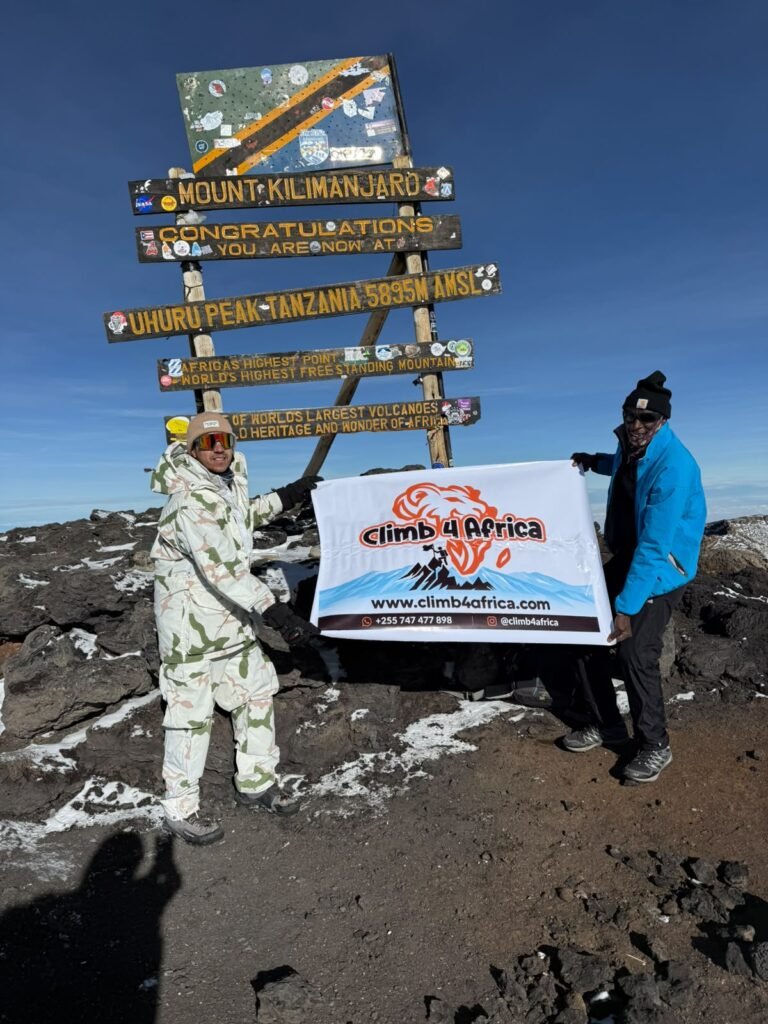
7 Days Rongai Route Kilimanjaro Group Joining – 26 November – 2 December
Experience Kilimanjaro via the Rongai Route with a confirmed group departure for 26 November–2 December 2026. Read a practical, day-by-day plan focusing on route pacing, acclimatization...
View package details
7 Days Machame Route Kilimanjaro Group Joining – 27 November – 3 December
7 Days Machame Route Kilimanjaro Group Joining – 27 November – 3 December 2026.
View package details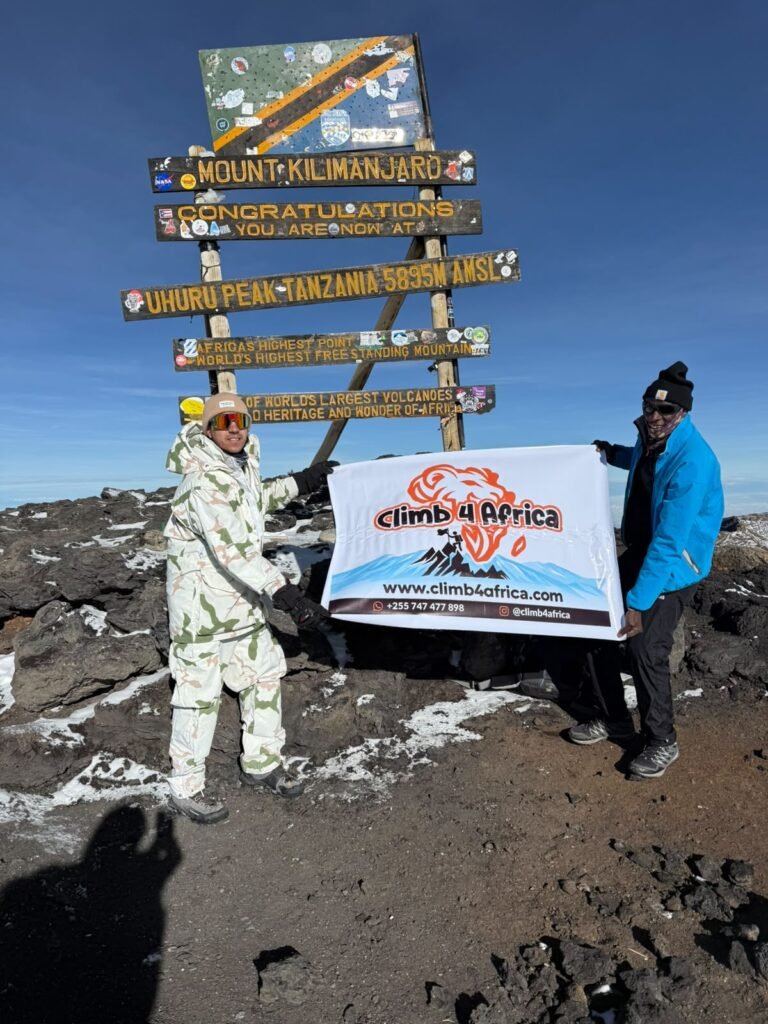
7 Days Machame Kilimanjaro Group Joining – 14–20 November
Join a confirmed 7-day Machame Route Kilimanjaro climb with a small group, departing 14–20 November 2026. Plan, acclimatise and summit with practical logistics and local support.
View package details8 Days Lemosho Kilimanjaro Group Joining: 18–25 November 2026
Plan an 8-day Lemosho Kilimanjaro climb with a shared group from 18–25 November 2026. Learn the route, day-by-day logistics, and what a booked package typically includes.
View package details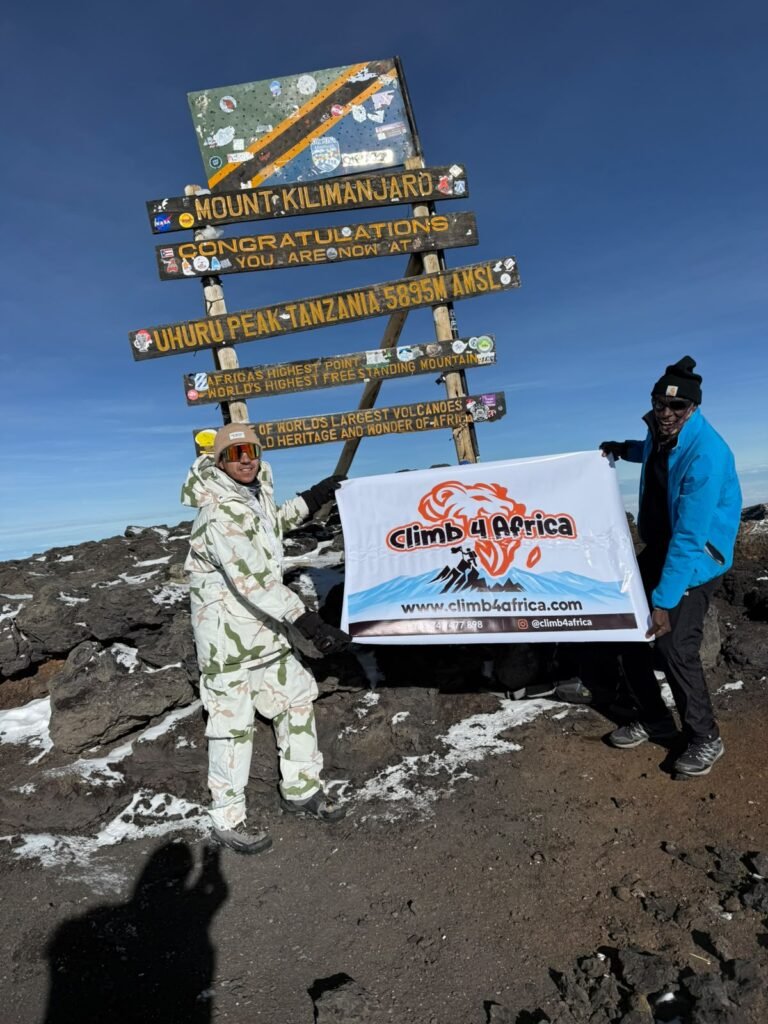
9 Days Northern Circuit Kilimanjaro Group Joining – 17–25 November
9 Days Northern Circuit Kilimanjaro Group Joining – 17–25 November 2026.
View package details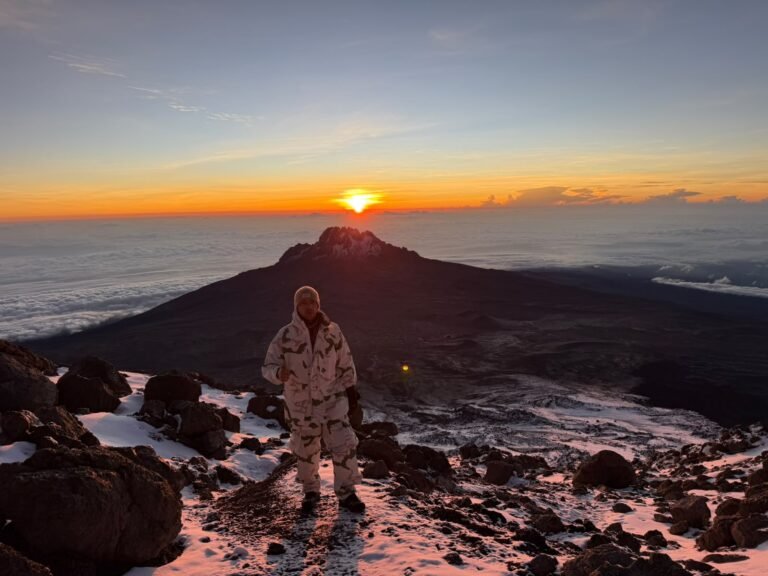
7 Days Machame Kilimanjaro Group Joining Price – 19–25 November 2026
7 Days Machame Kilimanjaro Group Joining Price – 19–25 November 2026.
View package details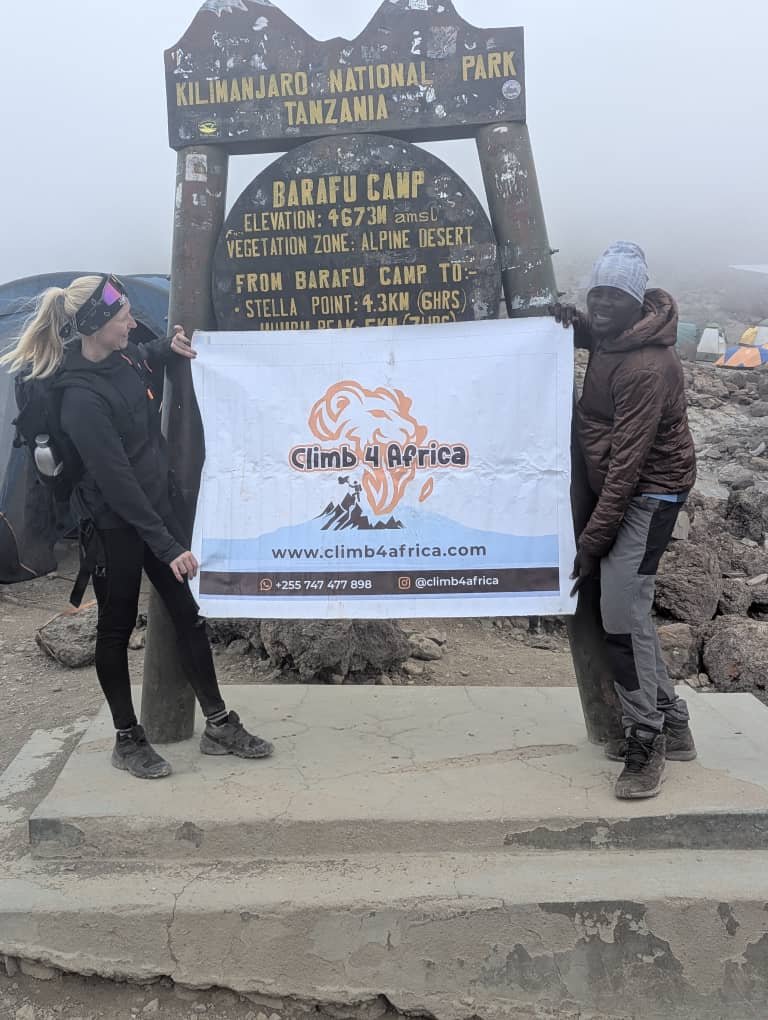
6 Days Marangu Route Kilimanjaro Group Joining – 20–25 November
Bookable 6 days on the Marangu route with a verified group departure 20–25 November 2026. Day-by-day itinerary, acclimatization plan, hut-style accommodations, and how to request a...
View package detailsKilimanjaro Group Joining Tours November, Dates, Routes And Prices 2026
Kilimanjaro Group Joining Tours November 2026 – Dates, Routes and Prices.
View package detailsNovember Kilimanjaro Lemosho Vs Machame Group Climbing Dates
November 2026 Kilimanjaro Lemosho vs Machame Group Climbing Dates.
View package details
Kilimanjaro Group Joining Tours Starting 27 November 2026
Kilimanjaro Group Joining Tours Starting 27 November 2026.
View package detailsNo related package matches those filters. Clear one or more filters to see the other topic-matched options.



