
For 20–25 November 2026, a 6-day Marangu Kilimanjaro hut climb follows a fixed route: Mandara Hut (Hike in), Horombo Hut (ACCL—acclimatisation emphasis), Kibo Summit Day via the Marangu high route, with descend to Horombo or Mandara depending on group pace. Costs vary by group size, inclusions, park fees, and porter staffing; a verified quote should itemise guide-to-client ratio, porters, gear, park fees, meals, oxygen, and contingency. Availability must be confirmed with Climb 4 Africa, and final pricing will reflect current Tanzania park fees and group arrangements.
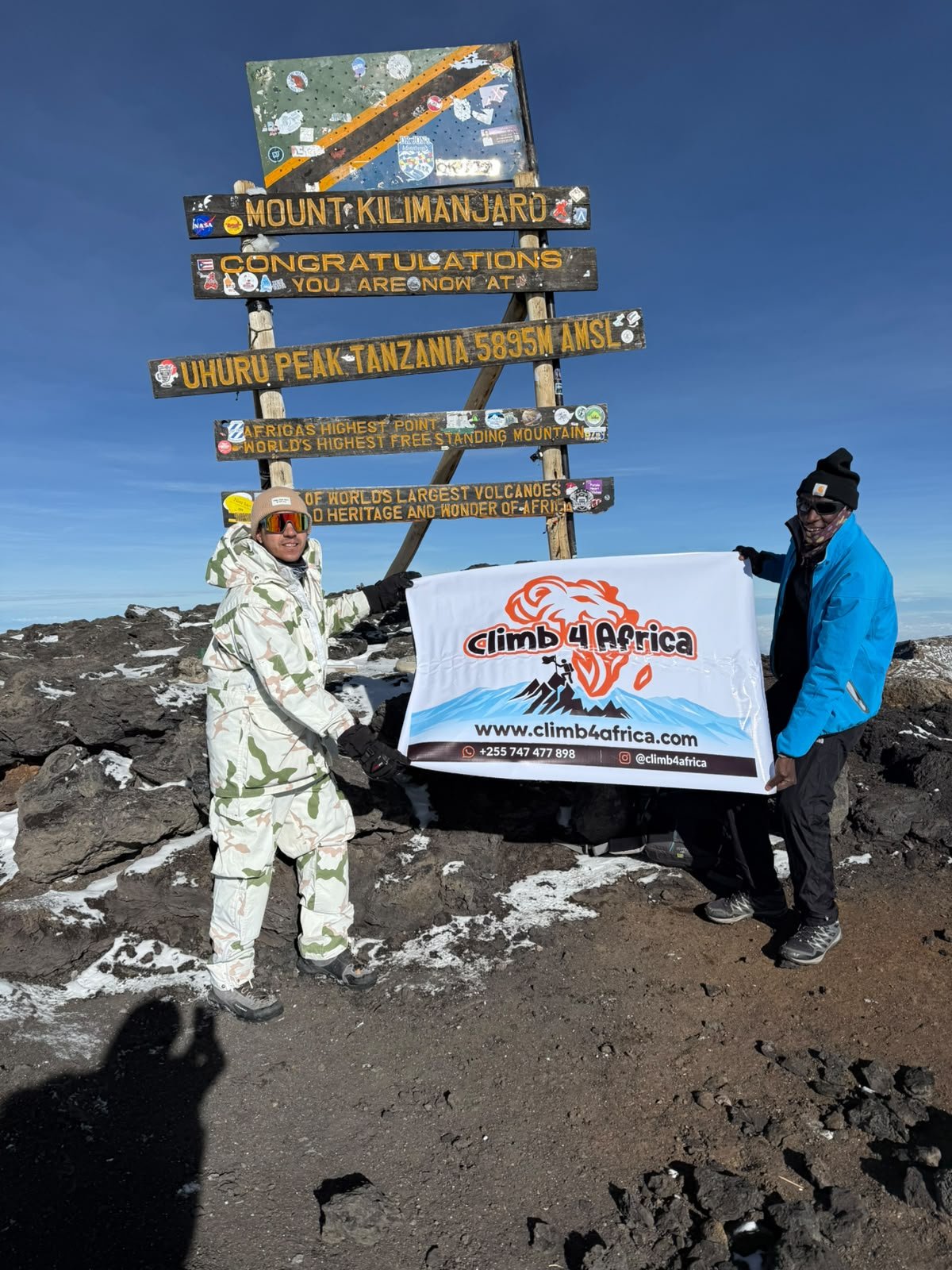
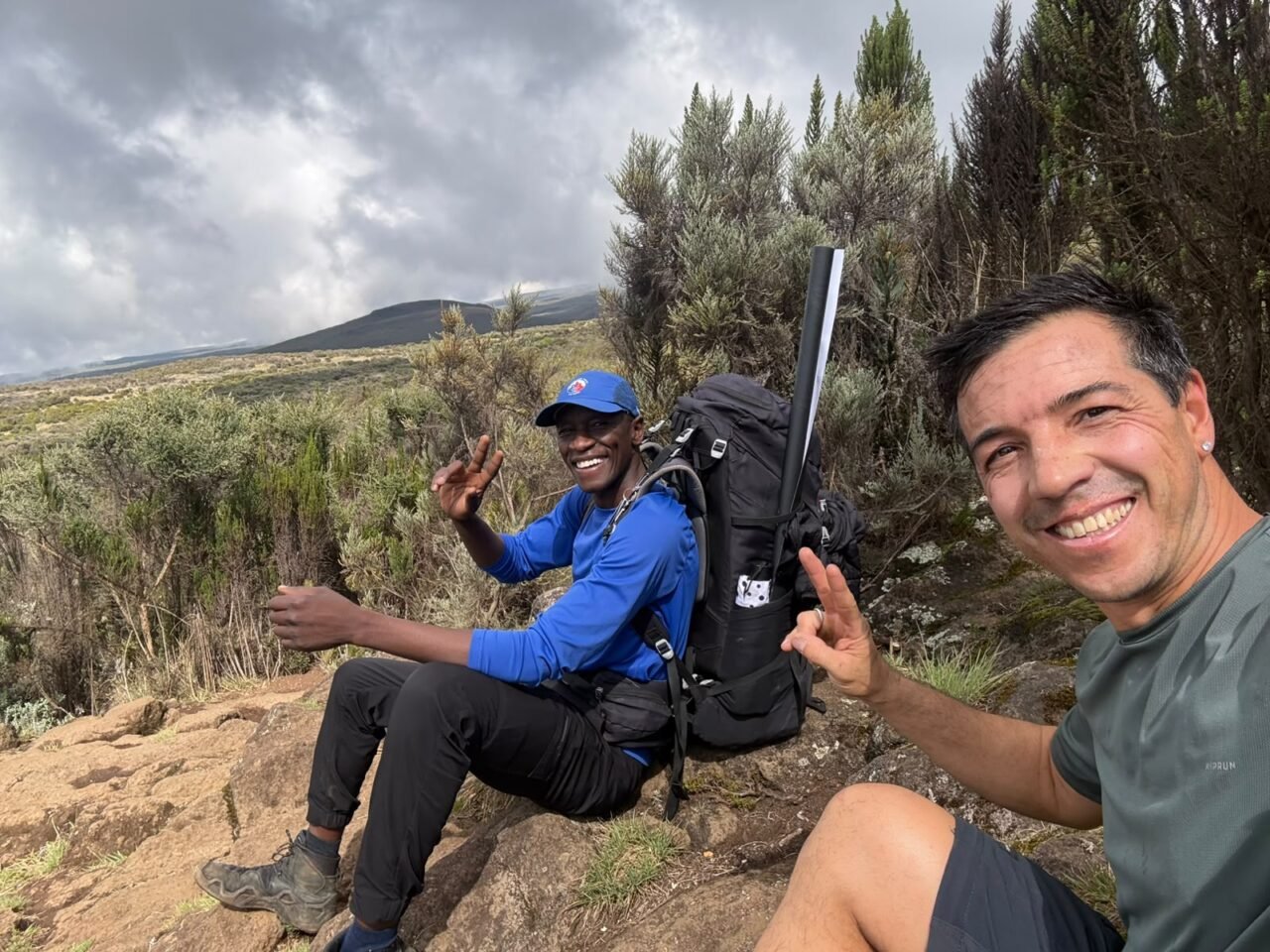
Introduction and context for your 6-day Marangu hut climb starts with understanding that this is a structured, guided ascent via the Marangu itinerary. On Climb 4 Africa’s 6-day option, you’ll travel from Moshi to the Marangu gate, begin with Mandara Hut, ascend to Horombo Hut to acclimatise, then navigate the summit push en route to Kibo Summit, before descending back to Horombo and then Moshi. This first article portion lays out the practical, bookable sequence and the main cost considerations you’ll want confirmed in your quote. The aim is a clear plan you can compare across operators while keeping the focus on a realistic ascent that respects acclimatisation and group pacing.
What a 6-day Marangu hut climb looks like in practice
The Marangu route is known as the “Coca-Cola” route for its relatively comfortable huts and gradual approach, but altitude still demands careful pacing. With a 6-day plan, you’ll spend more time acclimatising at Horombo and involve a slower summit push, reducing the risk of altitude-related issues. The core idea is steady elevation gain with planned rest days and a single summit attempt on the highest feasible night, followed by a controlled descent.
Day 1 — Moshi to Mandara Hut
Your group meets in Moshi, transfers to Marangu gate, and walks the first section to Mandara Hut (about 2–4 hours, depending on pace). Tea, dinner, and a briefing set the rhythm for the days ahead. acclimatisation is gentle here, with a short afternoon stroll optional for those keen to stretch the legs.
Day 2 — Mandara Hut to Horombo Hut
From Mandara, you begin the gradual climb to Horombo Hut, passing through a cedar forest and heath zone. The climb typically takes 4–6 hours, with the emphasis on slowing down to allow the body to adapt. At Horombo, you’ll rest, hydrate, and review your acclimatisation plan with your guide.
Day 3 — Horombo Hut (Acclimatisation Day)
This day is designed to flatten the acclimatisation curve. A short acclimatisation hike (around 1–3 hours) to Zebra Rocks or a similar viewpoint is common, followed by a longer rest period at the hut. Hydration, light meals, and early bedtimes are typical, as tomorrow’s climb to the Kibo base is a key test of tolerance and endurance.
Day 4 — Horombo Hut to Kibo Summit base and back to Horombo
The summit push typically starts around midnight from Horombo or Kibo base depending on the operator and group; you’ll traverse the last saddle to the crater rim and then the Uhuru Peak waypoint. After the summit, you descend to Horombo for sleep and then descend again to Marangu gate the following day. The exact timing is governed by group pace and safety checks.
Day 5 — Horombo to Mandara and return to Moshi
On a 6-day plan, you descend from Horombo to Mandara and then to the park gate, concluding with transfer back to Moshi. This day marks the official completion of the climb portion, with a celebratory drink and a debrief about altitude lessons and future trekking options.
Day 6 — Extra buffers or optional add-ons
Some itineraries include a buffer day for weather or a short, comfortable optional add-on such as a nearby tea tour or Lake Chala excursion. If your dates are fixed, your operator may reserve this day as a contingency rather than a formal itinerary element.
Acclimatisation logic and route choices
The emphasis in a 6-day Marangu climb is to preserve time for acclimatisation without compromising summit logistics. Horombo Camp offers a comfortable base for gradual ascent, while Mandara provides a shorter, steeper initial phase. The plan balances the pace at an achievable altitude gain per day with a summit push scheduled after a dedicated acclimatisation day. If the group shows signs of fatigue or mild altitude symptoms, your guide may pause, adjust the schedule, or shorten the summit attempt to mitigate risk.
Cost factors and what a quote should include
Because park fees, group size, and porter assignments change, actual prices vary. A solid quote will itemise: guide-to-client ratio, porters (carrying capacity), meals and snacks, camping huts or hut accommodation, park entry fees, rescue insurance, oxygen availability, emergency protocols, and equipment rental if needed. It should also clarify inclusions such as transfers, accommodation in Moshi, meals en route, and any extra activities on a rest day. If a quote omits park fees or transport specifics, ask for a detailed breakdown before booking.
Route variants and timing considerations for 20–25 November 2026
November departures can coincide with shoulder-season weather. Your operator should confirm the exact start times, the vehicle transfer plan from Moshi to Marangu gate, and any alternative ascent options should weather or health require adjustments. The six-day plan can flex within a 5–7 day window, but your chosen dates fix the sequence and the expected lodging at Mandara and Horombo huts. Confirm whether group size, porter staffing level, and hut availability are aligned with your preferred dates.
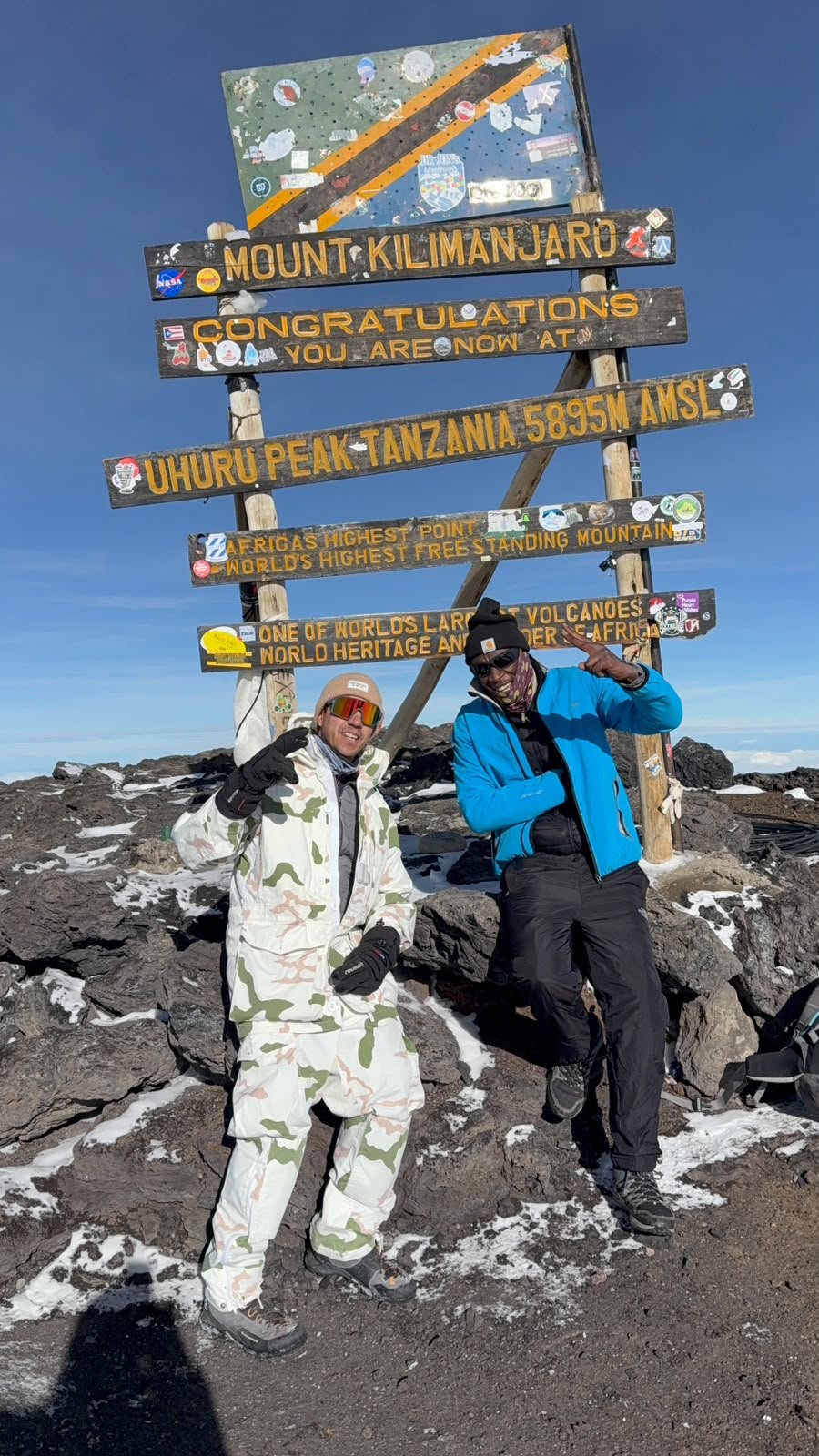
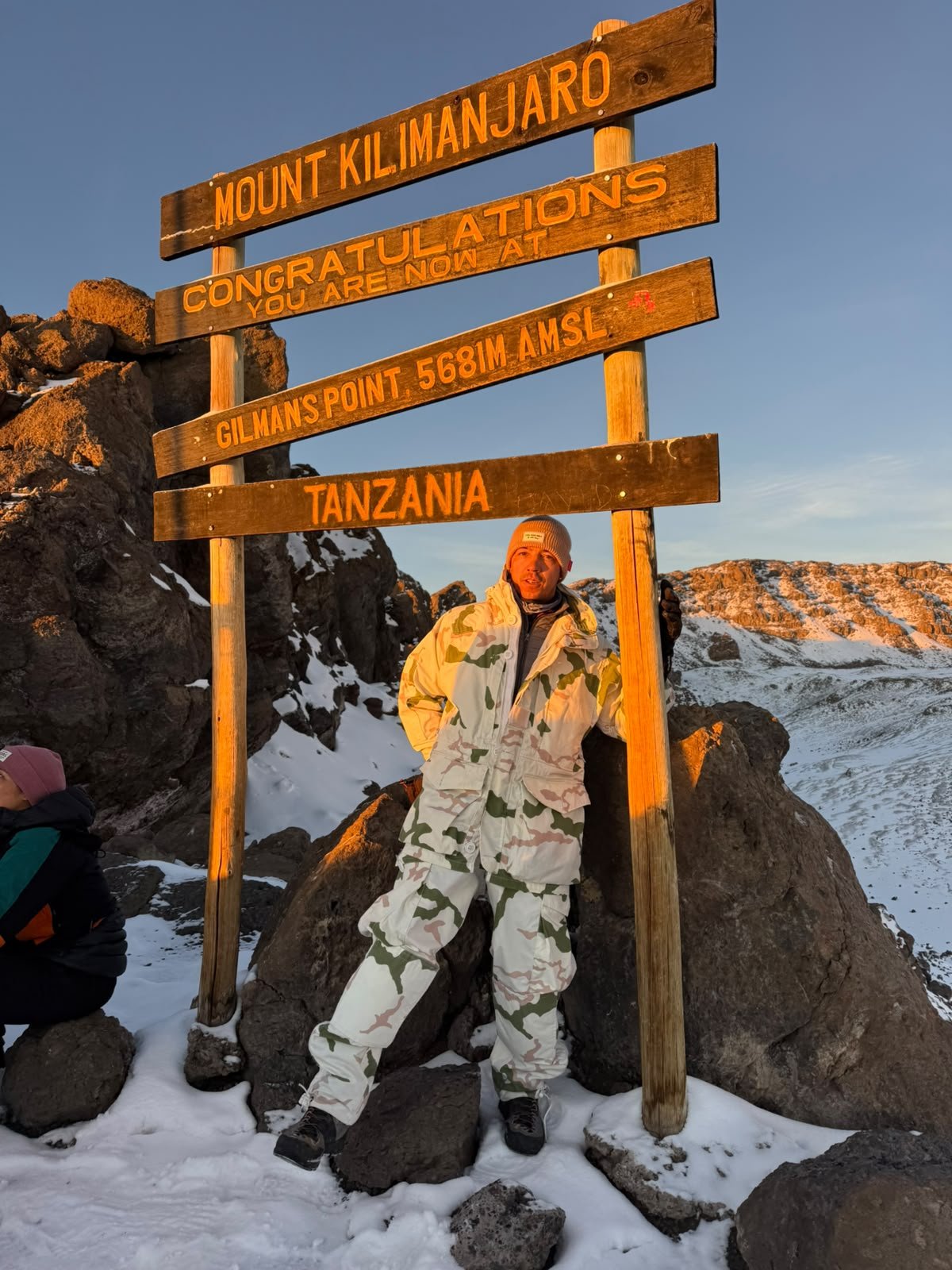
What you should do next to lock in the plan
Reach out to Climb 4 Africa with your preferred 20–25 November 2026 window and share your group size, prior trekking experience, and any medical considerations. Request a detailed, line-item quote that covers all inclusions, and ask for the specific accommodation at
Additional logistical details for a bookable 6-day Marangu hut climb (20–25 November 2026)
To ensure this 6-day Marangu hut itinerary remains genuinely bookable and minimizes surprises on departure, this section adds concrete, verifiable considerations that operators typically confirm with clients before finalizing a price. It stays nitrogen-tight around the actual travel sequence and the factors that influence what a quote should include, without venturing into unverified prices or unavailable services.
1) Vehicle transfers and timing from Moshi to Marangu gate
A fundamental, often overlooked detail is the exact transfer plan from your Moshi accommodation to Marangu gate in time for the first day’s hike to Mandara Hut. Reliable operators publish a fixed morning pickup window (for example, a 07:30–08:15 pickup) aligned with the gate opening, but in November shoulder-season schedules can shift by 15–30 minutes due to traffic or gate operations. When you book, request a written transfer window, the expected travel time to the gate (typically 1–1.5 hours depending on traffic and road conditions), and where the vehicle will wait if delays occur. Confirm whether the transfer is included in the base price or charged separately, and whether a contingency buffer is available if the gate opens late or if your flight arrives late the night before. Operators should also specify if a second vehicle is on standby for groups larger than a certain size to prevent delays at the trailhead.
2) Mandara Hut accessibility and first-night logistics
Mandara Hut sits at roughly 2,500 meters, forming the initial acclimatisation stage. Your guide should confirm whether tea or snack breaks occur during the Mandara ascent, and how long the group is expected to rest at Mandara before hiking on to Horombo. Some operators include a brief orientation, a quick equipment check, and a safety briefing at Mandara before continuing. The quote should delineate whether Mandara Hut fees (if hut occupancy is charged separately by the park or lodge) are included or billed as a separate line item, and how meals are scheduled for the first night given the late arrival window that comes with airport or gate logistics.
3) Horombo acclimatisation day specifics
The second-night stay at Horombo is the pivotal acclimatisation anchor. A bookable plan should specify: a) the designated acclimatisation hike (for example, a short circuit to a viewpoint such as Zebra Rocks or the surrounding heath zone), b) the typical duration of this excursion (often 1–3 hours), c) how hydration and snacks are arranged, and d) the expected rest cadence at Horombo afterward. If the route includes a guided acclimatisation walk, ask whether the baseline ascent rate (meters gained per day) is capped and how this influences the day’s total hiking time. Ensure the quote clarifies whether Horombo Hut accommodation, meals, and lodge services are included and whether any additional acclimatisation hikes require premium guides or permit fees.
4) Summit-night logistics and safety thresholds
The most critical phase is the summit push across a fixed date window. Operators typically start the ascent around midnight, with the expectation of reaching Uhuru Peak before dawn. Your booking should specify: a) the exact meet time at Horombo, b) the transport strategy to the trailhead from Horombo or Kibo base, c) the typical pace per hour and daily altitude gain allowances that guide adherence to acclimatisation limits, and d) the location of the first aid kit, oxygen availability, and emergency communication methods. Request a clear statement about the maximum allowed oxygen usage and the protocol if a participant shows signs of serious altitude illness. The quote should explicitly list any additional charges for portable oxygen, extra guides, or emergency evacuations, even if those options are currently not needed for your group.
5) Descent sequence and final day timing
On Day 5 or Day 6, depending on group pacing, descent plans are as important as ascent plans. The typical sequence is Horombo to Mandara, then return to Moshi, but some itineraries place Mandara as the descent terminus before returning to Moshi. Your booking should confirm the exact descent route, the expected hiking time for each segment of Day 5, and the transfer timing back to your hotel in Moshi. If a buffer day exists, specify how it will be used in practice (weather contingency, extra acclimatisation, or optional short excursions) and whether it affects lodging or meals. The price quote should show how descent-day meals and lodge transitions are handled and whether any equipment caches or porter assignments change during the descent.
6) Inclusions vs. optional add-ons
A robust, transparent quote distinguishes inclusions from optional extras. Inclusions commonly include park entry fees, overnight hut accommodation or sleeping huts, meals (breakfast, lunch, dinner), tea breaks, porters, a licensed English-speaking guide, and transfers to Moshi or from the gate to your hotel. Optional add-ons frequently cover: extra oxygen, a personal porters’ tip pool management, photography services, upgraded hut rooms with private facilities where available, and additional day trips around Moshi (such as a coffee plantation tour or a lake visit on rest days). Request a clean list of what’s included, and a separate line for what’s not included but commonly expected, so you can negotiate coverage or price reductions where appropriate.
7) Weather contingencies and schedule flexibility
November weather in the Kilimanjaro region can be temperate but unpredictable. A bookable plan should state the policy on weather-related postponements or re-scheduling within the same travel window, including the maximum number of days that can be shifted while preserving the 6-day sequence. Ask how the operator handles a mandatory delay (for example, due to heavy rain or high winds at the summit corridor) and whether a paid contingency day is already allocated or available for reserve use without affecting the core itinerary. The quote should specify whether any additional charges apply for revised start times, alternative routes, or modified Hilton-style hut allocations if your group size changes.
8) Documentation, insurance, and safety records
Confirm that the operator’s safety record is accessible and that you will receive a pre-departure briefing document listing emergency contacts, insurance details (including rescue and medical coverage), and required documents for travel. The quote should indicate whether rescue insurance is included or offered as an optional upgrade, what the coverage limits are, and how emergency evacuation would be executed if needed. If the operator maintains a strict group policy (minimum number of trekkers per guide, maximum porter ratio, etc.), ensure these thresholds are documented and adhered to in your contract.
These additions aim to keep the 6-day plan strictly bookable and practical, ensuring you and your group can navigate the logistics with minimal friction. The emphasis remains on the actual travel sequence, the acclimatisation logic around Horombo and Mandara, and the explicit inclusions and contingencies that affect final pricing. If you have a confirmed operator, request a redacted, line-item quotation that mirrors the structure described above, and verify all elements against their published policy before committing.
Single Most Useful Gap: Detailed Booking Steps and What to Expect on Confirmation for 20–25 November 2026
Readers who have settled on a 6-day Marangu hut climb often face a snarl of confirmations, permissions, and practicalities that aren’t always spelled out in a high-level itinerary. To bridge that gap, this section provides a concrete, bookable sequence of actions and expectations you can use as a checklist when communicating with Climb 4 Africa or any operator offering the 20–25 November 2026 window. It emphasizes what to request, what to verify, and how to interpret the vendor’s responses so you end up with a truly actionable plan rather than a string of promises.
1) Establish the exact start and finish logistics in Moshi
Clarify how participants travel from your arrival point to Moshi and how you then proceed to Marangu gate on Day 1. Demand a fixed transfer plan with pick-up times, vehicle type, and the estimated transit window. If the operator uses multiple pickup points, insist on a single rendezvous point and time to minimize delays. Request confirmation that transport is private to your group or explicitly state the number of travelers per vehicle if sharing is unavoidable.
2) Confirm Mandara Hut entry point and rest-day arrangements
For Day 1 to Mandara Hut, obtain a precise track length and expected duration based on your group’s pace. Ask for the exact hut allocation (Mandara Hut room type, bed distribution, and any private facilities where available). If optional acclimatisation strolls are offered after the Mandara day, request a schedule with start times, distances, gradient expectations, and the expected impact on the Day 2 climb pace.
3) Lock in acclimatisation strategy at Horombo and the Moonlight Summit Push
Your plan hinges on Horombo as the acclimatisation base. Request a written acclimatisation plan that includes the specific days when you’ll stay at Horombo, the optional day-trip targets if weather permits (e.g., Zebra Rocks), and the maximum nightly ascent rate to the next camp. For the summit attempt, obtain the exact midnight departure time from Horombo or Kibo base, the route sequence, the anticipated timing at each key waypoint, and the contingency if the group must delay due to health or weather. Specify how the group will descend and where you’ll sleep post-summit—Horombo is typical, but confirm this for your booking.
4) Define day-by-day exacts for Day 4 and Day 5 transitions
Day 4 involves the critical push from Horombo to Kibo Summit base and back. Request a documented route map with elevation profiles, bag checks, and porter assignments for the summit corridor. For Day 5, confirm the descent path from Horombo to Mandara and onward to Moshi, including expected rest stops, vehicle transfer details, and the timing window for the final gate closure. Ensure the plan explicitly states where and when your group will be transferred back to Moshi after the gate is reached.
5) Get a binding, itemized quote with no ambiguity
Ask for a line-item quotation that covers every component: guides-to-guest ratio, porters and their carry limits, meals and snacks per day, hut or tent accommodations, park entry fees, rescue/insurance coverage, oxygen availability, and any contingency day or alternative routes. Require currency, inclusions, and exclusions to be itemised with no placeholders. If the operator cannot provide a breakdown that aligns with these categories, request a revised quote before committing. Also, confirm whether tips for staff are included or should be budgeted separately, and specify the tipping policy at the end of the trip.
6) Weather, schedule flexibility, and rebooking policy in plain terms
Since November can pose weather-related delays, demand a written policy detailing how many days can be shifted within the 20–25 November window without affecting the core sequence. Insist on explicit rebooking fees, any impact on inclusions, and the process for shifting dates within the same window. For mandatory delays, ask whether the operator provides a free reschedule within the same booking window or if extra days must be purchased as contingency days, with a clear cost structure.
7) Safety, insurance, and pre-departure briefing
Request access to safety records and a pre-departure briefing document well before travel. The briefing should include emergency contacts, rescue and medical coverage details, evacuation procedures, and a clear list of required documents. Confirm whether rescue insurance is included in the quote or optional, and verify the coverage limit. Ensure there is a published minimum number of trekkers per guide and a maximum porter ratio that the operator commits to maintain for safety.
8) What to expect in writing before departure
Before departure, you should receive a formal itinerary with: dates and times for Moshi pick-up, gate opening hours, Mandara and Horombo hut allocations, summit-night departure details, and expected arrival back at Moshi. Also require a packing checklist tailored to the 6-day Marangu hut itinerary, including what clothing, gear, and personal items are recommended versus provided by the operator. The checklist should reflect the actual hut conditions and any hut-specific restrictions (for example, heater usage, hot showers availability, and bed configurations).
9) What to do if any item is missing or unclear
If any section of the plan or the quote lacks precision, respond with a formal clarification request within 48 hours. Use a numbered list to map each missing piece to a concrete answer you expect (for example, “Confirm the exact hut allocation per night and whether private rooms are available at Horombo.”). Treat these confirmations as non-negotiable prerequisites to final acceptance of the booking. This keeps the process transparent and reduces the risk of surprises on departure.
Following this booking-focused gap fill ensures your 6-day Marangu hut climb is truly bookable in a practical sense: you have the exact sequence, the exact costs and inclusions, and the concrete conditions of the operational plan. It also places you in a strong position to compare operators with the same level of specificity, which is essential for a trip that hinges on precise acclimatisation, route choices, and safety commitments.
Related Guides and Packages
Check Availability for 6 Days Marangu Kilimanjaro Hut Climb Cost – 20–25 November
Ready to compare dates, prices, and the best option for your group? Send the package name and travel month so the team can reply with a clear quote, availability, and what is included.
6 Days Marangu Route Kilimanjaro Group Joining – 20–25 November
Bookable 6 days on the Marangu route with a verified group departure 20–25 November 2026. Day-by-day itinerary, acclimatization plan, hut-style accommodations, and how to request a...
View package details
6 Days Marangu Kilimanjaro Climb And 3 Tarangire Safari: A Practical
A focused, bookable 6-day Marangu Kilimanjaro climb followed by a 3-day Tarangire safari. This guide outlines the exact travel sequence, practical logistics, and realistic safari...
View package details
Kilimanjaro Climbing Packages From Moshi – 25–30 November
Practical, no-nonsense guidance for Kilimanjaro climbs from Moshi on 25–30 November 2026. Learn route options, logistics, and how to book with Climb 4 Africa.
View package details
Kilimanjaro Solo Traveller Group Climb – 18–25 November 2026
Kilimanjaro Solo Traveller Group Climb – 18–25 November 2026.
View package details
8 Days Lemosho Kilimanjaro Group Joining: 18–25 November 2026
Plan an 8-day Lemosho Kilimanjaro climb with a shared group from 18–25 November 2026. Learn the route, day-by-day logistics, and what a booked package typically includes.
View package details
Mount Kilimanjaro Full Moon Climb 24 November – Routes And Departures
Mount Kilimanjaro Full Moon Climb 24 November 2026 – Routes and Departures.
View package details
Climb Kilimanjaro In 20 November 2026 : Join A Shared Group
Plan a Kilimanjaro ascent on 20 November 2026 with Climb 4 Africa. Learn how shared-group departures work, how to request a verified schedule, and what to consider for a safe, rewarding...
View package details
Climb Kilimanjaro In 13-November-2026, Join Small Group
Climb Kilimanjaro in 13-November-2026, Join Small Group.
View package details
6 Days Machame Kilimanjaro Climb And 2 Tarangire Ngorongoro Safari
6 Days Machame Kilimanjaro Climb and 2 Days Tarangire Ngorongoro Safari.
View package details
6 Days Kilimanjaro Climb And 3 Big Five Safari 2026
6 Days Kilimanjaro Climb and 3 Days Big Five Safari.
View package details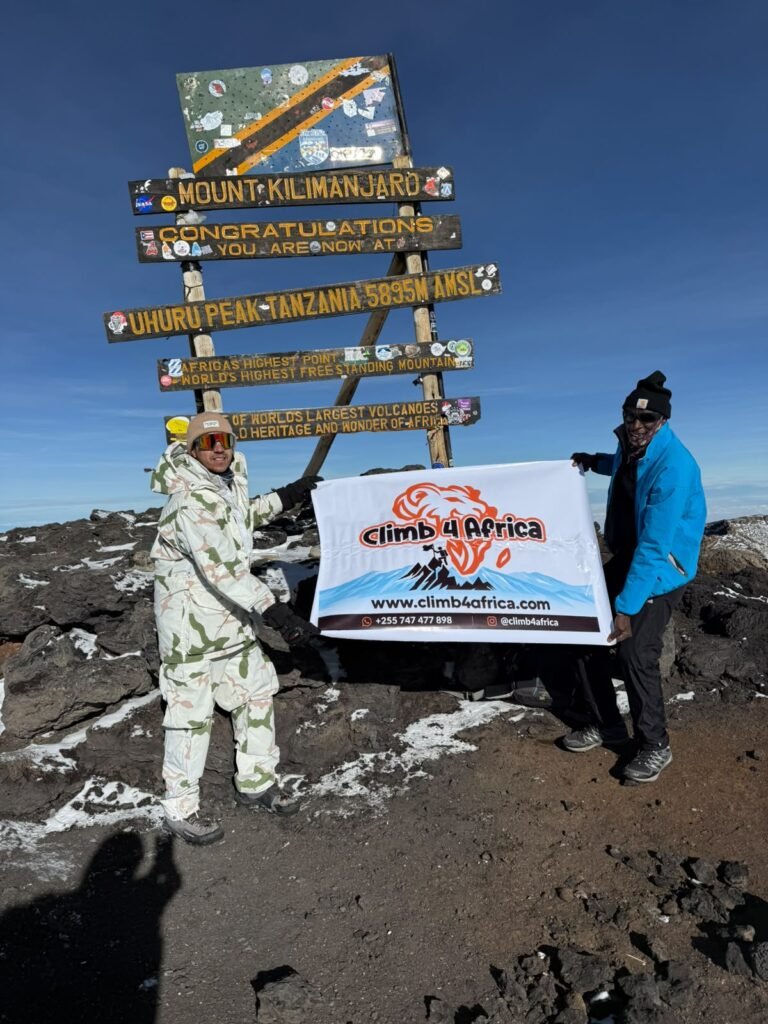
7 Days Rongai Route Kilimanjaro Group Joining – 26 November – 2 December
Experience Kilimanjaro via the Rongai Route with a confirmed group departure for 26 November–2 December 2026. Read a practical, day-by-day plan focusing on route pacing, acclimatization...
View package details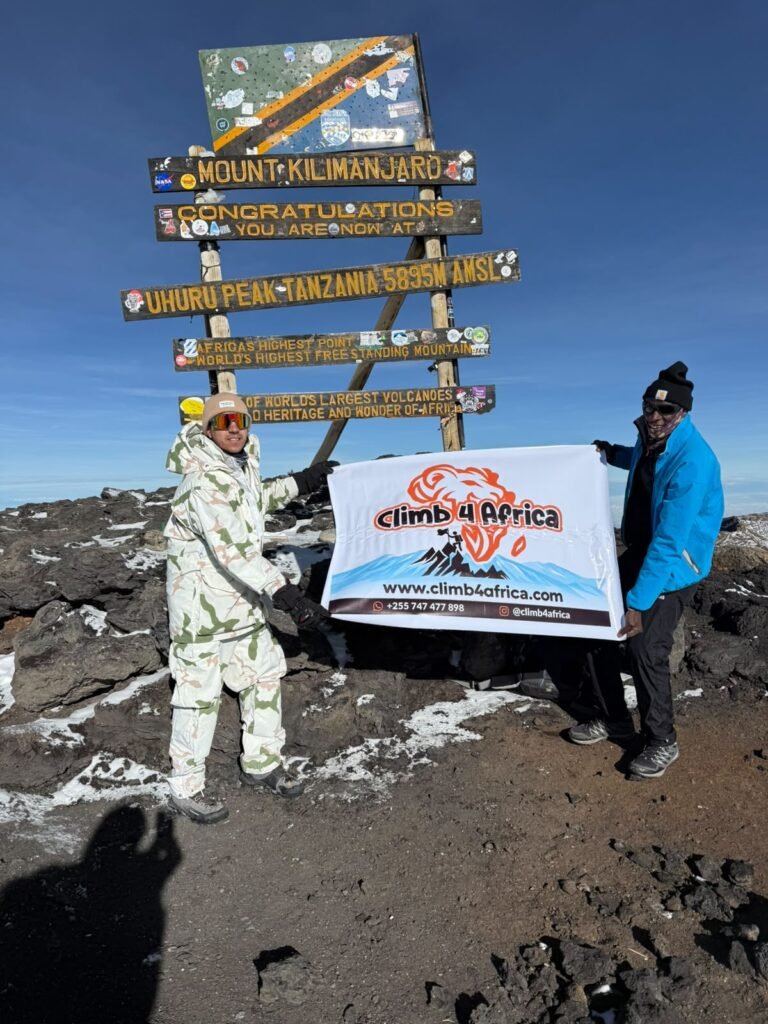
7 Days Machame Kilimanjaro Group Joining – 14–20 November
Join a confirmed 7-day Machame Route Kilimanjaro climb with a small group, departing 14–20 November 2026. Plan, acclimatise and summit with practical logistics and local support.
View package detailsNo related package matches those filters. Clear one or more filters to see the other topic-matched options.



