
For a successful summit during the Christmas 2026 season, the best Kilimanjaro routes are those that prioritize extended acclimatization profiles over speed. We consistently recommend the 8-day Lemosho Route and the 9-day Northern Circuit as the most reliable choices for holiday climbers. Because late December is a peak travel period on the mountain, routes that approach from the west or north offer a distinct advantage: they start in less congested zones and provide more time for your body to adjust to the altitude, which is the single most important factor for summit success.
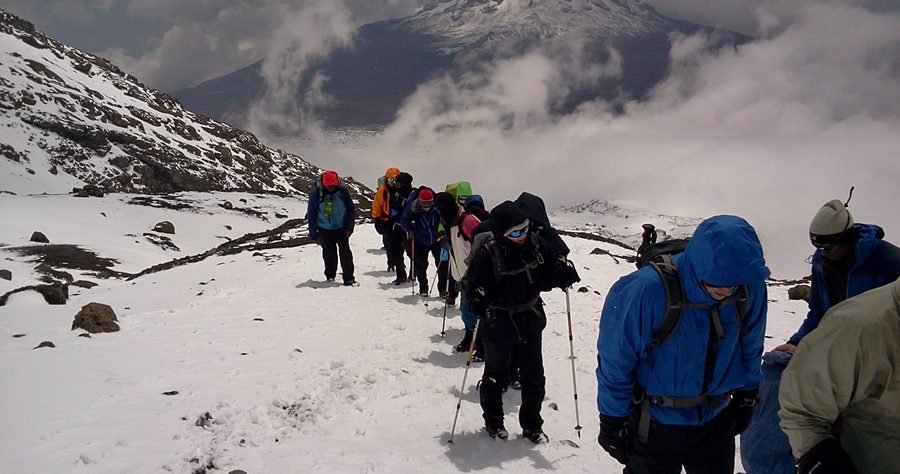
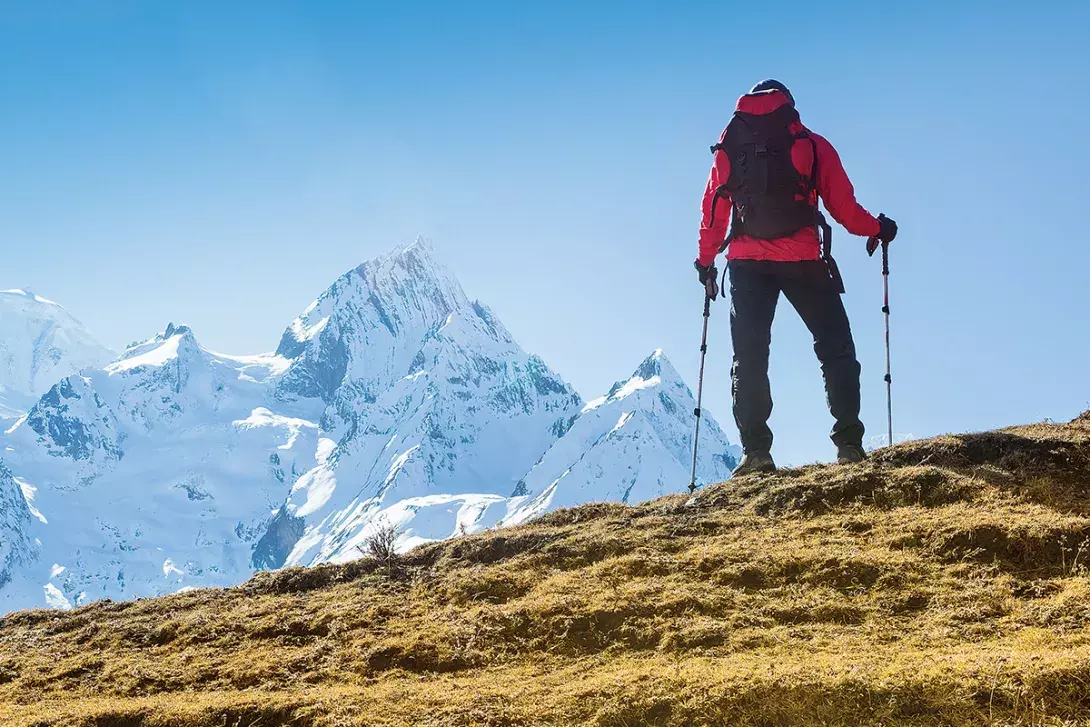
Choosing to climb Kilimanjaro during the Christmas holiday is an exceptional way to mark the end of the year, but it requires a different strategic approach than a climb during the quieter shoulder seasons. By December, the mountain is transitioning out of the short rains, typically leading to clearer skies and warmer temperatures on the lower slopes. However, the popularity of the holiday season means that trail traffic can be high. Your route choice isn’t just about scenery; it is a logistical decision that impacts your daily comfort, your ability to acclimatize, and your overall success rate.
The Strategic Advantage of Longer Routes in December
When you are planning a trip for December 2026, the primary goal should be maximizing your acclimatization. The “climb high, sleep low” principle is more critical during the holidays because the mountain is busier, and you may find yourself moving at the pace of other groups if you choose a shorter, more popular route. A longer itinerary, such as the 8-day Lemosho Route, allows for a more gradual ascent through the varying climate zones—from the lush rainforest to the heath and moorland, and finally the alpine desert.
By choosing an 8 or 9-day itinerary, you are effectively buying yourself an extra day of adjustment. This is crucial when the air is thin. While a 6-day itinerary is physically possible, it forces a steeper ascent profile that can be unforgiving if you start to feel the effects of altitude. During the Christmas period, when you want to enjoy the experience rather than endure it, the added time is an investment in your well-being.
Evaluating the Top Contenders for 2026
Not all routes are created equal when it comes to the holiday rush. Here is how the main options compare regarding logistics and the Christmas experience.
The Northern Circuit: The Gold Standard for Success
If your schedule allows for it, the 9-day Northern Circuit is arguably the most complete experience. It is the longest route, which naturally leads to some of the highest success rates on the mountain. It approaches from the west and then traverses the entire northern slope, offering views that few other trekkers see. Because it is a longer commitment, it tends to attract smaller, more focused groups, which is a significant benefit during the busy festive season when other trails might feel crowded.
The Lemosho Route: Scenic and Balanced
The Lemosho Route is a favorite for those who want a mix of high success rates and stunning, remote scenery. It starts on the western side of the mountain and merges with the Machame route later on. By the time you reach the more populated sections of the trail, you will have already spent several days acclimatizing, which puts you in a much better position to handle the final ascent. This is a balanced choice for travelers who want the challenge of a serious climb but appreciate the logistical benefits of a well-trodden path.
The Machame Route: The Classic Challenge
Often called the “Whiskey Route,” Machame is incredibly popular. It is beautiful, but it is also busy. If you choose this route for December 2026, be prepared for a vibrant, social atmosphere on the trail. It is a fantastic choice if you enjoy the camaraderie of a busy mountain, but it requires disciplined pacing. We generally recommend the 7-day version over the 6-day version to ensure you aren’t rushing the critical acclimatization phases.
The Rongai Route: The Northern Escape
If you prefer a quieter, more solitary experience, the Rongai Route approaches from the north, near the Kenyan border. It is the only route that approaches from this direction, and it is generally drier than the southern routes. This can be a strategic advantage if there is lingering moisture from the short rainy season. It is a more gradual climb and often feels more remote, making it a strong contender for those who want to avoid the main “conga line” of climbers during the peak holiday weeks.
Logistics and Booking for December 2026
The reality of a Christmas summit is that park permits, accommodation, and crew availability are booked months in advance. For a December 2026 climb, you should ideally finalize your plans and secure your permits by the first half of 2026. This isn’t just about availability; it’s about securing the best guides and support teams, who are in high demand during the festive season.
When you contact an operator, be specific about what you are looking for. Are you looking for a private climb for your family or group, or are you interested in joining an existing group? We maintain a variety of group joining tours that are specifically scheduled for December, which can be a more social and cost-effective way to experience the mountain.
Understanding the “Christmas Atmosphere” on Kilimanjaro
Climbing Kilimanjaro over Christmas is a unique experience. While it is a serious physical undertaking, the mountain culture changes slightly during this time. Many camps will have a festive spirit, and your crew—who are away from their own families—often go out of their way to make the holiday special. It is common to have a celebratory dinner, and the mood on the summit night is often one of shared triumph and reflection.
However, it is important to remember that this is a professional expedition. Your guides and porters are working, and while the atmosphere is warm and welcoming, the safety protocols remain strict. The best Christmas climbs are those where the team is experienced, professional, and prepared for the specific challenges of the season, such as managing gear for both the hot lower slopes and the freezing summit temperatures.
Comparing Your Options: A Quick Guide
When you are weighing your choices, consider these three pillars of decision-making:
- Acclimatization: Do you have the time for an 8 or 9-day route? If yes, prioritize them. They are objectively safer and more comfortable.
- Crowds: Are you looking for a social experience or a quiet one? If you want solitude, look toward Rongai. If you want to meet other travelers, Machame is the place to be.
- Budget and Logistics: Private climbs offer complete control over your itinerary and pace, whereas group departures are more structured and typically more budget-friendly.
Regardless of the route you choose, the most important factor is the support team you choose to climb with. A great guide can turn a challenging day into a manageable one through careful pacing and expert advice on hydration and nutrition. As you plan for December 2026, we encourage you to start the conversation early. Whether you are a solo traveler looking to join a group or a family planning a private expedition, we can help you navigate the logistics of the different routes to find the one that fits your goals.
How to Get Started with Your 2026 Plan
If you are ready to start planning your Christmas 2026 summit, the best first step is to get in touch with our team. We can provide up-to-date availability for different routes and help you compare the pros and cons based on your specific fitness level and expectations.
To get the most accurate advice, please reach out to us with the following details:
- Your preferred dates for the climb.
- The number of people in your group.
- Any previous experience with high-altitude trekking (this helps us recommend the right duration).
- Whether you are interested in a private climb or joining an existing group departure.
You can reach out to us directly via WhatsApp at +255 747 477 898 or send an email to climb4africa@gmail.com. If you don’t hear back quickly, our backup email is info@climb-4-africa.com. We are here to help you plan a safe, memorable, and successful Christmas ascent of Kilimanjaro. Let’s make sure your 2026 holiday is one to remember.
Physical Preparation and Altitude Training for December Climbers
While route selection is the tactical foundation of your December 2026 summit, your physical preparation determines how well you absorb that strategy. A common misconception among holiday climbers is that Kilimanjaro is merely a long hike. In reality, the combination of high altitude, sustained multi-day exertion, and the specific environmental stressors of the Christmas season requires a targeted training approach. Unlike a summer climb, your body will be adjusting to a significant shift in climate over the course of just a few days, moving from the humid, warm base of the mountain to the sub-zero temperatures of the summit zone. This thermal shock, combined with oxygen deprivation, can derail even the fittest athlete if their cardiovascular and muscular endurance training hasn’t accounted for the specific demands of the trail.
The most effective preparation for a December expedition focuses on “hiking-specific fitness.” Running on a flat treadmill or cycling, while excellent for heart health, does not adequately prepare your stabilizing muscles for the unique gait required by the uneven, rocky, and often steep terrain of Kilimanjaro. For the 8-day Lemosho or 9-day Northern Circuit, you are looking at several consecutive days of 5 to 7 hours of hiking. Your training regimen should prioritize:
- Weighted Pack Training: Begin hiking with a backpack weighing 15–20 lbs (7–9 kg) to condition your back, shoulders, and core. This mimics the weight you will carry daily (your daypack), ensuring that your posture remains upright and your center of gravity stable as you traverse the mountain’s varied terrain.
- Eccentric Leg Strengthening: The descent is often more punishing than the ascent. Incorporate exercises like step-downs, lunges, and controlled squats to build strength in your quadriceps and knees. These movements protect your joints from the repetitive impact of descending thousands of meters, which is a major source of fatigue for many climbers.
- Interval Training for Altitude Simulation: While you cannot simulate the lack of oxygen at sea level, you can train your body to recover quickly from bursts of exertion. Incorporate high-intensity interval training (HIIT) into your routine to increase your VO2 max. This efficiency in oxygen utilization is what will allow you to maintain a steady, slow pace—the “pole pole” rhythm—without becoming winded during the steeper sections of the Barranco Wall or the final push to Uhuru Peak.
Furthermore, consider your gear preparation as an extension of your physical training. Many climbers underestimate the challenge of managing layers. In December, the lower slopes can be quite warm, leading to sweating, which is your enemy at high altitudes. A damp base layer can cause rapid chilling the moment you stop moving or as you ascend into the alpine desert. Practice your layering system during your training hikes at home. Learn exactly when to add or remove a shell or mid-layer without stopping the group’s momentum. This efficiency not only keeps you warm and dry but also demonstrates to your guides that you are a prepared climber who understands the mountain’s rhythm.
Mental Resilience in the Holiday Window
Climbing during the Christmas season adds a unique psychological layer to the physical challenge. You are away from your home comforts, your family traditions, and the typical holiday festivities. It is essential to enter the mountain with a clear understanding that the “Christmas spirit” on the mountain is different—it is built on the shared vulnerability of the climb. Your mental resilience will be tested when you are tired, cold, and facing the final summit push in the early hours of the morning. Successful summiters often cite mental preparation as the deciding factor when physical energy wanes. Visualize the summit, but more importantly, visualize the process. Focus on the joy of the trail, the camaraderie with your fellow climbers, and the unique privilege of experiencing one of the world’s most iconic landscapes during a time of global celebration. By preparing mentally for the solitude of the trail and the demands of the altitude, you ensure that your 2026 expedition is defined by accomplishment rather than just endurance.
Navigating the Descent and Post-Summit Realities
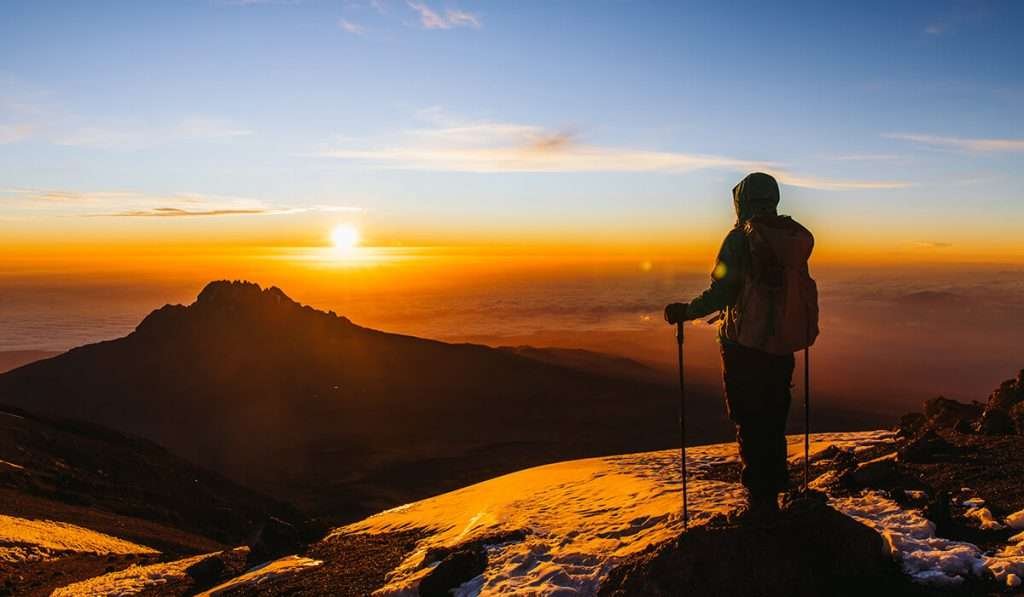
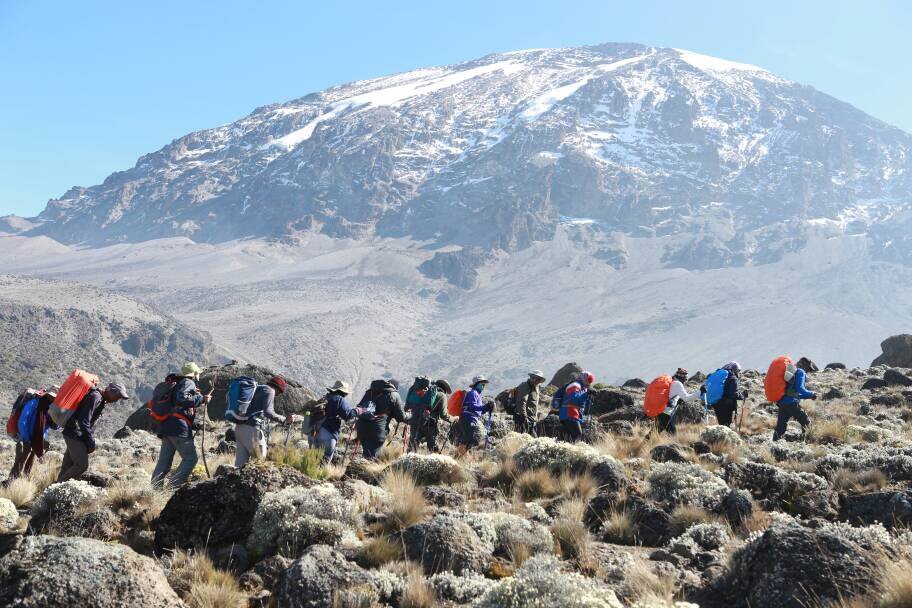
While the focus of every Kilimanjaro expedition is the ascent to Uhuru Peak, the descent during the Christmas window introduces a specific logistical challenge that many climbers overlook. Because the mountain experiences a surge of summit attempts between December 25th and December 27th, the descent trails—particularly the Mweka Route—can become significantly congested. You are not just descending; you are navigating a narrow path shared by hundreds of other climbers, all of whom are physically exhausted and eager to reach the park gate.
The Mweka descent is notoriously steep and taxing on the joints. In the days following Christmas, the trail conditions can degrade due to the high volume of foot traffic. For your 2026 climb, prioritize the use of high-quality trekking poles with well-maintained rubber tips. These are not merely for balance; they are essential tools for absorbing the repetitive impact of descending thousands of meters. On a crowded trail, your ability to maintain a controlled, steady pace is vital. Avoid the temptation to rush the descent simply to escape the mountain; sudden, jarring movements on the descent are the most common cause of knee and ankle injuries, which can turn your post-summit celebration into a recovery period.
Finally, prepare for the “post-summit transition” in your logistics. Returning to Moshi or Arusha on December 27th or 28th means entering a city that is also at peak holiday capacity. Hotels, transport services, and even local restaurants will be operating at maximum volume. If you have not secured your post-climb accommodation and transfer logistics by mid-2026, you may find yourself with limited options. Ensure that your post-summit plan includes a buffer day. The transition from the stark, silent beauty of the alpine desert to the bustling, festive energy of a Tanzanian town can be jarring. Allowing yourself a full day of rest before attempting to travel home or continue your holiday elsewhere is the most effective way to manage the physical and mental fatigue of the expedition.
Mastering the Gear Transition for a December Summit
While your route selection dictates your acclimatization, your gear strategy dictates your daily comfort. Climbing Kilimanjaro in late December presents a unique challenge: you are traversing four distinct climate zones, often experiencing tropical warmth in the rainforest and arctic temperatures at the summit within the span of a few days. For a 2026 expedition, the primary objective is to build a modular system that handles these extremes without forcing you to carry unnecessary weight. The common mistake is overpacking for the cold while underestimating the humidity of the lower slopes, or conversely, failing to insulate adequately for the summit push because the lower mountain felt mild.
The Layering Strategy: Managing the Thermal Gap
The key to a successful December ascent is a strict adherence to a three-layer system. Your base layer must be moisture-wicking synthetic or merino wool; avoid cotton entirely, as it retains moisture and will chill you rapidly once you stop moving. In the rainforest and moorland zones, you will likely only need this base layer and perhaps a light windbreaker. However, as you ascend toward the alpine desert and the summit, the temperature will plummet. Your mid-layer, typically a fleece or a lightweight down sweater, is your most versatile tool. It should be easily accessible in your daypack, not buried at the bottom of your duffel.
For the summit night, the “static” insulation layer—a heavy, high-loft down parka—is non-negotiable. Even if the weather forecast for December 2026 suggests clear skies, the wind chill at 5,895 meters can drop temperatures to well below freezing. This parka is only for when you are stationary or moving slowly in the dark, cold hours before dawn. By keeping this layer separate from your active layers, you prevent sweat accumulation, which is the fastest route to hypothermia on the mountain.
Hydration and Nutrition in Freezing Conditions
Hydration is often the first thing to fail during a holiday summit attempt. Most climbers rely on hydration bladders with tubes during their training, but these are notoriously prone to freezing on the final ascent to Uhuru Peak. In the extreme cold of a December summit night, the water in the tube will turn to ice, rendering your hydration system useless. For your 2026 climb, transition to wide-mouth insulated water bottles (like Nalgene bottles with insulated sleeves). Store them upside down in your pack; if they freeze, the ice forms at the bottom (the top of the bottle), allowing you to still access the liquid. If you prefer the convenience of a bladder, ensure you have an insulated tube cover and make it a habit to blow air back into the bladder after every sip to clear the tube.
Regarding nutrition, the holiday period often brings the temptation to pack heavy, indulgent snacks. While morale-boosting, these should be supplemental. Focus on high-calorie, easily digestible energy foods that do not freeze solid. Chocolate bars with high fat content or energy gels can become rock-hard and impossible to consume in sub-zero temperatures. Test your snacks during your pre-trip training; if you cannot easily bite into it while wearing gloves, it is not suitable for the summit night.
Integrating Holiday Comforts without Weight Penalties
Climbing over Christmas creates a desire to bring a piece of home to the mountain. While you should prioritize weight, small, thoughtful additions can significantly improve your mental resilience. Many climbers find success in bringing “low-impact” luxuries. Consider a small, lightweight string of battery-operated LED fairy lights for your tent. These add a festive atmosphere to the camp during the long, dark evenings without adding significant weight. Similarly, a small, non-perishable treat to share with your tent-mate or a dedicated journal for documenting the end-of-year reflection can provide a sense of normalcy in an alien environment.
However, be disciplined about what you bring. Every item must serve a purpose, either for safety, warmth, or genuine psychological comfort. Avoid bringing heavy electronics, extra clothing “just in case,” or bulky souvenirs. Your gear should be organized in waterproof dry bags, categorized by function. When you reach camp in the late afternoon, having your sleeping clothes in a separate, clearly marked dry bag allows you to change immediately, keeping your core body temperature stable. In the crowded camps typical of late December, being organized is also a security measure; keep your personal items contained rather than spread out, as communal spaces can become chaotic.
Protecting Gear in High-Traffic Camps
The popularity of the Christmas window means that campsites like Barranco or Karanga will be at maximum capacity. This density requires a heightened level of gear management. Use high-visibility tags or distinct colors for your duffel bags, as hundreds of bags will look identical to the porters and other climbers. Your gear is your lifeline; ensure your primary trekking boots are always kept inside your tent at night, not left in the vestibule where they can freeze or gather moisture. If you are using trekking poles, ensure they are adjusted and locked before you leave the camp; the morning rush can lead to accidental damage or loss if you are scrambling to set up your equipment while others are already moving on the trail.
Navigating the Summit Night Congestion
The most distinct challenge of a Christmas summit is not just the temperature, but the volume of climbers on the final ascent. Because many expeditions coordinate their summit bids to coincide with Christmas morning, the trail from Barafu or Kibo Hut to Stella Point often becomes a congested, single-file line. This “summit bottleneck” is more than a nuisance; it is a tactical risk. When you are forced into a stop-and-go pace, your body loses the consistent metabolic heat generated by steady movement, leaving you rapidly susceptible to the extreme cold.
To mitigate this, discuss your summit departure time with your lead guide well in advance. While standard practice often dictates a midnight start, your team may suggest a slightly earlier or later departure to avoid the primary “rush hour” of other groups. If you find yourself in a queue, do not simply stand still. Keep your muscles engaged by marching in place, shifting your weight, or performing subtle calf raises. This micro-movement is essential to maintain blood flow to your extremities. Furthermore, maintain a positive dialogue with your guide; if the congestion is causing you to freeze, they may be able to advise a tactical pause in a sheltered spot or a slight change in pacing to create distance between you and the group ahead.
The Human Element: Respecting the Crew’s Holiday
Climbing Kilimanjaro over the Christmas period places you in a unique, shared environment with your mountain crew. It is vital to remember that while you are on an adventure, your guides, porters, and cooks are working during a significant family holiday, often thousands of miles from their own homes. This creates a powerful, albeit unspoken, dynamic. Acknowledging this reality is not only a matter of etiquette; it significantly impacts the morale and cohesion of your team.
Many climbers find that small, intentional gestures of gratitude go a long way. This does not mean bringing excessive gifts, which can complicate logistics for the crew. Instead, it involves simple, consistent recognition: a sincere “thank you” for the morning tea, a shared story during the evening meal, or ensuring that your tipping is handled with care and respect. If you choose to bring small tokens of appreciation, such as quality gear (warm hats, gloves, or sunglasses) that you intend to leave behind, ensure these items are in excellent condition and distributed fairly. Approaching your summit bid with a spirit of partnership rather than service-provider dynamics transforms the experience, fostering a supportive atmosphere that can be a deciding factor in your team’s collective success on the mountain.
Managing the Post-Summit Transition: From Peak to Plane
The journey does not end when you step off the mountain. For climbers summiting during the late December window, the post-summit phase presents a unique set of logistical and physiological challenges. You are transitioning from the extreme exertion and isolation of high-altitude trekking directly into the busiest travel week of the year. This juxtaposition can be physically jarring and mentally exhausting.
Physiologically, your body will require significant recovery time, even after you have descended below the altitude threshold. Many climbers experience a ‘post-summit crash’ characterized by profound fatigue, lingering appetite suppression, and mild dehydration. It is vital to prioritize hydration and caloric intake in the 48 hours following your descent. Avoid the temptation to immediately jump into a rigorous holiday schedule or heavy celebratory meals. Your digestive system is still recovering from the stress of the climb; ease back into normal nutrition with light, nutrient-dense foods rather than rich or heavy holiday fare.
Logistically, departing Tanzania during the final days of December requires foresight. Airports in Arusha and Kilimanjaro International (JRO) are operating at maximum capacity, with flight delays and congestion being the norm rather than the exception. Do not plan a flight home for the same day you exit the park. Build in a buffer of at least 24 to 48 hours in a hotel. This period serves two purposes: it allows your body to stabilize after the rapid change in altitude and acts as a necessary ‘buffer zone’ against the unpredictability of holiday air travel. Use this time for active recovery—gentle walking, stretching, and ensuring your equipment is cleaned and packed properly, which is often difficult to manage in the rush of the final camp.
Finally, be mindful of the ‘holiday letdown.’ After the intense focus and adrenaline of the summit bid, returning to the bustle of airports and the expectations of social gatherings can feel disorienting. Acknowledge that your energy levels will be lower than usual. Give yourself permission to rest and avoid over-committing to social events immediately upon your return. Prioritizing this transition period ensures that the accomplishment of your 2026 summit remains a highlight of your year, rather than a blur of exhaustion and travel stress.
Check Availability for Best Kilimanjaro Routes For A Christmas Summit In 2026
Ready to compare dates, prices, and the best option for your group? Send the package name and travel month so the team can reply with a clear quote, availability, and what is included.
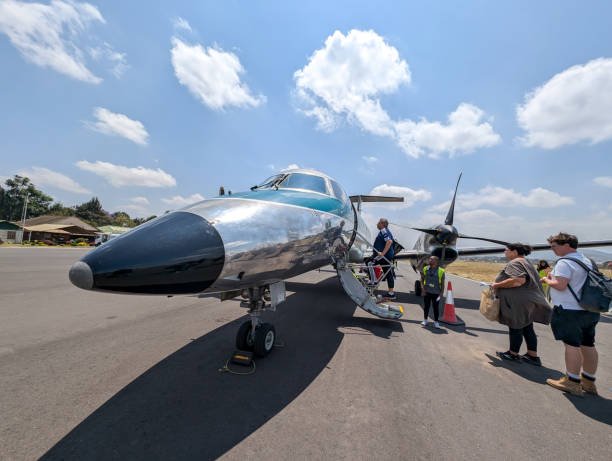
Flying To Kilimanjaro From Europe: Expert Guide To Routes, Prices &
A comprehensive guide to flying to Kilimanjaro from Europe, covering the best airport choices, airline connections, and practical booking strategies for your 2027 climb.
View package details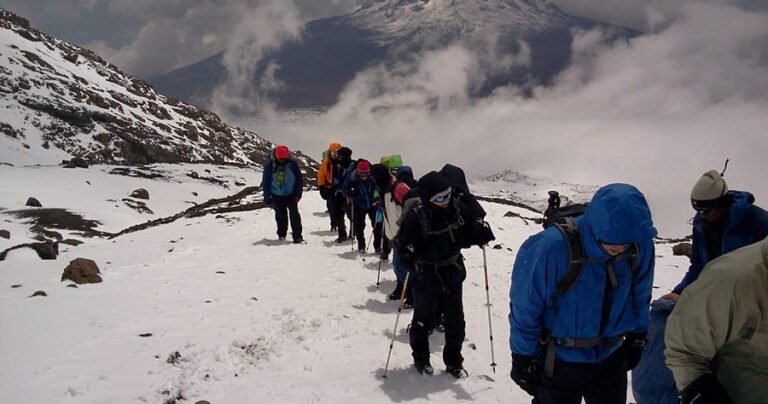
Which Kilimanjaro Route Is Best For A New Year Summit? Expert Guide 2026
Selecting the right route for a New Year's summit on Kilimanjaro is less about speed and more about strategic acclimatization. Here is how to choose the best path for your 2026-2027...
View package details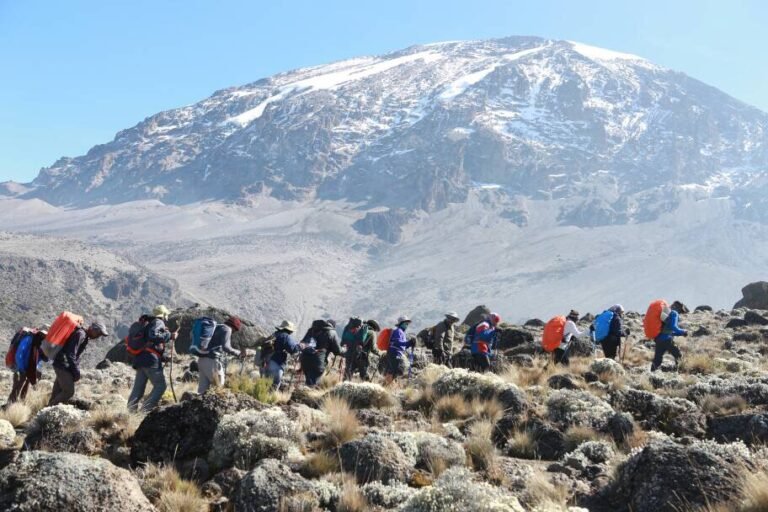
How Much Does A Christmas Kilimanjaro Climb Cost In And ? 2026
A detailed guide on the factors influencing the price of a Christmas Kilimanjaro climb, including park fees, route selection, and operator standards for 2026 and 2027.
View package details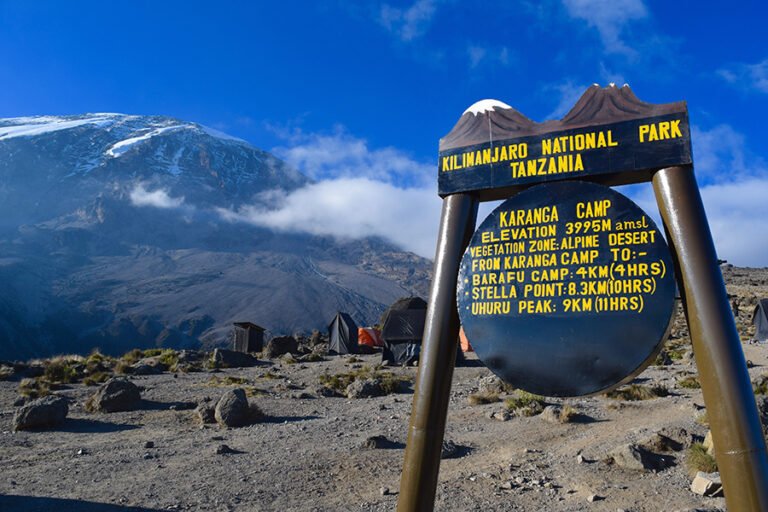
Christmas Kilimanjaro Climb And Serengeti Wildlife Safari Package: Planning
A comprehensive guide to planning a combined Christmas Kilimanjaro climb and Serengeti wildlife safari, covering route selection, seasonal logistics, and expert booking advice for 2026-2027.
View package details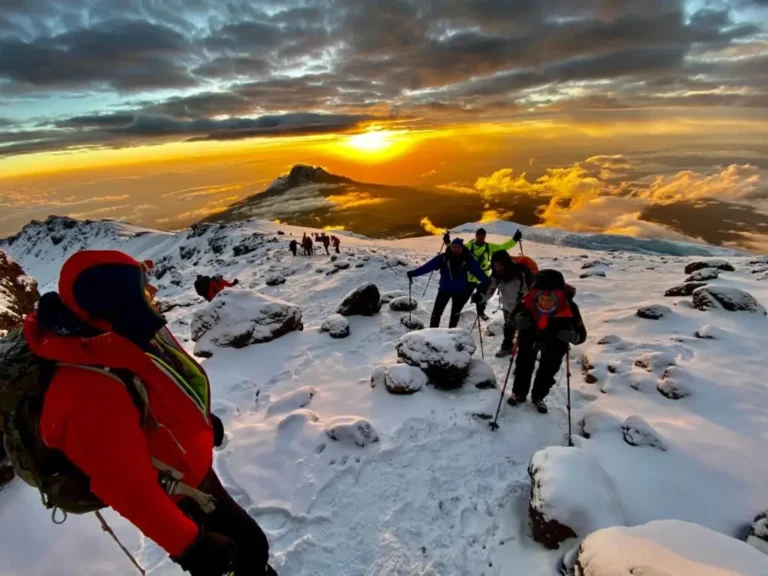
Kilimanjaro New Year Summit Packages: Planning Your December Departure 2026
A practical guide to securing your Kilimanjaro New Year 2027 summit. Learn why starting your climb in late December 2026 is critical for a successful, stress-free ascent.
View package details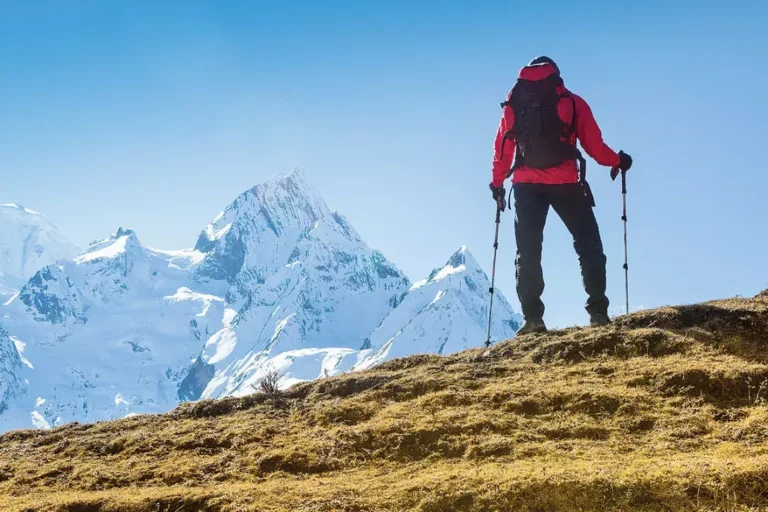
Kilimanjaro Full Moon Climbing Experience December 24 : Planning Your Summit
A comprehensive guide to planning a Kilimanjaro full moon summit for December 2026, covering route selection, holiday season logistics, and expert preparation strategies.
View package details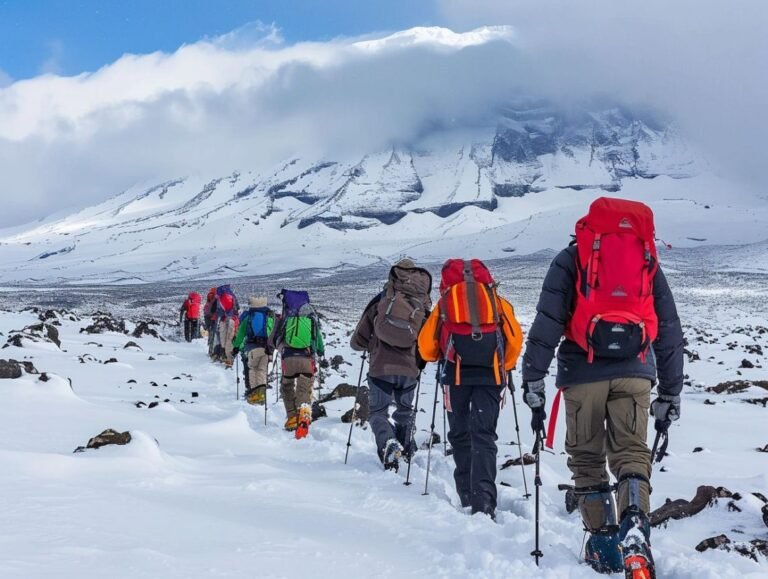
Climb Mount Kilimanjaro On Christmas Day : Strategic Planning Guide 2026
A detailed guide on planning a successful summit of Mount Kilimanjaro for Christmas 2026, including route selection, timeline math, and seasonal logistics.
View package details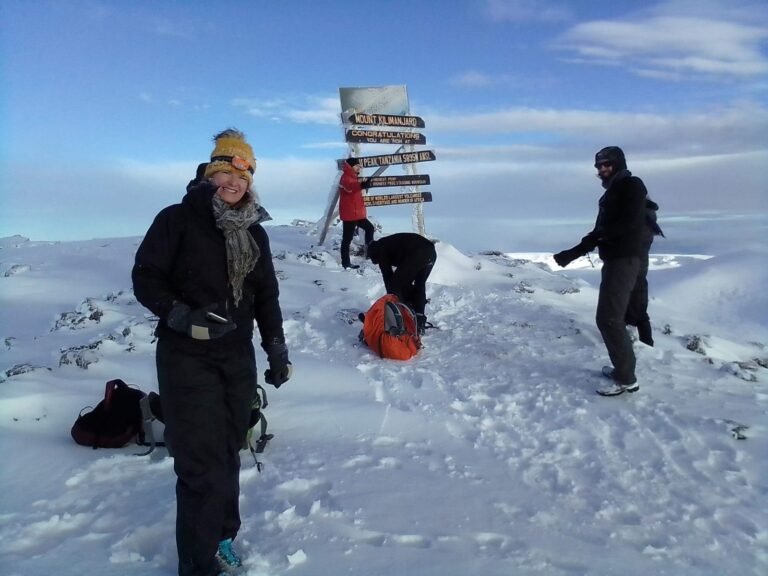
Kilimanjaro Family Christmas Holiday Trekking Packages 2026
Expert guide to organizing a Kilimanjaro family holiday trek, focusing on the best routes, acclimatization strategies, and logistical planning for the December season.
View package details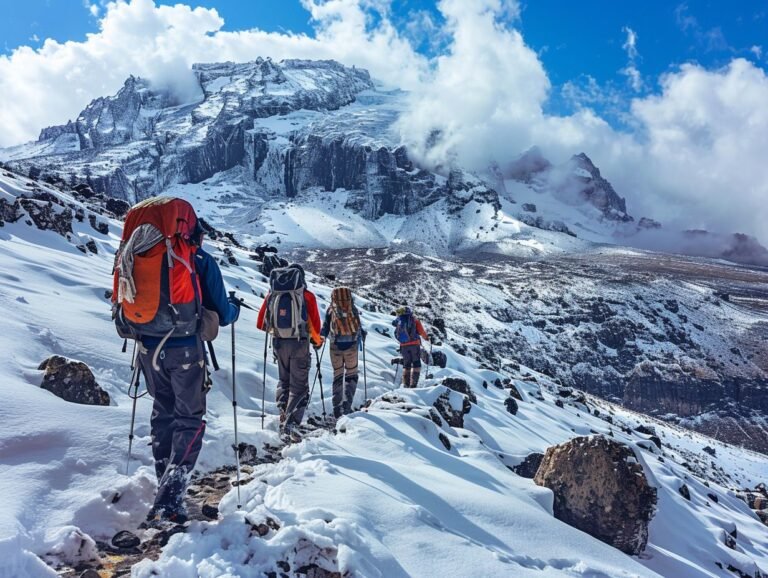
Exclusive Kilimanjaro Christmas Trek With Premium Support Team 2026
An in-depth guide to securing a private, high-support Kilimanjaro expedition for the holiday season. We cover route selection, team ratios, and planning for 2026-2027.
View package details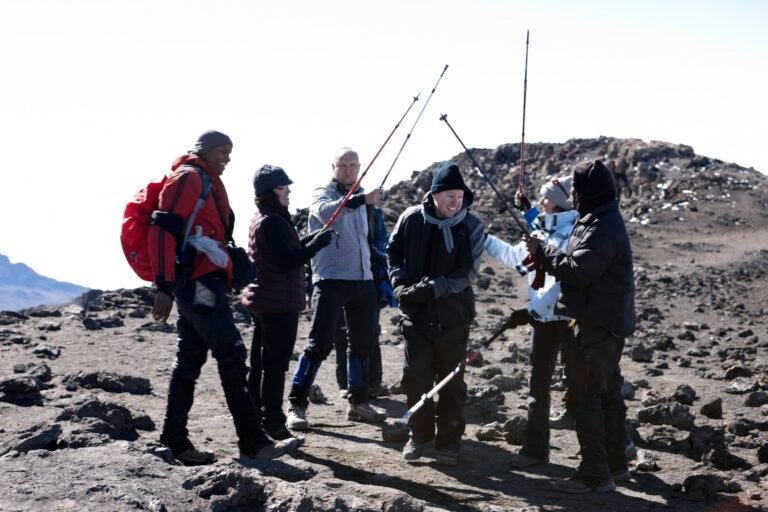
Romantic Kilimanjaro Summit Adventure For Couples December : Planning Your
A detailed guide for couples planning a Kilimanjaro summit in December 2026, focusing on route selection, acclimatization, and the benefits of private trekking arrangements.
View package details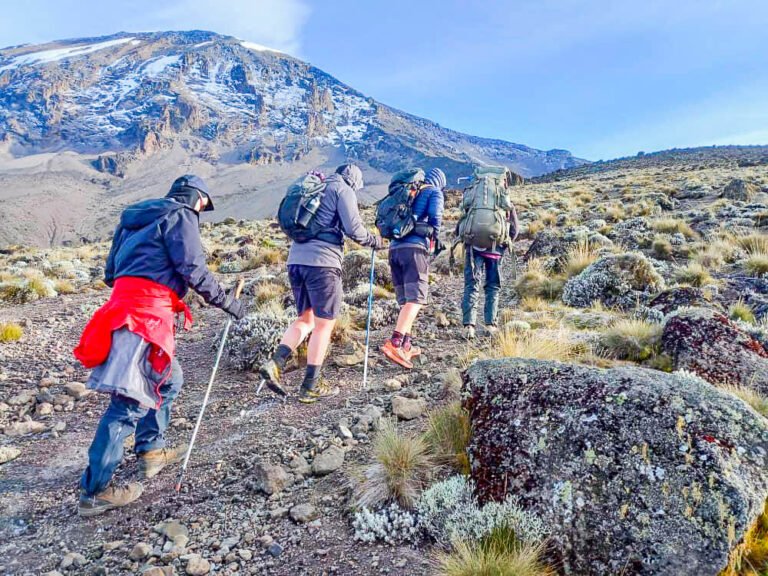
Private Kilimanjaro Climbing Tours For Christmas Holidays 2026
A deep-dive guide for planning your private Kilimanjaro expedition for the 2026 holiday season, focusing on route selection, acclimatization, and logistics.
View package detailsKilimanjaro New Year Summit Group Departures December : Planning Your Ascent
Planning a New Year summit on Kilimanjaro requires specific logistics. Learn how to join a group departure for December 2026, choose the right route, and prepare for your climb.
View package detailsNo related package matches those filters. Clear one or more filters to see the other topic-matched options.



