For backpackers heading to Arusha, Tanzania in 2026-2027, finding comfortable and budget-friendly hostels is key to starting your adventure right. Options range from simple, clean dorms to places offering more social atmospheres and organized tours, often located conveniently near the town center or transport hubs. Expect to pay roughly $10-$25 per night for a dorm bed, with private rooms costing more. Key considerations include proximity to safari booking offices, Kilimanjaro trek outfitters, and local markets, as well as amenities like Wi-Fi, breakfast, and common areas for planning your Tanzanian explorations.
Navigating Arusha: The Backpacker’s Base Camp
Arusha is more than just a stopover; it’s the vibrant heart of Northern Tanzania’s tourism circuit. For backpackers planning trips for 2026-2027, it’s the essential launchpad for Kilimanjaro climbs, Northern Circuit safaris, and journeys to Zanzibar. Choosing the right hostel here isn’t just about a place to sleep; it’s about finding a community, a source of reliable local information, and a cost-effective base that allows your travel budget to stretch further. The town itself buzzes with activity, offering a taste of Tanzanian life with its bustling markets, local eateries, and the constant hum of people preparing for their next great African adventure.
When you land in Arusha, whether arriving by flight at Kilimanjaro International Airport (JRO) or by bus from other parts of Tanzania or neighboring countries, the first objective is often securing a comfortable and affordable place to rest and regroup. Hostels cater specifically to this need, offering shared dormitory-style rooms and private rooms at prices that are significantly lower than hotels. This makes them the primary accommodation choice for budget-conscious travelers, especially those undertaking longer expeditions like climbing Kilimanjaro or embarking on multi-week safaris. Understanding the nuances of Arusha’s hostel scene is crucial for a smooth start to your 2026-2027 Tanzanian travels.
The town is relatively compact, but its layout means that location can matter. Some hostels are clustered near the main bus station, offering ultimate convenience for transit but potentially being noisier. Others are situated in quieter residential areas, providing a more relaxed atmosphere but requiring a short taxi or boda-boda (motorcycle taxi) ride to reach the town center’s amenities. For backpackers who prioritize easy access to tour operators, booking offices, and the main market where you might buy last-minute gear or souvenirs, a central location is often preferred. Conversely, those seeking a peaceful retreat after a long journey might opt for something slightly off the beaten path.
As you plan for 2026-2027, remember that Arusha is a hub for pre-trek briefings for Kilimanjaro. Many tour operators offer complimentary accommodation the night before a climb, but this is often tied to booking their package. If you prefer to arrange your climb separately or want more flexibility, staying in a hostel allows you to meet fellow travelers, gather tips, and potentially find companions for shared safari costs. The social aspect of hostels can be invaluable for solo backpackers looking to connect.
The infrastructure for backpackers in Arusha is well-developed, with many hostels understanding the specific needs of this traveler demographic. This includes offering services like luggage storage (essential if you’re going on a multi-day trek and don’t want to carry everything), laundry services, and common areas equipped with Wi-Fi and charging stations. Some hostels even have their own tour desks or strong relationships with local operators, providing a convenient, albeit sometimes less flexible, way to book onward adventures.
What Backpackers Look For in Arusha Hostels (2026-2027 Focus)
When a backpacker searches for hostels in Arusha Tanzania for 2026-2027, they aren’t just looking for a bed. They’re seeking value, community, and practical support for their Tanzanian adventures. The ideal hostel often ticks several key boxes:
- Affordability: This is paramount. Prices need to fit a tight budget, typically meaning dorm beds are the preferred option. Understanding the price range for dorms and private rooms is crucial for budgeting.
- Location: Proximity to key services is vital. This includes easy access to tour operators for safari and Kilimanjaro bookings, the main bus station for onward travel, local markets for supplies and souvenirs, and ATMs for cash.
- Social Atmosphere: Many backpackers travel solo and look for opportunities to meet like-minded people. Common areas, organized social events, and a friendly vibe are highly valued.
- Essential Amenities: Reliable Wi-Fi (though often slow in Tanzania), clean shared bathrooms, functioning charging points, and often breakfast are expected. Laundry facilities are a huge plus.
- Safety and Security: Secure lockers for valuables, well-lit premises, and a general sense of safety are non-negotiable.
- Pre/Post-Trek Services: For those climbing Kilimanjaro, services like luggage storage, pre-trek briefing areas, and even showers after returning from a trek are highly appreciated.
- Tour Booking Assistance: While many prefer to book independently, a hostel that offers reliable advice or direct booking for reputable safaris and treks can be convenient, provided the prices are competitive.
- Cleanliness: Basic hygiene is expected. Clean dorms, bathrooms, and common areas significantly impact the overall experience.
For the 2026-2027 travel seasons, these priorities are unlikely to change. The demand for budget-friendly, well-located, and socially engaging hostels in Arusha will remain strong as Tanzania continues to be a top destination for adventure travelers. The key is to find a balance between cost and comfort, ensuring your stay enhances, rather than detracts from, your overall travel experience.
Understanding Arusha’s Hostel Landscape: Options and Expectations
Arusha’s hostel scene is dynamic, with a mix of established favorites and newer entrants. While specific names can change, the types of establishments remain consistent. Backpackers can generally categorize Arusha hostels into a few broad types, each offering a different experience and catering to slightly different needs for their 2026-2027 trips.
Budget-Friendly Dorms: The Core Backpacker Experience
These are the quintessential hostels. Expect rows of bunk beds in shared dormitories, typically housing 4 to 12 people. Bathrooms are usually shared, sometimes en-suite to the dorm, sometimes down the hall. The focus here is on providing a clean, safe place to sleep at the lowest possible cost. Amenities might be basic: a common room, perhaps a shared kitchen (though cooking facilities can be hit-or-miss in Tanzania), and Wi-Fi that might be slow or limited. These hostels are ideal for solo travelers looking to save money and are open to meeting people. Prices for dorm beds in these types of hostels in 2026-2027 are likely to range from $10 to $20 per night.
Social Hubs: Where Travelers Connect
These hostels go a step further by actively fostering a social environment. They often feature larger common areas, bar facilities, organized activities like quiz nights or communal dinners, and staff who are adept at connecting travelers. They might be the perfect place to find companions for a last-minute safari or to share a taxi to the airport. Private rooms are often available here too, appealing to couples or small groups who still want the social buzz. Expect prices to be slightly higher, perhaps $15-$25 for a dorm bed and $40-$70 for a private room, in 2026-2027.
Trekker-Focused Hostels: Pre & Post-Kilimanjaro Havens
Arusha has hostels that specifically cater to the influx of Kilimanjaro climbers. These often offer excellent pre-trek preparation facilities, including meeting rooms for briefings, secure storage for excess luggage, and sometimes even showers available upon return from a trek (which can be a godsend after days on the mountain). They might be located closer to trekking outfitters. While they might not be the most luxurious, their practical services for trekkers make them invaluable. Prices can vary, but the convenience factor often justifies a slightly higher rate than a basic dorm.
Guesthouses with Hostel Vibes
Some establishments in Arusha blur the lines between a guesthouse and a hostel. They might offer private rooms primarily, but also a few dorm beds, and provide a more home-like atmosphere than a typical backpacker hostel. These can be great for those who want a bit more privacy but still enjoy a friendly environment. They often have lovely gardens or common areas and might include a more substantial breakfast.
When evaluating hostels for your 2026-2027 travels, it’s wise to read recent reviews, paying attention to comments about cleanliness, Wi-Fi reliability, staff helpfulness, and the general atmosphere. Websites like Hostelworld, Booking.com, and TripAdvisor are invaluable resources.
Key Areas in Arusha for Backpacker Accommodation
Arusha is not a sprawling metropolis, but its geography influences where you’ll find the best backpacker hostels. Understanding these areas helps in choosing a base that suits your travel style and immediate needs for 2026-2027.
Town Center (Central Arusha)
Pros: Unbeatable convenience. You’re within walking distance of most tour operators, safari booking offices, the main market, ATMs, banks, restaurants, and the central bus station. This is the hub of activity, making it easy to arrange last-minute trips or change plans. Many hostels here are geared towards the transient traveler.
Cons: Can be noisy due to traffic and market activity. Some hostels might be older or more basic. Less of a ‘relaxed’ vibe compared to areas slightly further out.
Ideal for: Travelers who prioritize immediate access to services, those on a tight schedule, and solo backpackers keen to meet others in a central meeting point.
Areas Near the Bus Station
Pros: Extremely convenient for arrival and departure via bus. Often home to some of the most budget-friendly hostels.
Cons: Can be very noisy and chaotic. Safety can be a slightly greater concern late at night compared to more residential areas. Might be further from tour operators.
Ideal for: Travelers whose main concern is easy and cheap transit, and who are accustomed to lively, bustling environments.
Residential Areas (e.g., near Mianzini, Old Moshi Road)
Pros: Generally quieter and more relaxed. Often feature more established guesthouses or hostels with gardens and a more home-like feel. Can offer a better sense of local life.
Cons: You’ll likely need to rely on boda-bodas or taxis to get to the town center for services, adding to daily costs and time. Less spontaneous access to tour operators.
Ideal for: Travelers seeking a quieter stay, those who have already booked their main tours and just need a base, or those who enjoy exploring local neighborhoods.
Kilimanjaro Road / Corridor towards Moshi
Pros: Some hostels catering specifically to trekkers might be located along this route, offering specialized services. It’s a scenic route, and some establishments have larger grounds.
Cons: Can be quite spread out. Less convenient for town-based services unless you have transport.
Ideal for: Travelers who have specific needs related to Kilimanjaro treks and prefer to be slightly removed from the immediate town bustle.
For 2026-2027, consider your primary reason for being in Arusha. If it’s to arrange and depart on safaris and treks, a central location is hard to beat. If you’re simply passing through or have all your bookings sorted, a quieter residential area might offer better value and tranquility.
Essential Amenities and Services to Look For
Beyond just a bed, certain amenities can significantly enhance a backpacker’s stay in Arusha, especially when planning for 2026-2027. Prioritizing these can make a real difference to your comfort and budget.
Wi-Fi and Connectivity
Expectation: Wi-Fi is usually available in hostels, but its speed and reliability can vary greatly. It’s rarely as fast as you’d find in Europe or North America. Many hostels offer it for free in common areas, and sometimes in rooms. Some may charge a small fee or have data limits.
Why it matters: Essential for communicating with family, researching onward travel, checking emails, and sometimes even coordinating with tour operators. Be prepared for occasional outages or slow speeds.
Breakfast
What to expect: Often included in the room rate, typically a simple affair: bread, jam, tea/coffee, and sometimes eggs or fruit. It’s designed to be filling and cheap for the hostel to provide.
Why it matters: Saves you money and time in the morning. A good breakfast can set you up for a day of planning or exploring Arusha.
Common Areas
What to expect: A lounge area with seating, often where the Wi-Fi is strongest. Some have TVs, books, or board games. This is the social heart of the hostel.
Why it matters: Crucial for meeting other travelers, relaxing after a long journey, planning your next steps, and sometimes even finding travel buddies for shared costs.
Luggage Storage
What to expect: Most hostels offer free luggage storage, especially important for trekkers who need to leave main bags behind while climbing Kilimanjaro. Secure storage is key.
Why it matters: Essential for Kilimanjaro climbers or those going on multi-day safaris where you don’t need all your belongings. Peace of mind that your gear is safe.
Laundry Services
What to expect: Many hostels offer laundry services for a fee per kilogram. Some might have self-service washing machines, but this is rarer.
Why it matters: After days on the road or before a trek, having clean clothes is a major comfort. It can be cheaper than finding a separate laundromat.
Kitchen Facilities
What to expect: This is less common and often basic in Tanzania compared to other parts of the world. If available, it might be a simple stove and sink. Not always well-equipped.
Why it matters: For extreme budget travelers, a kitchen can save significant money by allowing you to prepare your own meals. However, local food is generally affordable and delicious.
Tour Desk / Booking Assistance
What to expect: Some hostels have a dedicated desk or staff who can help book safaris, treks, or transport. They often work with specific operators.
Why it matters: Convenience. However, always compare prices and services with independent operators. Sometimes the hostel commission means higher prices.
For 2026-2027, always confirm these amenities when booking. Don’t assume Wi-Fi is lightning fast or that the kitchen is fully equipped. Clarify costs for laundry and any extra services.
Cost Considerations for Hostels in Arusha (2026-2027)
Budget is a primary driver for backpackers, and understanding the cost structure for hostels in Arusha is vital for planning your 2026-2027 trip. Prices are influenced by several factors, but a general range can be established.
Dormitory Beds
This is the most economical option. For 2026-2027, expect to pay:
- Basic Dorms: $10 – $18 per night. These offer the essentials: a bed, shared bathroom, and basic common areas.
- Mid-Range Dorms: $18 – $25 per night. These might offer slightly better amenities like more reliable Wi-Fi, air conditioning in some cases, or a more social atmosphere.
Private Rooms
For couples or those seeking more privacy, private rooms are available, though they are less common in traditional backpacker hostels and more typical in guesthouses or budget hotels.
- Budget Private Room: $30 – $50 per night. Usually a simple room with a double or twin beds and an en-suite bathroom.
- Mid-Range Private Room: $50 – $70+ per night. Might include better furnishings, TV, or a more pleasant setting.
Factors Influencing Price for 2026-2027
- Seasonality: While Arusha doesn’t have extreme peak/off-peak shifts like beach resorts, prices can slightly increase during the main safari and trekking seasons (e.g., June-October, December-February). However, the difference for hostels is usually minimal compared to hotels.
- Location: Hostels in the absolute town center might command slightly higher prices due to convenience.
- Amenities: Hostels offering more comprehensive services like organized tours, excellent Wi-Fi, or included hot breakfast might charge a bit more.
- Included Services: Some prices might include airport transfers (often for a fee), breakfast, or even a welcome drink. Always check what’s included.
Additional Costs to Consider
- Airport Transfers: From JRO to Arusha can range from $25-$50 depending on the service. Some hostels offer this, but it’s worth comparing.
- Local Transport: Boda-bodas typically cost 1,000-5,000 TZS ($0.40-$2) for short rides within town.
- Food: Eating at local ‘kibandas’ (food stalls) or local restaurants is very affordable, around $3-$7 for a meal. Hostel breakfasts are usually included.
- Activities: Day trips, park fees, and safari costs are separate and will be your largest expenditure.
For 2026-2027, it’s prudent to add a small buffer to your budget for unexpected costs or to allow for slightly nicer accommodations if your finances permit. Always confirm prices directly with the hostel, especially for longer stays or if booking through a third party.
Booking Your Arusha Hostel: Tips for 2026-2027
Securing your accommodation in Arusha, especially for peak travel seasons in 2026-2027, requires a bit of strategy. While Arusha generally has ample beds, booking in advance offers peace of mind and ensures you get the place that best suits your needs.
When to Book
- High Season (June-October, December-February): For these periods, booking at least 2-4 weeks in advance is recommended, especially if you have specific requirements or are traveling in a group.
- Shoulder/Low Season (March-May, November): You can often book closer to your arrival date, perhaps 1 week in advance, or even upon arrival, though this carries a slight risk.
- Pre-Kilimanjaro/Safari: If your arrival in Arusha is directly tied to an organized trek or safari departure, book your hostel for the night before and potentially the night after your return as soon as your main trip is confirmed.
Where to Book
- Online Travel Agencies (OTAs): Websites like Booking.com and Hostelworld are popular. They offer a wide selection, user reviews, and often free cancellation policies. Be aware of potential booking fees.
- Directly with the Hostel: Many hostels have their own websites or Facebook pages. Booking directly can sometimes secure better rates, allow for more flexible arrangements, and ensures your money goes straight to the establishment. It’s also a good way to ask specific questions before committing.
- Through Tour Operators: Some tour operators, like Climb 4 Africa, may have arrangements or recommendations for hostels, or even include a night’s accommodation in their package. This is convenient if you’re booking a larger tour with them.
What to Confirm Before Booking
- Exact Location: Use maps to verify it’s convenient for your needs.
- Included Amenities: Specifically ask about Wi-Fi quality, breakfast details, and whether lockers are available and secure.
- Cancellation Policy: Understand the terms in case your plans change.
- Payment Methods: Confirm if they accept cash (local currency or USD), credit cards, or mobile payments. ATMs are available in Arusha, but having some cash is always wise.
- Airport Transfers: If needed, get a clear price and booking process.
- Luggage Storage for Treks: Crucial for Kilimanjaro climbers. Confirm it’s secure and free or reasonably priced.
For 2026-2027, relying on a combination of online research and direct contact is often the best approach. Read recent reviews carefully, as conditions can change. If you’re planning a Kilimanjaro climb or a safari with a company like Climb 4 Africa, it’s worth inquiring if they have preferred hostels or can assist with your Arusha accommodation needs, particularly for the night before your adventure begins. This can streamline your planning.
Staying Safe and Healthy in Arusha Hostels
Arusha is generally a safe city for tourists, but like any travel destination, it’s wise to take precautions, especially when staying in hostels. Prioritizing your safety and health will ensure your 2026-2027 Tanzanian adventure starts on the right foot.
Safety Tips
- Secure Your Belongings: Always use the provided lockers for your valuables (passport, money, electronics). Bring a small padlock if the hostel doesn’t provide them. Never leave your bag unattended in common areas.
- Be Aware of Your Surroundings: Especially when walking around Arusha, particularly at night. Stick to well-lit main roads and avoid displaying expensive items.
- Trust Your Instincts: If a situation feels uncomfortable or unsafe, remove yourself from it.
- Boda-Boda Safety: When using motorcycle taxis, ensure the driver is reputable, wear a helmet if provided, and agree on the fare beforehand.
- Inform Someone of Your Plans: Let hostel staff or fellow travelers know if you’re heading out for the evening or going on a day trip.
- Guard Your Drinks: As in any social setting, be mindful of your drinks to prevent tampering.
Health Precautions
- Water: Drink only bottled or purified water. Most hostels will provide this or have a purification system. Avoid ice in drinks unless you’re sure it’s made from purified water.
- Food: Eat at reputable restaurants and local ‘kibandas’ that look busy and clean. Peel fruits and vegetables yourself or ensure they’ve been washed in purified water.
- Mosquitoes: Malaria is present in Tanzania. Use mosquito repellent, especially during dawn and dusk. Consider malaria prophylaxis as recommended by your doctor. Many hostels will have mosquito nets over beds.
- Sun Protection: The equatorial sun is strong. Use sunscreen, wear a hat, and stay hydrated, especially if you’re planning outdoor activities or treks.
- First-Aid Kit: Carry a basic first-aid kit with essentials like bandages, antiseptic wipes, pain relievers, and any personal medications.
- Vaccinations: Consult your doctor or a travel clinic well in advance of your 2026-2027 trip regarding recommended vaccinations (e.g., Hepatitis A, Typhoid) and Yellow Fever if arriving from certain countries.
Many hostels in Arusha are run by people who understand the needs and concerns of backpackers. Don’t hesitate to ask staff for advice on safety, local transport, or health matters. They are usually a great source of practical, up-to-date information.
Beyond the Hostel: Preparing for Your Tanzanian Adventures
Your hostel in Arusha is more than just a place to sleep; it’s your hub for preparing for the incredible experiences Tanzania offers. Whether you’re aiming for the summit of Kilimanjaro or the plains of the Serengeti, your time in Arusha is crucial.
Kilimanjaro Treks
Arusha is the gateway to Kilimanjaro. Most trekkers spend at least one night here before their climb. Hostels can be a great place to:
- Meet fellow trekkers: Share tips, gear, or even form a group to potentially reduce costs on some treks if you’re booking independently.
- Final Gear Checks: Use the time to ensure you have everything required. Some hostels might have small shops selling essentials like gloves or hats.
- Pre-Trek Briefings: If you’ve booked with a company like Climb 4 Africa, your briefing will likely be arranged for the day before your trek. This is often done at their office or sometimes at your accommodation.
- Luggage Storage: Essential for leaving non-trekking items safely behind.
Consider booking your Kilimanjaro climb well in advance for 2026-2027. Companies like Climb 4 Africa offer various routes and packages, and early booking secures your preferred dates and guides. You can find more information on routes like the Machame Route here: Machame Route Kilimanjaro Group Departures.
Tanzania Safaris
Arusha is the launching point for safaris to the Northern Circuit parks: Tarangire, Lake Manyara, Ngorongoro Crater, and the Serengeti. Hostels can facilitate:
- Safari Planning: Many hostels have relationships with local safari operators. While convenient, it’s always wise to compare offers.
- Finding Companions: Solo travelers can often find others at hostels looking to share safari costs, making a private safari more affordable.
- Information Exchange: Talk to other travelers about their safari experiences, recommendations for parks, or lodges.
For those looking for group safari departures, Climb 4 Africa offers various options. Exploring shared tours can be an excellent way to experience Tanzania’s wildlife economically. See their current group departure dates here: Tanzania Safari Group Departures.
Day Trips and Local Exploration
Even if you’re not embarking on a major trek or safari immediately, Arusha offers plenty for day trips:
- Arusha National Park: Home to Mount Meru, great for shorter hikes and wildlife viewing.
- Cultural Heritage Centre: Offers local crafts, art, and a glimpse into Tanzanian culture.
- Local Markets: A vibrant place to experience local life, shop for souvenirs, and try local snacks.
- Shanga: A social enterprise employing people with disabilities, offering beautiful handmade jewelry and crafts.
Hostels can often arrange these day trips or provide advice on the best way to access them using local transport.
The community at a good Arusha hostel can be your best resource for planning these adventures. Engaging with staff and other travelers can lead to fantastic opportunities and shared experiences for your 2026-2027 travels.
Choosing the Right Hostel: A Final Checklist for 2026-2027
As you finalize your plans for Arusha in 2026-2027, here’s a practical checklist to help you select the hostel that best fits your needs. Think of this as your personal filter:
Hostel Selection Checklist
- Budget Alignment: Does the price for a dorm bed (or private room, if preferred) fit your daily budget? Check the estimated $10-$25 range for dorms.
- Location Suitability: Is it close to the bus station if you’re arriving by bus? Near tour operators if you need to book? Or in a quieter area if you prefer tranquility?
- Key Amenities Confirmed:
- Reliable Wi-Fi (understand its limitations)
- Clean shared bathrooms
- Secure lockers for valuables
- Included breakfast (check what it is)
- Laundry services available (and cost)
- Social Vibe: Do you want a lively atmosphere or a quiet retreat? Check reviews for mentions of common areas, bar, and organized events.
- Pre/Post-Trek Services: If climbing Kilimanjaro, is luggage storage secure and free/affordable? Are there facilities for trekkers returning?
- Recent Reviews: Have you read recent reviews (within the last 6-12 months) on sites like Hostelworld or Booking.com? Pay attention to feedback on cleanliness, staff helpfulness, and safety.
- Booking Flexibility: Does it offer a reasonable cancellation policy, especially important for unpredictable travel plans?
- Staff Knowledge: Does the hostel staff seem knowledgeable and helpful regarding local tours, transport, and safety advice?
- Safety Features: Look for mentions of security personnel, good lighting, and general safety perception in reviews.
By systematically going through these points, you can narrow down your options and make an informed decision. For example, if your primary goal is to book a Kilimanjaro climb with a reputable company and you need a place to stay the night before, a hostel known for its trekking support and proximity to tour operators might be ideal. If you’ve already booked a comprehensive safari package with Climb 4 Africa and just need a comfortable, affordable base for a couple of nights before heading out, a quieter, well-reviewed option could be better.
Remember that the “best” hostel is subjective and depends entirely on your personal travel style and priorities for your 2026-2027 Tanzanian adventure. What one backpacker loves, another might find lacking. Your own research and careful consideration of these factors will lead you to the right choice.
Planning Your 2026-2027 Arusha Experience with Climb 4 Africa
Arusha serves as the vital starting point for many of Africa’s most iconic adventures. Whether you’re dreaming of standing on the roof of Africa atop Kilimanjaro, witnessing the Great Migration on a Serengeti safari, or exploring the wonders of the Ngorongoro Crater, thorough planning is essential. For your 2026-2027 travels, partnering with experienced local operators can significantly enhance your experience, providing invaluable insights and logistical support.
Climb 4 Africa specializes in creating unforgettable Kilimanjaro climbs and Tanzania safaris, offering practical local support that backpackers and adventure travelers highly value. By choosing a company with deep roots in Tanzania, you gain access to knowledgeable guides, reliable logistics, and a commitment to responsible tourism.
When considering your accommodation in Arusha, especially if you’re booking a Kilimanjaro climb or safari package, it’s always beneficial to discuss your needs with your chosen tour operator. Many operators, including Climb 4 Africa, can offer advice on the best hostels in Arusha for trekkers and safari-goers, or may even include pre-trek accommodation as part of their packages. This can simplify your planning considerably and ensure you’re staying in a convenient location with access to essential pre-departure briefings and services.
For those planning a Kilimanjaro ascent in 2026-2027, exploring different routes and departure dates is key. Climb 4 Africa provides detailed information on routes like the popular Machame Route and offers group departure dates to help backpackers connect and share costs. You can find comprehensive details and booking options here: Machame Route Kilimanjaro Group Departures.
Similarly, for wildlife enthusiasts, Tanzania’s Northern Circuit offers unparalleled safari experiences. Climb 4 Africa organizes various group safaris, allowing you to explore iconic parks such as the Serengeti and Ngorongoro Crater with like-minded travelers. These shared departures are an excellent way to manage costs while enjoying expertly guided tours. Discover available group safari dates and itineraries here: Tanzania Safari Group Departures.
When you contact Climb 4 Africa, whether via WhatsApp at +255 747 477 898 or email at climb4africa@gmail.com, be sure to mention your specific interests, travel dates for 2026-2027, and any questions you have about accommodation in Arusha. Their local expertise can help you craft a smooth and memorable Tanzanian adventure, starting from the moment you arrive in Arusha.
Choosing the right hostel in Arusha is a foundational step for any backpacker. By understanding the options, costs, and practical considerations, you can ensure your stay in this bustling gateway city is comfortable, affordable, and perfectly sets you up for the incredible journeys that await in Tanzania during 2026-2027.
“,
“faq_schema”: [
{
“question”: “What is the average cost of a hostel dorm bed in Arusha for 2026-2027?”,
“answer”: “For 2026-2027, you can expect to pay between $10 and $25 per night for a dorm bed in Arusha, depending on the hostel’s location, amenities, and overall quality. Basic hostels offering essential services typically fall at the lower end of this range, while those with more social atmospheres or better facilities may be closer to $25.”
},
{
“question”: “Are hostels in Arusha suitable for solo backpackers?”,
“answer”: “Yes, hostels in Arusha are generally very suitable for solo backpackers. They often foster a social environment, making it easy to meet other travelers. Many hostels organize common activities and have communal areas where you can connect with people, which is ideal for planning group safaris or treks and sharing experiences.”
},
{
“question”: “What amenities should I look for in an Arusha hostel for my 2026-2027 trip?”,
“answer”: “Key amenities to look for include reliable Wi-Fi (though speeds vary), clean shared bathrooms, secure lockers for valuables, included breakfast, and laundry services. For Kilimanjaro climbers, secure luggage storage is crucial. A common area for socializing and planning is also highly beneficial.”
},
{
“question”: “Is it better to book an Arusha hostel in advance for 2026-2027?”,
“answer”: “Booking in advance is recommended, especially during peak travel seasons (June-October, December-February) for 2026-2027. For these periods, booking 2-4 weeks ahead is advisable. During the low season, you might be able to book closer to your arrival, but advance booking offers peace of mind and secures your preferred choice.”
},
{
“question”: “What is the best location for a backpacker hostel in Arusha?”,
“answer”: “The best location depends on your priorities. For convenience to tour operators, markets, and transport, the Town Center is ideal. Areas near the Bus Station offer budget options and transit ease but can be noisy. Quieter Residential Areas provide a more relaxed stay but require local transport to reach central services.”
},
{
“question”: “Can hostels in Arusha help with booking Kilimanjaro treks or safaris for 2026-2027?”,
“answer”: “Many hostels have tour desks or staff who can assist with booking treks and safaris. While convenient, it’s always wise to compare prices and services with independent operators like Climb 4 Africa to ensure you’re getting the best value and a reputable experience.”
},
{
“question”: “What safety precautions should I take at Arusha hostels?”,
“answer”: “Always use hostel lockers for valuables, be aware of your surroundings (especially at night), inform someone of your plans, and secure your belongings. Drink bottled or purified water and eat from reputable food vendors. If climbing Kilimanjaro, ensure your tour operator is trustworthy, like Climb 4 Africa.”
}
]
}
“`
Check Availability for Hostels In Arusha Tanzania For Backpackers 2026-2027
Ready to compare dates, prices, and the best option for your group? Send the package name and travel month so the team can reply with a clear quote, availability, and what is included.
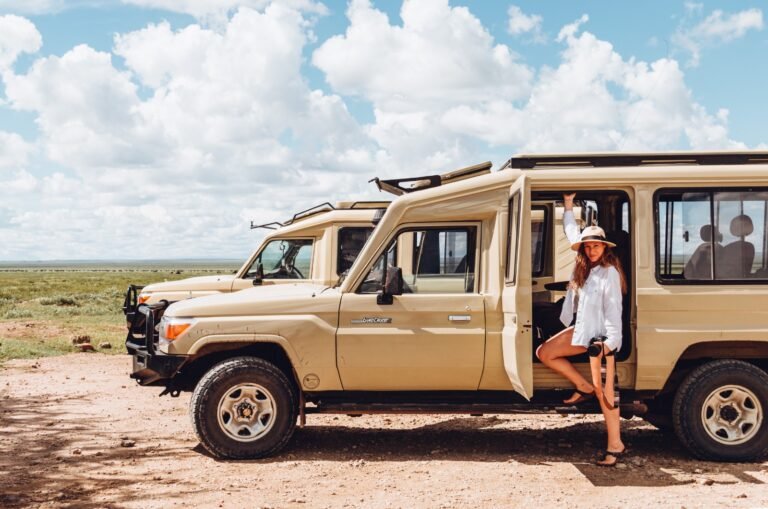
Oct 25, – 1 Day Tarangire Group Joining Safari From Arusha 2026
Planning a trip for October 25, 2026? Join our group safari to Tarangire National Park for a day of wildlife viewing, departing from Arusha.
View package details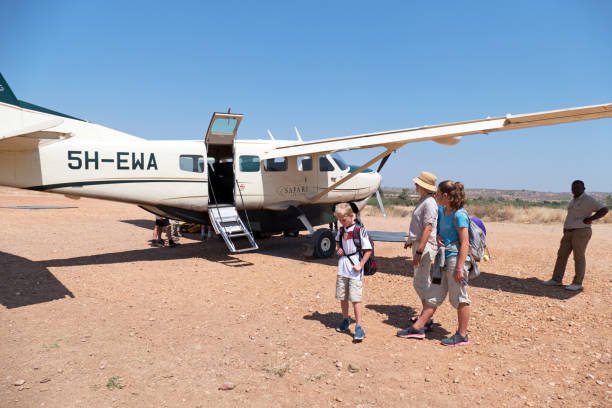
Fly From Arusha To Serengeti For A 2-Day Safari: Understanding Flight Costs
Discover how to budget and plan a fast-paced 2-day safari to the Serengeti, starting from Arusha. We break down flight costs, transfer options, and what to expect from a short, focused trip.
View package detailsArusha To Serengeti One-Way Flight Ticket Prices: Planning Guide 2026-2027
A detailed guide to understanding the costs, logistics, and planning considerations for flying from Arusha to the Serengeti National Park.
View package detailsArusha To Serengeti Flight Time, Prices & Baggage Allowance Guide 2026-2027
A practical guide to flying from Arusha to the Serengeti, covering flight durations, luggage restrictions, and booking considerations for your upcoming Tanzania safari.
View package details
Lake Manyara Airstrip Vs Arusha Airport: Which Is Best For Ngorongoro In ?
Deciding between Lake Manyara Airstrip and Arusha Airport for your Ngorongoro Crater safari? We compare the transfer times, costs, and travel styles to help you choose the right gateway for...
View package detailsArusha To Lake Manyara Airstrip Flight Price 2026-2027
Arusha to Lake Manyara Airstrip Flight Price is explained with current 2026-2027 planning, price, itinerary and booking information.
View package details
Arusha To Tarangire Fly-In Safari: Flight And Package Costs 2026-2027
Arusha to Tarangire Fly-In Safari: Flight and Package Costs is explained with current 2026-2027 planning, price, itinerary and booking information.
View package details_1_John_from-rednote-web-768x1024.jpg)
Serengeti To Zanzibar Vs Arusha To Which Is Better After Safari? 2027
Choosing the right transfer to Zanzibar after a safari—Serengeti to Zanzibar or Arusha to Zanzibar—depends entirely on your safari route, time constraints, and budget. This guide breaks...
View package detailsArusha To Serengeti Flying Safari Vs Road Full Cost Comparison 2027
Arusha to Serengeti Flying Safari vs Road Safari: Full Cost Comparison is explained with current 2027 planning, price, itinerary and booking information.
View package detailsFly From Arusha To Serengeti For A 3-Day Safari: Flights & Package Prices 2027
Discover the most efficient ways to fly from Arusha to the Serengeti for a concentrated 3-day safari. This guide breaks down airstrip choices, flight costs, and package structures for 2027.
View package details
Arusha To Serengeti Return Flights: Airfare & Booking 2027
Arusha to Serengeti Return Flights: Airfare & Booking is explained with current 2027 planning, price, itinerary and booking information.
View package detailsNo related package matches those filters. Clear one or more filters to see the other topic-matched options.