
It is possible to plan a Kilimanjaro New Year Eve Climb that times the final push for a 31 December 2026 summit, but you must choose an itinerary long enough for safe acclimatisation, confirm the exact group departure with your operator and reserve travel and park permits early. Climb 4 Africa runs winter-season Marangu departures in late December; please request firm availability for a program that reaches Uhuru Peak on 31 December 2026.
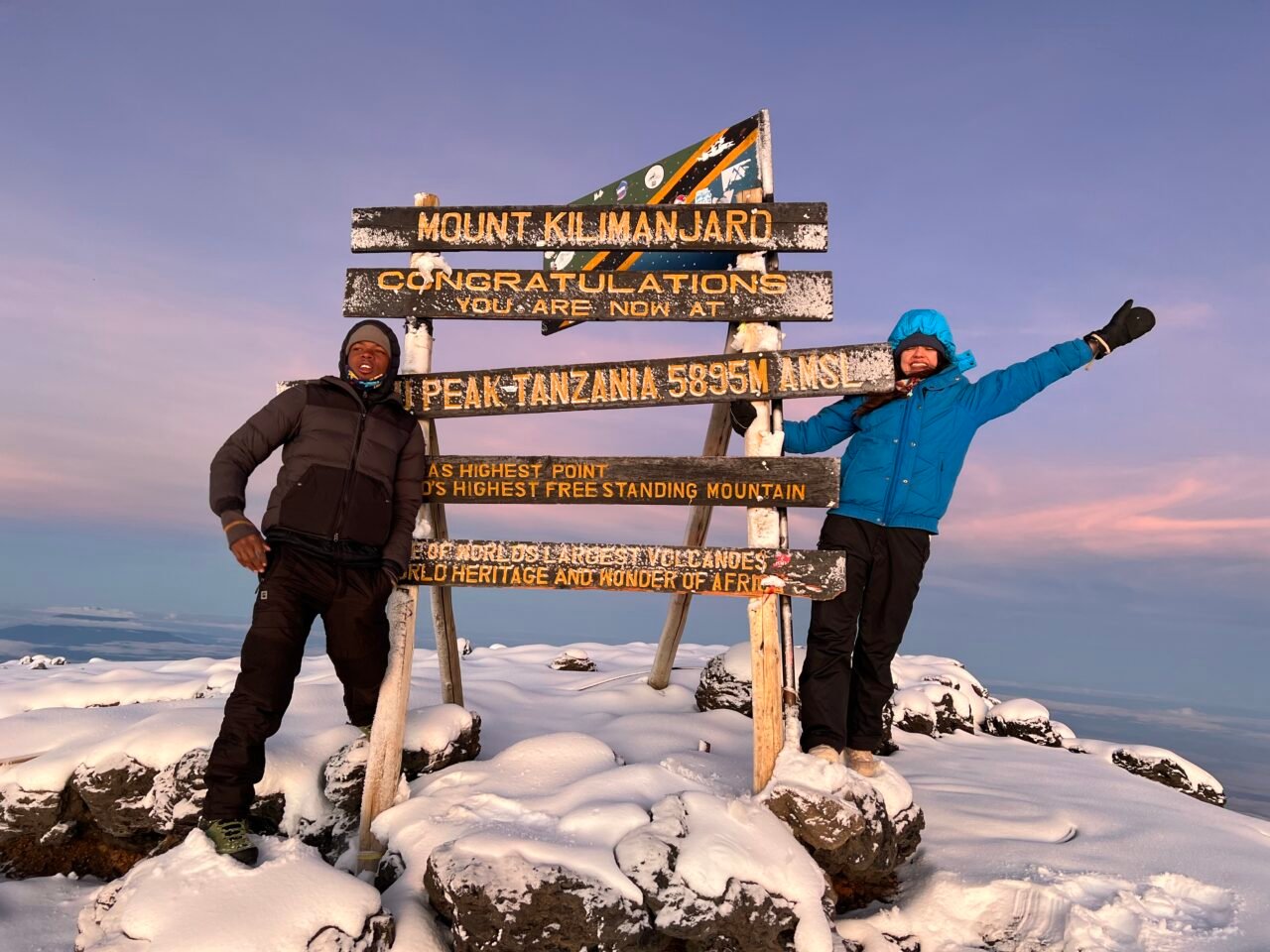
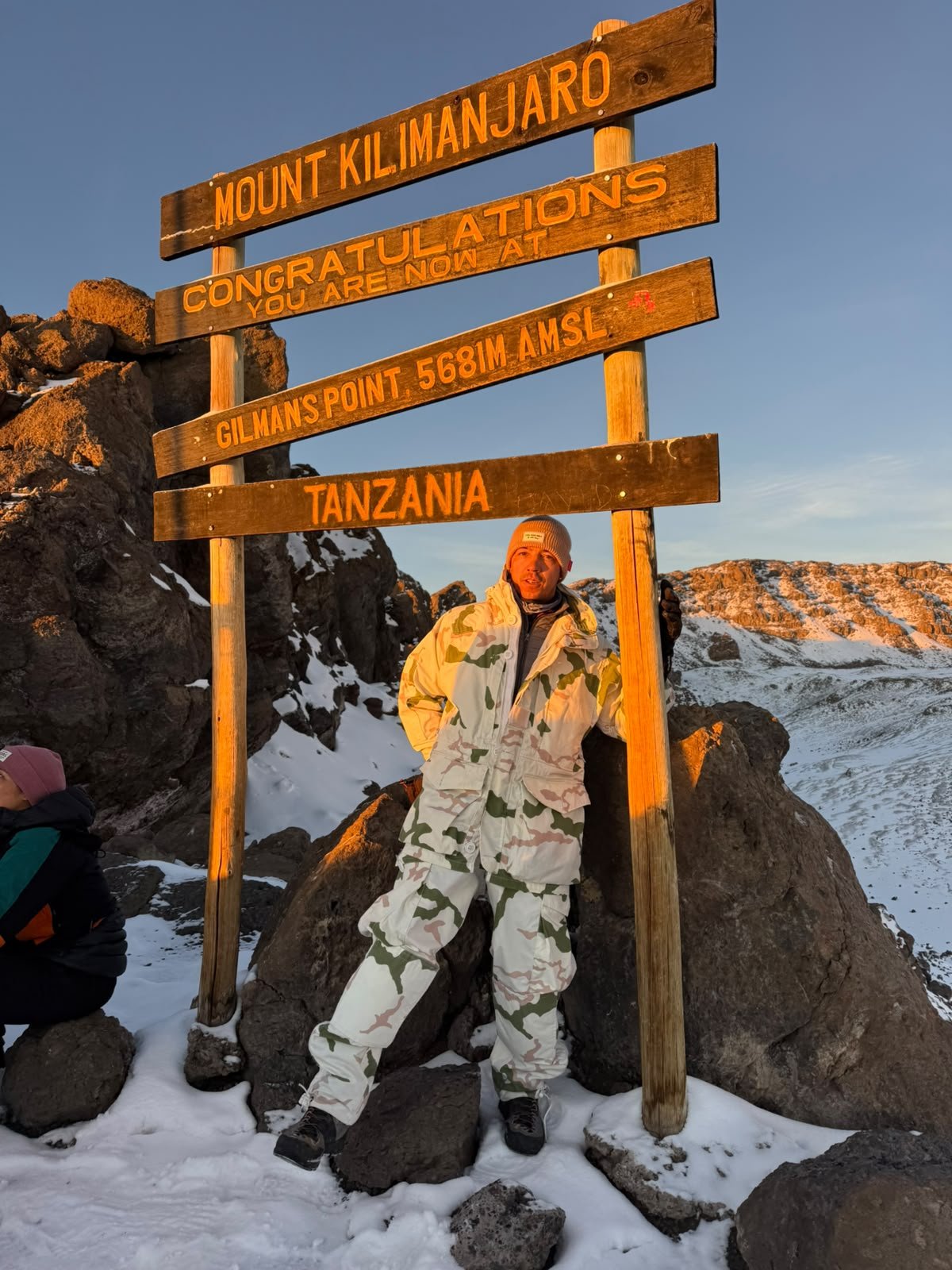
Who is asking for a Kilimanjaro New Year Eve Climb – 31 December 2026 Summit?
The person searching this phrase usually wants three things at once: a firm summit date (New Year’s Eve), a practical plan that safely delivers hikers to Uhuru Peak on 31 December 2026, and clarity about how the calendar fits with flights, visas and local transfers. That combination matters because timing the summit for December 31st compresses the schedule around international arrivals, and poor acclimatisation choices increase the chance of a failed summit. This article explains how to sequence your climb so the intended summit day is realistic and safe.
Basic decision: faster or safer? The single most important trade-off
Aiming for a 31 December 2026 summit forces a fixed deadline. Your key choice is between the shortest route that might still make the date and a longer route that increases the summit success rate. For New Year’s Eve, experienced operators including Climb 4 Africa usually recommend at least five to six days on the mountain. Short, four-day pushes are common during other seasons but carry a higher altitude-sickness risk when a hard deadline is non-negotiable.
Why five or six days matters
Acclimatisation is not linear: an extra night or a gentler profile on day three or four materially raises the odds of reaching the crater rim with sufficient energy. If your summit must be on 31 December 2026, arriving in Tanzania early enough to begin a five- or six-day program gives the mountain and your body room to adapt. The Marangu route is a popular choice for holiday departures because it offers hut accommodation and relatively straightforward logistics, and Climb 4 Africa lists several Marangu departures for late December that can be adapted to meet a 31 December summit objective on appropriately scheduled departures.
Sample itinerary framework that targets a 31 December summit (six-day option)
The schedule below is a generic day-by-day structure used by many operators when the summit is a fixed date. It is not a guaranteed operator schedule for 31 December 2026; you must confirm exact departure and permit allocation with Climb 4 Africa. Days are presented as numbered Trek Days; the summit day here becomes Day 5–6 depending on whether the package uses a five- or six-day plan.
Day 0: Arrival in Kilimanjaro / Arusha (recommended arrival day)
Arrive in Tanzania at least one day before you enter the mountain. Use a hotel in Arusha or near Kilimanjaro Airport to rest, check equipment, complete paperwork for park permits and meet guides. This buffer absorbs flight delays and helps ensure you start the climb on schedule to deliver the summit on 31 December 2026.
Day 1: Gate to montane forest
Drive from your hotel to the park gate, register and hike through lower montane forest. This first day is moderate and intended to establish a steady pace. If you take the Marangu route, you will reach hut accommodation in the evening; on other routes you reach tented camps. The objective is an easy start and adequate hydration.
Day 2: Higher forest to moorland
Continue upward into heather and moorland. The day remains about walking and recovery: avoid fast ascents, maintain small, frequent snacks and sleep early. Your guides will brief you on altitude symptoms and pacing; this day sets the tone for acclimatisation.
Day 3: Alpine zone – short and steady
As the vegetation thins, the walking gets more exposed and the oxygen declines. On a six-day sequence this is often a shorter day to allow rest and acclimatisation. Expect lower temperatures, strong UV and windy periods; layers become essential.
Day 4: Summit approach camp (pre-summit night)
Reach the high camp where you stage for the summit push. Sleep early, limit exertion in the afternoon and trust the guide’s instructions about food and fluid intake. This night’s rest is decisive for a successful midnight start.
Day 5 (or Day 6 on five-day variants): Summit night — final push to Uhuru Peak on 31 December 2026
The summit attempt is typically a pre-dawn climb from
What to do if you don’t reach Uhuru Peak on 31 December 2026 (planning contingencies)
When your summit target is fixed—the Kilimanjaro New Year Eve Climb that aims for a 31 December 2026 summit—the single most important contingency to plan for is the possibility that you do not reach Uhuru Peak on that date. Weather, acute mountain sickness, group pacing, or logistics can force a turnaround. The sensible response is not improvisation but deliberate pre-trip planning. Below are the practical steps and decisions you should make before travel so a missed summit does not cascade into missed international flights, lost holidays, or safety compromises.
Build time buffers into your travel plans
The first and simplest protection is calendar flexibility. Book international flights with at least one full free day after your scheduled summit day in-country (two days is preferable when possible). That single extra day absorbs a delayed descent, a medical check, or operator-driven itinerary adjustments without forcing an immediate international departure. If your schedule or budget prevents extra nights abroad, at minimum arrange a changeable return ticket so you can move the outbound flight without excessive penalties.
Confirm operator cancellation and rebooking policies in writing
Before you pay, ask your chosen operator to confirm in writing what happens if the group fails to summit on 31 December 2026. Key items to confirm or negotiate:
- Whether additional nights of camping/hut accommodation and food are available and at what cost.
- Who covers extra park fees or guide/porter daily rates if you extend the stay by a day or two.
- Refund or partial-credit policies if a pre-summit or summit-day turnaround is ordered for medical reasons.
- How the operator manages transport back to Arusha or Kilimanjaro Airport if the descent schedule changes.
Operators vary. Never assume extensions are free; have the terms recorded in your booking confirmation.
Travel insurance: what to check and insist upon
Appropriate travel insurance is not optional for a Kilimanjaro New Year Eve Climb. Look for policies that explicitly cover:
- High-altitude trekking (specify coverage up to Kilimanjaro’s 5,895 m).
- Emergency medical evacuation and helicopter evacuation; read exclusions and maximum evacuation limits.
- Trip interruption and missed-connection benefits that reimburse for change fees or additional nights if the mountaineering schedule forces you to stay longer.
- Provider approval requirements for evacuations—some insurers require pre-approval for helicopters and will only cover medically necessary evacuations.
Retain policy contacts locally (paper and electronic) and give a copy to your lead guide or the office so claims can be started promptly if something goes wrong.
Medical turnaround vs. voluntary retreat — implications for timing and travel
If a guide orders a medical turnaround (suspected AMS, HACE, HAPE), priority is immediate descent and medical assessment. That will usually add at least a day to your overall schedule for observation and recovery; realistic planning assumes a medical turnaround means you will not be fit to fly out the same day. If you voluntarily retreat because you feel too weak to continue, coordinate with the guide and operator to confirm accommodation and timeline for returning to Arusha.
Communication, documentation and airport transfers
Confirm who will notify shuttle/taxi companies or your hotel if plans change. If you miss a pre-booked transfer to Kilimanjaro International Airport (JRO) because of a late descent, the operator should either rebook your transfer or help arrange paid alternatives. Make sure your international airline booking is flexible or allows easy rebooking; carry digital boarding passes and booking references so replacements are straightforward.
Practical on-mountain contingencies to keep you in position for a late summit
If the weather or group pacing threatens the 31 December summit but conditions may improve within 24–48 hours, discuss alternative tactical responses with your guides that still respect safety: a delayed midnight start, redistribution of load among porters to speed approach, or consolidating small groups so stronger climbers push first. These are operator-level decisions; you should clarify in advance whether your booking permits tactical flexibility (for example, staying an extra night at high camp) and how any additional costs are handled.
Checklist to complete before departure
- Buy insurance that explicitly covers high-altitude trekking and evacuation.
- Confirm in writing the operator’s extension/cancellation costs and transport arrangements for changed descent schedules.
- Book return flights with one or more days of buffer or with low change fees.
- Leave emergency contact and insurance details with the operator and a trusted person at home.
- Carry local currency and a credit card to pay for emergency hotel nights or transfers if needed.
Planning for the possibility that you do not reach Uhuru Peak on 31 December 2026 is not pessimism—it is responsible travel. Clear agreements with your operator, flexible flight arrangements, and comprehensive insurance turn a missed summit from a logistical crisis into a manageable, solvable outcome. Always confirm deadlines, liability and medical evacuation procedures with your operator and insurer before you travel.
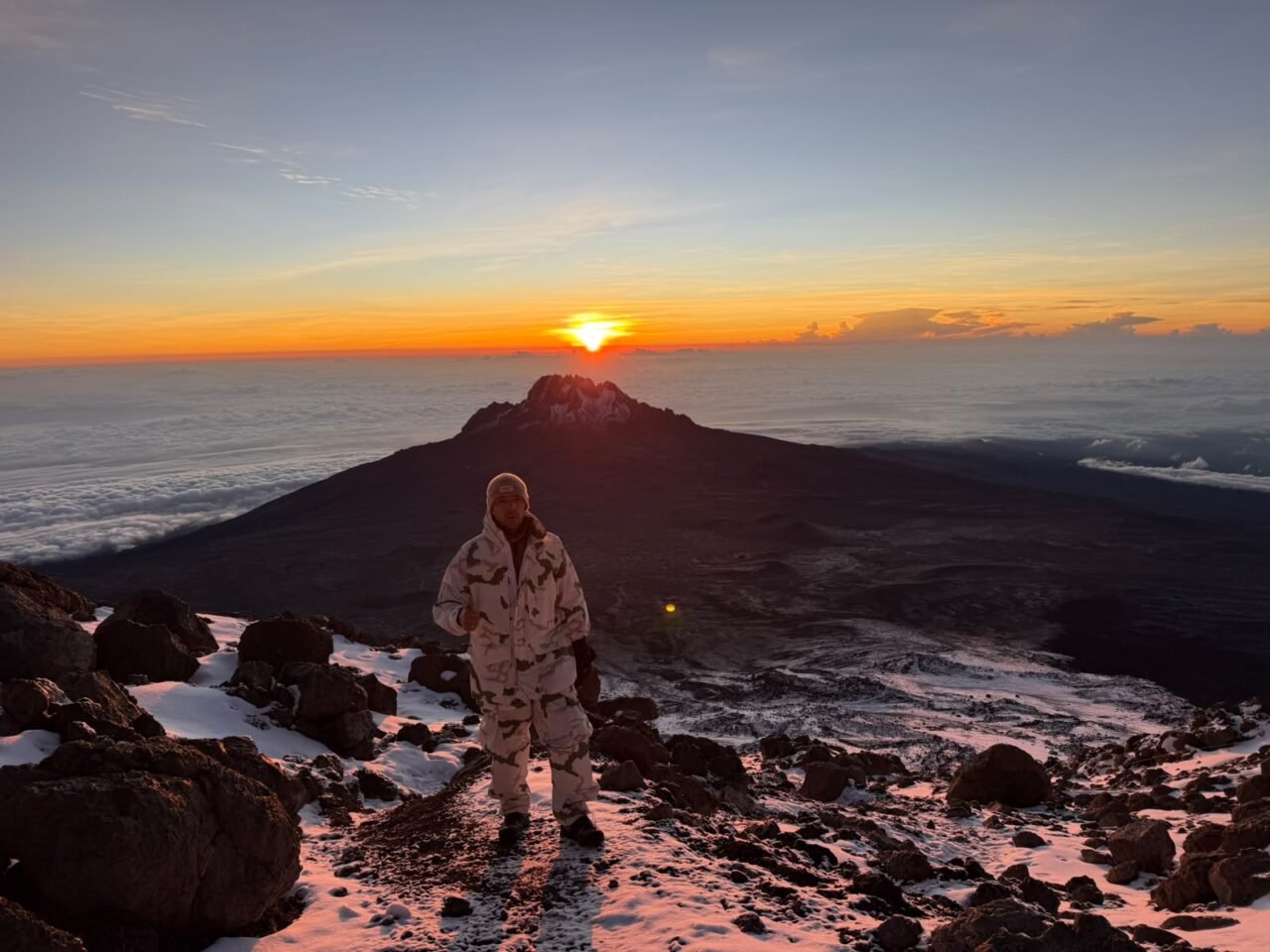
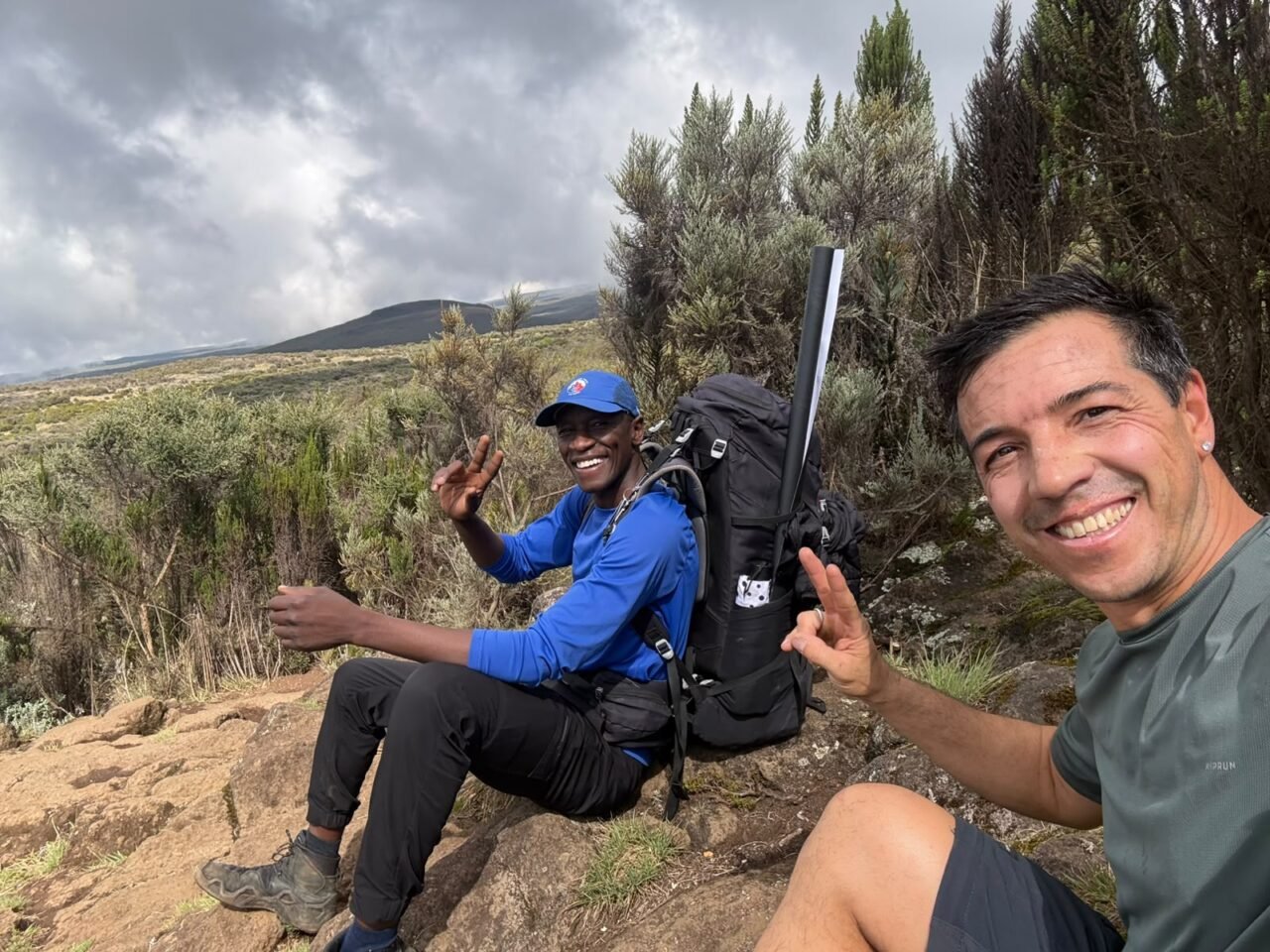
Picking the route for a Kilimanjaro New Year Eve Climb — which option gives the best chance for a 31 December 2026 summit?
The route you choose matters more than many climbers realise when the summit date is fixed to a specific calendar day. Different Kilimanjaro routes offer distinct acclimatisation profiles, lengths, and logistical trade-offs that directly affect whether you arrive at Barafu or Crater Rim with the energy and oxygen needed for a midnight push on 31 December 2026. Below I compare the common routes in terms that matter for a New Year’s Eve summit: altitude gain per day, opportunities for an extra acclimatisation night, shelter and sleeping arrangements, descent logistics, and practical operator considerations.
Why route selection matters for a fixed-date summit
When the summit day is a hard deadline, you cannot rely on “adding another day on the mountain” unless your operator confirms extra permits, tents or huts and food will be available. Choosing a route that naturally spaces altitude gain and offers an extra acclimatisation night without needing ad hoc changes improves your probability of reaching Uhuru Peak on 31 December 2026. Conversely, a route with steep early gains or a compressed itinerary increases AMS risk and narrows tactical options if the group falls behind.
Route comparisons — what to consider
| Route | Typical profile relevant to 31 Dec summit | Pros for fixed-date summit | Cons |
|---|---|---|---|
| Marangu (“Coca-Cola” route) | Often 5–6 days; hut accommodation on most nights where available | Huts reduce cold-related fatigue; well-travelled logistics; clear day-stage distances | Less flexible for acclimatisation pacing; steeper profile on some days; lower overall success rates than longer routes |
| Machame | Typically 6–7 days; varied terrain with good acclimatisation nights | Good balance of acclimatisation and summit-night readiness; high success with 6–7 day schedule | Requires camping logistics; some early steep sections that need managed pacing |
| Lemosho / Shira | Often 7–8 days; gentle long approach across moorland | Best natural acclimatisation; highest summit success when extra nights included | Longer calendar commitment; may not be available in short-notice fixed-date groups |
| Rongai | Generally 6–7 days; approaches from Kenya side with gentler gradient | Gentler initial ascent and lower crowding; good for those arriving from northern approach logistics | Fewer operators; descent logistics may require transfers back to Arusha |
Practical guidance for choosing a route where the summit is 31 Dec 2026
- Prioritise natural acclimatisation over convenience. If your calendar allows, choose a route that gives you at least one deliberate acclimatisation night above 3,500 m (Lemosho, Machame with an extra night) rather than a faster Marangu schedule that compresses gains.
- Confirm in writing whether your booking includes contingency nights. Some operators can extend a Machame or Marangu booking by one night at high camp if weather forces a delay; get that confirmed before arrival so you are not forced to descend prematurely on summit day.
- Consider hut vs tent logistics. Huts (Marangu) reduce the burden of cold and sleeping discomfort but can be busier and have less flexible camp positioning. Tented routes (Machame, Lemosho, Rongai) allow tactical decisions like staying lower an extra night or moving camp positions to optimise summit-night staging.
- Match your fitness and group composition to the route. If you or group members have limited high-altitude experience, favour the gentler gradient routes that build acclimatisation time (Lemosho or a 6–7 day Machame). For experienced high-altitude hikers with tight schedules, a 5–6 day Marangu could be feasible but carries higher risk of summit-day failure.
- Ask about porter ratios and guide experience for New Year departures. Peak-season departures around late December often mean larger groups and variable guide-to-client ratios; confirm your operator’s staffing for the exact 31 December summit departure so load distribution and on-mountain decision-making remain robust.
Decision checklist specific to the 31 December target
- Request route-specific success rates for late-December departures from your operator (ask for historical percentages, not invented guarantees).
- Confirm whether the route you choose allows an extra, planned acclimatisation night without requiring new permits or substantial extra cost.
- Verify sleeping arrangements (hut vs tent), heating/blanket policies and how these might affect late-December comfort and rest quality before summit night.
- Ensure transfer logistics to and from the route are firm—some routes require longer road transfers which matter if flights are tightly scheduled after your summit.
Choosing the right route for a Kilimanjaro New Year Eve Climb is less about prestige than about matching the mountain’s physiological demands to your calendar and tolerance for operational uncertainty. For a firm 31 December 2026 summit target, favour routes and itineraries that intentionally create acclimatisation buffers and confirm, in writing, any tactical flexibility you may need if conditions conspire against a single-night summit attempt.
Locking down the logistical commitments your Kilimanjaro New Year Eve Climb — 31 December 2026 Summit needs
After choosing a route and agreeing on a tentative five- or six-day profile, the most important remaining gap is a precise, written set of operator commitments that will determine whether your Kilimanjaro New Year Eve Climb — 31 December 2026 summit target is operationally realistic. Operators frequently accept late‑December bookings during high season; what separates a safe, predictable plan from a fragile one is the clarity of what the operator will actually provide if the mountain, the group or individual health intervenes. Below are the specific contractual and logistical items to confirm in writing before you pay or finalise international flights.
1. Exact departure date and permit allocation tied to 31 December summit
Ask the operator to confirm the exact park-permit dates and the group departure that correspond to a summit attempt on 31 December 2026. Because park permits are issued by date ranges, you need confirmation that the operator has reserved permits that permit a summit-day of 31 December — not merely a late-December window. Request the permit reference numbers or a written statement that the agency will secure permits for the stated group dates, and note any conditions that would require permit reissue (for example, adding an extra acclimatisation night).
2. Contingency nights, extra tents/huts and food availability
Explicitly confirm whether the operator will provide additional nights on-mountain if weather or medical issues prevent a descent that meets your flight schedule. Key details to request include: whether extra campsite or hut space is guaranteed, whether extra porter/guide shifts will be allocated, and what costs (if any) you will be charged for unplanned extra nights. If the route uses huts (Marangu), ask about hut availability in late December and a clear plan if huts are full.
3. Guide-to-client and porter ratios for the 31 December departure
Peak-season departures often mean variable staffing. For a fixed-date summit target, insist on written confirmation of guide-to-client ratios and porter loads for your specific departure. Best practice is one senior guide per 2–3 clients with assistant guides and an adequate number of porters so that client packs are light. If the operator cannot commit to minimum staffing levels, treat that as a material change and consider other providers.
4. Medical protocols and evacuation logistics specific to your dates
Request the operator’s written medical escalation protocol that will apply to your 31 December summit attempt: the process for on-mountain assessment, who makes mandatory-turnaround decisions, local clinic contacts, and evacuation arrangements. The protocol should list the nearest clinic/hospital, the company used for helicopter evacuation (if any) and the expected timeline for a medically ordered descent. Having this in writing allows you to compare it directly with your insurance and international evacuation coverage.
5. Transfer and post-summit transportation guarantees
Late-December travel logistics are stressed by holiday demand. Ask for a written guarantee that the operator will provide or rebook airport transfers if your descent runs late, including the procedure and any capped fees. If your return international flights are tight, you should see a statement that the operator will assist with rebooking options and provide documentation (summit/descent reports, medical records) required by airlines or insurers.
6. Cancellation, postponement and refund rules keyed to summit failure
Obtain the operator’s cancellation and refund policy specifically for the scenario “summit not reached on 31 December 2026 because of weather, group pace or medical turnaround.” The policy should state whether unused nights are refunded or converted to credit, what additional on-mountain costs you are liable for, and any minimum notice periods for changes. If the operator requires payment for contingency nights only after they occur, get that promise in writing.
7. What to read on your booking confirmation
When you receive a booking confirmation or invoice, verify that the document lists: group departure date, route, permit date range, crew ratios, contingency-night policy, and transfer responsibilities. Cross-check those items against the operator’s written email or contract; if anything is ambiguous, request a revised confirmation before you finalise flights. Keep all correspondence and the final confirmation accessible on your phone and in print for park registration and potential insurance claims.
Securing these commitments in writing does not eliminate the mountain’s unpredictability, but it converts many of the operational unknowns around a Kilimanjaro New Year Eve Climb — 31 December 2026 summit into contractual obligations you can use to make informed decisions about flights, insurance and group composition. If an operator is reluctant to set these items down clearly, treat that reluctance as a red flag and seek another provider who can demonstrate reliable, documented handling of high‑season departures.
What to expect and how to celebrate safely if your summit is Uhuru Peak on 31 December 2026
Reaching Uhuru Peak on 31 December 2026 is understandably a bucket‑list moment; most climbers want to mark New Year’s Eve at the summit. That said, the mountain imposes strict limits: extreme cold, low oxygen, variable visibility, and a tight window for any stop. Understanding what’s realistic at 5,895 m—and planning for a brief, safe celebration—will protect your summit success and keep the group on schedule for the descent and post‑summit travel.
Summit timing and how much time you’ll actually have
A typical summit push begins around midnight from high camp and reaches the crater rim in the early morning hours. Expect to arrive at or near the crater between roughly 5:00 and 8:00 a.m. depending on route, pace and weather; on a 31 December schedule that often means you will be above 5,000 m at the very moment the date changes or shortly thereafter. Time at the actual highest point is usually limited to 10–30 minutes. Your guides will prioritise safe turnaround time to avoid prolonged exposure, frostbite risk and insufficient daylight for the descent.
Practical, low‑risk ways to celebrate on the summit
- Keep it short: Plan for a focused 5–15 minute celebration—sing a line or two of a song, count down for midnight, take a quick group photo—and then start your descent. Extended stops increase hypoxia and cold injury risk.
- Use lightweight props only: Small items—an LED headlamp with coloured covers, a compact flag, or a printable sign—photograph better and don’t add weight or bulk. Avoid glass, alcoholic beverages or any items that pose a hazard in strong winds.
- Dress for immobility: Wear your warmest, windproof outer layers and insulated gloves even before you stop. If you remove gloves to handle a phone or camera, limit that to a few seconds. Bring glove liners and hand warmers if you use them, and stow devices against your body to keep batteries warm.
- Plan the photo: Assign one or two people to manage photos so others aren’t fumbling with cameras. Low battery performance in cold is common—carry spare power in an inner pocket or use a small chemical warmer pack for cameras/phones.
Safety constraints that shape any New Year’s Eve plan
Before imagining a long party at Uhuru Peak, keep these immutable constraints in mind:
- Hypoxia reduces cognitive function and fine motor control—large coordinated activities and complex plans are unreliable at summit altitude.
- Rapid temperature loss: exposed skin can frostbite quickly—especially cheeks, nose and fingers—so avoid removing protective layers for extended periods.
- Weather can change without warning. A clear early‑morning view can give way to whiteout and strong winds; guides may call an immediate descent at any sign of worsening conditions.
- Group turnaround rules: Most operators enforce fixed turnaround times to ensure everyone descends in daylight. If your operator sets a strict limit (for example, 15 minutes), treat it as non‑negotiable.
Communicate your expectations with the guide team in advance
Discuss your New Year’s Eve celebration expectations during your pre‑summit briefing on Day 4. Tell guides if you want a specific photo, a very brief countdown, or a moment for a small group ritual—then accept their safety constraints. Good guides will incorporate a short, meaningful moment into the summit routine while enforcing turnaround times and monitoring everyone’s condition.
Post‑summit logistics after a 31 December ascent
Even if you reach Uhuru Peak at dawn on 31 December 2026, the descent typically takes several hours and often occupies most of the same day. Plan your post‑summit day(s) with this reality: you will be tired, possibly cold, and in need of substantial food and rest. Avoid booking tight evening travel that same day. If you intend to celebrate New Year’s Eve in a town or lodge later that day, confirm with your operator in advance whether that transfer is realistic and whether contingency transport will be provided if descent schedules slip.
Finally, manage expectations among family and friends who may imagine a prolonged, festive summit celebration. For both safety and logistics, a short, well‑planned moment at Uhuru Peak on 31 December 2026 is the appropriate—and most memorable—way to welcome the New Year at Africa’s highest point.
Related Guides and Packages
Check Availability for Kilimanjaro New Year Eve Climb – 31 December Summit 2026
Ready to compare dates, prices, and the best option for your group? Send the package name and travel month so the team can reply with a clear quote, availability, and what is included.
6 Days Marangu Kilimanjaro New Year Climb – 28 December – 2 January 2026
6 Days Marangu Kilimanjaro New Year Climb – 28 December 2026 – 2 January 2027.
View package details5 Days Marangu Kilimanjaro New Year Trek – 29 December – 2 January 2026
5 Days Marangu Kilimanjaro New Year Trek – 29 December 2026 – 2 January 2027.
View package details6 Days Marangu Kilimanjaro Christmas Holiday Climb – 21–26 December 2026
6 Days Marangu Kilimanjaro Christmas Holiday Climb – 21–26 December 2026.
View package details6 Days Marangu Kilimanjaro Full Moon Climb – 20–25 December 2026
6 Days Marangu Kilimanjaro Full Moon Climb – 20–25 December 2026.
View package details5 Days Marangu Route Kilimanjaro Group Climb – 8–12 December 2026
5 Days Marangu Route Kilimanjaro Group Climb – 8–12 December 2026.
View package details
Climb Kilimanjaro In 5-December-2026, Book Now for 2027
climb kilimanjaro in 5-december-2026, Book Now.
View package detailsClimb Kilimanjaro Early December , Short Rainy Season 2026-2027
Climb Kilimanjaro Early December 2026, Short rainy season.
View package detailsClimb Kilimanjaro For Charity In December : Practical Guide From 4 Africa
Plan a December 2026 Kilimanjaro charity climb with Climb 4 Africa. This guide covers route options, fundraising considerations, December climate realities, and how to book with confidence.
View package detailsClimb Kilimanjaro In Budget 12-December-2026, Join Group 2027
climb kilimanjaro in Budget 12-december-2026, Join Group.
View package detailsClimb Kilimanjaro In 12-December-2026, Small Group in 2027
climb kilimanjaro in 12-december-2026, Small Group.
View package detailsClimb Kilimanjaro In 21-December-2026, All Routes 2027
climb kilimanjaro in 21-december-2026, All Routes.
View package details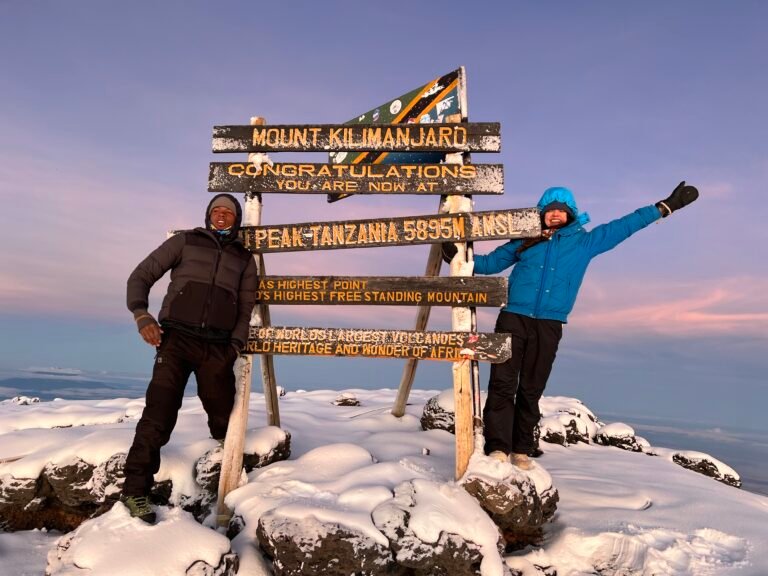
Kilimanjaro Christmas Holiday Trekking Packages December 2026
Kilimanjaro Christmas Holiday Trekking Packages December 2026.
View package detailsNo related package matches those filters. Clear one or more filters to see the other topic-matched options.



