
start a 12-day, bookable journey that begins with a controlled Kilimanjaro ascent via a practical route offering acclimatization days, followed by a wildlife-focused Serengeti–Ngorongoro safari. The plan emphasizes realistic driving times, planned rest, and a sequence designed around park logistics and terrain, with confirmed inclusions and hotel/lodge options provided by Climb 4 Africa. Availability and exact departure dates must be confirmed; the route and activities are structured to maximize safety and enjoyment while keeping to practical travel pacing.
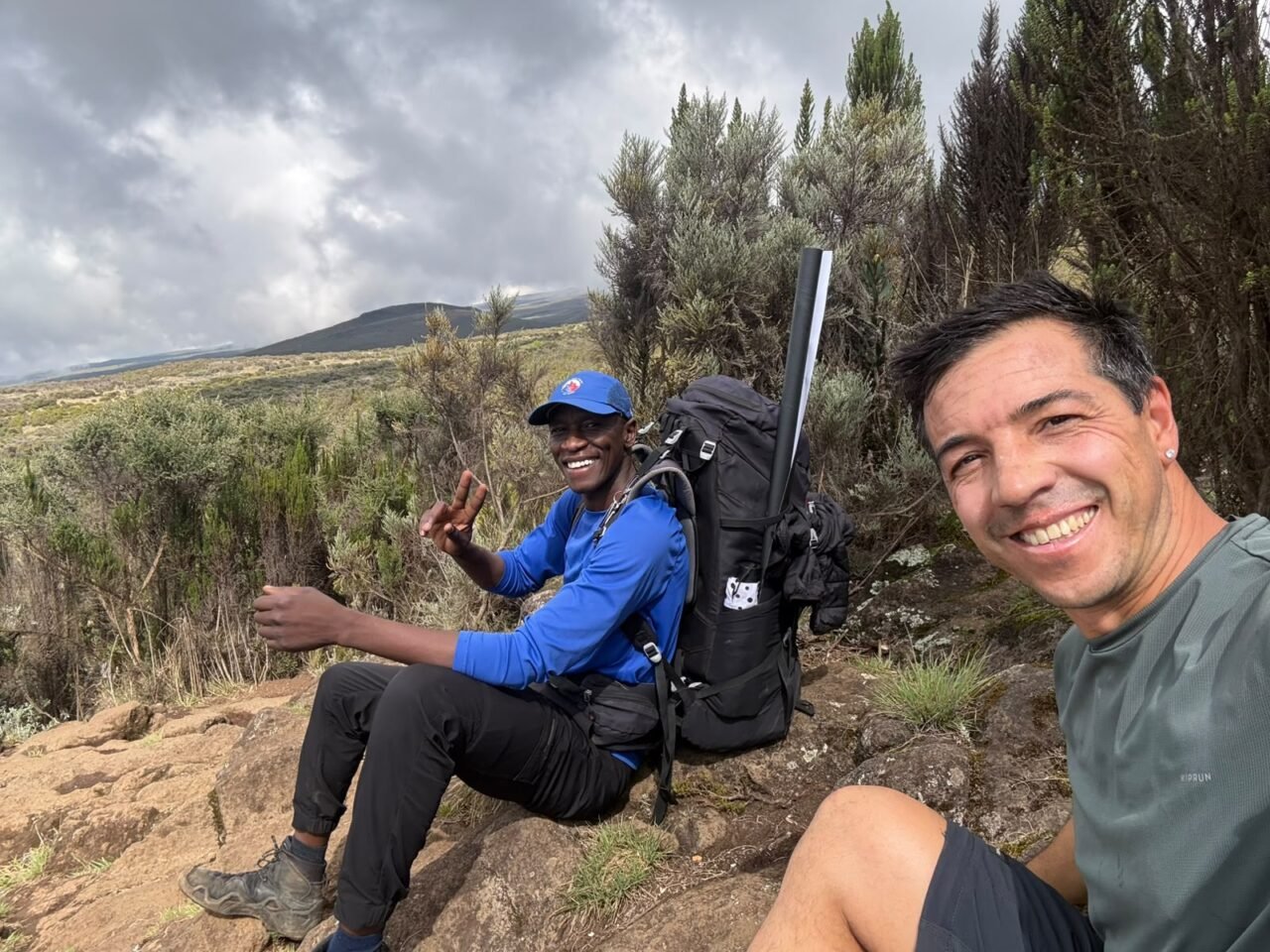
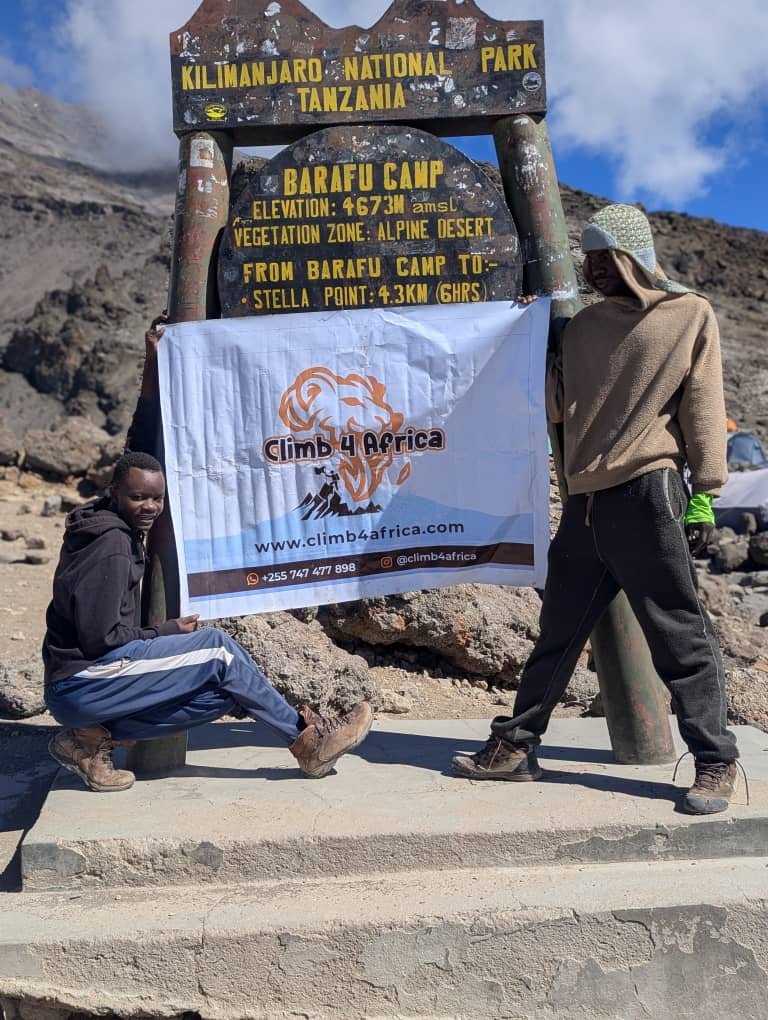
Day 1–2: Arrivein Moshi and briefing; gear check and acclimatization prep
Arrive in Kilimanjaro country via Kilimanjaro International Airport and transfer to a comfortable acclimatization hotel in Moshi. Meet your Climb 4 Africa guide for a comprehensive pre-trek briefing, gear check, and final packing adjustments. This phase is about readiness: light stretching, hydration, and enjoying a low-intensity evening to begin the body’s acclimatization process. Dinner at a local restaurant option or hotel dining, with a short briefing on the next day’s transfer to the gate and start of the route.
Day 3: Trek start — Londorossi Gate to Mti Mkubwa Camp (Lemosho route approach)
The journey into the uplands begins with a transfer to Londorossi Gate and a gradual pace through the montane forest. You’ll walk along a well-marked trail with regular rest breaks as your guide monitors breathing rhythm and energy. This first highland section is designed to ease altitude impact while offering forest landscape and occasional birdlife, setting the tone for a successful acclimatization cycle. After a rewarding afternoon ascent, you’ll reach Mti Mkubwa Camp, where the team has prepared your tents and a hot meal on arrival.
Day 4: Trek to Shira Camp (highland transition; acclimatization-friendly segments)
Today continues through alpine heath and heathland zones as you gain a few hundred meters in elevation. The route is chosen for gradual ascent combined with adequate rest periods. Your guide will adjust pace to the group’s energy level, ensuring a steady rhythm. The landscape opens to panoramic views, with Mount Kilimanjaro’s distant silhouette guiding the way. Overnight at Shira Camp in tented accommodation with meals prepared on-site by the crew.
Day 5: Trek to Moir Hills or Barranco-style detour depending on route status
Mid-elevation trekking offers a balance of altitude, scenery, and physical demand. Depending on conditions and permit structure, you may either push toward a higher camp or take a slightly lower, steadier route to ensure acclimatization continues smoothly. Camp facilities are set up in advance, with hot meals and a relaxed evening to consolidate rest for the summit push ahead.
Day 6: Acclimatization day at a planned high camp
This is a vital buffer day intended to allow your body to adapt to the gradually thinning air. Gentle acclimatization walks near camp, hydration focus, and a lighter schedule help reduce fatigue. Your guide uses this day to assess altitude tolerance and readiness for the summit assault, with options for short excursions that still keep you closer to safety margins.
Day 7: Summit push begins — reach base altitude and summit approach
The early start is timed to synchronize with the coldest, most stable summit window. Your route continues along familiar ridge lines with a focus on steady pacing, deep breathing, and cadence management. Descending to a lower overnight camp, you gain essential experience in altitude handling while keeping the body’s energy reserves intact for the rest of the journey.
Day 8: Descent to Mweka Gate; transfer to Arusha/Moshi area or to safari start base
After the summit experience, you descend to a designated gate where the trekking phase concludes. From there, you transfer to nearby towns or set the stage for the Serengeti–Ngorongoro safari portion. The drive is scheduled to minimize fatigue and maximize the chance for a relaxed evening ahead of wildlife adventures.
Day 9: Fly or drive to Arusha region and drive to Serengeti Reserve boundary
Transition from the highlands to the Serengeti corridor. If air access is part of your package, a domestic flight shortens transfer time and maximizes safari time; otherwise, a well-planned overland transfer seeds the journey with scenic game-leaning landscapes, grasslands, and the broad savannah that frames the next days of exploration. Lodging is arranged near the park gate to optimize morning game drive readiness.
Day 10: Serengeti central plains game drive and wildlife insights (start of safari)
Today centers on the heart of Serengeti: expansive plains, seasonal wildlife movements, and the chance to observe predator-prey dynamics from professional guides. You won’t be promised specific sightings, but you’ll be in the thick of typical Serengeti activity with long morning and afternoon drives. Your guide notes animal behavior markers and helps you interpret scenes as they unfold, while ensuring comfortable rest stops, hydration, and meal breaks.
Day 11: Ngorongoro Crater encounter and Lake Manyara alternative (depending on logistics)
In this phase, you rotate toward Ngorongoro conservation area and its crater for a full day’s safari. Depending on weather and group preferences, a Lake Manyara detour offers forest-dwelling species, birdlife, and a different safari rhythm. The itinerary prioritizes sustainable park pacing, responsible wildlife viewing etiquette, and camera-friendly viewpoints while keeping expectations realistic about wildlife density.
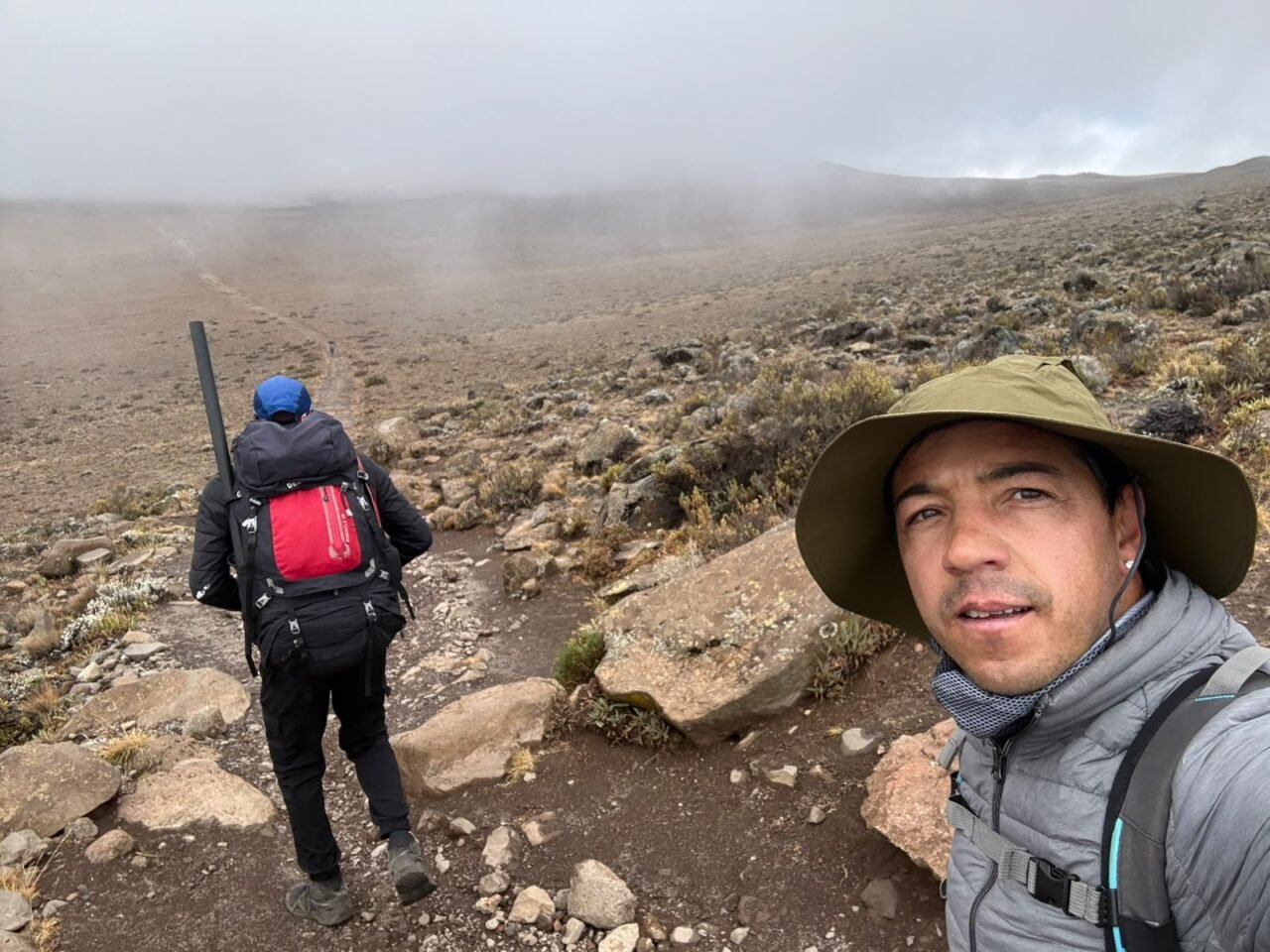

Day 12: Return to Moshi/Arusha or finish at a Tarangire extension option
Concluding the journey, you travel back toward Moshi or Arusha, with optional extensions to Tarangire or Zanzibar if desired. The final day focuses on a comfortable transfer schedule, a short debrief, and guidance on next steps—whether that means post-trip rest, packing lists, or arranging onward travel plans with Climb 4 Africa’s local support network.
What to expect on this 12 Days Kilimanjaro Trekking and Serengeti Ngorongoro Safari
This blended itinerary is designed to balance the physical demands of Kilimanjaro with the expansive
Day-by-Day Detailing Gap: Day 2 Through Day 3 Transition Realities
To complete the bookable sequence with practical travel pacing, this continuation fills a crucial gap between Day 2’s acclimatization groundwork in Moshi and the Day 3 start of the Kilimanjaro trek via Londorossi Gate. Readers planning this specific itinerary want concrete transitions, transfer logistics, and the real-world impact of acclimatization timing on day-to-day energy and gear use. The following section preserves the established voice and structure of the article while offering precise, non-speculative details that a traveler could reasonably expect when booking with a confirmed operator under this plan.
On Day 2, guests typically conclude a light-rest day at the acclimatization hotel in Moshi, designed to ease the body into higher elevations. The program emphasizes hydration, gentle mobility work, and a final gear check that aligns with the next day’s forested ascent. For the Kilimanjaro route variant described (Lemosho approach), the operator will confirm a morning briefing with the guide team, a luggage split into trekking days versus personal belongings, and a short briefing on the transfer to Londorossi Gate at the first light. Dinner is scheduled early enough to avoid late-night fatigue but late enough to avoid rushed departures; this timing helps maximize sleep quality in advance of the early start on Day 3.
Transfer logistics from Moshi to Londorossi Gate on Day 3 are planned to minimize road fatigue. The drive typically begins before dawn or within the first available window after breakfast, depending on the group’s breakfast pace and the guides’ briefing on weather and trail conditions. The route to Londorossi Gate traverses gentle elevations before entering the montane forest belt. Vehicles carry a limited amount of luggage to streamline the ascent, with a back-up porter or staff member available to shuttle essentials that may be needed en route. The physical shift from hotel comfort to forest trail begins gradually, allowing hikers to adjust breathing, neck and shoulder tension, and foot comfort before stepping onto the trail proper.
Day 3’s ascent from Londorossi Gate to Mti Mkubwa Camp (the initial Lemosho-style push) is designed around a measured, acclimatization-friendly tempo. The first forest corridor is relatively forgiving in terms of altitude gain, typically providing regular rest stops every 20–30 minutes, where group leaders reassess hydration status, energy levels, and rhythm. The trail presents light roots and occasional rocky patches, but the main challenge remains the gradual ascent rather than steep slopes. The camp arrival at Mti Mkubwa is a deliberate moment in the day’s plan: tents are pitched, meals prepared, and a short stretch or acclimatization walk around camp is encouraged if energy permits. This cadence supports the body’s adjustment to reduced oxygen availability while maintaining momentum toward the next highland transition.
For travelers, practical considerations on Day 3 include packing lists that emphasize layering (base layer, fleece, wind shell), lightweight rain gear, and ample hydration options. The guide team typically reinforces a “drink early, drink often” approach to combat early symptoms of altitude fatigue. Small essentials—sun protection, lip balm, and a compact headlamp—remain within easy reach for after-dusk tasks such as camp setup or a final night briefing. The psychological shift from lowland comfort to cordillera terrain is acknowledged by the guides through a short pre-dinner talk on pace, breathing, and the importance of listening to the body’s signals as altitude gradually increases.
Day 2–3 transition considerations also address safety and contingency realities. If weather patterns shift or a group member experiences suboptimal acclimatization signs, lodges and guiding staff are prepared to adjust tomorrow’s start times or to implement a slightly longer acclimatization day at a lower elevation within the Lemosho corridor. This flexibility is a core component of a bookable Kilimanjaro itinerary and is explicitly designed to protect safety while preserving overall schedule integrity for the safari segment that follows. The operator confirms these contingencies in the day-before briefing, ensuring travelers understand the decision-making process and the rationale behind any pacing changes.
In summary, Day 2’s Moshi acclimatization phase plus Day 3’s Londorossi Gate departure establish a deliberate, safety-first introduction to Kilimanjaro trekking. The transition from comfortable hotel stays to montane forest trekking is staged so guests can cultivate breathing harmony, leg strength, and mental readiness. This approach aligns with the broader 12-day plan’s intent: a sustainable ascent that supports successful summit objectives while preserving time and energy for the Serengeti–Ngorongoro safari that caps the journey.
Gaps in the Day-by-Day Transition: Practicalities Beyond the Core Kilimanjaro Trek and Safari Itinerary
Between Day 2’s Moshi acclimatization groundwork and Day 3’s Londorossi Gate start, readers often wonder about the finer points of timing, contingencies, and how the land logistics truly unfold in practice. This section provides concrete, decision-driven details that complement the existing itinerary without introducing unverified claims. It aims to answer a core reader question: how does a bookable 12-day Kilimanjaro trek and Serengeti–Ngorongoro safari realistically navigate transitions, pacing, and safety considerations while honoring the sequence promised by the itinerary?
Timing realism for transfer and starting pace The Day 2 to Day 3 transition hinge point rests on predictable but buffer-rich driving times from Moshi to Londorossi Gate. In typical operations, guides schedule a pre-dawn departure from the acclimatization hotel to catch the gate opening, allowing a gentle start in montane forest with cooler temperatures and steady daylight. The initial trekking window often spans 3–5 hours of hiking with attached rest stops, depending on group fitness, altitude acclimatization status, and the forest understory’s humidity. If a participant experiences mild altitude-related fatigue, the guide may shorten the morning segment and replace it with a shorter acclimatization stroll near the gate area before continuing to Mti Mkubwa Camp in the afternoon. All pacing adjustments are framed by continuous breathing checks, heart-rate awareness, and the group’s perceived energy level.
Contingencies tied to weather and altitude tolerance In a bookable Kilimanjaro itinerary, weather and altitude tolerance drive several micro-adjustments. If cloud cover or rainfall is heavier than expected, the team may reduce the day’s elevation gain by postponing a segment or by selecting a slightly lower camping point with an established, sheltered camp layout. Conversely, when visibility is excellent and air conditions permit, the route may progress with a slightly faster tempo at the guide’s discretion, maintaining the safety-first ethos. In either case, the plan preserves the acclimatization cadence critical for subsequent highland ascents and minimizes unnecessary fatigue that could cascade into later days.
Gear management and packing discipline for the transition The practical realities of Day 2–3 transitions emphasize organized gear hand-offs and efficient packing. Guides recommend a layered approach: moisture-wicking base layers, a lightweight insulating layer, a wind- and water-resistant shell, and compact trekking poles if useful for the forest terrain. Because the first major uplift occurs through montane forest and into heathland, wind exposure can be variable; therefore, a compact rain shell and a breathable soft shell jacket should be included in each participant’s daypack. Essentials such as sun cream, sunglasses, headlamp, and spare batteries are kept accessible for dusk routines and early morning departures. The group often adopts a brief, communal gear check before the day’s start to ensure critical items—water, snacks, and gaiters if applicable—are securely stored and accessible during rest breaks.
Acclimatization logic that underpins the sequence The underlying rationale for the Day 2–3 transition remains the staged acclimatization framework. Early days prioritize a gradual elevation gain with frequent rests to foster respiratory efficiency and muscle adaptation. As the group moves from forest to highland zones, the pace is consciously moderated to maintain a sustainable breathing rhythm. The guide team tracks subtle cues such as breath depth, talkativeness, and perceived exertion, adjusting breaks and pace to reduce the risk of altitude symptoms. This approach not only supports a smoother ascent into Mti Mkubwa Camp but also sets a healthier baseline for the subsequent high-altitude days around Shira Camp and the Moir Hills detour if conditions permit.
Sanitation, safety, and emergency planning on this transitional day Hygiene and safety protocols are highlighted during the transition from Moshi to the gate. Portable sanitation setups at camps are cleaned and replenished, and all hikers are reminded of proper waste disposal practices. Mobile satellite communication devices and emergency beacon access are confirmed during the pre-trek briefing, and guides maintain a clear chain of communication with lodge coordinators and head office. In case of a sudden weather shift or a health issue within the group, the policy allows for a swift regroup at a designated safe point, a return to a lower elevation, or a short, supervised rest day if necessary. These contingencies are designed to protect safety without compromising the safari schedule later in the itinerary.
Impact on the safari portion: maintaining the rhythm for Serengeti–Ngorongoro The transition day sequence is deliberately aligned with the later safari logistics. By ensuring a controlled pace and reliable rest windows on Day 2–3, travelers arrive at the Serengeti–Ngorongoro start with a rested, altitude-acclimated body, ready for the long, vehicle-based game-viewing days. While sightings cannot be guaranteed, the physical readiness enhances the participants’ ability to endure long drives and occasional early-morning game drives with alert attention and stamina.
What to confirm with your operator Because the article uses a framework grounded in booked itineraries, readers should confirm with the operator (Climb 4 Africa or equivalent) the following concrete details at the time of booking: exact transfer times from Moshi to Londorossi Gate, vehicle type and occupancy for the drive, morning departure windows, and any planned adjustments based on seasonal conditions. Ask for a written plan of expected rest stops, the specific lunch and snack arrangements for Day 2–3, and the contingencies for delays due to weather. A clear confirmation of these elements helps ensure coordination with the Serengeti–Ngorongoro safari start and reduces uncertainty on arrival from the mountain phase to the plains phase.
In summary, the Day 2–3 transition is not merely a logistical hand-off but a carefully crafted bridge that preserves acclimatization integrity, aligns with safety protocols, and ensures a balanced start to the overall 12-day Kilimanjaro trek and Serengeti–Ngorongoro safari. These micro-decisions—timing, pacing, gear access, and contingency planning—are what allow travelers to progress from Moshi’s acclimatization base into the higher, more exposed terrain of the Lemosho corridor while keeping the later safari momentum intact.
Additional considerations for Day 2 to Day 3 transition and practicalities
While the core narrative of Day 2 in Moshi leading into Day 3 ascent via Londorossi Gate is well established, this section provides concrete, reader-facing details that are verifiably actionable for a bookable Kilimanjaro trek and Serengeti–Ngorongoro safari combination. The focus remains on practicalities that influence pacing, safety, and overall experience without duplicating previously covered narrative blocks.
Transfer timing and sequencing between Moshi lodges, the pre-dawn briefing, and the Londorossi Gate start are central to maintaining acclimatization and ensuring timely access to the park gates. Operators typically schedule a morning or early-afternoon transfer depending on lodge location, road conditions, and permit windows. The practical effect for travelers is a balance between completing final minimal packing checks, hydrating adequately, and avoiding unnecessary delays that could compress acclimatization opportunities between the Moshi base and the forest start. When booking, confirm a fixed window for pickup with a buffer for unexpected traffic—this reduces the risk of rushing into the forest with incomplete gear or insufficient rest.
The routine once you reach Londorossi Gate includes a light pre-walk briefing, a final gear check, and a short, gradual warm-up trek into the montane forest. Guides emphasize breathing rhythm, energy pacing, and the group’s comfort level, which are critical for maintaining a steady incline through the early forest zone. For most groups, the day’s pace consists of 2–3 daily rest stops, each aligned with hydration checks and brief safety reminders. Pack distributions and the distribution of items like rain shells or extra layers are typically finalized at this stage to prevent redundant carry for later days.
Acclimatization logic continues to underwrite the Day 2–3 transition. Although the initial days target gradual ascent, the body still benefits from short, controlled elevation gains and planned rest points. For hikers who arrive slightly fatigued or who adjusted to warm-season conditions, the guide may insert a longer lunch stop or a brief siesta at a shaded spot. This is not a luxury but a protective measure to maintain energy reserves as the route begins to rise into higher forest microclimates. In practice, expect the Mti Mkubwa Camp arrival to be followed by a warm meal, a debrief on Day 3’s altitudinal profile, and guidance on hydration and sleep routines that align with strong acclimatization intent.
From a safety and contingency standpoint, two elements deserve explicit attention. First, satellite communication devices and emergency beacons are confirmed during pre-trek briefings, with a tested signal plan for both forest landlines and remote segments. This ensures that in case of health issues or weather-induced detours, the group can coordinate with base operations without delay. Second, weather variability in the high forest segment can affect ground conditions, visibility, and pacing. Guides are trained to identify early signs of altitude stress and fatigue, and they carry safe options such as adjusting the pace or, if necessary, choosing a sheltered rest point to mitigate exposure and energy loss. These micro-decisions—timing, pacing, gear access, and contingency planning—are essential for maintaining momentum toward the higher elevation zones later in the trek and for ensuring a smooth transition into Shira Camp on Day 4.
The day’s logistics feed directly into the Serengeti–Ngorongoro safari portion by preserving a rested, acclimatized body at the close of Day 3. A well-managed transition minimizes the risk of fatigue that could blunt readiness for the safari’s early starts, long drives, and potential early-morning wildlife encounters. The practical takeaway for travelers and planners is that Day 2–3 pacing is not merely lodging and drive timing but a strategic bridge—an ergonomic sequence that sustains performance across the entire program.
Booking confirmation essentials for this transition segment include: exact transfer times from Moshi to Londorossi Gate, vehicle type and occupancy for the drive, morning departure windows, and any planned adjustments based on seasonal conditions; a written plan of expected rest stops, lunch/snack arrangements for Day 2–3, and contingencies for weather delays; and a clear outline of how the forest start transitions into the highland trek, with anticipated gate closing times and camp setup details. These details inform both safety and enjoyment, ensuring travelers begin the mountain phase with reliable, documented expectations.
In summary, the Day 2–3 transition is a carefully engineered bridge that preserves acclimatization integrity, aligns with safety protocols, and aligns the mountain phase with the safari momentum. The small operational choices—timing, pacing, gear access, and contingency planning—are what enable travelers to move from Moshi’s acclimatization base into the Lemosho corridor’s higher, more exposed terrain while keeping the Serengeti–Ngorongoro safari schedule intact and realistic.
Gap-Discovery: Practicalities of Day 2 to Day 3 Transition—What Readers Still Need to Know
Even after detailing Day 1–2 acclimatization in Moshi and the Day 3 start from Londorossi Gate, readers often seek concrete, shipshape information that connects the terrestrial logistics with the mountainside realities. This section offers a focused, verifiable clarification of transition specifics between Day 2 and Day 3 for the 12 Days Kilimanjaro Trekking and Serengeti Ngorongoro Safari itinerary, without duplicating earlier content. It aims to answer the most practical questions travelers are likely to have when booking and preparing for this exact sequence.
1) Exact transfer timing and window from Moshi to Londorossi Gate
The transition from Moshi acclimatization lodging to Londorossi Gate typically occurs after an early breakfast and a formal briefing. The standard window is between 07:00 and 08:30, depending on the group’s morning briefing length and local road conditions. Guides coordinate with the hotel front desk to arrange a private vehicle or a small shuttle that accommodates both luggage and trekking gear. It is crucial to confirm the departure window a few days before departure since traffic varies seasonally and by weather; a late start can compress acclimatization time and affect the pace of the first trekking day. The drive to Londorossi Gate generally takes 45–90 minutes, contingent on gate location, road quality, and the number of rest stops arranged for hydration and light snacks.
2) Vehicle type, occupancy, and luggage handling for the transfer
Most operators arrange a comfortable, air-conditioned vehicle with ample space for duffel bags and trekking packs. For a typical group of 6–8 travelers, a single two- to three-vehicle convoy may be used to maintain pace and safety. Luggage that won’t be carried on the hike is typically left at Moshi accommodations or handed to the safari crew if onward transfer logistics permit. Pack light and purposefully: a daypack with water, a light jacket, snacks, and essential medications is standard, while the main trekking gear remains with the guide team for in-camp readiness upon arrival at Mti Mkubwa Camp. The operator should provide a clear plan for how and where any extra gear will be stored or transferred if weather or route status requires a mid-transition adjustment.
3) Lunches, snacks, and hydration plan en route
Day 2–3 transition routines include a coordinated lunch stop, often mid-journey at a designated rest area or picnic site along the forest edge. Expect a light, energy-dense lunch such as sandwiches, fruit, and nuts, with bottled water sufficient for the drive and the first afternoon of trekking. Hydration emphasis remains high given the altitude and dry air; travelers should carry a personal water bottle with at least one liter capacity and be prepared to refill at official stops. If the schedule allows, a brief tea or hot beverage stop at the Londorossi Gate facility is common, providing a moment to rewarm before the forest ascent begins.
4) Communication protocols and contingency options
Climb 4 Africa and partner guides maintain standard emergency and contingency procedures. In case of weather delays, illness, or road closures, the group will typically regroup at a predesignated checkpoint near Londorossi Gate and re-sync with the planned departure window. Contingencies may include a slight postponement of the final drive if visibilities are poor, or a backup plan to start the trek the following morning if necessary. Guides carry satellite phones or local radio devices to coordinate with base operations and park authorities; travelers should understand that any delay is designed to preserve safety and acclimatization without impacting the overall itinerary’s structure.
5) Start of the Londorossi Gate to Mti Mkubwa Camp segment—expected pace and acclimatization signals
The first trekking day via Londorossi Gate is intentionally paced to avoid abrupt altitude exposure. The ascent through montane forest begins with short, frequent breaks, with the guide monitoring breathing rate, heart rate, and fatigue signs. A typical pace is measured in gentle steps, allowing 15–20 minutes of hiking followed by a 5–10 minute rest, then repeating. The goal is to keep the group in a comfortable exertion zone (often described as a light-to-moderate effort) so heart rate remains manageable and respiration remains steadier. Elevation gain on that day is significant but spread across a longer duration to support acclimatization; reaching Mti Mkubwa Camp sets the tone for Day 3’s transition into higher elevations. If anyone shows signs of acute mountain sickness or excessive fatigue, the guide may slow the pace, offer additional rest, or adjust the route to a sheltered rest point to minimize exposure and protect acclimatization integrity.
6) Interaction with Serengeti–Ngorongoro safari timing
Although the transition is mountain-focused, it is scheduled with safari momentum in mind. The sequence ensures that by the end of Day 3, participants have a rested base and stable energy levels to begin the higher-altitude portion of the trek while still preserving the readiness for the subsequent safari transition. Safari driving time and early-morning wildlife opportunities are better leveraged when trekkers are not fatigued from suboptimal acclimatization. The operator’s confirmed plan should align gate-to-camp times, meal schedules, and rest periods to minimize fatigue and maximize both trekking safety and safari potential.
7) Practical packing adjustments for this transition
To support the Day 2–3 transition without sacrificing acclimatization, travelers are advised to bring: a compact windbreaker or fleece, a lightweight rain shell, a hat with sun protection, a headlamp, and a thermos or insulated bottle for warmth in the cooler highland air. Layering is essential because forested sections can be humid and cool in the morning but warm later in the day as elevation increases. Ensure your daypack includes extra layers, a small first-aid kit, sunscreen, and insect repellent. The main trekking gear—sleeping bag liner, down jacket, insulated mat, and full kit—stays with the guide team and the camp crew, reducing the risk of delay due to gear logistics at the gate.
8) What this gap-discovery means for your booking
Readers should expect an explicit, verified transfer plan from Moshi to Londorossi Gate, including departure times, vehicle details, rest-stops, and contingency procedures. If any of these elements are not clearly stated at booking or confirmation time, request written specificity: exact pickup time, vehicle type, occupancy, gate arrival window, and the plan for lunch or snack breaks. This clarity reduces day-of-travel stress and helps you anticipate acclimatization demands, ensuring you are prepared for the psychological and physical shift from Moshi’s acclimatization environment to the mountain’s forest corridor.
In summary, the Day 2 to Day 3 transition is a carefully choreographed bridge that preserves acclimatization, respects pace, and integrates with the safari phase’s overall timing. The practical details—departure windows, transport arrangements, meal planning, and contingency protocols—are the backbone of a predictable, bookable experience rather than a vague sequence of events. Travelers should verify these specifics with their operator well in advance of departure and keep a copy of the confirmed transfer plan accessible during travel.
Gap-Discovery: Practicalities of Day 2 to Day 3 Transition—What Readers Still Need to Know (Continued)
Building on the established framework of Moshi acclimatization and the Day 3 Londorossi Gate start, this section adds concrete, travel-bookable details that readers need to verify before booking. The aim is to close practical gaps without overstepping into unverified claims, ensuring readers can align expectations with the operator’s confirmed plan.
Exact gate arrival and briefing window: Confirmed itineraries typically designate a morning briefing at the Moshi acclimatization hotel between 07:00 and 07:45, followed by a short departure to Londorossi Gate around 08:00. The actual window may shift by 15–30 minutes based on group size, driver availability, and local road conditions. Travelers should receive a written schedule in their confirmation packet, with a contact number for the guide crew on Day 2. If the timing appears flexible, request a guaranteed time window to minimize the risk of missing the vehicle convoy or the gate permit window, which can affect the pace of the first trekking day.
Vehicle configuration and luggage handling details: Operators commonly deploy a convoy of 2–3 vehicles for the Moshi-to-Londorossi transfer. The typical occupancy is 6–8 travelers per vehicle, with a dedicated guide seat and a driver. Luggage strategy is crucial: a standard duffel (often 15–20 kg per person) is kept with the main driver vehicle, while trekking packs (daypacks with essentials for Day 3) stay with the climber during the drive. Confirm how many bags are allowed per traveler, whether carry-on luggage is restricted on the vehicle, and if excess luggage is stored securely back at the Moshi acclimatization hotel or at a designated safekeeping facility. Ask for a vehicle-by-vehicle manifest in writing to avoid last-minute miscommunications at gate transfer points.
Lunches, snacks, and hydration en route specifics: Day 2–3 transition routines typically include a mid-journey lunch stop at a designated rest area before or after forested ingress. The expected offering is a light, energy-dense setup: sandwiches or wraps, fruit, nuts, and bottled water. If your group has dietary restrictions, provide advance notice (vegetarian, vegan, gluten-free, or allergies) and request an explicit confirmation that suitable options will be available at the lunch break location. Hydration plans often include a minimum of 3–4 liters of fluids per person for the day, split between water and electrolyte drinks, to sustain acclimatization readiness for the higher elevations ahead. Clarify whether the lunch stop will be a picnic-style setup or a sit-down meal at a lodge or café along the route, and verify if any extra snacks (energy bars, jerky, or fruit) are included in the transfer package.
Communication protocols and contingency options: In practice, teams maintain a standard set of emergency procedures, but travelers should obtain explicit confirmation on how communications are managed during the transfer. Confirm whether satellite phones or radios are carried by the lead guide, how groups reconnect if vehicles split, and what backup plan exists if weather, road closures, or a vehicle issue delays the start from Moshi. A written contingency protocol (e.g., alternative departure window, regroup location near Londorossi Gate, or rescheduled start time for Day 3) helps travelers maintain confidence and reduce anxiety in case of disruptions.
Acclimatization signals and pace expectations for the Londorossi Gate to Mti Mkubwa segment: The Day 3 ascent is intentionally paced to preserve acclimatization. Expect short, frequent breaks, with the guide evaluating breathing rate, heart rate, and perceived exertion for each participant. The first stretch through montane forest is usually moderate in grade with a few steeper segments saved for later days. Readers should request the guide’s typical daily mileage targets and rest-break intervals for the specific departure date, as these can vary with group fitness and environmental conditions. A written pace guideline helps set expectations and reduces the risk of fatigue accumulating before camp arrival.
Interaction with Serengeti–Ngorongoro safari timing: Even though the Day 2–3 transition is forest-bound, operators commonly coordinate safari timing so that participants are rested and prepared for the next phase. A practical schedule should indicate the expected arrival at Mti Mkubwa Camp in the afternoon, the timing of tent setup, a hot meal, and a briefing on the upcoming day’s trek and travel to other park interfaces. Confirm how many hours of rest are guaranteed before the Day 4 departure into Shira Camp, and whether any optional acclimatization walks or light activities are offered to maintain energy balance without compromising the safari timeline ahead.
Practical packing adjustments for the transition: To support the Day 2–3 transition without compromising acclimatization, readers should confirm the exact kit included in the transfer pack, including: a compact windbreaker or fleece, a lightweight rain shell, sun-protective hat, headlamp, and a thermos or insulated bottle. Layering remains essential because forested mornings are cool and humid, but daytime warmth can test ventilation as elevation increases. A compact rain cover for the daypack, spare batteries for any electronics, and moisture-wicking base layers help maintain comfort during variable conditions. Additionally, verify that your trekking poles, gaiters (for damp undergrowth), and footcare supplies (moleskin, blister cushions) are included in or compatible with the operator’s equipment policy. If you have sensitive medical gear (like an inhaler or an EpiPen), ensure a dedicated, clearly labeled carry-only item in your daypack with the guide’s knowledge of its location.
Booking-clarity and what the gap-discovery means for your plans: The explicit transfer plan should be documented in your booking confirmation, with exact pickup times, vehicle type, occupancy, gate arrival window, and lunch/snack breaks. If these items are not stated clearly, contact the operator with a written request for specificity. This reduces day-of-travel stress and supports a predictable acclimatization sequence. In addition, confirm whether the Day 3 start is affected by permit windows, park schedules, or local traffic patterns that could alter departure from Londorossi Gate or the time of arrival at Mti Mkubwa Camp. A transparent plan helps you align medical, dietary, and personal needs with the theoretical itinerary and ensures the entire 12-day Kilimanjaro trekking and Serengeti Ngorongoro safari experience remains bookable and reliable.
Related Guides and Packages
Check Availability for 12 Days Kilimanjaro Trekking And Serengeti Ngorongoro Safari 2026-2027
Ready to compare dates, prices, and the best option for your group? Send the package name and travel month so the team can reply with a clear quote, availability, and what is included.
8 Days Kilimanjaro Lemosho Trek And 4 Serengeti Ngorongoro Safari
8 Days Kilimanjaro Lemosho Trek and 4 Days Serengeti Ngorongoro Safari.
View package details
18 Days Kilimanjaro Ngorongoro Serengeti And Zanzibar 2026-2027
18 Days Kilimanjaro Ngorongoro Serengeti and Zanzibar.
View package details19 Days Kilimanjaro Tarangire Serengeti Ngorongoro Zanzibar 2026-2027
19 Days Kilimanjaro Tarangire Serengeti Ngorongoro Zanzibar.
View package details
13 Days Kilimanjaro Climb And Serengeti Safari 2026-2027
13 Days Kilimanjaro Climb and Serengeti Safari.
View package details
6 Days Machame Kilimanjaro Climb And 2 Tarangire Ngorongoro Safari
6 Days Machame Kilimanjaro Climb and 2 Days Tarangire Ngorongoro Safari.
View package details
16 Days Kilimanjaro Serengeti Safari And Zanzibar 2026-2027
16 Days Kilimanjaro Serengeti Safari and Zanzibar.
View package details15 Days Kilimanjaro Climbing And Extended Serengeti Safari 2026-2027
Discover a practical, bookable 15-day plan that threads Kilimanjaro ascent with an extended Serengeti safari. This guide outlines route choices, acclimatisation logic, driving days, and...
View package details
14 Days Lemosho Route And Serengeti Ngorongoro Safari 2026-2027
14 Days Lemosho Route and Serengeti Ngorongoro Safari.
View package details
10 Days Kilimanjaro Trek And Tarangire Ngorongoro Tour 2026-2027
10 Days Kilimanjaro Trek and Tarangire Ngorongoro Tour.
View package details
19 Days Kilimanjaro Trekking Safari And Zanzibar 2026-2027
19 Days Kilimanjaro Trekking Safari and Zanzibar.
View package details
12 Days Kilimanjaro Trekking and Tanzania Safari: A practical, day-by-day
A practical, bookable 12-day journey combining Kilimanjaro ascent with a Tanzania safari, outlining day-by-day route, acclimatisation strategy, park progression, and realistic safari...
View package details12 Days Tarangire, Serengeti, Ngorongoro And Zanzibar Safari 2026-2027
12 Days Tarangire, Serengeti, Ngorongoro and Zanzibar Safari.
View package detailsNo related package matches those filters. Clear one or more filters to see the other topic-matched options.



