
Prepare for a practical, joined 7-day Machame Route climb and a 3-day Big Five safari by balancing high-altitude trekking with a focused wildlife circuit. You’ll summit Kilimanjaro via Machame, then switch to a curated safari circuit to maximize wildlife experience while keeping travel logistics manageable and safe. Expect scenic alpine balance, gradual acclimatization, thoughtful park choices, and time-efficient transfers to minimize fatigue.
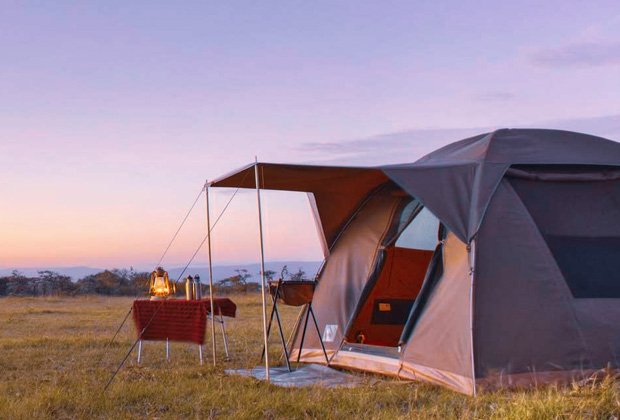
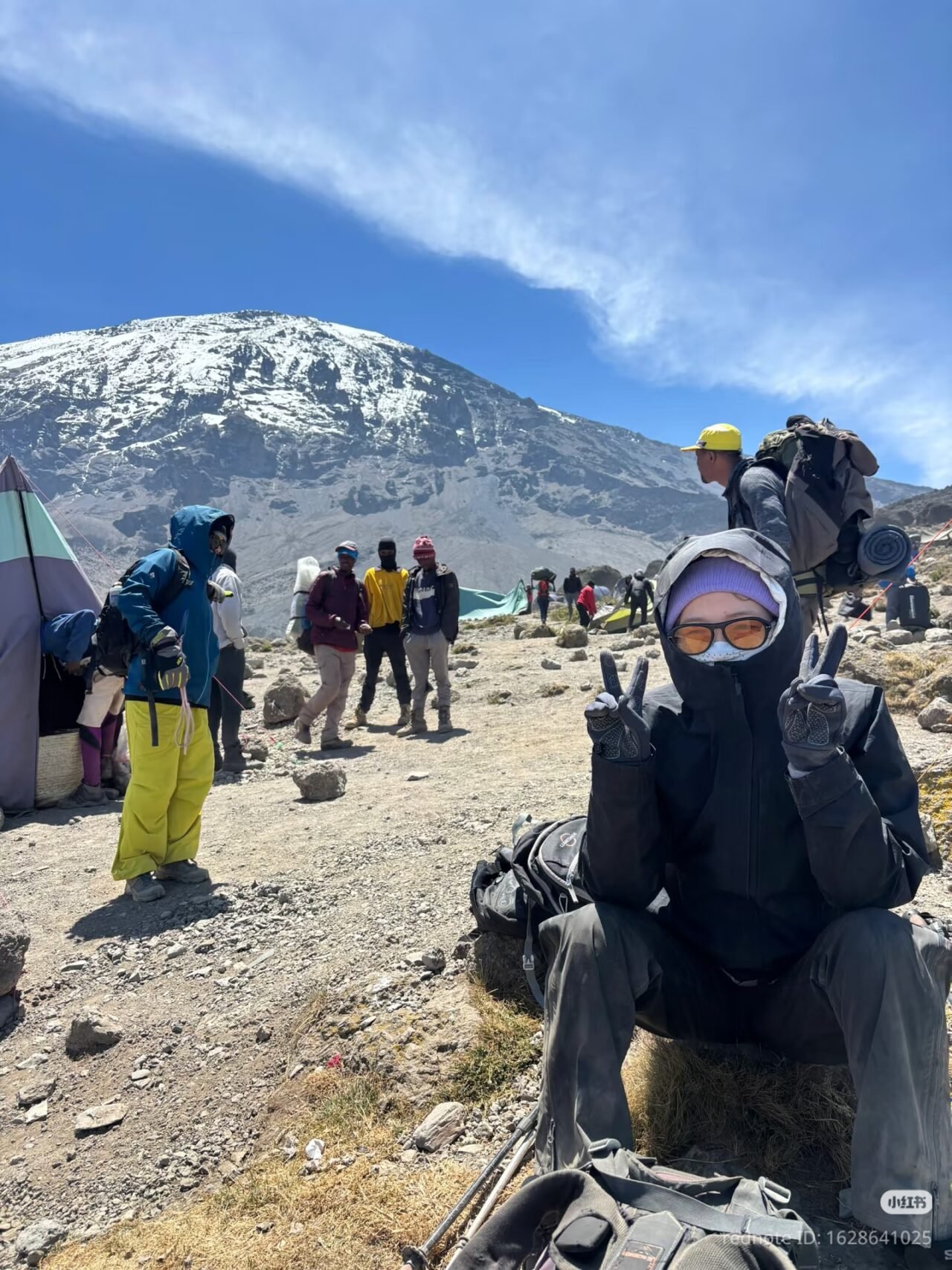
In this first installment, we’ll set the frame: what you gain from pairing a Kilimanjaro ascent with a short, high-yield safari, and how to structure the week for a steady pace, reliable support on the ground, and opportunities to adjust along the way. The plan emphasizes practical decisions—when to push, when to rest, where to stay, and how to move between highlands and wildlife reserves with minimal hassle.
Why combine Machame with a Big Five safari?
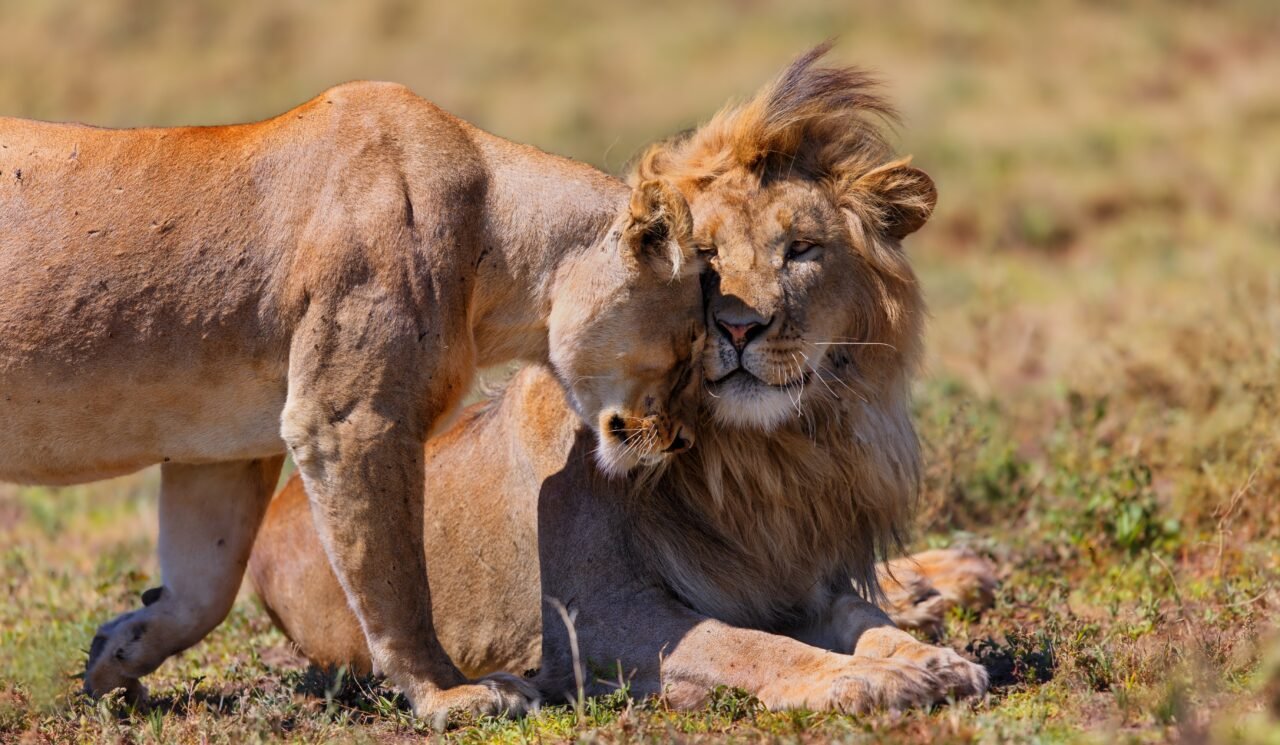
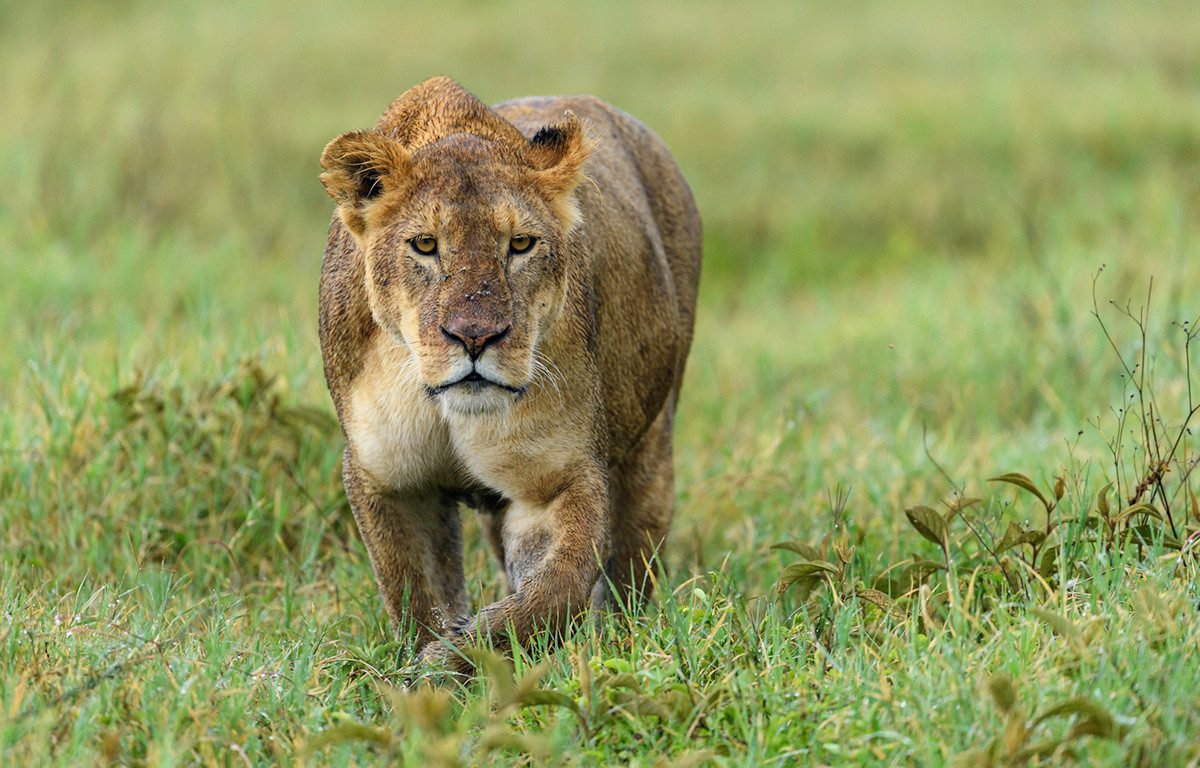
The Machame Route is a classic ascent for its scenery, rhythm, and acclimatization profile. Pairing it with a 3-day Big Five safari creates a compact, high-value experience: you chase the thrill of summiting Africa’s highest free-standing mountain, then spend a short window in reliable wildlife habitats to witness elephants, lions, leopards, rhinos, and buffalo in natural settings. The combination makes sense for travelers who want a well-rounded Tanzania adventure without a long, expensive post-climb extension.
Practical rhythm and pacing
Expect a two-phase week: the first half focuses on altitude, trail, and acclimatization on the Machame route; the second half shifts to vehicle-based game drives, flexible wildlife viewing, and easy, comfortable lodge stays. The switch from trekking days to safari days is designed to minimize fatigue, with buffers built in for weather, trail conditions, and rest needs.
What the 7-day Machame Route part covers
The Machame portion follows the standard 7-day itinerary, optimized for gradual acclimatization and scenic variety. While exact day-by-day timings are set by guides on departure, you’ll typically see: a forested start, alpine terrain, a high camp approach, and a summit push with a pre-dawn wake-up. This sequence supports acclimatization while maintaining a steady, achievable pace.
Day-by-day rhythm you can expect
Day 1: Moshi to Machame Gate, transfer to hut, trek through montane forest to first camp. Day 2: Higher forest to second camp, where views open and rest becomes essential. Day 3: Crossing into heath and moorland, with opportunities to practice breathing control and pace. Day 4: Summit day prep with a short final ascent to high camp and rest. Day 5: Summit attempt with dawn push, descend to Mweka Camp. Day 6: Brief acclimatization stroll, then transfer toward the gate. Day 7: Final departure after breakfast; handover to safari base or connecting transfers.
What the 3-day Big Five safari part covers
After the climb, the safari segment shifts to a different pace. You’ll navigate a curated sequence of parks or reserves known for reliable wildlife sightings in a concentrated timeframe. The focus is on efficient driving, knowledgeable guides, and essential comfort, with safe, comfortable lodges or tented camps as bases. The exact parks chosen depend on seasonal wildlife patterns and accessibility, but standard options prioritize both big cats and iconic savannah species in accessible belts of northern or central Tanzania.
Sample safari flow
Day 1: Fly or drive to a campaign area, check-in at a lodge, afternoon game drive. Day 2: Morning and afternoon game drives, with a light afternoon break and an optional activity such as a sundowner or short safari walk. Day 3: Early morning drive, breakfast, transfer to the airport or next leg of travel, with a final wildlife moment close to departure. This structure keeps the safari lively, without long driving days that could fatigue post-climb recovery.
Choosing routes and reserves: practical trade-offs
Choosing the exact Machame sub-route and safari parks hinges on several real-world factors: altitude, season, park accessibility, and your overall pace. Machame’s seven days offer a gentle acclimatization arc but require solid footwear and weather-aware layering for chilly alpine mornings. The safari leg benefits from a compact circuit that balances maximizing wildlife encounters with comfortable travel days. If you prefer shorter flights, a northern corridor safari can offer high wildlife density with smoother logistics; if you lean toward scenery and fewer crowds, a southern or central corridor may fit better.
Where Climb 4 Africa fits in
Climb 4 Africa positions itself as a Kilimanjaro and Tanzania specialist sustaining practical local support. Our approach centers on small-group dynamics, experienced local guides, and accurate logistical planning that respects altitude risk and wildlife-watching ethics. We’ll tailor transfers, park choices, and lodge stays to your dates and fitness level, while keeping the core rhythm intact so you’re not rushed through key moments.
Key planning decisions you’ll make
- Acclimatization tempo: lean toward a slightly slower ascent if you’re new to altitude; the Machame route offers a robust acclimatization window without extending the trip excessively.
- Gear strategy: layering for variable mountain weather, with reliable rain shell and a good pair of trekking boots that fit well before departure.
- Safari timing: align the safari portion with favorable wildlife activity windows and park gate opening hours to maximize sightings while keeping travel relaxed after the climb.
- Health and safety: ensure you have appropriate vaccination clarity, anti-malarial considerations, and a medical kit that covers altitude-related symptoms and common safari field needs.
What to book now: practical next steps
Booking this combined experience means coordinating two distinct travel components. Start by confirming your preferred departure window and fitness benchmark for the Machame climb, then align the safari dates with park access and flight connections. A bundled package through Climb 4 Africa can simplify logistics, with ground-handling, guides, permits, and accommodation arranged to flow smoothly from summit to savannah.
What you’ll gain from a well-planned 7+3 itinerary
You’re not simply checking two boxes. The best iterations of this combo deliver a cohesive rhythm: a memorable ascent, a high-quality wildlife experience, and time-bound flexibility for recovery and transfer. The result is a focused break that respects your pace, minimizes unnecessary backtracking, and keeps your travel momentum intact from the highlands to the plains.
Bridging the terrain: logistics and pacing between highlands and plains
One of the most practical gaps readers often wonder about is how the two halves of the trip sebenarnya fit together on the ground. The climb and the safari demand different rhythms, but a well-structured plan keeps transitions smooth rather than jarring. A key factor is the handoff day—the moment you move from Kilimanjaro’s altitude to the lower, more predictable pace of safari country. For most travelers, this means scheduling a light travel day after a summit push, allowing a buffer for delayed flights, weather changes, or a late finish on the mountain. This buffer isn’t wasted time; it’s your recovery window and a buffer against fatigue that could otherwise dull the safari experience.
In practice, your transfer from Moshi to the safari corridor is designed to minimize backtracking. For example, many itineraries optimize for a smooth rail or air connection toward a gateway town with a short drive into the wildlife-rich zones. The aim is a gentle slide from acclimatization-driven exertion to restorative rest, where you can focus on wildlife without the weight of travel fatigue pressing in your shoulders. Guides use this transition to reframe expectations: wildlife viewing opportunities often come with a fresh set of senses after the mountain day—heightened awareness, steadier driving pace, and a clearer head for long lenses and quick observations.
Altitude matters, but so does climate. Kilimanjaro’s alpine zones can leave you with dry, cold air and a lingering sense of wind chill. In the safari belt, you’ll encounter heat, humidity, and the rhythmic sounds of day-to-day wildlife activity. That shift in climate affects how you dress, how you pace your day, and when you choose to rest or rise early. The practical upshot is a two-part packing mindset: layer management for the mountain and lighter, breathable fabrics for the plains, with a careful balance of sun protection, insect deterrents, and hydration strategies tailored to each phase of the journey.
Teams on the ground plan safari days to protect energy reserves. Shorter, more frequent game drives with built-in non-driving periods for meals or pool time help maintain alertness and enjoyment. Safari lodges are chosen for comfort-to-sightline balance: rooms that offer a calm base, reliable air conditioning or cooling, and access to open areas for early-morning wakeups and late-evening wildlife viewing—without requiring long transfers after dinner. The net effect is a week that alternates between the challenge of altitude and the ease of wildlife-rich evenings, delivering a steady pace that reduces the risk of burnout and enhances focus on memorable sightings.
Seasonal considerations that influence flow and expectations
Seasonality subtly reshapes the week’s rhythm. In dry seasons, wildlife concentrates along water sources, making drives shorter and more predictable, which is excellent for a tight 3-day safari window. In wet seasons, animals disperse more widely, and guides may rely on longer drives or slightly different park itineraries to locate key species. For climbers who value a predictable ascent, the shoulder months can offer a balance of milder weather and reliable wildlife visibility, albeit with a bit more variable scenery on the savannah side. The practical takeaway is to align the safari’s timing with your tolerance for variable wildlife activity and to let your guide adjust the day plan in real time to maximize sightings without sacrificing rest periods from the climb.
Operational realities also matter. Park gates have preferred opening times tied to sunrise, and some reserves close earlier during certain seasons. To keep fatigue low, your itinerary should incorporate gate times into the plan, ensuring you’re in the vehicle for the best wildlife windows and back at the lodge with enough energy to enjoy dinner and a brief safari recaps with your guide. The end result is a cohesive experience that feels less like two separate trips and more like a single, well-paced journey from summit to savannah.
Bridging expectations: aligning wildlife encounters with summit-focused days
Readers often approach a 7-day Machame ascent with the assumption that wildlife will dominate the week outright. In reality, the most valuable safeguard is to align safari windows with your energy recovery after summit attempts and to anticipate how altitude challenges shape daily activity. The new material here digs into practical ways to harmonize wildlife-rich experiences with the mountain’s demanding rhythm, without compromising either phase.
First, set a realistic peak-performance plan. The Machame days are designed to spread exertion across several elevation bands, but summit push nights demand maximum alertness and strong sleep quality. Plan safari days with a lighter travel load the day after a challenging climb segment and reserve one full day for a gentler acclimatization recovery window in Moshi or nearby foothill pockets. That buffer is not a luxury; it translates into steadier wildlife viewing by preventing fatigue-sapped decision making during afternoon drives or early-morning roars of the savannah.
Second, calibrate guide communications and vehicle logistics. A single ground operator should coordinate both legs of the journey, or at least have a synchronized handoff. When guides know your fatigue thresholds, they can cede optimal safari windows—choosing mornings with more animal movement or repositioning to quieter areas with higher viewing clarity—without forcing a hurried return to the lodge. This level of coordination reduces the cognitive load on travelers who must switch mental gears from trekking pace to game-drive tempo.
Third, consider the terrain transition as a learning curve rather than a single leap. The climb exposes hikers to forest edges, moorland, and scree—each with its own pace, grip, and breathing rhythm. Safari days reward patience, a different cadence of waiting for distant movements, and the ability to read light, animal trails, and waterholes. By embracing two distinct speeds within one week, you gain a more nuanced appreciation of how ecosystems respond to climate, time of day, and human presence. Pack a small, lightweight set of binoculars and a compact field guide that covers both montane species and savannah residents; this keeps you engaged across the entire journey without dragging extra gear between camps and lodges.
Fourth, tailor rest periods to wildlife windows rather than fixed clock times. In many reserves, the best sightings occur just after dawn and a couple of hours before dusk. This dovetails well with summit-rhythm realities: you may be resting after a late-night wake-up for a summit attempt, then capitalizing on the cooler morning hours for a wildlife drive. Conversely, if a morning ascent finishes early and you have energy to spare, a short siesta followed by an evening safari can yield nocturnal or crepuscular activity that wouldn’t be visible during a hotter afternoon drive.
Fifth, stay flexible with lodge selection and drive distances. Some lodges offer strong value with shorter transfers, enabling you to maximize time in the vehicle during prime wildlife hours. Others may cluster near iconic parks or water sources, delivering higher probabilities of sightings with less drive time. The underlying principle is straightforward: reduce the friction of movement so your senses are fresh for both the mountain and the plains. This often means trading a few extra hours of travel for more high-quality observation time and better rest between intense days.
Finally, cultivate a mindset of opportunistic pacing. The combination itinerary rewards travelers who are prepared to adapt. A day that begins with a cautious ascent and ends with a relaxed, wildlife-rich sunset can feel like a more successful day than a perfectly executed but grind-heavy schedule. The most satisfied climbers and safari-goers share a tolerance for small shifts: a later start on a safari day due to a foggy dawn at the summit, or a half-day extension in a reserve with unusually active predators. The key is that your plan remains coherent and supportive, not rigid and brittle.
Gaps and practical refinements: clarifying wildlife windows and summit recovery in a 7+3 plan
One of the subtler questions readers often raise after digesting the core framework is how wildlife viewing opportunities align with the intense summit days, especially when the itinerary compresses both high-altitude trekking and a short safari into a single week. The practical answer isn’t simply “do the safari first or after.” It hinges on understanding recovery curves from altitude, the timing of animal activity, and lodge-to-park logistics that minimize fatigue while maximizing observation time.
Altitude recovery is not linear. After a demanding summit attempt, you’ll likely experience a lag in energy that can last into the next morning’s drive or game-viewing window. By drafting a plan that buffers the first full safari day with a lighter activity load—perhaps a late-morning arrival at a lodge followed by a short afternoon drive you can catch at golden-hour—you protect your capacity for sharper observations during peak wildlife activity. This scheduling detail matters, because many of the best sightings occur during dawn and dusk, which also happen to coincide with the light and cool temperatures when a rested traveler is most alert.
From a wildlife-activity perspective, the most reliable megafauna sightings—elephants at waterholes, lions on savannah corridors, and leopards in riverine forest edges—tend to cluster around early morning and late afternoon. By allowing a midday rest after summit day, you give your body a chance to rehydrate and reapply focus for a two- to three-hour late afternoon game drive, when animal movement shifts toward crepuscular activity. In practical terms, this means the safari portion benefits from flexible drive windows rather than rigid, all-day scrums of wildlife drives. A streamlined plan might include a shorter initial drive on Day 8, a comfortable lodge night, then a longer, focused morning drive on Day 9 before departure or transfer to the next leg of travel.
Logistics-wise, the interlude between highlands and plains should emphasize predictable handoffs. Mountain-to-lodge transitions are often timed around two optional buffers: a) a flight window that preserves check-in time and reduces layovers, and b) a drive route that minimizes backtracking to the same airstrip. In practice, this could mean choosing lodges with downstream access to the southern or central wildlife corridors rather than those perched on far northern fringes of a park. The goal is to keep drive times within a reasonable range so you’re fresh when the light is best for wildlife watching, and not spent after a long, repeated transfer day.
Another underemphasized but daily-impactful element is clothing strategy and sun exposure. After several days in altitude, skin sensitivity to sun increases with thinner air and higher radiation. Pack a light, breathable scarf or sun-protective neck gaiter, along with a lightweight, packable hat that fits under a safari vehicle’ s shade. A small change like that reduces the risk of sunburn and fatigue, and it helps you stay alert for those fleeting predator stances or quick river crossings you don’t want to miss.
Finally, expectations around wildlife density should be calibrated to the season and the specific reserves chosen for the 3-day safari. A tightly scoped plan works best when paired with a conservative but opportunistic approach: accept that a reserve’s wildlife density can vary year to year and day to day, and use the first safari afternoon to gauge where animal movements are currently concentrated. If you encounter a pair of elands and a distant rhino herd, celebrate the moment without forcing an extended chase. The practice of calm, patient observation often yields more rewarding encounters than rapid-fire drives chasing “the big five” in a single long session.
In short, the gap between a summit-focused day and a safari day is best bridged with thoughtful pacing, flexible drive windows, and logistics that minimize fatigue while maximizing peak wildlife moments. This keeps the week cohesive, sustaining energy for both the vertical challenge and the plains-rich wildlife spectacle.
Related Guides and Packages
Check Availability for 7-Day Machame Route And 3-Day Big Five Safari
Ready to compare dates, prices, and the best option for your group? Send the package name and travel month so the team can reply with a clear quote, availability, and what is included.

7-Day Machame Route And 4-Day Serengeti Safari
7-Day Machame Route and 4-Day Serengeti Safari.
View package details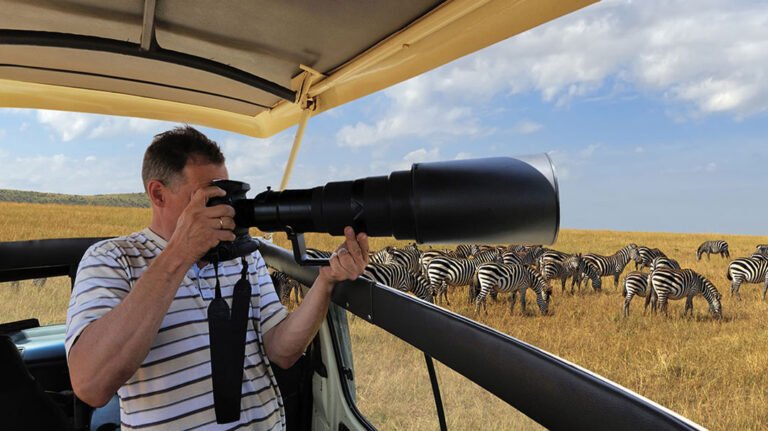
7 Days Machame Kilimanjaro Climb And 5 Tanzania Safari
7 Days Machame Kilimanjaro Climb and 5 Days Tanzania Safari.
View package details7-Day Rongai Route And 3-Day Tanzania Safari
7-Day Rongai Route and 3-Day Tanzania Safari.
View package details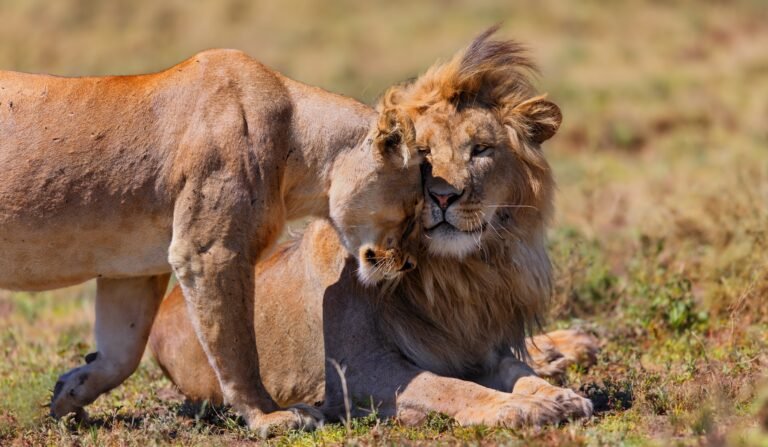
8-Day Lemosho Route And 5-Day Serengeti Safari: A Practical, Scenery-Rich
Conceive a two-part Tanzania adventure: an 8-day Lemosho ascent on Kilimanjaro paired with a 5-day Serengeti wildlife safari, designed for steady acclimatization and in-depth safari time.
View package details8-Day Lemosho Route And 4-Day Tanzania Safari
8-Day Lemosho Route and 4-Day Tanzania Safari.
View package details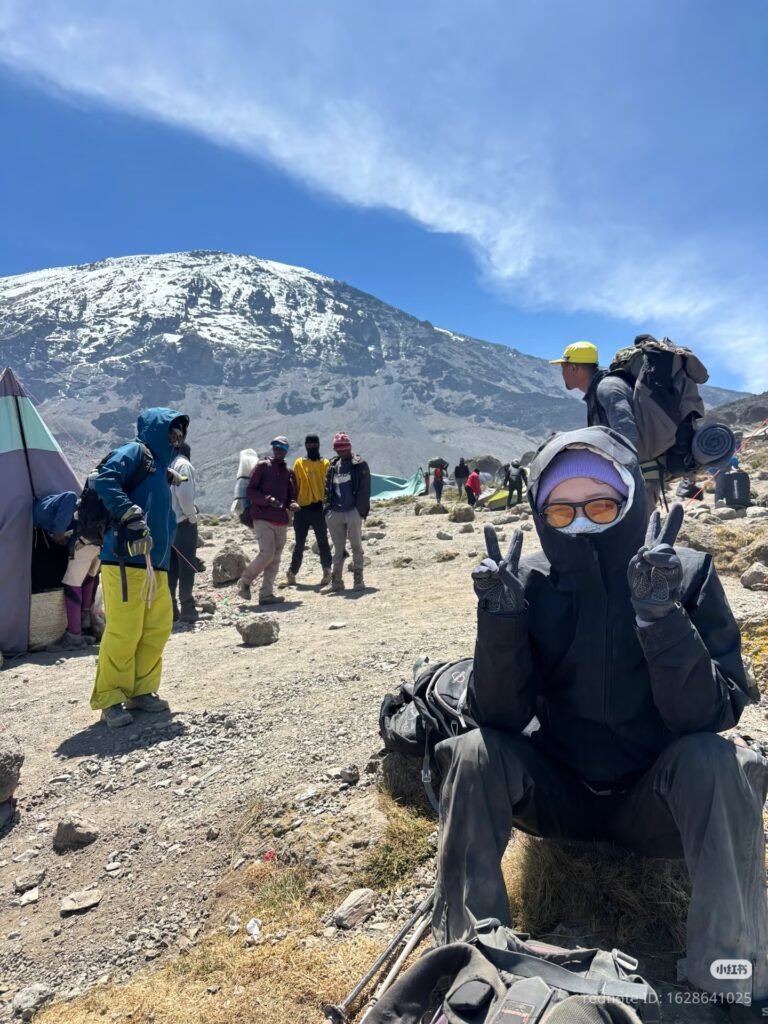
8-Day Lemosho Route And 3-Day Tanzania Safari
8-Day Lemosho Route and 3-Day Tanzania Safari.
View package details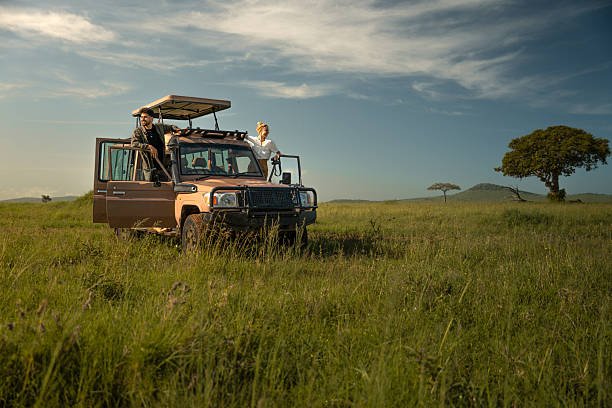
12 Days Machame Route And Serengeti Safari 2026-2027
12 Days Machame Route and Serengeti Safari.
View package details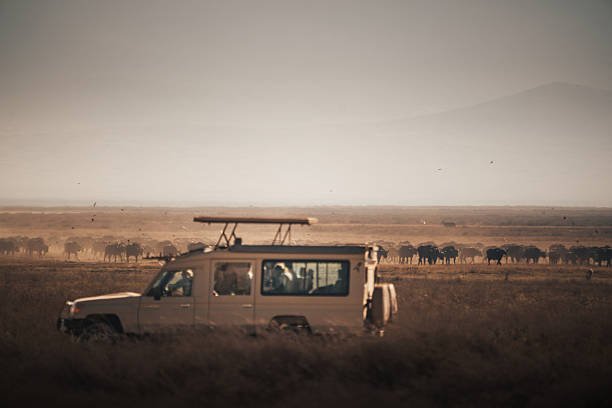
11 Days Machame Route And Ngorongoro Safari 2026-2027
11 Days Machame Route and Ngorongoro Safari.
View package details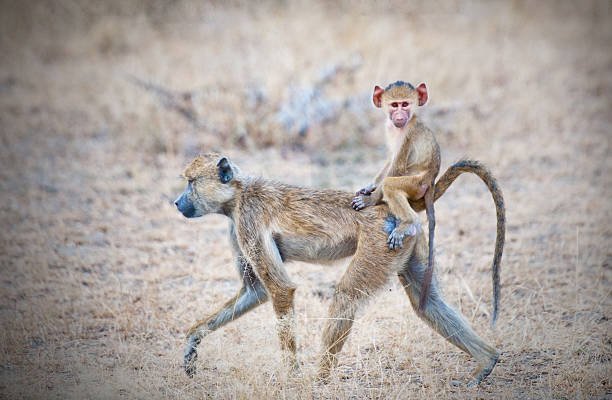
6-Day Marangu Route And 3-Day Big Five Safari
6-Day Marangu Route and 3-Day Big Five Safari.
View package details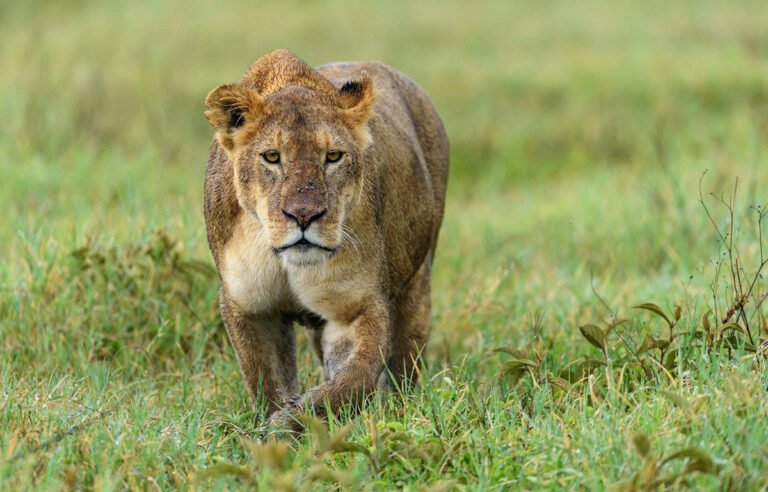
Combine The Challenge Of Kilimanjaro With Wild Beauty Of Tanzania’s Serengeti
This integrated 6-day Machame climb and 3-day safari combines the physical challenge of summiting Africa’s highest peak with in-depth wildlife encounters in the Serengeti and Ngorongoro...
View package details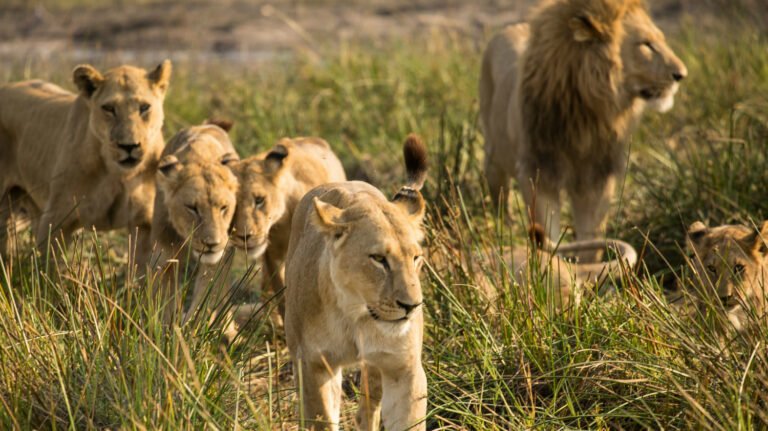
7 Days Kilimanjaro Climb And 4 Wildlife Safari
7 Days Kilimanjaro Climb and 4 Days Wildlife Safari.
View package details8 Days Kilimanjaro Group Climb And 4 Camping Safari
A practical, bookable 8-day plan combining Kilimanjaro Group Climb with a 4-day camping safari. Day-by-day route, acclimatisation logic, and realistic safari logistics without guaranteeing...
View package detailsNo related package matches those filters. Clear one or more filters to see the other topic-matched options.



