
If you’re considering a Kilimanjaro ascent on 20 November 2026 and you want the camaraderie of a shared-group departure, you’ve arrived at the right starting point. This article is designed to answer practical questions, outline how to verify a schedule, and explain what joining a group entails. We’ll focus on the reader’s intention: find an active, reliable shared-group Kilimanjaro climb for a specific date, with real-world considerations for logistics, preparation, and booking decisions.
What a shared-group climb delivers
A shared-group departure means you’re joining a set itinerary with other climbers, guided by experienced Kilimanjaro operators. You share transport, porters, tents or shelters, and meals with a defined group size. This can lower individual costs, create social motivation, and simplify logistics. The trade-off is cadence and pacing; you’ll align with the group’s schedule and acclimatization plan rather than a private, tailor-made schedule.
Why 20 November 2026 matters to climbers
The timing of a November departure aligns with the long dry season in Moshi and the Kilimanjaro routes most climbers favor. Clear skies and cooler nights help with sleep quality on the mountain, but early-winter weather can still bring cold winds and chilly summit moments. Planning a group departure in this window requires looking at availability, gear readiness, and travel arrangements from your home country to Kilimanjaro National Park gates near Moshi or Arusha.
How to verify an actual schedule
Because departures change based on operator availability and seasonal factors, the best practice is to request a confirmed date and group size. On Climb 4 Africa’s site, you can reach out to request a verified schedule for the 20 November 2026 shared-group climb. When you inquire, include your preferred route (Machame, Lemosho, Rongai, or another), approximate fitness level, and any special considerations (altitude sensitivity, dietary needs, or medical conditions). A responsive operator will share current availability, group size limits, included services, and what’s required to secure a spot.
What to expect on a Kilimanjaro shared-group itinerary
Most Kilimanjaro itineraries that run as groups follow a 5 to 7-day format, depending on the route. A typical day-by-day outline looks like this: ascent days with gradually increasing altitude, a quick tempo to avoid fatigue, and a summit push followed by a descent. The exact daily timings vary by route and weather, but you’ll have a predictable rhythm: acclimatization days, steady trekking hours, and built-in rest where needed. With a shared group, you’ll share key logistics like porters, base camps or tents, meals, and shared transport between gate, trailhead, and the hotel pre/post-climb.
Choosing the right route for a November group
Popular routes such as Machame and Lemosho are well-suited for groups thanks to acclimatization days built into the schedule. Rongai can be more straightforward and less crowded early in the season. Your operator can help match your fitness level and acclimatization needs with the route that best fits a 20 November 2026 departure. If you’re unsure which path suits you, request a route comparison tailored to your experience, budget, and preferred pace.
Booking steps and practical tips
1) Start with a verified schedule request: Send a concise inquiry for the 20 November 2026 shared group. 2) Confirm inclusions: Look for permits, park fees, guide and porter ratios, meals, tents or huts, rescue arrangements, and contingency planning. 3) Review gear guidance: Ensure you have the right layers, sleep system, headlamp, gloves, and insulated jacket. 4) Plan your arrival: Arrive in Moshi or Arusha a day or two before the climb to acclimate and complete pre-climb checks with your guide. 5) Check insurance and medical readiness: Confirm you have altitude-related coverage and a plan for emergencies. 6) Prepare physically: Focus on cardio, leg strength, and hiking with a loaded pack to mimic mountain conditions.
Why this is a sensible first step for a 20 November departure
A shared-group climb can be a reliable way to manage logistics while still enjoying the personal guidance of a seasoned Kilimanjaro operator. It avoids some of the complexity of arranging every element yourself, but you should verify what is included and what is not. The key is transparent communication with the operator: understand the exact group size, route, meals, porters, and the backup plan for bad weather or altitude-related issues.
What Climb 4 Africa offers for Kilimanjaro climbs
As a Tanzania travel specialist with a track record in Kilimanjaro climbs, Climb 4 Africa emphasizes practical local support, safety, and clear logistics. When you request a 20 November 2026 shared-group departure, you’ll receive expert guidance on route choice, acclimatization strategy, and day-by-day pacing. They’ll help you assess your readiness, arrange transfer from the airport to Moshi, and coordinate post-climb activities if you plan to extend your stay in Tanzania.
Next steps
To pursue a verified 20 November 2026 shared-group climb, use the site’s inquiry option to request current departures and a confirmed schedule. If you’d like, I can help you draft a short inquiry that captures your route preference, fitness details, and any dietary or medical needs to speed up the confirmation process.
Notes on realism and planning
Prices, inclusions, and exact departure dates change. This article provides practical guidance on how to approach a verified schedule and what information you should gather before booking. Avoid making assumptions about availability or costs; instead, request official details and compare what different operators include in their package. A well-structured inquiry reduces back-and-forth and moves you toward a confident booking for a 20 November 2026 climb with a shared group.
Choosing the right shared-group dynamic for a 20 November 2026 Kilimanjaro climb
Beyond simply confirming a date, many readers want to understand how the group structure will affect pacing, acclimatization, and personal progress. For a 20 November departure, the group’s cadence often follows a standard acclimatization philosophy that prioritizes gradual ascent and rest days, but the exact rhythm can differ by operator and route. If you’ve joined a shared group, you’ll typically be assigned to a fixed daily schedule that aligns with the chosen route (Machame, Lemosho, Rongai, or another). The practical implication is that your personal readiness must accommodate a collective pace, with built-in buffer days to reduce the risk of acute mountain sickness. Clarify in advance how optional acclimatization days are handled within the group and whether any deviations are possible if your fitness is higher or lower than the average climber.
Preparation for a shared-group climb also hinges on understanding what happens if the group encounters weather or altitude-related delays. Responsible operators maintain contingency plans that can include alternative rest days or adjusted pacing without compromising safety or acclimatization. When you request a verified schedule, ask specifically about the operator’s policy for weather-related rerouting, how many backup porters are included, and how the group will be supported if a member requires early descent. These details help assess whether the group framework serves your personal risk tolerance and travel style.
Another practical angle is gear management within the shared format. Most groups standardize certain equipment—shared tents, communal cooking gear, and common transportation for porters—while allowing climbers to bring personal layers and sleep systems. If you have special gear needs (for example, a medical device requiring power or a sleep system with a unique setup), confirm whether that equipment can be accommodated within the shared arrangement. The more you know about what is shared versus what is personal, the better you can budget and plan for the trip’s logistics.
How to optimize acclimatization within a shared group on 20 November
Acclimatization remains the single most important factor for a successful Kilimanjaro ascent. In a shared-group context, acclimatization is influenced by the day-by-day pacing the operator has established for the group. If you travel with others who share a similar fitness baseline, you may experience a smoother climb, but it also means you’ll follow the collective timeline rather than an entirely individualized plan. To optimize your acclimatization, arrive in Moshi or Arusha a day or two early, as suggested, and use that time to acclimate in lower elevations and to complete any pre-climb medical checks. When you’re in the field, communicate any signs of altitude-related discomfort to the guide; a well-managed group will adjust the day’s schedule to allow for rest and additional acclimatization time if needed, while still maintaining the integrity of the shared itinerary.
It’s worth noting that some routes inherently lend themselves to gentler acclimatization patterns. Lemosho and Northern Circuit variants, for example, often incorporate longer approach phases that allow the body to adapt progressively. In a shared-group climb, your personal pacing during trekking days should still respect the group’s rest patterns. If you have prior experience with high-altitude treks or a higher-than-average cardio base, you can discuss ways to contribute to the group’s efficiency—such as setting a pace that’s sustainable for most members while staying within your own training threshold. The key is transparent communication with the guide team before and during the climb.
What to verify in a documented, confirmed schedule for 20 November 2026
Because the exact schedule can shift with weather, porter availability, or logistical constraints, the most reliable approach is to obtain a written confirmation that specifies the day-by-day plan, the minimum and maximum group size, and the included services. A verified schedule should outline: route name, expected daily mileage and ascent, rest days, mandatory acclimatization checkpoints, and the point at which the group may split if a member needs to descend. When you’re communicating with Climb 4 Africa or any operator, request a formal document or email thread that captures these elements, along with cancellation terms and what happens if the climber cannot meet the pace. You should also confirm what portion of transport, meals, and portering is included for the group as a whole, and what, if any, additional costs might arise during the climb (for example, porters for special gear, extra oxygen canisters, or emergency return transport).
Preparing for the booking conversation: a practical checklist
- Route preference and rationale: Confirm your preferred route (Machame, Lemosho, Rongai, or alternative) and the rationale (acclimatization profile, scenery, success rates).
- Physical readiness details: Record your approximate fitness level, recent training volume, and any medical considerations that could affect ascent pacing.
- Dietary and medical needs: List dietary restrictions, allergies, medications, and any altitude-related medical history that the operator should be aware of.
- Arrival and pre-climb days: Plan your travel to arrive in Moshi or Arusha with 1–2 days to spare for acclimatization, medical checks, and equipment verification.
- Gear allocation: Clarify which items will be shared within the group and which must be carried personally, including sleep systems, jackets, and footwear expectations.
- Contingency expectations: Confirm weather-related adjustments, backup plans for bad weather, and the protocol for late desents or extended rests if required.
Post-climb planning and extension options
Many climbers use Kilimanjaro as the anchor of a broader Tanzania itinerary. If your plan includes post-climb extension, discuss with the operator how transfers, safaris, or beach stays are packaged or arranged after the trek. In a shared-group setup, some operators offer bundled post-climb activities or recommended partners for safaris, but you should confirm the terms, durations, inclusions, and costs before booking. Clarify whether the post-climb phase affects the return transfer arrangements to the airport and whether it introduces any changes to your overall travel timeline.
What you gain by asking for a verifiable schedule now
Securing a verified schedule for 20 November 2026 provides clarity and reduces the risk of last-minute misalignment. It helps you compare inclusions across operators, assess the true value of the shared-group option, and plan your finances with greater confidence. It also gives you a concrete basis for negotiation: if you have specific needs—such as a vegetarian meal plan, a particular portering arrangement, or an extended acclimatization buffer—these can be discussed in the context of a confirmed itinerary. Always ensure that the final agreement reflects your requests clearly, in writing, and with explicit terms for what happens if the climb is postponed or if meteorological conditions require changes to the schedule.
In short, a verified schedule for a 20 November 2026 shared-group Kilimanjaro ascent is not a guarantee of a fixed, unchangeable itinerary but a documented commitment that supports your preparation and travel planning. It gives you a concrete framework to evaluate whether the shared-group format aligns with your goals, risk tolerance, and the level of personal guidance you seek on the mountain.
Navigating group dynamics around a November 20, 2026 Kilimanjaro climb: what you should verify beyond a scheduled date
While a confirmed date is essential, the nuanced question climbers often overlook is how the group’s internal dynamics will shape your experience on the mountain. Shared-group departures hinge on a balance between social motivation and individual pacing. A critical yet frequently underemphasized factor is the implicit contract between the operator, your fellow climbers, and you as an individual about pace, acclimatization buffers, and the flexibility of the schedule when natural or logistical challenges arise.
To translate a verified date into a successful ascent, you should probe how the operator plans to manage variability within the group. This includes how the guiding team sequences daily starts, how long the group typically rests at each camp for acclimatization, and how they handle a slower or faster subset of climbers without compromising safety or the overall timetable. An operator that publishes a principled approach to pacing—without locking you into a rigid, fixed rhythm—will usually offer more reliable acclimatization while still preserving the social benefits of a shared experience.
Ask for concrete examples from the operator’s recent November departures. Specifically, request anonymized day-by-day descriptions that illustrate how the group’s cadence was adjusted when a portion of climbers showed signs of altitude fatigue, while others progressed smoothly. The aim is not to cherry-pick best-case stories but to understand whether the operator typically accommodates varying rates of ascent within a single departure, and if so, how that flexibility is communicated to participants before departure and on the mountain.
Another subtle but important element is how the group’s size interacts with personal gear responsibility and logistics. In practice, larger groups can dilute one’s control over pace and resting opportunities, while smaller groups may feel more agile but carry a different social dynamic. Clarify with the operator whether there is a maximum and minimum group size tied to the 20 November 2026 departure, how many guides will accompany the group, and whether the porters’ allocation scales with group size in a way that affects individual rest periods or technical support at critical points in the route.
Coupled with pacing, acclimatization buffers can be negotiated in a way that protects your health without sacrificing the shared-group experience. A robust schedule will typically incorporate a built-in acclimatization day or extended rest periods on the higher camps, but the exact placement and length of these rests should be documented and confirmed in writing. If you have prior altitude experience or concerns about sleep quality, explicitly request how the itinerary accommodates a gentler ascent for those who need it, and whether optional extra acclimatization time is available as a paid upgrade within the shared-group framework.
Beyond day-by-day pacing, look for transparency on how meal planning and sleep arrangements are synchronized with the group’s rhythm. Shared tents or shelters work optimally when the group shares responsible, predictable routines for meal times, equipment handoffs, and contingency rest. A dependable operator will provide a clear explanation of how meals are sequenced across the day, who is responsible for shared tasks in the camp, and what happens if a member requires one more rest night due to altitude symptoms. This level of detail often signals that the operator respects individual comfort within the collective journey and reduces the stress of adapting to a moving target once you’re on the trail.
When you review a verified schedule, apply the same critical lens to the non-mountain components of the trip: airport transfers, road transport to Moshi or Arusha, gear check protocols, and contingency plans for weather-driven reroutes. A well-structured shared-group itinerary will align these logistics with the mountain legs so that delays in one segment do not cascade into last-minute confusion or missed flights. Seek explicit statements about how late arrivals, flight delays, or a day with adverse conditions on the mountain would be accommodated without sacrificing safety or the integrity of the group’s commitments.
Finally, translate all these considerations into a practical decision framework you can use when you receive a verified schedule for the 20 November 2026 departure. Create a simple comparison checklist that includes: pace flexibility, acclimatization buffers, group size and guide-to-climber ratio, shared-resource management (gear, tents, meals), post-climb extension options tied to the same group, and documented contingency procedures. If the operator provides written responses to these items, you will have a robust basis to assess whether a shared-group climb matches your personal approach to risk, social experience, and overall comfort on Kilimanjaro.
Related Guides and Packages
Check Availability for Climb Kilimanjaro In 20 November : Join A Shared Group With 4 Africa…
Ready to compare dates, prices, and the best option for your group? Send the package name and travel month so the team can reply with a clear quote, availability, and what is included.
Climb Kilimanjaro In 13-November-2026, Join Small Group
Climb Kilimanjaro in 13-November-2026, Join Small Group.
View package details
7 Days Rongai Route Kilimanjaro Group Joining – 26 November – 2 December
Experience Kilimanjaro via the Rongai Route with a confirmed group departure for 26 November–2 December 2026. Read a practical, day-by-day plan focusing on route pacing, acclimatization...
View package details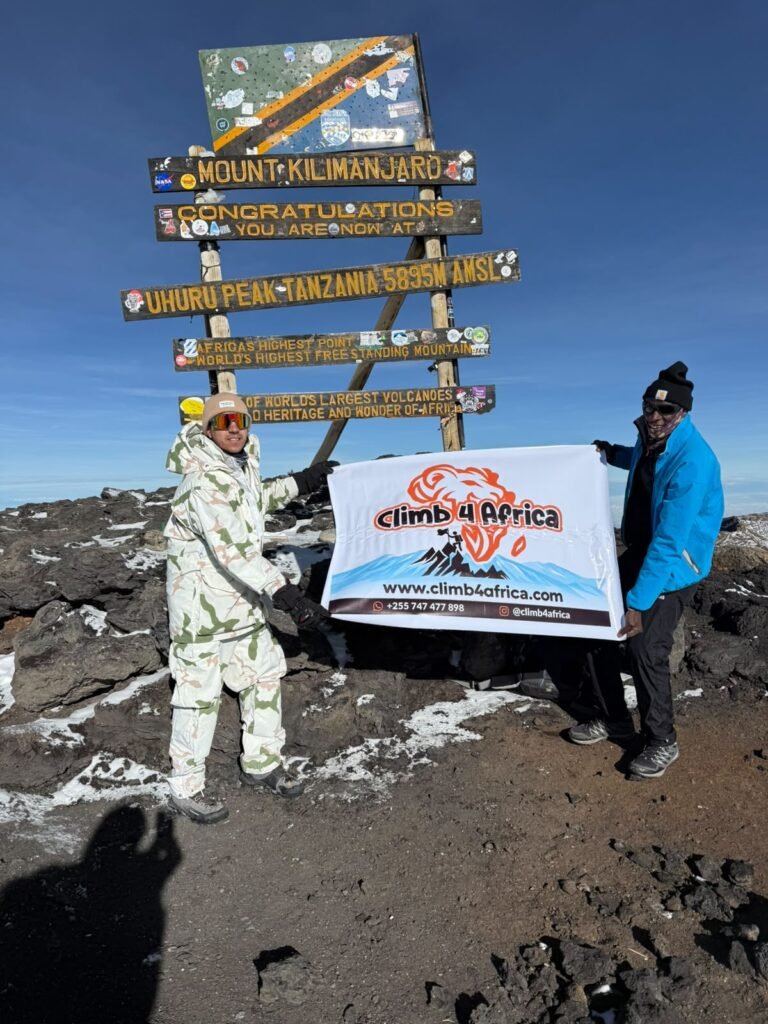
7 Days Machame Kilimanjaro Group Joining – 14–20 November
Join a confirmed 7-day Machame Route Kilimanjaro climb with a small group, departing 14–20 November 2026. Plan, acclimatise and summit with practical logistics and local support.
View package details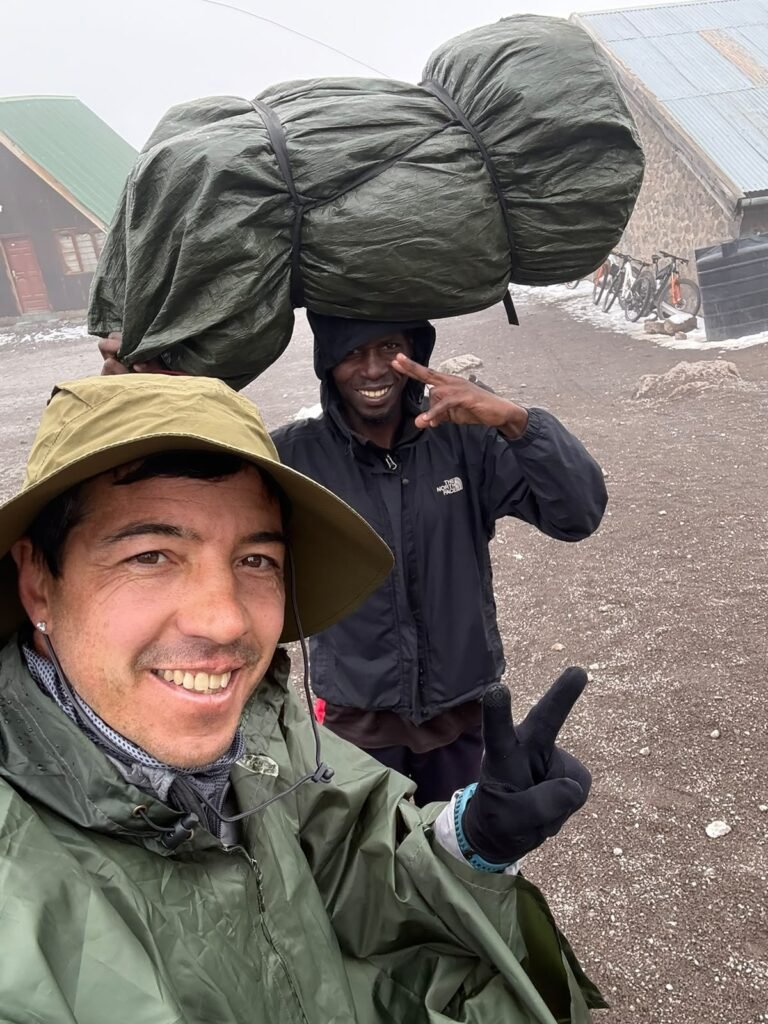
8 Days Lemosho Route Kilimanjaro Group Joining – 7–14 November 2026
Plan an 8-day Lemosho climb on Kilimanjaro with a verified group joining window of 7–14 November 2026. This first installment breaks down the day-by-day itinerary, acclimatisation logic...
View package details6 Days Marangu Route Kilimanjaro Group Joining – 20–25 November
Bookable 6 days on the Marangu route with a verified group departure 20–25 November 2026. Day-by-day itinerary, acclimatization plan, hut-style accommodations, and how to request a...
View package details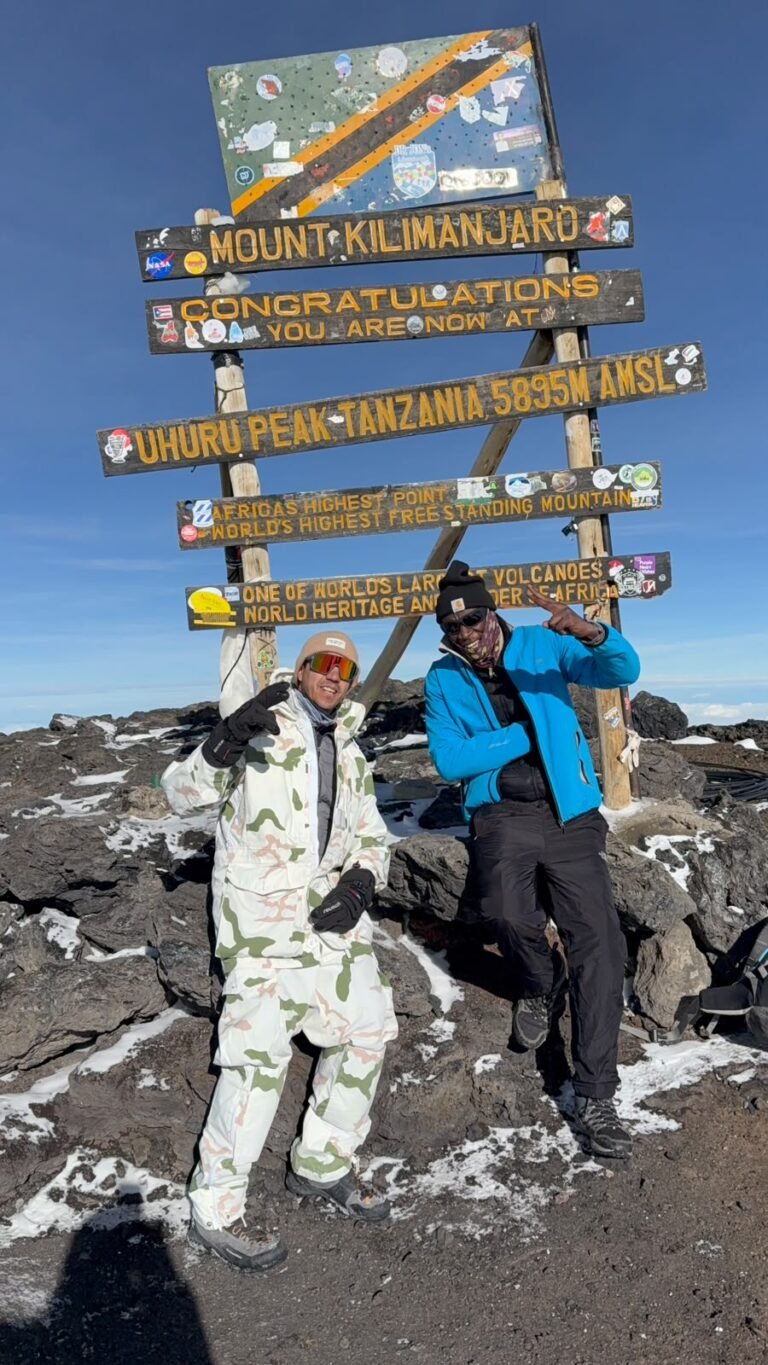
Kilimanjaro Solo Traveller Group Climb – 18–25 November 2026
Kilimanjaro Solo Traveller Group Climb – 18–25 November 2026.
View package details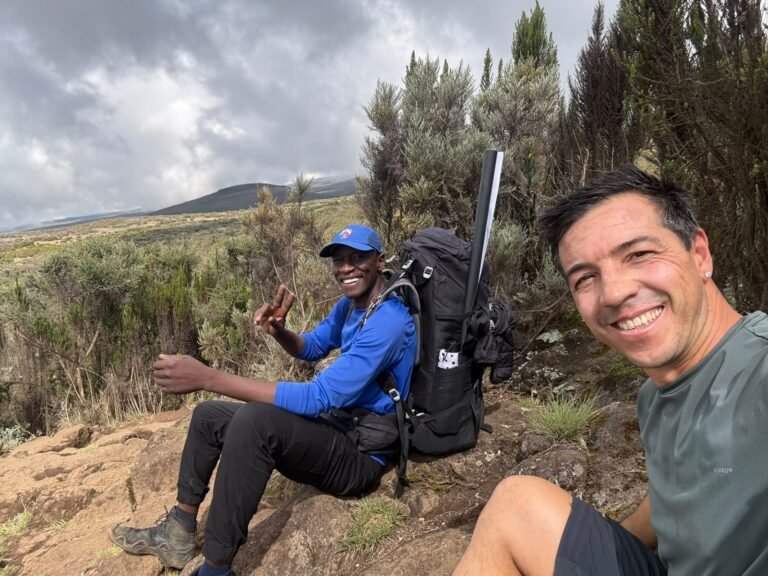
8 Days Lemosho Kilimanjaro Group Joining: 18–25 November 2026
Plan an 8-day Lemosho Kilimanjaro climb with a shared group from 18–25 November 2026. Learn the route, day-by-day logistics, and what a booked package typically includes.
View package details
Kilimanjaro Group Trekking From Moshi, 19–25 November 2026
Kilimanjaro Group Trekking From Moshi – 19–25 November 2026.
View package details
November Kilimanjaro Lemosho Vs Machame Group Climbing Dates
November 2026 Kilimanjaro Lemosho vs Machame Group Climbing Dates.
View package details7 Days Machame Route Kilimanjaro Group Joining – 27 November – 3 December
7 Days Machame Route Kilimanjaro Group Joining – 27 November – 3 December 2026.
View package details
8 Days Lemosho Route Kilimanjaro Group Joining – 27 November – 4 December
8 Days Lemosho Route Kilimanjaro Group Joining – 27 November – 4 December 2026.
View package details
9 Days Northern Circuit Kilimanjaro Group Joining – 17–25 November
9 Days Northern Circuit Kilimanjaro Group Joining – 17–25 November 2026.
View package detailsNo related package matches those filters. Clear one or more filters to see the other topic-matched options.



